QUICK SUMMARY
Essential oils for depression can support mood through several pathways, especially inhalation. Aromatic compounds interact with the olfactory system and limbic system, while constituents such as limonene, linalool, and beta-pinene have been studied for effects related to mood and brain chemistry. Among our top choices are bergamot, clary sage, frankincense, lavender, lemon, orange, rose, rosemary, vetiver, and ylang ylang.
Depression is complex, so essential oils are best used as part of a broader approach that includes faith, healthy lifestyle choices, relationships, counseling or medical care when needed, and addressing underlying causes. If you are in crisis or having thoughts of suicide or self-harm, call or text 988 in the United States for immediate support.
I understand depression. I struggled with it throughout my teen years and early twenties, which even led me to have suicidal thoughts. Then, when I met Christ in 2003, I discovered what the Bible says about depression, and I prayed that God lift the burden off my shoulders and, “Poof!” it literally vanished instantly.
Today, more than 20 years later, I can confidently boast in the Lord that I am still free! My hope and prayer is that you and your loved ones experience this type of miraculous deliverance in your life. But if your healing doesn’t come right away, essential oils for depression can be powerful tools to help support your mood as part of a comprehensive approach to emotional, physical, and spiritual health.
In all seriousness, if you or a loved one struggles with depression, it is crucial to find safe and effective support. If at any time you have thoughts of harming yourself or others, call or text 988 through the 988 Suicide & Crisis Lifeline. You were never meant to deal with depression alone.
Depression is complex, and essential oils aren’t the only tool in the toolbox. Counseling, appropriate medical care, nourishing food, movement, sleep, meaningful relationships, prayer, Scripture, and addressing underlying stressors can all have a place. For more support, see our articles on what the Bible says about depression, essential oils for mood support, and essential oils for postpartum depression.
Table of Contents

How Do Essential Oils Help With Depression?
Depression involves multiple biological and emotional pathways, including neurotransmitters and stress-response systems. Essential oils are especially interesting because their volatile aromatic compounds can influence the body through both chemistry and scent.
The most direct aromatic pathway is inhalation. When you smell essential oils, volatile compounds interact with nerve cells in the nose and trigger the olfactory system. Those signals rapidly reach the limbic system, the network of brain structures deeply involved in mood, memory, emotion, and stress responses. Aromatic compounds can also enter circulation through the lungs, while topical application provides another route of exposure.
This helps explain why aromatherapy can affect how you feel so quickly. The research is especially compelling for certain essential-oil constituents. Citrus oils are rich in limonene, which has been studied for antidepressant activity. Peer-reviewed research has investigated bergamot, lemon, orange, and yuzu for depression and mood. Linalool-rich oils are also important because linalool can affect GABA, a neurotransmitter involved in regulating brain activity, anxiety, and mood.
There’s another piece that shouldn’t be overlooked: scent is personal. A familiar aroma tied to a positive memory can help create feelings of comfort and happiness, while a scent associated with trauma may do the opposite. That’s why we encourage you to pay attention to your own response rather than assuming one oil will be best for everyone.
Essential oils work best within the context of a healthy lifestyle. We don’t believe in using an oil while ignoring sleep, nutrition, movement, relationships, stress, spiritual health, or other factors that may be contributing to depression.
Top 18 Essential Oils for Depression
With the growing popularity of essential oils, many people have strong opinions regarding which oils may help. The research behind these 18 oils ranges from controlled human studies and clinical aromatherapy research to animal and mechanistic studies that help us understand how particular constituents may work.
The research gives us good reason to consider these oils as part of a natural approach to mood support.
1. Bergamot Essential Oil
Bergamot is one of the citrus oils we reach for most often when stress, anxious feelings, and low mood overlap. Like other citrus oils, it contains limonene, a constituent studied for antidepressant activity.
In a 2022 randomized trial from Taiwan, 60 new mothers in a postpartum care center inhaled either bergamot essential oil or plain water for 15 minutes each afternoon. After two and four weeks, depressive mood was significantly lower in the bergamot group (1).
This fits well with its established aromatherapy use as an anxiolytic, making bergamot a wonderful choice when depression comes with tension or anxious feelings.
2. Cedarwood Essential Oil
Cedarwood is a grounding choice when depression or anxiety symptoms make it difficult to concentrate, work, study, or transition out of a stressful day. Human research on cedarwood and mood is still thin, but a 2015 study in mice found that an essential oil from a variety of Australian red cedar had antidepressant-like activity (2).
Keep in mind that cedarwood species matter. That study examined Australian red cedar, a tree from the mahogany family rather than a true cedar. In practical aromatherapy, Atlas cedarwood is commonly chosen for its grounding aroma.
What if I’m Sensitive or Have Allergies? A few people are sensitive to cedar, so if you have cedarwood allergies try one of the other essential oils for depression from this list instead.
3. Clary Sage Essential Oil
Clary sage demonstrates mood-enhancing activity in human research. In a 2025 randomized trial, people with diabetic foot ulcers and mild depression who inhaled 5% clary sage oil had significantly less stress than those who inhaled plain almond oil (3).
An earlier 2014 study of menopausal women found that inhaling clary sage raised serotonin and lowered cortisol (4). Serotonin is one of the brain chemicals most closely tied to mood.
Clary sage is also rich in linalool, one of the essential-oil constituents we pay close attention to for emotional wellness because of its relationship with GABA activity.
4. Frankincense Essential Oil
It is obvious why frankincense essential oil is a favorite when dealing with depression. Its deep, resinous aroma is wonderfully grounding, and it pairs beautifully with brighter citrus and floral oils.
In a 2008 Korean study, hospice patients with terminal cancer received hand massage with bergamot, frankincense, and lavender diluted in sweet almond oil (5). The simple intervention improved depression and reduced pain, a practical example of how essential oils and touch can work together.
A 2022 meta-analysis of aromatherapy in people with cancer adds context. Across the trials, aromatherapy clearly eased anxiety, with aromatic massage the most effective method, while depression scores did not differ from the control groups (6).
Learn More About Frankincense Uses, Benefits for Cancer, and More Given the results of this and other studies, it’s no surprise to anyone that frankincense essential oil is a favorite for many purposes. But one of my favorite uses for frankincense essential oil is for cancer support.
5. Geranium Essential Oil
Geranium and rose geranium have a long history of use for women’s health, stress, anxiety, and emotional balance. In a 2023 Korean trial, patients with lumbar spinal stenosis and moderate to severe pain who inhaled 1% geranium oil had lower pain and significantly lower anxiety and stress scores, while the placebo group did not improve (7).
Rose geranium is especially interesting because research has explored serotonin-related neurological pathways, giving us another possible mechanism beyond the GABA pathways associated with linalool-rich oils.
6. German Chamomile Essential Oil
Chamomile is known to be calming and soothing to numerous body systems. In a 2022 randomized trial of 183 older adults, inhaling three drops of 1.5% chamomile or lavender oil each night for 30 nights significantly improved depression, anxiety, and stress compared with a water placebo, and the benefit held a month later (8).
German chamomile and Roman chamomile have both earned a place in aromatherapy for relaxation and emotional support.
Chamomile is an especially good oil to consider when low mood comes with stress, restlessness, or digestive tension. The mind and gut are closely connected, and calming the body can be an important part of helping the mind settle.
7. Lavender Essential Oil
If you can use only one of the essential oils for depression, lavender is one of the best. It has a long and well-documented history as a calming and healing agent.
Lavender is rich in linalool, and research has examined lavender and its constituents for anxiety, stress, mood, sleep, neurological activity, and GABA-related mechanisms. Both human and preclinical studies help explain why lavender is one of the most widely used oils when depression is accompanied by anxious feelings, poor sleep, tension, or emotional exhaustion.
The Power of Lavender in Essential Oil Research: Lavender essential oil has been studied in both animals and humans for stress, anxiety, neurological activity, inflammation, headache, mood, and premenstrual symptoms. A 2021 meta-analysis of randomized controlled trials found that lavender beat placebo or no treatment for both anxiety and depression, and it also lowered systolic blood pressure (9). That is why lavender remains one of our most versatile oils for emotional wellness.
While everyone must address the cause of depressed feelings, lavender essential oil can be a powerful addition to a broader mood-support plan.
8. Lemon Essential Oil
All citrus essential oils have a role in addressing depression, but lemon’s brightening effect makes it one of our favorites.
Citrus oils are naturally rich in limonene, a constituent well researched for antidepressant activity. Research has specifically investigated lemon aromatherapy for mood, and citrus aromas have also been studied in stressful or helplessness-inducing situations. This makes lemon particularly appealing when low mood comes with mental fatigue or brain fog.
9. Lemon Balm/Melissa Essential Oil
Melissa is a precious essential oil with a long reputation for calming the nervous system. Research has explored lemon balm’s effects on agitation, cognition, and neurotransmitter-related activity.
A 2021 meta-analysis of clinical trials found that lemon balm significantly improved both anxiety and depression scores compared with placebo, without serious side effects (10). Those trials tested lemon balm as a medicinal herb, but they confirm the plant’s calming reputation.
That makes Melissa particularly interesting when emotional distress is accompanied by agitation or cognitive symptoms.
Learn more about lemon balm (aka melissa) essential oil here.
10. Nutmeg Essential Oil
Nutmeg’s warm, familiar aroma can itself be emotionally comforting, which illustrates something important about aromatherapy: scent, memory, and mood are closely connected.
In a 2023 screening of 20 essential oils, nutmeg oil given intranasally to mice reduced depression-like behavior and also eased anxiety-like behavior (11). That doesn’t make an animal study the same as a human clinical trial, but it does give us another reason to appreciate this warming, stimulating oil when you’re feeling down.
11. Orange Essential Oils
Both sweet and bitter orange trees give us valuable essential oils for emotional health. Neroli essential oil, distilled from the flowers of the bitter orange tree, is especially prized for calming anxious feelings and stress.
Sweet orange is one of our favorite mood oils. Like other citrus oils, it is rich in limonene.
In a 2025 Brazilian trial, women in labor who inhaled sweet orange oil had significantly less anxiety and pain than those given a water placebo (12). Bitter orange shines too: in a 2025 trial, pregnant women who inhaled bitter orange (Citrus aurantium) oil twice a day for a month saw their depression, anxiety, and stress scores drop significantly compared with almond oil (13).
Orange is easy to diffuse in family spaces because its bright aroma can help set the stage for a calmer, happier atmosphere. We especially love diffusing sweet orange when everyone comes home at the end of a long day.
12. Palmarosa Essential Oil
Palmarosa is a sweet-smelling grass in the lemongrass family. A 2011 lab study found that palmarosa inhibited monoamine oxidase (14), an interesting mechanism because monoamine neurotransmitters are deeply involved in mood.
Palmarosa is also one of the recommended ingredients in our sleep spray essential oil blends, making it a useful option when low mood and poor sleep overlap.
13. Peppermint Essential Oil
One of our favorite oils in the Z house! Peppermint essential oil can feel wonderfully energizing when fatigue and lack of motivation are dragging you down.
Peppermint aroma has been studied for alertness, cognitive performance, fatigue, and mood. It isn’t the oil we reach for when someone needs to wind down, but it can be a great choice when depression feels more like sluggishness, brain fog, or lack of drive.
14. Rose Essential Oil
One of the most precious oils, rose essential oil is associated with relaxation and emotional comfort. A 2022 systematic review of animal studies and clinical trials concluded that Damask rose, used as an essential oil, extract, or aromatherapy, is an effective herb for anxiety, sleep problems, and depressive disorders (15).
Human research is especially interesting here. Rose aromatherapy has been studied in people taking antidepressant medication, with findings involving both sexual function and depressive symptoms. That makes rose worth considering when depression affects intimacy as well as mood.
We often use it in our Heavenly Scent Essential Oil Spray as a homemade body spray or room freshening spray.
15. Rosemary Essential Oil
Rosemary is particularly interesting because a 2013 study in mice found that its polyphenols produced antidepressant-like effects through several neurotransmitters related to mood, including dopamine, norepinephrine, serotonin, and acetylcholine (16).
In people, a 2024 trial of older adults with diabetes found that four weeks of inhaling rosemary improved cognitive function and sleep quality and reduced anxiety (17). Its fresh, stimulating aroma makes it a natural choice when depression is accompanied by mental fatigue or difficulty concentrating.
16. Sandalwood Essential Oil
Sandalwood essential oil has a rich, grounding aroma and a long history of use for emotional and spiritual well-being. Its scent makes it especially useful for quiet reflection, prayer, relaxation, and evening diffuser blends.
Some people find quality sandalwood essential oil to be cost-prohibitive, so you don’t need to force it into your routine if another grounding oil works well for you. Aromatherapy is highly personal, and the aroma that helps one person relax may not be the best fit for another.
Use sandalwood for diffuser blends, body care recipes, and sleep support blends.
17. Vetiver Essential Oil
The deep, earthy scent of vetiver makes it one of our favorite grounding oils. A 2015 study found anti-anxiety-like activity in rats that inhaled vetiver (18), while its aroma is widely used when stress and restlessness make it difficult to settle down.
Vetiver is also a good choice for people who struggle with focus or attention when anxious. In fact, we recommend it in the Focus and Calm Blend Essential Oils Roll-On for Kids.
18. Ylang Ylang Essential Oil
Ylang ylang essential oil has historically been used for mental relaxation and emotional balance. You could call it the queen of essential oils for depression.
A 2015 review gathered its traditional uses and the research on relaxation, mood, and physiological calming (19). More recently, a 2022 study found that ylang ylang oil reduced pain and pain-related anxiety in mice (20).
It is also one of the linalool-rich oils we like to combine with lavender, clary sage, geranium, neroli, and other floral oils for emotional support.
Married couples who find their intimate time is negatively impacted by depression may also appreciate ylang ylang. Research on aromatherapy and sexuality adds another reason this oil is so popular in perfumery and romantic blends. Its rich floral aroma works beautifully in both personal fragrances and diffuser recipes.
Now that the top essential oils for depression have been examined individually, let’s look at a couple of ways they can be used together. Many essential oils work beautifully in blends, and these two recipes give you practical ways to use them when low mood comes with emotional heaviness or difficulty focusing.
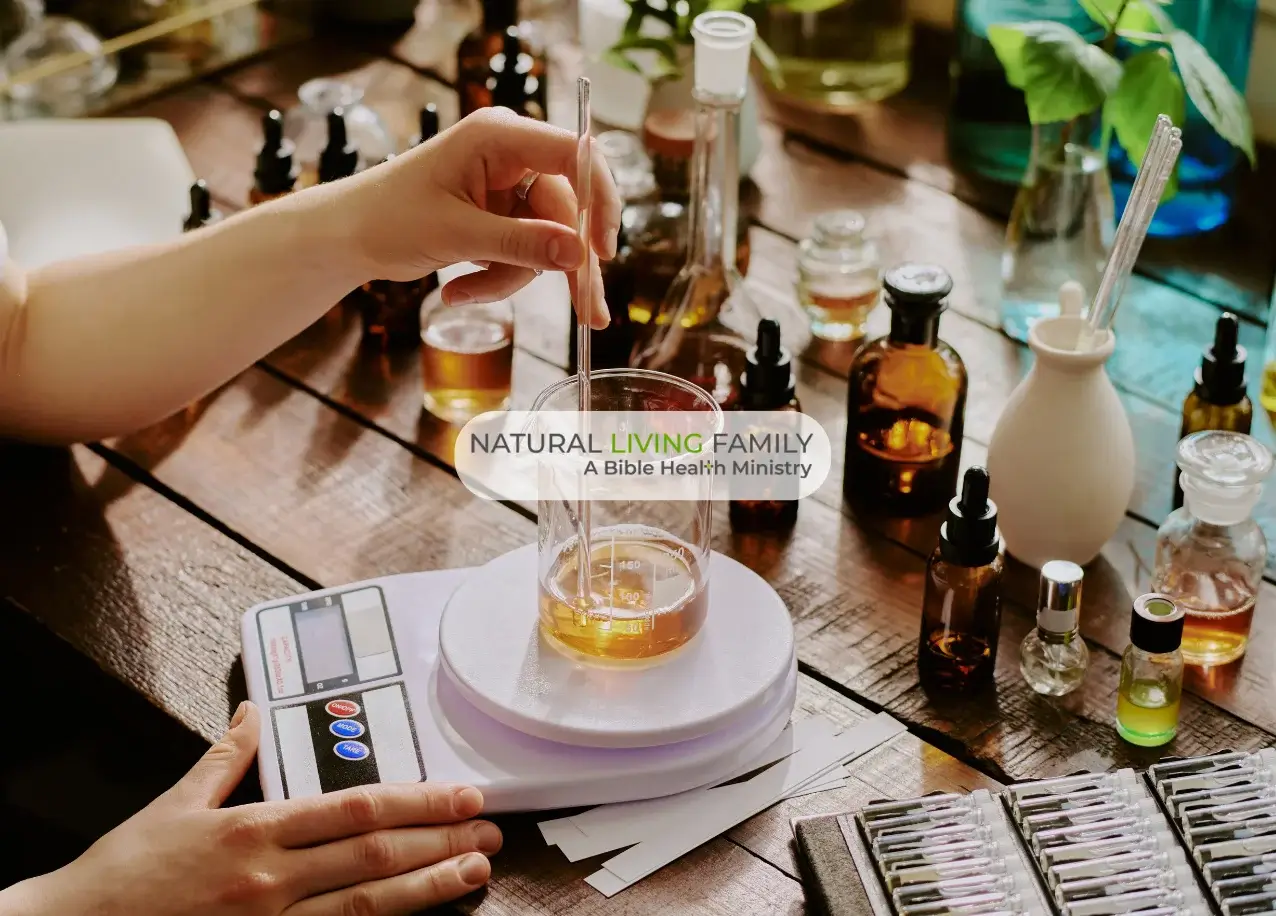
These essential oils can be combined into a unique blend just for you. The amounts below should fill a 5ml amber glass bottle so you can have your own master blend to use with your favorite aromatherapy techniques!

Mood Lifting Essential Oils For Depression Blend
Quantity
Ingredients
- 10 drops lemon essential oil
- 10 drops bergamot essential oil
- 15 drops ylang ylang essential oil
- 15 drops frankincense essential oil
- 20 drops lemon balm (Melissa) essential oil
- 30 drops lavender essential oil
Supplies
- 5ml amber glass bottle with dropper insert
Instructions
- Combine the essential oils by rolling gently to combine. Amber bottles are best as they protect oils from ultraviolet light damage, and dropper inserts mean you can dispense your blend safely and accurately.
If brain fog or inattentiveness is a struggle for you, you might find this blend below very helpful. The oils should be the perfect amount to fill a 5ml glass bottle and create your own unique essential oil blend. Use it when low mood makes it difficult to focus on what you are trying to do.
Help Me Focus Essential Oil For Depression Blend
Quantity
Ingredients
- 10 drops neroli essential oil
- 10 drops rose geranium essential oil
- 15 drops bergamot essential oil
- 15 drops German chamomile essential oil
- 20 drops vetiver essential oil
- 30 drops sweet orange essential oil
Supplies
- 5ml amber glass bottle with dropper insert
Instructions
- Combine the essential oils in the 5ml glass bottle and roll gently to combine.
Depression has so many elements, and symptoms can come in clusters. It can make you feel isolated and alone sometimes. But you aren’t alone, and there is hope!
Essential oils for depression can be powerful tools to help support mood and manage symptoms naturally. Keep listening to your body, use the oils within the context of a healthy lifestyle, and don’t be afraid to reach out for help when you need it.
And we are, as always, praying for you to experience the abundant life!
Keep reading: Best Essential Oils for Anxiety & Panic Attacks + 3 DIY Remedies · 11 Cedarwood Essential Oil Benefits & Uses for Sleep, Hair & More · Essential Oils for Energy and Focus: Easy Inhaler Recipe
References
- Chen ML, Chen YE, Lee HF. The Effect of Bergamot Essential Oil Aromatherapy on Improving Depressive Mood and Sleep Quality in Postpartum Women: A Randomized Controlled Trial. Journal of Nursing Research. 2022. Source.
- Duan D, Chen L, Yang X, et al. Antidepressant-like effect of essential oil isolated from Toona ciliata Roem. var. yunnanensis. Journal of Natural Medicines. 2015. Source.
- Son JW, Kang P, Min SS, et al. Differential effects of clary sage (Salvia sclarea L.) oil and linalyl acetate on depression levels in diabetic foot ulcer patients with T2DM: a randomized blinded controlled trial. Frontiers in Medicine. 2025. Source.
- Lee KB, Cho E, Kang YS. Changes in 5-hydroxytryptamine and cortisol plasma levels in menopausal women after inhalation of clary sage oil. Phytotherapy Research. 2014. Source.
- Chang SY. Effects of aroma hand massage on pain, state anxiety and depression in hospice patients with terminal cancer. Taehan Kanho Hakhoe Chi. 2008. Source.
- Li D, Li Y, Bai X, et al. The Effects of Aromatherapy on Anxiety and Depression in People With Cancer: A Systematic Review and Meta-Analysis. Frontiers in Public Health. 2022. Source.
- Seo E, Cho Y, Lee JM, et al. Inhalation of Pelargonium graveolens Essential Oil Alleviates Pain and Related Anxiety and Stress in Patients with Lumbar Spinal Stenosis and Moderate to Severe Pain. Pharmaceuticals. 2023. Source.
- Ebrahimi H, Mardani A, Basirinezhad MH, et al. The effects of Lavender and Chamomile essential oil inhalation aromatherapy on depression, anxiety and stress in older community-dwelling people: A randomized controlled trial. Explore. 2022. Source.
- Kim M, Nam ES, Lee Y, et al. Effects of Lavender on Anxiety, Depression, and Physiological Parameters: Systematic Review and Meta-Analysis. Asian Nursing Research. 2021. Source.
- Ghazizadeh J, Sadigh-Eteghad S, Marx W, et al. The effects of lemon balm (Melissa officinalis L.) on depression and anxiety in clinical trials: A systematic review and meta-analysis. Phytotherapy Research. 2021. Source.
- Tran KN, Nguyen NPK, Nguyen LTH, et al. Screening for Neuroprotective and Rapid Antidepressant-like Effects of 20 Essential Oils. Biomedicines. 2023. Source.
- Nascimento JC, Gonçalves VSDS, Souza BRS, et al. Effectiveness of aromatherapy with sweet orange oil (Citrus sinensis L.) in relieving pain and anxiety during labor. Explore. 2025. Source.
- Moradi M, Niazi A, Mohammadi Payandar F, et al. The effect of aromatherapy with Citrus Aurantium essential oil on depression, stress and anxiety in pregnant women; a randomized controlled clinical trial. Taiwanese Journal of Obstetrics and Gynecology. 2025. Source.
- Gacche RN, Shaikh RU, Chapole SM, et al. Kinetics of Inhibition of Monoamine Oxidase Using Cymbopogon martinii (Roxb.) Wats.: A Potential Antidepressant Herbal Ingredient with Antioxidant Activity. Indian Journal of Clinical Biochemistry. 2011. Source.
- Mohamadi N, Pourkorrani MHS, Langarizadeh MA, et al. Evidence for Rosa damascena efficacy in mental disorders in preclinical animal studies and clinical trials: A systematic review. Phytotherapy Research. 2022. Source.
- Sasaki K, El Omri A, Kondo S, et al. Rosmarinus officinalis polyphenols produce anti-depressant like effect through monoaminergic and cholinergic functions modulation. Behavioural Brain Research. 2013. Source.
- Can S, Yildirim Usta Y, Yildiz S, et al. The effect of lavender and rosemary aromatherapy application on cognitive functions, anxiety, and sleep quality in the elderly with diabetes. Explore. 2024. Source.
- Saiyudthong S, Pongmayteegul S, Marsden CA. Anxiety-like behaviour and c-fos expression in rats that inhaled vetiver essential oil. Natural Product Research. 2015. Source.
- Tan LT, Lee LH, Yin WF, et al. Traditional Uses, Phytochemistry, and Bioactivities of Cananga odorata (Ylang-Ylang). Evidence-Based Complementary and Alternative Medicine. 2015. Source.
- Borgonetti V, López V, Galeotti N. Ylang-ylang (Cananga odorata (Lam.) Hook. f. & Thomson) essential oil reduced neuropathic-pain and associated anxiety symptoms in mice. Journal of Ethnopharmacology. 2022. Source.