QUICK SUMMARY
Essential oils for meditation, especially frankincense and ylang ylang, can provide a pleasant aromatic cue to slow down, breathe comfortably, and focus during prayer, Scripture reflection, or mindfulness. Our portable Meditation & Mindfulness Inhaler Blend makes it easy to bring that familiar scent into a quiet moment without burning incense.
The recipe comes first below. Aromatherapy may support a sense of relaxation for some people, but research is mixed, and essential oils do not treat the underlying causes of anxiety or emotional distress. Use the inhaler gently, avoid direct contact with your nose or skin, and stop if the scent causes irritation.
Burning incense for religious rituals and meditation has been practiced since the beginning of recorded history. It seems like every culture has adopted various aromatic experiences to help facilitate a more reflective state of mind. More than just an ethereal, overtly spiritual practice, setting aside time for stillness and reflection can have practical benefits for emotional well-being.
For our family, the goal isn’t to chase a higher state of consciousness. It’s to make room to slow down, examine what’s happening in our hearts, and turn our attention toward God. Essential oils for meditation can be one small part of that routine. If you want a simple place to start, make this portable inhaler first, then read on for ways to use it thoughtfully.
Table of Contents
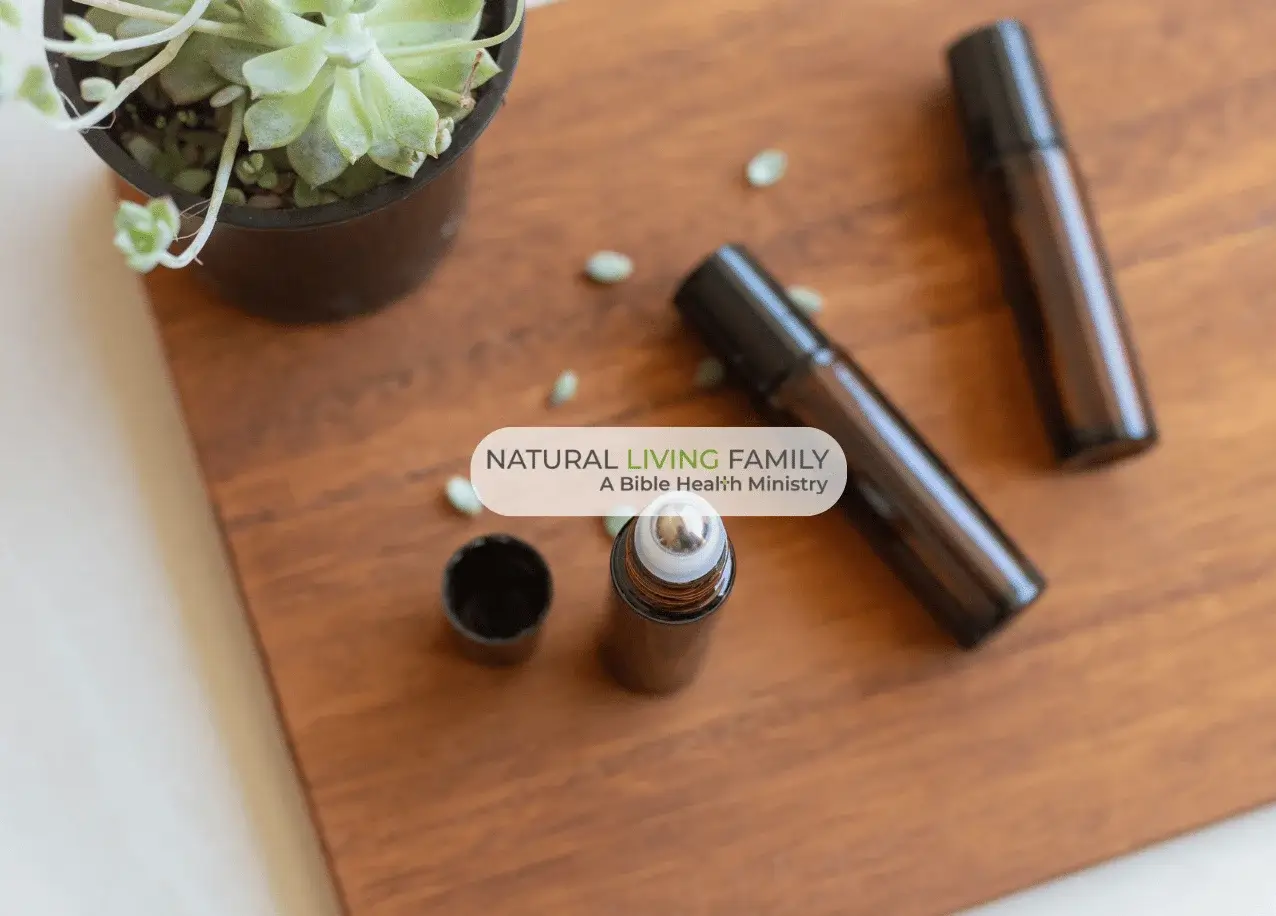
To help you settle into a more reflective mindset, make this On-the-Go Mindfulness Inhaler and keep it on hand because you just don’t know when you may need it! The recipe uses a personal inhaler rather than a room diffuser, so the aroma is available when you want a brief moment of quiet without filling the whole room with fragrance.

Meditation & Mindfulness Inhaler Blend
Quantity
Ingredients
- 5 drops vetiver essential oil
- 5 drops frankincense essential oil
- 3 drops patchouli essential oil
- 3 drops ylang ylang essential oil
- 3 drops yuzu or neroli essential oil
Supplies
- Aromatherapy inhaler (super fancy, OR budget friendly)
Instructions
- Place cotton pad in inhaler tube.
- Add drops of essential oils directly into the tube on the cotton pad.
- Open inhaler, close eyes, and take a few deep breaths for an immediate “escape” and to enter into a meditative, mindful state.
- Store in purse and be sure to have one handy at work.
Once your inhaler is ready, bring it near your nose without inserting it into your nostrils. Take a gentle, comfortable breath and set it aside. You don’t need to inhale forcefully or repeatedly. Let the scent remind you to pause, unclench your shoulders, and pay attention to what matters in that moment.
The Importance of Emotional Mindfulness
When you begin to become more mindful of your emotional state, that may mean that you don’t always like what you see. As you increase your mindfulness, you will find that you want to detox from those negative emotions that you know are harmful to your well-being.
Anyone experiencing negative emotions or thoughts should consider an emotional cleanse because toxic thoughts and feelings can snuff out a peaceful, reflective state like few things can. There are lots of emotions that can be included in the “negative” category, including:
- Anger
- Resentment
- Regret
- Hurt
- Discouragement
- Bitterness
- Shame
- Sorrow
- Powerlessness
Over time, any or all of these emotions can build up and begin to affect our mental and physical health, which is why emotional detoxification is key to enjoying the Abundant Life. That doesn’t mean grief, anger, or sorrow is sinful simply because it is uncomfortable. The Bible gives us examples of lament, righteous anger, repentance, and honest prayer. The important question is what we do with the feelings we recognize.
Emotional mindfulness begins with noticing rather than pretending. Are you tense after a difficult conversation? Carrying resentment into the next part of your day? So distracted that you haven’t paused to pray? Naming what you’re experiencing can help you respond with greater intention instead of reacting automatically.
Essentially, anything that can slow down those wayward thoughts and get you focused on whatever you are trying to be mindful of is key. For Christians, that focus can be prayer, gratitude, Scripture, and surrendering our concerns to the Lord. A familiar aroma can be a reminder to begin, but the essential oil isn’t doing the spiritual work for us.
Why Frankincense and Ylang Ylang?
Tradition tells us that several essential oils for calming the mind, like frankincense and ylang ylang, can help place you in the frame of mind you need for quiet reflection. Both have distinctive aromas, but they are not interchangeable with counseling, prayer, sleep, or other foundations of emotional health.
Frankincense Essential Oil for Meditation
Frankincense has a long association with worship and fragrant offerings, which makes its aroma meaningful to many Christians. Its resinous, woody scent can feel grounding, particularly when you use it consistently during a short daily period of stillness. In the Bible, frankincense appears in contexts of worship and as one of the gifts brought to Jesus (Matthew 2:11). That Biblical history is meaningful, but it does not mean an essential oil carries spiritual power on its own.
Modern researchers have investigated frankincense constituents and aromatic preparations in laboratory and early-stage studies. These findings are interesting, but they do not establish that inhaling frankincense treats anxiety, depression, or another mental health condition in humans. We can appreciate its traditional role and pleasant scent without promising a medical outcome.
Ylang Ylang Essential Oil for Relaxation
Ylang ylang has a rich, floral fragrance that some people find especially soothing. Small human studies have explored inhaled ylang ylang and measures such as perceived calmness, alertness, blood pressure, or autonomic responses. Results are limited and depend on the study design, exposure, and participants. They should not be read as proof that ylang ylang reliably lowers blood pressure or treats anxiety.
Aroma is personal. One person may love a floral oil while another finds it overpowering or headache-inducing. The best essential oils for meditation are not necessarily the strongest scents or the ones with the most dramatic marketing claims. They’re the aromas you can comfortably enjoy while maintaining your attention on prayer and reflection.
How to Use Essential Oils for Meditation and Prayer
A personal inhaler works best as a simple prompt to practice a habit you already value. You don’t need an elaborate ritual, a long session, or special spiritual language. Start with a quiet place when possible, and let the aroma mark the beginning of your time with God.
Pause and Notice What You’re Carrying
Before reaching for your phone or rushing into the next task, ask yourself how you’re doing. Are you feeling discouraged, angry, hurried, or grateful? Acknowledge the emotion without allowing it to direct every decision. If you are comfortable with the scent, take one gentle inhalation from your personal inhaler and return your attention to the present moment.
Bring Your Thoughts Back to Scripture
Romans 12:2 reminds us about the renewing of our minds. Philippians 4:8 encourages us to consider what is true, noble, just, pure, lovely, and praiseworthy. These passages give Christian mindfulness a clear foundation: rather than trying to empty our minds for its own sake, we can intentionally fill our attention with God’s truth.
You might read a short passage, reflect on one phrase, and pray about how to live it out. The scent is simply a sensory cue associated with that practice. It does not replace Scripture or guarantee a particular feeling.
Make Room for Gratitude and Honest Prayer
Sometimes mindfulness means thanking God for a blessing you almost overlooked. Other times it means admitting that you’re struggling. You don’t have to force a positive mood or pretend that difficult circumstances have disappeared. You can bring those concerns to the Lord honestly and ask for wisdom about the next faithful step.
A short practice may fit into the morning before the house gets busy, a work break, or the transition between responsibilities. Consistency matters more than duration. The inhaler is convenient precisely because you can keep the routine simple.
Remember That Mindfulness Extends Beyond a Quiet Moment
Remember, when you practice mindfulness, it impacts eating habits, relationships, and all areas of your life. Paying attention can help you recognize when stress is influencing what you eat, how you speak to your family, or whether you are listening to someone with patience. That awareness creates room to choose a different response.
Essential Oil Inhaler Safety and Practical Tips
Personal inhalers are a practical alternative to burning incense, but concentrated essential oils still deserve respect. Use the finished blend according to the recipe, and do not add extra drops simply because you want a stronger experience. More intense exposure is not necessarily more helpful.
Keep the inhaler outside your nostrils and away from your eyes, lips, and other sensitive tissues. Never apply undiluted oil from the inhaler wick directly to your skin. Store it securely away from children and pets, and follow the inhaler manufacturer’s directions for handling and replacement. This is an aromatic inhalation recipe, not an instruction to swallow essential oils.
If you have asthma, fragrance-triggered migraines, respiratory sensitivity, or a history of reacting to essential oils, use additional caution or skip the blend. Stop immediately if you notice coughing, wheezing, nausea, dizziness, or a headache. Pregnant or breastfeeding readers, and anyone using essential oils around infants or young children, should consider their individual circumstances rather than assuming every oil or route is appropriate.
If the fragrance fades, follow the recipe and device directions rather than guessing how much oil to add. A personal inhaler is intended for brief, individual use; it isn’t necessary to scent an entire room for the practice to be meaningful.
Finally, essential oils can complement a reflective routine, but they cannot replace care for persistent anxiety, depression, trauma, or other emotional health concerns. If difficult thoughts are disrupting daily life, reach out to a qualified professional and trusted spiritual support. Seeking help is compatible with Biblical wisdom and caring for the body and mind God has given us.
To help you reach a more meditative mindset, keep your On-the-Go Mindfulness Inhaler handy because you just don’t know when you may need it! Let it remind you to pause, examine your heart, and return your attention to the Lord. The aroma may help establish the habit, but the deeper gift is learning to respond to life’s pressures with intention, prayer, and renewed thinking.