

QUICK SUMMARY
To increase fertility naturally, support both partners and focus first on the factors you can change: remove tobacco and anabolic steroids, limit alcohol, eat bioactive-rich whole foods, protect sleep, maintain a healthy weight, time intercourse during the fertile window, and reduce unnecessary exposure to endocrine-disrupting chemicals.
Phthalates, bisphenols, PFAS, certain pesticides, heavy metals, flame retardants, PCBs, air pollution, formaldehyde, and triclosan have been associated with reproductive hormone changes, semen-quality problems, ovarian or menstrual effects, longer time to pregnancy, or poorer fertility-treatment outcomes. The strength of evidence varies by chemical, exposure level, and outcome, and these exposures do not explain every case of infertility.
Low-tox living is not a guarantee of conception and this article is not about blame. It is a practical way to remove avoidable obstacles while supporting the God-given design of the body. Seek a fertility evaluation after 12 months of trying when the female partner is under 35, after 6 months at age 35 or older, or sooner when there are irregular cycles, recurrent pregnancy loss, known reproductive conditions, or male-factor concerns.
How to increase fertility naturally has become an urgent question today, and for good reason. Fertility and birth rates have fallen, sperm-count research has raised serious concerns, and approximately one in six people worldwide experience infertility during their lifetime. (1, 2, 3)
Age, ovulation, endometriosis, blocked fallopian tubes, genetics, sperm production, varicocele, illness, medications, weight, smoking, alcohol, timing, and many other factors can affect conception. But one of the most overlooked categories of modifiable risk is hiding in plain sight:
- Your body-care products
- Your cleaning supplies
- Your food and water packaging
- Your cookware, furniture, dust, air, and workplace exposures
Many everyday products can contain endocrine-disrupting chemicals, persistent pollutants, or other substances that may interfere with hormones, sperm, eggs, ovulation, implantation, or pregnancy. A label that says “natural” does not automatically tell you what has been tested, what is hidden under the word fragrance, or how repeated exposure may add up.
In this guide, we will expose the truth about these hidden toxins and show you simple low-tox swaps to reduce your exposure, support hormone health, and align your fertility journey with God's design. This is not a promise that one product swap will result in pregnancy. It is a practical plan to give both partners a healthier foundation for conception and the Abundant Life.
Table of Contents
- A Loving Note Before We Begin
- The Fertility Crisis No One's Talking About
- How to Improve Male Fertility: 10 Surprising Risks
- How to Improve Female Fertility: 10 Common Toxins
- Natural Steps to Support Fertility and Low-Tox Living
- When to Get Fertility Help
- Natural Fertility FAQs
- Final Thoughts
- References

A Loving Note Before We Begin
If you are reading this because you are hoping, praying, or even quietly aching for a child, please know that you are not alone.
We may have a large family, but we have also walked alongside dear friends, family, and members of our community through the silent struggles of infertility, miscarriage, and waiting. This journey is deeply personal and often deeply painful.
That is why we want to be clear from the start:
This article is not about blame.
It is not a promise of quick fixes.
And it is certainly not here to tell you what you “should” have done.
Our heart is to encourage and equip you with research-backed, faith-based tools that can support your health and give your body its best chance to thrive. But more than that, we want you to feel seen, heard, and covered in prayer.
You are being lifted up by us and by our prayer team. We are asking God to meet you with peace, strength, and hope, no matter where you are on your journey.
We are honored to walk this road with you.
~ Dr. Z, Mama Z and the Natural Living Family Prayer Team
The Fertility Crisis No One's Talking About
We live in a world saturated with synthetic chemicals, and our bodies are paying the price. This post looks at their possible effects on fertility and presents easy swaps to minimize your toxic load.
The numbers deserve careful explanation. The general fertility rate measures live births in a population. It is not the same thing as a medical diagnosis of infertility. In provisional CDC data, the U.S. general fertility rate declined to 53.1 births per 1,000 females ages 15 to 44 in 2025, 23 percent below the 2007 rate. Social choices, delayed parenthood, economics, marriage patterns, access to care, and biological fertility all influence that statistic. (2)
Infertility is a different measure. The World Health Organization estimates that about one in six people of reproductive age experience infertility at some point in life. Infertility can involve male factors, female factors, both partners, or no clearly identified cause. It is not “just the woman,” and a responsible evaluation should consider both partners. (1)
Male reproductive trends are concerning as well. A 2023 systematic review and meta-regression combined 223 studies with semen samples collected from 1973 through 2018. Among men not selected because of known fertility, average sperm concentration declined by an estimated 51.6 percent and total sperm count by 62.3 percent across the study period. This type of population analysis cannot identify one cause, but it confirms that the concern is not imaginary. (3)
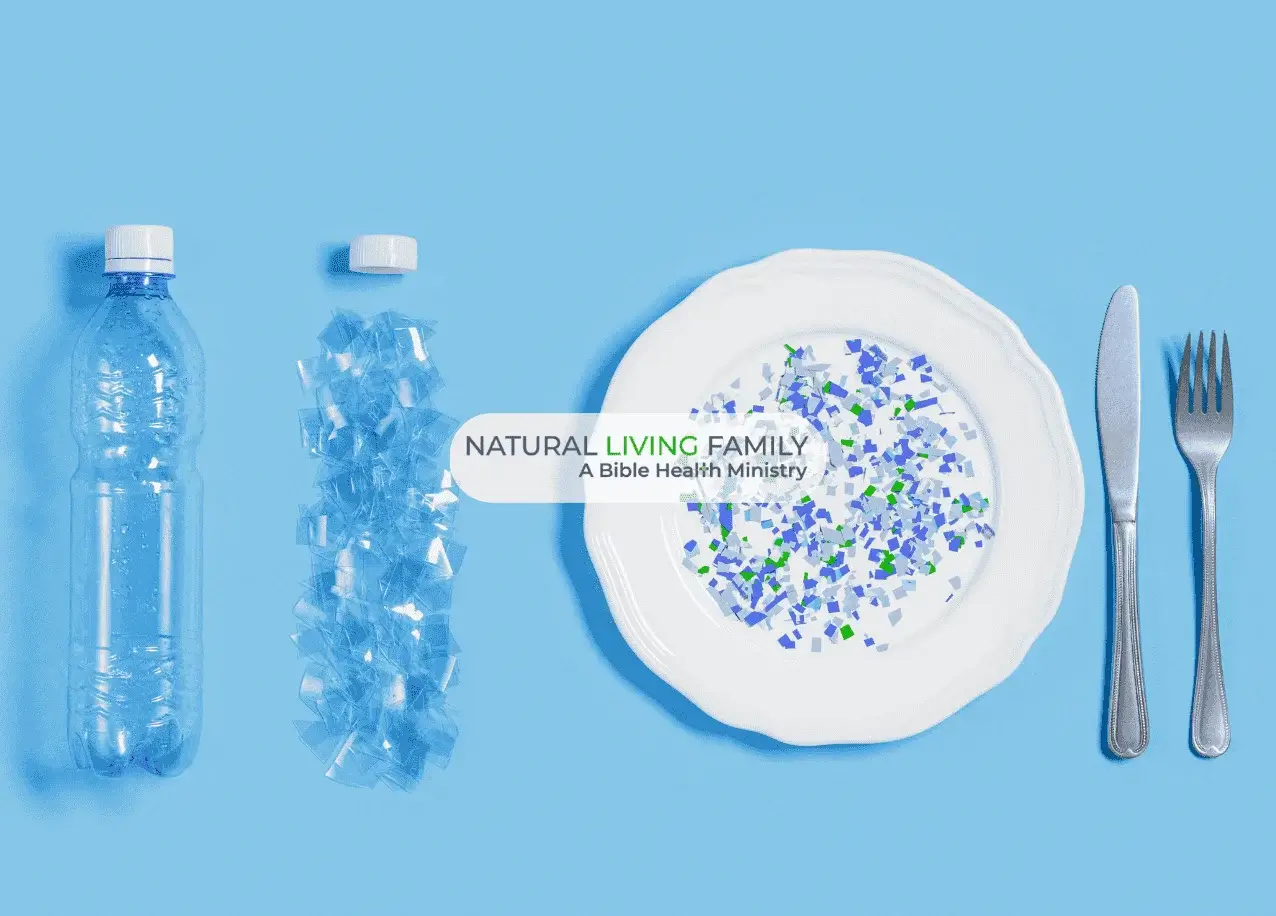
The truth is, your body was never meant to deal with the toxic overload of modern living. Endocrine-disrupting chemicals, often called EDCs, are found in plastics, personal-care products, household dust, pesticides, food packaging, cookware, stain-resistant goods, and industrial pollution. An EDC can mimic, block, or otherwise interfere with hormone action. Because reproduction depends on precisely timed hormone signals, developing eggs and sperm can be especially vulnerable. (4, 5)
Even seemingly healthy choices, like using protein powder or applying scented lotion, deserve a closer look. That does not mean every protein powder causes infertility or every lotion is toxic. It means labels matter. Bodybuilding products may contain undisclosed hormones or steroid-like compounds, and fragrance mixtures may expose users to phthalates or other chemicals that are not fully disclosed on the front label.
At Natural Living Family, we believe your body is fearfully and wonderfully made (Psalm 139:14), and when you remove harmful influences and nourish it properly, healing and balance have a better opportunity to return.
Let us explore what may be working against male and female fertility, and how you can begin to remove those obstacles to maximize your health, your hope, and your future.
Direct Answer: How can I increase fertility naturally?
Increase fertility naturally by supporting both partners for at least several months before conception. Remove tobacco and anabolic steroids, reduce alcohol, address sleep and stress, eat nutrient-dense food, reach a healthy weight, time intercourse during the fertile window, review medications and supplements, and reduce exposure to synthetic fragrance, plastics, PFAS, pesticides, heavy metals, and polluted air. Natural steps can improve the conditions for conception, but they cannot correct every structural, genetic, hormonal, or age-related cause of infertility.
How to Improve Male Fertility: 10 Surprising Risks
If you are hoping to become a father or simply want to protect your hormones long-term, what you do not put on or in your body can be just as important as what you do. When it comes to natural fertility, reducing avoidable toxic exposure can be huge.
The male reproductive system is sensitive to environmental stressors. Chemicals found in plastics, personal-care products, gym products, household dust, food, water, and air pollution have been associated with changes in testosterone, semen concentration, motility, morphology, and sperm DNA integrity. Most human studies are observational, so they show associations rather than proving that one exposure caused one man's infertility. Still, the overall pattern gives families good reason to reduce unnecessary exposure. (5, 6)
Here are 10 of the most common male fertility disruptors.
1. Phthalates
Phthalates are plasticizers used to make products flexible and durable. Some also help fragrance last longer. Several phthalates and their metabolites can interfere with androgen signaling, which is why male reproductive health has been a major focus of the research.
Common Sources:
- Plastic containers and food wraps
- Vinyl flooring and shower curtains
- Scented body wash, cologne, and lotions
- Air fresheners and cleaning sprays
Fertility Concerns:
- Altered testosterone or reproductive-hormone patterns
- Lower semen concentration with certain metabolites
- Possible changes in motility, morphology, or sperm DNA
- Greater concern with repeated or occupational exposure
A 2023 systematic review and meta-analysis found moderate-certainty evidence linking several phthalate biomarkers with lower semen concentration, while associations with motility and morphology were less consistent. That distinction matters. Phthalates are among the most studied fertility-disrupting chemicals, but individual compounds do not all behave the same way. (7)
Swapping plastic and synthetic fragrance for glass, stainless steel, and essential-oil-based alternatives can reduce your exposure. Avoid heating food in plastic, and choose fragrance-free products when you cannot verify what a fragrance blend contains.
2. BPA and Other Bisphenols
Bisphenol A, or BPA, is used in some plastics, can linings, and thermal paper. It can interact with estrogen, androgen, thyroid, and other signaling pathways involved in reproduction. “BPA-free” is not always the end of the story because replacement bisphenols such as BPS and BPF may have endocrine activity of their own.
Common Sources:
- Plastic water bottles and reusable food containers
- Canned-food linings
- Thermal paper receipts
- Food-contact plastics exposed to heat or wear
Fertility Concerns:
- Lower sperm concentration or total sperm count in some studies
- Reduced sperm vitality or motility
- Altered reproductive hormones
- Possible increases in sperm DNA damage
A 2024 systematic review concluded that human and experimental evidence connects BPA exposure with altered reproductive hormones and poorer semen measures, although study methods and results vary. (8)
Avoiding plastic food storage, declining unnecessary receipts, and switching to glass water bottles can go a long way toward protecting reproductive health.
3. PFAS, the “Forever Chemicals”
PFAS are water-, grease-, and stain-resistant chemicals used in consumer and industrial products. Many persist for years in the environment and in the human body. People may be exposed through contaminated water, food packaging, stain-resistant goods, dust, and workplaces. (4)
Common Sources:
- Some nonstick cookware and related manufacturing
- Grease-resistant food packaging and takeout containers
- Stain- or water-resistant furniture, carpets, and clothing
- Contaminated drinking water near certain industrial or military sites
Fertility Concerns:
- Altered testosterone and other reproductive hormones
- Lower semen concentration or motility in some populations
- Possible sperm DNA and testicular effects
- Mixture effects that are difficult to study one chemical at a time
Human findings are not identical for every PFAS compound, but systematic reviews and the Endocrine Society's 2024 report support concern about reproductive and hormone effects. (4, 5)
Choose PFAS-free cookware and textiles when possible, minimize grease-resistant packaging, and investigate your local water quality before deciding which filtration system you need.
4. Pesticides
Pesticides are a broad category, not one chemical. Organophosphates, carbamates, pyrethroids, organochlorines, herbicides, and fungicides have different targets and safety profiles. Human evidence is strongest where exposure is repeated, occupational, or measurable through biomarkers.
Common Sources:
- Conventionally grown fruits and vegetables
- Lawn and garden treatments
- Contaminated water or dust
- Occupational exposure among farmers, pesticide applicators, greenhouse workers, and landscapers
Fertility Concerns:
- Lower sperm concentration and motility
- Altered sperm morphology
- Oxidative stress and possible sperm DNA damage
- Changes in reproductive hormones
A 2022 systematic review found that 15 of 19 epidemiological studies reported at least one significant association between pesticide exposure and reduced sperm quality. The authors also emphasized differences among pesticides and study designs. (9)
Buying organic whenever possible, washing produce well, using natural lawn-care solutions, and practicing organic gardening techniques can lower your cumulative burden.
5. Heavy Metals
Lead, cadmium, mercury, and arsenic can interfere with reproductive tissues through oxidative stress, enzyme disruption, hormone changes, and direct cellular toxicity. Risk rises with contaminated water or food, cigarette smoke, old paint, certain workplaces, and poorly tested supplements.
Common Sources:
- Mercury in large predatory fish such as swordfish, shark, king mackerel, and some tuna
- Lead in old pipes, plumbing fixtures, soil, dust, and pre-1978 paint
- Cadmium in cigarette smoke, batteries, and industrial pollution
- Contaminated spices, supplements, pottery, cosmetics, or occupational materials
Fertility Concerns:
- Reduced sperm motility and viability
- Abnormal morphology
- Altered testosterone and reproductive hormones
- Damage to sperm-producing tissue at higher exposures
A 2022 review of lead, cadmium, and mercury described adverse male and female reproductive effects across human and experimental research. A 2023 population analysis also associated higher heavy-metal exposure with infertility, while reminding us that mixtures, dose, and exposure source matter. (10, 11)
Filter water in your home according to the contaminants actually present, choose lower-mercury seafood, avoid smoke, and use third-party-tested supplements.
6. PBDEs and Other Flame Retardants
Polybrominated diphenyl ethers, or PBDEs, were widely added to furniture foam, electronics, vehicle interiors, and other products. Although many formulations have been phased out, older goods remain in homes and the chemicals persist in dust and body tissues.
Common Sources:
- Older furniture foam and mattresses
- Electronics and e-waste
- Vehicle interiors
- Household and workplace dust
Fertility Concerns:
- Altered thyroid and reproductive hormones
- Possible changes in sperm concentration, motility, or morphology
- Effects on sperm development in experimental studies
- Greater exposure among e-waste and other occupational groups
Human biomonitoring findings are less uniform than laboratory findings, but reviews describe enough evidence of male reproductive toxicity to justify a precautionary approach. (12)
Do not rip apart old foam indoors. Replace deteriorating foam carefully, wash hands before eating, wet-dust surfaces, and vacuum regularly with a sealed HEPA system.
7. PCBs
Polychlorinated biphenyls, or PCBs, were banned from U.S. manufacturing in 1979, but they persist in soil, water, sediments, older building materials, and the food chain. They can accumulate in fatty tissues and may interfere with endocrine signaling and sperm function.
Common Sources:
- Contaminated fatty fish, including some farmed or locally caught fish
- Older electrical devices and transformers
- Legacy building materials, caulk, and fluorescent-light ballasts
- Contaminated soil, sediment, and dust
Fertility Concerns:
- Reduced sperm motility
- Altered sperm morphology
- Changes in testosterone or other hormone signals
- Long-term mixture exposure with other persistent pollutants
A 2022 systematic review found robust evidence linking PCB exposure with deteriorations in semen quality, though effects differed among PCB congeners and studies. (13)
Follow local fish advisories, trim excess fat from animal foods when contamination is a concern, and use qualified help when renovating older buildings that may contain PCB materials.
8. Air Pollution
Airborne particles and gases such as PM2.5, PM10, nitrogen dioxide, sulfur dioxide, ozone, wildfire smoke, and traffic-related pollution are not just lung concerns. They may contribute to systemic inflammation, oxidative stress, hormone disruption, and sperm DNA damage.
Common Sources:
- Vehicle emissions
- Industrial smoke and smog
- Wildfire smoke
- Indoor combustion, attached garages, and tobacco smoke
Fertility Concerns:
- Lower sperm concentration or total sperm count
- Reduced motility
- Abnormal morphology
- Increased oxidative stress and DNA fragmentation
A 2026 meta-umbrella analysis found consistent, modest negative associations between ambient air pollution and several semen-quality measures. The size of an individual's risk depends on pollutant, concentration, timing, and other exposures. (14)
Reduce indoor exposure with high-quality air filtration, keep vehicle exhaust out of living spaces, and check local air-quality reports before strenuous outdoor activity during smoke or pollution events.
9. Anabolic Steroids and Questionable Workout Supplements
Fitness supplements and steroid-enhanced stacks can promise muscle gain at a steep reproductive cost. The biggest proven risk comes from anabolic-androgenic steroids, testosterone used without a fertility plan, prohormones, selective androgen receptor modulators, and products contaminated with undisclosed drug ingredients.
Common Sources:
- Anabolic-androgenic steroids
- Testosterone or prohormone products
- Performance-enhancing stacks and SARMs
- Adulterated or poorly tested over-the-counter bodybuilding products
Fertility Concerns:
- Suppression of spermatogenesis
- Very low sperm count or absence of sperm
- Reduced testicular volume and altered hormones
- Recovery that may take months or remain incomplete in some users
A 2023 systematic review found that anabolic-steroid use harms semen parameters and may have only partially reversible effects for some men. Ordinary food protein is not the same thing as a steroid, and a simple protein powder does not automatically suppress fertility. The concern is product identity, contamination, mega-dosing, and hormone-active ingredients. (15)
Choose food-first muscle-building strategies and independently tested products. Men using testosterone who want children should discuss fertility before stopping, starting, or changing treatment because management needs to be individualized.
10. Alcohol and Tobacco Toxins
Alcohol and tobacco expose the body to reactive compounds, heavy metals, and oxidative stress that can harm sperm function. Vaping is not a clean workaround. Aerosols can contain nicotine, metals, solvents, and flavoring chemicals, and long-term reproductive data are still developing.
Common Sources:
- Cigarettes and cigars
- Vapes, nicotine products, and smokeless tobacco
- Alcoholic drinks
- Secondhand and thirdhand smoke
Fertility Concerns:
- Reduced sperm count or semen volume
- Lower motility and poorer morphology
- Increased sperm DNA fragmentation
- Hormonal and oxidative damage
A 2023 systematic review found lower semen volume and total sperm count among smokers. A separate meta-analysis found that alcohol intake was associated most consistently with lower semen volume, while results for other semen measures varied by dose and study. (16, 17)
Eliminating tobacco and minimizing or avoiding alcohol while trying to conceive removes two major preventable reproductive stressors.
How to Improve Female Fertility: 10 Common Toxins
Female fertility depends on egg quantity and quality, ovulation, fallopian-tube function, the uterus and endometrium, hormone signaling, immune balance, age, and the health of the pregnancy environment. Environmental chemicals may influence several of these systems, but they are rarely the only explanation for infertility.
Research in women is especially complex because studies may measure menstrual cycles, ovarian-reserve markers, time to pregnancy, IVF outcomes, miscarriage, or hormone concentrations. Those are related outcomes, but they are not interchangeable. Current reviews link several EDC classes with ovarian, uterine, endocrine, or fertility-treatment concerns, while also emphasizing the need for stronger prospective human studies. (5, 6)
1. Phthalates
Phthalates are used in plastics, fragrances, personal-care products, and many household materials. Women may be exposed through food, indoor dust, inhalation, and products applied to the skin.
Common Sources:
- Scented lotions, perfumes, and deodorants
- Soft plastic food packaging
- Vinyl shower curtains and flooring
- Hair sprays and nail products
Fertility Concerns:
- Changes in reproductive hormones
- Possible lower ovarian-reserve markers with certain metabolites
- Ovulatory or menstrual changes
- Lower oocyte yield or IVF outcomes in some studies
Human results vary by metabolite and population, but reviews identify phthalates as one of the chemical classes most consistently connected with female reproductive concerns. (5, 6)
Avoiding synthetic fragrance, reducing plastic food contact, and not heating food in plastic can reduce exposure.
2. BPA and Other Bisphenols
BPA can interact with estrogen and other hormone pathways involved in follicle development, ovulation, the endometrium, and embryo implantation. Human fertility research includes women trying to conceive naturally as well as women undergoing assisted reproduction.
Common Sources:
- Canned-food linings
- Plastic water bottles and containers
- Thermal paper receipts
- Processed-food packaging
Fertility Concerns:
- Lower oocyte yield or maturity in some IVF studies
- Changes in reproductive hormones
- Possible effects on endometrial receptivity and implantation
- Associations with PCOS, endometriosis, or diminished ovarian reserve in some research
The evidence is not strong enough to say BPA exposure causes every poor IVF result or miscarriage, but current reviews support reducing unnecessary exposure. (5, 6)
Choose glass or stainless steel, use fresh and frozen foods more often than canned foods when practical, and remember that “BPA-free” substitutes still deserve scrutiny.
3. PFAS, the “Forever Chemicals”
PFAS persist in the body and can interfere with thyroid and reproductive-hormone pathways. They have been studied in relation to ovarian reserve, menstrual patterns, time to pregnancy, pregnancy loss, and live birth.
Common Sources:
- Some nonstick cookware and manufacturing contamination
- Fast-food wrappers and grease-resistant packaging
- Some waterproof makeup, textiles, and stain-resistant goods
- Contaminated drinking water
Fertility Concerns:
- Longer time to pregnancy
- Lower fecundability or live-birth probability in some cohorts
- Altered estrogen, thyroid, or follicle-stimulating hormone patterns
- Possible ovarian and implantation effects
A 2023 systematic review and meta-analysis associated higher PFAS exposure with reduced female fertility, while a 2024 review noted that results still differ by PFAS compound, population, and study design. (18, 19)
Choose PFAS-free cookware, minimize grease-resistant packaging, and test drinking water when you live near a known contamination source.
4. Pesticides
Pesticides used in agriculture and landscaping may affect fertility through hormone disruption, oxidative stress, ovarian toxicity, or effects on implantation and early development. Occupational exposure usually carries a higher dose than ordinary dietary exposure.
Common Sources:
- Conventionally grown produce
- Lawn and garden chemicals
- Grain-based foods or contaminated water
- Farm, greenhouse, landscaping, and pesticide-application work
Fertility Concerns:
- Lower oocyte quality or ovarian-reserve markers
- Disrupted estrogen or progesterone signaling
- Ovulatory or menstrual changes
- Lower pregnancy or live-birth rates in some fertility cohorts
The evidence does not mean every conventionally grown food causes infertility. It means pesticide type, dose, timing, and mixture matter, and reducing exposure is a rational fertility-supportive step. (6)
Choose organic whenever possible, wash produce, protect yourself during yard work, and use organic gardening techniques around your home.
5. Parabens
Parabens are preservatives used in cosmetics, body care, and some foods or medicines. They have weak estrogenic activity, but human fertility findings are not as consistent as the strongest claims online sometimes suggest.
Common Sources:
- Shampoos and conditioners
- Moisturizers and facial cleansers
- Foundations, mascaras, and lipsticks
- Sunscreens and deodorants
Fertility Concerns:
- Possible menstrual-cycle changes
- Changes in ovarian-reserve markers
- Altered reproductive hormones
- Mixture effects with other personal-care chemicals
A study of women at a fertility center found associations between some urinary paraben concentrations and ovarian-reserve measures, but results differed by paraben and outcome. This is not proof that every preserved cosmetic impairs fertility. It is one reason to simplify body care and reduce unnecessary daily exposure. (20)
Switching to paraben-free cosmetics and healthy skincare creams is an easy fertility-friendly move.
6. PBDEs and Other Flame Retardants
PBDEs can accumulate in body fat and household dust. Because thyroid hormones help regulate menstruation, ovulation, implantation, and pregnancy, flame-retardant effects on thyroid signaling are part of the fertility concern.
Common Sources:
- Older furniture and mattresses
- Electronics and e-waste
- Vehicle upholstery and foam
- Household dust
Fertility Concerns:
- Longer time to pregnancy in some studies
- Altered thyroid or reproductive hormones
- Possible effects on fertilization or implantation
- Developmental concerns during pregnancy
Human results remain mixed, but couple-based research and reviews support keeping deteriorating foam and contaminated dust out of the home environment. (12)
Use wet dusting, HEPA vacuuming, careful replacement of crumbling foam, and handwashing before meals.
7. Heavy Metals
Lead, cadmium, mercury, and arsenic can interfere with ovarian function, hormone synthesis, implantation, and fetal development. The source and dose are crucial. A person with occupational lead exposure faces a different risk from someone who occasionally eats canned light tuna.
Common Sources:
- Mercury in large predatory seafood
- Lead in old plumbing, paint, dust, and contaminated soil
- Cadmium in cigarette smoke and industrial pollution
- Contaminated drinking water, supplements, spices, cosmetics, or ceramics
Fertility Concerns:
- Altered ovarian and reproductive hormones
- Oxidative stress and follicular damage
- Longer time to pregnancy or infertility associations
- Placental and fetal-development effects after conception
Population and mechanistic research connect heavy-metal mixtures with infertility risk in both women and men. (10, 11)
Learn more about why heavy metals are linked with serious health concerns. Choose lower-mercury fish, filter water for the contaminants present, and avoid smoke.
8. PCBs
PCBs remain in the environment decades after being banned. Female reproductive research has examined menstrual cycles, ovarian reserve, endometriosis, time to pregnancy, IVF outcomes, miscarriage, and live birth, with mixed findings across congeners and populations.
Common Sources:
- Contaminated fatty fish
- Old electrical equipment
- Industrial and legacy building materials
- Contaminated soil, sediment, water, and dust
Fertility Concerns:
- Possible ovulatory or menstrual disruption
- Changes in reproductive hormones
- Lower pregnancy or implantation outcomes in some studies
- Persistent exposure before and during pregnancy
The most responsible conclusion is not that PCBs always cause infertility, but that persistent-organic-pollutant exposure can burden reproductive systems and deserves prevention where possible. (5, 13)
Follow fish advisories, reduce exposure to contaminated dust, and use qualified remediation help in older buildings.
9. Formaldehyde
Formaldehyde is a volatile chemical used in laboratories, manufacturing, pressed-wood products, resins, glues, and some nail or hair products. Stronger fertility concerns come from repeated occupational exposure rather than ordinary brief contact with every household item that emits a small amount.
Common Sources:
- Some cleaning and disinfecting products
- Pressed-wood furniture, cabinets, flooring, and glues
- Some nail hardeners, salon treatments, and hair-smoothing products
- Cigarette smoke and combustion byproducts
Fertility Concerns:
- Menstrual or fertility problems in occupational studies
- Increased miscarriage concern with workplace exposure
- Respiratory irritation and systemic stress
- Potential paternal as well as maternal exposure concerns
The National Institute for Occupational Safety and Health states that working with formaldehyde may increase the chance of fertility problems or miscarriage. (21)
Use natural cleaners, ventilate new pressed-wood products, avoid smoke, and ask for exposure controls at work or in salons.
10. Triclosan
Triclosan is an antimicrobial compound once common in antibacterial hand soaps and still present in certain toothpaste and consumer products. It can interact with thyroid, estrogen, and androgen pathways in experimental research.
Common Sources:
- Some antibacterial soaps and toothpaste
- Certain deodorants and personal-care products
- Some household goods, fabrics, plastics, and toys
- Environmental residues from past widespread use
Fertility Concerns:
- Possible changes in ovarian-reserve markers
- Lower fecundability in some cohorts
- Thyroid and reproductive-hormone effects
- Possible semen-quality effects
The evidence here is mixed. A 2023 systematic review found no overall association between triclosan and infertility, but identified concerns for semen quality and ovarian reserve. A 2024 meta-analysis also reported possible adverse semen effects, while emphasizing the limited and inconsistent human evidence. (22, 23)
You do not need triclosan in everyday hand soap. Choose simple triclosan-free hygiene products and reserve strong antimicrobials for situations where they are truly needed.
Natural Steps to Support Fertility and Low-Tox Living
Restoring fertility does not always require invasive procedures or expensive treatments. Sometimes, the most powerful changes are the simplest: reducing toxin exposure, nourishing your body, understanding the fertile window, protecting sperm and egg health, and trusting the Lord's perfect timing.
Some couples do need medical or surgical treatment, and low-tox living should not be used to delay a needed evaluation. Natural fertility support and responsible medical care can work together. Treatment has a better foundation when both partners are also addressing smoking, alcohol, nutrition, sleep, stress, metabolic health, and environmental exposures.
Support the Basics of Natural Conception
Before buying a cabinet full of supplements, strengthen the foundations that affect both partners.
Simple Steps:
- Time intercourse well. Intercourse every one to two days during the fertile window gives healthy sperm repeated opportunities to meet the egg. Fertility-awareness methods can help identify that window. (24)
- Protect sleep. Keep a consistent schedule, reduce late-night light and screen exposure, and evaluate persistent snoring or sleep apnea.
- Move without overtraining. Strength training, walking, and appropriate exercise support metabolic health, while severe calorie restriction and extreme training can suppress reproductive function.
- Reach a healthy weight. Being significantly underweight or carrying excess body fat can affect ovulation, testosterone, semen quality, pregnancy, and treatment outcomes.
- Review medications and supplements. Ask specifically about testosterone, anabolic agents, finasteride, chemotherapy, certain psychiatric medications, and hormone-active supplements. Never stop a prescribed medication without qualified guidance.
- Evaluate both partners. A semen analysis is often one of the simplest first tests, and it prevents months of placing the entire burden on the woman.
Switch to Natural Body-Care Products
Your skin is your largest organ, and it comes into direct contact with everything you apply. Absorption varies by ingredient, product, body area, and condition of the skin, but simplifying body care can reduce exposure to phthalates, parabens, synthetic fragrance, triclosan, and other unnecessary chemicals.
Simple Steps:
- Swap conventional deodorant for our DIY Essential Oil Deodorant
- Make your own Whipped Body Butter
- Look for fragrance-free and paraben-free products such as Dream Cream when shopping
- Make your own oral health care, including tooth polish or mouthwash
- Read the full ingredient list instead of trusting “clean,” “green,” or “natural” marketing on the front label
Eat Clean, Organic, and Fertility-Supportive Foods
Pesticides, heavy metals, bisphenols, and PFAS can reach the body through food and food contact materials. Supporting fertility starts in your kitchen with clean proteins, healthy fats, colorful plants, fiber, and the nutrients needed for healthy sperm, ovulation, methylation, thyroid function, and early pregnancy.
Simple Steps:
- Choose organic fruits and vegetables, especially when it comes to the Dirty Dozen, to minimize your toxic load
- Avoid heating food in plastic and use glass containers and stainless steel water bottles
- Focus on food sources of zinc, selenium, folate, choline, iron, iodine, vitamin B12, vitamin D, and omega-3 fatty acids
- Choose lower-mercury seafood and follow pregnancy or preconception fish guidance when conception is possible
- Maintain a healthy weight. Eating bioactive foods, healthy fats, and staying active can help you reach and maintain your ideal weight
A prenatal or targeted supplement may be useful, especially for folate or a documented deficiency, but more is not always better. Choose independently tested products and review high-dose supplements with a qualified professional.
Use Essential Oils for Hormone and Emotional Support
Essential oils can be a gentle, effective part of a fertility-supportive lifestyle, especially for replacing synthetic fragrance and supporting stress, sleep, mood, and emotional well-being. Oils such as clary sage, fennel, and ylang ylang have traditional reproductive-health uses. Human aromatherapy studies also support certain oils for stress and anxiety, but no essential oil has been proven to reverse infertility, restore blocked tubes, replace missing eggs, or correct every hormone disorder. (25, 26)
Simple Steps:
- Use our Hormone Support Essential Oil Blend exactly as directed
- Diffuse 3 to 5 total drops of lavender, frankincense, or another calming blend for 30 to 60 minutes in a well-ventilated room
- Use one of our diffuser blend recipes instead of synthetic air fresheners
- Stop an oil if it causes headache, nausea, coughing, skin irritation, dizziness, or an aroma that feels overwhelming
Once pregnancy is possible or confirmed, the purpose and safety of an essential-oil routine may change. Review concentrated topical protocols and medicinal internal use with a qualified maternity professional, especially when using clary sage, fennel, hormone medication, fertility medication, or treatment for a hormone-sensitive condition.
Detox Your Home Environment
Your home should be a haven, not a hidden source of hormone disruptors. From air fresheners to floor cleaners, many everyday products can release volatile chemicals or add to household dust.
Simple Steps:
- Swap synthetic scents for DIY Air Fresheners
- Use our Natural Floor Cleaner Recipe
- Open windows when outdoor air quality is good, add indoor houseplants, wet-dust, and use a sealed HEPA filter to clean indoor air
- Use reverse osmosis or another properly selected water filter when testing shows contaminants, and learn why we do not assume tap water is automatically safe to drink
- Replace scratched nonstick cookware, deteriorating foam, and heavily fragranced laundry products one step at a time
Prioritize Emotional Healing and Rest
Stress, especially chronic emotional or spiritual stress, can affect sleep, sexual desire, cycle regularity, food choices, inflammation, and the ability to sustain healthy routines. Stress is not the sole cause of infertility, and telling a grieving couple to “just relax” is neither accurate nor compassionate. Your heart and mind still deserve care.
Simple Steps:
- Explore our guide on The Importance of Emotional Healing
- Incorporate prayer, journaling, counseling, honest conversations, or time in nature
- Practice gratitude without denying grief
- Let trusted family, church leaders, friends, or a fertility support group carry part of the burden with you
Remind yourself that God's plan is still unfolding: “He settles the childless woman in her home as a happy mother of children.” Psalm 113:9
Know the Risks and Timing of Birth Control
Hormonal birth control suppresses ovulation or changes cervical mucus and the uterine environment while it is being used. After discontinuation, return to fertility varies by method and by the woman's underlying cycle health.
Research does not support saying that most modern contraceptives permanently cause infertility. A systematic review found that most women who discontinued contraception conceived within 12 months, with no major long-term difference among most methods. Injectable depot medroxyprogesterone acetate is the important exception for timing because ovulation and conception may be delayed for months after the final injection. (27)
Hormonal methods can also change bleeding patterns and may influence nutrient markers in some users, but that is not the same as proving that nutrient depletion caused infertility. The ministry concern remains practical: learn how the method works, understand its risks, know what your cycles were like before it, and plan ahead rather than assuming fertility will return on your preferred timetable.
Read our in-depth article on The Risks of Birth Control for more information.
Live a Low-Tox Life One Step at a Time
You do not need to do everything overnight. Start by swapping one product, cleaning up one meal, testing one water source, or making one room in your house a toxin-free sanctuary. Each step moves you closer to the balanced, vibrant health God intended for you.
You were created for life, and your body is capable of more than you know. But low-tox living is stewardship, not a fertility test you must pass. You did not cause your suffering because you used the wrong shampoo or ate food from a plastic container.
The goal is to remove what you can, nourish what you can, seek answers when you need them, and walk forward without carrying shame.
When to Get Fertility Help
Natural strategies are powerful, but time also matters. Fertility evaluation should not be treated as surrender or a lack of faith. It can identify thyroid disease, PCOS, endometriosis, blocked tubes, diminished ovarian reserve, fibroids, infection, varicocele, hormone disorders, genetic issues, medication effects, or sperm problems that low-tox swaps cannot diagnose.
Current fertility guidance recommends evaluation:
- After 12 months of regular unprotected intercourse when the female partner is younger than 35
- After 6 months when the female partner is 35 or older
- More immediately when the female partner is over 40
- Sooner at any age when there are absent or very irregular periods, known endometriosis or tubal disease, recurrent pregnancy loss, prior chemotherapy or pelvic infection, sexual dysfunction, testicular injury, undescended testes, or suspected male-factor infertility
The evaluation should include both partners from the beginning. A basic male evaluation can prevent the woman from carrying months of invasive testing alone. (28)
Seek prompt care for severe pelvic or testicular pain, a testicular lump, heavy or unusual bleeding, signs of ectopic pregnancy, or pregnancy symptoms with one-sided pain, shoulder pain, fainting, or bleeding.
Natural Fertility FAQs
What is the best way to increase fertility naturally?
The best approach is a whole-life plan for both partners. Stop tobacco and anabolic steroids, minimize alcohol, eat nutrient-dense whole foods, sleep consistently, move your body, reach a healthy weight, time intercourse during the fertile window, review medications and supplements, and reduce avoidable exposure to endocrine disruptors and polluted air.
Can reducing toxins really improve fertility?
Reducing toxins can lower exposure to chemicals associated with hormone disruption, poorer semen quality, ovarian changes, longer time to pregnancy, or less favorable fertility-treatment outcomes. It may improve the conditions for fertility, but research cannot promise that a specific swap will result in conception.
Which toxins are most important to avoid when trying to conceive?
Start with the exposures that are both concerning and practical to change: tobacco smoke, anabolic steroids, synthetic fragrance, heating food in plastic, contaminated water, PFAS-treated goods, pesticide use, high-mercury fish, deteriorating foam and dust, and heavy air pollution.
Should both partners reduce exposure?
Yes. Sperm contributes half of the baby's genetic material, and male factors contribute to a substantial portion of infertility. Both partners should improve food, sleep, stress, smoking, alcohol, supplement quality, and environmental exposure rather than placing the entire burden on the woman.
How long should we make changes before trying to conceive?
Begin as early as practical. Sperm and developing follicles respond over weeks and months, not overnight. A three-month preconception window is a practical starting point, but do not postpone a time-sensitive fertility evaluation simply to complete a detox plan.
Can essential oils increase fertility?
Essential oils may support stress, sleep, mood, intimacy, menstrual comfort, and a low-tox home, but no essential oil has been proven to cure infertility. Use them as part of a complete lifestyle rather than as a substitute for evaluation of ovulation, sperm, fallopian tubes, ovarian reserve, or other medical factors.
Can I ingest essential oils?
Do not casually ingest essential oils in water or neat (undiluted). Internal use of essential oils requires proper dilution, product quality, dosing knowledge, and safety guidance. Learn more about how to ingest essential oils here.
Is “fragrance-free” better than “unscented”?
Usually. “Unscented” can mean that masking fragrance was added to cover another odor. “Fragrance-free” is generally the more useful label, but read the ingredient list because marketing language is not perfectly standardized across every product category.
Does birth control cause permanent infertility?
Most hormonal and nonhormonal contraceptive methods do not appear to cause permanent infertility. Fertility often returns quickly after pills, implants, or IUD removal, while injectable depot medroxyprogesterone can delay ovulation for months. Underlying cycle problems that existed before birth control may become visible again after it is stopped.
When should I see a fertility specialist?
Seek evaluation after 12 months of trying if the female partner is under 35, after 6 months at age 35 or older, or sooner when cycles are irregular, pregnancy losses recur, either partner has a known reproductive condition, or there is a concern about sperm, sexual function, pelvic health, or reproductive surgery.
Final Thoughts
Infertility can feel overwhelming, but it is not the end of your story. By understanding hidden toxins that may work against hormones, sperm, eggs, and pregnancy, you can create a home and lifestyle where fertility has a better opportunity to thrive.
Your body was wonderfully made, and with the right support, it can begin to heal. From detoxing your home to choosing clean body care, eating bioactive-rich foods, protecting sleep, and embracing faith-based rest, every decision matters.
But hear our hearts: you are not responsible for manufacturing a miracle through perfect behavior. You are not less faithful because you need testing, treatment, surgery, counseling, or help carrying the grief of waiting.
Trust the process, steward your body, and most of all trust the One who created it.
“For I know the plans I have for you,” declares the Lord, “plans to prosper you and not to harm you, plans to give you a future and a hope.” Jeremiah 29:11
Whether you are just starting your fertility journey or looking to restore balance naturally, we are here to walk with you, one healthy, hope-filled step at a time as you seek to live an abundant life.


References
- World Health Organization. “Infertility.” Updated November 28, 2025. World Health Organization.
- Hamilton BE, Osterman MJK, Gregory ECW. Births: Provisional Data for 2025. Vital Statistics Rapid Release, No. 43. National Center for Health Statistics; 2026. CDC.
- Levine H, Jørgensen N, Martino-Andrade A, et al. “Temporal Trends in Sperm Count: A Systematic Review and Meta-Regression Analysis of Samples Collected Globally in the 20th and 21st Centuries.” Human Reproduction Update. 2023;29(2):157-176. https://doi.org/10.1093/humupd/dmac035.
- Gore AC, et al. Endocrine Disrupting Chemicals: Threats to Human Health. Endocrine Society and IPEN; 2024. Endocrine Society.
- Tzouma Z, et al. “Associations Between Endocrine-Disrupting Chemical Exposure and Reproductive Health Outcomes: A Systematic Review.” 2025. PubMed Central.
- Tricotteaux-Zarqaoui S, et al. “Endocrine Disruptor Chemicals Exposure and Female Fertility Declining: From Pathophysiology to Epigenetic Risks.” Frontiers in Public Health. 2024;12:1466967. https://doi.org/10.3389/fpubh.2024.1466967.
- Wang H, He H, Wei Y, et al. “Do Phthalates and Their Metabolites Cause Poor Semen Quality? A Systematic Review and Meta-Analysis of Epidemiological Studies on Risk of Decline in Sperm Quality.” Environmental Science and Pollution Research. 2023;30(12):34214-34228. https://doi.org/10.1007/s11356-022-24215-x.
- Lü L, et al. “Bisphenol A Exposure Interferes With Reproductive Hormones, Reduces Sperm Counts and May Adversely Affect Male Reproduction: A Systematic Review.” Toxics. 2024;12(4):294. https://doi.org/10.3390/toxics12040294.
- Giulioni C, Maurizi V, Castellani D, et al. “The Environmental and Occupational Influence of Pesticides on Male Fertility: A Systematic Review of Human Studies.” Andrology. 2022. PubMed Central.
- Manouchehri A, Shokri S, Pirhadi M, et al. “The Effects of Toxic Heavy Metals Lead, Cadmium and Mercury on the Male and Female Reproductive System of Humans.” Iranian Journal of Basic Medical Sciences. 2022;25(11):1323-1336. PubMed Central.
- Lin J, et al. “Association Between Heavy Metals Exposure and Infertility Among American Women Aged 20-44 Years: A Cross-Sectional Analysis From 2013 to 2018 NHANES Data.” Frontiers in Public Health. 2023;11:1098908. PubMed Central.
- Arowolo O, et al. “Mechanisms of Male Reproductive Toxicity of Polybrominated Diphenyl Ethers.” International Journal of Molecular Sciences. 2022;23(22):14229. https://doi.org/10.3390/ijms232214229.
- Ermler S, Scholze M, Kortenkamp A. “Systematic Review of Associations of Polychlorinated Biphenyl Exposure With Semen Quality and Development of Reference Doses.” Environment International. 2022;168:107447. PubMed Central.
- Margiana R, et al. “Air Pollution and Male Infertility: A Meta-Umbrella Study of Semen Quality Outcomes.” 2026. PubMed.
- Mulawkar PM, et al. “Use of Anabolic-Androgenic Steroids and Male Fertility: A Systematic Review.” 2023. PubMed Central.
- Henriques MC, et al. “Smoking Induces a Decline in Semen Quality and the Activation of Molecular Pathways Associated With Oxidative Stress.” 2023. PubMed Central.
- Nguyen-Thanh T, et al. “Investigating the Association Between Alcohol Intake and Male Reproductive Function: A Systematic Review and Meta-Analysis.” 2023. PubMed Central.
- Wang W, et al. “The Effects of Perfluoroalkyl and Polyfluoroalkyl Substances on Female Fertility: A Systematic Review and Meta-Analysis.” Environmental Research. 2023;216(Pt 3):114718. PubMed.
- Haimbaugh A, et al. “Environmental Exposure to Per- and Polyfluoroalkyl Substances and Female Reproductive Health.” 2024. PubMed Central.
- Jurewicz J, et al. “Parameters of Ovarian Reserve in Relation to Urinary Concentrations of Parabens.” Environmental Health. 2020;19:26. PubMed Central.
- National Institute for Occupational Safety and Health. “About Formaldehyde and Reproductive Health.” Updated February 14, 2024. CDC/NIOSH.
- Daza-Rodríguez B, et al. “Association of Triclosan and Human Infertility: A Systematic Review.” 2023. PubMed Central.
- Adegbola CA, et al. “A Systematic Review and Meta-Analysis of the Impact of Triclosan on Human Semen Quality.” Frontiers in Toxicology. 2024;6:1469340. https://doi.org/10.3389/ftox.2024.1469340.
- Practice Committee of the American Society for Reproductive Medicine. “Optimizing Natural Fertility: A Committee Opinion.” Fertility and Sterility. 2022. ASRM.
- Yap WS, Dolzhenko AV, Jalal Z, et al. “Anxiety-Reducing Effects of Lavender Essential Oil Inhalation: A Systematic Review.” Healthcare. 2023;11(22):2978. PubMed Central.
- Lee MS, Choi J, Posadzki P, Ernst E. “Aromatherapy for Health Care: An Overview of Systematic Reviews.” Maturitas. 2012;71(3):257-260. PubMed.
- Girum T, Wasie A. “Return of Fertility After Discontinuation of Contraception: A Systematic Review and Meta-Analysis.” Contraception and Reproductive Medicine. 2018;3:9. https://doi.org/10.1186/s40834-018-0064-y.
- Practice Committee of the American Society for Reproductive Medicine. “Fertility Evaluation of Infertile Women: A Committee Opinion.” Fertility and Sterility. 2021;116(5):1255-1265. ASRM.