


QUICK SUMMARY
This homemade nipple cream is a soothing DIY balm for nursing moms and adults dealing with chafing. It uses calendula-infused oil, cocoa butter, and optional beeswax or shea butter to moisturize, soften, and protect tender skin.
For breastfeeding moms, persistent nipple pain is usually a sign to look beyond the skin itself. Feeding mechanics, repeated tissue stress, pump trauma, mastitis-spectrum inflammation, dermatitis, and other problems can all contribute. A nipple cream can provide comfort while the root cause is addressed. (1, 2)
For chafing adults, this balm creates a simple plant-based barrier that helps reduce skin-on-skin and skin-on-clothing friction. Chafing can affect anyone, but it is especially common when larger skin folds, loose or sagging skin, heavy sweating, heat, moisture, tight clothing, or repetitive movement keep irritating the same spot. Adults who are overweight may experience more friction and trapped moisture under the breasts, beneath the abdomen, in the groin, between the thighs, under the arms, and in other skin folds. (3, 16, 17)
Breastfeeding safety matters: Mama Z’s recipe is preserved below exactly as published. For a leave-on nursing balm, the simplest option is to make it without essential oils. LactMed takes a conservative position on lavender around the breast, and tea tree oil should be thoroughly removed before nursing. Roman chamomile can also trigger contact dermatitis in sensitive people. If you use the essential-oil version between feedings, keep the amount low and remove it completely before baby latches. (8, 9, 10, 11)
Nursing mothers, adults who are overweight, people with loose or sagging skin, and anyone who sweats a lot can all share one surprisingly common problem: skin that rubs against skin or clothing in the same spot, day after day, without enough time to recover.
Breastfeeding, while challenging at times, is very rewarding. Tender nipples are especially common in the early days while you and baby are learning how to nurse together. My Homemade Nipple Cream can help moisturize and protect tender skin between feedings while you also address whatever is causing the pain.
Because your baby may come in contact with anything you put on your nipples, you want to be super careful and use only the best ingredients. I love that this recipe is simple, customizable, and can even be made fully organic.
Chafing is not just an athlete problem. It happens whenever repeated friction irritates the same area of skin. That can mean thighs rubbing while you walk, skin folds rubbing under the abdomen, irritation underneath the breasts, a bra or waistband hitting the same spot all day, loose skin rubbing after weight loss or pregnancy, or sweat sitting in a warm skin fold.
Adults in larger bodies are especially prone to this kind of irritation because deeper folds can create more skin-on-skin contact while holding heat and moisture against the skin. Heavy sweating, hot weather, long workdays, walking, gardening, exercise, snug clothing, seams, and wet fabric can make things worse. (3, 16, 17)
This DIY nipple cream doubles beautifully as a simple plant-based chafing balm when you want to reduce friction without synthetic fragrance, dyes, or petroleum-based body care ingredients.
Table of Contents

What Causes Breastfeeding Pain?
Breastfeeding is such a wonderful bonding experience. For a select few, nursing is smooth sailing, but most breastfeeding mothers will attest to their share of challenges. One of the most common is nipple pain.
This can happen for a variety of reasons, including:
- Shallow or uncomfortable latch
- Repeated mechanical stress on nipple tissue
- Pumping flange fit or suction problems
- Ductal narrowing and mastitis-spectrum inflammation
- Dry, cracked, irritated, or sensitized skin
- Vasospasm or other causes of nipple pain
- Baby’s oral function or anatomy when it interferes with comfortable milk transfer
As a lactation consultant, I’ve seen many women frustrated because of nursing struggles. Nipple sensitivity is one of the most common complaints! Before you throw in the towel, I recommend getting good breastfeeding support and using this nipple cream as one comforting tool.
Here’s the thing: nipple pain is your body asking for support. A 2022 review describes repeated mechanical stretching and deformation of nipple tissue as an important driver of lactation-related nipple pain and damage. A 2025 meta-analysis of 18 studies also found that targeted interventions for breastfeeding-related nipple pain and injury performed better than nonspecific care overall, with prevention before pain developed showing an advantage. (1, 2)
So what does that mean for you? Use this cream for comfort and skin protection, but also make sure the root cause is addressed. Check feeding position, how baby attaches to the breast, milk transfer, and pump flange fit if you are pumping.
For the bigger picture, see my breastfeeding tips, natural remedies, and nursing support guide.
If breast pain becomes severe or is accompanied by fever, chills, a rapidly worsening red or swollen area, or flu-like symptoms, get help quickly. Current mastitis guidance treats plugged ducts and mastitis as part of an inflammatory spectrum and cautions against aggressive deep breast massage and excessive pumping, which can worsen swelling and tissue trauma. (12)
Application: Keep this nipple cream in your nursing basket and apply a thin layer after feedings. If you make the balm without essential oils, use it sparingly and remove obvious excess before the next feeding. If you use the essential-oil version, remove the product completely from the nipple and areola before baby latches. (8, 9, 11)
I can honestly say that no other nipple cream has provided me with such relief! For me, it has been a comforting part of getting through those tender early nursing days.
What Causes Chafing in Adults?
Chafing happens when repeated friction begins breaking down and irritating the outer layer of skin.
Sometimes that friction comes from clothing. Sometimes it is skin rubbing against skin.
And sometimes it is both.
Moisture makes the problem worse because sweaty or damp skin is more vulnerable to rubbing. Heat, humidity, wet clothing, repetitive movement, rough seams, and tight-fitting garments can all increase irritation. (3)
Common chafing areas in adults include:
- Inner thighs
- Under the breasts
- Beneath an abdominal fold
- Groin creases
- Buttocks
- Underarms
- Bra lines and waistbands
- Feet and toes
- Any area where loose skin repeatedly rubs
Why Chafing Can Be Worse When You Are Overweight
Anyone can chafe, regardless of body size.
But adults who are overweight or obese often have more areas where skin rests against skin. Larger or deeper folds can trap heat and sweat, and everyday movement can create continual friction in those areas.
Dermatology references specifically identify increased moisture and friction between skin folds as common mechanical skin problems associated with obesity. Larger skin folds can also increase sweating and make it harder for moisture to evaporate. (17)
That means chafing may happen even when you are not exercising.
Walking around the grocery store, working a long shift, doing yard work, cleaning the house, sitting in warm weather, or simply going through an ordinary summer day can be enough to irritate the same spot repeatedly.
This is also why people with loose or sagging skin can struggle with chafing. Whenever two areas of skin repeatedly touch and move against one another, friction becomes possible.
Sweat, Heat and Moisture
Moisture is one of the biggest aggravators.
Sweat softens the outer skin and makes friction more damaging. Wet clothing can cling and bunch against the body, creating even more rubbing.
Chafing is therefore especially common during:
- Hot or humid weather
- Long walks
- Exercise
- Outdoor work
- Gardening
- Travel
- Long work shifts
- Any activity that causes heavy sweating
Cleveland Clinic recommends reducing friction, keeping vulnerable areas as dry as practical, changing out of wet clothing, and using a protective lubricant or balm when needed. (3)
Chafing vs. Intertrigo
Not every irritated skin fold is simple chafing.
Intertrigo is inflammation that develops where opposing skin surfaces rub together, especially in warm, moist folds. Friction, trapped moisture, heat, and lack of airflow all contribute. It is particularly common in adults who are overweight or obese. (16, 17)
Intertrigo may begin as simple redness and irritation, but the moist environment can also allow yeast or bacteria to grow.
That means a red skin fold that becomes increasingly wet, macerated, cracked, foul-smelling, draining, very painful, or covered with small surrounding bumps or pustules may need more than an anti-chafing balm. (16)
A DIY balm is most appropriate for preventing friction or soothing uncomplicated chafing on intact skin.
If you suspect an infection or the rash keeps coming back despite keeping the area clean and dry, get it evaluated rather than repeatedly covering it with balm.
How to Help Prevent Everyday Chafing
A few simple habits can make a big difference:
- Keep skin folds as clean and dry as practical.
- Change out of sweaty or wet clothing promptly.
- Choose soft, breathable clothing that does not bunch or rub.
- Watch rough seams, bra bands, waistbands, and underwear elastic.
- Use a thin protective layer of balm before predictable friction.
- Gently wash chafed skin and pat it dry rather than scrubbing.
Many commercial anti-chafing products contain ingredients that do not fit every family’s non-toxic living goals.
Common ingredients to watch for:
- Petroleum jelly (petrolatum): It is an effective occlusive barrier and can reduce friction, but it is petroleum-derived. For a product we apply repeatedly to sensitive skin, our family prefers simple plant oils, butters, and waxes when they work just as well for the job.
- Silicones such as dimethicone: These create a smooth barrier, but many natural living families prefer simpler plant-based ingredients.
- Parabens and other preservatives: Preservatives serve a real purpose in water-containing products, but this simple anhydrous balm does not need a complicated preservative system when it is made and stored properly.
- Synthetic fragrance: Fragrance ingredients are a recognized source of cosmetic allergic contact dermatitis in sensitive people. (4)
- Colorants and dyes: They add appearance, not function, to an anti-chafing balm and may be unnecessary on already-irritated skin.
Bottom line: if you can do the job with a few simple ingredients, why make body care more complicated than it needs to be?
Application: Apply a thin layer of this balm anywhere intact skin repeatedly rubs, such as the inner thighs, under the breasts, beneath an abdominal fold, along a bra or waistband, under the arms, or on the feet.
You can use it before walking, gardening, working outside, exercising, traveling, or simply going through a hot day when you already know where your trouble spots are.
If the skin is already very raw or sensitive, I prefer starting with the essential-oil-free version. Avoid applying the balm over open wounds or an obviously infected rash.
Safe Ingredients for Nipple Cream
The best thing about this nipple cream is that you can make it with simple ingredients you recognize. That matters for nursing moms, adults dealing with recurring chafing, and anyone trying to steward their body well and reduce toxic burden at home.
Calendula-infused Oil: This is an ingredient you make yourself. Don’t worry; this is a simple DIY. You can even put it in the crockpot!
This infused oil uses calendula, Calendula officinalis, a member of the Asteraceae family. Calendula has a long history of topical use for irritated and damaged skin. A 2023 review describes wound-healing and anti-inflammatory research across multiple calendula preparations, although those preparations are not identical to Mama Z’s homemade oil infusion. (5)
That distinction matters. We use calendula-infused oil here because of its traditional skin-care role, its lovely feel, and our own practical experience with it, not because this exact homemade formula has been tested in a clinical trial.
Cocoa Butter: Cocoa butter is rich, soothing, and naturally firm at room temperature. I love it because it gives the balm body, softens dry skin, and helps slow moisture loss.
Beeswax or Shea Butter: If you want a thicker formula with more staying power, use one of these ingredients! Beeswax helps create a semi-occlusive layer that slows water loss and gives salves their staying power. A 2023 skincare review describes beeswax as an occlusive and emollient ingredient while noting that more topical clinical research is still needed. (6)
If you’re looking for a vegan alternative to beeswax, try using shea butter. Shea is a rich plant butter that helps soften dry skin.
Essential Oils: I love using calming oils like lavender and Roman chamomile in this recipe, and the preserved recipe card includes them as options. Essential oils are concentrated, so a breastfeeding nipple balm calls for extra care.
LactMed advises avoiding topical lavender around the breast during nursing because safety data for nursing infants are limited. Tea tree oil should also be avoided around the breast unless thoroughly removed before nursing. Roman chamomile has a history of topical use for cracked nipples, but it is a known sensitizer for some people and has caused nipple contact dermatitis in case reports. (9, 10, 11)
For that reason, the simplest leave-on breastfeeding version is the same balm without essential oils. If you choose Mama Z’s essential-oil version, use it between feedings and completely remove it before baby latches.
For everyday adult chafing, the essential-oil-free version is also a great place to start when the skin is already irritated or you are applying the balm repeatedly to a sensitive fold.
Essential Oils & Homemade Nipple Cream
Did you know that you can customize this nipple cream by swapping the essential oils? Mama Z has used different oils over the years depending on the season and purpose.
The evidence is not equally strong for every traditional use, so let’s keep experience, traditional practice, and clinical research in the right lanes.
My favorite EO combinations have included:
- Clary sage: I use clary sage oil only in the late-pregnancy season as part of my established birth-preparation routine. I start using this oil at 36-38 weeks pregnant and stop this mixture after birth. Pregnancy use should be individualized to your birth plan.
- Chamomile, lavender, geranium & tea tree: Chamomile, lavender, geranium, and tea tree have been part of our traditional skin-care blends. While nursing, do not leave lavender or tea tree oil on the nipple for baby to ingest, and stop chamomile if you develop itching, burning, swelling, or rash. (9, 10, 11)
- Fennel, basil & lavender: Fennel, basil, and lavender have been traditionally used by nursing moms for milk-production support. Current LactMed evidence for fennel as a galactagogue comes mainly from the whole seed, teas, and mixed herbal products, not from a topical fennel essential-oil blend. Results are limited and mixed, so low supply still deserves evaluation of feeding frequency, effective milk transfer, latch, pumping, maternal recovery, and baby’s growth. (13)
- Sage: Sage has a longstanding reputation for helping reduce milk production during weaning or oversupply. LactMed’s 2025 update notes that this use is traditional and that scientific studies evaluating sage’s effect on milk supply could not be located. (14)
- Lavender, tea tree, patchouli & orange: Patchouli and orange can be part of a comforting aromatic routine, but a topical essential-oil blend should not be presented as a treatment for mastitis. Mastitis is an inflammatory spectrum that may require lactation support and medical care. (12)
Application: Adults using this balm for chafing have more flexibility with topical essential oils than a nursing mother applying it directly to the nipple, while still respecting dilution and skin sensitivity.
For intact chafing-prone skin, you can use the published formula as a protective balm. If a fold is already raw, burning, or very irritated, the essential-oil-free version is the gentler place to start.
For breastfeeding nipples, the most conservative leave-on version is essential-oil-free. If you use the essential-oil recipe between feeds, remove it completely before baby nurses.
Make Calendula-Infused Oil

This recipe comes together in just a few simple steps. The first part is to make the infused oil!

Calendula-Infused Oil
Quantity
Ingredients
- 1 cup extra-virgin olive oil
- ½ cup dried calendula flowers
- ½ cup dried chamomile flowers (optional)
Supplies
- Double boiler OR glass jar OR measuring cup
Instructions
- Use a double boiler, or make one by setting a glass jar or measuring cup in a medium pot with 1-2 inches of water. Bring the water to boiling then turn down to med/med-high.
- Make the infused oil by putting the olive oil and flowers into a double boiler and heating it low for several hours. The oil should slightly change color and take on the smell of the herbs.
- CROCKPOT METHOD – If you don’t have a double boiler, you can use a crockpot on low heat to allow the oil to infuse. I usually use a wide-mouth, pint-sized jar and put in enough hot water to come more than halfway up the side of the jar. Let it sit for about 4 hours.
- Once the oil is fully infused, strain the flower pieces using a jelly strainer held over a glass measuring cup. Squeeze out all the infused oil, and reserve that precious oil for the nipple cream recipe.
Step One: Boil the Water

Fill a saucepan with 1-2 inches of water and place over high heat. Bring to a boil, then turn down to medium-high.
Step Two: Infuse the Oil

Put the olive oil, calendula flowers, and chamomile flowers (if using) into a double boiler or glass jar. Place in the saucepan and let simmer on low for several hours.
When done, the oil will change colors and take on the smell of the herbs.
Step Three: Strain the Oil

Once the oil is fully infused, strain the flower pieces using a jelly strainer held over a glass measuring cup.
Squeeze the flowers to get out all the infused oil. Save that luscious oil for your nipple cream!
Make Homemade Nipple Cream
This nipple cream makes a lovely gift for a new Mama, a fantastic staple for your nursing basket, or a simple balm to keep around the house for friction-prone skin.
Here’s how to make it.
Important recipe note: The recipe card below is preserved exactly as published. One of its older notes mentions roughening the nipples with a washcloth before birth. Current breastfeeding guidance does not recommend intentionally “toughening” nipples during pregnancy, and rubbing nipples with a rough towel is unnecessary and may damage the skin. Focus prenatal preparation on education, positioning, support, and having help lined up for those first feeds instead. (15)
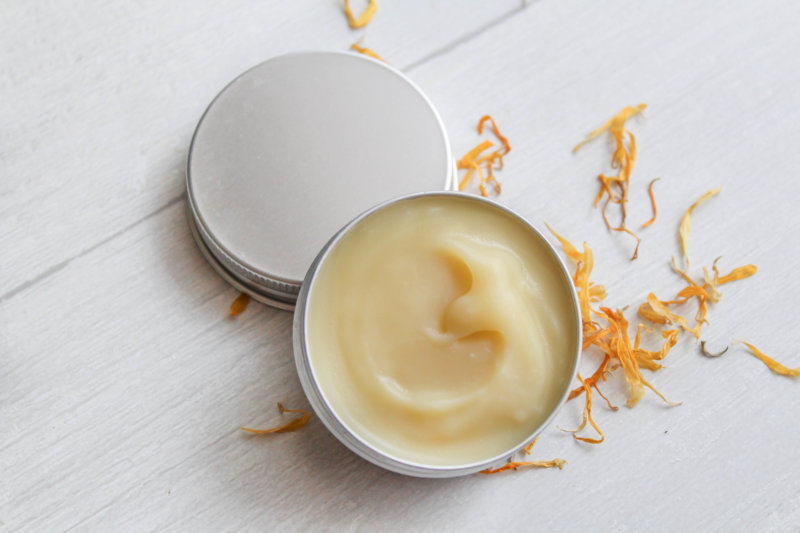
Homemade Nipple Cream with Essential Oils for Breastfeeding Moms
Quantity
Ingredients
- ½ cup calendula-infused oil
- ½ cup organic cocoa butter
- 2 ounces organic beeswax pellets, yellow or white OR unrefined shea butter (optional)*
- 8 drops essential oils**
Supplies
- Double boiler or glass jar set in a saucepan
Instructions
- In a double boiler or glass jar set in a saucepan filled with 1-2 inches of water, melt the infused oil and cocoa butter together. If using, melt the beeswax also.
- When melted, remove from heat and add essential oil.
- Store the cream in a sterilized glass jar. If it is not exposed to sunlight, it should last for up to 6 months.
- Apply a thin layer to your dry nipples and areola between feedings.
- Cool the cream in your refrigerator before applying it for even more soothing benefits.
Step One: Melt the Moisturizers

Fill a saucepan with 1-2 inches of water and place over medium-high heat.
Place the calendula-infused oil, cocoa butter, and beeswax (if using) in a double-boiler or glass jar. Set in the saucepan and heat until melted.
Step Two: Add Essential Oils

Remove from heat and add essential oils. Store in a sterilized salve container or glass jar.
If not sitting in sunlight, it should last up to 6 months.
To use the essential-oil version while breastfeeding, apply only between feedings and completely remove it from the nipple and areola before baby latches. For a leave-on nursing balm, make the recipe without essential oils.
Cool the cream in your refrigerator before using it for even more soothing benefits.
Mama Z Pro Tips:
For a soft balm, mix equal parts infused oil with cocoa butter. If it’s too hard for your liking, add more of the calendula-infused oil to your mixture.
You can make a harder balm by adding more cocoa butter or, if your baby is a bit older, unbleached beeswax. Try half the amount of oil you started with for the beeswax and adjust from there to your liking.
For me, this is the cream I reach for during what I call the “razor blade” days of breastfeeding, especially those first couple of weeks when everything is adjusting. I apply it after feedings for comfort while also paying attention to latch and positioning.
Once that initial tenderness settles, nursing often becomes much easier.
If you have cracked or bleeding nipples, get help with the cause rather than trying to push through significant pain. I have also used the chamomile washcloth trick from the recipe card notes: steep 6-8 organic chamomile tea bags in hot purified or distilled water, let the liquid cool until bearable, dip dark-colored washcloths in the tea, and lay them over the breasts before nursing. Follow the nursing session with your balm. Stop immediately if chamomile makes the skin itchier, redder, swollen, or more irritated. (10)
Homemade Nipple Cream FAQs
Do I need to wash homemade nipple cream off before nursing?
It depends on which version you make. If you make the simple balm without essential oils, apply it sparingly after feeding and remove obvious excess before the next latch. If you use the essential-oil version, remove it completely from the nipple and areola before nursing. LactMed specifically advises avoiding lavender oil around the breast and says tea tree oil should be thoroughly removed before nursing. (8, 9, 11)
Can I use this nipple cream without essential oils?
Absolutely. For brand-new babies, very sensitive moms, or anyone who wants the simplest leave-on option, make the balm with calendula-infused oil, cocoa butter, and optional beeswax or shea butter only. It will still moisturize, soften, and protect the skin.
The essential-oil-free version is also a great choice for adults applying the balm to already-sensitive areas that frequently chafe.
What essential oils are best for homemade nipple cream?
Lavender and Roman chamomile are Mama Z’s traditional choices in the preserved recipe. For breastfeeding nipples, however, current LactMed guidance is more conservative. Lavender should be avoided around the breast, and Roman chamomile can cause contact dermatitis in sensitized people. If you use the essential-oil version, keep the recipe dilution unchanged, use it between feeds, and remove it completely before nursing. (9, 10)
Can adults use this cream for chafing?
Yes. This recipe works well as a simple plant-based anti-chafing balm for adults.
Apply a thin layer anywhere intact skin repeatedly rubs, including:
- Inner thighs
- Under the breasts
- Beneath an abdominal fold
- Along bra bands or waistbands
- Underarms
- Buttocks
- Feet
You do not have to be an athlete to benefit from it. Walking, working outdoors, heavy sweating, hot weather, larger skin folds, loose skin, tight clothing, and everyday movement can all cause chafing.
Does this balm help thigh chafing?
Yes. Inner-thigh chafing is one of the most common forms of skin-on-skin friction. Apply a thin layer before walking, working, exercising, or spending time in hot weather to help the skin glide instead of repeatedly rubbing.
Can I use it under my breasts or abdominal skin folds?
Yes, when the problem is uncomplicated friction and the skin is intact.
Clean and dry the fold first, then use a thin layer rather than packing a large amount of balm into an already damp area.
If the fold stays moist, becomes increasingly red or painful, develops an odor, cracks, drains, or develops surrounding bumps or pustules, you may be dealing with intertrigo or a secondary infection rather than simple chafing. Get that evaluated instead of continually covering it with balm. (16, 17)
Is chafing the same thing as intertrigo?
Not exactly.
Chafing refers primarily to friction damage from skin rubbing against skin, clothing, or another surface.
Intertrigo is inflammation within opposing skin folds where friction, trapped moisture, heat, and reduced airflow work together. Intertrigo can also become complicated by yeast or bacterial infection. (16)
A protective balm can be useful for preventing ordinary friction. A persistent or infected fold rash needs treatment based on its actual cause.
How long does homemade nipple cream last?
The preserved recipe states that it should last up to 6 months when stored in a sterilized glass jar away from sunlight. Because this is homemade body care without commercial stability testing, use clean, dry hands or a clean utensil and discard the batch sooner if the smell, color, or texture changes or if you see any sign of contamination.
When should chafed skin be checked by a professional?
Simple chafing usually improves after the friction stops and the skin is kept clean and protected.
Get help if the area:
- Does not improve after several days
- Keeps recurring in the same skin fold
- Becomes increasingly painful, hot, or swollen
- Develops pus, drainage, or a foul smell
- Has spreading redness
- Develops cracks, open sores, pustules, or significant skin breakdown
Broken, persistently moist skin is more vulnerable to bacterial or fungal infection, so do not assume every fold rash simply needs more balm. (3, 16)
When should breastfeeding pain be checked by a professional?
Get help if pain is severe, persistent, one-sided, or worsening; if you have significant cracks, bleeding, blisters, or a spreading rash; if you develop fever, chills, or flu-like symptoms; or if baby is having trouble transferring milk or gaining weight. A balm can soothe and protect skin, but it cannot correct a mechanical feeding problem or replace appropriate care for mastitis or another condition. (1, 12)

References
- Douglas P. “Re-thinking lactation-related nipple pain and damage.” Women’s Health. 2022;18:17455057221087865. doi:10.1177/17455057221087865.
- Jia X, Dong Y, Shen C, et al. “Interventions for breastfeeding-related nipple pain or injury: a meta-analysis.” Frontiers in Global Women’s Health. 2025;6:1507723. doi:10.3389/fgwh.2025.1507723.
- Cleveland Clinic. “Skin Protection: Tips To Prevent Chafing.” July 24, 2025. Cleveland Clinic.
- U.S. Food and Drug Administration. “Allergens in Cosmetics.” Accessed September 13, 2026. FDA.
- Shahane K, Kshirsagar M, Tambe S, et al. “An Updated Review on the Multifaceted Therapeutic Potential of Calendula officinalis L.” Pharmaceuticals. 2023;16(4):611. doi:10.3390/ph16040611.
- Nong Y, Maloh J, Natarelli N, Gunt HB, Tristani E, Sivamani RK. “A review of the use of beeswax in skincare.” Journal of Cosmetic Dermatology. 2023;22(8):2166-2173. doi:10.1111/jocd.15718.
- The Breastfeeding Network. “Creams and Ointments Applied to the Skin and Breastfeeding.” Accessed August 27, 2026. The Breastfeeding Network.
- National Library of Medicine. “Using Topical Products During Breastfeeding.” See individual LactMed monographs for ingredient-specific guidance. LactMed.
- National Library of Medicine. “Lavender.” Drugs and Lactation Database (LactMed). Revised November 15, 2024. LactMed.
- National Library of Medicine. “Chamomile.” Drugs and Lactation Database (LactMed). Revised February 15, 2021. LactMed.
- National Library of Medicine. “Tea Tree Oil.” Drugs and Lactation Database (LactMed). Revised November 15, 2024. LactMed.
- Mitchell KB, Johnson HM, Rodríguez JM, et al. “Academy of Breastfeeding Medicine Clinical Protocol #36: The Mastitis Spectrum, Revised 2022.” Breastfeeding Medicine. 2022;17(5):360-376. doi:10.1089/bfm.2022.29207.kbm.
- National Library of Medicine. “Fennel.” Drugs and Lactation Database (LactMed). Revised July 15, 2026. LactMed.
- National Library of Medicine. “Sage.” Drugs and Lactation Database (LactMed). Revised July 15, 2025. LactMed.
- World Health Organization and UNICEF. “Antenatal Breast and Nipple Preparation.” Baby-Friendly Hospital Initiative: Revised, Updated and Expanded for Integrated Care. 2009. NCBI Bookshelf.
- DermNet. “Intertrigo.” Updated January 2020. DermNet.
- DermNet. “Obesity and the Skin.” DermNet.


