QUICK SUMMARY
This Homemade Facial Mask with Essential Oils is a simple DIY made with coconut oil, raw honey, and lemon essential oil. It helps moisturize dry-looking skin, lift away surface buildup, and leave your complexion feeling soft and refreshed without synthetic fragrance or a long list of conventional beauty ingredients.
Virgin coconut oil has human research supporting skin hydration and barrier function, while honey has long-standing topical use and evidence for moisturizing, soothing, and antimicrobial properties. Lemon essential oil brings a fresh aroma and antioxidant plant chemistry, but direct evidence that it “brightens” facial skin is limited. Cold-pressed or expressed lemon essential oil can also be phototoxic, so use this mask at night and follow the safety guidance below. (1, 2, 3)
Use this face mask once a week after cleansing. Let it sit for 15 minutes, rinse thoroughly with warm water, and follow with your favorite toxin-free moisturizer if your skin needs it.
I’m a skincare fanatic with a great routine, but sometimes my skin needs an extra boost. This is where my Homemade Facial Mask with Essential Oils comes in handy!
This face mask needs just three simple ingredients that are most likely already in your cupboards. I classify it as a pore-cleansing mask because it helps lift away surface oil, makeup residue, and everyday buildup while leaving the skin feeling moisturized and refreshed.
Here’s the thing: natural beauty doesn’t have to be complicated. When you use God-given ingredients wisely, you can reduce your toxic burden and still enjoy skincare that feels luxurious.
And because this is a simple homemade cosmetic, I want to keep the claims simple too. A facial mask can cleanse, soften, moisturize, and support the appearance of healthy skin. It does not literally pull toxins out of your bloodstream, shrink pores permanently, or treat a diagnosed skin disease.
Table of Contents

3 Reasons to Try a Face Mask
It can be hard to think of adding one more thing to your to-do list, but I promise you that this mask is well worth the effort. A weekly face mask can help you slow down, care for your skin, and create a rhythm of healthy self-care that supports your whole body.
This DIY facial mask is one of my favorite simple beauty recipes because it’s quick, practical, and made with ingredients you can feel good about putting on your skin.
1. Promotes Relaxation
Applying a face mask is an activity that signals “slow down” to your brain. Just the art of creating a DIY can be peaceful!
I like to make face masks a part of my weekly routine. I draw a warm detox bath, put on my favorite playlist, and relax. Sometimes, I’ll even use a bath bomb or meditate on Scripture.
Application: Make this your weekly reset. Cleanse your face, apply the mask, breathe deeply, and take a few quiet minutes to thank God for the body He gave you to steward. You’re sure to leave the tub feeling ready to tackle whatever life brings your way.
2. Cleanses & Refreshes Your Skin
Face masks can help loosen surface buildup and leave dry or dull-looking skin feeling soft and refreshed.
I used to describe this as “detoxing” the skin. Your skin certainly participates in normal barrier, immune, sweat, and excretory functions, but a facial mask is not proven to pull systemic toxins out of the body.
What this particular mask can do is much more practical.
Coconut oil acts as the moisturizing carrier. Honey helps hold moisture against the skin and brings naturally occurring antimicrobial compounds. Lemon essential oil adds a fresh aroma and plant compounds that have demonstrated antioxidant activity in experimental research. (2, 4)
The result is a simple pore-cleansing ritual that can leave your complexion looking and feeling refreshed without harsh cleansers or synthetic fragrance.
3. A Great Bonding Tool
I’m sure you’ve seen many movies that feature girls in face masks at a sleepover. They’re a great bonding tool!
Double the ingredients of this recipe, and invite your friends over for healthy snacks and spa time. Face masks are well known to induce girl chat, so prepare for a heart-to-heart.
I also love passing natural-living habits down to my daughters. For children and very sensitive skin, though, simpler is better. The honey-and-coconut-oil base can be used without assuming every child needs lemon essential oil on the face. Keep essential oils away from the eyes and lips, patch test first, and use age-appropriate dilution.
Natural living is powerful when it becomes part of your family culture. Passing down healthy habits can be as simple as making something together and teaching our children to care for their bodies with wisdom.
Complexion-Friendly Facial Ingredients

This recipe is straightforward. You only need three ingredients! Here’s why I chose each component.
Organic Coconut Oil
Organic Coconut Oil: Coconut oil is one of my favorite multipurpose ingredients because it moisturizes beautifully and works as a natural carrier for essential oils.
Human research supports the skin-barrier benefits of virgin coconut oil. In a randomized, double-blind clinical trial of children with mild-to-moderate atopic dermatitis, virgin coconut oil improved skin hydration, transepidermal water loss, and dermatitis severity more than mineral oil over eight weeks. (1)
That trial does not mean this facial mask treats eczema or that coconut oil is perfect for every face.
Some acne-prone people find coconut oil too rich or occlusive. If your skin tends to clog easily, patch test the mask along the jawline before putting it over your entire face.
The original research we cited for lauric acid also showed antibacterial activity against Propionibacterium acnes, now called Cutibacterium acnes, in laboratory and animal models. That is interesting mechanistic evidence, but it is not proof that this coconut-oil mask treats acne. (5)
It’s important to use carrier oils whenever you apply essential oils to the skin. Carrier oils dilute and disperse essential oils, reduce evaporation, improve topical safety, help the oils spread evenly over the skin, and can amplify therapeutic effects by keeping them in contact with the skin longer.
Raw Honey
Raw Honey: Raw organic local honey is one of my favorite natural beauty ingredients.
Honey contains sugars, enzymes, organic acids, phenolic compounds, and other constituents that can contribute to its humectant, soothing, antioxidant, and antimicrobial properties. Dermatology reviews describe honey as useful in cosmetic formulations for moisturizing and skin conditioning, and medical-grade honey has a legitimate place in wound care. (2, 6)
That distinction matters.
The honey in your pantry is not the same thing as sterile medical-grade honey used in clinical wound products. I am using raw honey here as a cosmetic ingredient for intact facial skin, not as a treatment for an infected wound.
Research also does not establish that raw honey reliably “brightens” pigmentation or treats acne. In fact, a randomized trial of medical-grade kanuka honey for facial acne did not find a statistically significant benefit when it was added to the study’s standard cleansing treatment. (7)
I still love honey in this mask because of the way it helps hold moisture against the skin and gives the mixture its smooth, luxurious texture.
If you have a known allergy to honey, pollen, bee products, or another ingredient in the recipe, skip it.
Lemon Essential Oil
Lemon Essential Oil: Lemon essential oil is rich in limonene and other aromatic plant compounds.
Lemon and its constituents have demonstrated antioxidant, antimicrobial, and anti-inflammatory activity in experimental research. One small human study also found that a purified antioxidant isolated from lemon oil increased antioxidant activity at the skin surface after topical application. That was an isolated compound, however, not this face-mask recipe, so I would not turn it into a claim that lemon essential oil clinically erases dark spots or reverses skin aging. (4, 8)
For me, lemon’s best role in this recipe is simple: it gives the mask a fresh, uplifting aroma and contributes antioxidant plant chemistry.
Important Lemon Essential Oil Sun Safety
Cold-pressed or expressed lemon essential oil can be phototoxic because it may contain furocoumarins that react with UVA light. Phototoxic reactions can cause redness, blistering, burning, and later pigmentation changes. (3, 9)
Steam-distilled lemon oil is generally not considered phototoxic in the same way, and phototoxicity also depends on concentration.
Essential-oil safety guidance places expressed lemon oil at a maximum of about 2% in leave-on products that may receive UV exposure. (10)
Because the exact essential-oil concentration is controlled by the preserved recipe below, do not add extra drops. I prefer using this mask at night. Rinse it thoroughly, and if you are using expressed or cold-pressed lemon oil, avoid direct sunlight or tanning-bed UV on the treated skin for at least 12 hours unless you know the final concentration is within established non-phototoxic limits.
Using a Facial Mask in Your Skincare Routine
Are you curious about how this face mask can fit into your skincare routine? Here are my tips!
I like using this mask about once a week. Not because your skin “gets used to” an essential oil, but because facial skin often does better with a simple routine rather than piling on too many treatments.
Consistency matters more than doing too much.
- Cleanse: Wash your face with a non-toxic facial cleanser. I recommend using my Foaming Facial Cleanser. It’s sudsy and feels luxurious.
- Tone: After cleansing, I like to tone my face with organic, unfiltered apple cider vinegar on a cotton round. It is one of my favorite simple natural beauty steps for helping the skin feel fresh and balanced. If your skin is very sensitive, freshly exfoliated, cracked, or irritated, use a lighter hand, dilute it if needed, or patch test first. One small study using dilute acetic acid in people with atopic dermatitis did not improve skin-barrier integrity and caused mild irritation in many participants, so that finding is worth keeping in mind for reactive or actively inflamed skin. (11)
- Apply the mask: Let it sit for about 15 minutes, then rinse thoroughly with warm water.
- Moisturize: If your skin needs extra moisture, hydrate with a silky toxin-free moisturizer. My ultimate favorite is my Anti-Aging Cream and Skin Healing Serum, one of our family’s most popular DIY beauty recipes.
Put simply, this routine gives your skin the basics: cleanse, nourish, rinse, and moisturize.
That’s natural beauty made simple.
How to Make a Homemade Facial Mask
This face mask is an easy DIY that anyone can do! If you include your daughter in this pampering session, be sure to let her help. There’s nothing better than passing down healthy habits to the next generation!
Homemade Facial Mask
Quantity
Ingredients
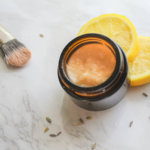
- 1 tablespoon coconut oil, extra-virgin AND unrefined
- 1 tablespoon raw organic local honey
- 3 drops lemon essential oil
Supplies
- Small bowl for mixing
Instructions
- In a small bowl, mix the coconut oil and raw honey.
- As you mix, your coconut oil will liquefy.
- Once you have a well-blended mixture, add the lemon essential oil.
- To use, apply the facial mask and let sit for 15 minutes.
- Rinse with warm water.
Step One: Mix

Mix the coconut oil and honey in a small bowl. Your coconut oil will start out looking solid but will liquefy as you mix.
Step Two: Add Essential Oils

Once you have a well-combined mixture, add lemon essential oil. Stir to incorporate.
Step Three: Apply
Here comes the fun part! Apply your face mask and let sit for 15 minutes. Rinse with warm water and reveal refreshed, glowing skin.
Avoid the eye area, lips, broken skin, and freshly irritated skin. Stop using the mask if you develop burning, swelling, hives, or persistent redness.
This is just one step in your skincare routine, but it’s also an important step in encouraging healthy skin!
Homemade Facial Mask FAQs
What does this homemade facial mask do?
This mask is best described as moisturizing and pore-cleansing. Coconut oil helps support the skin barrier, honey acts as a moisturizing and soothing ingredient, and lemon essential oil contributes aroma and antioxidant plant compounds. It can help skin feel soft and refreshed, but it is not a medical detox treatment and it does not permanently shrink pores.
How often should I use this face mask?
Once a week is a good starting rhythm for many people. If your skin becomes irritated, excessively oily, dry, itchy, or congested, use it less often or discontinue it.
Can I use coconut oil on acne-prone skin?
Some people love coconut oil on the face, while others find it too rich. The antibacterial activity of lauric acid in laboratory research does not prove that coconut oil treats acne. If you are prone to clogged pores, patch test first and stop if breakouts worsen. (5)
Does honey help acne?
Honey has meaningful antimicrobial properties, but clinical evidence for honey as an acne treatment is limited. A randomized trial of medical-grade kanuka honey did not find a statistically significant improvement when added to the trial’s standard acne cleansing routine. Use the honey in this recipe for its moisturizing and cosmetic properties rather than expecting it to cure acne. (7)
Does lemon essential oil brighten skin?
Lemon essential oil contains antioxidant plant compounds, and lemon-derived constituents have been investigated for skin effects. However, good human evidence showing that ordinary topical lemon essential oil reliably fades pigmentation or “brightens” skin tone is limited. Its most defensible role here is as an aromatic and antioxidant-supporting cosmetic ingredient.
Can lemon essential oil make skin sensitive to sunlight?
Yes. Expressed or cold-pressed lemon essential oil can be phototoxic because of naturally occurring furocoumarins. Use this mask at night, follow the recipe without adding extra drops, rinse thoroughly, and avoid direct UV exposure afterward. Steam-distilled lemon oil is generally not phototoxic in the same way. (3, 10)
Can kids use this homemade face mask?
For older children with healthy skin, a simple supervised spa night can be fun. For young children or sensitive skin, I prefer keeping it even simpler and using the honey-and-coconut-oil base without assuming lemon essential oil is necessary. Keep all essential oils away from the eyes and lips and use age-appropriate dilution.
Can I use this mask on eczema, rosacea, or broken skin?
I would not use a lemon-essential-oil facial mask on broken, weeping, severely inflamed, or actively irritated skin. Eczema and rosacea can react strongly to fragrance and essential oils. Use gentle barrier-support care and get individualized help when a skin condition is persistent or severe.

Resources & References
- Evangelista MTP, Abad-Casintahan F, Lopez-Villafuerte L. “The Effect of Topical Virgin Coconut Oil on SCORAD Index, Transepidermal Water Loss, and Skin Capacitance in Mild to Moderate Pediatric Atopic Dermatitis: A Randomized, Double-Blind, Clinical Trial.” International Journal of Dermatology. 2014;53(1):100-108. doi:10.1111/ijd.12339.
- Burlando B, Cornara L. “Honey in Dermatology and Skin Care: A Review.” Journal of Cosmetic Dermatology. 2013;12(4):306-313. doi:10.1111/jocd.12058.
- Klimek-Szczykutowicz M, Szopa A, Ekiert H. “Citrus limon (Lemon) Phenomenon: A Review of the Chemistry, Pharmacological Properties, Applications in the Modern Pharmaceutical, Food, and Cosmetics Industries, and Biotechnological Studies.” Plants. 2020;9(1):119. doi:10.3390/plants9010119.
- Valgimigli L, et al. “Oxidative Stress and Antioxidants at Skin Biosurface: A Novel Antioxidant From Lemon Oil Capable of Inhibiting Oxidative Damage to the Skin.” PubMed.
- Nakatsuji T, Kao MC, Fang JY, et al. “Antimicrobial Property of Lauric Acid Against Propionibacterium acnes: Its Therapeutic Potential for Inflammatory Acne Vulgaris.” Journal of Investigative Dermatology. 2009;129(10):2480-2488. Source.
- Jull AB, Cullum N, Dumville JC, Westby MJ, Deshpande S, Walker N. “Honey as a Topical Treatment for Wounds.” Cochrane Database of Systematic Reviews. 2015;(3):CD005083. doi:10.1002/14651858.CD005083.pub4.
- Semprini A, Braithwaite I, Corin A, et al. “Randomised Controlled Trial of Topical Kanuka Honey for the Treatment of Acne.” BMJ Open. 2016;6:e009448. doi:10.1136/bmjopen-2015-009448.
- Valgimigli L, et al. “Oxidative Stress and Antioxidants at Skin Biosurface.” PubMed.
- Naganuma M, Hirose S, Nakayama Y, Nakajima K, Someya T. “A Study of the Phototoxicity of Lemon Oil.” Archives of Dermatological Research. 1985;278(1):31-36. doi:10.1007/BF00412492.
- Tisserand Institute. “Essential Oil Dilution Chart.” Lemon phototoxicity guidance.
- Luu LA, Flowers RH, Kellams AL, et al. “Apple Cider Vinegar Soaks [0.5%] as a Treatment for Atopic Dermatitis Do Not Improve Skin Barrier Integrity.” Pediatric Dermatology. 2019;36(5):634-639. doi:10.1111/pde.13888.