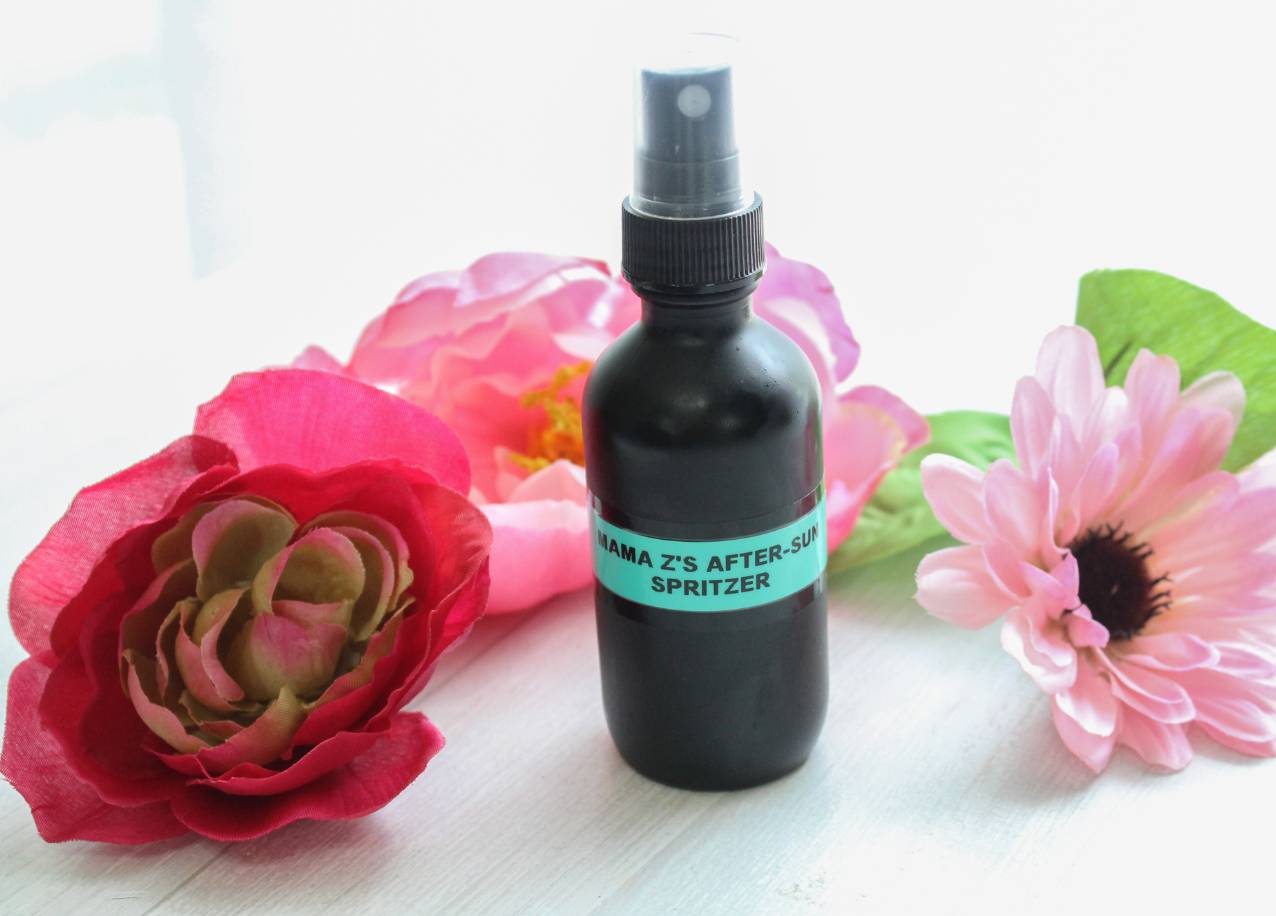
QUICK SUMMARY
This homemade nipple cream for breastfeeding is a simple balm of calendula-infused olive oil and cocoa butter, firmed with beeswax (or shea butter for a vegan version), with lavender and Roman chamomile as optional essential oils. Make the calendula oil first, melt it with the cocoa butter, pour it into a clean jar, and smooth a thin layer on after each feeding; if you added essential oils, wipe the nipple clean before baby latches. The base has real research behind it: in a 2023 trial of 90 first-time moms, nipple pain and cracks showed up in 53 percent of the moms who used nothing by day 10, compared with 20 percent of the moms using beeswax. (1)
Breastfeeding, while challenging at times, is very rewarding. Tender nipples are especially common in the early days while you and baby are learning how to nurse together, and my Homemade Nipple Cream is the balm I reach for between feedings.
Because your baby may come in contact with anything you put on your nipples, you want to be super careful and use only the best ingredients. I love that this recipe is simple, customizable, and can even be made fully organic.
Nursing is one of the beautiful ways God designed a mother’s body to care for her child, and those tender first weeks deserve simple, gentle care. This same balm also doubles as a plant-based chafing balm for thighs, skin folds, and bra lines.
Table of Contents

Make Calendula-Infused Oil

This recipe comes together in just a few simple steps. The first part is to make the infused oil!

Calendula-Infused Oil
Quantity
Ingredients
- 1 cup extra-virgin olive oil
- ½ cup dried calendula flowers
- ½ cup dried chamomile flowers (optional)
Supplies
- Double boiler OR glass jar OR measuring cup
Instructions
- Use a double boiler, or make one by setting a glass jar or measuring cup in a medium pot with 1-2 inches of water. Bring the water to boiling then turn down to med/med-high.
- Make the infused oil by putting the olive oil and flowers into a double boiler and heating it low for several hours. The oil should slightly change color and take on the smell of the herbs.
- CROCKPOT METHOD – If you don’t have a double boiler, you can use a crockpot on low heat to allow the oil to infuse. I usually use a wide-mouth, pint-sized jar and put in enough hot water to come more than halfway up the side of the jar. Let it sit for about 4 hours.
- Once the oil is fully infused, strain the flower pieces using a jelly strainer held over a glass measuring cup. Squeeze out all the infused oil, and reserve that precious oil for the nipple cream recipe.
Step One: Boil the Water

Fill a saucepan with 1-2 inches of water and place over high heat. Bring to a boil, then turn down to medium-high.
Step Two: Infuse the Oil

Put the olive oil, calendula flowers, and chamomile flowers (if using) into a double boiler or glass jar. Place in the saucepan and let simmer on low for several hours.
When done, the oil will change colors and take on the smell of the herbs.
Step Three: Strain the Oil

Once the oil is fully infused, strain the flower pieces using a jelly strainer held over a glass measuring cup.
Squeeze the flowers to get out all the infused oil. Save that luscious oil for your nipple cream!
Make Homemade Nipple Cream
This nipple cream makes a lovely gift for a new Mama, a fantastic staple for your nursing basket, or a simple balm to keep around the house for friction-prone skin. Here’s how to make it.
Note: Skip the older tip in the card’s notes about roughening the nipples with a washcloth before birth. A 2015 French clinical practice guideline found that preparing the nipples before birth does not prevent nipple problems or help breastfeeding succeed. (2)
Put that energy into learning a good latch instead. A 2026 review of 15 randomized trials found that good breastfeeding technique and nipple care education helped prevent nipple wounds and eased the pain of existing ones. (3)
Homemade Nipple Cream with Essential Oils for Breastfeeding Moms
Quantity
Ingredients
- ½ cup calendula-infused oil
- ½ cup organic cocoa butter
- 2 ounces organic beeswax pellets, yellow or white OR unrefined shea butter (optional)*
- 8 drops essential oils**
Supplies
- Double boiler or glass jar set in a saucepan
Instructions
- In a double boiler or glass jar set in a saucepan filled with 1-2 inches of water, melt the infused oil and cocoa butter together. If using, melt the beeswax also.
- When melted, remove from heat and add essential oil.
- Store the cream in a sterilized glass jar. If it is not exposed to sunlight, it should last for up to 6 months.
- Apply a thin layer to your dry nipples and areola between feedings.
- Cool the cream in your refrigerator before applying it for even more soothing benefits.
Step One: Melt the Moisturizers

Fill a saucepan with 1-2 inches of water and place over medium-high heat.
Place the calendula-infused oil, cocoa butter, and beeswax (if using) in a double-boiler or glass jar. Set in the saucepan and heat until melted.
Step Two: Add Essential Oils

Remove from heat and add essential oils. Store in a sterilized salve container or glass jar.
If not sitting in sunlight, it should last up to 6 months. Cool the cream in your refrigerator before using it for even more soothing benefits.
Safety Tip: If you add essential oils, apply the cream right after a feeding and wipe the nipple and areola clean with a warm, damp washcloth before baby latches. For a leave-on balm in the newborn weeks, simply leave the oils out; the balm works beautifully on its own.
Mama Z Pro Tips:
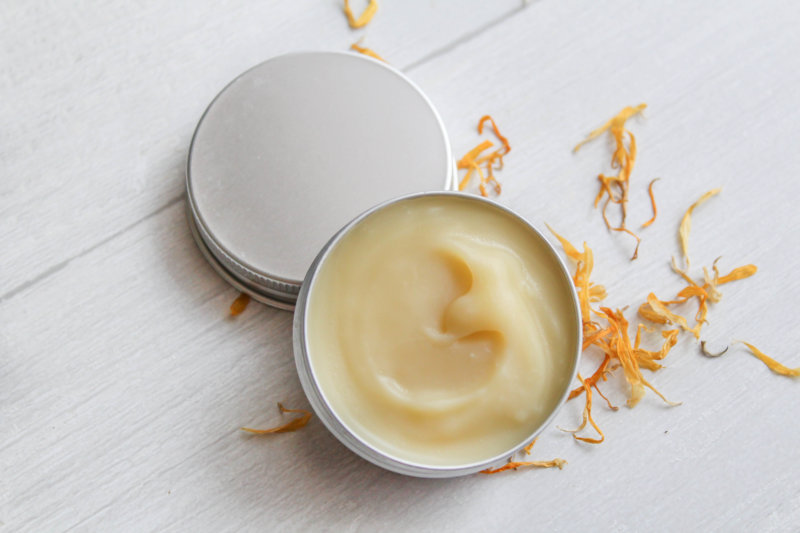
For a soft balm, mix equal parts infused oil with cocoa butter. If it’s too hard for your liking, add more of the calendula-infused oil to your mixture.
You can make a harder balm by adding more cocoa butter or, if your baby is a bit older, unbleached beeswax. Try half the amount of oil you started with for the beeswax and adjust from there to your liking.
For me, this is the cream I reach for during what I call the “razor blade” days of breastfeeding, especially those first couple of weeks when everything is adjusting. I apply it after feedings for comfort while also paying attention to latch and positioning.
Once that initial tenderness settles, nursing often becomes much easier.
If you have cracked or bleeding nipples, get help with the latch rather than pushing through significant pain. I have also used the chamomile washcloth trick from the recipe card notes: steep 6-8 organic chamomile tea bags in hot purified or distilled water and let the liquid cool until bearable.
Dip dark-colored washcloths in the tea and lay them over the breasts before nursing, then follow the nursing session with your balm.
Safe Ingredients for Nipple Cream
The best thing about this nipple cream is that you can make it with simple ingredients you recognize. Even better, each one has research behind it.
Calendula-infused Oil: This is an ingredient you make yourself. Don’t worry; this is a simple DIY. You can even put it in the crockpot!
Calendula (Calendula officinalis) has long been used on sore and cracked nipples during nursing. In one study of modest quality, a cream of calendula and echinacea worked better than breast milk for sore nipples. (4)
A 2025 review gathered the calendula research published since 2020. In one trial of 100 women, a calendula ointment applied every eight hours for ten days after an episiotomy lowered pain from the second day on. The authors concluded that “both preclinical and clinical studies support substantial evidence that C. officinalis extracts show promising anti-inflammatory, antioxidant, antimicrobial, and cell-proliferative effects.” (5)
Olive oil, the base of the infusion, has nursing research of its own. In a 2021 Turkish trial of 120 first-time breastfeeding moms, the olive oil group had less nipple pain and less nipple damage by day seven than moms who used nothing. (6)
A 2023 study of 80 mothers in Taiwan found that olive oil worked as well as breast milk for early nipple soreness, and most of the moms liked using it. (7)
Cocoa Butter: Cocoa butter is rich, soothing, and naturally firm at room temperature. I love it because it gives the balm body and leaves dry skin feeling soft.
Beeswax or Shea Butter: If you want a thicker formula with more staying power, use one of these ingredients! Beeswax forms a semi-occlusive layer that slows water loss from the skin while it softens and soothes. (8)
Beeswax is also the ingredient with the strongest nursing study behind it. In that 2023 trial of 90 first-time moms, a beeswax barrier beat both breast milk and no treatment at preventing nipple pain and cracks, and the researchers concluded that “a beeswax barrier can be used to prevent nipple pain and cracks.” (1)
If you’re looking for a vegan alternative to beeswax, try using shea butter. Shea is a rich plant butter that helps soften dry skin.
The bigger picture lines up. A 2026 systematic review of 22 studies published since 2020 found that olive oil, beeswax-based products, breast milk, coconut oil, and lanolin may all reduce nipple pain and help nipple trauma heal. (9)
Essential Oils & Homemade Nipple Cream
Did you know that you can customize this nipple cream by swapping the essential oils? I have used different oils over the years depending on the season and purpose.
Essential oils go into the balm, never straight onto the nipple, and the calendula oil and cocoa butter act as the carrier oil. Stick with the drops on the recipe card, since this is everyday body care for very tender skin, and see our guide on how to dilute essential oils if you build your own blend.
My favorite EO combinations have included:
- Clary sage: I use clary sage oil only in late pregnancy as part of my birth-preparation routine. I start using this oil at 36-38 weeks pregnant and stop this mixture after birth.
- Chamomile, lavender, geranium & tea tree: Chamomile, lavender, geranium, and tea tree have been part of our skin-care blends for years, and chamomile has a long history of use on cracked, bleeding nipples. (10) If you use tea tree, wipe it thoroughly off the nipple before nursing. (11) Safety Tip: Roman chamomile can sensitize some skin; two nursing moms developed a rash on the nipples and areolas from an ointment with 10.5 percent Roman chamomile, so stop if you notice itching or redness. (10)
- Fennel, basil & lavender: Fennel, basil, and lavender have been traditionally used by nursing moms for milk-production support. Two small studies of fennel taken to boost supply found increases in milk volume, milk fat, and baby’s weight gain. (12) Skip fennel if you or your baby react to carrots, celery, or other plants in that family. (12)
- Sage: Sage has a longstanding reputation for helping reduce milk production during weaning or oversupply. That reputation comes from traditional use; no study has measured sage’s effect on milk supply yet. (13)
- Lavender, tea tree, patchouli & orange: Patchouli and orange round out another of my blends with lavender and tea tree. Use the same wipe-off rule before nursing.
What Causes Breastfeeding Pain?
Breastfeeding is such a wonderful bonding experience. For a select few, nursing is smooth sailing, but most breastfeeding mothers will attest to their share of challenges. One of the most common is nipple pain.
This can happen for a variety of reasons, including:
- Shallow or uncomfortable latch
- Repeated mechanical stress on nipple tissue
- Pumping flange fit or suction problems
- Ductal narrowing and mastitis-spectrum inflammation
- Dry, cracked, irritated, or sensitized skin
- Vasospasm or other causes of nipple pain
- Baby’s oral function or anatomy when it interferes with comfortable milk transfer
Nipple sensitivity is one of the most common complaints nursing moms have! Before you throw in the towel, get good breastfeeding support and use this nipple cream as one comforting tool.
A 2022 review from Australia explains why the latch matters so much: most nipple pain during nursing is inflammation from too much stretching and pulling on the nipple during feeds, so a better fit and hold at the breast is the main fix. The same review warns against keeping the nipple skin overly wet, which is one more reason to use a thin layer of balm rather than a thick one. (14)
Timing matters too. A 2025 meta-analysis of 18 studies found that targeted care for nipple pain and injury clearly beat general care, and that starting before pain showed up worked better than waiting. (15)
A 2026 review of 14 prevention studies agreed, naming hands-on teaching of breastfeeding technique and extra virgin olive oil among the strategies that prevented nipple damage. (16) So keep this balm in your nursing basket from day one, and apply a thin layer after feedings.
For the bigger picture, see my breastfeeding tips, natural remedies, and nursing support guide.
Get help quickly if breast pain is severe or comes with fever, chills, a hot, red, or swollen area, or flu-like aches. Call your doctor or midwife too if baby is struggling to transfer milk or gain weight.
I can honestly say that no other nipple cream has provided me with such relief! For me, it has been a comforting part of getting through those tender early nursing days.
Using This Balm for Chafing
This nipple cream doubles beautifully as a plant-based chafing balm. Chafing happens when repeated friction rubs the same patch of skin, and it is most common in natural creases and skin folds: the inner thighs, groin, buttocks, armpits, and under the breasts. Sweat and wet clothes make it worse. (17)
A thin layer of balm lets skin glide instead of rub. Cleveland Clinic’s advice is the same one we follow: put a lubricant or balm on chafe-prone spots, change out of wet clothes quickly, and keep the area as dry as you can. (17)
Application: Apply a thin layer anywhere intact skin repeatedly rubs, such as the inner thighs, under the breasts, beneath an abdominal fold, along a bra band or waistband, under the arms, or on the feet. A light dusting of talc-free body powder helps keep a damp fold dry on hot days.
Many store-bought anti-chafing products lean on petroleum jelly, silicones, synthetic fragrance, and dyes, which are among the body care ingredients to avoid. If a few simple ingredients do the job, why make body care more complicated?
Not every red skin fold is simple chafing. Intertrigo is inflammation in a skin fold driven by warmth, friction, moisture, and poor airflow, and it often picks up a secondary infection, most often Candida yeast. (18)
Barrier products are the mainstay of care for mild intertrigo. In a 2021 Italian study of 20 athletes and overweight adults, a zinc and shea butter barrier spray used twice a day eased redness and itching within 15 days. (19)
If a fold stays wet, cracks, smells, drains, or keeps coming back, have it checked rather than adding more balm.
Homemade Nipple Cream FAQs
Can I use essential oils for an infected nipple?
This balm is for comfort between feedings, not a treatment for infection. Get help quickly if breast pain is severe or comes with fever, chills, a hot, red, or swollen area, or flu-like aches, and have cracked or bleeding nipples checked for latch problems rather than pushing through the pain.
Can I make a weaning balm with this recipe?
Sage is the oil I have used in this balm for weaning, since it has a longstanding reputation for helping reduce milk production during weaning or oversupply. That reputation comes from traditional use; no study has measured sage’s effect on milk supply yet. (13)
Do I need to wash homemade nipple cream off before nursing?
Only if you added essential oils. The plain balm of calendula oil, cocoa butter, and beeswax can stay on as long as you use a thin layer, but wipe the essential-oil version off the nipple and areola before baby latches, since tea tree in particular should be thoroughly removed before nursing. (11)
Can I use this nipple cream without essential oils?
Absolutely. Calendula-infused oil, cocoa butter, and beeswax or shea butter carry the research on their own, and the balm still moisturizes, softens, and protects the skin.
What essential oils are best for homemade nipple cream?
Lavender and Roman chamomile are my go-to oils in this recipe. Chamomile has a long history on cracked nipples, but stop it if your skin turns itchy or red, since it can sensitize some people. (10)
Can adults use this cream for chafing?
Yes. Smooth a thin layer on clean, dry, intact skin wherever it rubs: the inner thighs, under the breasts, skin folds, bra lines, waistbands, and feet.
How long does homemade nipple cream last?
Up to 6 months stored in a sterilized glass jar out of the sunlight. Use clean, dry fingers or a small spoon, and toss the batch if the smell, color, or texture changes.
Keep reading: Homemade Diaper Rash Cream Recipe to Soothe and Protect · Homemade Baby Lotion with Essential Oils for Sensitive Skin · DIY Lotion Bar With Essential Oils for Dry Skin
References
- Serhatlioglu S, Gencturk N, Mutlu S. Determination of the effectiveness of beeswax in preventing nipple pain and cracks in primiparous breastfeeding mothers: a randomized controlled trial. Explore (NY). 2023. Source.
- Marcellin L, Chantry AA. Breastfeeding (part III): breastfeeding complications, guidelines for clinical practice. Journal de Gynécologie Obstétrique et Biologie de la Reproduction. 2015. Source.
- Atli N, Özkan H, Serin EK. Prevention and management of nipple wound: a systematic review. BMC Pregnancy and Childbirth. 2026. Source.
- National Library of Medicine. Calendula. Drugs and Lactation Database (LactMed). 2021. Source.
- Deligiannidou GE, Papadimitriou K, Poulios E, et al. An update of phytotherapeutic advances of marigold (Calendula officinalis L.) in wound healing. Plants. 2025. Source.
- Sağlık DK, Kısacık ÖG. Comparison of the effects of olive oil and breast milk on the prevention of nipple problems in primiparous breastfeeding women: a randomized controlled trial. Health Care for Women International. 2021. Source.
- Lin CX, Lu YY. Comparative effectiveness of olive oil and breast milk on nipple soreness in breastfeeding mothers. Breastfeeding Medicine. 2023. Source.
- Nong Y, Maloh J, Natarelli N, et al. A review of the use of beeswax in skincare. Journal of Cosmetic Dermatology. 2023. Source.
- Kirimlidou S, Dagla M, Palaska E, et al. Interventions for the prevention and management of nipple trauma in breastfeeding women: a systematic review. Healthcare. 2026. Source.
- National Library of Medicine. Chamomile. Drugs and Lactation Database (LactMed). 2026. Source.
- National Library of Medicine. Tea tree oil. Drugs and Lactation Database (LactMed). 2024. Source.
- National Library of Medicine. Fennel. Drugs and Lactation Database (LactMed). 2026. Source.
- National Library of Medicine. Sage. Drugs and Lactation Database (LactMed). 2025. Source.
- Douglas P. Re-thinking lactation-related nipple pain and damage. Women’s Health. 2022. Source.
- Jia X, Dong Y, Shen C, et al. Interventions for breastfeeding-related nipple pain or injury: a meta-analysis. Frontiers in Global Women’s Health. 2025. Source.
- Chagas A, Moura F, Bispo M, et al. Effective interventions to prevent breastfeeding-related nipple-areolar lesions: a systematic review. International Journal of Environmental Research and Public Health. 2026. Source.
- Cleveland Clinic. Skin protection: tips to prevent chafing. Cleveland Clinic Health Essentials. 2025. Source.
- Nobles T, Syed HA, Miller RA. Intertrigo. StatPearls. 2024. Source.
- Verzì AE, Nasca MR, Dall’Oglio F, et al. A novel treatment of intertrigo in athletes and overweight subjects. Journal of Cosmetic Dermatology. 2021. Source.