QUICK SUMMARY
Homemade vinaigrette is one of the easiest ways to turn a simple salad into something guests remember. Mama Z’s base vinaigrette combines vinegar, extra virgin olive oil, egg, sea salt, pepper, and Herbes de Provence, with creamy and fruit-sweetened variations included below.
A few helpful notes:
- The base vinaigrette contains no added sugar.
- The creamy version can remain sugar-free when you choose unsweetened yogurt.
- The sweet vinaigrette contains fruit and honey, so it is naturally sweetened rather than sugar-free.
- Because these recipes use uncooked egg, choose pasteurized eggs or pasteurized egg products when serving pregnant women, young children, older adults, people with weakened immune systems, or anyone who prefers the lower-risk option.
- Keep the finished dressing refrigerated and use it within 3 days.
My homemade vinaigrette recipe and variations are a staple at our home, especially when entertaining guests. They’re easy to make and healthy to eat! Plus, these dressings are made with clean, all-natural ingredients. No toxic and inflammatory ingredients are allowed.
Our friends and family are always impressed by our delicious vinaigrettes, which surprises me because they are so simple to make. Our vinaigrettes are inspired by many of our salad recipes, which we particularly enjoy in the summer.
Our base vinaigrette recipe is great on everything, but be sure to try our variations! There’s a vinaigrette for everyone.
Once you learn the basic rhythm of vinegar, olive oil, seasonings, and an emulsifier, you can make a fresh dressing in minutes. The blender does most of the work, and the finished vinaigrette tastes brighter and more personal than a bottle that has been sitting on a store shelf.
Table of Contents

All About Vinegars to Cook With

Vinegar is a staple ingredient in every homemade vinaigrette recipe, no matter which variation you use, and it adds lovely acidity.
Vinegar is made through a two-stage fermentation. Yeast first converts sugars into alcohol, and acetic-acid bacteria then convert the alcohol into acetic acid. Different starting ingredients create very different flavors, colors, aromas, and culinary uses. (1)
All vinegar is not created equal for every job. Some are better for cleaning, some shine in marinades, and others belong on delicate greens or fresh fruit. Here’s a cheat sheet to help you choose the best fit for your family.
White Distilled Vinegar
Colorless and sharp, white vinegar is usually made by fermenting distilled alcohol derived from grains or another starch source.
We use this primarily for cleaning and washing produce from the store. It can be used in food when a recipe calls for a neutral, assertive acid, but its sharp flavor is usually less interesting in a vinaigrette than apple cider, wine, or balsamic vinegar.
Apple Cider Vinegar
Made from fermented apples, apple cider vinegar has a slightly fruity flavor and a strong bite.
My preferred apple cider vinegar is raw and unfiltered. It contains the cloudy sediment commonly called the mother. That form has wonderful character, although human research has not established that raw, unfiltered vinegar is automatically superior to every filtered vinegar for every health outcome.
Apple cider vinegar holds up well with pungent greens and is especially good in marinades. It is a versatile choice for cold rice or pasta salads and appears in many of our homemade dressings.
Human trials and meta-analyses suggest that vinegar consumed with a meal can modestly reduce the post-meal glucose response in some people. That does not make vinaigrette a treatment for diabetes, but it is another reason vinegar can be a useful part of a balanced meal. (2)
Red or White Wine Vinegar
Made from red or white wine, these vinegars are full-bodied and ideal for salad dressings, marinades, mayonnaise-style sauces, and dark greens.
Wine vinegar is not the same as drinking wine. During vinegar fermentation, most of the alcohol is converted into acetic acid. Trace residual amounts can vary by product, so read the label when complete avoidance matters.
White wine vinegar is a classic ingredient in butter sauces such as béarnaise and pairs beautifully with fish, poultry, and delicate herbs. Red wine vinegar is bolder and works well with tomatoes, olives, roasted vegetables, and sturdy greens.
Balsamic Vinegar
Balsamic is a dark, sweet, complex vinegar that originated in Italy. A little goes a long way!
Use it on salads, in sauces, over roasted vegetables, or drizzled over fresh fruit. My favorite way to enjoy balsamic vinegar is in my Fresh Tomato Salad. Yum!
Traditional balsamic develops sweetness through concentrated grape must and aging, while many commercial balsamic products are made more quickly and may contain caramel coloring or added sweeteners. Check the ingredient list when you want the simplest option.
Sugar-Free Salad Dressing Ingredients

There are a few other elements besides vinegar that make a good vinaigrette. You probably have most of these ingredients in your pantry!
Here’s what you need to add to your shopping cart.
Extra Virgin Olive Oil
Extra virgin olive oil makes vinaigrettes silky smooth and carries the flavor of vinegar, herbs, salt, and pepper across every leaf.
Some olive oils on the market are poorly stored, mislabeled, stale, or blended in ways that affect flavor and quality. I recommend purchasing the best olive oil you can, because this is one area where freshness and sourcing make a noticeable difference.
Olive oil is not an excellent source of omega-3 fatty acids. Its primary fat is the monounsaturated omega-9 fatty acid oleic acid. Extra virgin olive oil also contains polyphenols and vitamin E compounds that help explain why it has been studied so extensively.
A 2026 systematic review and meta-analysis found that daily extra virgin olive oil intake favorably affected several biomarkers of inflammation and oxidative stress, although responses varied across studies and populations. (3)
That makes this vinaigrette a delicious way to use a minimally processed fat with a strong research foundation.
Eggs
Eggs add so much creaminess to vinaigrettes.
When blended with olive oil and vinegar, compounds in the egg help form an emulsion. This disperses tiny droplets of oil through the water-based vinegar phase, giving the dressing a thicker, smoother texture instead of two completely separate layers.
If you’re vegan, you can always use egg replacer and water. I’ve used both options with great results!
The recipes below use uncooked egg. Fresh, properly refrigerated eggs are a traditional choice, and pasteurized shell eggs or pasteurized liquid egg products provide another practical option. FDA guidance specifically recommends pasteurized eggs for dressings served without cooking, especially when serving people at greater risk from foodborne illness. (4)
Herbes de Provence
This lovely blend of spices is usually made with rosemary, marjoram, thyme, oregano, and sometimes lavender flowers.
I use this in place of Italian seasoning because some Italian blends contain sage, which has traditionally been used to decrease milk production during weaning or oversupply.
Current LactMed guidance notes that sage is reputed to reduce lactation, but no scientific studies have directly evaluated its effect on human milk supply. (5) Culinary exposure is also different from concentrated tea, tincture, or supplemental use.
Mama Z’s preference remains to use Herbes de Provence in these vinaigrettes while breastfeeding, and the floral-herbal flavor is perfect for salad dressing.
Sea Salt and Black Pepper
Sea salt brightens both the vinegar and the herbs, while black pepper adds a gentle warmth.
Start with the recipe amount, blend, and then taste the dressing on a leaf of lettuce rather than from a spoon. A vinaigrette tastes stronger by itself than it does once it coats a full bowl of greens.
A Note About Sugar-Free Variations
The artisanal base vinaigrette contains no added sugar. The creamy version can also remain sugar-free when you choose unsweetened yogurt and an unsweetened egg replacer.
The sweet homemade vinaigrette contains whole fruit and honey. It is a clean, naturally sweetened variation, but it is not sugar-free. That distinction helps readers choose the recipe that best fits their goals without changing any of the recipes.
Before You Blend
Use clean equipment and a clean glass storage jar. Keep eggs refrigerated until you are ready to blend, refrigerate the finished dressing promptly, and avoid letting an egg-based vinaigrette sit at room temperature for more than two hours.
For pregnant women, young children, older adults, people with weakened immune systems, or anyone who wants the lower-risk option, use pasteurized shell eggs or a pasteurized egg product. The recipes and proportions remain unchanged.
Artisanal Homemade Vinaigrette Recipe
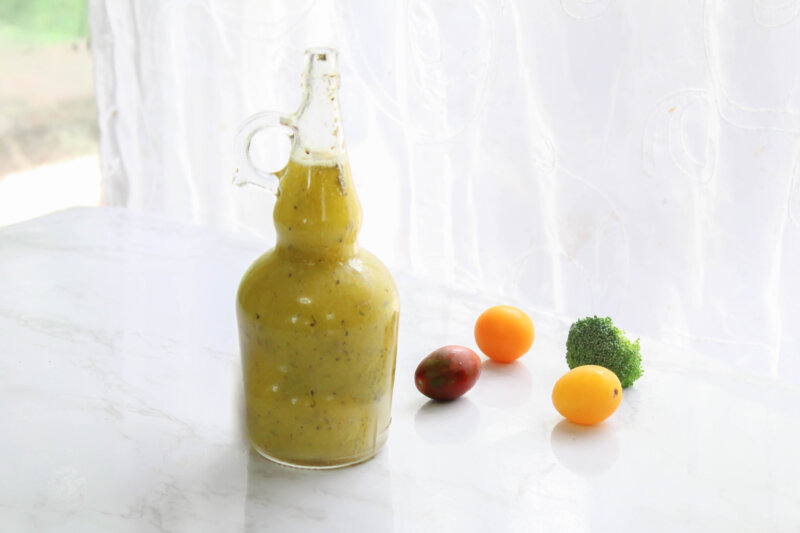
This simple vinaigrette goes great with everything. Use it as a marinade or dressing; the sky is the limit!

Basic Vinaigrette (With Vegan Option)
Servings
Ingredients
- ¼ cup herb-infused vinegar OR organic unfiltered apple cider vinegar
- ½ tablespoon egg replacer PLUS ⅛ cup purified OR distilled water OR pasture-raised organic egg
- 1 cup extra-virgin olive oil
- ¼ teaspoon pink Himalayan salt OR sea salt, ground, OR to taste
- ⅛ teaspoon organic white pepper, ground, OR to taste
Supplies
Instructions
- Put the vinegar in a blender. As the machine is running, slowly add the oil in a steady stream. Blend well
- Add egg and mix again. Add salt and pepper and more or less vinegar depending on your flavor preference.
Step One: Blend Oil and Vinegar

Pour the vinegar into a blender and blend on low. As the blender runs, slowly add the olive oil in a steady stream. Process until the ingredients are thoroughly blended.
Step Two: Add Egg and Seasoning

Add the egg, salt, pepper, and Herbes de Provence. Pulse until well blended. Store in a glass jar in the refrigerator.
DIY Vinaigrette Dressing Variations
Every so often, it’s fun to spice things up! Get creative and try one of our homemade vinaigrette recipe variations. There’s something for everyone.
Creamy Homemade Vinaigrette
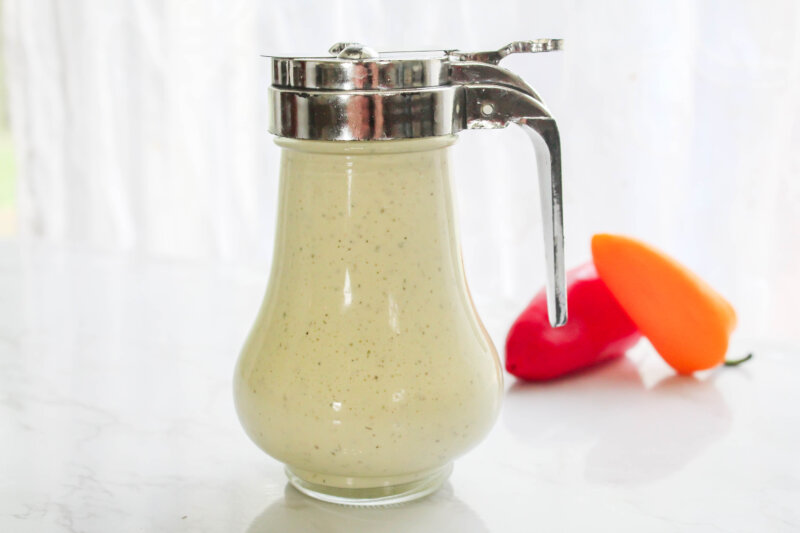
This creamy vinaigrette recipe adds a gourmet touch to tuna salad, veggie wraps, and more! You’ll never believe it’s dairy-free.
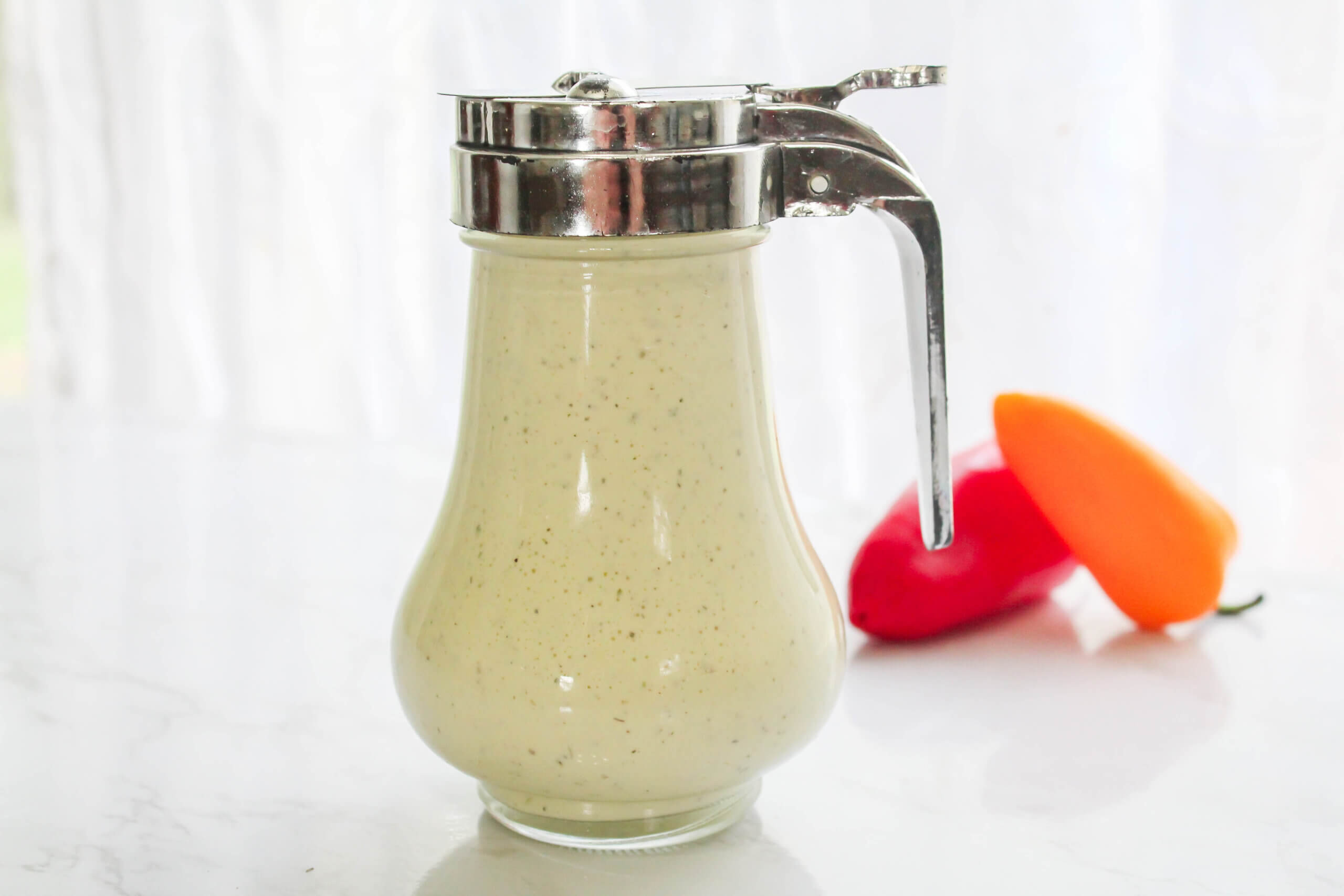
Creamy Vinaigrette (With Vegan Option)
Servings
Ingredients
- ¼ cup organic unfiltered apple cider vinegar
- 1 cup extra-virgin olive oil
- 1 raw pasture-raised organic egg OR ½ tablespoon egg replacer + ¼ cup purified OR distilled water
- 3 tablespoons unsweetened organic plain coconut milk yogurt alternative
- 1 teaspoon organic herbes de Provence*
- ¼ teaspoon pink Himalayan salt OR sea salt, ground
- ⅛ teaspoon organic white pepper, ground
Instructions
- Pour the vinegar into a blender and blend on low. As the blender runs, slowly add olive oil in a steady stream. Process until the ingredients are thoroughly blended.
- Add egg, yogurt, herbes de Provence, salt, and pepper. Pulse until well blended. Store in a glass jar in the refrigerator, where it will last about 2 weeks, depending on your climate.
Step One: Blend Vinegar and Olive Oil

Pour the vinegar into a blender and blend on low. As the blender runs, slowly add olive oil in a steady stream. Process until the ingredients are thoroughly blended.
Step Two: Add Yogurt

Add egg, sea salt, pepper, yogurt, and Herbes de Provence. Pulse until well blended
Store in a glass jar.
Sweet Homemade Vinaigrette
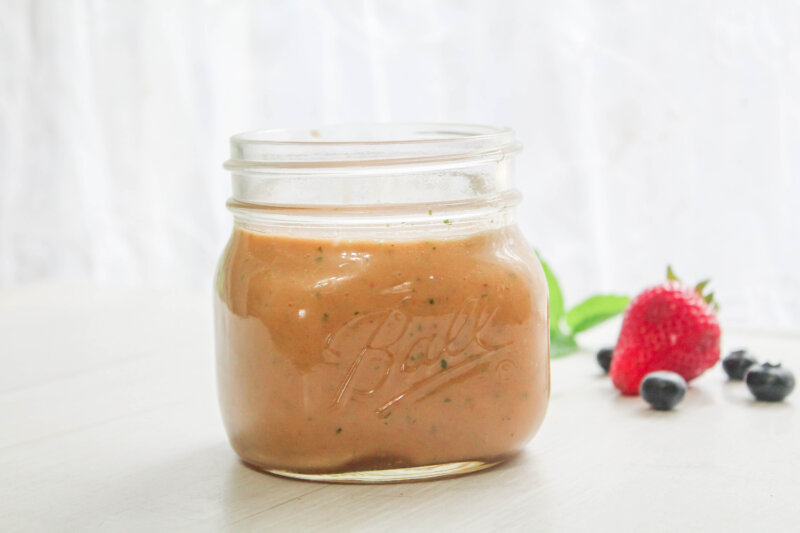
This sweet dressing is wonderful over fruit salad or served with a spinach and blueberry salad.
Use whatever fruit you have on hand. We love strawberries, raspberries, or even pitted cherries!
Sweet Homemade Vinaigrette (With Vegan Option)
Servings
Ingredients
- 3 ounces fresh organic fruit (raspberries, strawberries, etc.)
- ¼ cup organic unfiltered apple cider vinegar
- 1 cup extra-virgin olive oil
- 1 pasture-raised organic egg OR ½ tablespoon egg replacer PLUS ⅛ cup purified OR distilled water
- 2 tablespoons raw organic local honey
- ¼ teaspoon pink Himalayan salt OR sea salt, ground
- ⅛ teaspoon organic white pepper, ground
- Organic poppy seeds (optional)
- Organic fresh mint (optional)
Supplies
Instructions
- Place the fruit and vinegar into a blender and blend on low. As the blender runs, slowly add olive oil in a steady stream. Process until the ingredients are thoroughly blended.
- Add egg and pulse until well blended. Then, add honey, salt, pepper, poppy seeds, and mint (if using).
- Serve over fruit salad or mixed greens with fresh fruit and flowers. Store in a glass jar.
Step One: Create Dressing Base

Place the fruit and vinegar into a blender and blend on low. With the blender still running, slowly add the olive oil in a steady stream. Process until the ingredients are thoroughly blended.
Step Two: Add Honey

Add the egg replacer, and pulse until well blended. Then, add honey, sea salt, and pepper.
Step Three: Serve the Homemade Vinaigrette

Serve this delicious dressing over fruit salad or dark greens mixed with fruit. Store any leftovers in a glass jar. Enjoy!
How to Store Homemade Vinaigrette
Homemade vinaigrette does not contain the preservatives or commercial processing used to extend the shelf life of bottled dressing, and these recipes include fresh egg, yogurt, fruit, or egg replacer.
Store each vinaigrette in a clean, tightly covered glass jar in the refrigerator at 40°F or below. Use it within 3 days.
The dressing may separate or the olive oil may become cloudy and firm when chilled. That is normal. Let the jar stand at room temperature briefly, then shake or whisk it before serving. Do not leave it on the counter for hours to soften.
Discard the vinaigrette when it develops an unusual odor, visible mold, gas pressure, unexpected bubbling, or a texture that seems clearly spoiled. When entertaining, pour out a smaller serving portion and keep the main jar refrigerated so it stays cold and fresh.
Homemade Vinaigrette FAQs
What is the basic ratio for homemade vinaigrette?
Many vinaigrettes use roughly three parts oil to one part vinegar, but Mama Z’s protected recipes provide the exact proportions she uses. Follow the recipe rather than changing the ratio, especially when egg, yogurt, fruit, or honey is part of the emulsion.
Why does homemade vinaigrette separate?
Oil and vinegar naturally separate because oil does not dissolve in water. Slowly streaming the oil into the running blender breaks it into tiny droplets, while egg or egg replacer helps hold those droplets in suspension.
Which vinegar is best for vinaigrette?
Apple cider vinegar is robust and versatile. Red wine vinegar works beautifully with dark greens and Mediterranean flavors. White wine vinegar is lighter and more delicate. Balsamic vinegar is sweeter and pairs well with tomatoes, berries, fruit, and roasted vegetables.
Is homemade vinaigrette sugar-free?
The base recipe contains no added sugar. The creamy variation can be sugar-free when the yogurt and egg replacer are unsweetened. The fruit vinaigrette contains fruit and honey, so it is naturally sweetened rather than sugar-free.
Can I make vinaigrette without raw egg?
Yes. Use the egg-replacer option already included in the recipes, or choose pasteurized shell eggs or a pasteurized liquid egg product. Do not alter the recipe proportions.
How long does homemade vinaigrette last?
These fresh recipes should be refrigerated promptly and used within 3 days because they contain uncooked egg, yogurt, fruit, or reconstituted egg replacer.
Why did my olive oil turn cloudy in the refrigerator?
Natural fats in olive oil can partially solidify at refrigerator temperatures. Cloudiness is not, by itself, a sign of spoilage. Let the dressing warm briefly, then shake it.
Can I use homemade vinaigrette as a marinade?
Yes. The base vinaigrette works well as a marinade. Keep raw meat and its marinade refrigerated, and do not reuse marinade that has touched raw meat unless it is boiled thoroughly in a separate cooking step.
Can I use regular olive oil instead of extra virgin olive oil?
You can, but extra virgin olive oil provides more flavor and a broader range of polyphenols. Since vinaigrette is served without cooking, this is one recipe where a fresh, flavorful oil makes a big difference.
Does sage reduce breast milk production?
Sage has traditionally been used during weaning or oversupply, but LactMed reports that no scientific studies have directly evaluated its effect on human milk supply. Mama Z prefers Herbes de Provence without sage while breastfeeding, and that practical choice is preserved here.
Final Thoughts on Homemade Vinaigrette
Once you start making vinaigrette at home, it is hard to go back to a bottle.
The base version is simple enough for an everyday salad, the creamy variation adds a gourmet touch to wraps and tuna salad, and the fruit vinaigrette turns dark greens or fruit salad into something guests remember.
Keep good vinegar, fresh extra virgin olive oil, Herbes de Provence, and a clean glass jar on hand. With those pantry staples, a beautiful dressing is only a few minutes away.

References
- Harvard T.H. Chan School of Public Health. “Vinegar.” The Nutrition Source. Source.
- Shishehbor F, Mansoori A, Shirani F. “Vinegar Consumption Can Attenuate Postprandial Glucose and Insulin Responses: A Systematic Review and Meta-Analysis of Clinical Trials.” Diabetes Research and Clinical Practice. 2017;127:1-9. Source.
- Damasceno JV, et al. “Effects of Daily Extra Virgin Olive Oil Consumption on Biomarkers of Inflammation and Oxidative Stress: A Systematic Review and Meta-Analysis.” Critical Reviews in Food Science and Nutrition. 2026. Source.
- U.S. Food and Drug Administration. “What You Need to Know About Egg Safety.” Updated March 5, 2024. Source.
- National Library of Medicine. “Sage.” Drugs and Lactation Database, LactMed. Updated July 15, 2025. Source.
- University of Minnesota Extension. “Purchase, Store, and Prepare: Eggs.” Source.