QUICK SUMMARY
This sugar-free chai latte recipe combines organic masala chai tea, unsweetened almond or coconut milk, and liquid stevia for a creamy café-style drink without refined sugar. Serve it hot or iced, choose decaf chai if you want less caffeine, and use the same easy method for the included Earl Grey latte variation. If you need a gluten-free drink, verify the individual tea and plant-milk labels; almond milk is not appropriate for anyone with a tree-nut allergy.
My healthy, sugar-free chai latte recipe is one for the books! Unlike the syrup-heavy versions sold at many coffee shops, this homemade latte is naturally sweetened, dairy-free, and easy to customize.
You’ll appreciate this gentle option if you’re trying to cut down on coffee or refined sugar. Choose a decaffeinated chai when you want less caffeine, or enjoy the regular version when you want that classic black-tea pick-me-up.
Variety is the spice of life, and we love having healthy drink options at our fingertips. I’ve also included our favorite Earl Grey tea latte so you can make two completely different café-style drinks with the same simple method.
Both versions are delicious hot or iced, and it takes just a few minutes to make enough to keep in the fridge for later. I know you’ll love these tea lattes just as much as we do!
Table of Contents

Healthy Chai Latte Recipe
This simple sugar-free chai latte is easy to make and makes any day extraordinary. Your tea needs time to steep for the best flavor, so don’t rush that first step.
A strong tea concentrate is important because the almond or coconut milk and extra water will mellow the final drink. Once you have the basic method down, you can make a bottle ahead and enjoy it hot or over ice.
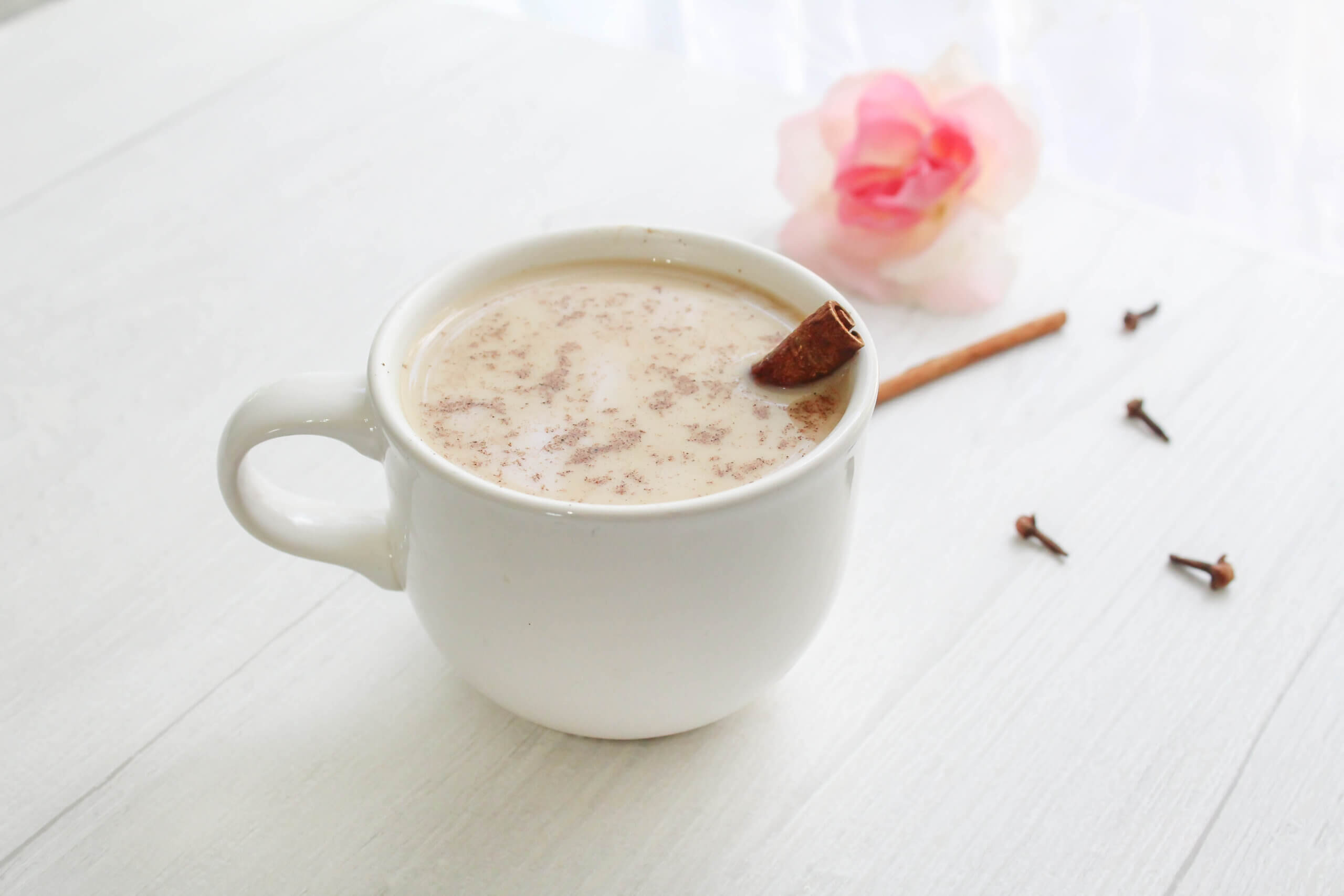
Chai Tea Latte (Vegan)
Servings
Ingredients
- 4 organic masala chai tea bags
- Generous 16 ounces purified OR distilled water, boiling hot*
- 4-6 droppersful liquid stevia (vanilla, cinnamon, OR pumpkin pie flavored)
- 11-12 ounces organic unsweetened almond OR coconut milk beverage**
- Ice OR additional purified OR distilled water
Supplies
Instructions
- Steep the tea bags in 16 ounces of boiling water (I use a 2-cup glass measuring cup) until dark. I recommend investing in an electric kettle because it makes creating hot beverages a breeze!
- Use one spoon to gather the tea bags and another to squeeze them out.
- Pour your mixture into a 32-ounce glass bottle. Add the liquid stevia and almond milk creamer to the bottle. Add more boiling water to your beverage until you have 32 ounces of chai latte.
- Add ice or additional purified or distilled water to fill the top of the container, depending on whether you’d like it hot or cold. Enjoy!
A dark steep usually takes 10-20 minutes. I recommend investing in an electric kettle because it makes creating hot beverages a breeze!
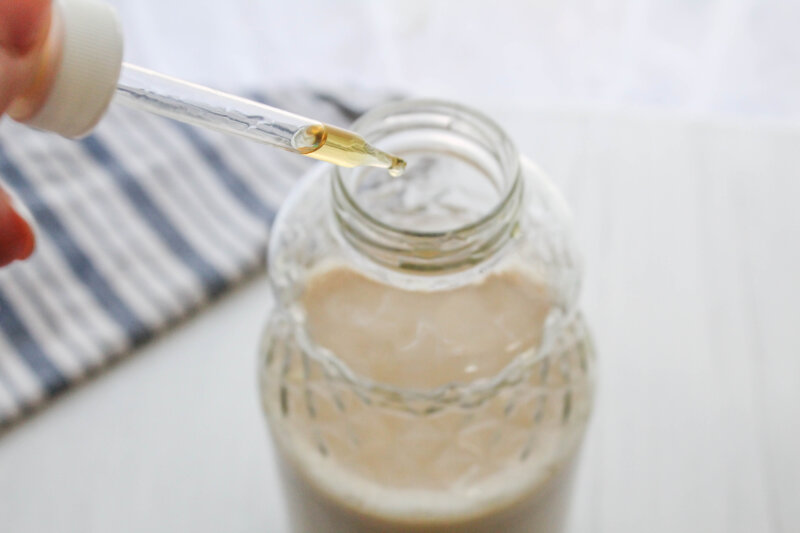
Hot or Iced Chai Latte
For a cozy hot chai latte, enjoy the drink after mixing while it is still warm or gently reheat a refrigerated serving on the stovetop.
For iced chai, chill the prepared latte and pour it over ice. Shake the bottle first because a little separation is normal with plant-based milk.
Earl Grey Latte Variation
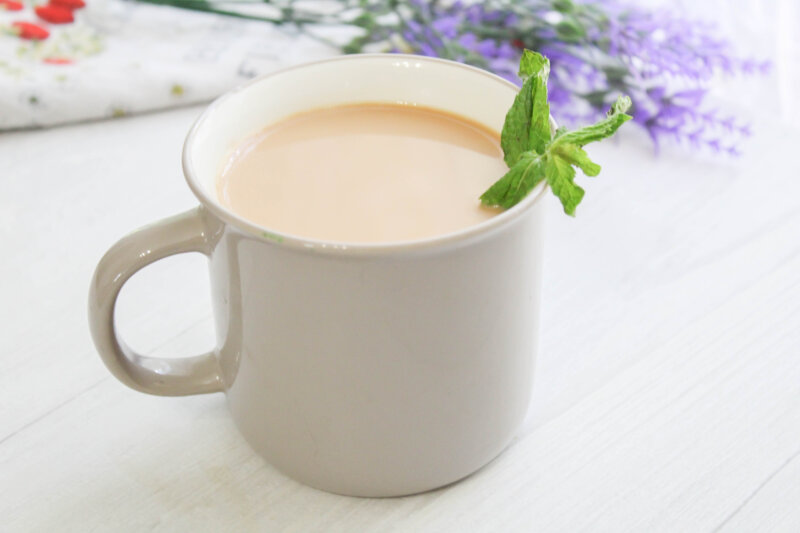
This tasty Earl Grey Latte will make you feel like you’re at a cozy cafe in London. This tea is delightful, with hints of citrus thanks to bergamot. It’s one of our favorite black tea blends because it has a unique flavor.
The process for this recipe is the same as our chai latte recipe, just with different tea bags.
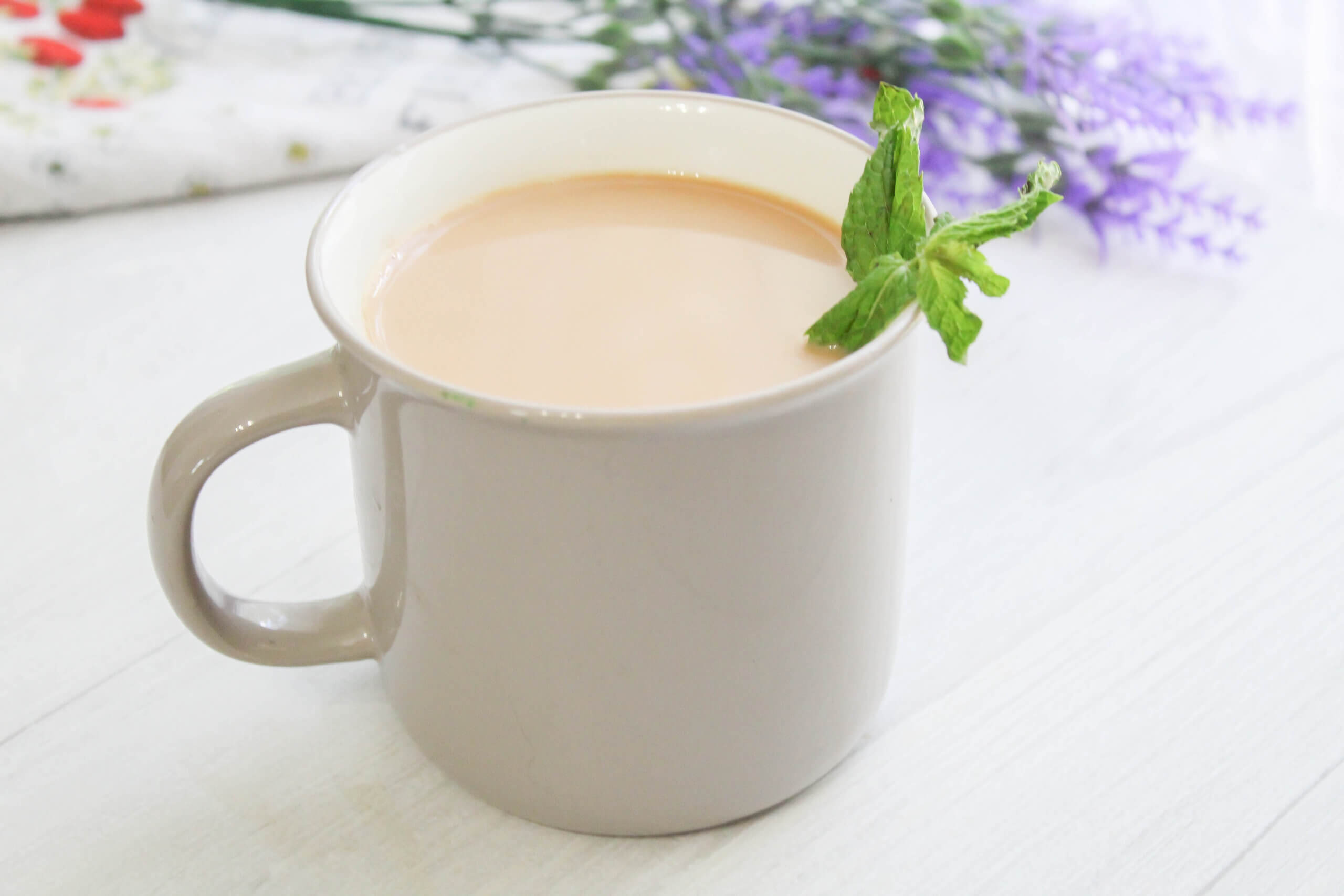
Earl Grey Latte (Vegan)
Servings
Ingredients
- 4 organic Earl Grey tea bags
- Generous 16 ounces purified OR distilled water, boiling hot*
- 4-6 droppersful vanilla-flavored liquid stevia
- 11-12 ounces organic unsweetened almond OR coconut milk beverage**
- Ice OR additional purified OR distilled water
Supplies
Instructions
- Steep the tea bags in the generous 16 ounces of purified water (I use a 2-cup glass measuring cup) until dark. This usually takes 10-20 minutes.
- Use one spoon to gather the tea bags and another to squeeze them out.
- Pour your mixture into a 32-ounce glass bottle. Add the liquid stevia and almond milk creamer to the bottle. Add more boiling water to your beverage until you have 32 ounces of tea latte.
- Add ice or additional purified or distilled water to fill the top of the container, depending on whether you’d like it hot or cold. Enjoy!
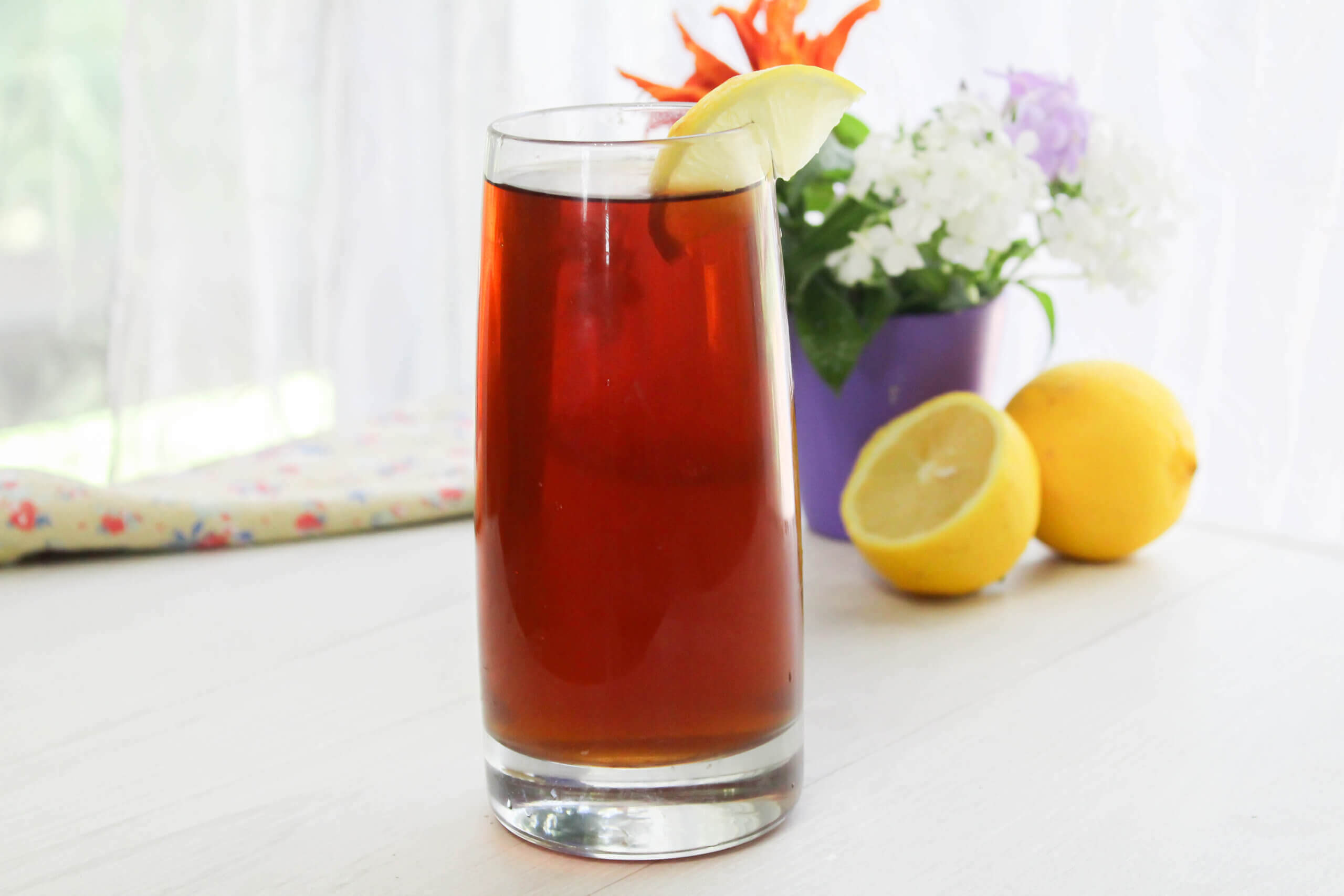
Earl Grey Tea (Vegan)
Servings
Ingredients
- 6 organic Earl Grey tea bags
- Generous 32 ounces purified OR distilled water, boiling hot*
- 4-6 droppersful vanilla-flavored liquid stevia
- Ice OR additional purified OR distilled water
Supplies
Instructions
- Steep the tea bags in the generous 32-ounces of purified water (I use a 4-cup glass measuring cup) until dark. This usually takes 10-20 minutes.
- Use one spoon to gather the tea bags and another to squeeze them out.
- Add the liquid stevia to the 32-ounce glass bottle, then add the tea mixture.
- Add ice or additional purified or distilled water to fill the top of the container, depending on whether you’d like it hot or cold. Enjoy!
Earl Grey gives you a completely different flavor from chai while keeping the same creamy tea-latte experience. The bergamot aroma is bright and citrusy, while the black-tea base keeps the drink rich enough to stand up to plant milk.
We like having both options because some days call for the warming spice of chai and other days call for the lighter citrus notes of Earl Grey.
All About Chai
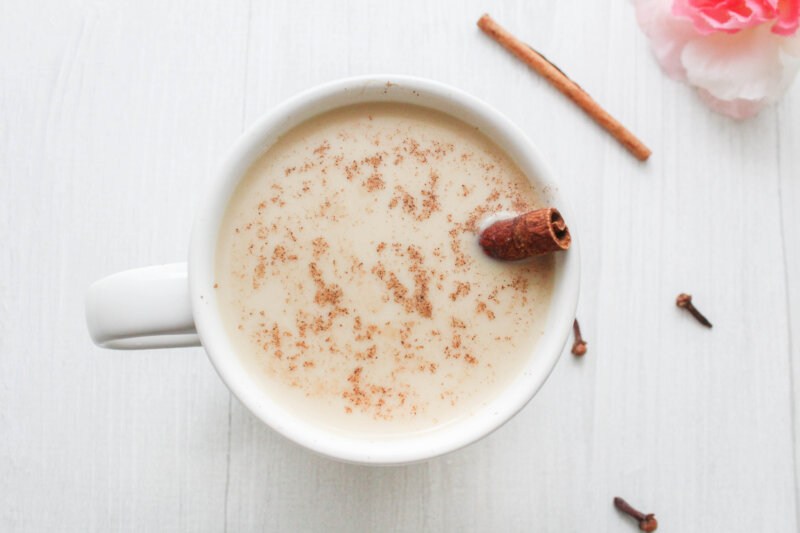
Chai has deep roots in South Asian food culture. The word chai simply means tea in several languages, while the spiced drink many Americans call “chai tea” is more accurately described as masala chai, or spiced tea.
There isn’t one universal chai recipe. Families, regions, tea companies, and cafés all have their own combinations and proportions.
Modern masala chai often combines black tea with warming spices such as cinnamon, cardamom, ginger, cloves, and black pepper. Milk and sweetener are commonly added to create the rich, comforting drink so many people love.
The problem with many coffee-shop versions isn’t the tea or spices. It’s everything else that can get added.
Sweetened concentrates, syrups, flavored milks, and extra pumps of sweetener can turn chai into a dessert-like drink. Making it at home gives you control over the ingredients while still keeping the flavor rich and satisfying.
Black Tea in Chai
Organic Black Tea: Black tea is the base of many chai blends and contains polyphenols, including theaflavins and other plant compounds. Human research continues to explore black tea in relation to antioxidant, cardiovascular, and metabolic health. (1)
The great thing about high-quality chai tea is that you can also find decaf versions. Our favorite chai tea bags use black tea, but you can choose a decaffeinated blend if you’re trying to reduce caffeine.
Decaf tea may still contain a small amount of caffeine, so check the manufacturer’s information if you’re especially sensitive.
Healthy Tea Ingredients 101
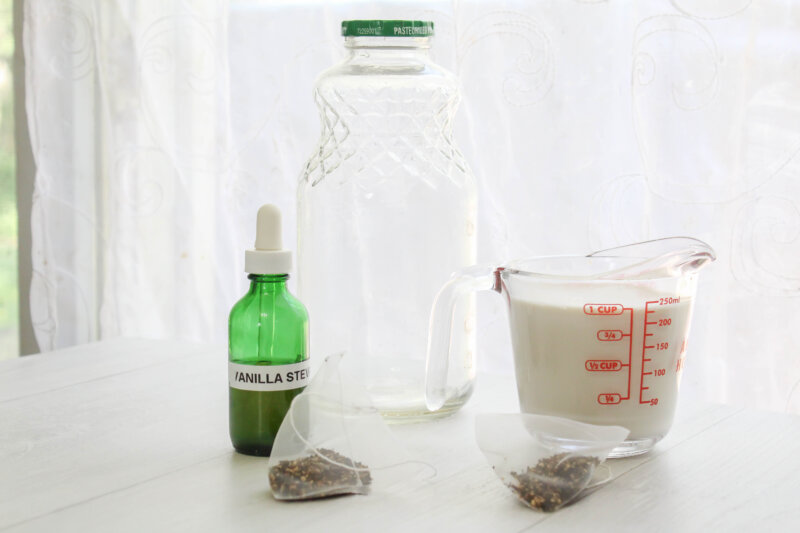
The key to making healthy recipes that taste great is high-quality ingredients. This chai latte uses simple components, but they create a creamy drink that feels much more indulgent than it is.
Here’s what we keep on hand.
Organic Masala Chai Tea Bags
Our favorite chai tea bags are pyramid-shaped and budget-friendly because they can often be steeped more than once. When purchasing tea, I prefer organic varieties from companies that are transparent about sourcing and quality.
Good tea should smell fresh and taste vibrant. If tea bags or loose tea smell musty, stale, or damp, replace them.
Organic Unsweetened Almond or Coconut Milk Beverage
To keep this recipe dairy-free, we use organic unsweetened almond or coconut milk beverage.
These non-dairy options create a rich, creamy drink without conventional milk. Be sure to choose unsweetened varieties so you aren’t adding unnecessary sugar before the sweetener even goes in.
If you have a tree-nut allergy, almond milk is not appropriate. Choose a milk alternative that works for your family’s dietary needs and check labels for cross-contact information when necessary.
Liquid Stevia
Liquid stevia is our favorite sweetener for beverages because it blends beautifully without adding refined sugar.
It also comes in many flavors. Vanilla, cinnamon, and pumpkin-pie flavored stevia can all complement chai, and one bottle lasts a long time.
Start with the amount in the recipe. You can always adjust future batches to your family’s preferred sweetness.
Organic Ground Cinnamon
Cinnamon adds warmth and a natural impression of sweetness to chai.
Human trials of cinnamon supplementation have reported potential improvements in fasting glucose and other glycemic measures in people with type 2 diabetes, but those studies use controlled supplemental amounts that are not equivalent to the cinnamon in one latte. (2)
If you’re purchasing cinnamon for your spice cupboard, I recommend Ceylon cinnamon. Its flavor is softer and more delicate than common cassia cinnamon and works beautifully in drinks.
Organic Cardamom Seed
Cardamom is one of the flavors that gives chai its unmistakable personality. Its aroma is sweet, warm, herbal, and slightly minty.
Modern human research has examined cardamom supplementation for cardiometabolic and inflammatory markers. A 2024 meta-analysis of randomized trials reported modest improvements in several markers, while other outcomes did not significantly change. (3)
It is lovely to see modern research catch up with a spice treasured in traditional cooking for generations.
Ginger Root
Ginger brings warmth and a pleasant bite to chai.
It also has a long history of traditional digestive use, and human research is especially strong around nausea and vomiting. A 2024 overview of systematic reviews found supportive evidence for ginger in several nausea settings, although the quality of the underlying evidence varied. (4)
We use it here because it tastes wonderful and has a long-standing place in digestive traditions.
Black Pepper
Black pepper is one of those ingredients you may not immediately notice until it’s missing. It gives chai that subtle spicy edge that balances sweeter spices such as cinnamon and cardamom.
Black pepper contains piperine, a widely studied plant constituent. Much of the more dramatic therapeutic research involves concentrated extracts, laboratory studies, or doses that don’t resemble ordinary culinary use. (5)
For this recipe, black pepper’s most important job is simple: it makes chai taste like chai.
Choose Fresh, Well-Sourced Spices
Quality and storage matter with tea and spices.
Poor drying, processing, transportation, or storage can allow fungal or mycotoxin contamination in dried spices. A 2025 review found that spices such as chili, paprika, ginger, and pepper are contaminated more often than dried herbs. That is why we buy from reputable suppliers and store dried ingredients properly. (6)
Look for fresh products, keep them dry, and replace anything that smells musty or has obviously changed in quality.
Glass Bottle
We are all about green living and are always looking for ways to reuse containers.
32-ounce glass organic juice bottles are perfect for storing tea lattes. We keep them in the fridge to pour over ice or warm later on the stovetop.
Just be sure to label your bottles so you don’t get them confused!
Tips for the Best Homemade Tea Latte
Steep the tea strong. Milk and ice dilute the flavor, so let the tea develop before adding the creamy ingredients.
Use unsweetened milk. This is one of the easiest ways to keep the recipe sugar-free without sacrificing creaminess.
Shake before serving. Plant-based milk can separate slightly while refrigerated, so give the bottle a shake before pouring.
Make it ahead. One reason I love these recipes is that you can prepare a full bottle instead of making one serving every time you want tea.
Keep the finished latte refrigerated and follow the storage guidance on the plant milk you use.
Adjust the flavor after your first batch. Tea brands vary. One chai may be heavy on cinnamon, while another emphasizes cardamom, ginger, clove, or pepper.
Once you’ve tried the original recipe, you can decide whether your next batch needs a stronger steep, a little more sweetness, or a different chai blend.
That’s the beauty of making drinks at home. You get to make them the way your family actually likes them, and simple drinks shared around the table are one of the everyday gifts God gives us.
Frequently Asked Questions
Is this chai latte recipe nut-free?
It is when you make it with unsweetened coconut milk instead of almond milk. Almond milk is not appropriate for anyone with a tree-nut allergy, so check the labels of your plant milk for cross-contact information too.
Is this chai latte gluten-free?
It can be. If you need a gluten-free drink, verify the individual tea and plant-milk labels before you make it, since products vary from brand to brand.
Is this chai latte sugar-free and dairy-free?
Yes. Unsweetened almond or coconut milk keeps it dairy-free, and liquid stevia sweetens it without refined sugar, so be sure the plant milk you buy says unsweetened.
Keep reading: Healthy Pumpkin Spice Latte Recipes: 3 Easy Homemade Versions · Hibiscus-Green Iced Tea Recipe (Sugar-Free) · 6 Healthiest Herbs and Spices & Why You Need Them
References
- Yilmaz Y. Health-Promoting Effects of Black Tea: A Narrative Review of Clinical Trials. International Journal of Food Science. 2025. Source.
- Moridpour AH, Kavyani Z, Khosravi S, et al. The effect of cinnamon supplementation on glycemic control in patients with type 2 diabetes mellitus: An updated systematic review and dose-response meta-analysis of randomized controlled trials. Phytotherapy Research. 2024. Source.
- Zhang X, Wang C, Min R, et al. Cardamom consumption may improve cardiovascular metabolic biomarkers in adults: A systematic review and meta-analysis of randomized controlled trials. Nutrition Research. 2024. Source.
- Li Z, Wu J, Song J, et al. Ginger for treating nausea and vomiting: an overview of systematic reviews and meta-analyses. International Journal of Food Sciences and Nutrition. 2024. Source.
- Quijia CR, Araujo VH, Chorilli M. Piperine: Chemical, biological and nanotechnological applications. Acta Pharmaceutica. 2021. Source.
- Kanabus J, Bryła M, Leśnowolska-Wnuczek K, et al. Mycotoxins Occurrence in Herbs, Spices, Dietary Supplements, and Their Exposure Assessment. Toxins. 2025. Source.