


QUICK SUMMARY
Caraway essential oil is steam-distilled from the seeds of the Carum carvi plant and is best known as a digestive support oil. With its warm, spicy, slightly sweet aroma, caraway has a long history of traditional use for gas, bloating, indigestion, cramping, nausea, flatulence, and digestive discomfort.
Current research supports caraway’s traditional reputation by highlighting its antioxidant, antimicrobial, anti-biofilm, anti-inflammatory, carminative, and gut-supportive properties. The strongest human research is not on random DIY dosing, but on fixed peppermint-and-caraway oil preparations used for functional dyspepsia, upper abdominal pain, bloating, pressure, fullness, and IBS-type complaints.
The best ways to use caraway essential oil are diluted abdominal massage, a nausea-soothing personal inhaler, careful culinary use, and properly diluted capsules when internal use is appropriate. Like all essential oils, caraway works best as part of a broader Biblical health lifestyle that includes real food, hydration, stress relief, movement, prayer, wise supplementation, and lower-toxic living.
Table of Contents

History of Caraway Seeds and The Essential Oil
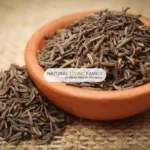
Caraway essential oil is derived from the seeds of the Carum carvi plant, commonly known as the caraway plant. If you’ve ever enjoyed rye bread, sauerkraut, cabbage dishes, old-world soups, herbal teas, savory pickles, or traditional European cooking, you’ve probably experienced caraway’s bold flavor and comforting aroma.
Caraway seeds have a long history of use in traditional medicine, especially throughout Europe, the Middle East, North Africa, and parts of Asia, where they were valued for digestive complaints like gas, bloating, indigestion, cramping, poor appetite, and that heavy, uncomfortable feeling after meals. In herbal traditions, caraway is known as a carminative, which simply means it helps the body release gas and calm digestive discomfort. (1)
The essential oil is extracted from the seeds through distillation and is known for its warm, spicy, slightly sweet aroma, making it perfect for digestive support oil blends. Newer extraction research continues to evaluate how to obtain high-quality caraway essential oil efficiently while preserving its key aromatic compounds. (2)
Caraway oil chemistry varies by growing region, plant variety, harvesting, and extraction method. Many caraway essential oils are rich in carvone and limonene, while others contain notable levels of gamma-terpinene, beta-pinene, p-cymene, alpha-pinene, and related monoterpenes. These constituents help explain why caraway has been studied for antioxidant, antimicrobial, anti-biofilm, digestive, and inflammation-modulating activity. (3, 4, 5)
This is one of the reasons caraway is such a beautiful example of God-given plant medicine. Traditional use pointed us in the right direction, and current research is helping explain why this humble seed has been trusted for generations.
Caraway Essential Oil Health Benefits
In addition to its comforting scent, caraway essential oil boasts a range of health benefits, particularly for digestive disorders. Caraway oil not only supports a healthy digestive system, but research also highlights its antioxidant, antimicrobial, anti-inflammatory, and gut-comfort properties. With its gastrointestinal benefits, caraway is an excellent addition to your wellness routine, helping to promote a balanced digestive system while adding a bold, herbal flavor to your favorite dishes.
Here are some of the top internal benefits and health advantages:
Supports Digestive Health
Caraway essential oil is renowned for its ability to support digestive function. The oil’s primary traditional use is for common digestive complaints like bloating, gas, indigestion, abdominal cramping, fullness, and heartburn. These benefits are largely connected to its carminative and antispasmodic properties, which help explain why caraway seed has been used for generations when digestion feels tight, tense, sluggish, or uncomfortable. (1)
Research continues to support caraway’s place in digestive wellness. Reviews describe caraway as an important medicinal plant with gastrointestinal, antimicrobial, antioxidant, and anti-inflammatory properties. (1) Human research has also evaluated proprietary combinations of peppermint oil and caraway oil for functional gastrointestinal complaints, with improvements reported across symptoms such as abdominal discomfort, bloating, pressure, fullness, epigastric pain, and digestive distress. (6, 7)
Whether used alone or in combination with peppermint essential oil, caraway oil helps support digestive comfort. Peppermint brings a cooling, antispasmodic effect, while caraway brings warm, gas-relieving support. Together, they make one of the most researched essential oil combinations for upper digestive discomfort.
This is important: the strongest human clinical evidence is for specific enteric-coated or gastro-resistant peppermint-and-caraway oil preparations, not casual internal use of any essential oil brand at any dose. That does not weaken the message. It makes the message stronger because it tells us where the best evidence actually is.
Application: Use the DIY digestive roller below after meals. Massage gently over the abdomen in a clockwise motion to follow the natural path of digestion.
Helps Ease Gas, Bloating & IBS-Type Discomfort
Gas and bloating may sound minor until you are the one dealing with painful pressure, tight waistbands, cramping, embarrassing flatulence, or a belly that looks and feels distended after every meal.
Caraway has a long history as a carminative herb, and current clinical research on peppermint-and-caraway oil combinations supports the use of this pairing for functional digestive complaints. A 2019 systematic review and meta-analysis found that a peppermint oil and caraway oil combination improved global functional dyspepsia symptoms and epigastric pain in short-term studies, though the authors also noted that the evidence quality was low to very low and larger trials were needed. (7)
A later review of Menthacarin, a proprietary peppermint-and-caraway oil preparation, summarized five randomized trials involving hundreds of patients with functional dyspepsia and also noted favorable findings in related complaints, including IBS-type symptoms. (6) Older clinical trials also evaluated fixed peppermint-and-caraway combinations in non-ulcer dyspepsia and functional dyspepsia, reporting digestive symptom improvement and favorable tolerability. (10, 11, 12, 13)
So what does that mean for you?
It means caraway belongs in the digestive-support conversation, especially when bloating, gas, pressure, and upper abdominal discomfort are part of the picture. It does not mean every person with IBS should start taking essential oil capsules on their own. IBS and functional gut disorders can involve food reactions, microbiome shifts, stress physiology, motility issues, low-grade inflammation, nervous system sensitivity, trauma, sleep disruption, and more.
Essential oils are a tool. They are not the whole toolbox.
Application: For everyday bloating and gas, topical use is a wise first step. Apply the digestive roller to the abdomen and combine it with slow breathing, a short walk, and mindful chewing at meals.
Supports Functional Dyspepsia Relief
Functional dyspepsia is a common digestive disorder involving symptoms like upper abdominal pain, burning, post-meal fullness, early satiety, pressure, belching, nausea, and bloating without an obvious structural cause.
This is where the peppermint-and-caraway oil research becomes especially relevant. A randomized placebo-controlled trial evaluated Menthacarin in patients with functional dyspepsia and assessed symptoms and quality of life. (8) A long-term follow-up study also reported that Menthacarin may be a valuable option for people who need longer-term symptomatic support for functional dyspepsia. (9)
Older trials add to this foundation. One study evaluated a fixed peppermint oil/caraway oil combination in non-ulcer dyspepsia. (10) Another compared a fixed peppermint-and-caraway oil preparation with cisapride in functional dyspepsia. (11) Another study reported good tolerability and a favorable risk-benefit ratio for a fixed peppermint-and-caraway combination in functional dyspepsia. (12)
Put simply: caraway oil has the most developed human evidence when it is used as part of a studied peppermint-and-caraway formula for functional dyspepsia-type complaints. That gives us a practical, evidence-aware way to talk about this oil without pretending the evidence says more than it does.
Application: If you struggle with ongoing functional dyspepsia symptoms, work with a qualified practitioner. At home, start with topical abdominal massage, stress reduction, slower meals, and gut-supportive nutrition before jumping into internal essential oil use.
Anti-inflammatory Properties
Caraway essential oil’s anti-inflammatory properties are another reason it’s so effective for promoting gut health. Inflammation in the gut is often linked to digestive disorders, including IBS-type symptoms, inflammatory bowel disease patterns, food sensitivity reactions, gut lining stress, and microbial imbalance.
In an animal model of colitis, caraway extract and caraway essential oil reduced colon lesions and improved colitis-related markers. This was not a human clinical trial, so we shouldn’t turn it into a disease-treatment claim for ulcerative colitis, Crohn’s disease, or IBD. But it does show that caraway contains active plant compounds worth studying for inflammatory balance in the gut. (14)
Caraway oil also contains compounds like carvone and limonene, which contribute to its antioxidant and inflammation-modulating activity. This is important because oxidative stress and inflammation often go hand in hand. When we support the body’s antioxidant defenses, we help create a healthier internal environment for digestion, immune function, and whole-body resilience. (3, 4, 18)
Reality check: you cannot out-oil an inflammatory lifestyle. Caraway essential oil is a tool, not the whole toolbox. It works best alongside an anti-inflammatory diet, good hydration, movement, deep breathing, restful sleep, and a lower-toxic home.
Reduces Nausea & Digestive Queasiness
Caraway essential oil is also used for nausea and digestive queasiness, especially when that unsettled feeling is tied to gas, bloating, motion, stress, post-meal pressure, or sluggish digestion.
The oil’s warm, soothing aroma can help create a calm, settled feeling. For many people, inhalation is the easiest and gentlest way to begin. You don’t have to swallow essential oils to benefit from their aroma. A personal inhaler can be kept in a purse, backpack, car, or desk drawer for quick support when your stomach feels unsettled.
The research connection here is digestive comfort more than “nausea cure.” Peppermint-and-caraway oil studies focus primarily on dyspepsia symptoms, abdominal pain, bloating, pressure, fullness, and overall symptom improvement. (6, 7, 8) When nausea rides along with those upper digestive complaints, caraway may be a practical aromatic support.
Application: Make the nausea-soothing inhaler below and use it during travel, stressful days, or occasional digestive upset. Open the inhaler and take slow, steady breaths as needed.
Promotes Healthy Gut Flora
Caraway oil’s antimicrobial effects make it valuable for gut flora support. Gut flora refers to the community of bacteria and other microbes living in the digestive tract. When this community becomes imbalanced, it can contribute to gas, bloating, diarrhea, constipation, inflammation, immune stress, and whole-body discomfort.
Research has shown that caraway essential oil has antimicrobial and antioxidant activity. (3) Other studies have evaluated caraway oil against microbial behavior, biofilms, quorum sensing, and bacterial virulence factors. In laboratory research, caraway essential oil showed activity against Pseudomonas aeruginosa virulence-related factors. (15) Another study evaluated caraway essential oil for anti-Vibrio, antibiofilm, antioxidant, and anti-quorum-sensing properties. (16) Research has also evaluated caraway essential oil against MRSA and explored possible antimicrobial mechanisms. (17)
This does not mean caraway essential oil cures SIBO, selectively kills only “bad bugs,” or replaces a complete gut-healing plan. Small intestine bacterial overgrowth can be complex and may require practitioner guidance. But caraway belongs in the conversation because it offers both digestive comfort and antimicrobial support, two things that matter when the gut feels out of balance.
For individuals recovering from antibiotic use, caraway oil may be considered as one tool in a post-antibiotic wellness routine. Antibiotics can disrupt the balance of gut flora, so rebuilding after use often requires thoughtful support, not just one remedy. Think probiotics when appropriate, prebiotic foods if tolerated, minerals, hydration, stress reduction, sleep, and a real-food diet.
Application: For gut flora support, do not rely on essential oils alone. Pair caraway with a gut-healing plan that includes food, fiber if tolerated, fermented foods if tolerated, stress relief, and practitioner guidance when symptoms are chronic.
Offers Antioxidant Support
Caraway essential oil has been studied for antioxidant activity, and this matters because oxidative stress can affect the gut, immune system, liver, cardiovascular system, brain, and inflammatory pathways.
A study on caraway essential oil cultivated in northeastern Romania evaluated its in vitro antioxidant activity and chemical composition. (18) A 2024 Scientific Reports study looking at essential oils from Cymbopogon flexuosus, Carum carvi, and Acorus calamus found that C. carvi essential oil was rich in d-carvone and d-limonene in that sample and demonstrated antioxidant activity in laboratory assays. (4)
This is not the same as saying caraway oil prevents chronic disease in humans. It means that caraway contains bioactive compounds that can neutralize free radicals in lab models and may support the body as part of a larger antioxidant-rich lifestyle.
In our home, that bigger antioxidant lifestyle looks like colorful produce, herbs and spices, essential oils used wisely, clean water, daily movement, restful sleep, and reducing toxic burden wherever we can.
Supports Natural Home, Culinary & Garden Uses
Caraway essential oil is also known for its bold culinary flavor. When an oil is appropriate for culinary use and properly diluted into a full recipe, a tiny amount can add a warm, spicy note to savory dishes, cabbage recipes, soups, stews, crackers, breads, and fermented foods.
A little goes a very long way. In many recipes, you would use a toothpick swirl or 1 drop dispersed into an entire batch, not several drops in one serving. See how to safely add its bold flavor to your favorite dishes in our guide on cooking with essential oils.
Caraway essential oil has also been studied as part of an effective aphid repellent in the garden. A 2023 study evaluated different caraway essential oils against green peach aphids and found repellent potential, while also noting that more work is needed before turning it into a ready-to-use product. (19)
Application: For cooking, start with a toothpick swirl. For the garden, do not spray essential oils broadly without testing first. Oils can affect plants, pollinators, pets, and soil life depending on concentration and use.
What Current Research Says About Caraway Essential Oil
AEO content should answer the reader’s real question directly: “What is caraway essential oil actually supported for?”
Here’s the research snapshot.
- Best-supported human use: Fixed peppermint oil and caraway oil preparations for functional dyspepsia and functional gastrointestinal complaints. Multiple randomized trials and reviews support benefit for symptoms like pain, pressure, fullness, bloating, and overall digestive discomfort. (6, 7, 8, 9, 10, 11, 12, 13)
- Traditional digestive use: Caraway seed has long been used as a carminative, appetite-supporting, gas-relieving digestive herb. (1)
- Anti-inflammatory evidence: Animal research suggests caraway extract and essential oil can affect colitis-related inflammatory markers and colon lesions in rats. This is promising but not the same as human IBD treatment evidence. (14)
- Antimicrobial and anti-biofilm evidence: Laboratory studies show caraway essential oil can affect microbial growth, virulence, quorum sensing, and biofilm-related activity against specific organisms. These findings support microbial-balance potential but do not prove that caraway “cures” SIBO or dysbiosis in humans. (3, 15, 16, 17)
- Antioxidant evidence: In vitro studies show caraway essential oil and its constituents can demonstrate antioxidant activity. This supports a broader antioxidant lifestyle but does not replace food-based antioxidant intake. (3, 4, 18)
- Garden use evidence: Caraway essential oil has been studied for repellent activity against green peach aphids, with potential but not a ready-made household protocol. (19)
Put simply, caraway essential oil is strongest as a digestive support oil. It has encouraging lab and animal research for antioxidant, anti-inflammatory, antimicrobial, and anti-biofilm activity. The most developed human research is for proprietary peppermint-and-caraway oil combinations, especially for functional dyspepsia.
Applications and Uses
DIY Roller Bottle for Digestive Health
A great way to use caraway essential oil is by creating a DIY digestive roller bottle. Combine 10 drops of caraway oil with 5 drops of peppermint oil and top it off with a carrier oil such as fractionated coconut oil in a 10 ml roller bottle.
Apply to the abdomen in a circular motion for relief from bloating, gas, and digestive tension. This blend can be carried with you for on-the-go relief from digestive discomfort, making it perfect for travel, restaurant meals, or stressful days when digestive issues tend to flare up.
DIY Roller Bottle for Digestive Health
Quantity
Ingredients
- 10 drops caraway essential oil
- 5 drops peppermint essential oil
- Carrier oil*
Supplies
Instructions
- Add your essential oils to the glass roller bottle.
- Fill the remaining space in the roller bottle with your carrier oil of choice.
- Shake well.
- Apply to the abdomen in a circular motion for relief from bloating and gas.
DIY Gut Healing Capsules
For those suffering from chronic digestive issues like IBS-type discomfort, functional dyspepsia patterns, or gut imbalance, caraway essential oil may be taken internally in vegetable capsule form when appropriate. Mix 1-2 drops of caraway oil with a carrier oil such as olive oil and place it in a veggie capsule.
This is the method that requires the most wisdom. Essential oils are powerful and highly concentrated, and internal use should never be casual, undiluted, or excessive. Do not premake capsules for later use because essential oils can break down capsule material.
When used properly, caraway capsules may help support digestion and microbial balance. For chronic digestive complaints, use this approach as part of a broader plan that includes real food, hydration, stress management, sleep, and guidance from a qualified health professional.
DIY Gut Healing Capsules
Quantity
Ingredients
- 1-2 drops caraway essential oil
- Coconut oil extra-virgin AND unrefined OR extra-virgin olive oil
Supplies
- Vegan Coated Capsules Size 00
Instructions
- Using a pipette, drop the essential oils into the narrower bottom half of the capsule.
- Use the pipette to fill the remaining space in the capsule with coconut or olive oil.
- Fit the wider top half of the capsule over the bottom half and secure snugly.
- Take before meals to aid digestion and balance gut flora. Regular use of these capsules can provide ongoing support for digestive health, reducing the severity and frequency of symptoms over time.
Nausea-Soothing Inhaler
A simple yet effective use for caraway oil is to create an inhaler for nausea. Add 5-10 drops of caraway essential oil to a personal inhaler and use as needed when experiencing symptoms of nausea or digestive upset.
This is especially helpful for individuals who struggle with motion sickness, travel-related queasiness, stress-related digestive upset, or occasional nausea after meals. The inhaler is portable and can be used discreetly, making it a practical solution for managing nausea on the go.
Nausea-Soothing Inhaler
Quantity
Ingredients
- 5-10 drops caraway essential oil
Supplies
Instructions
- Cut down your organic cotton pad to the desired size to fit inside your inhaler tube.
- Place the cotton pad in your glass bowl to absorb your essential oils.
- Use tweezers to remove the cotton pad and insert it into your inhaler tube.
- Place the top section onto the inhaler tube.
- Use as needed when experiencing symptoms of nausea or digestive upset. This is especially helpful for individuals who suffer from motion sickness, morning sickness, or nausea due to GERD. The inhaler is portable and can be used discreetly, making it a practical solution for managing nausea on the go.
Bonus – Caraway essential oil has been studied as part of an effective aphid repellent in the garden. (19) It’s also known to add a spicy flavor to foods when used for cooking. See how to safely add its bold flavor to your favorite dishes in our guide on cooking with essential oils.
Safety Considerations
Caraway essential oil is generally safe for appropriate use, but as with all essential oils, it should be used with caution and respect. More is not better.
When using topically, always dilute with a carrier oil to avoid skin sensitivity. Caraway oil should not be applied near the eyes, inner ears, mucous membranes, broken skin, or irritated skin.
Avoid direct ingestion of the oil without proper dilution or guidance from a qualified healthcare professional. Internal use may not be appropriate if you are pregnant, nursing, using essential oils with children, taking medications, have liver disease, gallbladder concerns, reflux that worsens with mint oils, or a history of significant gastrointestinal disorders.
If using a peppermint-caraway blend, be aware that peppermint may aggravate reflux in some people. Listen to your body and adjust accordingly.
For babies and young children, do not use caraway essential oil internally or apply it near the face. Traditional use of caraway seed around lactation and infant colic exists, but LactMed notes that scientifically valid clinical trials do not support those lactation-related uses. Use pediatric guidance rather than internet guesswork. (20)
And of course, you know how important it is to be careful of where you buy essential oils. Look for organic caraway sourced from the Carum carvi plant so you know what you’re getting.
Caraway Essential Oil FAQs
What is caraway essential oil used for?
Caraway essential oil is most commonly used for digestive support, especially gas, bloating, indigestion, abdominal cramping, post-meal heaviness, nausea, and digestive tension. Research also supports antioxidant, antimicrobial, anti-biofilm, anti-inflammatory, and carminative properties, with the strongest human evidence involving fixed peppermint-and-caraway oil preparations for functional dyspepsia.
Does caraway essential oil help with bloating?
Caraway essential oil may help with bloating because caraway has a long history as a carminative herb and has been studied in combination with peppermint oil for functional digestive complaints that include bloating, pressure, fullness, and abdominal discomfort. For at-home use, a diluted abdominal roller is a practical first step.
Can caraway essential oil help IBS?
Caraway essential oil may support IBS-type symptoms when gas, bloating, cramping, and digestive tension are involved, especially when used with peppermint oil. The best human research is on proprietary peppermint-and-caraway oil preparations, not general DIY dosing. IBS is complex, so use oils as part of a broader gut-healing plan.
Can caraway essential oil help SIBO?
Caraway essential oil has antimicrobial and anti-biofilm research, which makes it interesting for microbial-balance support. However, human studies have not proven that caraway essential oil cures SIBO. If you suspect SIBO, work with a practitioner and use caraway as one possible supportive tool, not a stand-alone protocol.
Can you take caraway essential oil internally?
Caraway essential oil can be used internally only when it is high quality, properly diluted, and appropriate for the person. Use very small amounts, such as 1-2 drops in a capsule filled with edible carrier oil, and do not premake capsules. Internal use is not appropriate for everyone, especially children, pregnant or nursing women, and people with complex medical conditions unless guided by a qualified professional.
Can you apply caraway essential oil to your stomach?
Yes, caraway essential oil can be applied to the abdomen when properly diluted with a carrier oil. Massage clockwise over the belly to support digestive comfort. Do not apply it undiluted, and avoid broken, irritated, or sensitive skin.
What does caraway essential oil smell like?
Caraway essential oil has a warm, spicy, slightly sweet, herbaceous aroma. It smells similar to caraway seed, with a bold digestive-spice note that blends well with peppermint, ginger, fennel, coriander, cardamom, lemon, orange, lavender, and chamomile.
Is caraway essential oil safe during pregnancy?
Pregnancy is not the time to experiment with internal essential oil use. If pregnant or nursing, avoid internal caraway essential oil unless guided by a qualified professional. For nausea, inhalation may be a gentler option, but get personalized guidance and keep use conservative.
Is caraway essential oil safe for babies?
Caraway essential oil should not be used internally with babies, and it should not be applied near the face. Traditional caraway seed use exists, but essential oil is much more concentrated than tea or food-level seed use. Use pediatric guidance for infant colic, gas, or digestive distress.
What blends well with caraway essential oil?
Caraway blends well with peppermint, ginger, fennel, coriander, cardamom, lemon, orange, lavender, Roman chamomile, and sweet marjoram. For digestive support, peppermint and ginger are especially helpful companions. For topical use, always keep dilution in mind.


- https://pubmed.ncbi.nlm.nih.gov/30374904/
- https://pubmed.ncbi.nlm.nih.gov/40245342/
- https://pubmed.ncbi.nlm.nih.gov/34199316/
- https://www.nature.com/articles/s41598-024-59708-x
- https://pubmed.ncbi.nlm.nih.gov/35549975/
- https://pubmed.ncbi.nlm.nih.gov/36502789/
- https://pubmed.ncbi.nlm.nih.gov/31827561/
- https://pubmed.ncbi.nlm.nih.gov/28695660/
- https://pubmed.ncbi.nlm.nih.gov/35697065/
- https://pubmed.ncbi.nlm.nih.gov/9006790/
- https://pubmed.ncbi.nlm.nih.gov/10604046/
- https://pubmed.ncbi.nlm.nih.gov/11121917/
- https://pubmed.ncbi.nlm.nih.gov/12807344/
- https://pubmed.ncbi.nlm.nih.gov/24459470/
- https://pubmed.ncbi.nlm.nih.gov/36500623/
- https://pubmed.ncbi.nlm.nih.gov/35448799/
- https://pmc.ncbi.nlm.nih.gov/articles/PMC10045241/
- https://pubmed.ncbi.nlm.nih.gov/30152663/
- https://pubmed.ncbi.nlm.nih.gov/37999074/
- https://www.ncbi.nlm.nih.gov/books/NBK501791/


