QUICK SUMMARY
This soothing bug bite balm roll-on combines peppermint and lavender essential oils with a nourishing carrier oil to cool itchy skin and calm the irritation that follows minor mosquito bites, flea bites, and other everyday bug encounters.
Peppermint is rich in menthol, which activates cold-sensing receptors and has been studied in human trials for topical itch relief. Lavender brings its familiar skin-soothing aroma and has limited human research supporting topical comfort and pain relief. The exact blend has not been clinically tested for insect bites, so this recipe is best understood as a family-tested natural remedy supported by related research.
The original 10 ml recipe contains 5 drops each of peppermint and lavender, making it an approximately 5% short-term spot treatment. Apply only to a small area of intact skin. Do not use it as a substitute for urgent care when a bite or sting causes trouble breathing, facial or throat swelling, dizziness, widespread hives, severe pain, infection, or other whole-body symptoms.
We live in Georgia, where I like to joke that the mosquito should be our state bird! Between gardening, family walks, outdoor play, cookouts, and evenings on the porch, someone is always coming inside with an itchy red bump.
That is why this Soothing Bug Bite Balm Roll-On has earned a permanent place in our natural first aid kit. It is simple, portable, and easy to apply without getting oil all over your hands. Peppermint gives the skin an immediate cooling sensation, lavender helps calm the area, and the carrier oil keeps both essential oils properly diluted while nourishing the skin.
This is an after-the-bite remedy for minor skin irritation. For help keeping mosquitoes and other pests away before they bite, use our homemade bug repellent spray with essential oils.
Table of Contents
Why Do Bug Bites Itch?
A bug bite usually itches because the immune system reacts to proteins and other substances introduced into the skin by the insect. Mosquito saliva is the classic example. The body recognizes those foreign substances and releases inflammatory messengers, including histamine, around the bite.
That response can cause:
- Itching
- Redness
- A raised bump or welt
- Warmth
- Mild swelling
- Tenderness or a stinging sensation
The reaction is uncomfortable, but it is also evidence that the body is responding to something that does not belong there. The goal is not to shut down every part of that God-designed response. The goal is to calm unnecessary discomfort, protect the skin, and keep scratching from turning a small bite into a larger problem.
The Centers for Disease Control and Prevention warns that scratching mosquito bites can break the skin and lead to infection. An infected bite may become increasingly red, warm, painful, or swollen, and a red streak may begin spreading away from the area. (1)
This is where a simple roll-on can be helpful. The cooling sensation gives your hands something better to do than scratch, while the carrier oil helps soften and protect the irritated skin.
Direct Answer: What helps stop a bug bite from itching?
Wash the area, use a cool compress for about 10 minutes, and apply a properly diluted topical remedy to intact skin. This peppermint-and-lavender roll-on is designed to provide cooling, soothing support for a small, uncomplicated bite.
Do not scratch, squeeze, or aggressively rub the bite. If symptoms are spreading, severe, infected, or affecting your breathing, this is no longer a simple DIY situation.
Best Essential Oils for Bug Bite Relief
The best essential oils for this recipe are peppermint and lavender because they complement each other beautifully. Peppermint provides the cooling sensory reset that helps interrupt an itch. Lavender rounds out the blend with skin-comfort support and a calming aroma.
No clinical trial has tested this exact two-oil roll-on on ordinary mosquito bites. The evidence comes from related human research on itch and topical discomfort, along with traditional aromatherapy use and our family’s experience.
Peppermint Essential Oil for Itching
Peppermint essential oil is the star of this bug bite balm because its menthol creates a refreshing cooling sensation on the skin.
Menthol activates TRPM8 receptors, the sensory receptors that detect cool temperatures. It also affects other sensory pathways involved in itch and discomfort. This helps explain why peppermint can feel relieving even though the skin itself has not suddenly become cold. (2)
Human research gives us additional support. In a clinical study, adults with chronic pruritus applied diluted peppermint oil to itchy areas twice daily for two weeks. The peppermint group experienced greater improvement in itch severity than the comparison group using petrolatum. This was chronic itching rather than insect bites, so it does not prove that peppermint treats every bite. It does show that properly diluted topical peppermint can influence the experience of itching in people. (3)
Another controlled study involving pregnant women with pruritus also reported reduced itching with diluted peppermint oil compared with placebo. Again, the cause of their itching was not insect bites, but the findings support peppermint’s topical anti-itch potential. (4)
Application: Use peppermint only in a properly diluted blend. Avoid the eyes, inside the nose, mouth, and other mucous membranes. Do not put it on broken or scratched-open skin. Peppermint can burn or irritate when the concentration is too high for the person or application.
Lavender Essential Oil for Skin Comfort
Lavender essential oil is one of the most versatile oils in our home, and it is a natural partner for peppermint in this roll-on.
Lavender has a long history of use for minor skin irritation, tender areas, and discomfort. Its familiar aroma also makes this remedy especially comforting for a child or adult who is frustrated by nonstop itching.
The direct clinical evidence for lavender on insect bites is limited. Human trials have studied topical lavender in other painful skin-related situations. In one small crossover clinical trial, topical lavender reduced pain during dialysis-needle insertion compared with placebo and no treatment. That study used a different application and did not evaluate bug bites, but it supports lavender’s potential role in topical comfort. (5)
A broader review of lavender biology has also described antimicrobial, anti-inflammatory, analgesic, and wound-related research, while making clear that the quality and clinical relevance of evidence vary by use. (6)
Application: Lavender helps soften peppermint’s sharp aroma and supports a calmer skin experience. Keep the blend diluted even though lavender is generally considered one of the gentler essential oils. Any botanical can cause irritation or allergy in a susceptible person.
Why Peppermint and Lavender Work Well Together
Peppermint and lavender cover different parts of the bug-bite experience:
- Peppermint: Cooling sensory relief for the urge to scratch
- Lavender: Soothing topical and aromatic support
- Carrier oil: Dilution, dispersion, skin protection, better glide, slower evaporation, and longer contact time
Here is the thing: carrier oils do not merely weaken essential oils. They help distribute the oils across the skin, reduce evaporation, improve topical safety, support penetration, and can amplify the overall therapeutic effect by keeping the blend where it is needed.
Choosing the Best Carrier Oil
The carrier oil is a major part of this recipe. It should feel comfortable on irritated skin, move smoothly through a roller bottle, and remain fresh in your first aid kit.
My favorite combination is half fractionated coconut oil and half organic jojoba oil.
Fractionated Coconut Oil
Fractionated coconut oil is light, nearly odorless, and stays liquid at room temperature. It rolls onto the skin easily and does not leave the heavy feeling that some thicker oils create.
It is an excellent choice when you want the cooling peppermint sensation to come through without competing with a strong carrier aroma.
Jojoba Oil
Jojoba is technically a liquid wax rather than a traditional fixed oil. It has a long shelf life and a skin-friendly texture, which makes it ideal for products you keep in a purse, travel bag, camper, or first aid kit.
Jojoba is especially helpful when the skin feels dry around the bite or has been irritated by repeated scratching.
Other Carrier Oil Options
You can also use:
- Avocado oil
- Grapeseed oil
- Sweet almond oil
- Apricot kernel oil
- Sunflower oil
- Olive oil
Choose a carrier that fits your allergies, skin type, texture preference, and what you have available. Avoid sweet almond oil if you have a relevant nut allergy unless your qualified allergy professional has confirmed that the specific refined or unrefined product is appropriate for you.
Learn more about the best carrier oils for essential oils and download our free essential oil dilution chart before making other topical remedies.
What to Do Before Applying the Roll-On
Before reaching for your bug bite balm, take a minute to identify what happened and perform basic first aid.
For a Mosquito, Flea, Gnat, or Similar Minor Bite
- Wash the area with soap and water.
- Pat dry instead of rubbing.
- Apply a wrapped ice pack or cool compress for about 10 minutes if the bite is swollen or very itchy.
- Apply the roll-on only after the skin is clean, dry, and intact.
The CDC recommends washing mosquito bites and using an ice pack for 10 minutes to reduce swelling and itching. (1)
For a Bee or Wasp Sting
Move away from the insects first. If a honeybee stinger remains, remove it promptly. Then wash the area and use a cold compress.
Watch the person closely for whole-body symptoms. A soothing roll-on may help a normal local reaction after first aid, but it cannot stop anaphylaxis.
For an Attached Tick
Do not coat an attached tick with this oil, petroleum jelly, heat, nail polish, or another substance.
The CDC recommends removing the tick as soon as possible with fine-tipped tweezers. Grasp it close to the skin and pull upward with steady, even pressure. Clean the area and your hands afterward. Watch for fever, rash, headache, or other symptoms during the following days and weeks. (7)
Once the tick is completely removed and the skin is clean, this roll-on may be used around an uncomplicated itchy area if the skin is not broken. It is not a tickborne-disease treatment.
For an Unknown Spider or Severe Bite
Do not assume that every painful red mark is a harmless insect bite. Seek medical guidance for severe pain, muscle cramping, blistering, tissue discoloration, rapidly spreading swelling, vomiting, weakness, fever, or a suspected venomous spider bite.
Soothing Bug Bite Balm Roll-On for Itch Relief
This concentrated spot-treatment roll-on is easy to keep in a natural first aid kit, gardening bag, or purse. The recipe is intended for occasional use on small areas of intact skin.
Soothing Bug Bite Balm Roll-On for Itch Relief
Servings
Ingredients
- 5 drops peppermint essential oil
- 5 drops lavender essential oil
- Carrier oil *
Supplies
Instructions
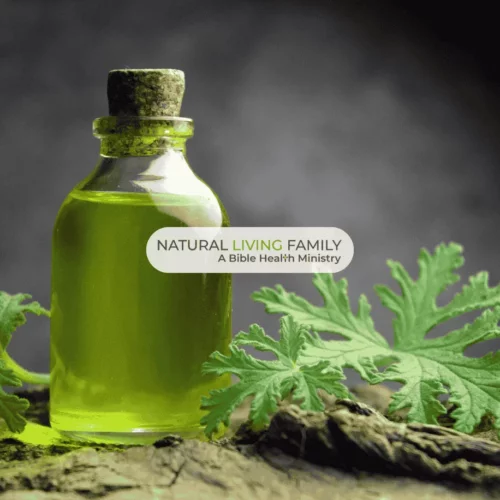
- Add the peppermint and lavender essential oils to the glass roller bottle.
- Fill the roller bottle the rest of the way with carrier oil, leaving enough room to replace the lid.
- Replace the lid and shake until well blended.
- Apply directly to bug bites.
How to Use Bug Bite Balm Safely
The recipe contains 10 total drops of essential oil in a 10 ml roller bottle. Using the common home-blending estimate of 20 drops per milliliter, this is approximately a 5% dilution.
That is the upper end of the range sometimes used for a short-term, highly localized adult application. It is not a full-body lotion, facial oil, or everyday moisturizer.
How to Apply the Roll-On
- Wash and dry the bite first.
- Roll a small amount directly over the itchy bump and immediately surrounding skin.
- Let the oil absorb without rubbing aggressively.
- Reapply sparingly as needed rather than rolling continuously.
- Stop using it if the skin burns, becomes more inflamed, develops a rash, or feels worse.
Do not apply to:
- Eyes, eyelids, lips, or inside the nose
- Broken, bleeding, blistered, or infected skin
- Large areas of the body
- A bite inside the mouth or throat
- An attached tick
- A serious or unidentified bite that needs evaluation
Patch Test and Sensitive Skin
Before the first full use, apply a small amount to healthy skin and watch for irritation. Peppermint’s cooling sensation should not feel like intense burning.
If the original recipe feels too strong, transfer part of the blend to another roller bottle and add more carrier oil. Diluting it by half reduces the essential-oil concentration by approximately half.
Can Children Use This Bug Bite Roll-On?
Children need lower exposure based on age, skin sensitivity, the oil, and the size of the application area. Do not automatically use this adult-strength 5% formula on a young child.
For children, prepare a separate lower-dilution roller and keep peppermint away from the face, nose, and chest. Lavender hydrosol, a cool compress, or a lavender-only blend can be a gentler option for the youngest children. The Tisserand Institute recommends hydrosols as a lower-concentration option for children under six and emphasizes age-appropriate topical dilution. (8)
Store the roller out of children’s reach. Peppermint oil can irritate the skin, eyes, and digestive tract, and swallowing larger amounts can cause serious toxicity. (9)
Storage and Shelf Life
Store the roller bottle tightly closed in a cool, dark place away from direct sunlight and hot cars.
The blend’s shelf life depends mostly on the freshness and stability of the carrier oil. Fractionated coconut oil and jojoba are favorites partly because they resist oxidation better than many delicate culinary oils.
Discard the blend if:
- The aroma smells stale, sour, or noticeably different
- The carrier becomes cloudy when it normally stays clear
- The color or texture changes unexpectedly
- The roller ball becomes contaminated with dirt or broken-skin fluid
Label the bottle with its name and the date made.
When a Bug Bite Needs Medical Attention
Most insect bites and stings cause only local itching, redness, pain, or swelling and can be managed at home. Some reactions require immediate help.
Call 911 for Signs of Anaphylaxis
Use prescribed epinephrine immediately and call 911 when a bite or sting causes:
- Trouble breathing, wheezing, or shortness of breath
- Swelling of the tongue, throat, face, or mouth
- Tightness in the throat or difficulty swallowing
- Widespread hives or swelling away from the bite
- Dizziness, fainting, weakness, or a sudden drop in blood pressure
- Vomiting, severe abdominal symptoms, or rapidly worsening whole-body symptoms
Anaphylaxis can progress within minutes. A topical balm cannot treat it. The American College of Allergy, Asthma and Immunology recommends epinephrine and immediate medical attention when anaphylaxis develops. (10)
Contact a healthcare professional for:
- Increasing redness, warmth, pain, swelling, pus, or red streaks
- Swelling that is unusually large or continues spreading
- A bite or sting near the eye, inside the mouth, or in the throat
- Multiple stings
- Severe pain, numbness, weakness, muscle cramping, or blistering
- Fever, headache, unusual fatigue, rash, or joint pain after a tick bite
- Symptoms that worsen instead of improving
- A history of a serious insect-sting allergy
Bug Bite Balm FAQs
What essential oil is best for bug bite itching?
Peppermint is one of the best essential oils for the sensation of itching because menthol activates cooling sensory receptors. Lavender is an excellent partner for calming and comforting the skin. Both should be diluted before topical use.
Does peppermint oil stop bug bites from itching?
Diluted peppermint oil may help reduce the sensation of itching. Human clinical trials have reported benefits for chronic pruritus and pregnancy-related itching, but those studies did not test ordinary bug bites. This roll-on is a practical use supported by related evidence and family experience, not a guaranteed treatment.
Can I put lavender oil directly on a mosquito bite?
Dilution is the default. Even an oil with a gentle reputation can irritate susceptible skin, especially when the bite has already been scratched. This recipe combines lavender with carrier oil instead of applying it neat.
How often can I apply the roll-on?
Apply a light layer as needed to a small area. Give the skin time to respond before reapplying. More is not always better. Stop if irritation develops.
Can I use this on a bee sting?
After removing any retained stinger, washing the area, and applying a cool compress, the roll-on may be used for a normal local reaction on intact skin. It cannot treat a serious allergic reaction. Use prescribed epinephrine and call 911 for anaphylaxis symptoms.
Can I use bug bite balm on a tick bite?
Remove an attached tick promptly with tweezers before applying anything. Do not use oils to make the tick detach. After removal and cleaning, the roll-on may soothe uncomplicated local itching, but watch for fever, rash, headache, fatigue, or other symptoms and seek care when they develop.
Can this roll-on prevent mosquito bites?
This recipe is designed for relief after a bite. It is not formulated or tested as a long-lasting repellent. Use our homemade essential oil bug spray before outdoor exposure.
Can I use this on broken skin?
No. Do not roll peppermint and lavender essential oils over open scratches, bleeding, blisters, draining skin, or infection. Wash the area and use appropriate wound care.
What is the best carrier oil for bug bite balm?
Fractionated coconut oil and jojoba are our favorites because they are light, stable, and easy to use in a roller bottle. A half-and-half combination gives excellent glide without feeling overly greasy.
How long will the roll-on last?
When made with fresh fractionated coconut oil or jojoba and stored properly, the blend can remain usable for many months. Follow the shortest expiration date among the ingredients and discard it sooner if the aroma, color, or texture changes.
Final Thoughts on Natural Bug Bite Relief
Bug bites are part of an active family life. They happen when we garden, hike, play outside, gather around the grill, and enjoy the beautiful world God created.
This little roller bottle will not replace wise first aid or emergency care, but it can make an irritating bite much easier to tolerate. Wash the area, cool it down, resist the urge to scratch, and let peppermint, lavender, and a nourishing carrier oil support your skin.
Make one for the first aid kit, one for the gardening supplies, and one for your travel bag. Just be sure to label it, store it safely, and make a separate age-appropriate dilution for younger children.
Sometimes the most useful remedies are also the simplest. Two essential oils, one good carrier, and a glass roller bottle may be all you need to help bring a little comfort back to your day.

References
- Centers for Disease Control and Prevention. “About Mosquito Bites.” Updated June 21, 2024. Source.
- Tisserand H. “Showcasing the Powers of Aromatherapy.” Tisserand Institute. September 2017. Source.
- Elsaie LT, El Mohsen AM, Ibrahim IM, Mohey-Eddin MH, Elsaie ML. “Effectiveness of topical peppermint oil on symptomatic treatment of chronic pruritus.” Clinical, Cosmetic and Investigational Dermatology. 2016;9:333-338. doi:10.2147/CCID.S116995.
- Amjadi MA, Mojab F, Kamranpour SB. “The effect of peppermint oil on symptomatic treatment of pruritus in pregnant women.” Iranian Journal of Pharmaceutical Research. 2012;11(4):1073-1077. PubMed.
- Ghods AA, Abforosh NH, Ghorbani R, Asgari MR. “The effect of topical application of lavender essential oil on the intensity of pain caused by the insertion of dialysis needles in hemodialysis patients: A randomized clinical trial.” Complementary Therapies in Medicine. 2015;23(3):325-330. doi:10.1016/j.ctim.2015.03.001.
- Cavanagh HMA, Wilkinson JM. “Biological activities of lavender essential oil.” Phytotherapy Research. 2002;16(4):301-308. PubMed.
- Centers for Disease Control and Prevention. “What to Do After a Tick Bite.” Updated June 9, 2026. Source.
- Tisserand Institute. “Children.” Accessed August 3, 2026. Source.
- National Capital Poison Center. “Peppermint Oil: Is It Toxic?” Accessed August 3, 2026. Source.
- American College of Allergy, Asthma and Immunology. “Insect Sting Allergies.” Accessed August 3, 2026. Source.
- MedlinePlus. “Insect Bites and Stings.” Reviewed October 14, 2025. Source.