QUICK SUMMARY
This natural pain relief massage oil combines orange, copaiba, frankincense, peppermint, and wintergreen essential oils in a nourishing carrier oil.
Massage and topical essential oils may temporarily soothe sore muscles, exercise-related discomfort, tension, and stiff joints. A 2023 systematic review and meta-analysis of randomized trials found modest pain benefits from topical essential-oil therapies used as add-on care for musculoskeletal disorders, although the certainty of evidence was very low because the studies were small and varied considerably. Human research also includes ginger-and-orange massage for knee pain, frankincense-and-myrrh massage for chronic low-back pain, and a 10% peppermint preparation for tension-type headaches. (3, 4, 10, 11)
This is a concentrated adult formula because wintergreen is rich in methyl salicylate, an aspirin-like compound. The recipe uses only 5 drops of wintergreen in 2 ounces of carrier oil, which keeps the wintergreen itself well below the 2.4% topical maximum recommended in current aromatherapy safety guidance. That does not erase wintergreen's contraindications. Never swallow this blend or apply it with heat, under a tight bandage, over broken skin, or on someone for whom salicylates are inappropriate. Avoid the wintergreen formula during pregnancy, in children and teenagers, with aspirin or salicylate allergy, bleeding disorders, blood-thinning medication, or before surgery. (12)
Chronic pain can affect sleep, movement, work, relationships, mood, and nearly every part of daily life.
Millions of people depend on over-the-counter or prescription pain medication to keep functioning. These medicines can be appropriate and sometimes essential, but many families are also looking for natural ways to support tired muscles, stiff joints, and post-workout recovery.
What are some practical alternatives to another cream or pill from the drugstore?
A carefully formulated essential-oil massage blend can be one useful tool.
The oils in this recipe create warming, cooling, aromatic, and soothing sensations that may temporarily change how discomfort feels. Massage itself can also reduce tension, encourage relaxation, and support short-term relief.
Here’s the thing: pain is a signal.
Natural pain relief should not mean covering up unexplained chest pain, a serious injury, progressive weakness, infection, or another condition that needs treatment. The goal is to ease ordinary discomfort while continuing to address its underlying cause.
Table of Contents
- Why People Seek Natural Pain Relief
- How Essential Oils May Ease Pain
- Essential Oils in This Pain-Relief Blend
- Natural Pain Relief Massage Oil Recipe
- How to Apply the Massage Oil
- Wintergreen Oil Safety
- Who Should Not Use This Blend?
- Other Natural Ways to Relieve Pain
- Natural Pain Relief FAQs
- Final Thoughts
- Resources

Why People Seek Natural Pain Relief
Pain-relief medications are not all the same.
Common options include:
- Acetaminophen
- Ibuprofen and other NSAIDs
- Prescription anti-inflammatory drugs
- Muscle relaxants
- Neuropathic-pain medications
- Opioids
- Topical menthol, capsaicin, lidocaine, or methyl salicylate
Each option has potential benefits, limitations, and risks.
NSAIDs can irritate the digestive tract and may increase the risk of ulcers, bleeding, kidney damage, elevated blood pressure, heart attack, or stroke in susceptible people.
Acetaminophen can reduce pain and fever but is not an NSAID and has little anti-inflammatory activity. Excessive doses can cause severe liver injury, particularly when multiple acetaminophen-containing products are combined.
Opioids may be necessary for surgery, major injury, cancer pain, palliative care, and carefully selected chronic-pain cases. They can also cause:
- Constipation
- Sedation
- Physical dependence
- Opioid-use disorder
- Dangerously slowed breathing
- Fatal overdose
Although opioid-overdose deaths have declined from their recent peak, the crisis remains serious. CDC's final 2024 data counted 54,045 U.S. drug-overdose deaths involving an opioid. (1)
It is also important to correct a common misconception: opioid-prescribing rates are not currently higher than ever. CDC reports that the national retail opioid dispensing rate fell from 46.8 prescriptions per 100 people in 2019 to 35.4 in 2024, although rates still vary widely by state and county. (2)
Do not abruptly discontinue prescribed pain medication. Sudden withdrawal or uncontrolled pain can be dangerous. Work with the prescribing clinician when reducing or changing treatment.
Natural Does Not Mean Medication-Free
Natural pain care does not require rejecting every conventional option.
A wise plan may combine:
- Proper diagnosis
- Short-term medication
- Essential-oil massage
- Physical therapy
- Strength and mobility work
- Restorative sleep
- Anti-inflammatory nutrition
- Prayer and stress relief
The best approach is the one that addresses both your immediate discomfort and the reason it keeps returning.
How Essential Oils May Ease Pain
Essential oils contain concentrated aromatic compounds that interact with sensory receptors, skin, and the limbic system.
Depending on the oil, topical or aromatic application may:
- Create a warming or cooling sensation
- Temporarily change pain perception
- Support relaxation
- Reduce muscle tension
- Influence inflammatory signaling in laboratory or animal research
- Make massage more enjoyable
Massage has its own benefits independent of the oils. It may temporarily decrease soreness, improve relaxation, and support movement.
That makes essential-oil massage a combined intervention:
- The aroma affects the sensory experience.
- The essential oils contact the skin.
- The carrier oil reduces friction.
- The massage relaxes soft tissues.
- The ritual encourages rest and focused self-care.
The strongest broad human evidence here comes from a 2023 systematic review and meta-analysis of randomized controlled trials. Twelve trials involving 817 adults with musculoskeletal disorders were included in the review, and eight were included in the quantitative analysis. Topical essential-oil therapy produced a modest improvement in pain compared with placebo, with the largest effect measured immediately after treatment. However, every included study had either a high risk of bias or some methodological concerns, and the overall certainty of evidence was rated very low. (10)
That is encouraging evidence for topical essential oils as add-on care, not proof that one oil treats every cause of pain.
Carrier oils matter, too. They dilute and disperse essential oils across the skin, reduce evaporation, improve topical safety, support penetration, and can amplify the therapeutic effect of a massage blend by extending contact time and making application more comfortable.
Essential oils should therefore be described as complementary pain-relief tools rather than universal cures.
Essential Oils in This Pain-Relief Blend
This recipe combines citrus, resinous, minty, and warming oils to create a powerful adult massage blend.
Orange Essential Oil
Orange essential oil is often overlooked in pain blends, but its primary constituent, d-limonene, has demonstrated anti-inflammatory and antioxidant activity in experimental research.
Orange also has a cheerful aroma that can soften the sharp scent of peppermint and wintergreen.
One human study evaluated massage containing 1% ginger and 0.5% orange essential oils in older adults with moderate-to-severe knee pain. Participants experienced short-term reductions in pain and stiffness and improvements in physical function. (3)
The study tested ginger and orange together with massage, so it does not prove that orange alone treats arthritis.
Application: Orange is especially useful in post-workout, muscle, and joint blends where you want both an uplifting aroma and a gentler sensory balance.
Copaiba Essential Oil
Copaiba essential oil is frequently rich in beta-caryophyllene.
Beta-caryophyllene selectively activates CB2 cannabinoid receptors without producing the intoxicating effects associated with THC. Preclinical research suggests that this pathway may influence inflammatory and pain signaling.
Human clinical evidence for copaiba essential oil remains limited, but its gentle, resinous aroma and skin-friendly profile make it one of our favorite foundations for massage blends.
Application: Copaiba can replace wintergreen when creating a gentler blend for people who should avoid salicylates.
Frankincense Essential Oil
Frankincense essential oil adds a grounding aroma and blends beautifully with orange and copaiba.
Human research is especially useful here because it tested the essential oil in a massage context. In a 2023 three-arm randomized controlled trial involving 91 adults with chronic low-back pain, participants receiving frankincense-and-myrrh aromatherapy massage alongside standard physical therapy had greater reductions in pain and disability than the massage-only and control groups. The intervention used a 2% frankincense and 2% myrrh blend in jojoba oil, so the findings support that specific combined protocol rather than frankincense alone. (11)
Frankincense essential oil is not identical to whole frankincense resin extracts. Boswellic acids studied for inflammatory joint conditions are nonvolatile compounds and are not present in meaningful quantities in properly distilled essential oil.
Application: Use frankincense as part of a properly diluted massage blend to support comfort, deep breathing, prayer, and relief from the emotional tension that frequently accompanies pain.
Peppermint Essential Oil
Peppermint essential oil contains menthol, which activates cold-sensitive TRPM8 receptors.
This creates a cooling sensation that can temporarily alter pain perception.
A controlled study found that a 10% peppermint-oil preparation reduced tension-type headache pain. That evidence applies to a specific formulation and should not be interpreted as a reason to apply undiluted peppermint near the eyes. (4)
Peppermint is useful in blends for:
- Tired muscles
- Neck and shoulder tension
- Post-workout discomfort
- Cooling massage
Application: Wash your hands after applying the oil and keep the blend away from the eyes, eyelids, nose, and other sensitive tissues.
Wintergreen Essential Oil
Wintergreen oil is predominantly methyl salicylate, a highly concentrated compound related to aspirin.
This is one place where formulation matters. Tisserand Institute cites a 2.4% topical maximum for wintergreen and recommends avoiding it in children of any age, during pregnancy, and with blood-thinning medication such as aspirin or warfarin. The 5 drops used in this 2-ounce recipe are well below that wintergreen-specific topical maximum, but the contraindications still apply. (12)
Topical methyl salicylate creates a warming or cooling counterirritant sensation and appears in many commercial muscle rubs.
Wintergreen can be effective, but it requires far more caution than most essential oils.
Even a small swallowed amount can cause severe salicylate poisoning. Excessive topical use can also produce toxicity, particularly when the product is applied:
- Over a large area
- Repeatedly
- To damaged skin
- Under an airtight covering
- With a heating pad
- Alongside other salicylate products
Application: Use wintergreen only at the amount specified in a carefully formulated adult recipe. Never improvise by adding extra drops.
Possible Essential-Oil Substitutions
Other essential oils commonly added to adult comfort blends include:
- Ginger
- Lavender
- Marjoram
- Black pepper
- Juniper berry
- Pine
- Roman chamomile
- Bergamot
Do not substitute oils drop-for-drop without checking their maximum topical concentration, phototoxicity, medication interactions, and suitability for the person using the blend.
Hyssop requires special caution because its chemistry varies and some types may not be suitable for people with seizure disorders, pregnancy, or young children.
Natural Pain Relief Massage Oil Recipe
This extra-strength massage blend is convenient to keep on hand for:
- Post-workout soreness
- Tired legs after a long hike
- Muscle tension after gardening
- Stiff shoulders after desk work
- Ordinary aches after a home project
Do not automatically “skip the Tylenol” or another medically appropriate treatment. Use this massage oil when it fits your situation, and seek guidance before changing medication.
Because this formula contains wintergreen, it is designed for healthy adults only.
For a wintergreen-free version, replace the wintergreen with additional copaiba essential oil.
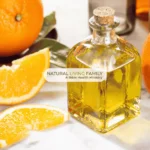
Natural Pain Relief Massage Oil
Quantity
Ingredients
- 2 ounces carrier oil of choice OR Mama Z's Essential Oil Base*
- 20 drops orange essential oil
- 10 drops copaiba essential oil
- 10 drops frankincense essential oil
- 10 drops peppermint essential oil
- 5 drops wintergreen essential oil
Supplies
Instructions
- Mix essential oils into the lotion bottle.
- Fill bottle with your carrier oil of choice.
- Shake well.
- Massage into sore muscles and joints twice daily.
How to Apply the Massage Oil
Shake or gently roll the bottle before use.
Apply a small amount to intact skin over:
- Shoulders
- Upper back
- Calves
- Thighs
- Forearms
- Hands
- Feet
- Areas surrounding a stiff joint
Massage gently until most of the oil is absorbed.
Begin With a Patch Test
Before widespread use:
- Apply a small amount to the inner forearm.
- Leave the area uncovered.
- Watch for irritation over the next 24 hours.
Discontinue use if you notice:
- Burning
- Persistent redness
- Hives
- Swelling
- Blistering
- Difficulty breathing
How Often Can You Use It?
Because the recipe contains wintergreen, use it sparingly over a limited area.
Follow the amount and frequency stated in the recipe card. Do not repeatedly coat large portions of the body.
More product does not guarantee more relief and can increase methyl-salicylate exposure.
After Exercise
Allow your breathing and body temperature to return toward normal before applying the blend.
Pair the massage oil with:
- Gentle movement
- Hydration
- Adequate protein
- Restorative sleep
- Comfortable stretching
Do not apply it immediately before an intense workout because the cooling or warming sensation may make it harder to accurately judge pain.
For Joint Discomfort
Massage the tissues around the joint without forcing painful movement.
Do not massage a joint that is:
- Hot
- Bright red
- Severely swollen
- Unstable
- Deformed after an injury
These signs may indicate gout, infection, fracture, ligament damage, or another problem that requires evaluation.
Wintergreen Oil Safety
Wintergreen is not an ordinary “gentle” essential oil.
Methyl salicylate can be absorbed through the skin and is metabolized to salicylate in the body. Serious and fatal poisoning has occurred after swallowing wintergreen, and excessive topical methyl-salicylate exposure can also cause systemic toxicity. (5, 6, 13)
Never Swallow This Massage Oil
Do not:
- Add it to water
- Put it into a capsule
- Use it as a flavoring
- Apply it inside the mouth
- Leave it where children can reach it
A teaspoon or less of concentrated wintergreen oil has caused life-threatening poisoning in young children. (6)
Never Combine It With Heat
Do not apply a heating pad, hot-water bottle, electric blanket, hot compress, or tight wrap over the massage oil.
Heat and occlusion may increase skin absorption and the risk of burns or toxicity.
Do Not Layer It With Other Pain Rubs
Check the labels of:
- Sports creams
- Muscle balms
- Arthritis rubs
- Medicated patches
- Liniments
Avoid combining this oil with products containing:
- Methyl salicylate
- Wintergreen
- Salicylate
- Aspirin-like compounds
Signs of Salicylate Poisoning
Symptoms may include:
- Ringing in the ears
- Rapid breathing
- Nausea or vomiting
- Sweating
- Dizziness
- Confusion
- Agitation
- Abdominal pain
- Seizures
After accidental ingestion or a suspected poisoning, contact Poison Control right away at 1-800-222-1222 in the United States or use webPOISONCONTROL. If the person collapses, has a seizure, has trouble breathing, or cannot be awakened, call 911 immediately. (13)
Who Should Not Use This Blend?
Because it contains wintergreen, this specific recipe should not be used by:
- Babies or children
- Teenagers
- Anyone who is pregnant or breastfeeding
- People with an aspirin or salicylate allergy
- People taking warfarin or another anticoagulant
- People with a bleeding disorder
- People with active stomach ulcers
- People preparing for surgery
- People with significant kidney or liver disease
- People using other methyl-salicylate products
A wintergreen-free blend may still require individual adjustments.
Gentler Wintergreen-Free Option
Replace the wintergreen with copaiba and use the blend at an age-appropriate dilution.
Possible oils for a gentler adult blend include:
- Copaiba
- Lavender
- Frankincense
- Roman chamomile
- Sweet orange
For children, pregnancy, breastfeeding, significant illness, or multiple medications, have the complete formula reviewed by a clinician or experienced aromatherapy professional.
Reduced Sensation or Neuropathy
People with diabetes, neuropathy, spinal-cord injury, or another condition that reduces skin sensation should use special caution.
They may not feel:
- Burning
- Excessive cooling
- Irritation
- Skin damage
Never apply the oil to diabetic ulcers, open wounds, infected skin, or areas with poor circulation.
Other Natural Ways to Relieve Pain
Essential oils work best as part of a complete pain-relief lifestyle. For a deeper look at the research behind individual oils and pain conditions, see our guide to the best essential oils for pain and inflammation. This article stays focused on using the massage-oil recipe safely and effectively.
Movement
Appropriate movement helps maintain:
- Strength
- Mobility
- Circulation
- Bone density
- Joint stability
- Confidence in movement
Complete inactivity can increase stiffness, weakness, and pain sensitivity.
Physical therapy can help identify movements that build function without repeatedly aggravating the injury.
Heat and Cold
Heat may soothe:
- Tight muscles
- Chronic stiffness
- Some forms of back pain
Cold may temporarily reduce pain after selected acute injuries.
Important: Never use heat over this wintergreen-containing massage oil. Wash the product off completely before applying heat at another time.
Massage
Massage can reduce short-term muscle tension and encourage relaxation.
Research on knee osteoarthritis has found that massage may provide temporary improvements in pain and function. (7)
Use gentle pressure. Deep, painful massage is not always better and may aggravate an acute injury.
Anti-Inflammatory Food
Build meals around:
- Colorful vegetables
- Berries
- Herbs and spices
- Healthy protein
- Extra-virgin olive oil
- Nuts and seeds
- Wild-caught fish
- Fiber-rich whole foods
Reduce ultra-processed foods, excessive added sugar, smoking, and heavy alcohol use.
Sleep
Pain disrupts sleep, and poor sleep increases pain sensitivity.
Support restorative sleep with:
- A consistent bedtime
- A dark bedroom
- Morning sunlight
- Reduced evening screen exposure
- Prayer and slow breathing
- Evaluation for sleep apnea when symptoms are present
Prayer and Stress Relief
Pain is not imaginary, but the brain, nervous system, emotions, and spirit all influence how it is processed.
Prayer, Scripture meditation, supportive relationships, counseling, gratitude, and slow breathing may lower the stress response that amplifies discomfort.
This is not about pretending the pain is gone. It is about caring for the whole person God created.
Natural Pain Relief FAQs
What is the best essential oil for pain relief?
No single oil is best for every condition. Peppermint has human evidence for tension-type headaches, while orange and ginger have been studied together in massage for knee discomfort. Lavender, copaiba, and frankincense are popular additions to soothing massage blends.
Do essential oils really relieve pain?
Certain topical essential-oil preparations have reduced pain scores in human studies. A 2023 systematic review and meta-analysis found modest pain improvement in musculoskeletal disorders when essential oils were used as add-on care, but the certainty of evidence was very low because the trials were small and heterogeneous. Results depend on the oil, concentration, condition, application, and whether massage is included. (10)
Can this massage oil replace pain medication?
Not automatically. It may complement medication or help with ordinary soreness, but do not discontinue prescribed treatment without medical guidance.
Can I use this oil instead of Tylenol?
That depends on the type and severity of pain, your medical history, and why acetaminophen was recommended. A topical blend is not an equal substitute in every situation.
Is orange essential oil good for pain?
Orange oil was used with ginger in a human aromatherapy-massage study that reported short-term improvement in knee pain and stiffness. The result cannot be attributed to orange alone.
How does peppermint oil help pain?
Menthol activates cold-sensitive receptors and creates a cooling counterirritant effect. A specific 10% peppermint preparation has reduced tension-type headache pain in controlled research.
Is copaiba a natural pain reliever?
Copaiba is rich in beta-caryophyllene, which affects CB2 receptors involved in inflammatory signaling. Animal and laboratory findings are promising, but human pain trials remain limited.
Does frankincense essential oil reduce inflammation?
Frankincense essential oil contains compounds with anti-inflammatory activity in experimental studies. Human evidence for pain is still developing, and the oil should not be confused with boswellic-acid-rich resin extracts.
Is wintergreen the same as aspirin?
No, but wintergreen is primarily methyl salicylate, which the body converts into an aspirin-related salicylate. This creates similar allergy, bleeding, interaction, and toxicity concerns.
Can wintergreen essential oil be dangerous?
Yes. Swallowing a small amount or applying too much over a large area can cause serious salicylate poisoning.
Can I ingest essential oils?
Do not casually ingest essential oils in water or neat (undiluted). Internal use of essential oils requires proper dilution, product quality, dosing knowledge, and safety guidance. Learn more about how to ingest essential oils here.
Can I use wintergreen while taking blood thinners?
No. Avoid this blend with warfarin, anticoagulants, bleeding disorders, or other significant salicylate exposure unless a qualified clinician specifically approves it.
Can I use this massage oil with a heating pad?
No. Never place heat or a tight covering over a methyl-salicylate or wintergreen product.
Can children use this pain-relief oil?
No. The recipe is an extra-strength adult blend. Use a properly diluted wintergreen-free formula for younger family members after checking age-specific essential-oil safety.
Can teenagers use this massage oil?
Use the wintergreen-free variation with additional copaiba rather than the original adult formula.
Can I use this massage oil during pregnancy?
The wintergreen-containing formula should be avoided during pregnancy and breastfeeding.
Can I apply it to my lower back?
A healthy adult may apply a small amount to intact skin over the lower-back muscles. Do not use it over broken skin, with heat, or to hide severe pain accompanied by weakness, numbness, fever, or bladder or bowel changes.
Can I apply it to an injured knee?
Use only for ordinary soreness after serious injury has been ruled out. Severe swelling, deformity, instability, redness, or inability to bear weight requires evaluation.
Can I use it for arthritis?
The massage may temporarily soothe stiffness or discomfort, but the blend does not reverse joint damage or treat autoimmune arthritis.
Can I use it for nerve pain?
It may create temporary sensory relief, but neuropathic pain requires treatment of its cause. People with reduced sensation should use additional caution.
How often can I apply the blend?
Follow the recipe-card directions and use it sparingly over a small area. Do not repeatedly cover large portions of the body.
Why does the blend feel hot and cold?
Peppermint and wintergreen affect temperature-sensing receptors, creating cooling or warming sensations without necessarily changing tissue temperature significantly.
When should pain receive medical attention?
Seek prompt care for:
- Chest pain or pressure
- Sudden severe headache
- Progressive weakness
- Loss of bladder or bowel control
- Severe abdominal pain
- Major trauma
- A hot, swollen joint with fever
- Unexplained pain that persists or worsens
Final Thoughts on Natural Pain Relief Massage Oil
Pain can wear you down physically, mentally, emotionally, and spiritually.
When you hurt, you want relief-and you want it quickly.
This essential-oil massage blend provides a practical way to soothe tired muscles, support post-workout recovery, and create a comforting home massage routine.
Orange adds a bright citrus aroma. Copaiba and frankincense form a grounding base. Peppermint creates cooling comfort. Wintergreen adds an aspirin-like topical component that makes the recipe powerful but also demands careful use.
That last point matters.
Wintergreen is natural, but it is not gentle or risk-free. Never swallow it, combine it with heat, use it around children, or assume that adding more will work better.
Use the blend as one tool within a broader lifestyle:
- Move wisely.
- Build strength gradually.
- Eat anti-inflammatory whole foods.
- Prioritize sleep.
- Reduce stress.
- Pray for wisdom.
- Investigate pain that persists.
God created the body with an extraordinary ability to adapt and heal, but faithful stewardship means listening when something hurts rather than simply silencing every signal.
Massage gently, use the oils responsibly, and let this recipe support, not replace, the deeper work of restoring whole-body health.


Resources
- Garnett MF, Miniño AM. “Drug Overdose Deaths in the United States, 2023-2024.” NCHS Data Brief. 2026;(549):1-8. CDC National Center for Health Statistics.
- Centers for Disease Control and Prevention. “Opioid Dispensing Rate Maps.” Updated August 11, 2026. CDC.
- Yip YB, Tam AC. “An Experimental Study on the Effectiveness of Massage With Aromatic Ginger and Orange Essential Oil for Moderate-to-Severe Knee Pain Among the Elderly in Hong Kong.” Complementary Therapies in Medicine. 2008;16(3):131-138. PubMed.
- Göbel H, Fresenius J, Heinze A, Dworschak M, Soyka D. “Effectiveness of Oleum menthae piperitae and Paracetamol in Therapy of Headache of the Tension Type.” Nervenarzt. 1996;67(8):672-681. doi:10.1007/s001150050040.
- Chan TY. “Potential Dangers From Topical Preparations Containing Methyl Salicylate.” Human & Experimental Toxicology. 1996;15(9):747-750. PubMed.
- Davis JE. “Are One or Two Dangerous? Methyl Salicylate Exposure in Toddlers.” Journal of Emergency Medicine. 2007;32(1):63-69. PubMed.
- Perlman A, Fogerite SG, Glass O, et al. “Efficacy and Safety of Massage for Osteoarthritis of the Knee: A Randomized Clinical Trial.” Journal of General Internal Medicine. 2019;34(3):379-386. doi:10.1007/s11606-018-4763-5.
- Greene T, Rogers S, Franzen A, Gentry R. “A Critical Review of the Literature to Conduct a Toxicity Assessment for Oral Exposure to Methyl Salicylate.” Critical Reviews in Toxicology. 2017;47(2):98-120. PubMed.
- National Center for Complementary and Integrative Health. “Peppermint Oil: Usefulness and Safety.” Accessed August 27, 2026. NCCIH.
- Bakó E, Fehérvári P, Garami A, et al. “Efficacy of Topical Essential Oils in Musculoskeletal Disorders: Systematic Review and Meta-Analysis of Randomized Controlled Trials.” Pharmaceuticals. 2023;16(2):144. doi:10.3390/ph16020144.
- Özdemir Alkanat H, Özdemir Ü, Kulaklı F. “The Effects of Massage With Frankincense and Myrrh Oil in Chronic Low Back Pain: A Three-Arm Randomised Controlled Trial.” Explore. 2023;19(5):761-767. doi:10.1016/j.explore.2023.04.004.
- Tisserand R. “Methyl Salicylate: Essential Oil Constituents in Food Part 5.” Tisserand Institute. Accessed August 27, 2026. Tisserand Institute.
- Poison Control. “Essential Oils: Poisonous When Misused.” Accessed August 27, 2026. Poison Control.