QUICK SUMMARY
Can you make DIY sunscreen with essential oils? Yes, you can make DIY sunscreen with essential oils, zinc oxide, butters, carrier oils, beeswax, aloe vera, and skin-supportive botanicals, but homemade sunscreen has limits and cannot guarantee a specific SPF unless it has been professionally tested.
The safest homemade sun-care approach is to use non-nano zinc oxide as the primary UV-blocking ingredient, avoid photosensitizing citrus oils, dilute essential oils properly, reapply often, and combine your DIY sunscreen with shade, hats, sunglasses, and sun-protective clothing.
These recipes include a sunscreen bar, cream variation, and spray variation so you can choose the texture your family prefers while avoiding many questionable ingredients found in conventional sunscreen formulas.
Sunshine is a gift.
We need natural light, fresh air, and vitamin D rhythms, but we also need wisdom. Burning is not healthy, and neither is slathering questionable chemicals on our skin without thinking twice.
These DIY sunscreen essential oils recipes help your family take a more natural approach to sun care with zinc oxide, nourishing butters, carrier oils, vitamin E, aloe vera, and skin-loving essential oils.
Choose the bar for the strongest, most protective feel. Choose the cream for a smooth daily option. Choose the spray for light, on-the-go use.
And remember: sunscreen is only one part of sun stewardship. Wear a hat. Find shade. Cover up when needed. Reapply often. Avoid photosensitizing oils. Listen to your skin.
Natural living is not about fear. It is about wisdom, stewardship, and caring for the bodies God gave us.
Table of Contents

Safety Note About Homemade Sunscreen
When packing your beach bag or getting ready for a day in the great outdoors, do not forget your sunscreen!
My DIY sunscreen essential oils recipes have multiple ingredients and variations that help support sun protection while avoiding many of the questionable ingredients that come with store-bought lotions.
It is important to practice sun protection when outside, even in cold months. Whether you prefer a lotion, cream, bar, or spray, I’ve got you covered. These DIY recipes are full of skin-loving moisturizers, mineral support, and essential oils that make your natural body care routine feel luxurious.
Kids and adults will love these formulas.
But before using any DIY sunscreen recipe, you need to know that home formulations have limits.
Sunscreen sold at your local big-box store is made with specialized equipment and tested to verify SPF, broad-spectrum protection, stability, and water resistance. Homemade sunscreen cannot guarantee the same specific SPF or consistency because we cannot professionally test every batch.
We want to equip your family with a low-tox alternative to questionable products, but wisdom matters. These recipes are for personal use only after considering the risks and benefits they may pose.
Application: Use DIY sunscreen as one part of a sun-safe lifestyle. Combine it with shade, hats, sunglasses, UPF clothing, avoiding peak sun when needed, and reapplication after sweating or water exposure.
3 Sunscreen Ingredients You Should Avoid
The FDA has reviewed sunscreen active ingredients and proposed that zinc oxide and titanium dioxide have sufficient safety data to be considered generally recognized as safe and effective, while many other sunscreen chemicals need additional safety data. (1)
This does not mean every conventional sunscreen is “toxic” in the same way or that sun protection should be skipped. It means we should choose wisely.
Here are some of the ingredients we prefer to avoid whenever possible.
1. Oxybenzone
Oxybenzone is a chemical UV filter that has raised concerns because of systemic absorption, endocrine activity, and environmental effects.
FDA-sponsored maximal-use studies found that several sunscreen chemicals, including oxybenzone, can be absorbed into the bloodstream at levels above the FDA threshold that triggers additional safety testing. (2, 3)
Oxybenzone has also been studied for hormone-related effects and environmental concerns, including coral reef toxicity. Hawaii’s sunscreen law banned the sale and distribution of sunscreens containing oxybenzone and octinoxate because of reef concerns. (4)
This is one reason we prefer mineral-based options like zinc oxide.
2. Octinoxate
Octinoxate is another common chemical UV filter.
Like oxybenzone, it has been studied for endocrine-disrupting potential and environmental impact. Octinoxate was also included in Hawaii’s ban on the sale or distribution of certain sunscreens because of coral reef concerns. (4)
Research has shown that octinoxate can be absorbed systemically after sunscreen application. (3) It has also been detected in human samples, which raises questions about repeated exposure, especially for sensitive groups.
This is why low-tox families often choose zinc oxide-based formulas instead.
3. Synthetic Fragrance
Synthetic fragrance is added to many sunscreens to give that “day at the beach” smell.
The frustrating part is that “fragrance” can represent a mixture of many undisclosed ingredients. FDA labeling rules allow fragrance and flavor formulas to be protected as trade secrets, so consumers may not see the full ingredient list on the label. (5)
Synthetic fragrances can trigger skin irritation, headaches, allergies, and respiratory symptoms in sensitive people. Some fragrance-related chemicals have also raised toxicology concerns, depending on the ingredient and exposure.
I’ll stick with my essential oils, thank you very much!
Safe & Natural Sunscreen Ingredients
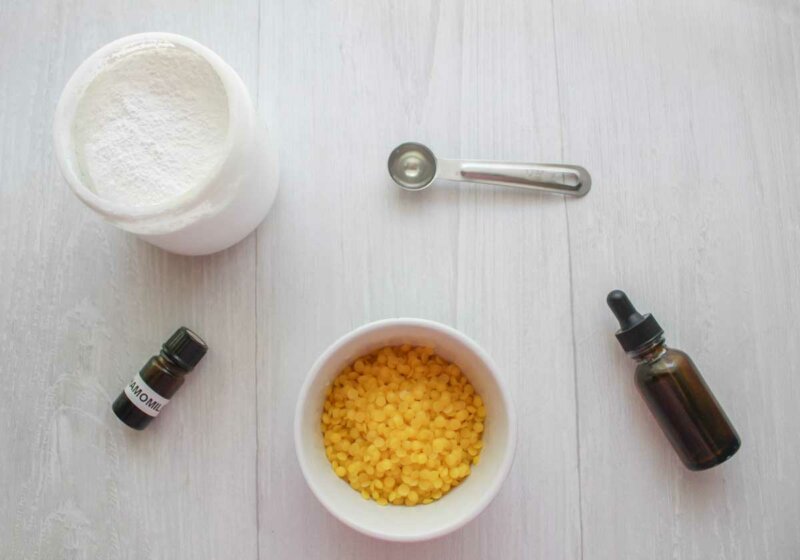
These DIYs are full of fun ingredients, some of which may be new to you.
Here is what each element brings to the table.
Beeswax
Beeswax helps solidify the lotion and gives your skin a more protective barrier.
This ingredient helps your sunscreen bar stay on the skin better through sweat and water exposure. Beeswax also helps seal in moisture so your skin stays supple, even in a heatwave.
If you are vegan or allergic to beeswax, you can experiment with candelilla wax, but the texture will change.
Shea Butter
Shea butter is an excellent moisturizer.
I love the instant glow that shea butter gives my skin. Some sunscreens can feel heavy or clog pores, but shea butter is rich in fatty acids and has soothing, skin-supportive properties.
It makes these homemade sunscreen recipes feel luxurious instead of chalky.
Kokum Butter
Kokum butter is a firm butter that is amazing for your skin.
It is full of fatty acids that soften the epidermis and helps create a firmer bar because it has a high melting point. This makes it a wonderful ingredient for sunscreen bars that need to hold up better in warm weather.
Mango Butter
Mango butter comes from mango seeds and is rich in skin-loving compounds.
Mango-derived compounds have been studied for antioxidant and skin-supportive properties, including photoaging-related pathways. (6) Mango butter also gives DIY body care recipes a smooth, creamy texture.
Carrier Oil
A great carrier oil is required when applying essential oils to the skin.
Good options include sweet almond oil, fractionated coconut oil, jojoba oil, argan oil, and carrot seed oil.
I often recommend carrot seed oil in sun-care recipes because it is rich in skin-supportive antioxidants. Just remember: carrier oils are not a replacement for verified SPF sunscreen.
Vitamin E
Many people fear the sun because they do not want wrinkles, but your body needs wise sunlight exposure to thrive.
The goal is not to hide from the sun. The goal is to avoid burning and support your skin well.
Vitamin E oil is a helpful addition because vitamin E has antioxidant properties and has been studied for photoaging and UV-related skin support. (7)
Zinc Oxide
Zinc oxide is the star of homemade sunscreen.
Zinc oxide sits on top of the skin and reflects or scatters UV rays, helping protect against sun exposure. It is one of the two sunscreen active ingredients the FDA has proposed as generally recognized as safe and effective for OTC sunscreen use. (1, 8)
In other words, zinc oxide is nature’s sunscreen workhorse.
Use non-nano zinc oxide powder, and avoid inhaling it while mixing. Wear a mask if needed and stir carefully.
Essential Oils
Essential oils add scent and a boost of skin-supportive benefits.
If you have never tried essential oils in your sunscreen, your senses are in for a treat. Here are some of my favorite essential oils for sun-care recipes.
- Roman chamomile: Calming to the skin and a great addition if your skin gets irritated easily.
- Geranium: Skin-balancing, lovely-smelling, and helpful for irritated skin.
- Frankincense: Rejuvenating and excellent for mature or stressed skin.
- Helichrysum: Antioxidant-rich and wonderful in skin-repair blends.
- Lavender: Calming, soothing, and a favorite for skin after sun exposure.
- Myrrh: Rich, resinous, and supportive for dry or mature skin.
- Peppermint: Cooling on the skin, but strong; use sparingly and avoid with young children.
- Tea tree: Purifying and helpful for skin that gets sweaty or breakout-prone.
All of the above essential oils can be great additions to homemade sunscreen.
Remember that we should avoid photosensitizing citrus oils in sunscreen recipes because they can increase the risk of burns or sunspots after UV exposure. This includes cold-pressed bergamot, lime, lemon, grapefruit, and bitter orange unless you are using non-phototoxic versions and know your dilution limits.
Supplies: To make this recipe, you will need a glass jar to use as a double boiler and an empty salve jar or deodorant container for storage.
How to Use DIY Sunscreen Essential Oils
Before you head out the door, take time for a short massage using this sunscreen bar.
It is pampering, smells lovely, and supports protection from UV rays.
Please note that natural body care products, including these homemade sunscreen bars, do not work like conventional products with verified SPF testing. You should always limit full-body sun exposure, avoid burning, and use hats and clothing when you will be outdoors for much of the day.

Homemade Sunscreen Bar With Essential Oils
Quantity
Ingredients
- ½ cup organic beeswax pellets, yellow OR white*
- ¼ cup unrefined shea butter
- ⅛ cup organic kokum butter
- ⅛ cup organic mango butter
- ½ cup carrier oil** (I recommend using at least 1 tablespoon of carrot seed oil (natural SPF)
- 2 ounces vitamin E oil
- 2 tablespoons zinc oxide powder (for fair skin add 1 more tablespoon)
- 20 drops essential oils***
Supplies
- Quart or pint Wide mouth mason jar
- Empty deodorant containers OR glass salve jars
Instructions
- This is a thick base that does not melt very quickly. I recommend using a mason jar as your double boiler to avoid permanently ruining any of your best dishes.
- Fill a medium pot with 1-2 inches of water. Bring the water to a boil over medium heat, then turn it down to medium-low.
- Add the beeswax, shea butter, kokum butter, mango butter, carrier oil, and vitamin E oil to the glass jar, then place in the water.
- Stir periodically while the ingredients melt. As soon as all the ingredients are fully melted, take off the heat.
- Let cool for 10 minutes. Before it starts to solidify, add zinc oxide and essential oils. Stir to combine.
- Pour immediately into a glass salve jar or empty deodorant containers. Allow to solidify before using.
- Apply to any exposed skin before going outside.
Step One: Combine Ingredients
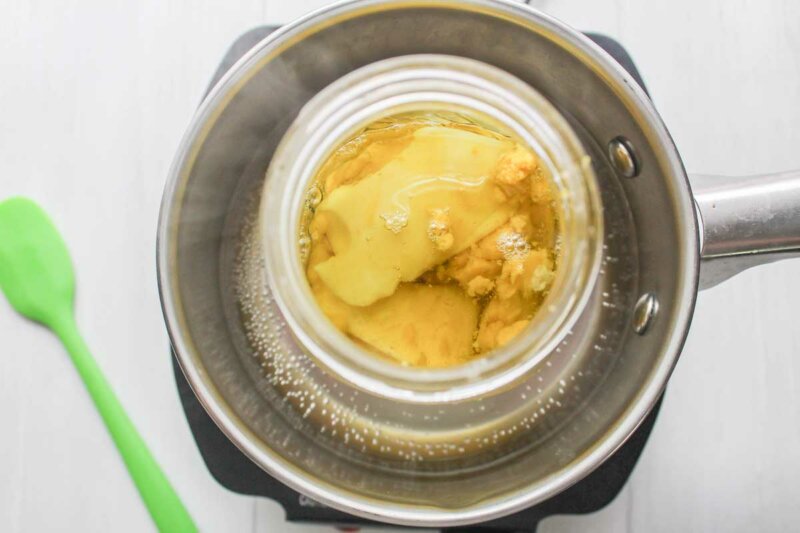
This recipe works best with a homemade double boiler.
Fill a small pot with 1 to 2 inches of water and place it on the stovetop over medium-low heat. Bring to a gentle boil.
Add the beeswax, shea butter, kokum butter, mango butter, carrier oil, and vitamin E oil to the glass jar, then place the jar in the water.
Stir periodically until the ingredients are thoroughly melted.
Step Two: Add Essential Oils
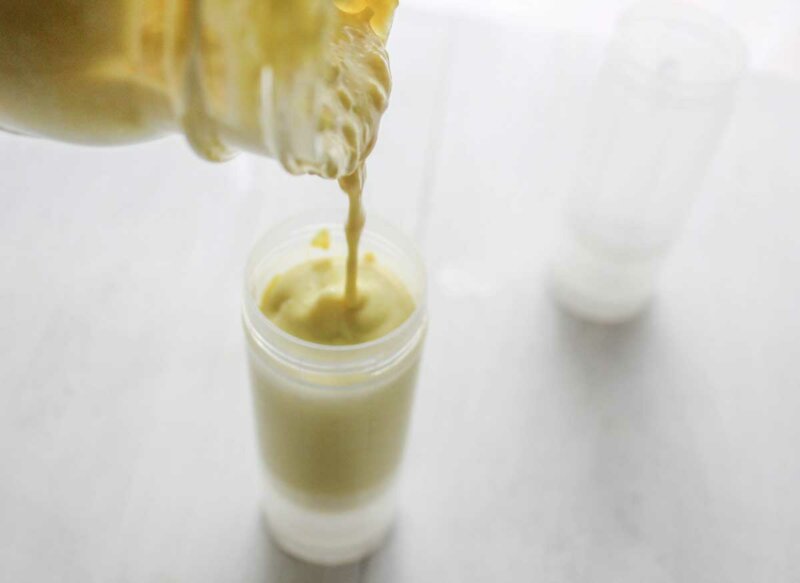
As soon as everything is melted, remove the jar from heat.
Let cool for 10 minutes. Before the mixture solidifies, carefully add the zinc oxide and essential oils.
Stir well and pour into your container.
I recommend using an empty deodorant container for easy application.
Apply to exposed skin before going outside. Reapply often, especially after swimming, sweating, or towel drying.
Homemade Sunscreen Cream Variation
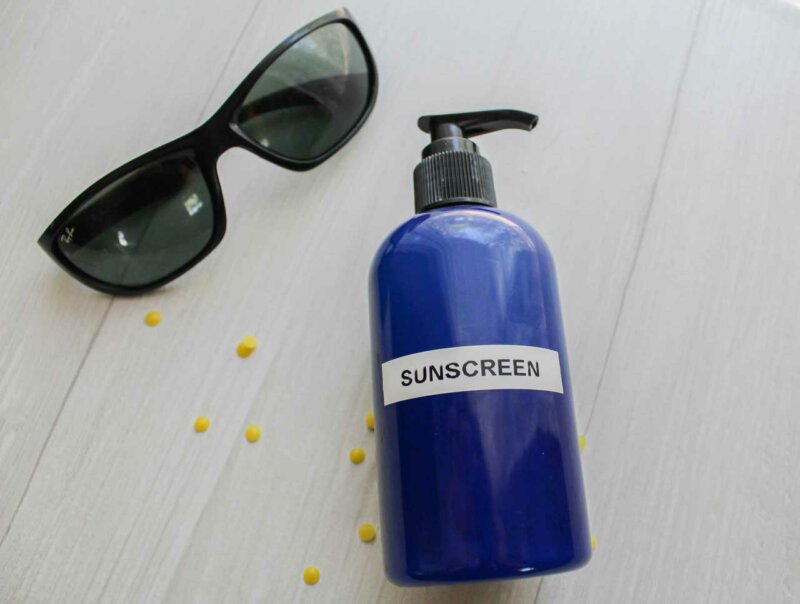
This cream version is not as heavy-duty as my sunscreen bar, but it still supports protection from UV rays.
Add beeswax to make it more water-resistant.
Homemade Sunscreen Cream Variation
Quantity
Ingredients
- 1 cup carrier oil*
- 2 tablespoons unrefined shea butter
- 1 teaspoon carrot seed oil
- 1 teaspoon vitamin E oil
- 1 teaspoon organic beeswax pellets, yellow OR white** (optional)
- 2 tablespoons zinc oxide powder
- 25 drops essential oils***
Instructions
- Combine the carrier oil, shea butter, carrot seed oil, vitamin E oil, and beeswax (if using) in a jar.
- Fill a small pot with 2 inches of water over low to medium heat.
- Place the jar in the pot and stir the contents until melted.
- Add the zinc oxide and stir until combined. Remove from heat and add essential oils. Mix well.
- Store in a cool place.
- Apply to any exposed skin before going outside.
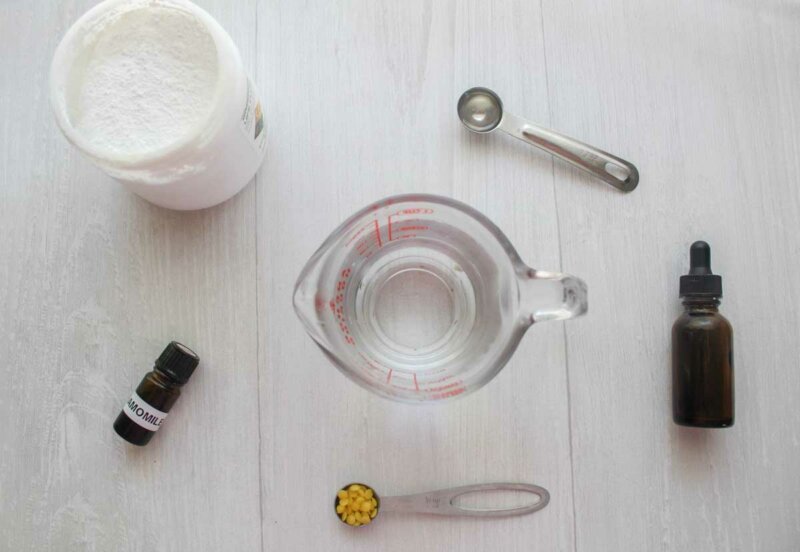
Step One: Combine Ingredients
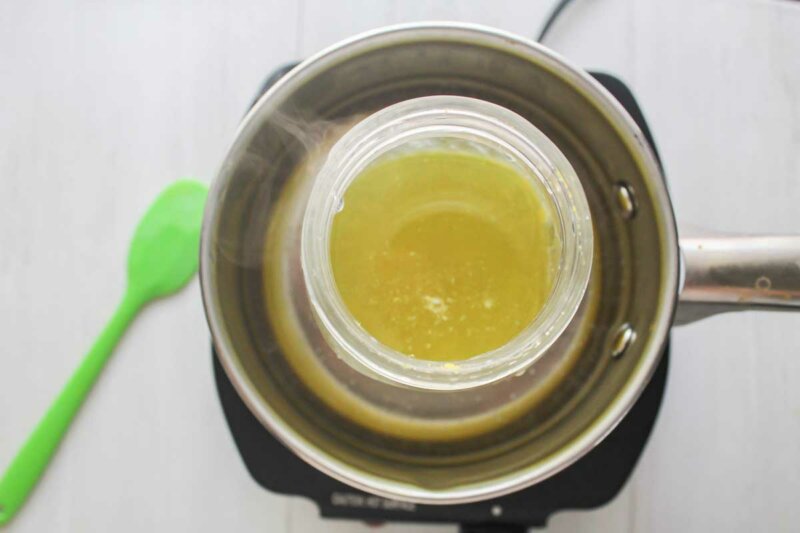
Fill a small pot with 1 to 2 inches of water and place it on the stovetop over low heat.
Combine the carrier oil, shea butter, carrot seed oil, vitamin E oil, and beeswax, if using, in a glass jar.
Place the jar in the pot and heat until the ingredients are melted.
Step Two: Add Zinc Oxide and Essential Oils
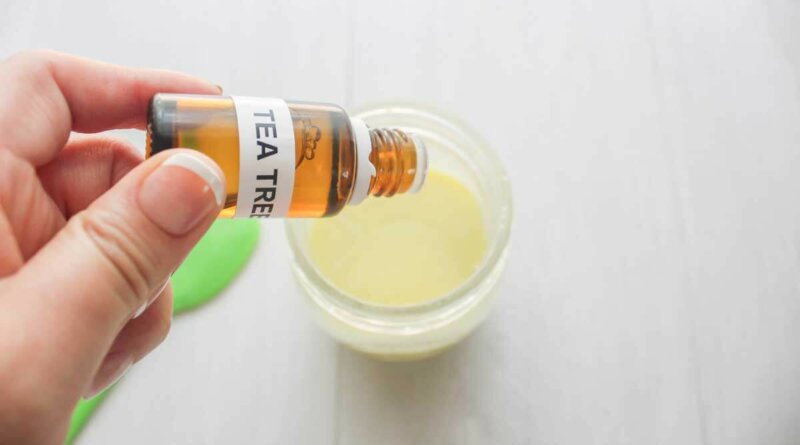
Add the zinc oxide and stir well to combine.
Remove the jar from heat and stir in the essential oils.
Store in a cool place.
Homemade Sunscreen Spray Variation
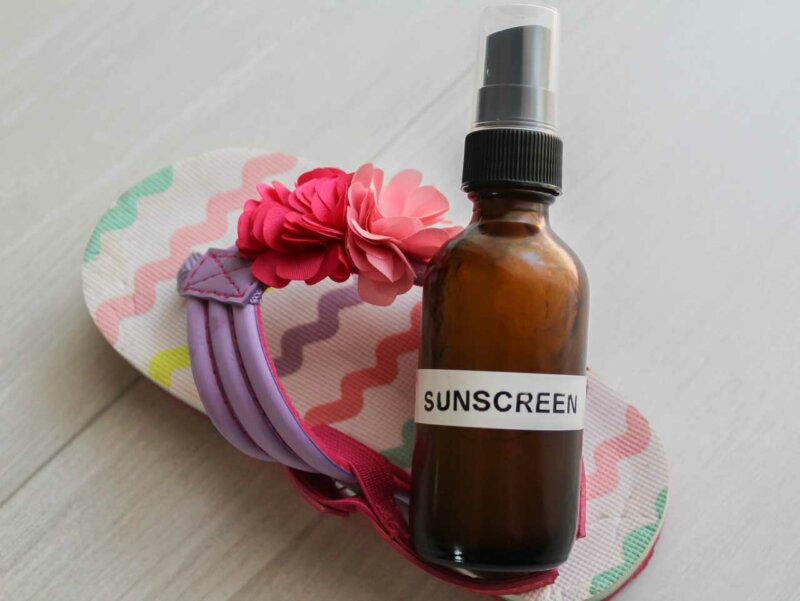
This recipe is excellent for a day on the go.
If you tan easily, this may be a good option for brief or lower-intensity sun exposure. If you have fair skin, burn easily, or will be outside for longer periods, use the heavier lotion or cream and rely on hats, shade, and clothing.
I recommend storing this spray in the refrigerator.
Homemade Sunscreen Spray Variation
Quantity
Ingredients
- ¼ cup organic fresh frozen aloe vera OR aloe vera gel
- 1 tablespoon carrier oil (I recommend using at least 1 teaspoon of carrot seed oil for SPF)
- 10 drops essential oils**
Supplies
Instructions
- Add aloe vera gel, carrier oil, and essential oils to the glass spritzer bottle and shake before using.
- Apply to any exposed skin before going outside.
- Be sure to store it in the refrigerator or your cooler if at the beach.
Last, keep in mind that certain citrus oils are photosensitizing and can cause you to burn or develop sunspots. That is why we avoid them in our sunscreen recipes.
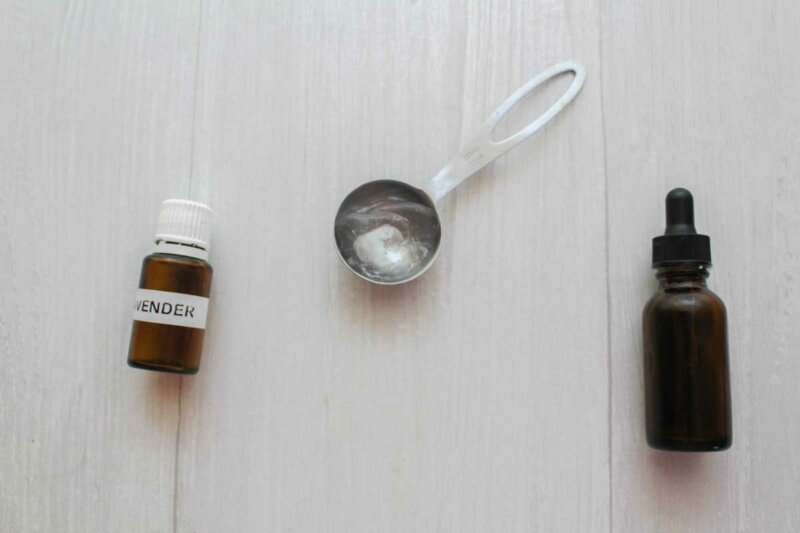
Step One: Add Ingredients to Bottle and Shake
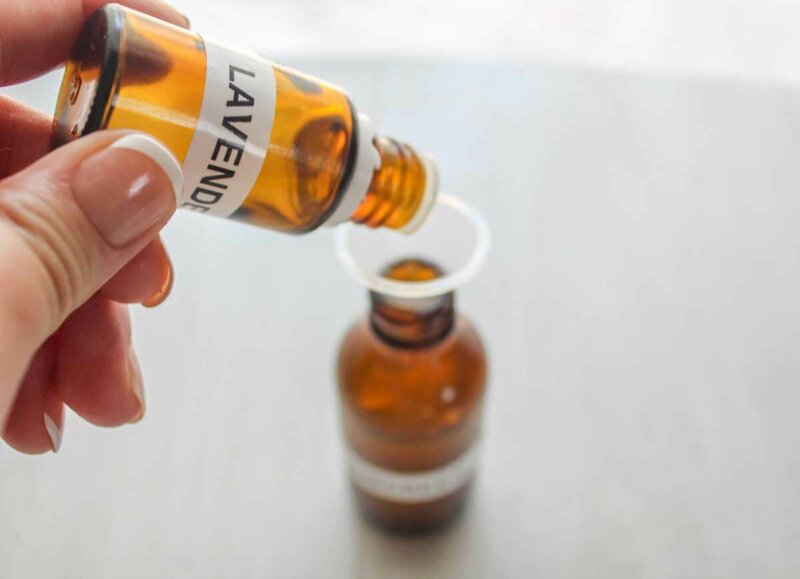
Add the aloe vera gel, carrier oil, and essential oils to a glass spray bottle and gently shake to blend.
Be sure to shake before each use.
Apply generously and rub in evenly. Reapply often.
DIY Sunscreen FAQs
Is homemade sunscreen safe?
Homemade sunscreen can be used as part of a natural sun-care routine, but it cannot guarantee a specific SPF unless professionally tested. Use it with shade, hats, sunglasses, UPF clothing, and common-sense sun exposure.
What is the best ingredient for DIY sunscreen?
Non-nano zinc oxide is the best active ingredient for DIY sunscreen because it sits on top of the skin and helps reflect or scatter UV rays. Zinc oxide is one of the sunscreen ingredients the FDA has proposed as generally recognized as safe and effective. (1)
Can essential oils provide SPF?
Essential oils can support the skin, but they should not be relied on as the main SPF source. Zinc oxide, clothing, shade, and wise sun habits are much more important for UV protection.
What essential oils should I avoid in sunscreen?
Avoid photosensitizing citrus oils such as cold-pressed bergamot, lime, lemon, grapefruit, and bitter orange in sunscreen recipes unless you are using non-phototoxic versions and understand safe dilution limits.
Can I use lemon essential oil in sunscreen?
No, cold-pressed lemon essential oil should not be used in leave-on sunscreen products because it can be photosensitizing and increase the risk of sunburn or discoloration.
Does zinc oxide block UVA and UVB rays?
Yes, zinc oxide is considered a broad-spectrum mineral sunscreen ingredient because it helps protect against both UVA and UVB rays. (8)
Can I use DIY sunscreen on kids?
Use extra caution with children. Keep essential oils very diluted, avoid peppermint for young children, avoid photosensitizing oils, and rely heavily on hats, shade, rash guards, and sun-protective clothing. For babies under 6 months, ask your pediatrician and prioritize shade and protective clothing.
How often should I reapply homemade sunscreen?
Reapply often, especially after swimming, sweating, or towel drying. Because homemade sunscreen is not lab-tested for water resistance, be more conservative than you would be with a commercial product.
Can I use the sunscreen spray for a full beach day?
The spray is lighter and best for brief or lower-intensity sun exposure. For a full beach day, use a heavier zinc oxide bar or cream, wear protective clothing, seek shade, and reapply often.
Why should I avoid synthetic fragrance in sunscreen?
Synthetic fragrance can hide many undisclosed ingredients under one label and may trigger irritation, headaches, allergies, or respiratory symptoms in sensitive people. FDA rules allow fragrance formulas to be treated as trade secrets. (5)

Resources & References
- U.S. Food & Drug Administration. Questions and Answers: FDA posts deemed final order and proposed order for over-the-counter sunscreen. https://www.fda.gov/drugs/understanding-over-counter-medicines/questions-and-answers-fda-posts-deemed-final-order-and-proposed-order-over-counter-sunscreen
- Matta MK, Zusterzeel R, Pilli NR, et al. Effect of sunscreen application under maximal use conditions on plasma concentration of sunscreen active ingredients: A randomized clinical trial. JAMA. 2019;321(21):2082-2091. https://jamanetwork.com/journals/jama/fullarticle/2733085
- Matta MK, Florian J, Zusterzeel R, et al. Effect of sunscreen application on plasma concentration of sunscreen active ingredients: A randomized clinical trial. JAMA. 2020;323(3):256-267. https://pmc.ncbi.nlm.nih.gov/articles/PMC6990686/
- Hawaiʻi Revised Statutes §342D-21. Sale and distribution of sunscreen containing oxybenzone or octinoxate; prohibition. https://www.capitol.hawaii.gov/hrscurrent/Vol06_Ch0321-0344/HRS0342D/HRS_0342D-0021.htm
- U.S. Food & Drug Administration. Trade Secret Ingredients. https://www.fda.gov/cosmetics/cosmetics-labeling/trade-secret-ingredients
- Masibo M, He Q. Major mango polyphenols and their potential significance to human health. Comprehensive Reviews in Food Science and Food Safety. 2008;7(4):309-319. https://pubmed.ncbi.nlm.nih.gov/23458392/
- Thiele JJ, Ekanayake-Mudiyanselage S. Vitamin E in human skin: Organ-specific physiology and considerations for its use in dermatology. Molecular Aspects of Medicine. 2007;28(5-6):646-667. https://www.ncbi.nlm.nih.gov/pmc/articles/PMC3789494/
- Wang SQ, Balagula Y, Osterwalder U. Photoprotection: A review of the current and future technologies. Dermatologic Therapy. 2010;23(1):31-47. https://www.ncbi.nlm.nih.gov/pmc/articles/PMC3482794/