QUICK SUMMARY
Grapefruit essential oil benefits come largely from d-limonene, a bioactive terpene that typically makes up most of this fresh, citrus-scented peel oil. Grapefruit oil is commonly used to create an uplifting atmosphere, support focused weight-management habits, freshen oily skin and hair, clean household surfaces, and enhance natural pest-control blends.
Research has found antibacterial, antifungal, insecticidal, and cancer-fighting activity in laboratory studies. Human research on grapefruit aroma, massage, mood, body composition, and supplemental limonene is promising but limited, so the evidence must be understood in context.
The easiest ways to use grapefruit essential oil are diffusion, personal inhalation, and properly diluted topical application. Cold-pressed grapefruit oil can be phototoxic, so keep treated skin away from ultraviolet light and stay at or below a 4% topical dilution when sun exposure is possible.
Grapefruit essential oil benefits are some of the most versatile in the aromatherapy world. Rich in d-limonene, this fresh citrus oil deserves a place in your essential oil toolbox, DIY cleaning cabinet, and natural beauty routine.
Its bright aroma can transform a stale room, refresh a tired mood, and make healthy routines feel more enjoyable. Laboratory studies have also documented antimicrobial, antifungal, insecticidal, antioxidant, and cancer-fighting effects associated with grapefruit oil or its major constituents.
Here’s the thing: grapefruit essential oil is not the same as eating grapefruit, drinking grapefruit juice, or taking concentrated limonene capsules. Each product contains a different combination and amount of bioactive compounds.
Used wisely, grapefruit oil can be a wonderful addition to a broader biblical-health lifestyle built on nourishing food, movement, restorative sleep, stress relief, prayer, and reducing your family’s toxic burden.
Table of Contents:

Interesting Grapefruit Facts
Grapefruits are often thought of as “diet food,” but these juicy citrus fruits have much more to offer. Whole grapefruit contains vitamin C, water, soluble and insoluble fiber, carotenoids, flavonoids, and other antioxidants. (1)
Grapefruit grows on a large evergreen citrus tree now known botanically as Citrus × paradisi. The “×” is important because grapefruit is believed to be a natural hybrid of the sweet orange and pomelo.
Its history is just as fascinating as its flavor.
Grapefruit was first documented in Barbados during the 18th century and was once called the “forbidden fruit.” The older name “shaddock” is associated with Captain Shaddock, who was traditionally believed to have brought pomelo seeds from Asia to the Caribbean.
In 1814, Jamaican planter and writer John Lunan used the name “grapefruit,” most likely because the fruit grows in clusters resembling bunches of grapes.
Today, grapefruit varieties range from pale yellow to deep ruby red. The essential oil is generally expressed from the colorful outer peel, where the plant stores its fragrant volatile compounds.
Grapefruit Essential Oil vs. Seed Extract
There is a HUGE difference between grapefruit seed extract and grapefruit essential oil, even though the names are often used interchangeably.
- Grapefruit Seed Extract: Commonly called GSE, this product is made by processing grapefruit seeds, pulp, membranes, or other fruit material into a concentrated liquid extract. It is usually sold as a dietary supplement, preservative, or antimicrobial product. It is not a traditional fixed oil, and its ingredients vary considerably among manufacturers.
- Grapefruit Essential Oil: This aromatic oil is usually cold-expressed from the grapefruit peel. It contains volatile, fat-soluble plant compounds, primarily limonene, and is used in aromatherapy, natural cleaning, personal care, and properly formulated topical blends.
Grapefruit essential oil is also different from grapeseed oil. Grapeseed oil is a fixed carrier oil pressed from grape seeds, while grapefruit essential oil is a concentrated volatile oil from citrus peel.
Research into some commercial grapefruit seed extracts has found that their strong antimicrobial action came from synthetic preservatives or disinfecting compounds rather than grapefruit itself. That is why quality, transparent labeling, and third-party testing matter. (2)
Always buy pure, unadulterated essential oils from a trustworthy company. Read our guide on how to select the best essential oil brands.
Grapefruit Essential Oil Chemical Components
The chemical profile of grapefruit essential oil varies according to the cultivar, ripeness, growing conditions, storage, and extraction method.
Its primary constituents commonly include: (3)
- d-Limonene
- β-Myrcene
- α-Pinene
- Sabinene
- Linalool
- Octanal and decanal
Of these, d-limonene is usually dominant. Analyses of cold-pressed grapefruit peel oil have reported limonene concentrations above 90%, although percentages can be lower after nonvolatile materials are excluded or when another extraction method is used. (3)
Limonene has demonstrated antimicrobial, anti-inflammatory, insecticidal, and cancer-fighting activity in preclinical research. But it would be a mistake to credit every grapefruit oil benefit to one isolated molecule.
Whole essential oils contain many constituents that may work together synergistically. In fact, some studies have found that complete grapefruit oil performed differently from isolated limonene, reminding us that God’s plant chemistry is wonderfully complex.
10 Grapefruit Essential Oil Benefits
Grapefruit essential oil can be used aromatically and topically when properly diluted. Dietary use requires an oil specifically labeled for that purpose, careful formulation, and professional guidance.
The strongest evidence currently comes from laboratory and animal research, with a smaller number of human studies involving aroma, massage, mood, body composition, and supplemental limonene.
1. Weight-Management and Craving Support
Grapefruit essential oil is famous in natural-health circles for supporting weight-management goals.
Animal studies have found that inhaled grapefruit aroma influenced autonomic nervous system activity, reduced food intake, and stimulated lipolysis and thermogenesis. Lipolysis is the process of breaking stored fat into components the body can use, while thermogenesis refers to heat production that requires energy. (4)
A small human study involving postmenopausal women compared standard massage with an aromatherapy massage blend containing grapefruit, cypress, and other essential oils. After 6 weeks, the aromatherapy group experienced greater reductions in abdominal circumference and subcutaneous fat measurements. Because the intervention used several oils plus massage, grapefruit cannot receive all the credit. (5)
Essential oil inhalation has not been proven to cause meaningful weight loss by itself. But a bright aroma may help interrupt habitual snacking, support motivation, and make a healthy routine more enjoyable.
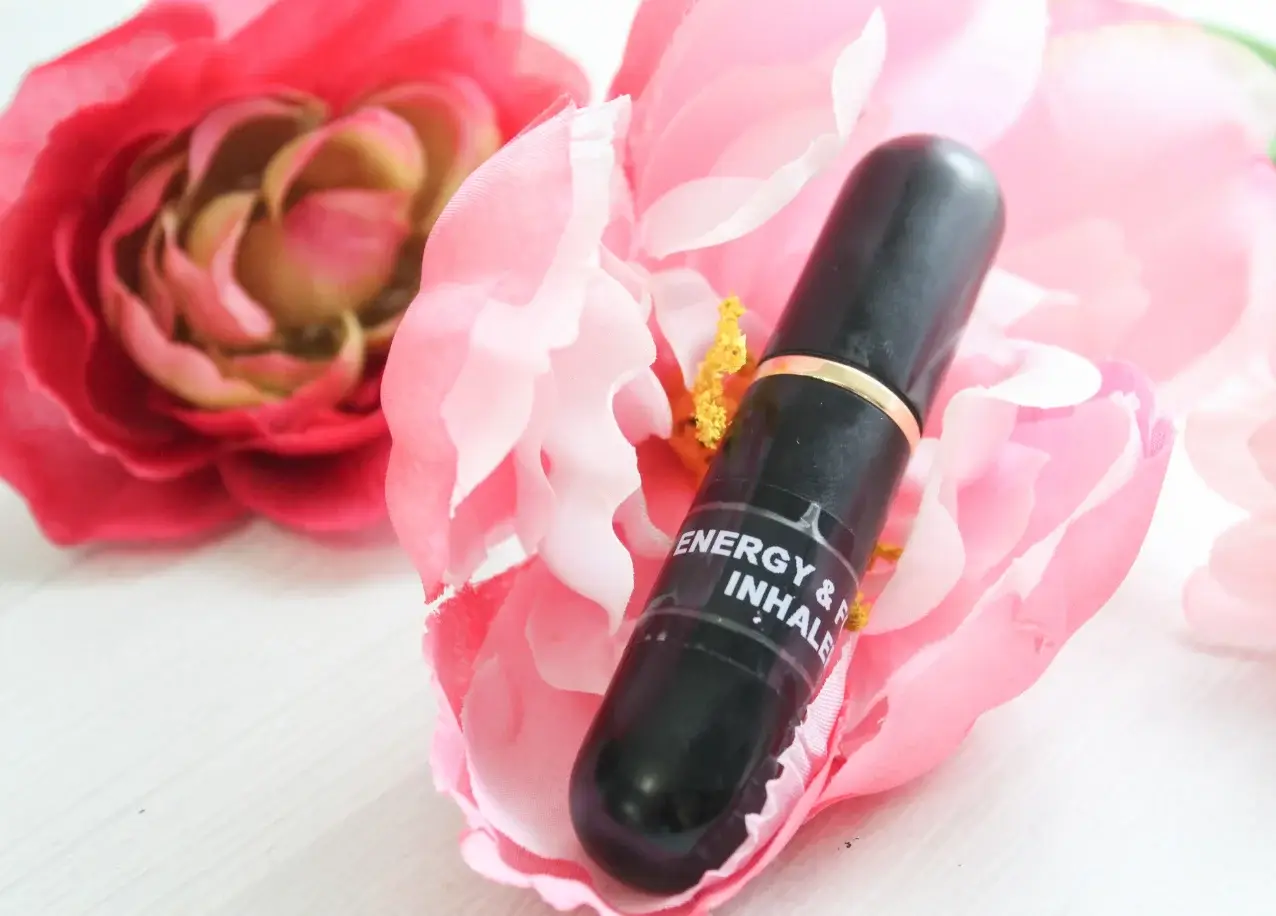
Application: Add 5 drops of grapefruit, 4 drops of lemon, and 3 drops of peppermint essential oil to a personal aromatherapy inhaler. Take a few gentle breaths when cravings strike, then drink water and choose a nourishing snack if you are truly hungry.
For lasting results, pair aromatherapy with whole foods, movement, sleep, prayer, and the other strategies in our guide to essential oils for weight-loss support.
2. Brain and Cognitive Support
Laboratory research has found that grapefruit essential oil can inhibit acetylcholinesterase, or AChE, an enzyme that breaks down the neurotransmitter acetylcholine. Acetylcholine is involved in memory, attention, learning, and muscle activity. (6)
AChE inhibitors are used medically for conditions such as Alzheimer’s disease, but a laboratory enzyme result does not mean grapefruit oil works like a prescription drug or prevents neurodegeneration in people.
What it does tell us is that grapefruit oil contains compounds worthy of further neurological research.
Its crisp aroma may also help create a brighter, more mentally engaging environment when fatigue or discouragement makes it difficult to focus.
Application: Diffuse 3 drops of grapefruit, 2 drops of rosemary, and 1 drop of peppermint while studying, planning, or completing a mentally demanding project. Follow your diffuser manufacturer’s instructions.
Learn more about using essential oils for brain health as part of a comprehensive lifestyle.
3. Cancer-Fighting Research
This is an exciting area of research, but evidence context matters.
In laboratory testing, grapefruit essential oil demonstrated cytotoxic activity against leukemia cells. That means the oil killed or damaged cancer cells under controlled laboratory conditions. It does not mean that diffusing, applying, or swallowing grapefruit oil has been proven to treat leukemia in humans. (7)
Limonene has also been investigated in women with early-stage breast cancer. In a small presurgical trial, participants took 2 grams of limonene daily for 2 to 6 weeks. Limonene accumulated in breast tissue, and researchers observed a reduction in cyclin D1 tumor-expression markers, though the study did not demonstrate tumor shrinkage or improved survival. (8)
Put simply, grapefruit oil and limonene have genuine cancer-fighting potential in laboratory and early human research, but they are not proven stand-alone cancer treatments.
Application: Use grapefruit oil aromatically for emotional support during a difficult season. Anyone considering supplemental limonene or concentrated essential oil use during cancer care should first discuss it with an integrative oncologist because treatment interactions and individual risks matter.
Explore our evidence-aware guide to essential oils for cancer support.
4. Cellulite and Skin-Toning Support
Cellulite is extremely common and affects an estimated 80% to 90% of postpubertal women. It develops when fat beneath the skin interacts with connective tissue, creating a dimpled appearance. Hormones, genetics, connective-tissue structure, circulation, and body composition can all play a role. (9)
In vitro research has found that grapefruit oil or grapefruit-derived compounds affected the development of fat cells. Other research has explored how grapefruit aroma influences sympathetic nervous system activity. These findings provide a possible mechanism, but topical grapefruit oil has not been proven to eliminate cellulite or stretch marks in human clinical trials. (10)
Massage itself can temporarily improve circulation and the appearance of the skin, making diluted grapefruit oil a lovely addition to a body-care routine.
Application: Mix up to 10 drops of grapefruit essential oil with 1 ounce of almond, jojoba, or coconut oil. Massage into the desired area using circular motions.
Cold-pressed grapefruit is phototoxic. Keep treated skin covered and avoid ultraviolet exposure for at least 12 hours, or use a steam-distilled or furanocoumarin-free grapefruit oil.
5. Mood and Emotional Wellness
Citrus essential oils are famous for their cheerful aromas, and grapefruit is no exception.
In a small human study, participants inhaled grapefruit, lavender, rosemary, or tea tree oil. Grapefruit produced notable changes in subjective mood and stress-related measures, although the study was too small to establish a treatment effect. (11)
Aroma is deeply connected with memory and emotion. That means a scent does not have to act as a pharmaceutical stimulant to make a meaningful difference in how a room feels.
Application: Diffuse equal parts grapefruit, orange, lemon, bergamot, and vanilla absolute to create our “Joyful Blend.”
Use it during your morning routine, prayer time, household chores, or anytime the atmosphere needs a bright emotional reset.
6. Acne and Oily-Skin Care
Acne develops through several interacting factors, including excess oil production, clogged follicles, inflammation, hormones, and the proliferation of Cutibacterium acnes, formerly called Propionibacterium acnes.
In laboratory research comparing several oils against acne-related bacteria, grapefruit demonstrated antibacterial action, although stronger activity was found with oils such as thyme and cinnamon. (12)
Grapefruit’s fresh aroma and cleansing qualities make it a popular ingredient in formulas for oily or combination skin. However, undiluted oil can irritate the skin, and phototoxicity is an important concern.
Application: Choose grapefruit essential oil as one of the optional oils in our DIY Facial Cleanser Recipe. Keep the total facial dilution low and use the product at night unless the oil is verified as non-phototoxic.
For a broader inside-out strategy, see our guide to essential oils for acne.
7. Antibacterial Household Cleaning
Grapefruit essential oil has demonstrated antibacterial activity against several microorganisms in laboratory and food-safety research.
One study found that complete grapefruit essential oil inhibited Pseudomonas aeruginosa more effectively than isolated limonene, suggesting that multiple constituents worked together. (13)
Other studies have found that grapefruit and additional citrus oils can inhibit certain food-spoilage and pathogenic bacteria in laboratory models. Research has also explored activity against methicillin-resistant and methicillin-sensitive Staphylococcus aureus. (14, 15)
This supports using grapefruit oil in routine natural cleaning. It does not mean a homemade spray has been validated as a hospital-grade disinfectant or can replace products approved for high-risk pathogens.
Application: Add 10 drops of grapefruit essential oil to 1 tablespoon of high-proof grain alcohol in a 1-ounce glass spray bottle. Shake to disperse, then fill with distilled water. Use it as a room or surface-freshening spray, shaking before each application.
Never combine essential oils with chlorine bleach, and test finished surfaces before widespread use.
8. Hair and Scalp Care
Grapefruit essential oil has traditionally been added to hair products to help freshen an oily scalp and give shampoos a bright, clean scent.
Its antimicrobial activity may complement a healthy scalp-care routine, although clinical studies have not established grapefruit oil as a treatment for dandruff, hair loss, or scalp disease.
Application: Add grapefruit essential oil at an appropriate dilution to Mama Z’s DIY Shampoo when you want a formula for oily hair.
Grapefruit oil is also featured in Mama Z’s Natural Curl Booster Sea Salt Spray.
Keep shampoo out of the eyes and stop using the product if the scalp becomes irritated.
9. Athlete’s Foot and Fungal Support
Athlete’s foot can be stubborn, itchy, and uncomfortable. It is commonly caused by dermatophyte fungi that thrive in warm, moist environments.
Laboratory research comparing essential oils against fungi associated with athlete’s foot, ringworm, and nail infections found meaningful antifungal activity from grapefruit, rosemary, and cinnamon oils. Their combination acted against all of the fungal strains examined in the study. (16)
Grapefruit oil has also inhibited Penicillium digitatum, the green mold responsible for significant spoilage in citrus fruit. (17)
These are laboratory findings, but they support the traditional use of diluted grapefruit oil in foot-care blends.
Application: Add 2 drops of grapefruit, 1 drop of rosemary, and 1 drop of cinnamon leaf essential oil to 2 tablespoons of Mama Z’s Essential Oil Base.
Apply a small amount to clean, dry feet, avoiding cracked or bleeding skin. Wash your hands afterward. Seek professional care when a suspected fungal infection spreads, affects the nails, or does not improve.
10. Insect and Pest Control
Grapefruit essential oil and its constituents have demonstrated intriguing pest-control activity.
Research found that grapefruit oil increased the attractiveness of traps for Japanese beetles, which could help improve monitoring or trapping strategies. Other studies have documented larvicidal effects against mosquitoes, while grapefruit-derived compounds have shown toxicity against certain tick species. (18, 19, 20)
These effects depend on the insect species, dose, formulation, and route of exposure. A pleasant-smelling DIY is not automatically equivalent to a registered repellent with proven protection time.
Application: Add properly formulated grapefruit essential oil to DIY mosquito or tick-repellent recipes.
For patio aromatherapy, diffuse 2 drops each of grapefruit and citronella, making sure pets and children can leave the area.
Grapefruit Essential Oil Safety
Grapefruit juice is well known for interacting with many prescription medications because it contains furanocoumarins such as dihydroxybergamottin that affect intestinal drug metabolism.
Expressed grapefruit essential oil does not generally contain the same clinically significant amount of dihydroxybergamottin found in the juice. For that reason, the classic “grapefruit juice interaction” is not automatically expected from ordinary aromatic or diluted topical use. (21)
Still, essential oil chemistry varies, internal use creates a different exposure level, and people taking medication should not assume that every grapefruit-derived product is risk-free. Check with your pharmacist or physician before dietary use.
The primary established topical concern is phototoxicity. Cold-pressed grapefruit oil may contain furanocoumarins that react with ultraviolet light and cause redness, burning, blistering, or discoloration.
According to established essential oil safety guidance, the maximum phototoxic topical level for expressed grapefruit oil is 4%. (22)
Remember these common-sense tips:
- Dilute before topical use. Stay at or below a 4% dilution when ultraviolet exposure is possible, and use lower concentrations for the face, sensitive skin, and children.
- Avoid ultraviolet exposure. Keep treated skin away from direct sun and tanning beds for at least 12 hours unless the oil is steam-distilled or verified furanocoumarin-free.
- Replace oxidized oil. Oxidation increases the risk of skin sensitization. Store grapefruit oil tightly closed in a cool, dark place and replace it when the aroma becomes dull, sharp, or noticeably different.
- Do not swallow it straight. Essential oil and water do not mix, so adding undiluted drops to plain water does not safely disperse them.
- Use dietary products only as directed. Internal use requires a properly labeled oil, appropriate carrier or food dispersion, and careful dosing.
- Use extra caution with children. Choose age-appropriate oils, use very low dilutions, and favor inhalation rather than routine ingestion.
- Protect pets. Do not apply grapefruit oil to cats or dogs or allow them to lick spills. Diffuse intermittently in a ventilated room with an open exit, and stop if the animal shows discomfort.
- Watch for irritation. Stop using the oil if it causes redness, burning, headache, nausea, coughing, or breathing discomfort.
- Ask about medications. Consult your physician or pharmacist before dietary use when you take prescriptions or are being treated for a medical condition.
Grapefruit essential oil blends beautifully with orange, lemon, bergamot, patchouli, vanilla, frankincense, melissa, sandalwood, and ylang ylang.
Grapefruit Essential Oil FAQs
What is grapefruit essential oil good for?
Grapefruit essential oil is commonly used for an uplifting atmosphere, natural cleaning, oily-skin and hair products, massage blends, and pest-control recipes. Laboratory studies also document antibacterial, antifungal, insecticidal, and cancer-fighting activity.
Does grapefruit essential oil help with weight loss?
Animal studies suggest grapefruit aroma can affect food intake, autonomic activity, lipolysis, and thermogenesis. A small human aromatherapy-massage study reported body-composition changes, but grapefruit essential oil alone has not been proven to cause significant human weight loss. (4, 5)
Does grapefruit essential oil kill cancer cells?
Grapefruit essential oil killed certain leukemia cells in laboratory research, and supplemental limonene influenced breast-cancer biomarkers in a small human presurgical study. These findings demonstrate cancer-fighting potential but do not establish grapefruit oil as a human cancer treatment. (7, 8)
Can grapefruit essential oil interact with medication?
The classic grapefruit-juice interaction is primarily caused by compounds that are not normally present in meaningful amounts in grapefruit essential oil. However, product chemistry and exposure differ, so anyone considering internal use while taking medication should check with a pharmacist or physician. (21)
Is grapefruit essential oil phototoxic?
Cold-pressed grapefruit oil can be phototoxic. Keep topically treated skin away from sunlight and tanning beds for at least 12 hours and do not exceed a 4% dilution when ultraviolet exposure is possible. Steam-distilled and verified furanocoumarin-free oils are generally considered non-phototoxic. (22)
Can I put grapefruit essential oil directly on my skin?
No. Dilute it in a carrier oil or finished product before topical application. Lower dilutions are appropriate for facial care, sensitive skin, children, and frequent use.
Can I add grapefruit essential oil to drinking water?
Essential oil does not disperse in water, so undiluted droplets can contact the mouth, throat, and digestive lining. Dietary use requires an oil labeled for ingestion and a properly formulated food or carrier.
Is grapefruit essential oil safe around pets?
Do not apply it to pets or leave bottles and spills where animals can lick them. Diffuse cautiously in a well-ventilated area with an open exit, and consult a veterinarian trained in essential oil safety when an animal has been exposed.
How long does grapefruit essential oil last?
Citrus oils oxidize faster than many other essential oils. Grapefruit oil is often best used within 1 to 2 years of opening when stored tightly sealed, away from heat, moisture, air, and light.
Final Thoughts on Grapefruit Essential Oil Benefits
Grapefruit essential oil is fresh, cheerful, practical, and remarkably versatile. Its limonene-rich chemistry has inspired research into bacteria, fungi, insects, body composition, neurological pathways, and cancer cells, while its uplifting aroma makes it one of the easiest oils to enjoy in everyday life.
The evidence is strongest for grapefruit oil’s antimicrobial and pest-control activity in preclinical models. Human findings involving aromatherapy massage, mood, and supplemental limonene are encouraging, but more clinical research is needed before we treat grapefruit oil like a proven therapy for weight loss, dementia, cancer, or infection.
That does not make this oil insignificant. It means we use it for what it does best while honoring the limits of the science.
Diffuse it to brighten your home, add it to properly formulated cleaning and personal-care products, or include it in a diluted massage blend. Pair those applications with healthy food, movement, sleep, prayer, stress management, and wise medical care.
Put simply, grapefruit essential oil is not a magic solution, but it is a beautiful God-given tool for creating a fresher home, a brighter mood, and a more intentional natural-living routine.


- Choudhary MI, et al. Grapefruit: Nutritional Value, Phytochemistry and Pharmacology. https://pmc.ncbi.nlm.nih.gov/articles/PMC3649719/
- Takeoka G, Dao L, Wong RY, Lundin R, Mahoney N. Identification of Benzethonium Chloride in Commercial Grapefruit Seed Extracts. Journal of Agricultural and Food Chemistry. https://pubmed.ncbi.nlm.nih.gov/10399191/
- Deng W, et al. Chemical Composition, Antimicrobial, Antioxidant, and Antiproliferative Properties of Grapefruit Essential Oil. Molecules. 2020. https://pmc.ncbi.nlm.nih.gov/articles/PMC6982870/
- Shen J, Niijima A, Tanida M, Horii Y, Maeda K, Nagai K. Olfactory Stimulation With Scent of Grapefruit Oil Affects Autonomic Nerves, Lipolysis and Appetite in Rats. Neuroscience Letters. https://pubmed.ncbi.nlm.nih.gov/15639155/
- Kim HJ, et al. Effect of Aromatherapy Massage on Abdominal Fat and Body Image in Postmenopausal Women. Taehan Kanho Hakhoe Chi. https://pubmed.ncbi.nlm.nih.gov/17615482/
- Okunowo WO, Oyedeji O, Afolabi LO, Matanmi E. Essential Oil of Grapefruit and Its Acetylcholinesterase-Inhibitory Activity. https://pubmed.ncbi.nlm.nih.gov/11858553/
- Hata T, et al. Antileukemic Activity of Citrus Essential Oils and Their Components. https://europepmc.org/article/MED/14758720
- Miller JA, et al. Human Breast Tissue Disposition and Bioactivity of Limonene in Women With Early-Stage Breast Cancer. Cancer Prevention Research. 2013. https://pmc.ncbi.nlm.nih.gov/articles/PMC3692564/
- Luebberding S, Krueger N, Sadick NS. Cellulite: An Evidence-Based Review. https://pubmed.ncbi.nlm.nih.gov/25940753/
- Ejaz S, et al. Limonoids as Adipocyte-Differentiation Inhibitors. https://pubmed.ncbi.nlm.nih.gov/20143292/
- Haze S, Sakai K, Gozu Y. Effects of Fragrance Inhalation on Sympathetic Activity in Normal Adults. https://pmc.ncbi.nlm.nih.gov/articles/PMC6693249/
- Zu Y, et al. Activities of Ten Essential Oils Toward Propionibacterium acnes and PC-3, A-549 and MCF-7 Cancer Cells. Molecules. https://pubmed.ncbi.nlm.nih.gov/20657472/
- Deng W, et al. Grapefruit Essential Oil Activity Against Pseudomonas aeruginosa. https://pubmed.ncbi.nlm.nih.gov/31684768/
- Fisher K, Phillips C. Potential Antimicrobial Uses of Essential Oils in Food. Journal of Applied Microbiology. https://onlinelibrary.wiley.com/doi/abs/10.1111/j.1745-4565.2008.00131.x
- Nair MKM, et al. Antibacterial Effects of Citrus Essential Oils Against Resistant Staphylococcus aureus. https://pubmed.ncbi.nlm.nih.gov/15504436/
- Antifungal Activity of Grapefruit, Rosemary and Cinnamon Essential Oils Against Dermatophytes. https://pubmed.ncbi.nlm.nih.gov/30690523/
- Viuda-Martos M, et al. Antifungal Activity of Lemon, Mandarin, Grapefruit and Orange Essential Oils. https://www.sciencedirect.com/science/article/abs/pii/S0308814605005194
- Grapefruit Oil as an Attractant in Japanese Beetle Traps. https://pubmed.ncbi.nlm.nih.gov/19736768/
- Larvicidal Effects of Grapefruit Essential Oil Against Mosquitoes. https://pmc.ncbi.nlm.nih.gov/articles/PMC5186748/
- Tick-Control Activity of Grapefruit-Derived Compounds. https://pubmed.ncbi.nlm.nih.gov/21485368/
- Tisserand Institute. Grapefruit Oil and Medication Interactions. https://tisserandinstitute.org/learn-more/grapefruit-oil-and-medication/
- Tisserand Institute. Phototoxicity: Essential Oils, Sun and Safety. https://tisserandinstitute.org/phototoxicity-essential-oils-sun-and-safety/