QUICK SUMMARY
The essential oils we reach for to support immunity are cinnamon bark, clove, eucalyptus, rosemary, orange, and lemon, the six oils in Dr. Z’s Immune Boost Blend. Laboratory research shows these kinds of oils kill bacteria and fungi and can knock out viruses, including influenza A, in cell studies.
To use them, mix 1 to 2 drops of the blend into a teaspoon of coconut oil, then stir it into a serving of liposomal vitamin C with a teaspoon of raw honey, ¼ teaspoon of pumpkin pie spice, and a tiny pinch of salt. Take it once or twice a day at the first sign of a cold, for no more than two weeks at a time, and never give honey to a baby younger than 12 months.
These essential oils for immunity combine to create a Healthy Immune Boost recipe that is doctor-formulated and kid-approved. The entire family loves it because it tastes like candy and makes us feel great!
If you need a little immune boost, support to fight off an infection, or simply want to stay healthy during the cold season, this recipe may just do the trick.
Note About Immune Boosting: While we usually call this “immune boosting” in everyday language, the reason these essential oils work to combat disease is that they have strong antimicrobial properties. The antibacterial essential oils in this recipe, cinnamon bark and clove especially, have also been shown to kill viruses in preclinical studies, which is why we reach for them when we’ve been exposed to whatever is going around town. (1)
Table of Contents
Healthy Immune Boost Recipe
This is the immune-boosting “shot” I developed during my battle with pneumonia, and it has become part of our family’s natural-health routine. The Immune Boost Blend is equal parts cinnamon bark, clove, eucalyptus, rosemary, orange, and lemon essential oils.
The coconut oil in the recipe is the carrier that dilutes the essential oils before they go into your mouth. Never put undiluted essential oils in your mouth or drop them straight into water, because oil and water do not mix.
Dr. Z's Healthy Immune Boost Recipe
Quantity
Ingredients
- 1 serving Liposomal Vitamin C
- 1 teaspoon Manuka honey OR raw local organic honey
- 1 teaspoon coconut oil extra-virgin AND unrefined
- 1-2 drops Immune Boost Blend Essential Oils*
- ¼ teaspoon organic pumpkin pie spice or cinnamon powder
- Tiny pinch Himalayan pink salt, ground
Instructions
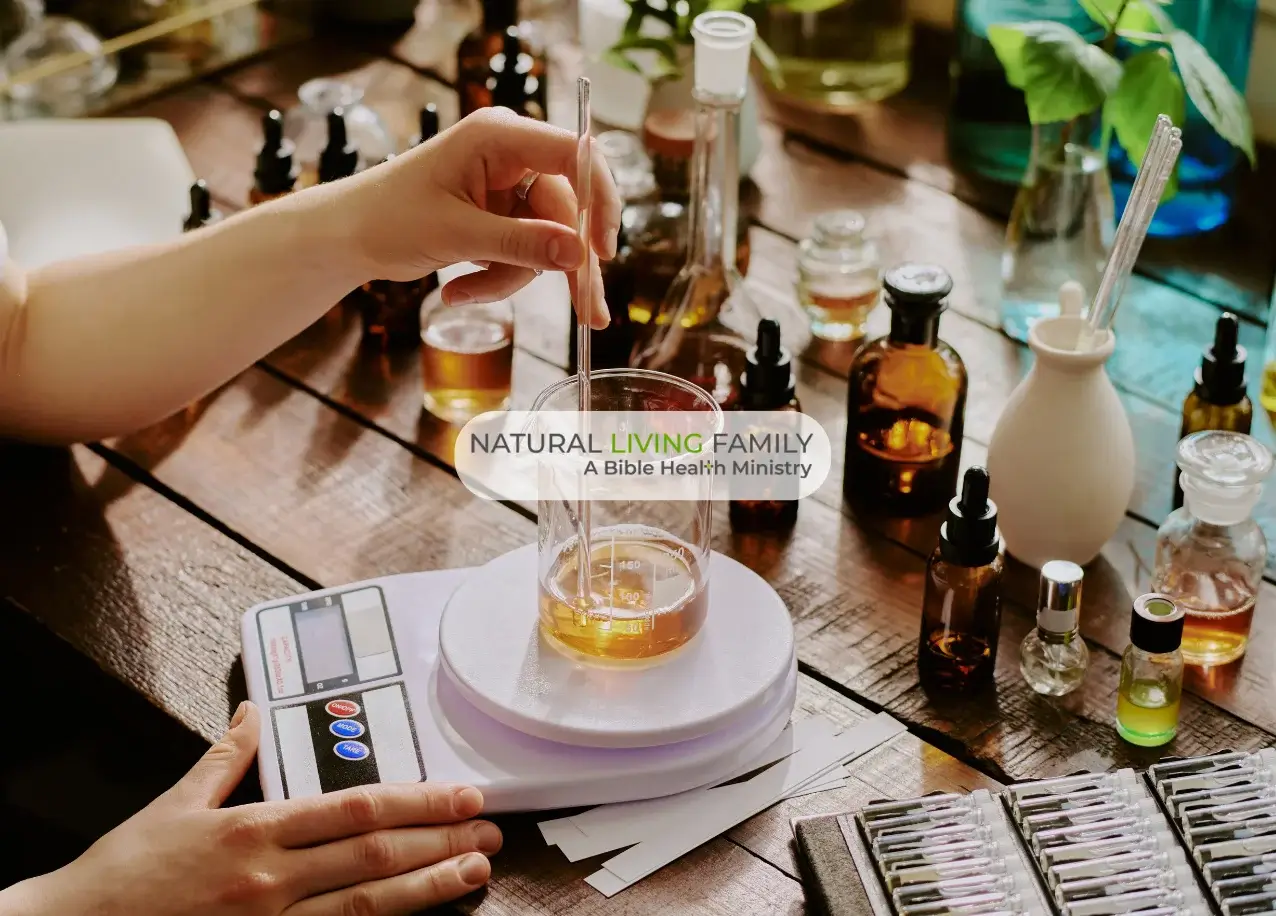
- Add 1-2 drops of Immune Boost Blend Essential Oils to the coconut oil and mix well, then add this mixture to the rest of the ingredients, mixing well again.
- Enjoy once or twice daily at the onset of a cold, or when exposed for prevention.
- Wash down with pure, filtered water.
- Be sure to not use it for more than two weeks at a time.
Safety Tip: Never give this recipe to a baby younger than 12 months, because honey can cause infant botulism. If you take a blood thinner, talk with your doctor before using it, because clove bud oil has antiplatelet effects. Stick to 1 to 2 drops per serving and no more than two weeks at a time, and stop if you notice any reaction.
Our Black Mold Story
Necessity is the mother of invention, right? Well, I can relate, because I developed this immune-boosting “shot” a while back to beat pneumonia when antibiotics didn’t work. Here’s my story.
Several years ago, we discovered that our home was infested with black mold. Unbeknownst to us, we were affected for a few years as low-grade autoimmune and allergy symptoms started to show up in the entire house, especially in me and my wife.
All of this was undetectable by our doctors. After a particularly stressful season of our lives, my immune system was significantly compromised, and I developed serious upper respiratory issues.
That fits what the CDC now says about damp, moldy homes: indoor mold is linked to upper respiratory symptoms, cough, and wheeze, and people with weakened immune systems or chronic lung disease can even get lung infections from mold. (2)
First, some light coughing presented itself, then it advanced and became deep and chronic (non-stop). Shortly afterward, I developed a high fever, and nothing I tried naturally seemed to help.
After attempting several holistic remedies, I felt I had no other option than to go to our family doctor and see if antibiotics would work. Looking back, I regret this decision.
This was the first time I took antibiotics in nearly a decade. Even though I felt a bit better initially, I quickly relapsed and ended up worse off than I was at first!
I was sick for nearly two months, and the second bout of pneumonia really kicked my butt. I was desperate and cried out to God for an answer, and the vitamin C, honey, and essential oil concoction I felt inspired to develop helped me fully recover.
Cleaning up the black mold and the air quality in our home was also paramount to preventing a relapse. No remedy can make up for living in a moldy house.
Yes, I “regret” taking antibiotics, but I’m also glad I did, because their failure brought me to the place where I was really serious about finding a solution to my serious health problem. Like so many times in my life, from my pain was birthed a purpose, and I have been blessed with natural solutions that have been destined to help the world. Praise God!
Pneumonia can become life-threatening. A high fever that won’t break, chest pain, shortness of breath, confusion, or blue lips means it is time to see your doctor right away.
How We Use Our Healthy Immune Boost
Who will complain about taking a dose of delicious raw honey in the morning? Plus, I love some pumpkin pie spice. It gives my immune boost recipe a nice flavor and an added immune boost!
When it comes to dosage and practical advice, keep in mind that you never want to do anything every single day. Think in terms of the seasons created by God, and how all our produce is not naturally available year-round.
When I came down with a horrible case of pneumonia that nothing natural could knock out, this is what I did:
- I took my Healthy Immune Boost shot 1 to 2 times a day until I felt better.
- I applied the Immune Boost Blend as a body oil over my abdomen, chest, and back of the neck, diluted with a carrier oil.
- I made sure I diffused sleepy-time oils (lavender, chamomile, and so on) to get a good night’s sleep.
- I oil pulled every day with the Immune Boost Blend, and spit the oil out when I was done.
- I loaded up on multi-strain probiotics.
- I didn’t eat meat, limited grains, and stayed away from all inflammatory foods (sweets, fried foods, dairy) for a few weeks to give my digestive system a break.
- I drank lots of water and freshly squeezed, nutrient-dense juice.
- And I prayed and recited healing affirmations!
Safety Tip: For a body oil, use 16 drops of the Immune Boost Blend in 2 ounces of carrier oil, and see our guide on how to dilute essential oils for other strengths. Keep it off your face, and patch test first because cinnamon bark and clove are hot oils.
Safety Tip: Cold-pressed lemon oil is known to be phototoxic, so if you apply this body oil to your skin, choose steam-distilled lemon or avoid direct sunlight for at least 12 hours if your skin is prone to a photosensitive reaction.
What to Know About Vitamin C Supplements
The key to my Healthy Immune Boost is liposomal vitamin C. Vitamin C is one of the most powerful nutrients on the planet, a potent antioxidant that your body cannot make on its own.
It supports both the innate and adaptive immune system. A 2023 review of vitamin C and human immunity explains that white blood cells such as neutrophils hold up to 100 times more vitamin C than the blood around them, and they use it to find, swallow, and kill microbes. In the authors’ words, being deficient “inherently would increase one’s risk of infection.” (3)
The catch is absorption. In a landmark 1996 NIH study, seven healthy volunteers lived in the hospital for four to six months while researchers measured exactly how much vitamin C they absorbed. Their bodies absorbed all of a single 200 mg dose, but at single doses of 500 mg and higher absorption dropped and the extra was simply excreted. (4)
Does Vitamin C Prevent Colds?
A 2025 review of the controlled trials sums up what vitamin C can do. In 15 trials of 6,244 people, taking 1 gram or more a day cut the severity of colds by 15 percent, and in five trials of people under heavy physical stress, vitamin C cut the number of colds in half. (5)
In the general population, regular vitamin C did not prevent colds from starting. Two trials found that 6 to 8 grams a day shortened colds twice as well as 3 to 4 grams, and the authors concluded it is reasonable for people to test whether that dose helps them. (5)
Choosing a Vitamin C Supplement
Choose a reputable company that clearly states the form and amount of vitamin C. We avoid products with synthetic colors, artificial flavoring, and fillers that don’t belong there.
More is not always better with ordinary vitamin C. High oral doses can cause diarrhea, nausea, and stomach cramps, and the NIH sets the adult upper limit at 2,000 mg a day from all sources. (6)
Liposomal Vitamin C
Liposomal vitamin C is wrapped in tiny spheres of healthy fat called liposomes. They are designed to protect the vitamin C from stomach acid and other barriers in the gut, so more of the vitamin C you pay good money for reaches your bloodstream instead of being excreted and wasted.
The research backs this up. A 2025 review from the University of Otago found ten studies comparing liposomal with ordinary vitamin C, and nine of them showed higher absorption with the liposomal form: 1.2 to 5.4 times higher peak blood levels and 1.3 to 7.2 times more total vitamin C in the blood. (7)
In a 2024 double-blind, placebo-controlled trial, 27 adults took a single 500 mg dose of ordinary or liposomal vitamin C. The liposomal form produced 27 percent higher peak levels in the blood and 20 percent higher levels in white blood cells, the very cells that fight infection. (8)
Food is still the foundation. Bell peppers, citrus fruit, berries, kiwi, broccoli, and leafy greens should be on your plate every day.
Bee Products & Raw Honey
“My son, eat honey, for it is good, and the drippings of the honeycomb are sweet to your taste.” (Proverbs 24:13)
As you know, we’re big fans of Bible-endorsed foods, and honey is one of them!
Honey earns its place in this recipe. In a 2021 University of Oxford meta-analysis of 14 studies, honey beat usual care for cough frequency, cough severity, and overall symptoms of upper respiratory infections. In the researchers’ words, honey “provides a widely available and cheap alternative to antibiotics.” (9)
Children benefit too. A 2023 review of ten trials found that honey reduced cough and improved sleep in children with acute cough more than placebo or cough medicine, although the authors rated the trials as low quality and asked for better ones. (10)
Honey fights microbes in several ways at once: it produces hydrogen peroxide, it is rich in phenolic compounds, its high sugar content dries out microbes, and it carries an antimicrobial peptide called bee defensin-1. (11)
Never give honey to a baby younger than 12 months. The CDC warns that honey given to children younger than 12 months may cause botulism, a severe food poisoning. (12)
But honey is not the only thing bees make.
- Bee Propolis: The resin bees use to protect the hive, with natural antimicrobial properties and plenty of antioxidants.
- Bee Pollen: Packed with protein, healthy fats, vitamins, and minerals. If you are allergic to pollen or bee products, skip it.
- Royal Jelly: The food of the queen bee. A 2024 review describes it as rich in proteins, vitamins, and its own fatty acid, 10-HDA, plus natural antibacterial peptides such as royalisin and defensin-1, with immune-balancing and anti-inflammatory effects found so far mostly in lab and animal studies. (13)
- Raw Wildflower Honey: Balanced, easily digested energy whose flavor and plant compounds change with the flowers the bees visit.
Essential Oils for Immunity FAQs
What are the best essential oils for immunity?
Cinnamon bark, clove, eucalyptus, rosemary, orange, and lemon are the six oils in our Immune Boost Blend. Cinnamon is among the oils researchers have found to have potent antiviral effects against influenza A in laboratory studies, and oils like these are well documented to fight bacteria and fungi. (1)
Can essential oils kill viruses?
In the lab, yes. Essential oils are lipophilic, so they can slip into a virus’s outer membrane and break it apart, and many have been shown to stop viruses from attaching to cells or replicating in cell cultures. Those are laboratory findings, so stick to the recipe amounts rather than taking more. (1)
Does vitamin C prevent colds?
Not for most people, but it makes colds milder. Taking 1 gram or more every day cut cold severity by 15 percent across 15 trials, and it halved the number of colds in people under heavy physical stress. (5)
Can children take this Healthy Immune Boost?
It is kid-approved in our family, but never give it to a baby younger than 12 months because of the honey. For children under three, use extra care with eucalyptus and rosemary, because aromatherapy safety experts caution against oils high in 1,8-cineole around little ones.
Can I ingest essential oils?
Yes, when it is done the right way: always diluted in an edible carrier such as coconut oil, a drop or two at a time, and never neat or floated in water. Learn more about how to ingest essential oils here.
Keep reading: 12 Healing Oils of the Bible: Uses & Anointing Oil Recipe · Homemade Cough Drops With Essential Oils for Sore Throat Relief · 12 Best Essential Oils for Respiratory Support
References
- Wani AR, Yadav K, Khursheed A, Rather MA. An updated and comprehensive review of the antiviral potential of essential oils and their chemical constituents with special focus on their mechanism of action against various influenza and coronaviruses. Microbial Pathogenesis. 2021. Source.
- Centers for Disease Control and Prevention. About mold and your health. CDC. Accessed 2026. Source.
- Moore A, Khanna D. The role of vitamin C in human immunity and its treatment potential against COVID-19: a review article. Cureus. 2023. Source.
- Levine M, Conry-Cantilena C, Wang Y, et al. Vitamin C pharmacokinetics in healthy volunteers: evidence for a recommended dietary allowance. Proceedings of the National Academy of Sciences. 1996. Source.
- Hemilä H, Chalker E. Vitamin C for the common cold and pneumonia. Polish Archives of Internal Medicine. 2025. Source.
- National Institutes of Health Office of Dietary Supplements. Vitamin C: fact sheet for health professionals. NIH. Accessed September 21, 2026. Source.
- Carr AC. Do liposomal vitamin C formulations have improved bioavailability? A scoping review identifying future research directions. Basic & Clinical Pharmacology & Toxicology. 2025. Source.
- Purpura M, Jäger R, Godavarthi A, Bhaskarachar D, Tinsley GM. Liposomal delivery enhances absorption of vitamin C into plasma and leukocytes: a double-blind, placebo-controlled, randomized trial. European Journal of Nutrition. 2024. Source.
- Abuelgasim H, Albury C, Lee J. Effectiveness of honey for symptomatic relief in upper respiratory tract infections: a systematic review and meta-analysis. BMJ Evidence-Based Medicine. 2021. Source.
- Kuitunen I, Renko M. Honey for acute cough in children: a systematic review. European Journal of Pediatrics. 2023. Source.
- Ogwu MC, Izah SC. Honey as a natural antimicrobial. Antibiotics. 2025. Source.
- Centers for Disease Control and Prevention. Foods and drinks to avoid or limit. CDC. 2026. Source.
- Oršolić N, Jazvinšćak Jembrek M. Royal jelly: biological action and health benefits. International Journal of Molecular Sciences. 2024. Source.