

QUICK SUMMARY
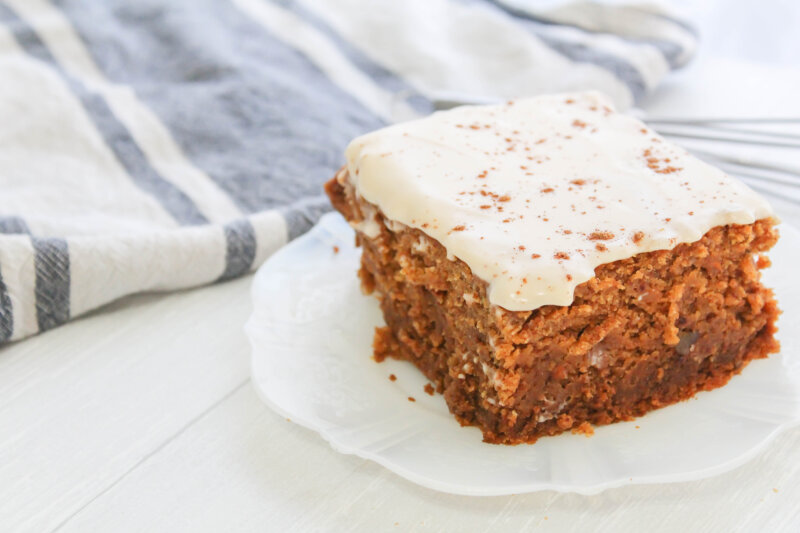
This gluten-free carrot cake holds a special place in our hearts because we served it at our wedding. It is moist, naturally sweetened with honey, full of grated carrots and warming spices, and finished with an easy dairy-free “cream cheese” frosting.
The secret ingredient is our homemade Immunity Blend of cinnamon bark, clove, eucalyptus, lemon, orange, and rosemary essential oils. In this recipe, the oils are used in a culinary amount throughout the complete cake, along with fats that help disperse the concentrated aromatic compounds. This is very different from casually swallowing essential oils neat or adding drops to water.
If you are gluten-free because of celiac disease, use ingredients specifically labeled gluten-free and avoid wheat, barley, and rye, including sprouted versions. Sprouting can change starch, phytate, and nutrient availability, but it does not automatically make a gluten-containing grain gluten-free.
Best of all, this cake does not taste like a compromise. Our wedding guests loved it, and most never guessed they were eating a gluten-free carrot cake made with natural sweeteners and essential oils.
This delicious gluten-free carrot cake holds a special place in our hearts because it was served at our wedding.
Yes, you can have your cake and eat it too!
This dessert contains a beautiful blend of spices, moist carrots, natural sweetener, and creamy dairy-free frosting. Our guests loved this cake and could never guess our secret ingredient.
Hint: our homemade Immunity Blend of essential oils.
If you have ever tried a gluten-free cake that was dry, crumbly, gritty, or obviously “healthy,” this is not that cake. The combination of gluten-free all-purpose flour, a little coconut flour, carrots, healthy fats, honey, eggs, and warm spice gives it the moist texture you expect from a good carrot cake.
And because this is a recipe we actually served on one of the most important days of our lives, it has earned permanent status in our family recipe box.
Table of Contents
What You Should Know About Grains
There's a lot of discussion about grains lately, and it seems like everyone has a differing opinion.
Grains were created by God, leading me to believe that He intended we consume them. But that does not mean every modern grain product is nutritionally identical to what people ate generations ago, and it does not mean every person tolerates every grain well.
Modern agriculture, food processing, refining, storage, crop breeding, pesticides, and the way grain-based foods dominate the standard American diet are all very different from Biblical times.
So our approach is not “all grains are bad.”
It is wisdom, balance, quality, and paying attention to how your body responds.
Modern Grains and Modern Agriculture
The original version of this article broadly described today's grains as genetically modified. That needs more precision.
Some major crops, including corn, soybeans, canola, sugar beets, and others, are commercially available in bioengineered forms. USDA maintains a specific Bioengineered Foods List for disclosure purposes. Wheat is not currently listed there as a commonly available bioengineered food in the United States. (1)
That does not erase our concerns about modern grain agriculture.
We still care about pesticide exposure, refining, additives, ultra-processed grain foods, crop quality, and how much gluten-containing food many people consume every day.
For this recipe, the answer is simple: we skip wheat flour altogether and use a gluten-free flour combination that gives the cake a classic texture.
What Sprouting Can and Cannot Do
Sprouting or soaking grains is an old food-preparation practice that can change their nutritional profile.
Research shows that sprouting activates enzymes such as phytase and can reduce phytate, which may improve mineral bioaccessibility. The effects vary according to the grain, cultivar, and sprouting conditions. (2)
Sprouting also changes starch and protein characteristics, but I would not call every sprouted grain a “low-carb” food or say sprouting simply eliminates the starch.
Most importantly, sprouted wheat still contains gluten.
If you have celiac disease, sprouting does not make wheat, rye, or barley safe. FDA's gluten-free standard is based on the finished food containing less than 20 parts per million of gluten. (3)
For people who tolerate grains, we still love high-quality sprouted and ancient-grain options when they fit the recipe.

Celiac Disease, Wheat Allergy, and Gluten Sensitivity Are Different
It helps to know what you are actually dealing with.
Celiac disease is an autoimmune disorder triggered by gluten. It is not the same as a food allergy.
Wheat allergy is an allergic immune response to wheat proteins and can become serious or even life-threatening in some people.
Non-celiac gluten sensitivity describes symptoms associated with gluten-containing foods in people who do not have celiac disease or wheat allergy.
If you need strict gluten avoidance, choose certified or clearly labeled gluten-free ingredients and watch for cross-contact in shared kitchens.
If you simply feel better eating fewer conventional wheat products, this carrot cake gives you an easy alternative without sacrificing dessert.
A Healthy Diet Consists of Balance
There is such a thing as gluten overload, and it just so happens to be common in the standard American diet.
Bread for breakfast. Crackers for a snack. A sandwich at lunch. Pasta at dinner. Cookies afterward.
That is a lot of one type of food.
If regular rice upsets your stomach, try organic brown or basmati rice.
If white flour is the issue, use a gluten-free flour blend, almond flour, or another recipe-appropriate alternative. Ancient grains and pseudograins such as organic quinoa can add variety, and organic gluten-free sprouted quick oats are another pantry staple we love.
Get creative!
We've found success with many recipes that use healthy alternative flours, and this gluten-free carrot cake is one of the best examples.
Healthy Gluten-Free Carrot Cake Ingredients
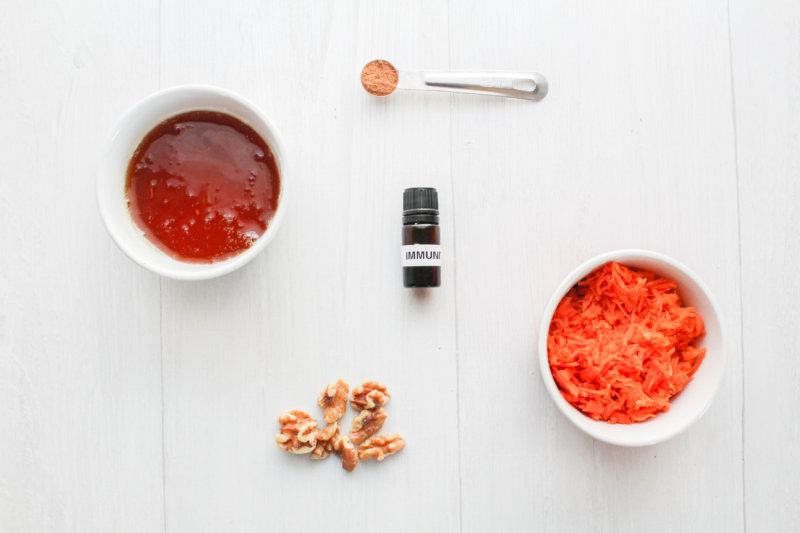
This delicious gluten-free carrot cake uses simple ingredients to create a gourmet-tasting dessert.
You probably already have most of them in your pantry.
Cooking Spray
Many conventional cooking sprays are made with commodity vegetable oils and may contain propellants or other ingredients you do not need.
Canola is one of the crops commercially available in bioengineered forms, although that does not mean every bottle of canola oil is genetically engineered. (1)
We recommend unrefined non-propellant coconut oil, avocado oil, or olive oil cooking spray.
It keeps the ingredient list simple and makes greasing pans a breeze.
Grass-Fed Organic Sea-Salted Butter and Coconut Oil
Every cake needs healthy fats to add decadence and keep the cake moist.
If you can, purchase grass-fed organic butter. USDA organic dairy standards prohibit the use of hormones and antibiotics in organic livestock production and require organic feed and pasture access for ruminants. (4)
I usually prefer salted butter over unsalted butter for my baking purposes too.
We use a mixture of fats, but if you prefer to keep the cake fully dairy-free, you can use coconut oil.
Coconut oil contains several medium-chain fatty acids, although its fatty-acid profile is not identical to purified MCT oil. These fats are one reason coconut oil behaves differently from many other culinary oils. (5)
For this cake, the most important thing is what the fat does in the recipe: it creates moisture, richness, and a vehicle that helps disperse the essential oils throughout the batter.
Organic Raw Local Honey
I love using honey because it adds a full-bodied sweetness that works beautifully with carrots and warm spices.
Honey contains phenolic and flavonoid compounds, and a systematic review of controlled trials found that honey may favorably affect some cardiometabolic markers depending on the floral source, dose, and comparison food. (6)
That does not turn cake into a supplement.
Honey is still a concentrated natural sweetener.
We simply prefer using a God-given sweetener instead of building our desserts around refined white sugar, brown sugar, or powdered sugar whenever a recipe allows.
When purchasing honey, I prefer raw honey that has undergone minimal processing.
Gluten-Free All-Purpose Flour
If you've been missing bakery-style cakes, you're in for a treat.
A high-quality gluten-free all-purpose flour helps this recipe have the traditional cake-like texture you expect.
Gluten-free flour blends are not interchangeable in every recipe, so use the type called for rather than improvising halfway through your first batch.
Organic Coconut Flour
Coconut flour adds more bulk to our batter.
It is very absorbent, which is why you cannot generally substitute it cup-for-cup for wheat flour or another gluten-free flour.
In this recipe, we only use the amount specified in the recipe card so the cake stays moist rather than dense.
Organic Carrots
No carrot cake recipe is complete without the main ingredient.
Carrots combined with spices and essential oils are heavenly!
The beautiful orange color comes largely from beta-carotene, a provitamin A carotenoid that the body can convert to vitamin A. Vitamin A is important for normal vision, epithelial tissues, and immune function. (7)
There is another reason the ingredient combination in this cake makes nutritional sense.
Carotenoids are fat-soluble, and human research has shown that preparing carrots with fat can substantially increase beta-carotene bioavailability. (8)
The fresh carrots also bring moisture, sweetness, and that classic carrot-cake texture.
Immunity Blend
This is a great blend to have on hand when a few “yucks” are going around!
This recipe makes a 5ml bottle that you can use on your body with carrier oil or in your culinary creations. If you like the taste of the warm spices in our Immunity Blend in your cake, be sure to try Immune-Boosting Matcha Latte!
To make this blend: Place 10 drops each of cinnamon bark, clove, eucalyptus, lemon, orange, and rosemary essential oils in a 5-ml bottle. Gently shake to combine.
Culinary Essential Oil Safety
Adding essential oils to culinary creations can be done responsibly when you use oils appropriate for food flavoring, respect the recipe amount, and disperse them throughout the complete recipe.
Essential oils are concentrated.
A drop used as flavoring in a full cake is not the same exposure as swallowing concentrated oil by the teaspoon.
This recipe also contains fats, which help disperse the essential oils throughout the batter rather than leaving concentrated droplets in one bite.
Eucalyptus deserves a specific note because concentrated eucalyptus oil can be toxic when swallowed in large medicinal amounts. At the same time, U.S. food regulations recognize Eucalyptus globulus leaves as a natural flavoring source, FDA lists eucalyptol as a flavoring agent, and FEMA recognizes eucalyptus oil for food-flavor use under good manufacturing practices. (9, 10)
That distinction is important.
Use the amount specified in this complete 18-serving cake recipe. Do not treat culinary use as permission to swallow undiluted essential oils or take large internal doses.
Carrier oils also matter beyond cooking. They dilute and disperse essential oils, reduce evaporation, improve topical safety, help penetration, and can amplify therapeutic effects by keeping aromatic constituents in contact with the skin.
Can I ingest essential oils?
Do not casually ingest essential oils in water or neat (undiluted). Internal use of essential oils requires proper dilution, product quality, dosing knowledge, and safety guidance. Learn more about how to ingest essential oils here.
Make Gluten Free Carrot Cake
This recipe requires just 10 minutes of prep work, and it's easy-peasy! One sheet cake generously serves 18 people. Trust me, you won't have any leftovers!
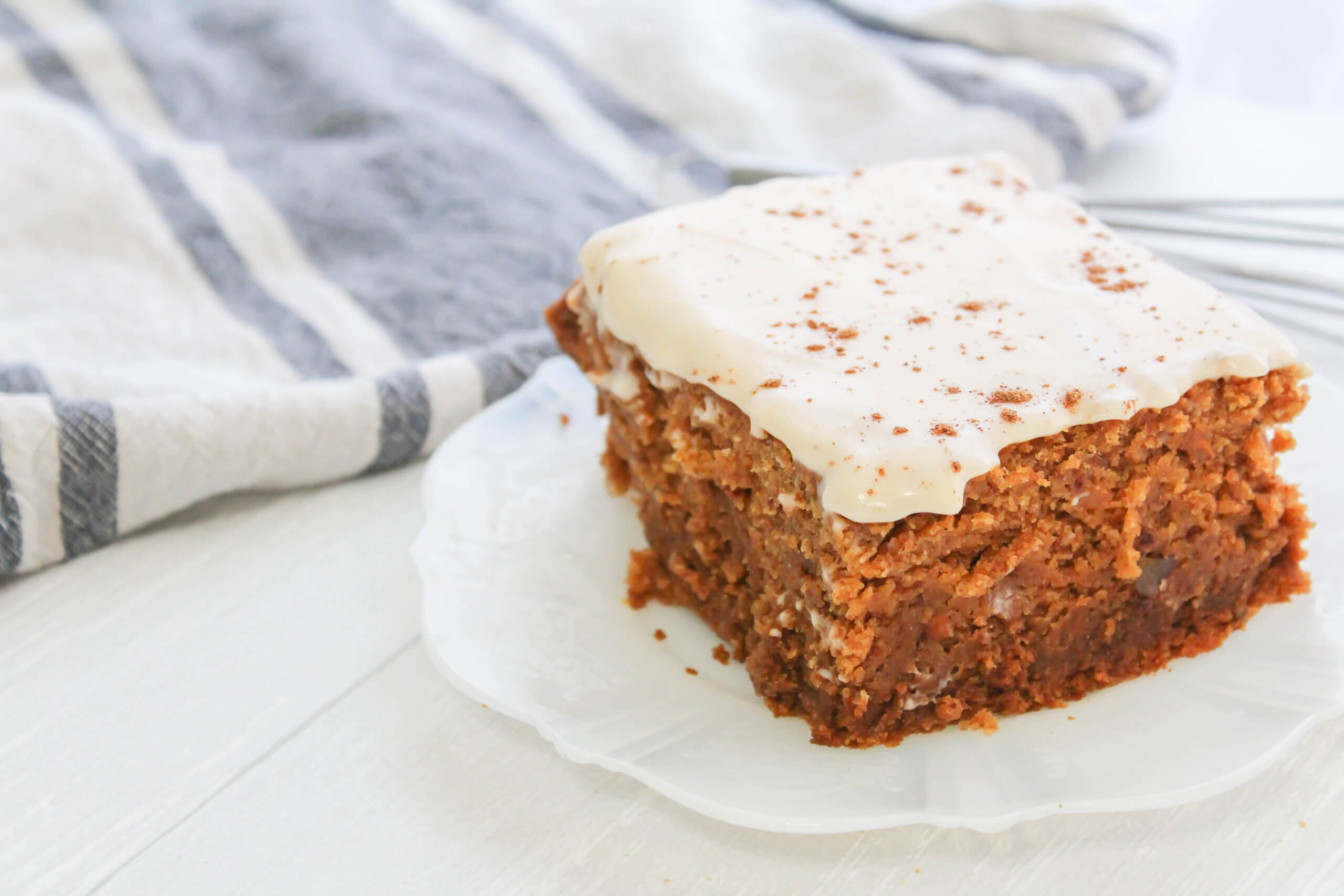
Gluten-Free Carrot Cake
Servings
Ingredients
- Unrefined non propellant coconut oil, avocado oil OR olive oil cooking spray, for greasing the pan
- 1 cup (2 sticks) grass-fed organic sea-salted butter, softened, OR 1 cup coconut oil, extra-virgin AND unrefined AND ½ teaspoon pink Himalayan salt OR sea salt, ground OR a combination of both
- 1½ cups raw organic local honey
- 4 large pasture-raised organic eggs OR 2 tablespoons egg replacer PLUS ½ cup purified OR distilled water
- 3 cups gluten-free all-purpose flour OR 2¼ cups gluten-free all-purpose flour AND ¾ cup organic coconut flour
- 2 teaspoons baking soda
- 2 teaspoons organic ground Ceylon cinnamon
- 3 cups organic carrots, shredded OR grated
- 1 cup chopped organic raw pecans, organic raw walnuts, OR a combination (optional)
Supplies
- Mixing bowls OR blender
Instructions
- Preheat the oven to 300°F. Spray a 9 x 13 x 2-inch pan with cooking spray.
- In a large mixing bowl, thoroughly blend the butter, honey, and eggs.
- In another bowl, combine both flours, the baking soda, and cinnamon. Sift 1½ cups of the flour mixture over the egg mixture.
- Stir, then add the remaining sifted flour mixture and stir until well blended. Fold in the carrots, and nuts (if using.)
- Spread the batter in the prepared pan and bake for about 45 minutes, or until a toothpick inserted near the center comes out clean.
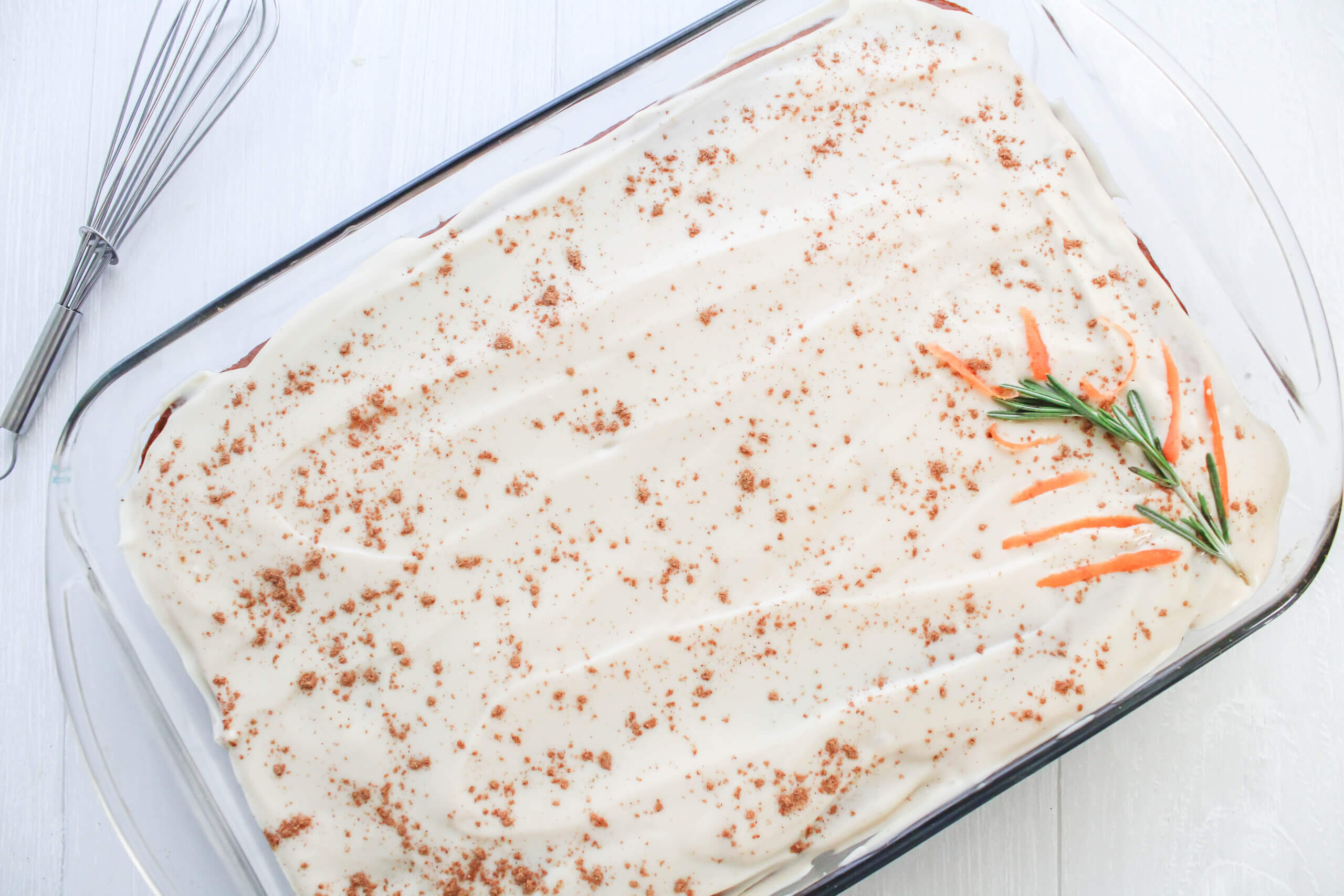
- Remove the cake from the oven and cool on a wire rack before frosting. Top with cinnamon.
Step One: Prepare the Cake Pan
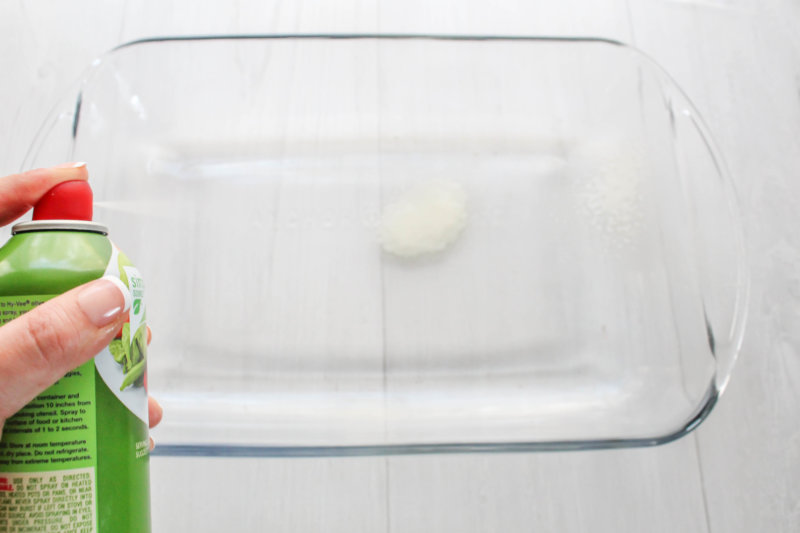
Preheat the oven to 350℉. Mist a 9 x 13 x 2-inch pan with cooking spray.
Step Two: Combine the Wet Ingredients
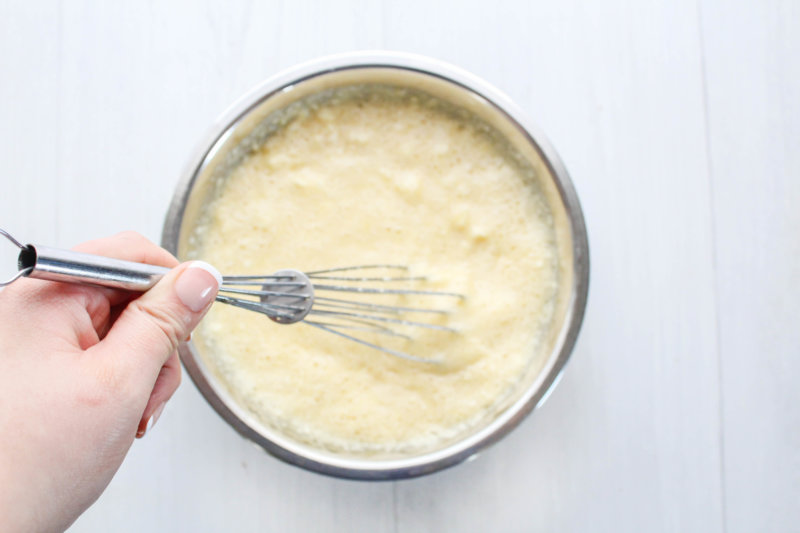
In a large mixing bowl, thoroughly combine the butter, coconut oil, honey, and eggs.
Step Three: Mix the Dry Ingredients
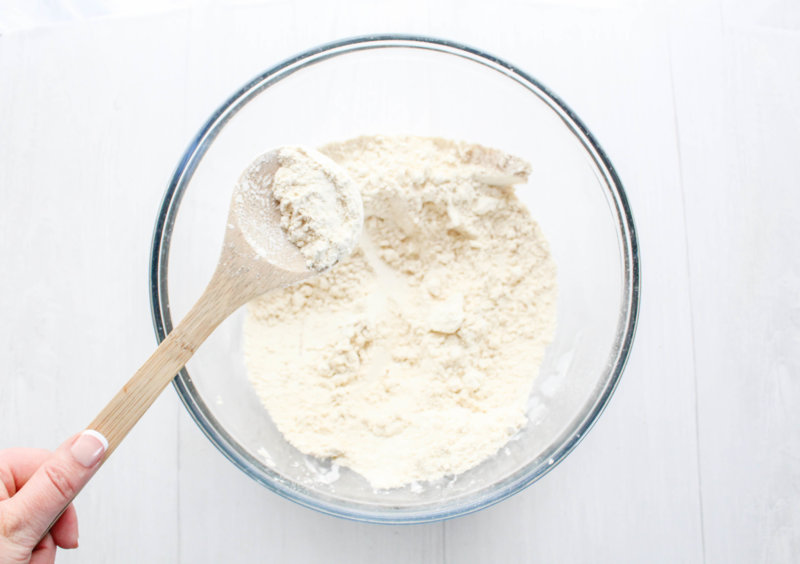
In a separate medium bowl, combine both flours, baking soda, and ground cinnamon.
Step Four: Add Essential Oils
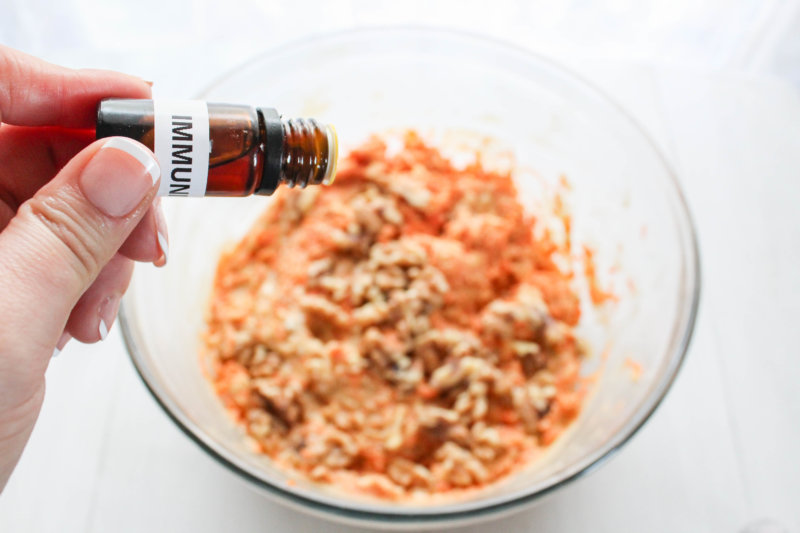
Sift 1½ cups of the flour mixture over the egg mixture. Stir, then add the remaining sifted flour mixture and stir until well blended. Fold in the grated carrots, nuts (if using), and Immunity Blend.
Step Five: Bake the Carrot Cake
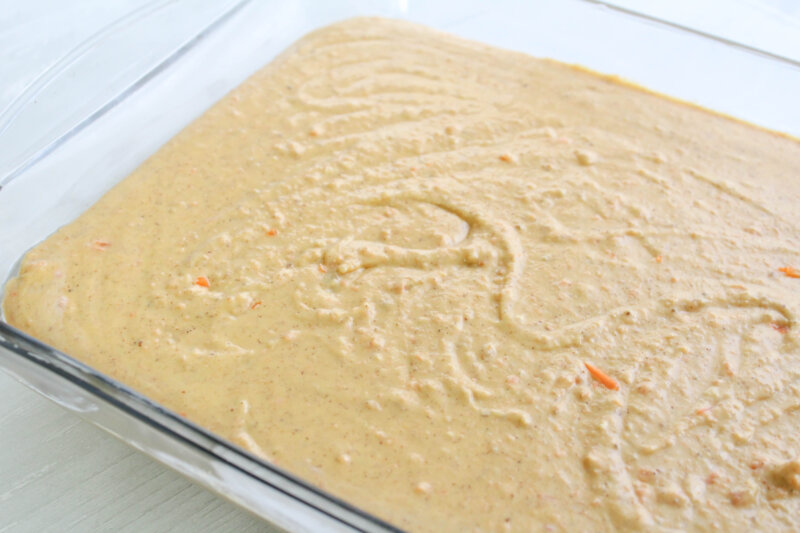
Spread the batter in the prepared cake pan and bake for 45 minutes or until a toothpick inserted in the center comes out clean. Remove the cake from the oven and cool on a wire rack before frosting.
It's important to let the cake cool completely before frosting it. If it's still warm, the icing will contain unsightly crumbs.
Easy Dairy-Free “Cream Cheese” Frosting
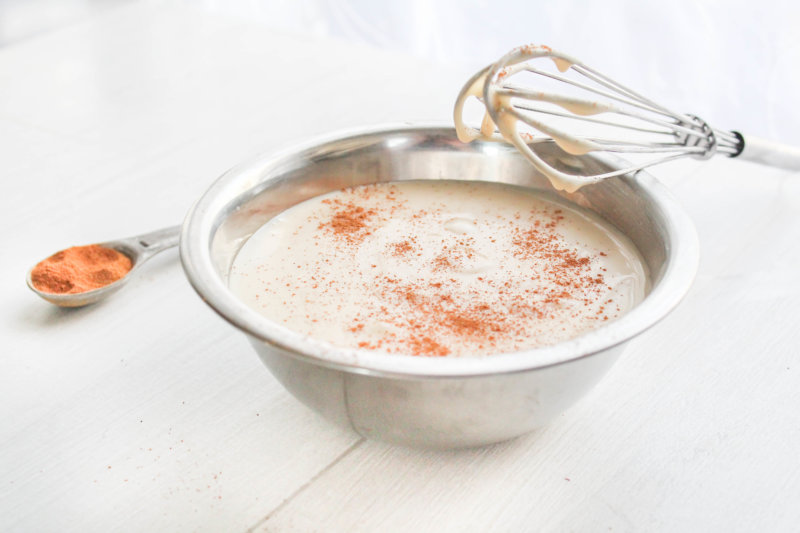
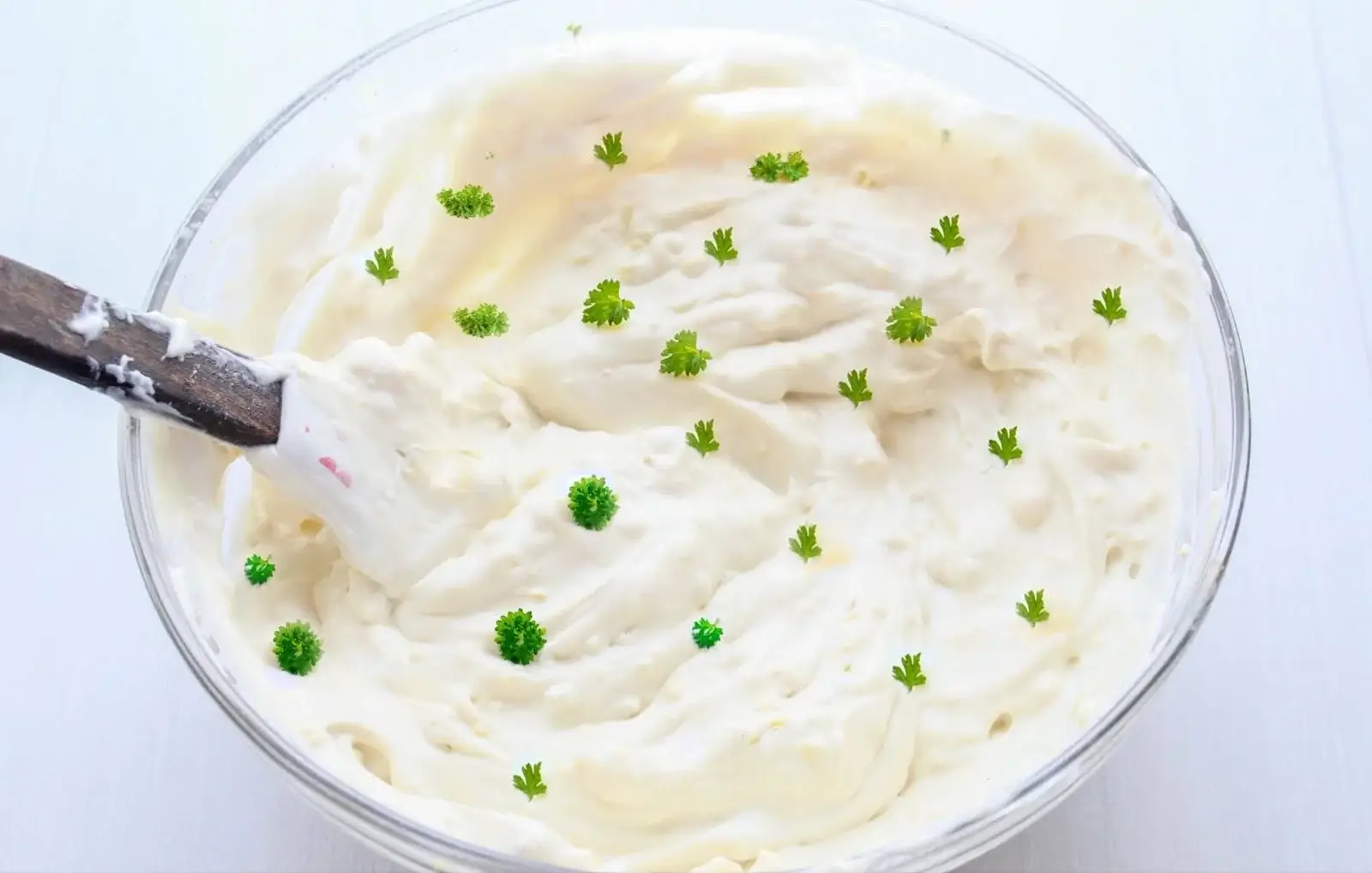
This easy frosting recipe comes together in just 5 minutes.
Natural sweetener, vanilla extract, and spices are quick to whip up.
The dairy-free cream cheese frosting alternative will become a staple in your kitchen! Use it to top gluten-free cinnamon rolls, cakes, and even sugar cookies.
Dairy-Free “Cream Cheese” Frosting
Servings
Ingredients
- 1 8-ounce container dairy-free almond-milk cream cheese or plain cream cheese-style spread (vegan), room temperature*
- ⅓ cup raw organic local honey
- 1 tablespoon organic pure vanilla extract
- Organic ground Ceylon cinnamon
- Organic pumpkin pie spice powder**
Supplies
- Blender OR food processor
Instructions
- In a blender or food processor, combine the dairy-free cream cheese, honey, and vanilla. Blend until smooth and fluffy. Top with cinnamon and/or pumpkin pie spice. Store in the refrigerator for up to a week.
Step One: Blend the Frosting
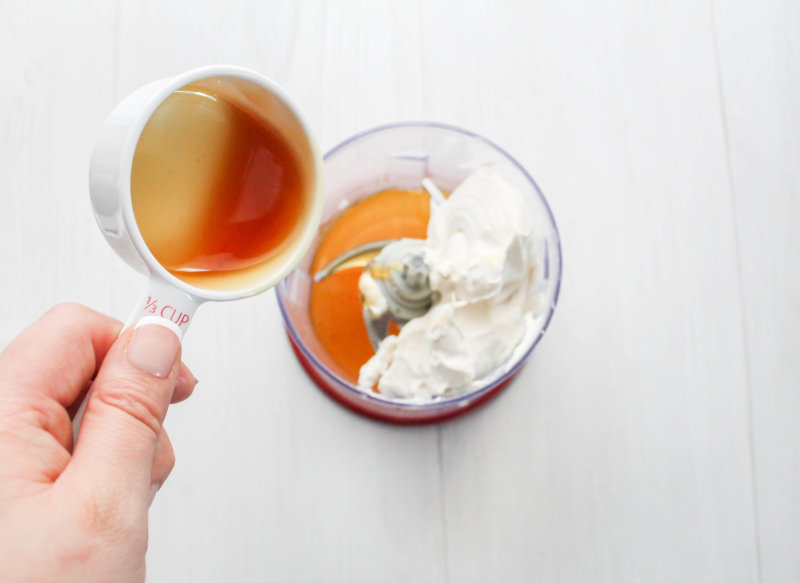
In a blender or food processor, combine the dairy-free cream cheese, honey, and vanilla extract. You may have to scrape down the sides a few times to combine it. Blend until smooth and fluffy. Top with cinnamon or pumpkin pie spice.
You can store this icing in the refrigerator for up to a week until you're ready to spread the carrot cake with frosting or use it for another purpose. Enjoy!
Gluten-Free Carrot Cake FAQs
Is carrot cake naturally gluten-free?
No. Traditional carrot cake is usually made with wheat flour. This recipe uses gluten-free all-purpose flour plus coconut flour to create a moist, bakery-style texture without wheat.
Does sprouted wheat become gluten-free?
No. Sprouting can change the nutritional characteristics of wheat, including phytate and starch behavior, but sprouted wheat still contains gluten. People with celiac disease should use foods that meet gluten-free labeling standards rather than assuming sprouting makes wheat safe.
Can I make this carrot cake dairy-free?
Yes. The article already gives the option of using coconut oil in place of butter, and the frosting is specifically designed as a dairy-free “cream cheese” frosting. Follow the recipe card exactly for the ingredient quantities and substitutions provided there.
Why does this carrot cake use honey instead of white sugar?
Honey gives the cake a rich flavor and is our preferred natural sweetener. It also contains naturally occurring phenolic compounds. It is still a concentrated source of sugar, so we use it as a culinary sweetener rather than pretending dessert is medicine.
Why add essential oils to carrot cake?
The Immunity Blend adds concentrated notes of cinnamon, clove, citrus, eucalyptus, and rosemary that complement the traditional spices in carrot cake. Essential oils are highly concentrated, so follow the recipe amount exactly and disperse them throughout the full cake rather than improvising additional drops.
Is eucalyptus essential oil safe in food?
Food-flavor use and medicinal ingestion are different exposures. U.S. regulations recognize eucalyptus-derived flavoring substances, including eucalyptol, for food use under appropriate conditions, while swallowing large amounts of concentrated eucalyptus oil can be toxic. In this recipe, use only the culinary amount specified and distributed throughout the complete 18-serving cake.
Can I make this gluten-free carrot cake ahead of time?
Yes. Let the baked cake cool completely before covering or frosting it. The dairy-free frosting can be refrigerated for up to one week as stated in the recipe instructions. If you assemble the cake in advance, keep it refrigerated when required by the dairy-free cream cheese product you use.
What makes this a good gluten-free wedding cake?
It is moist, easy to slice, naturally sweetened, and familiar enough that guests do not feel like they are eating a “special diet” dessert. We know because this is the carrot cake we served at our own wedding.
This cake is proof that a gluten-free recipe can still be celebratory.
It can be beautiful.
It can be delicious.
And it can become part of your family's story too.


References
- U.S. Department of Agriculture, Agricultural Marketing Service. “List of Bioengineered Foods.” Source.
- Elliott H, Woods P, Green BD, Nugent AP. “Can Sprouting Reduce Phytate and Improve the Nutritional Composition and Nutrient Bioaccessibility in Cereals and Legumes?” Nutrition Bulletin. 2022. PubMed.
- U.S. Food and Drug Administration. “Gluten and Food Labeling.” Source.
- U.S. Department of Agriculture, Agricultural Marketing Service. “Organic Livestock and Dairy.” Source.
- Jadhav HB, Annapure US. “Triglycerides of Medium-Chain Fatty Acids: A Concise Review.” Journal of Food Science and Technology. 2023. PubMed.
- Ahmed A, et al. “Effect of Honey on Cardiometabolic Risk Factors: A Systematic Review and Meta-Analysis.” Nutrition Reviews. 2023. PubMed.
- Johra FT, et al. “A Mechanistic Review of Beta-Carotene, Lutein, and Zeaxanthin in Eye Health and Disease.” Antioxidants. 2020. PubMed.
- Ghavami A, Coward WA, Bluck LJC. “The Effect of Food Preparation on the Bioavailability of Carotenoids From Carrots Using Intrinsic Labelling.” British Journal of Nutrition. 2012;107(9):1350-1366. PubMed.
- Electronic Code of Federal Regulations. 21 CFR 172.510. “Natural Flavoring Substances and Natural Substances Used in Conjunction With Flavors.” Source.
- U.S. Food and Drug Administration. “Eucalyptol.” Substances Added to Food Inventory. Source; Flavor and Extract Manufacturers Association. “Eucalyptus Oil (Eucalyptus globulus).” Source.