QUICK SUMMARY
Essential oils for heart health work best as part of a whole-life cardiovascular wellness plan that includes anti-inflammatory nutrition, regular movement, stress relief, restorative sleep, prayer, and wise medical care when needed. Human research is strongest for inhalation aromatherapy as a complementary way to reduce anxiety and stress, with promising blood-pressure and heart-rate effects in some cardiovascular populations. A 2021 meta-analysis of 12 studies found reductions in anxiety, systolic blood pressure, heart rate, and breathing rate, although the certainty of the blood-pressure evidence was low. (17)
Some of our favorite oils for heart health include lavender, ylang ylang, bergamot, neroli, geranium, clary sage, coriander seed, black pepper, pine, peppermint, and rosemary. Several of these have direct human cardiovascular or stress research, while others are best understood through preclinical mechanisms, traditional use, or their role in supporting movement, relaxation, circulation-focused routines, and metabolic health.
For everyday use, diffusion, personal inhalers, aromatherapy necklaces, and properly diluted topical blends are usually the simplest routes. Internal use is a separate advanced route that requires an appropriate oil or blend, dose, edible carrier or formulation, timing, frequency, duration, stopping rule, interaction review, and individual health cautions. If you have cardiovascular disease, high or low blood pressure, arrhythmia, take blood thinners or heart medications, or are under a cardiologist’s care, use therapeutic protocols with professional guidance.
When most people think about heart health, they immediately think about cholesterol, blood pressure, exercise, or medication. Those things matter, but the heart responds to so much more: stress, sleep, blood sugar, inflammation, breathing, movement, emotional strain, and the rhythms we practice every day.
That is one reason essential oils can fit so naturally into a heart-healthy lifestyle. I do not see them as a magic fix or a replacement for wise medical care. I see them as practical tools God has given us to help calm the nervous system, support healthy daily habits, and make it easier to build moments of breathing, prayer, movement, and rest into our day.
Some oils have direct human research for blood pressure, heart rate, anxiety, or cardiovascular stress markers. Others are better understood through preclinical research, traditional use, or the way they support the bigger lifestyle factors that protect the heart. Below, I will show you which is which, the oils we use most often, and several of our favorite Healthy Heart recipes.
Table of Contents
- Why Heart Health Needs a Whole-Life Approach
- How Essential Oils Support Cardiovascular Wellness
- Best Essential Oils for Heart Health
- Healthy Heart Essential Oil Recipes
- Essential Oils for Metabolic Syndrome
- How to Use Essential Oils for Heart Health Safely
- Essential Oils for Heart Health FAQs
- Resources

Why Heart Health Needs a Whole-Life Approach
When we talk about essential oils for heart health, we have to begin with the big picture. Cardiovascular disease is not just one condition. It is an umbrella term that includes issues such as coronary artery disease, heart failure, hypertension, stroke, peripheral vascular disease, and other disorders that affect the heart and blood vessels. (1)
This is important because your heart is not operating in isolation. It responds to your food choices, stress level, sleep patterns, blood sugar, toxic burden, inflammation, weight, exercise habits, spiritual life, and emotional health.
In other words, your heart listens to your whole life.
That is why we never want to treat essential oils like a natural version of “take this one thing and forget the rest.” God designed the body with incredible healing capacity, but stewardship matters. Oils can help. So can an anti-inflammatory diet, daily movement, deep breathing and meditation, prayer, quality sleep, and a less toxic home.
Here’s the thing: stress, inflammation, blood pressure, blood sugar, and cholesterol patterns are all connected. When one is out of balance, the others are usually affected. That is why heart health requires a lifestyle approach, not a single remedy.
Essential oils fit beautifully into that plan because they can help support the nervous system, calm stress responses, promote relaxation, encourage healthy circulation, and create routines that remind us to slow down and care for the body God gave us.
How Essential Oils Support Cardiovascular Wellness
Essential oils are concentrated plant volatile organic compounds. When you inhale them or use them properly diluted on the skin, their aromatic constituents interact with the body in measurable ways. Research on essential oils and cardiovascular function is still developing, but we now have enough human data to say more than simply “this is promising.”
A 2021 systematic review and meta-analysis of 12 studies in people with cardiovascular disease found that inhalation aromatherapy reduced anxiety, systolic blood pressure, heart rate, and breathing rate, while the effect on diastolic blood pressure was not significant. The authors rated the evidence high for heart rate, moderate for anxiety and breathing rate, and low for blood pressure. A 2024 meta-analysis of 12 randomized trials involving 476 patients with acute coronary syndrome also found reductions in anxiety and blood pressure, although heart rate and breathing rate were not significantly changed. (17, 26)
That is the evidence pattern I want you to keep in mind throughout this article: the human signal for stress and anxiety is fairly consistent, blood-pressure effects are promising but vary by population and protocol, and many of the deeper vascular, antioxidant, inflammatory, and lipid claims still come from preclinical research or non-essential-oil preparations.
Several mechanisms stand out.
- Stress reduction: Chronic stress can raise cortisol, increase blood pressure, strain the nervous system, and contribute to cardiovascular risk. Human inhalation studies support calming oils and blends containing lavender, ylang ylang, bergamot, neroli, geranium, and clary sage for stress, anxiety, or related cardiovascular measures in specific populations. (3, 4, 12, 24)
- Blood pressure support: Human studies of lavender, ylang ylang, clary sage, neroli, and multi-oil inhalation blends have reported reductions in one or more blood-pressure, heart-rate, stress, or cortisol outcomes. Results are not identical across studies, so I view aromatherapy as supportive rather than a replacement for monitoring or treatment. (4, 18, 20, 22, 24)
- Vasorelaxation: A review of essential oil constituents found that some oils and their active compounds may support the cardiovascular system by influencing vasorelaxation, which helps blood vessels relax and can affect blood pressure and heart rate. (2)
- Anti-inflammatory activity: Inflammation is a major driver of cardiovascular disease. Oils rich in compounds such as linalool, beta-caryophyllene, alpha-pinene, limonene, and other terpenes may help support inflammatory balance. For more on this connection, see our guide to essential oils for pain and inflammation.
- Antioxidant support: Oxidative stress damages blood vessels and contributes to cardiovascular dysfunction. Several essential oils and constituents have been studied for antioxidant activity.
- Healthy lipid and metabolic pathways: Citrus oils and constituents have interesting metabolic research, but preparation matters. Human cholesterol studies on bergamot primarily use oral bergamot fruit or polyphenol extracts rather than inhaled or topical bergamot essential oil. (10, 21)
- Healthy movement support: Oils such as peppermint and rosemary can help some people feel more energized and motivated to move, which matters because exercise benefits the heart in more ways than we can count.
Put simply, essential oils are most valuable for heart health when they help you consistently practice the habits that protect your cardiovascular system: calm your stress, move your body, breathe deeply, sleep well, and reduce inflammation.
Best Essential Oils for Heart Health
The following oils are some of our favorites for supporting heart health naturally. Some have direct cardiovascular research, some have stress and blood-pressure-supporting human studies, and others are best understood as supportive oils within a broader healthy-heart lifestyle.
1. Lavender Essential Oil
Lavender essential oil is one of the most important oils for heart health because stress and cardiovascular strain are so closely linked. Lavender is rich in linalool and linalyl acetate, compounds known for calming, relaxing, and nervous-system-supportive effects.
Human research gives us several reasons to keep lavender high on this list. In a study of 30 healthy men, 30 minutes of lavender inhalation lowered serum cortisol and significantly improved coronary flow velocity reserve, a measure of coronary circulation, although blood-pressure and heart-rate responses were not significantly changed. (19)
Newer evidence is also encouraging. In a 2025 randomized placebo-controlled pilot study of 58 adults with hypertension, a 15-minute lavender inhalation reduced anxiety and systolic blood pressure after one session. After seven daily sessions, the lavender group also showed improvements in anxiety, fatigue, systolic and diastolic blood pressure, and sleep quality compared with placebo. (18)
This is why lavender is a beautiful evening oil. When your nervous system is in a constant fight-or-flight state, your heart pays the price. Lavender helps create the opposite environment: calm breathing, restful sleep, and lower emotional tension.
Application: Diffuse 4-5 drops of lavender before bed, or blend 2 drops lavender into 1 teaspoon of carrier oil and apply to the chest, back of the neck, or wrists during stressful seasons. Lavender also blends well with ylang ylang, bergamot, neroli, frankincense, and cedarwood.
2. Ylang Ylang Essential Oil
Ylang ylang essential oil has a long reputation for calming the heart and emotions. Its rich floral aroma is deeply relaxing. In a randomized study of 29 healthy men, inhaling ylang ylang aroma significantly lowered systolic and diastolic blood pressure and reduced heart rate compared with control. (20)
This makes ylang ylang especially useful when stress, tension, or emotional overload are contributing to cardiovascular strain. It also appears in two human blood-pressure blends worth knowing. A lemon-lavender-ylang ylang blend lowered systolic blood pressure and sympathetic nervous-system activity in people with essential hypertension, while a lavender-ylang ylang-marjoram-neroli blend reduced home blood pressure, daytime systolic blood pressure, and salivary cortisol in prehypertensive and hypertensive adults. (3, 4)
Reality check: ylang ylang is powerful. More is not better. The aroma can become overwhelming, and it needs careful dilution for topical use.
Application: Add 1 drop ylang ylang, 2 drops lavender, and 2 drops lemon or bergamot to a diffuser for a calming heart-health aroma. For topical use, keep ylang ylang very diluted, especially in leave-on products.
3. Bergamot Essential Oil
Bergamot essential oil is one of the most impressive citrus oils for cardiovascular support. It contains limonene, linalool, linalyl acetate, bergamottin, and other constituents that have been studied for stress, mood, cholesterol, and cardiovascular pathways.
Research on bergamot has explored antianginal, antiarrhythmic, lipid, and vascular pathways, but the preparation matters. The classic antianginal and antiarrhythmic research cited for bergamot involved bergamottine in a preclinical model, not a human trial of bergamot essential oil. (5)
Human lipid research is encouraging too, but it primarily involves oral bergamot fruit, juice-derived, or polyphenol extracts. A systematic review found promising reductions in total cholesterol, LDL cholesterol, and triglycerides across many studies, while also noting substantial heterogeneity and limited study quality. That should not be rewritten as proof that diffusing bergamot essential oil lowers cholesterol. (21)
I still consider bergamot a must-have heart-health oil because its human aromatherapy evidence for stress and blood-pressure support fits beautifully into a whole-life cardiovascular routine.
Bergamot also shines for stress. In a study using a blend of lavender, ylang ylang, and bergamot, participants experienced significant differences in blood pressure, pulse, subjective stress, anxiety, and serum cortisol compared with control conditions after four weeks of inhalation. (27)
Application: Diffuse bergamot with lavender and ylang ylang during your evening wind-down routine. If using bergamot topically, choose bergapten-free bergamot or avoid sun exposure on the area after use because expressed bergamot can be phototoxic.
4. Neroli Essential Oil
Neroli essential oil is steam-distilled from the blossoms of the bitter orange tree. It is floral, citrusy, calming, and especially helpful when stress and anxious feelings are affecting the body.
Human research supports neroli as more than a pleasant floral note. In a randomized trial of 63 postmenopausal women, inhaling 0.5% neroli oil for five minutes twice daily for five days significantly lowered systolic blood pressure compared with control, while both neroli groups had lower diastolic blood pressure. (22)
A separate randomized clinical trial in 140 patients with acute coronary syndrome found that inhaling Citrus aurantium aroma reduced anxiety without reported adverse effects. (23) That makes neroli one of our favorite oils when the heart-health goal includes calming the nervous system.
Neroli is also gentle, beautiful, and emotionally uplifting. It is expensive, but a little goes a long way.
Application: Add 1 drop neroli to a diffuser with lavender and bergamot. You can also use it in an aromatherapy inhaler for stressful moments when you need to pause, breathe, and reset.
5. Geranium Essential Oil
Geranium essential oil is a balancing oil for both body and emotions. Its major constituents include citronellol and geraniol, and it has been studied for anti-anxiety, anti-inflammatory, and blood-pressure-supporting effects.
One triple-blind randomized clinical trial of 80 patients with acute myocardial infarction found that inhaling three drops of geranium essential oil through a patch inside an oxygen mask for 20 minutes on two consecutive days significantly reduced anxiety compared with placebo. (12) Anxiety reduction is not the same thing as treating the heart attack itself, but it matters because acute emotional stress adds to the patient's overall cardiovascular burden.
Geranium is also part of our Healthy Heart Blend because it rounds out the aroma while supporting the calming, balancing goal of the recipe.
Application: Diffuse 3-4 drops geranium at home or work when stress is high, or add it to a properly diluted massage blend with lavender and bergamot.
6. Clary Sage Essential Oil
Clary sage is one of the heart-health oils that deserves more attention. In a double-blind randomized trial of 34 women undergoing urodynamic testing, inhaled 5% clary sage essential oil significantly lowered systolic blood pressure compared with both control and lavender, lowered diastolic blood pressure compared with lavender, and reduced respiratory rate compared with control. (24)
In The Essential Oils Apothecary, clary sage is highlighted for its ability to help relax arteries, support circulation, and improve oxygen flow to muscles and organs. It is also one of the oils in the Healthy Heart Blend.
This is important: clary sage is deeply relaxing. It is not an oil to use casually before driving if it makes you drowsy, and it should be used thoughtfully during pregnancy.
Application: Add 1 drop clary sage to a diffuser blend with lavender, neroli, and bergamot during quiet evening routines.
7. Coriander Seed Essential Oil
Coriander seed essential oil is rich in linalool and other terpenes that provide antioxidant, calming, and digestive-supportive properties. For heart health, coriander seed is especially valuable in blends because it supports the overall calming, balancing, and circulation-focused goal of the formula.
Coriander has a warm, slightly spicy, herbaceous aroma that pairs well with floral oils like lavender, neroli, and geranium. It gives heart-health blends a grounding quality without becoming too heavy.
Application: Use coriander seed as the lead oil in the Healthy Heart Diffuser Blend below. It blends beautifully with lavender, neroli, bergamot, clary sage, and geranium.
8. Black Pepper Essential Oil
Black pepper essential oil contains beta-caryophyllene, a compound that interacts with the body’s endocannabinoid system and has been studied for anti-inflammatory activity. Since inflammation is a major cardiovascular concern, black pepper is a helpful supporting oil in a heart-conscious natural living plan.
There is laboratory research showing that an essential oil sold under the common name “black pepper” can inhibit ACE and other enzymes relevant to hypertension and glucose metabolism. But that study used Piper guineense, not the common culinary black pepper Piper nigrum featured in most modern aromatherapy products. (6)
So I would not use that paper as direct proof that Piper nigrum essential oil lowers human blood pressure. I keep black pepper in the heart-health conversation because of its warming, movement-supportive character, beta-caryophyllene content, and broader anti-inflammatory research, not because we have a human hypertension trial showing it works like a blood-pressure medication.
Black pepper is warming, stimulating, and circulation-supportive. It can be too hot for sensitive skin, so dilute it well.
Application: Diffuse 1 drop black pepper with lavender or vetiver during stressful seasons, or use it in very low dilution in a warming massage blend for adults.
9. Pine Essential Oil
Pine essential oil is rich in monoterpenes, especially alpha-pinene. It is often used for respiratory support, energy, and inflammatory balance.
Why does that matter for heart health? Because inflammation, oxygenation, breathing, and cardiovascular strain are connected. Pine’s crisp, forest-like aroma can also support a grounded, deep-breathing routine, which is one of the simplest ways to help calm the nervous system.
Pine is not usually the first oil we reach for when blood pressure is the main concern, but it can be a great supporting oil for circulation, movement, and a “forest bathing” aromatic experience at home.
Application: Diffuse 2 drops pine with 2 drops lavender and 1 drop lemon when you want a fresh, clean aroma that encourages deep breathing and a calm atmosphere.
10. Peppermint Essential Oil
Peppermint essential oil is energizing, cooling, and movement-friendly. It is one of our favorite oils for people who want support getting active, staying alert, and building healthier exercise habits.
That matters because regular movement is foundational for cardiovascular wellness. If peppermint helps you get off the couch, breathe deeply, and move your body, it becomes part of your heart-health toolbox.
Peppermint is not a sedating oil, so it is usually better for daytime use than bedtime. It can also feel intense on the skin, especially near the face or chest.
Application: Diffuse peppermint with rosemary and orange before a workout, or keep it in your gym bag as part of your natural performance and recovery routine. Avoid using peppermint near the face of babies or young children.
11. Rosemary Essential Oil
Rosemary essential oil is stimulating and circulation-supportive. Traditionally, rosemary has been used to support people with low blood pressure. A prospective 72-week study followed 32 people with primary hypotension and found that rosemary essential oil use was associated with increased blood pressure and improvements in health-related quality of life. This was not a randomized placebo-controlled hypertension trial. (8)
That is why rosemary requires nuance. It may be useful for people dealing with low blood pressure patterns, fatigue, or poor circulation, but it is not the first oil we choose for someone trying to lower blood pressure.
Application: Diffuse rosemary during the day for focus, clarity, and energy. If you have hypertension, epilepsy, are pregnant, or are on medications, use rosemary with appropriate guidance.
Healthy Heart Essential Oil Recipes
These recipes are inspired by our heart-health protocols and are designed for aromatherapy and properly diluted topical use. Use them as part of a lifestyle that also includes nourishing food, movement, stress relief, sleep, and medical monitoring when needed.
Healthy Heart Master Blend
Use this master blend to make the diffuser blend or body oil below.
Ingredients
- 20 drops coriander seed essential oil
- 10 drops lavender essential oil
- 10 drops neroli essential oil
- 10 drops bergamot essential oil
- 10 drops clary sage essential oil
- 10 drops geranium essential oil
Supplies
- 5 ml glass essential oil bottle
- Dropper top or orifice reducer
Instructions
- Add the essential oils to the 5 ml bottle.
- Cap tightly and shake gently to combine.
- Label the bottle clearly.
- Use as directed in the recipes below.
Healthy Heart Diffuser Blend
This is a simple way to enjoy heart-supporting aromatherapy throughout the day or during your evening wind-down routine.
Ingredients
- 6 drops Healthy Heart Master Blend
- Purified water, as directed by your diffuser manufacturer
Supplies
- Diffuser
Instructions
- Fill your diffuser with purified water according to the manufacturer’s instructions.
- Add 6 drops of the Healthy Heart Master Blend.
- Diffuse during the day, while resting, during prayer time, or before bed.
- Turn off the diffuser when done.
Note: This blend also works well in an aromatherapy necklace. If you have sustainably harvested rosewood essential oil, you may add 1 drop to the diffuser for additional aromatic depth.
Healthy Heart Body Oil
This topical blend is a practical way to build heart-health aromatherapy into your daily routine after a shower or before bed.
Ingredients
- 16 drops Healthy Heart Master Blend
- 2 ounces carrier oil or Mama Z’s oil base
Supplies
- Medium glass bowl
- Lidded glass jar or lotion dispenser
Instructions
- Add the Healthy Heart Master Blend to a glass bowl.
- Add the carrier oil and mix thoroughly.
- Transfer to a glass jar or lotion dispenser.
- Apply after a shower or as a daily moisturizer, focusing on the chest, abdomen, arms, and legs.
Note: Add 2 drops of sustainably harvested rosewood essential oil if you have it available.
Hypertension Aromatherapy Inhaler
This recipe is helpful for stressful moments when you want to slow down, breathe, and support healthy blood pressure patterns through calming aromatherapy.
Hypertension Blend Ingredients
- 30 drops lavender essential oil
- 22 drops ylang ylang essential oil
- 15 drops marjoram essential oil
- 3 drops neroli essential oil
Inhaler Ingredients
- 20 drops Hypertension Blend
Supplies
- 5 ml glass bottle for the master blend
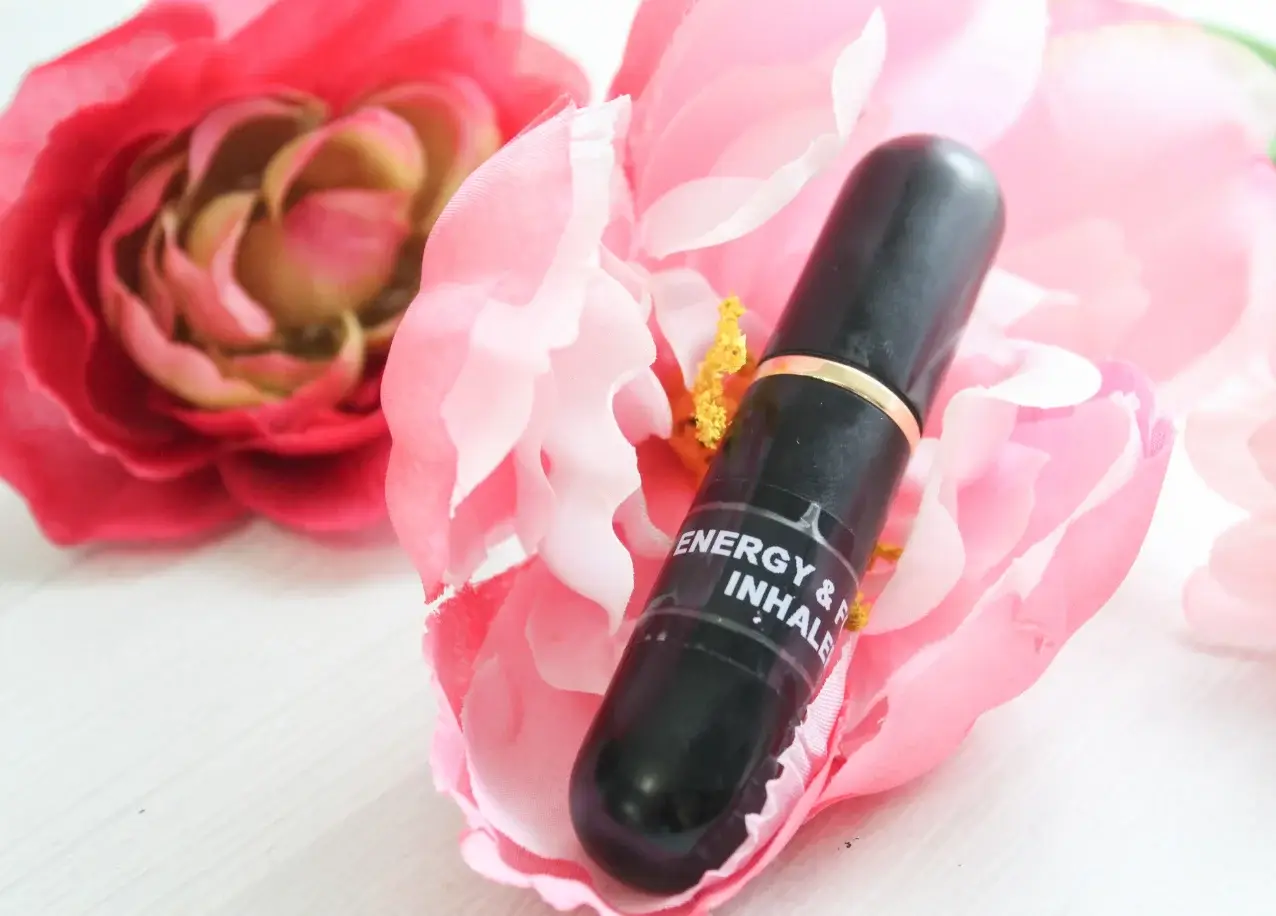
- Aromatherapy inhaler
- Organic cotton inhaler wick
Instructions
- Make the Hypertension Blend by adding lavender, ylang ylang, marjoram, and neroli to a 5 ml bottle. Cap and shake gently.
- Place the cotton wick inside the inhaler tube.
- Add 20 drops of the Hypertension Blend to the wick.
- Secure the cap and store the inhaler in a purse, desk drawer, nightstand, or glove compartment.
- When stress rises, open the inhaler and take 5–10 slow breaths.
- Use the moment as a breathing and prayer pause: inhale slowly, exhale longer than you inhale, and let your body shift out of fight-or-flight mode.
Essential Oils for Metabolic Syndrome
Metabolic syndrome is one of the biggest patterns to watch if you are serious about cardiovascular wellness. It is usually defined by a cluster of factors such as abdominal obesity, elevated triglycerides, low HDL cholesterol, elevated blood pressure, and elevated blood glucose.
So what does this mean for you?
It means heart health and metabolic health are inseparable. If you are working on blood pressure but ignoring blood sugar, stress, belly weight, sleep, and food quality, you are missing the bigger picture. See our full guide to essential oils for metabolic syndrome for deeper support.
Here are key oils to keep in mind for each pattern. These are ministry recommendations drawn from a mix of human, animal, laboratory, constituent, and traditional evidence; they should not be read as though every oil below has been proven in a human trial to correct that specific metabolic marker. Our dedicated metabolic-syndrome article goes deeper into the evidence and protocols:
- Abdominal obesity: lime, grapefruit, peppermint
- Elevated triglycerides: bergamot, lemon, lemongrass
- Low HDL cholesterol: limonene-containing citrus oils
- Elevated blood pressure: cinnamon bark, bergamot, lavender, ylang ylang
- Elevated blood glucose: cinnamon bark, fenugreek, oregano
Why Black Seed Oil Makes a Great Carrier Oil
Black seed oil, or Nigella sativa, is not an essential oil. It is a fatty carrier oil rich in thymoquinone and related compounds studied for anti-inflammatory, antioxidant, metabolic, and vascular effects.
Human cardiovascular-metabolic research is strongest for oral Nigella sativa supplementation, not topical carrier-oil application. A 2024 meta-analysis of 34 studies involving 2,278 adults found improvements in total cholesterol, triglycerides, LDL cholesterol, and HDL cholesterol with Nigella sativa supplementation. (25) That does not prove that rubbing black seed oil on the skin produces the same lipid effects.
I still like black seed oil as a strategic carrier because it gives the topical blend its own useful botanical profile. Use it alone or blend it with lighter carrier oils if you prefer a milder aroma and texture.
How to Use Essential Oils for Heart Health Safely
Essential oils are concentrated, potent, and best used with wisdom. For everyday heart-health routines, inhalation and diluted topical application are usually the simplest routes. Internal use is a separate advanced route and should be handled as a specific protocol rather than an improvised daily habit.
Diffusion
Diffusion is one of the easiest ways to use essential oils for heart health. Add 3-6 total drops of essential oil to your diffuser, depending on the room size and manufacturer’s instructions. Diffuse for 30-60 minutes at a time, then take a break.
Best calming diffuser oils include lavender, ylang ylang, bergamot, neroli, geranium, clary sage, and coriander seed.
Personal Inhalers
Personal inhalers are ideal for stress support. They are portable, mess-free, and help you pair aromatherapy with breathing practice.
Use an inhaler when you feel tense, rushed, overwhelmed, or emotionally activated. Open the inhaler, breathe slowly, and make your exhale longer than your inhale.
Topical Use
For topical use, essential oils should be diluted in a carrier oil. Apply heart-health blends to the chest, abdomen, back of the neck, wrists, soles of the feet, arms, or legs.
For most adults, a 1-2% dilution is a common range for general body oils. For sensitive oils, sensitive skin, older adults, or daily use, stay lower. Learn more in our guide to diluting essential oils safely.
Baths
Essential oils should not be dropped directly into bathwater because they do not disperse properly in water. Mix them first into an appropriate dispersant, bath product, or properly formulated bath oil. Use calming oils such as lavender, ylang ylang, neroli, or bergamot in evening routines.
Internal Use
Some advanced protocols use essential oils internally. Medicinal internal use should specify the oil or blend, exact amount, edible carrier or delivery system, timing, frequency, duration, stopping rule, relevant interactions, and who should or should not use it. That level of detail matters especially with heart disease, blood-pressure medication, blood thinners, diabetes medication, liver disease, pregnancy, or multiple medications.
Do not turn an animal dose, an isolated-constituent experiment, or a study using an oral botanical extract into a DIY essential-oil dose. If a complete medicinal protocol is not provided, do not invent one.
Medication and Heart-Condition Cautions
If you have cardiovascular disease, arrhythmia, uncontrolled hypertension, very low blood pressure, a history of stroke or heart attack, or take medications such as blood thinners, statins, beta blockers, blood pressure medications, anticoagulants, antiplatelet drugs, or diabetes medications, talk with your physician or cardiologist before using essential oils therapeutically.
Keep safety simple: start low, use oils consistently but respectfully, track how you feel, and do not use oils as a reason to ignore symptoms, medication instructions, or urgent medical care.
Chest pressure or pain, new or severe shortness of breath, fainting, stroke symptoms, or new sustained palpitations or an irregular heartbeat can signal a medical emergency. Do not try to manage those symptoms with an essential-oil blend while delaying urgent evaluation.
Essential Oils for Heart Health FAQs
What essential oils are best for heart health?
Some of the best essential oils for heart health include lavender, ylang ylang, bergamot, neroli, geranium, clary sage, coriander seed, black pepper, pine, peppermint, and rosemary. Lavender, ylang ylang, bergamot, neroli, geranium, and clary sage are especially helpful for stress and blood-pressure-supporting aromatherapy.
Can essential oils lower blood pressure?
Yes, some human inhalation studies and meta-analyses have found reductions in blood pressure with particular oils or blends, but the effect is not uniform across every trial or every oil. Lavender, ylang ylang, neroli, clary sage, marjoram-containing blends, and several mixed-oil protocols have the most relevant human data in this article. (4, 17, 18, 20, 22, 24)
Use aromatherapy as supportive care, not as a replacement for home blood-pressure monitoring, prescribed treatment, or physician-guided care.
What is the best essential oil for high blood pressure?
Lavender and ylang ylang are two of the best-studied individual oils for blood-pressure-supporting aromatherapy. The lavender, ylang ylang, marjoram, and neroli combination deserves special attention because that exact four-oil blend was studied in 83 prehypertensive and hypertensive adults and reduced home blood pressure, daytime systolic blood pressure, and salivary cortisol. (4)
That is why we preserve the Hypertension Aromatherapy Inhaler recipe above exactly as formulated.
Can I use rosemary essential oil if I have high blood pressure?
Use caution. Rosemary is stimulating and has traditionally been used for low blood pressure. Research suggests it may help raise blood pressure in people with primary hypotension. If you have hypertension, rosemary may not be the best oil for your heart-health blend unless your practitioner advises it.
Is bergamot essential oil good for cholesterol?
Bergamot has promising human lipid research, but the strongest cholesterol studies use oral bergamot fruit or polyphenol extracts rather than inhaled or topically applied essential oil. A systematic review found that most included bergamot studies reported reductions in total cholesterol, LDL cholesterol, and triglycerides, but study designs and quality varied. (21)
I still use bergamot essential oil in heart-health aromatherapy for its calming profile and blend synergy, but I would not promise that diffusing bergamot will lower LDL cholesterol.
What essential oils are good for circulation?
Rosemary, peppermint, black pepper, pine, coriander seed, ginger, and cypress are commonly used in circulation-supporting blends. For people with high blood pressure, choose stimulating oils carefully and prioritize calming oils like lavender, ylang ylang, bergamot, neroli, and clary sage.
Can essential oils help with heart palpitations?
If you are having heart palpitations, get medical guidance to rule out serious causes. For stress-related sensations, calming oils such as lavender, ylang ylang, neroli, bergamot, and geranium may help support relaxation and slower breathing. Do not use essential oils to self-treat arrhythmia or unexplained heart symptoms.
Where do you apply essential oils for heart health?
Apply properly diluted oils to the chest, back of the neck, wrists, abdomen, soles of the feet, arms, or legs. Many heart-health routines work best through inhalation, so diffusion and personal inhalers are often the easiest place to start.
Can I diffuse essential oils every day for heart health?
Yes, many adults can diffuse essential oils daily when used responsibly. Diffuse intermittently rather than continuously, such as 30-60 minutes at a time. Use fewer drops in small rooms, around children, around pets, or if anyone is sensitive to aromas.
Can I ingest essential oils?
Do not casually ingest essential oils in water or neat (undiluted). Internal use of essential oils requires proper dilution, product quality, dosing knowledge, and safety guidance. Learn more about how to ingest essential oils here.
Are essential oils safe with heart medication?
Sometimes, but this depends on the oil, route of use, dose, medication, and your health history. If you take blood thinners, blood pressure medication, heart rhythm medication, statins, diabetes medication, or multiple prescriptions, check with your healthcare provider before therapeutic use.
What carrier oil is best for heart-health essential oil blends?
Black seed oil is one of our favorite strategic carrier oils because of its thymoquinone-rich botanical profile, and oral Nigella sativa supplementation has human research supporting healthier lipid profiles. (25) The oral evidence does not prove that topical black seed oil produces the same cardiovascular effects.
Olive oil, jojoba, coconut oil, and Mama Z’s oil base are also practical carrier choices depending on the recipe and skin type.
Do essential oils replace diet and exercise for heart health?
No. Essential oils are most powerful when they support a heart-healthy lifestyle. Use them to reduce stress, support sleep, encourage movement, and build daily routines-but keep food, exercise, blood sugar balance, hydration, prayer, rest, and wise medical care at the center.
Resources
- Centers for Disease Control and Prevention. Heart Disease Facts.
- Cardiovascular activity of essential oils and their constituents: mechanisms and preclinical evidence.
- Lemon, lavender, and ylang ylang aromatherapy blend in essential hypertension.
- Lavender, ylang ylang, marjoram, and neroli inhalation for blood pressure and cortisol.
- Preclinical cardiovascular research on bergamottine.
- Laboratory research on Piper guineense essential oil and hypertension-related enzymes.
- Full-text hypertension aromatherapy study and background references.
- Rosemary essential oil in primary hypotension.
- Aromatherapy and sleep-related cardiovascular outcomes.
- Bergamot and other cardiovascular-supporting essential-oil constituents in a mechanistic review.
- Prospective rosemary essential oil study in primary hypotension.
- Geranium aroma and anxiety in patients with acute myocardial infarction.
- Hypertension aromatherapy blend study: lavender, ylang ylang, marjoram, and neroli.
- Lavender aromatherapy in cardiac rehabilitation patients.
- Neroli aromatherapy, blood pressure, pulse, and stress research.
- Neroli essential-oil anxiety and cardiovascular-related aromatherapy research.
- Aromatherapy inhalation in cardiovascular disease: systematic review and meta-analysis.
- Lavender essential oil in adults with hypertension: randomized placebo-controlled pilot study.
- Lavender aromatherapy, coronary flow velocity reserve, and cortisol.
- Ylang ylang aroma, blood pressure, and heart rate in healthy men.
- Bergamot and human lipid profiles: systematic review.
- Neroli inhalation, blood pressure, stress, and menopausal outcomes.
- Citrus aurantium aromatherapy and anxiety in acute coronary syndrome.
- Clary sage and lavender inhalation: randomized blood-pressure trial.
- Nigella sativa supplementation and lipid profiles: systematic review and meta-analysis.
- Aromatherapy in acute coronary syndrome: systematic review and meta-analysis.
- Lavender, ylang ylang, and bergamot inhalation for blood pressure and stress responses.
- Zielinski E, Zielinski SA. The Essential Oils Apothecary: Advanced Strategies and Protocols for Chronic Disease and Conditions. Rodale Books; 2021.