QUICK SUMMARY
High blood pressure, also called hypertension, is a serious cardiovascular risk factor that is far more common than many people realize. Current CDC data show that 47.7% of U.S. adults have hypertension, and only 20.7% of adults with hypertension have it controlled to less than 130/80 mm Hg. (1)
The good news is that blood pressure can respond meaningfully to lifestyle change. Diet, movement, stress relief, sleep, healthy weight, prayer, breathing, and reducing toxic burden all matter. Essential oils for high blood pressure are not a magic bullet or a substitute for needed treatment, but inhaled aromatherapy can be a simple, low-cost complementary tool for calming the stress response and supporting cardiovascular balance.
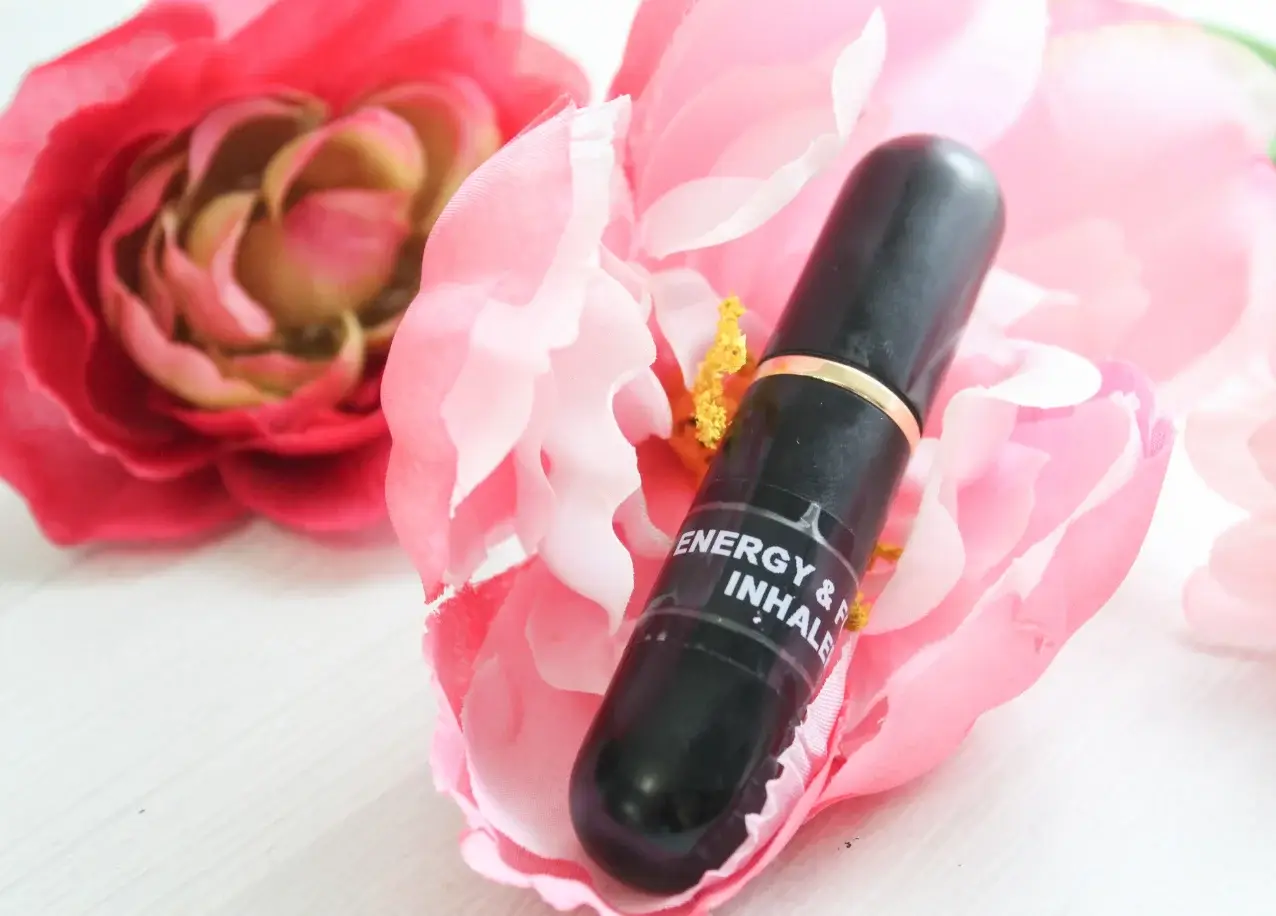
The aromatherapy inhaler recipe below is adapted from human research using lavender, ylang ylang, marjoram, and neroli essential oils in adults with prehypertension or hypertension. In that 83-person study, inhaling the blend reduced home blood pressure, daytime ambulatory blood pressure, and salivary cortisol compared with placebo and control groups. (3)
High blood pressure is one component of metabolic syndrome and a major risk factor for heart disease, stroke, kidney disease, cognitive decline, and dementia. Nearly half of American adults meet the current definition of hypertension. (1, 2)
The encouraging part is that many of the daily factors that shape blood pressure are things we can actually work on. By implementing some simple diet changes, moving regularly, sleeping well, managing stress, monitoring your numbers, and adding natural solutions like essential oils for high blood pressure into your daily regimen, you may be surprised by how responsive the body can be.
And guess what? Supporting healthy blood pressure doesn't have to feel like one more exhausting chore. The essential oil inhaler recipe below can become part of a few quiet minutes of breathing, prayer, meditation, or evening wind-down time.
Table of Contents:

Essential Oils for High Blood Pressure Support
There are real human data showing that some inhaled essential-oil blends can reduce measured blood pressure and stress markers in short-term studies of people with elevated blood pressure or hypertension. The evidence is promising, but these studies are small enough that I view aromatherapy as complementary support, not a replacement for the lifestyle and medical care a person needs.
This matters because blood pressure is not just a “numbers” issue. Stress, poor sleep, shallow breathing, inflammation, toxic overload, a processed-food diet, and a constantly activated fight-or-flight response can all influence cardiovascular health.
The 2025 American Heart Association and American College of Cardiology guideline keeps the same blood pressure categories used since 2017: normal is less than 120/80 mm Hg, elevated is 120–129 and less than 80, stage 1 hypertension is 130–139 or 80–89, and stage 2 hypertension is 140 or higher or 90 or higher. The guideline strongly recommends lifestyle measures for all adults with elevated blood pressure or hypertension, while adding medication when a person's blood pressure and cardiovascular risk call for it. (2)
Because of this, it’s not too surprising that certain essential oils and aromatic products can be beneficial in a heart-healthy lifestyle. In 2012, Korean researchers evaluated essential-oil inhalation in 83 adults with prehypertension or hypertension. The experimental blend contained lavender (Lavandula officinalis), ylang ylang (Cananga odorata), marjoram (Origanum majorana), and neroli (Citrus aurantium) in a 20 : 15 : 10 : 2 ratio. (3)
The study tested the blend as a whole, so it does not prove that each oil independently lowers blood pressure. The researchers selected the oils based on earlier aromatherapy literature and the following intended roles:
- Lavender – calming and relaxation support.
- Ylang ylang – emotional relaxation and cardiovascular calming.
- Marjoram – autonomic nervous system and relaxation support.
- Neroli – emotional soothing and comfort.
As the method of intervention, the study group was provided with an aromatherapy necklace containing essential oils for hypertension soaked into the stone, while the placebo group was given a necklace with artificial fragrance. Instructed to wear the necklace during the day, they were told to place an aroma stone with two oil drops by their bedside to ensure 24-hour inhalation.
The essential oil group had significant decreases in home systolic blood pressure, home diastolic blood pressure, daytime ambulatory blood pressure, and salivary cortisol compared with the placebo and control groups. Nighttime ambulatory blood pressure did not differ significantly, which is an important limit to keep in mind. (3)
This is important: stress chemistry matters. Cortisol is one of the body’s major stress hormones, and when stress stays high, blood pressure can follow. That is why deep breathing, prayer, relaxation, sleep, exercise, and aromatherapy can work together so beautifully.
Newer research continues to support the idea that inhaled essential oils can be helpful as part of a complementary blood pressure support routine. A 2022 randomized clinical trial reported reductions in blood pressure, heart rate, cortisol, and anxiety with lavender aromatherapy in patients with essential hypertension. (5)
A 2025 randomized placebo-controlled pilot study enrolled 58 hypertensive adults ages 40–60. Participants inhaled lavender essential oil or sweet almond oil for 15 minutes, first as a single session and then daily for seven days. Lavender produced a greater immediate reduction in anxiety and systolic blood pressure, and after seven days the intervention group showed significant improvements in anxiety, fatigue, sleep quality, systolic blood pressure, and diastolic blood pressure. (4)
That is encouraging human evidence, but it is still short-term. Aromatherapy belongs in the complementary-care category, alongside the lifestyle foundations that have much deeper evidence behind them.
Put simply, this is not about replacing wise medical care. It is about using God-given plant medicine as part of a transformed lifestyle that supports the whole person: body, mind, spirit, emotions, and home.
This recipe is an adaption from that research study for essential oils for high blood pressure…
Aromatherapy Inhaler to Calm Blood Pressure
Quantity
Ingredients
- 10 drops lavender essential oil
- 7 drops ylang ylang essential oil
- 5 drops marjoram essential oil
- 1 drop neroli essential oil
Supplies
- Organic Cotton Pads , Pre-cut
Instructions
- Place cotton pad in inhaler tube.
- Add drops of essential oils directly in the tube on the cotton pad.
- Alternatively, you can drop the essential oils into a glass bowl, roll the cotton pad into the oils to absorb them, and then insert into the inhaler tube using tweezers.
- Remove the cap and breathe in for 5 minutes twice a day while resting, meditating, or even watching TV.
- Store in a purse, and be sure to have one handy at work.
How to Use Essential Oils for Blood Pressure Wisely
The easiest way to use this blend is exactly how the recipe teaches: breathe it in from an aromatherapy inhaler for about 5 minutes twice a day while resting, meditating, praying, or winding down.
Application: Sit with both feet on the floor, relax your shoulders, open the inhaler, and breathe slowly through your nose. Let your exhale be longer than your inhale. Use this time to pray, meditate on Scripture, or simply let your nervous system settle.
The inhaler is for aromatic use only. Do not put the blend in your mouth or nose, and do not assume that more drops or longer exposure will lower blood pressure more effectively.
The 2012 blend study excluded people with asthma or fragrance allergy. Lavender aromatherapy is generally well tolerated, but it can cause headache or coughing in some people. If aromatic exposure triggers wheezing, coughing, headache, nausea, migraine, or other symptoms, stop using it and get personalized guidance before trying again. (7)
For many people, this simple routine becomes a daily reminder to slow down. And that is a big deal. We were not created to live in chronic stress, constant hurry, and endless stimulation. Your heart needs rest. Your mind needs peace. Your body needs rhythms that help you experience the abundant life.
For best results, pair this inhaler with the basics:
- Eat a bioactive-rich, heart-supporting diet with plenty of fruits, vegetables, herbs, spices, and whole foods.
- Reduce processed foods and excess sodium.
- Move your body regularly.
- Prioritize deep sleep and a calming evening routine.
- Practice deep breathing and meditation.
- Monitor your blood pressure at home with a validated automatic upper-arm cuff so you can track your progress accurately.
- Work with your physician if you take medication, have heart disease, or your numbers remain high.
For accurate home readings, avoid smoking, caffeine, and exercise for 30 minutes beforehand, empty your bladder, sit quietly for at least 5 minutes, keep your back supported and feet flat on the floor, support your arm at heart level, and take two readings one minute apart. (6)
Do not judge your blood pressure by how calm or stressed you feel. High blood pressure often has no obvious symptoms, which is why actual measurements matter.
Reality check: if your blood pressure is higher than 180/120 mm Hg, wait at least 1 minute and check it again. If the second reading is still that high and you have chest pain, shortness of breath, back pain, numbness, weakness, vision changes, or trouble speaking, call 911. If the second reading remains higher than 180/120 without those symptoms, contact your healthcare professional as soon as possible. Essential oils are powerful support tools, but a hypertensive emergency requires emergency care. (8)
High Blood Pressure Essential Oils FAQs
Can essential oils lower blood pressure?
Yes, certain inhaled essential-oil routines may help lower blood pressure and stress markers in some people. Human trials have reported reductions in blood pressure with lavender alone and with blends containing lavender, ylang ylang, marjoram, and neroli. The evidence is encouraging but still limited enough that aromatherapy should be considered complementary support rather than a stand-alone treatment for hypertension. (3, 4, 5)
What essential oils are best for high blood pressure?
Lavender, ylang ylang, marjoram, and neroli are the best-supported combination in this article because that exact blend has been studied in adults with prehypertension and hypertension. Lavender also has newer randomized human research supporting effects on anxiety, sleep, fatigue, and blood pressure in hypertensive adults. (3, 4)
How often should I use the blood pressure inhaler?
Use it for about 5 minutes twice a day, or as directed in the recipe card. Many people like using it once during the day when stress rises and once in the evening as part of a bedtime wind-down routine.
Can I diffuse this blend instead?
Yes. This blend can also be added to your diffuser at night or during a quiet routine. Use your diffuser according to the manufacturer’s instructions, keep the room well ventilated, and avoid overwhelming the space with too much oil.
Can I use this if I take blood pressure medication?
In many cases, aromatherapy can be used as a supportive tool alongside conventional care, but do not stop or change blood pressure medication without your physician’s guidance. Keep monitoring your numbers and work with your healthcare provider. If your readings begin running unusually low or you develop dizziness, faintness, or weakness, stop the aromatherapy routine and contact your healthcare professional.
Is ylang ylang safe for high blood pressure?
Ylang ylang has been used traditionally and in research for blood pressure and nervous system calming. It is a strong floral oil, so more is not better. Use it blended, as shown in this recipe, and avoid overuse.
What is the fastest natural way to calm blood pressure?
For a temporary stress-related rise, sit quietly, breathe slowly, relax your shoulders and jaw, and recheck your blood pressure correctly after you have rested. You can use the inhaler as part of that calming routine. For long-term blood pressure support, focus on food, movement, sleep, stress relief, home monitoring, and consistent lifestyle transformation. If a reading is higher than 180/120 mm Hg, follow the emergency guidance above rather than trying to manage it with aromatherapy alone.


- https://www.cdc.gov/nchs/products/databriefs/db511.htm
- https://newsroom.heart.org/news/new-high-blood-pressure-guideline-emphasizes-prevention-early-treatment-to-reduce-cvd-risk
- https://pmc.ncbi.nlm.nih.gov/articles/PMC3521421/
- https://pubmed.ncbi.nlm.nih.gov/41177368/
- https://pubmed.ncbi.nlm.nih.gov/35708557/
- https://www.heart.org/en/health-topics/high-blood-pressure/understanding-blood-pressure-readings/monitoring-your-blood-pressure-at-home
- https://www.nccih.nih.gov/health/lavender
- https://www.heart.org/en/health-topics/high-blood-pressure/understanding-blood-pressure-readings/when-to-call-911-for-high-blood-pressure