ARTICLE CATEGORIES

3 Best Essential Oils for Bruises + Healing Roll-On Blend

Reading Time: 10 minutes
Essential Oils for Bruises & Healing Roll-On Blend
QUICK SUMMARY

The best essential oils for bruises are helichrysum, cypress, and lavender. These 3 oils are favorites for bumps and bruises because they help calm irritated skin, support the body’s healthy inflammatory response, and encourage the natural tissue-repair process.

For maximum effectiveness, these oils should be diluted into arnica oil, a therapeutic carrier traditionally used for bruises, swelling, soreness, and tender muscles. Current research on arnica is mixed, but clinical reviews suggest that certain topical arnica preparations may help reduce pain, swelling, and ecchymosis, which is the medical term for bruising. (1, 2)

The 3 primary essential oils for your bruise-healing roll-on are:

  1. Helichrysum: Often called the “fountain of youth” oil because of its reputation for supporting tissue repair and skin renewal.
  2. Cypress: A biblical healing oil valued for its clean, grounding aroma and traditional use in recovery, swelling, and circulation-support blends.
  3. Lavender: Calming to the skin and supported by wound-healing research for helping with granulation tissue, collagen remodeling, and skin comfort. (3, 4)

Whether it’s a minor bump from daily activity or a major bruise that takes weeks to fade, this roll-on remedy is a must-have for your natural first aid kit. By combining these 3 essential oils with the anti-inflammatory power of arnica, you can support your body’s natural recovery process and soothe discomfort naturally.

Bumps and bruises can be minor and fixed with mama’s kisses, or they can be major wounds that take weeks to heal. Either way, you’re going to love this roll-on remedy made from essential oils for bruises. Make it ahead and put it in your first aid kit to have at the ready!

A bruise happens when tiny blood vessels under the skin break after a bump, fall, twist, or impact. Blood leaks into the surrounding tissue, which is why bruises often change from red or purple to blue, green, yellow, and brown as the body clears the trapped blood. Most bruises are not serious, but frequent unexplained bruising, severe swelling, intense pain, a hard lump, or bruising after a serious injury should be checked by a healthcare professional. (5, 6)

Essential Oils for Bruises

Bumps and bruises happen, especially if you live an active, healthy lifestyle. When our kids fall, or Sabrina or I bump our shins on the furniture, we reach for the arnica oil. This helps almost immediately with the pain and swelling from inflammation. You wouldn’t want to use it on an open wound, however, because arnica should only be applied to unbroken skin.

If it seems like more than a minor glancing blow that is going to need a little extra help, there are essential oils for bruising that can help. We love to promote healing with helichrysum – the so-called “fountain of youth” oil. Cypress is one of the healing oils of the Bible, for good reason.

The anti-inflammatory benefits are perfect for healing. And, of course, lavender is calming and also helps to prevent inflammation.

Here’s the thing: essential oils are not magic drops that replace wise first aid. They work best as part of a complete natural-health lifestyle: clean nutrition, hydration, sleep, prayer, movement, and reducing the toxic burden in your home. God designed the body with a remarkable ability to heal. Our job is to steward that gift well and support the healing process with wisdom.

Direct Answer: What essential oil is best for bruises?

Helichrysum is the best essential oil for bruises because it is traditionally used for skin trauma, tissue repair, and recovery support. For everyday bruising, helichrysum works beautifully with cypress and lavender in an arnica oil base.

What Causes Bruising?

A bruise, also called a contusion, forms when small blood vessels under the skin break from impact. This can happen when you bump your shin, fall, twist an ankle, get hit during sports, or even press too hard against furniture. Blood collects under the surface of the skin, creating that tender, discolored spot.

The color changes are part of the body’s cleanup process. A fresh bruise may look red or purple. As the blood is broken down and reabsorbed, the bruise may turn blue, green, yellow, or brown before fading. MedlinePlus notes that many bruises last about two weeks, although some can take longer to disappear. (6)

This is important because inflammation is not always the enemy. Inflammation is part of how the body responds to injury, clears damaged tissue, and begins repair. The goal is not to shut down healing. The goal is to support a healthy inflammatory response so the area can calm down and recover.

Application: For a new bruise, be gentle. Do not press hard, grind, or aggressively massage the area. Start with cold care, protect the spot from another bump, and then use your bruise roll-on once the skin is unbroken and ready for topical support.

Best Essential Oils for Bruises

The best essential oils for bruises are the oils that support skin repair, calm irritation, and work well in diluted topical blends. For our family, the go-to trio is helichrysum, cypress, and lavender.

1. Helichrysum Essential Oil

Helichrysum is one of our favorite essential oils for bruises, bumps, tender skin, and tissue-repair support. It has earned its “fountain of youth” nickname because aromatherapists have long valued it for skin renewal, scars, and trauma blends.

Modern research helps explain why this oil has such a strong reputation. A 2021 animal study using Helichrysum italicum essential oil in topical gel and ointment formulations found improved wound contraction and wound-healing markers in diabetic rats. A 2023 review also highlighted Helichrysum italicum extracts and essential oils for antimicrobial, antioxidant, and anti-inflammatory activity, while noting that more human clinical research is needed. (7, 8)

Put simply, helichrysum is a powerful choice when skin needs extra recovery support. For bruises, we use it diluted, never neat, and only on unbroken skin.

Application: Keep helichrysum in your natural first aid kit for closed-skin bumps, bruises, and tender areas that need extra repair support.

2. Cypress Essential Oil

Cypress has a fresh, woody aroma and is one of the biblical healing oils we love to teach about. Traditionally, cypress has been used where the body needs toning, circulation support, and recovery after strain or impact.

Research on Cupressus sempervirens essential oil and related cypress species is still developing. Studies and reviews have reported antimicrobial, antioxidant, antibiofilm, and other biological activities for cypress oils, and traditional use includes inflammation and wound-related applications. (9, 10, 11)

Reality check: we do not have a human clinical trial proving that cypress essential oil erases bruises overnight. We use cypress because it fits the traditional and aromatherapy profile beautifully for bumps, bruises, swelling, and recovery blends.

Application: Cypress blends well with helichrysum and lavender in a roll-on. It also gives the remedy a clean, grounding aroma that makes it feel less “medicinal” and more like something your family will actually use.

3. Lavender Essential Oil

Lavender is the oil most families reach for first, and for good reason. It is calming, skin-loving, versatile, and one of the most studied essential oils for topical soothing and wound-healing support.

In animal research, lavender oil helped promote wound healing in the early phase by supporting granulation tissue formation, collagen replacement, and wound contraction. A 2020 review of lavender essential oil and wound healing found that the available human, animal, in vitro, and review evidence generally showed faster wound healing, increased collagen expression, and enhanced tissue-remodeling activity in wounds treated with lavender essential oil. (3, 4)

Human studies in postpartum episiotomy care have also reported benefits for wound healing, redness, pain, and discomfort when lavender was used appropriately. (12, 13)

For bruises, lavender brings the calming piece. When skin is tender, warm, and irritated, lavender helps round out the blend.

Application: Lavender is especially helpful when the person who got hurt is upset, anxious, or needs comfort along with topical support.

Best Essential Oils for Bruises at a Glance

  • Best overall oil: Helichrysum
  • Best supporting oil: Cypress
  • Best calming oil: Lavender
  • Best carrier oil: Arnica oil
  • Best use: Diluted topical roll-on for unbroken skin

Why Arnica Oil Is the Best Carrier

Arnica oil is the perfect carrier for this bruise roll-on because arnica has been traditionally used for bruises, sprains, soreness, swelling, and muscle aches. It is one of those remedies that belongs in a natural first aid kit.

The research is not all one-sided, and we want to be honest about that. A 2024 systematic review evaluated arnica products for pain and inflammatory signs related to traumatic injuries, sports injuries, surgical interventions, arthritis, and other inflammatory conditions. A 2021 review found that arnica extract or arnica-containing topical products show promising effects for pain relief in several clinical settings. (1, 2)

Some surgical studies also suggest arnica may help with bruising or hematoma-related outcomes, while other studies have found little or no benefit depending on the product, dose, and setting. That means arnica is not a guaranteed bruise eraser, but it remains a practical and time-tested topical option for bumps and bruises.

Safety note: Arnica should only be used on unbroken skin. Do not apply arnica oil to open wounds, cuts, scrapes, mucous membranes, or irritated rashes. Avoid arnica if you are allergic to ragweed, sunflowers, daisies, marigolds, chrysanthemums, chamomile, or other plants in the Asteraceae family. (14, 15)

How to Use Essential Oils for Bruises Safely

The safest way to use essential oils for bruises is to dilute them in a carrier oil and apply them topically to unbroken skin. That is exactly what this bruise healing roll-on does.

Essential oils are concentrated plant medicine. More is not always better. The Tisserand Institute emphasizes that undiluted essential oils should not be applied directly to the skin because skin reactions are one of the most common adverse reactions from improper essential oil use. (16)

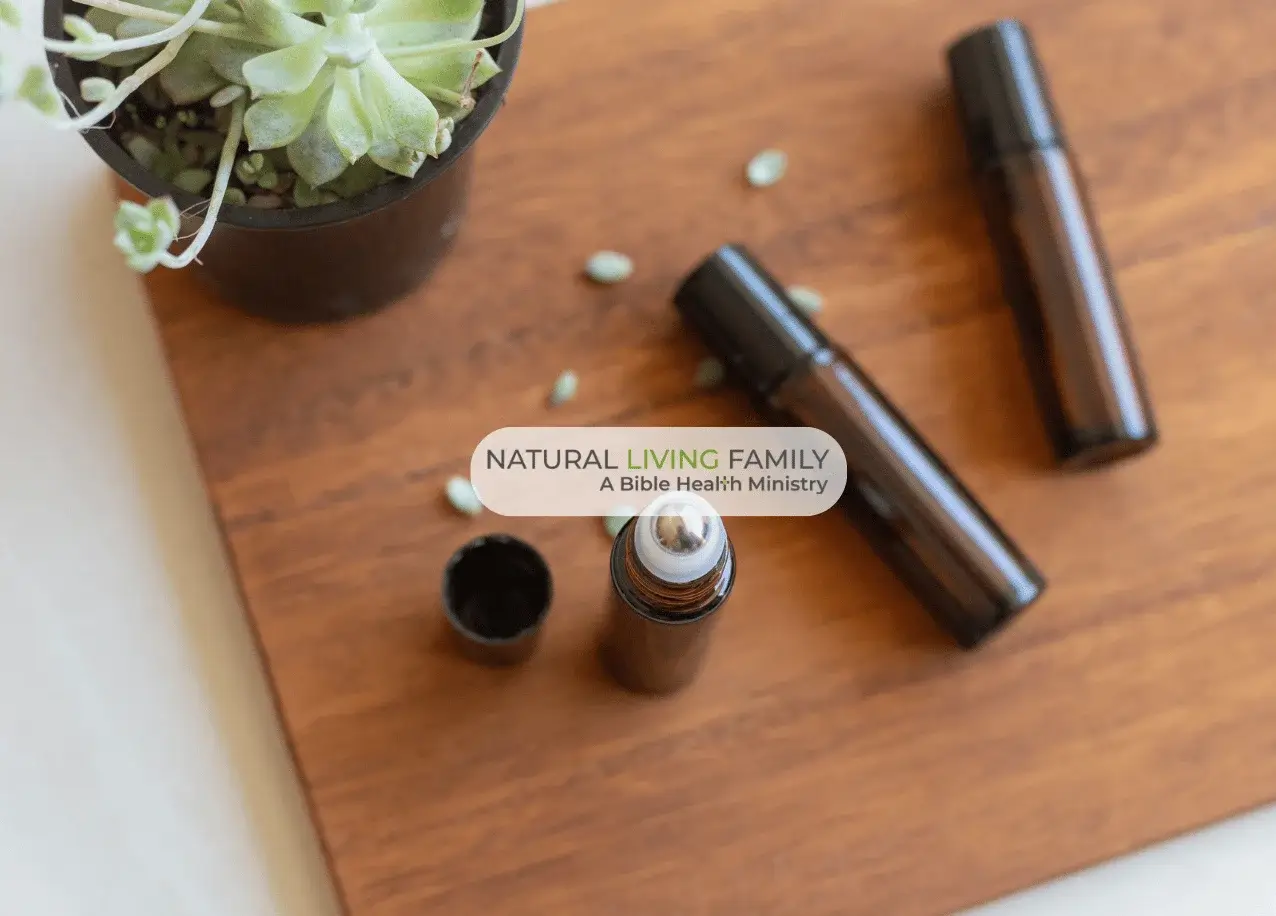
For this recipe, the essential oils are diluted in arnica oil and applied with a roller bottle. This makes the remedy easy to use, portable, and less messy than scooping from a jar.

Application: Roll a thin layer over the bruise 2-3 times daily as needed. Use a gentle hand. Do not press hard on the bruise. Stop using the blend if redness, burning, itching, or irritation develops.

Can you put essential oils directly on a bruise?

No. Do not apply undiluted essential oils directly to a bruise. Dilute them in a carrier oil first. For this recipe, arnica oil is the carrier of choice because it adds its own bruise-support benefits.

Can you use this on an open wound?

No. Do not use this bruise roll-on on broken skin, cuts, scrapes, punctures, open wounds, or infected skin. Arnica and essential oils should be used only on intact skin for this remedy.

Can children use essential oils for bruises?

Older children can often use a properly diluted topical blend for everyday bumps and bruises, but use less product and apply with care. Avoid the face, eyes, hands, and broken skin. For babies, toddlers, children with medical conditions, or any serious injury, get personalized guidance before use.

Fresh Bruise First Aid Before the Roll-On

For a fresh bump, start with basic first aid before you reach for the roll-on. Mayo Clinic recommends elevating the bruised area above the heart when possible and applying an ice pack wrapped in a thin towel for about 20 minutes several times during the first day or two after injury. (5)

Use the simple RICE rhythm:

  • Rest: Protect the bruised area and avoid re-injuring it.
  • Ice: Use a wrapped ice pack for short sessions during the first day or two.
  • Compress: If swelling is present, use gentle compression, but never wrap tightly.
  • Elevate: Raise the bruised area above heart level when possible.

After the first phase, once the skin is unbroken and the area is ready for topical support, apply your bruise healing roll-on gently. This is not a deep massage oil. It is a soothing topical support blend.

Application: For kids, keep this simple. Ice first, snuggles always, then a gentle roll-on application when appropriate. Mama’s kisses still count.

Bruise Healing Roll-On

Essential Oils for Bruises & Healing Roll-On Blend

Bruise Healing Roll-On

Author Mama Z

Quantity

Ingredients

  • 2 drops helichrysum essential oil
  • 2 drops cypress essential oil
  • 2 drops lavender essential oil
  • Arnica OR Calendula-infused carrier oil

Instructions
 

  • Add essential oils to roller bottle, then top off with the arnica infused carrier oil. Insert roller ball, close cap, and turn back and forth gently to combine.
  • Roll gently on the bruise for relief.

Essential Oils for Bruises FAQs

What are the best essential oils for bruises?

The best essential oils for bruises are helichrysum, cypress, and lavender. Helichrysum is the top choice for tissue repair support, cypress is traditionally used in recovery and circulation-support blends, and lavender helps calm tender, irritated skin.

What is the best carrier oil for bruises?

Arnica oil is the best carrier oil for bruises because it has a long history of topical use for bruising, soreness, swelling, and muscle aches. It should only be used on unbroken skin.

Does arnica help bruises heal faster?

Arnica may help some bruises and injury-related swelling, but results vary by product, dose, and situation. Reviews suggest arnica preparations may help with pain and inflammatory signs in some clinical settings, while other studies show limited benefit. (1, 2)

How often should I use the bruise healing roll-on?

Use a thin layer 2-3 times daily as needed on unbroken skin. More is not always better. If the skin becomes red, itchy, irritated, or uncomfortable, stop using it.

Can I use essential oils on a black eye?

Do not apply essential oils near the eyes. If there is bruising around the eye, use appropriate first aid and seek medical help if there is severe pain, vision change, blood in the eye, bruising around both eyes, or bleeding from the nose or eye. (17)

What helps bruises heal naturally?

Start with rest, ice, gentle compression if needed, and elevation. Then use diluted topical support like arnica oil with helichrysum, cypress, and lavender on unbroken skin. Support healing from the inside with hydration, protein, colorful fruits and vegetables, sleep, and an anti-inflammatory diet.

How long does a bruise usually last?

Many bruises fade in about two weeks, though deeper or more severe bruises can take longer. A bruise may change colors as it heals, moving from red or purple to blue, green, yellow, or brown. (6)

When should I worry about a bruise?

Get a bruise checked if it is very painful, swelling significantly, appears without a clear cause, happens often, comes with unusual bleeding, forms a lump, looks infected, or follows a major injury. Frequent unexplained bruising can sometimes point to medication effects, clotting concerns, or other health issues. (5, 6)

Can I use this bruise roll-on while pregnant?

Pregnancy is a season to be extra careful with herbs and essential oils. Because arnica has safety concerns and should be used cautiously, ask your qualified healthcare provider before using this blend during pregnancy or breastfeeding.

Can I use this roll-on with blood thinners?

If you take blood thinners or have a bleeding disorder, ask your healthcare provider before using arnica products. Memorial Sloan Kettering notes that arnica may increase bleeding risk and should be discussed with a healthcare provider if you take blood-thinning medication. (14)

Resources

  1. Effects of Arnica Phytotherapeutic and Homeopathic Products on Pain and Inflammatory Signs Due to Traumatic Injuries: A Systematic Review
  2. Arnica montana: Clinical Trials, Potential Mechanisms, and Adverse Effects
  3. Wound Healing Potential of Lavender Oil by Acceleration of Granulation and Wound Contraction
  4. The Effects of Lavender Essential Oil on Wound Healing: A Review of the Current Evidence
  5. Mayo Clinic: Bruise First Aid
  6. MedlinePlus: Bruises
  7. Formulation and Evaluation of Helichrysum italicum Essential Oil-Based Topical Formulations for Wound Healing in Diabetic Rats
  8. Helichrysum italicum: From Extraction, Distillation, and Encapsulation Techniques to Beneficial Health Effects
  9. Biological Activity of Cupressus sempervirens Essential Oil
  10. Potential of Cupressus sempervirens in Health
  11. Chemical Composition, Antimicrobial and Antibiofilm Activity of the Essential Oil and Methanol Extract of Cupressus sempervirens
  12. Healing Advantages of Lavender Essential Oil During Episiotomy Recovery: A Clinical Trial
  13. The Effect of Lavender on Pain and Healing of Episiotomy: A Systematic Review
  14. Memorial Sloan Kettering Cancer Center: Arnica
  15. Poison Control: Caution When Using Arnica Products
  16. Tisserand Institute: How to Use Essential Oils Safely
  17. Mayo Clinic: Black Eye First Aid

[/sc>

Read this next

Essential Oils

The Power of Fir Needle Essential Oil for Pain Relief

Fir Needle Essential Oil Benefits: 5 Science-Backed Uses for Natural Health

QUICK SUMMARY Fir needle essential oil is a fresh, woodsy, forest-scented oil steam-distilled from the needles of true fir trees...

Essential Oils

Essential Oils for Bug Bites: Relief for Itchy Skin

Essential Oils for Bug Bites: Natural Itch & Sting Relief Roll-On

QUICK SUMMARY This healthy pineapple upside down cake is a gorgeous, naturally sweetened dessert made with juicy pineapple, organic cherries,...

Essential Oils

Discover 9 Incredible Benefits of Patchouli Essential Oil

9 Patchouli Essential Oil Benefits for Health & Home

QUICK SUMMARY Patchouli essential oil is steam-distilled or hydrodistilled from the leaves of the Pogostemon cablin plant, a member of...

Essential Oils

12 Healing Oils of the Bible – Aromatherapy in Scripture

12 Healing Oils of the Bible: Uses & Anointing Oil Recipe

QUICK SUMMARY The 12 healing oils of the Bible are aromatic plants, resins, woods, spices, flowers, and infused oils mentioned...

Essential Oils

Essential Oils for Mood & Depression Relief Roll-On Recipe

Essential Oils for Depression: Mood-Boosting Roll-On Recipe for Emotional Wellness

QUICK SUMMARY Essential oils for depression and emotional wellness can be a powerful addition to a biblical health lifestyle. While...

Essential Oils

13 Peppermint Essential Oil Benefits: Nausea, Bug Repellent, Energy & More!

Peppermint Essential Oil Benefits, Uses & Safety

QUICK SUMMARY Peppermint essential oil is steam-distilled from the flowers and leaves of Mentha × piperita, a hybrid of water...
Join Our Natural Living Family!

Be the light your family, friends, and community need with FREE eBooks, meal plans & daily guidance
on healthy DIYs, healing with essential oils, natural living, and Biblical inspiration 
from the most trusted faith-based natural health newsletter online.