QUICK SUMMARY
The “Queen” of essential oils, ylang ylang essential oil is steam-distilled from the fragrant flowers of Cananga odorata. Its rich, sweet aroma makes it a favorite for aromatherapy, natural perfume, massage oils, skin and hair care, and DIY home blends.
The strongest human evidence centers on relaxation and cardiovascular calming. Small clinical studies suggest that inhaled or properly diluted topical ylang ylang may help reduce anxiety, lower heart rate, and support healthy blood pressure. Anti-inflammatory, metabolic, insect-control, and antimicrobial findings are promising too, but much of that evidence comes from laboratory, animal, or mixed-oil research rather than large human trials. (3, 4, 12, 15, 16)
For everyday use, start with diffusion, inhalation, or careful topical dilution. Ylang ylang is one of the more skin-reactive essential oils, so a little goes a long way. For leave-on body products, we generally stay at or below the commonly cited 0.8% dermal maximum. (13, 17)
Table of Contents

What Is Ylang Ylang Essential Oil?
If frankincense is the King of Essential Oils, then ylang ylang has earned the nickname Queen in our home. Its floral aroma is unmistakable, and the research is especially interesting for relaxation, anxiety, and cardiovascular calming. Other uses are still emerging, which is why I like to separate what has been studied in people from what comes from laboratory, animal, or traditional evidence.
Ylang ylang essential oil comes from the fresh flowers of Cananga odorata, an evergreen tropical tree native from Southeast Asia into northern Australia and now cultivated throughout many tropical regions. Also known as the “perfume tree,” ylang ylang produces intensely fragrant blossoms that are steam-distilled to create one of the most recognizable floral essential oils in the world. (18)
Ylang ylang oil is widely used in perfumes, body care, hair care, natural home products, and aromatherapy blends because of its sweet, floral, slightly fruity aroma. It is often described as romantic, exotic, calming, and deeply relaxing. That aroma is one reason it has been traditionally used for emotional balance, stress relief, sensuality, skin care, and natural perfume blends.
But ylang ylang is more than a beautiful scent. Its essential oil contains a complex mixture of volatile compounds, commonly including linalool, germacrene D, benzyl acetate, benzyl benzoate, beta-caryophyllene, and others. The exact profile changes with geography, flower maturity, extraction method, and distillation fraction, which is one reason different ylang ylang oils can smell and behave differently. A 2026 review emphasizes that the strength of evidence also varies widely by use and warns against treating isolated compounds or non-volatile extracts as if they prove the same effect for the complete essential oil. (16)
Ylang ylang is one of those oils where “more” is not always better. The aroma is powerful, and the oil can be skin-sensitizing when used too heavily. A little goes a long way. Used wisely, it can be a beautiful addition to your essential oil toolbox for calming the nervous system, supporting emotional balance, and creating luxurious DIY body care products.
Grades of Ylang Ylang Essential Oil
Although ylang ylang essential oil is steam-distilled, its commercial grading system is unusual. During fractional distillation, oil is collected at different stages, producing fractions with different aromatic and chemical profiles. As distillation continues, the lighter, highly fragrant compounds generally decrease while heavier sesquiterpenes become more prominent. (1, 16)
That is why ylang ylang essential oil is commonly sold in several grades: Extra, I, II, III, and Complete.
- Ylang Ylang Extra: This is the first fraction collected during the earliest part of distillation. It is often considered the most delicate, floral, and perfume-like grade. It is usually the most expensive and is often prized by natural perfumers.
- Ylang Ylang I, II, and III: These grades are collected later in the distillation process. As distillation continues, each fraction changes in aroma and constituent profile. Later grades are often used in soaps, body care, hair care, and fragrance blends.
- Ylang Ylang Complete: This represents the full distillation or a combination of the collected fractions. It gives a broader aromatic profile and is often the best choice for general aromatherapy, DIY skin care, diffuser blends, and massage oils.
For most families, ylang ylang complete is the most practical option. It gives you the full floral aroma without requiring you to understand the subtle perfume differences between each fraction. If you are creating fine natural perfumes, you may prefer ylang ylang extra. If you are making homemade soap, shampoo, body oils, or cleaning blends, ylang ylang complete or one of the later grades may be more cost-effective.
The grade matters because ylang ylang is powerful. Extra may smell sweeter and more refined, while later grades can be heavier, richer, and more intense. No matter which grade you choose, buy from a reputable company that provides transparency around sourcing, purity, and testing.
7 Ylang Ylang Essential Oil Benefits
Ylang ylang has been used traditionally for skin support, insect bites, relaxation, emotional balance, and sensuality. Modern research is still developing, and not every traditional use has been proven in human clinical trials. But several areas stand out, especially for stress, relaxation, cardiovascular support, topical calming, household use, and emotional wellness.
1. Support Inflammatory Balance
This is promising, but the evidence is still preclinical.
A 2022 study tested ylang ylang essential oil in laboratory assays and mouse models of acute inflammation. Researchers reported effects on neutrophil activity, leukocyte recruitment, edema, and pain-related responses. Because this included in vitro and animal research rather than a human clinical trial, it suggests anti-inflammatory potential without proving that ylang ylang treats inflammatory disease in people. (3)
That is why our family still focuses on the foundations first: eating an anti-inflammatory diet, practicing calming habits like deep breathing and meditation, exercising regularly, getting sound sleep, and using natural remedies wisely. Ylang ylang may be one supportive tool in that bigger picture. (16)
Application: Add 1 drop of ylang ylang and 3 drops of lavender to 2 tablespoons of carrier oil. Massage into tense shoulders, the back of the neck, or tired muscles after a warm shower. Stay within the recommended 0.8% dermal limit for ylang ylang, especially if applying regularly.
2. Healthy Blood Pressure and Heart Rate
One of the most researched ylang ylang essential oil benefits is its calming effect on the cardiovascular system.
In a study published in the Journal of Exercise Rehabilitation, researchers evaluated whether inhaling ylang ylang essential oil in a closed room for 20 minutes affected blood pressure and heart rate in healthy men. The results showed significant decreases in both systolic and diastolic blood pressure in the ylang ylang group, and EKG measurements showed a slower heart rate following inhalation. (4)
Another study evaluated an aromatherapy blend of lemon, lavender, and ylang ylang in people with essential hypertension. Participants inhaled the blend for three weeks, and researchers found a significant difference in systolic blood pressure and sympathetic nervous system activity compared with the control group. Diastolic blood pressure did not differ significantly. Because this was a blend, it cannot tell us how much of the effect came from ylang ylang itself. (5)
More recently, a 2024 randomized controlled trial tested a wearable aromatic pad containing lavender and ylang ylang in 34 volunteers with high blood pressure. After at least three days, blood pressure was lower within the active group, and the systolic blood pressure difference and pulse-rate difference were better than placebo. Again, this was a two-oil blend, so it supports the combination rather than proving an independent ylang ylang effect. (15)
Taken together with the small study of ylang ylang alone in healthy men, the human evidence suggests a real cardiovascular-calming signal, but the studies are still small. (4)
Of course, essential oils are not a replacement for medical care, blood pressure monitoring, medication, or your physician’s guidance. But ylang ylang may be a beautiful aromatic tool to include in a heart-healthy lifestyle that already includes nutrition, movement, sleep, stress reduction, and prayerful stewardship.
Application: Add 1 drop ylang ylang, 2 drops lavender, and 2 drops lemon to your diffuser and enjoy for 20 to 30 minutes during a quiet evening routine. If you are sensitive to strong floral aromas, reduce ylang ylang to a toothpick swirl or blend it with more citrus.
3. Calming
In addition to inhalation, ylang ylang has been studied for calming effects after diluted topical application.
In a study of 40 healthy volunteers, topical ylang ylang was associated with lower blood pressure, higher skin temperature, and greater self-rated calmness and relaxation than the control condition. (6)
A 2023 randomized controlled trial also tested inhaled Cananga odorata essential oil in 44 patients undergoing their first interventional neuroradiology procedure. The ylang ylang group had a greater reduction in trait-anxiety scores than placebo and lower salivary alpha-amylase activity, although not every anxiety or physiological outcome differed between groups. (12)
This is one reason ylang ylang is such a popular addition to massage oils, body oils, and natural perfume blends. The aroma is strong, so small amounts are usually enough.
The key is dilution. Ylang ylang is beautiful, but it is also one of the essential oils that can irritate the skin when used too strongly or too often. The study used a higher concentration than we recommend for normal home use. For everyday family use, we recommend staying within the 0.8% dermal limit.
Application: To enjoy the calming effects, mix 1 drop of ylang ylang essential oil into 2 tablespoons of sweet almond oil, jojoba oil, or fractionated coconut oil. Massage a small amount over the abdomen, chest, or shoulders. Use just enough to cover the skin and avoid over-application.
4. Preliminary Metabolic Research
This is one of the most misunderstood ylang ylang claims.
Researchers have isolated compounds from Cananga odorata flower buds that inhibited aldose reductase in laboratory testing. Aldose reductase is part of the polyol pathway researchers study in connection with some diabetes complications. (7, 8)
But this research did not test ylang ylang essential oil as a diabetes treatment. It did not show that smelling or applying the oil lowers blood sugar, reverses insulin resistance, or prevents diabetic complications. This is evidence about isolated flower-bud compounds and an enzyme pathway, not clinical evidence for the essential oil.
If you have diabetes, prediabetes, neuropathy, kidney disease, eye disease, or blood sugar concerns, work with your physician and monitor your numbers. Use ylang ylang for its better-supported calming and aromatic benefits, not as a substitute for blood sugar treatment.
Application: For general relaxation, use a 0.8% or lower topical dilution during an evening wind-down routine. For easy-to-follow dilution guidance, download our free dilution chart.
5. Repel Insects
Ylang ylang has also been used traditionally to help with insect concerns. Modern research suggests that ylang ylang essential oil may have insect-repelling and ovicidal activity, meaning it may help deter egg-laying or affect mosquito eggs in certain settings.
One laboratory mosquito study evaluated seven essential oils against Aedes aegypti, Anopheles dirus, and Culex quinquefasciatus. Ylang ylang showed strong oviposition-deterrent and ovicidal activity in the test system, particularly at the highest concentrations. (9)
That is useful evidence for insect-control research, but it is not the same as a human skin-repellency trial. The 10% concentration used in part of that experiment is also far above the 0.8% dermal maximum we use for ylang ylang in leave-on body products. Do not copy laboratory concentrations onto your skin.
Application: Ylang ylang can add fragrance to a natural outdoor blend, but keep it within its dermal safety limit and combine it with oils that have stronger practical repellent evidence, such as citronella or lemongrass. It should not replace proven mosquito precautions when disease risk matters.
6. Cleaner Household Surfaces
Along with oregano, eucalyptus, tea tree, cinnamon, and lemongrass, ylang ylang has been studied for activity against biofilm. Biofilm is the slimy, protective layer that certain bacteria can form on surfaces. It is a major concern in clinical settings, devices, and infectious disease research. (10)
In one study evaluating 83 essential oils, cananga oil, which comes from the same plant commonly known as ylang ylang, was one of the top performers against Staphylococcus aureus biofilm formation in a lab setting. Researchers found that black pepper, cananga, and myrrh oils, along with the common constituent cis-nerolidol, markedly inhibited biofilm formation. (11)
For home use, this makes ylang ylang an interesting addition to DIY cleaning blends, especially when combined with other stronger oils. However, lab results do not mean a homemade cleaner is a registered disinfectant. Essential oil cleaning blends should not be relied on for medical disinfection, food safety, or situations requiring EPA-registered disinfectants.
For everyday cleaning, though, ylang ylang can add a beautiful aroma and may contribute to a broader natural home strategy.
Application: Add 1 to 2 drops of ylang ylang to your favorite homemade dusting spray, floor cleaner, or all-purpose cleaning blend. Pair it with lemon, tea tree, eucalyptus, or lavender for a fresher, more balanced scent.
7. Emotional Intimacy
Ylang ylang is famous as an aphrodisiac. But is that reputation accurate?
The answer is more nuanced than most people realize. Ylang ylang may not work by directly increasing desire in the way people often imagine. Instead, its deeper gift may be helping calm the stress, anxiety, tension, and emotional walls that interfere with intimacy.
Traditional use points to ylang ylang for romance, sensuality, and emotional warmth. Human research supports a calming or anxiety-reducing effect in some settings, including the 2023 randomized trial described above, but I did not find a clinical trial showing that ylang ylang directly increases libido or sexual function. (12)
That distinction actually makes the traditional use easier to understand. Stress, tension, and distraction can interfere with connection. Ylang ylang may be useful as a calming, romantic aroma that helps create an atmosphere of peace and warmth in marriage, not as a guaranteed aphrodisiac.
Application: Create a romantic diffuser blend with 1 drop ylang ylang, 2 drops orange, and 2 drops sandalwood or frankincense. For a massage oil, dilute 1 drop ylang ylang in 2 tablespoons of carrier oil and blend with 1 drop lavender or rose. Avoid sensitive areas and always patch test first.
How to Use Ylang Ylang Essential Oil Safely
Ylang ylang essential oil can be used aromatically or topically when properly diluted. Because the aroma is strong and the oil can be skin-sensitizing, you do not need much. In many blends, 1 drop is plenty.
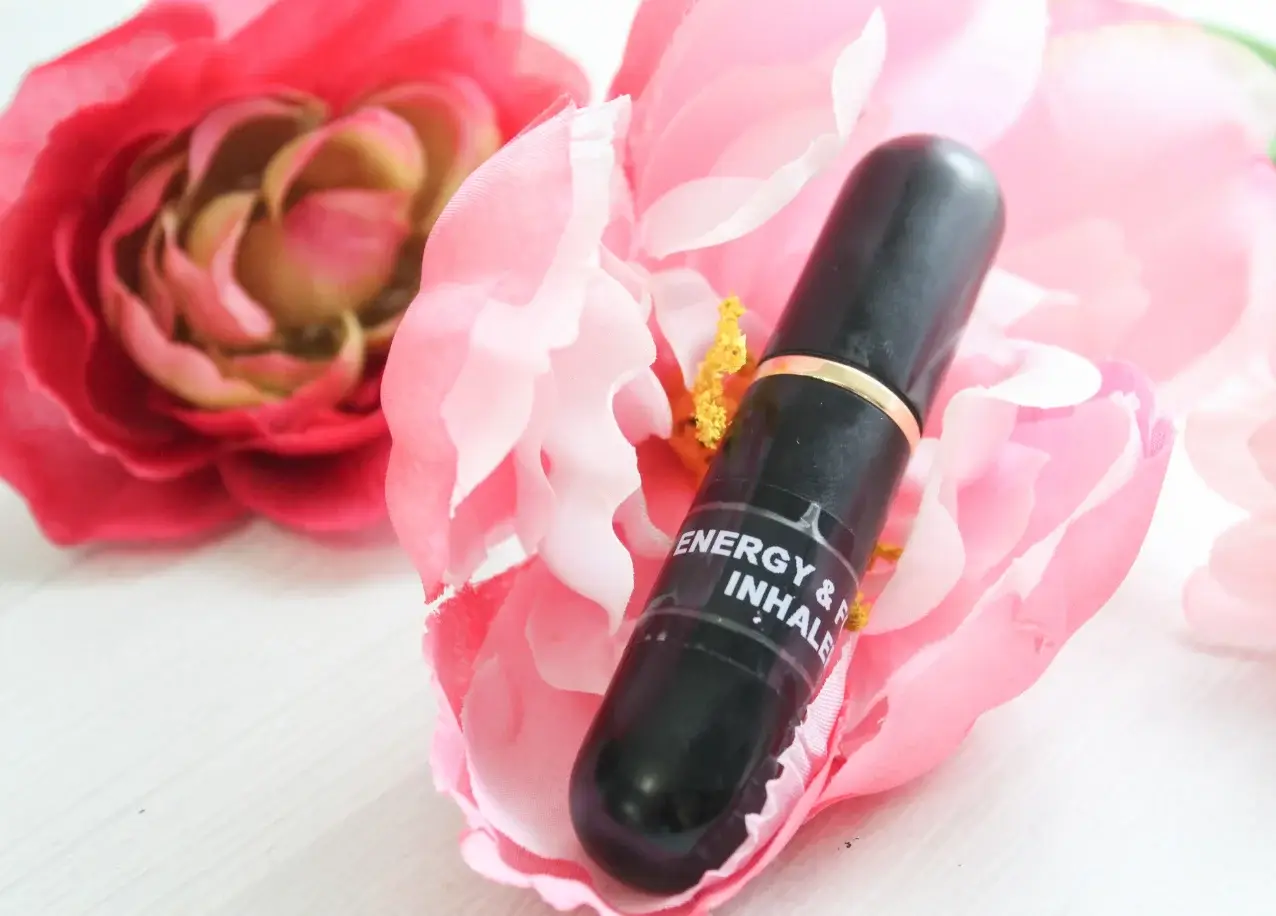
For aromatic use, add ylang ylang to a diffuser, personal inhaler, cotton ball, tissue, diffuser jewelry, or aromatherapy necklace. This is often the best way to use ylang ylang for stress relief, emotional balance, relaxation, and sleep routines.
For topical use, always dilute ylang ylang in a carrier oil before applying it to the skin. Good carrier oils include jojoba, fractionated coconut oil, sweet almond oil, avocado oil, or olive oil. Ylang ylang works beautifully in massage oils, body oils, natural perfumes, hair oils, scalp blends, and calming bedtime oils.
Ylang ylang is not an oil to use heavily. Safety guidance commonly cited for leave-on body products recommends a maximum dermal level of 0.8% because ylang ylang is relatively skin-reactive. (13) In a large patch-test dataset of 10,930 dermatology patients, 3.9% reacted to ylang ylang I + II oil. That was a selected population being evaluated for dermatitis, not a general-population allergy rate, but it reinforces the need for conservative dilution and attention to skin reactions. (17)
Do not apply ylang ylang essential oil directly to the skin without dilution. Avoid the eyes, inner ears, mucous membranes, and broken or irritated skin. If you have sensitive skin, do a small patch test first.
Also be mindful of when you use it. In one study comparing peppermint and ylang ylang aromas, peppermint increased alertness while ylang ylang increased calmness, reduced alertness, and lengthened processing speed. (14) That does not mean ylang ylang harms your brain. It simply means this is probably not the oil to diffuse before a major exam, a long drive, or a public speaking event where you need sharp alertness.
If you are pregnant, nursing, using oils with children, taking medication, managing a medical condition, or under a doctor’s care, talk with a qualified health professional before using essential oils therapeutically. Because human studies have reported blood-pressure-lowering effects, people who already have low blood pressure or take blood pressure medication should use ylang ylang conservatively and pay attention to dizziness, weakness, or lightheadedness.
Ylang Ylang Essential Oil FAQs
What is ylang ylang essential oil used for?
Ylang ylang essential oil is most commonly used for calming aromatherapy, relaxation, natural perfume, massage oils, hair care, skin care, romantic diffuser blends, and homemade cleaning products. Human studies are most encouraging for anxiety, relaxation, blood pressure, and heart-rate effects, while anti-inflammatory, insect-control, metabolic, and antibiofilm findings are mainly preliminary or preclinical.
What does ylang ylang essential oil smell like?
Ylang ylang has a rich, sweet, floral, exotic aroma. Some people describe it as romantic, tropical, powdery, fruity, or jasmine-like. The scent is strong, so a little goes a long way.
What is the difference between ylang ylang extra and ylang ylang complete?
Ylang ylang extra is collected during the earliest stage of distillation and is often prized in perfumery for its delicate floral notes. Ylang ylang complete represents the broader full distillation profile and is often the best choice for general aromatherapy, diffuser blends, massage oils, and DIY body care.
Is ylang ylang essential oil good for stress?
Yes. Calming is one of the better-supported uses. Small human studies have reported greater relaxation, changes in stress-related markers, and reductions in some anxiety measures after inhaled or diluted topical ylang ylang. (6, 12)
Can ylang ylang oil lower blood pressure?
Small human studies suggest that inhaled ylang ylang may support healthy blood pressure and heart rate in some settings, and newer randomized research on lavender-ylang ylang blends is also encouraging. The studies are not large enough to make ylang ylang a replacement for blood pressure medication, home monitoring, or physician care. (4, 5, 15)
Can you put ylang ylang essential oil directly on your skin?
No. Ylang ylang essential oil should be diluted before topical use. Because it can be skin-sensitizing, adults should generally stay at or below a 0.8% dilution for leave-on products.
Is ylang ylang good for sleep?
Ylang ylang may be helpful in evening routines because it promotes calmness and relaxation. It blends well with lavender, Roman chamomile, cedarwood, bergamot, sandalwood, and frankincense for bedtime diffuser blends.
Does ylang ylang essential oil help with hair?
Ylang ylang is commonly used in natural hair care and scalp massage blends because of its beautiful aroma and traditional use in beauty care. Always dilute it properly before applying to the scalp, and avoid getting it in the eyes.
Is ylang ylang an aphrodisiac?
Ylang ylang has a long reputation as an aphrodisiac, but clinical research has not established a direct libido-enhancing effect. Its better-supported role is as a calming aroma that may reduce stress and help create a relaxed atmosphere for emotional intimacy.
What oils blend well with ylang ylang?
Ylang ylang blends well with lavender, orange, bergamot, lemon, grapefruit, sandalwood, frankincense, rose, jasmine, geranium, clary sage, cedarwood, patchouli, vetiver, Roman chamomile, and marjoram.
Who should avoid ylang ylang essential oil?
People with very sensitive skin, damaged skin, a history of fragrance allergies, or known sensitivity to ylang ylang should avoid it or use extreme caution. Avoid using it undiluted, avoid use around the eyes or mucous membranes, and consult a qualified professional if you are pregnant, nursing, using oils with children, or under medical care.


- https://www.britannica.com/science/fractional-distillation
- https://www.hindawi.com/journals/ecam/2015/896314/#B88
- https://pubmed.ncbi.nlm.nih.gov/35744789/
- https://www.ncbi.nlm.nih.gov/pmc/articles/PMC3836517/
- https://pubmed.ncbi.nlm.nih.gov/21157172/
- https://pubmed.ncbi.nlm.nih.gov/16807875/
- https://pubmed.ncbi.nlm.nih.gov/24816646/
- https://pubmed.ncbi.nlm.nih.gov/19114390/
- https://pubmed.ncbi.nlm.nih.gov/22543614/
- https://www.ncbi.nlm.nih.gov/pmc/articles/PMC2732559/
- https://pubmed.ncbi.nlm.nih.gov/25027570/
- https://pubmed.ncbi.nlm.nih.gov/36659818/
- https://roberttisserand.com/2011/07/question-answer-ylangylang-safety-perfume/
- https://pubmed.ncbi.nlm.nih.gov/18041606/
- https://pubmed.ncbi.nlm.nih.gov/38087747/
- https://www.mdpi.com/1420-3049/31/18/3146
- https://pubmed.ncbi.nlm.nih.gov/35417610/
- https://powo.science.kew.org/taxon/72580-1