QUICK SUMMARY
This vegan tapioca pudding is rich, creamy, dairy-free, and made without added sugar. Tapioca pearls give the pudding its classic texture, while unsweetened almond or coconut milk, vanilla, stevia, and a pinch of sea salt keep the ingredient list simple.
Tapioca itself is naturally gluten-free, but anyone who needs to avoid gluten strictly should still check the package for a gluten-free label and cross-contact information. Almond milk contains a major tree-nut allergen, so use the coconut milk option when almonds are not a good fit for your family and always check ingredient labels for your specific needs.
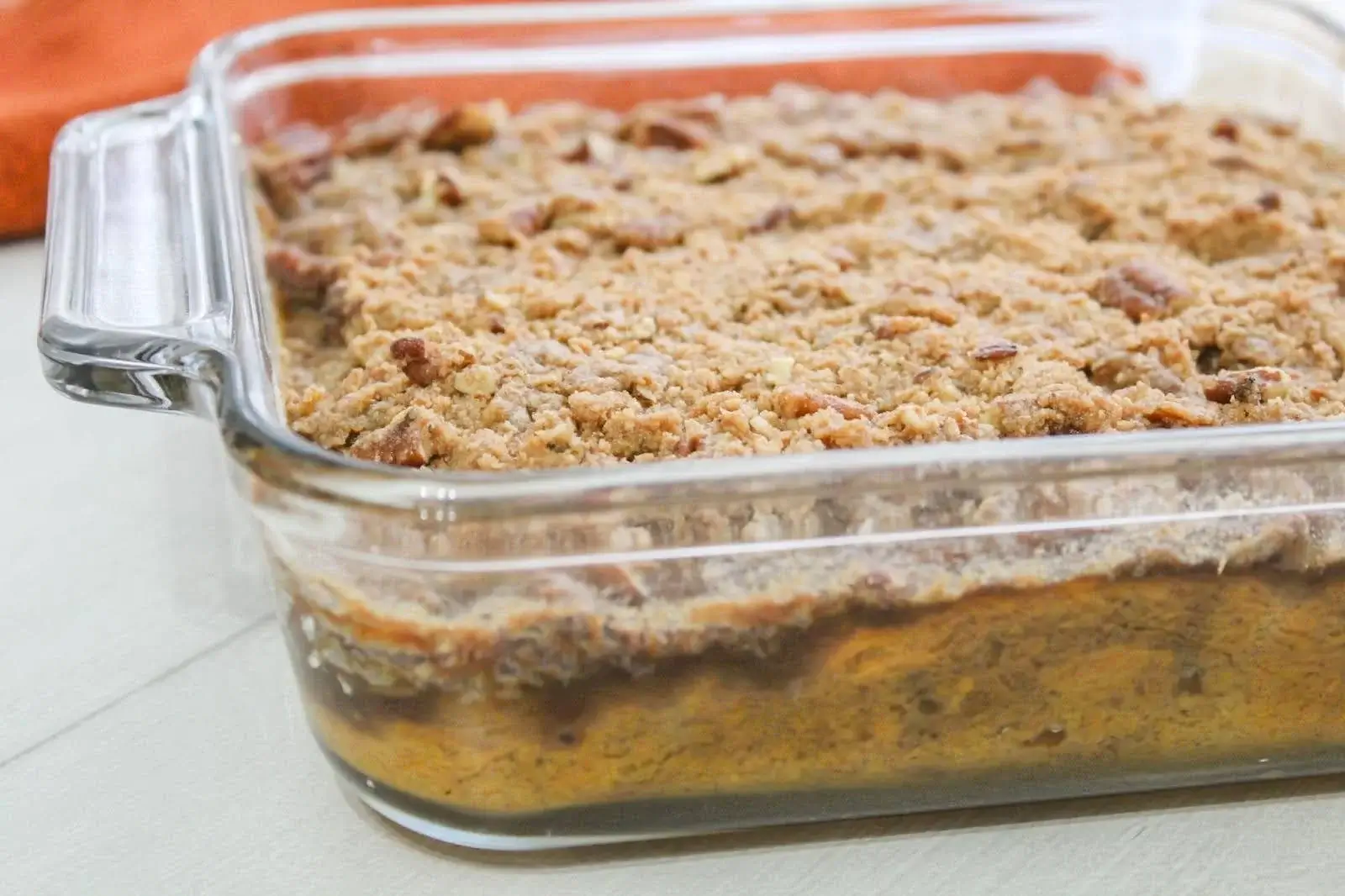
My Vegan Tapioca pudding is a delicious recipe the whole family will enjoy! It’s rich, creamy, and dairy-free, with no added sugar. Whether you prefer your dessert hot or cold, this dish is sure to please.
You should note that because you’re making this pudding from scratch, it does require a little bit of prep work. It’s worth it, though!
Table of Contents

All About Tapioca Pearls

The star of this delicious and healthy vegan tapioca pudding is tapioca pearls. Many people know of this ingredient, but few know any details.
Cassava, also called yuca, is the starchy root of Manihot esculenta, a plant in the spurge family (Euphorbiaceae). It originated in South America, and you may be surprised to know this is where tapioca comes from.
Tapioca is the starch extracted from cassava root. To make pearls, manufacturers moisten and heat the starch so the granules partially gelatinize and stick together, then form them into the familiar round beads. Production methods and pearl sizes vary, which is one reason small and large tapioca pearls can have different cooking times. (1)
Cassava has been an important carbohydrate-rich staple for centuries in parts of Africa, Asia, and South America. Tapioca pearls are one of many foods made from its starch.
Tapioca is naturally gluten-free and is primarily a source of carbohydrate. Dry tapioca pearls contain only small amounts of minerals such as calcium and iron, so we use them in this recipe for their wonderful texture rather than treating them as a major nutrient source. (2)
If you avoid gluten because of celiac disease or another medical need, remember that naturally gluten-free ingredients can still encounter gluten during processing. In the United States, foods labeled “gluten-free” must meet the FDA standard of less than 20 parts per million of gluten. Check the tapioca package and the other ingredient labels when strict avoidance matters. (3)
If you like tapioca pearls, don’t forget to try cassava. You can enjoy it in stir-fries, create healthy chips, or eat it in mashed potato form. Whole cassava root is different from commercially processed tapioca starch, however. Raw or improperly processed cassava can contain cyanogenic compounds, so always use established preparation methods and never eat raw cassava root. (4)
Healthy Pudding Ingredients 101

Healthy living is all about simple swaps, and this pudding is a perfect example. Over the years, I’ve learned that you can make almost any unhealthy treat nutritious with the right components.
You only need 6 ingredients to make this recipe. I’m sure you already have at least one of them! Here’s what you need to add to your shopping cart.
Purified or Distilled Water: We recommend using filtered, purified, or distilled water whenever possible. In the United States, the EPA sets legal limits for more than 90 contaminants in public drinking water, but water quality can still vary by source, water system, household plumbing, and local conditions. A quality in-home filtration system can be a practical way to address the specific concerns in your local water without loading up on plastic bottles. (5)
Organic Tapioca Pearls: This ingredient can be ordered online or found in many Asian grocery stores. The great thing about tapioca is that you can buy it in different styles. When purchasing tapioca pearls, be sure to grab an organic variety! Some prefer larger tapioca pearls, while others love smaller variations. Smaller pearls are a little more convenient as they tend to cook faster.
My favorite kind of tapioca comes from a brand called “Let’s Do Organic.”
Liquid Stevia: Every tapioca needs a sweetener! I love using liquid stevia in my puddings as it blends beautifully. I find vanilla or coconut-flavored stevia gives this dessert an excellent flavor profile, but you can use chocolate or even lemon-flavored sweetener.
Stevia is a highly concentrated sweetener, so you don’t have to use a lot to get great results! One to two droppersful will sweeten an entire pan of pudding. If keeping the recipe free from added sugar matters to you, check the ingredient label on flavored liquid stevia because formulas can vary by brand.
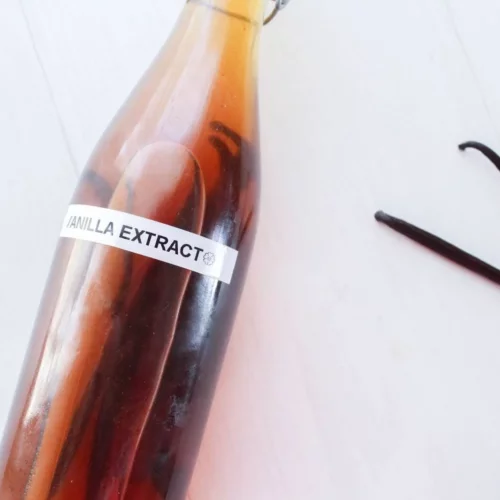
Organic Pure Vanilla Extract: Pure vanilla may be a little pricier than imitation, but this is one area where you get what you pay for! Pure vanilla extract gets its characteristic flavor from vanilla beans extracted into a water-and-alcohol solution. Imitation vanilla is formulated differently and typically relies on added vanillin, and the rest of the ingredient list varies by brand. (6) Once you use the real deal, you’ll never go back!
The most cost-effective way to enjoy pure vanilla is by making your own.
Pink Himalayan Salt or Sea Salt: A little salt balances the sweetness and brings the vanilla flavor forward. We recommend using Colima sea salt because it’s hand-harvested and tastes incredible, adding gourmet flair to any recipe. You can also use pink Himalayan salt.
Unsweetened Almond or Coconut Milk Beverage: To keep this recipe dairy-free, we use almond or coconut milk. These options make tapioca pudding just as creamy, without using dairy.
When purchasing almond milk, be sure to grab an unsweetened variety. You’d be surprised how often added sugars show up in flavored or sweetened plant-milk products.
Almond is one of the tree nuts recognized as a major food allergen in the United States. If you need to avoid almonds, use the coconut milk option and check every label for ingredients and cross-contact information that matters for your family. (7)
You can also make your own by following our easy Almond Milk Recipe tutorial.
Make Vegan Tapioca Pudding
This pudding cooks beautifully in the oven; no need to babysit a stovetop burner! Leftovers store well in the refrigerator and taste just as good chilled.

Tapioca Pudding (Vegan)
Servings
Ingredients
- 2 cups purified OR distilled water
- 3 tablespoons organic tapioca pearls
- 2 dropperfuls vanilla-flavored liquid stevia
- 1 teaspoon organic pure vanilla extract OR Homemade Vanilla Extract
- ⅛ teaspoon pink Himalayan salt OR sea salt, ground
- ⅔ cup organic unsweetened almond OR coconut milk beverage
- Organic ground Ceylon cinnamon OR organic pumpkin pie spice powder
Instructions
- Preheat the oven to 350°F. In a saucepan over medium-high heat, bring the water to a boil. Using a whisk or fork, slowly add the tapioca pearls (this prevents them from sticking together). Let the tapioca cook for about 17 minutes, occasionally stirring, until they have lost their opaque appearance. The mixture should be slightly thickened and the liquid cloudy.
- In a separate bowl, whisk together the liquid stevia, vanilla, salt, and almond milk. Set aside.
- When the tapioca has finished cooking, whisk in the milk mixture, stir, and cook for 10 more minutes.
- Place the contents in a greased glass casserole pan and bake for one and a half hours, stirring every 15-20 minutes. You can also place the mixture into individual glass serving containers or small glass jelly jars. Let cool, serve, and enjoy! Top with organic cinnamon or pumpkin pie spice powder.
Homemade Vanilla Extract (Vegan)
Servings
Ingredients
- 5-6 organic vanilla beans
- 80% proof organic vodka
Supplies
Instructions
- Place the vanilla beans in a glass bottle and carefully pour in the vodka. Store in a dark, cool place and shake occasionally. Let it work its magic for at least 6 months before using it. Use in all your favorite baked goods, drinks, and more.
Step One: Boil the Tapioca

Preheat the oven to 350°F and lightly grease a casserole pan. In a saucepan over medium-high heat, bring the water to a boil. Using a whisk or fork, slowly add the tapioca pearls. This extra step prevents them from sticking together and ensures they are distributed evenly.
Let the tapioca cook for about 17 minutes, occasionally stirring, until the pearls have lost their opaque appearance. The mixture should be slightly thickened and the liquid cloudy.
Pearl size matters, so use the tapioca pearls called for in the recipe for the most predictable result. Larger or quick-cooking pearls may need different timing.
Step Two: Make the Pudding Base

In a separate bowl, whisk together the liquid stevia, vanilla, sea salt, and almond milk. Set aside.
Step Three: Bake the Vegan Tapioca Pudding

When the tapioca has finished cooking, whisk in the milk mixture, stir well, and cook for 10 more minutes. Place the contents in the prepared pan and bake for one and a half hours, stirring every 15-20 minutes.
Top with organic Ceylon cinnamon or pumpkin pie spice powder. Let cool, serve, and enjoy!

Want more easy desserts? Try our Brown Rice Pudding! This energizing treat bakes in the oven and is perfect with a sprinkle of pumpkin pie spice.
Vegan Tapioca Pudding FAQs
Is tapioca pudding vegan?
This version is vegan because it uses almond or coconut milk instead of dairy milk and does not use eggs. Always check packaged ingredient labels if you follow a strict vegan diet because brands and formulas can change.
Is tapioca pudding gluten-free?
Tapioca itself is naturally gluten-free. If you have celiac disease or need strict gluten avoidance, choose tapioca pearls and other packaged ingredients labeled gluten-free and check for cross-contact information. FDA-regulated foods labeled “gluten-free” must contain less than 20 parts per million of gluten. (3)
Is this tapioca pudding sugar-free?
It is more accurate to call this recipe no added sugar. It is sweetened with liquid stevia instead of granulated sugar, and the recipe calls for unsweetened plant milk. Tapioca is still a starch, and flavored stevia or plant-milk products can vary, so check your labels if sugar content is important to you.
Can I use coconut milk instead of almond milk?
Yes. The original recipe allows either unsweetened almond or coconut milk beverage. Coconut is especially useful when you want to avoid almonds, while almond milk gives a mild flavor that lets the vanilla shine. Use the option that fits your family and check the ingredient label for any allergen or cross-contact concerns.
Can I use large tapioca pearls?
Pearl size changes cooking time and texture. This recipe was written around the tapioca pearls and timing shown here, so changing to large or quick-cooking pearls may require different preparation. For the most consistent result, use the same style of pearls called for in the recipe.
How long does vegan tapioca pudding last in the refrigerator?
Refrigerate the pudding within two hours of cooking and keep it covered and cold. USDA food-safety guidance recommends using most cooked leftovers within 3-4 days. If the pudding develops an unusual odor, color, texture, or signs of spoilage sooner, discard it. (8)


- Food and Agriculture Organization of the United Nations. “Cassava Flour and Starch: Baked Tapioca Products.” Source.
- U.S. Department of Agriculture, Agricultural Research Service. “Tapioca, Pearl, Dry.” FoodData Central, FDC ID 169717. Source.
- U.S. Food and Drug Administration. “Gluten-Free Labeling of Foods.” Updated March 17, 2026. Source.
- Alitubeera PH, Eyu P, Kwesiga B, Ario AR, Zhu BP. “Outbreak of Cyanide Poisoning Caused by Consumption of Cassava Flour: Kasese District, Uganda, September 2017.” Morbidity and Mortality Weekly Report. 2019;68(13):308-311. doi:10.15585/mmwr.mm6813a3.
- U.S. Environmental Protection Agency. “Drinking Water Regulations.” Updated February 24, 2026. Source.
- Electronic Code of Federal Regulations. “21 CFR 169.175: Vanilla Extract.” Current through August 18, 2026. Source.
- U.S. Food and Drug Administration. “Food Allergies.” Updated March 11, 2026. Source.
- U.S. Department of Agriculture, Food Safety and Inspection Service. “Leftovers and Food Safety.” Updated July 31, 2020. Source.