QUICK SUMMARY
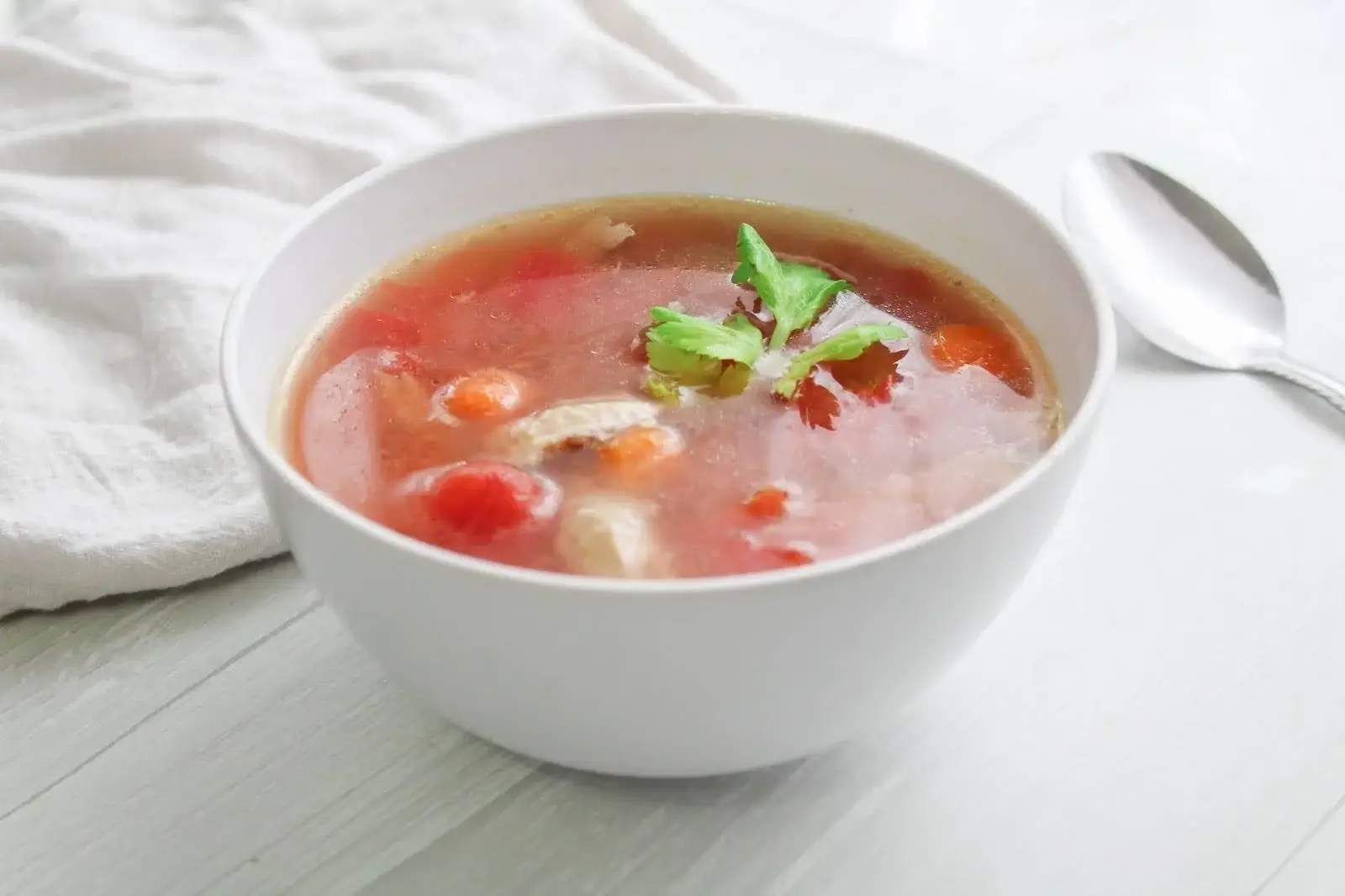
This hearty Lentil Kale Soup is a warm, plant-based meal made with lentils, kale, tomatoes, garlic, carrots, extra-virgin olive oil, spices, and culinary essential oils.
Making lentil soup at home lets you control the sodium, added sugar, cooking fats, and ingredient quality while getting plenty of fiber-rich lentils and cruciferous vegetables. Lemon, cumin, and thyme essential oils add concentrated flavor, so use only oils labeled for culinary or food use and follow the exact recipe amount for the full batch.
For the best texture and flavor, sauté the vegetables, bloom the spices, simmer the lentils until tender, puree the soup, and finish with chopped kale.
There’s nothing better than a warm bowl of soup on a chilly day. Store-bought soup can be convenient, but making it at home gives you control over the sodium, sweetness, cooking fats, and ingredient quality. My Lentil Kale Soup is simple to make, delicious, and deeply nourishing, with plant-based protein, cruciferous vegetables, herbs, spices, and culinary essential oils.
We love eating this soup for lunch and dinner during the cool months, but let’s be honest…this soup is lovely all year round! It’s cozy enough for winter, light enough for spring, and satisfying enough to make meatless meals feel filling.
Table of Contents:


Kale and Lentil Super Soup
Servings
Ingredients
- ¼ cup extra-virgin olive oil
- 1 tablespoons organic dried minced onion OR 1 medium organic sweet Vidalia onion, finely chopped,
- 4 medium organic garlic cloves, pressed
- 2 medium organic carrots, sliced
- 1 teaspoon organic ground cumin
- 1 teaspoon organic curry powder
- ¼ teaspoon organic dried thyme
- 1 (28-ounce) can organic diced tomatoes, drained OR 28 ounces of organic tomato sauce
- 3 drops lemon essential oil
- 2-3 drops cumin essential oil
- 1 drop thyme essential oil
- 1 cup organic red, green, AND brown lentils, rinsed
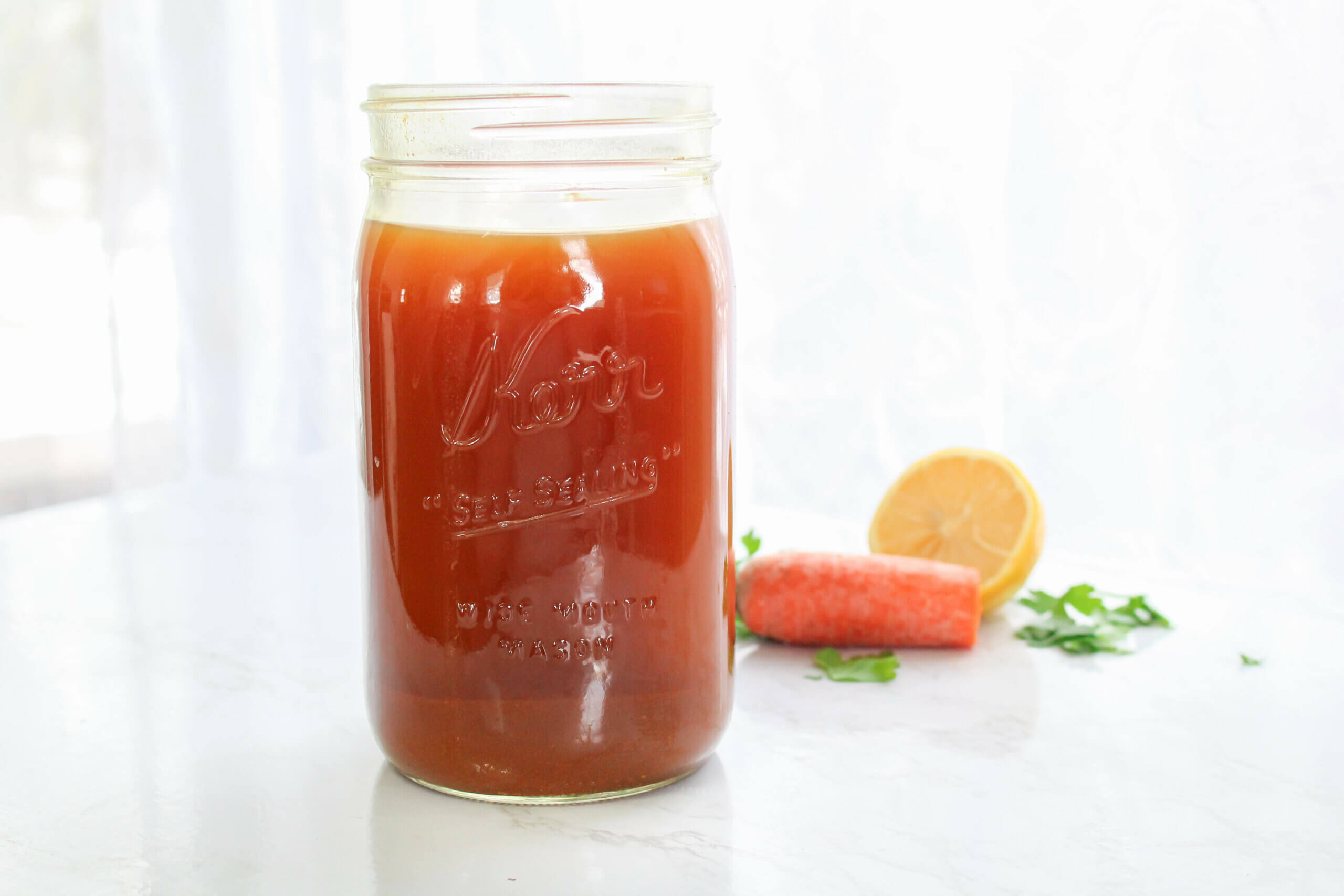
- 4 cups organic vegetable broth OR Homemade Vegetable Broth
- 2 cups boiling purified OR distilled water
- 1 tablespoon freshly squeezed organic lemon OR lime juice
- 1 teaspoon pink Himalayan salt OR sea salt, ground
- ½ teaspoon organic white pepper, ground
- ¼ teaspoon organic ground cayenne pepper
- 2 small bunches organic baby kale, chopped, OR 1 (10-ounce) bag organic frozen kale
Supplies
- Immersion blender OR Blender
Instructions
- Heat the olive oil in a large pot over medium heat. Add the onion, garlic, and carrots. Cook until the onion and garlic are very tender and start to brown, about 10 minutes. Add the cumin, curry powder, and thyme, and cook, stirring, for 30 seconds to 1 minute to release their scent. Stir in the tomatoes, followed by the essential oils.
- Pour in the lentils, broth, 1 cup of boiling water, and lemon juice. Add the sea salt, white pepper, and cayenne. Bring the mixture to a boil over medium heat and immediately reduce the heat to low. Simmer for 20 to 30 minutes, until the lentils are cooked through and tender.
- Using an immersion blender or blender, puree the entire mixture. Then add the kale and the remaining 1 cup of boiling water. Cook for another 5 to 10 minutes over low heat, until the kale is cooked through. If not serving immediately, refrigerate for up to five days or freeze the soup in smaller portions.
Homemade Vegetable Broth (Vegan)
Servings
Ingredients
- 3 tablespoons organic tomato paste
- 2 organic medium-sized onions , halved (can leave the skin on)
- 3 organic carrots , chopped
- 4 organic celery stalks , chopped
- 1 whole organic garlic bulb , halved (can leave the skin on)
- 1 cup organic mushrooms , sliced
- 2 organic bay leaves
- ⅛ cup fresh organic parsley , chopped OR 1 tablespoon dried
- 1 2-inch ginger root, chopped (can leave peel on)
- ½ tablespoon organic turmeric
- 2 teaspoons organic white pepper , ground
- 10 cups purified OR distilled water
- 2 tablespoons pink Himalayan salt OR sea salt, ground
- 1 tablespoon organic unfiltered apple cider vinegar
- 1 dropperful organic plain liquid stevia
- 2 drops thyme essential oil
- 2 drops oregano essential oil
Instructions
- Place the tomato paste, chopped onions, carrots, celery, garlic, mushrooms, bay leaves, parsley, ginger, turmeric, and white pepper in a large pot over low heat. Stir to combine.
- Pour water over the vegetable mixture.
- In a small bowl, combine the sea salt, essential oils, apple cider vinegar, and stevia. Mix well and add to the soup pot. For best results, simmer for at least 1 hour and up to 2 hours.
- Scoop the vegetables and herbs out of the broth. If you want a smoother broth, filter it through a fine-mesh strainer.
- Freeze the broth in food-grade containers or store it in freezer bags. You can refrigerate the broth for up to 5 days.
Why Homemade Lentil Kale Soup Beats Store-Bought Soup
Store-bought soups may be convenient, and not every canned soup is the same. But homemade soup gives you something a label never can: complete control over the ingredients. Here’s why we prefer making lentil kale soup in our own kitchen whenever we can.
Excess Sodium
Packaged soups can be surprisingly high in sodium. Progresso’s current Vegetable Classics Lentil Soup lists 740 mg of sodium per 1-cup serving, or 32% of the Daily Value, with two servings per can. (1) Federal guidance uses a Daily Value of less than 2,300 mg of sodium per day for adults and children age 14 and older. (2)
Does this mean you should eat bland soup? No way! Sodium is an essential nutrient, but amount matters. We recommend using Colima sea salt because it’s hand-harvested and full of flavor, which makes it easier to season your food intentionally instead of relying on heavily salted packaged meals.
Soybean Oil
Soybean oil is one of the most commonly consumed oils because it is used in many processed foods. It can also show up in prepared soups, stocks, sauces, and dressings because it is inexpensive and neutral tasting.
This is important: a 2020 animal study found that high-fat diets rich in soybean oil altered hypothalamic gene expression in male mice, including pathways tied to neuroendocrine and metabolic function. (3) That is an animal study, not proof that ordinary human soybean-oil intake causes the same effects. It does fit the bigger principle we teach all the time: choose whole foods and better fats whenever you can.
We recommend staying away from canola, soybean, and other genetically modified oils when practical and choosing nourishing fats such as extra-virgin olive oil and coconut oil instead.
Sugar
You don’t usually think of soup as sweet, but some packaged soups include sugar in the ingredient list to balance acidity and round out flavor. You can create that balance naturally with carrots, sweet onions, herbs, spices, and slow-simmered vegetables.
A large prospective study found that higher added-sugar intake was associated with greater cardiovascular disease mortality. (4) Reviews have also linked higher dietary sugar intake with inflammatory pathways and biomarkers, although the effect depends on the overall dietary pattern and amount consumed. (5)
Application: When you make soup at home, you control the salt, the fat, the sweetness, and the quality of every ingredient. That’s Biblical health in action: wise stewardship of the body God gave you.
Healthy Lentil Kale Soup Ingredients

This recipe uses simple ingredients to create a warming, flavorful soup. Essential oils are the icing on top!
Olive Oil: Olive oil is one of the best oils you can choose. It enhances this soup beautifully and makes it silky smooth. Extra-virgin olive oil provides monounsaturated fat and polyphenols, and a 2024 umbrella review found beneficial associations between olive oil intake and cardiovascular disease, type 2 diabetes, cancer, and all-cause mortality, while noting that evidence for specific inflammatory biomarkers was less consistent. (6) Be sure to purchase the best olive oil you can, as all olive oils are not created equal.
Vidalia Onion: This onion is one of my favorites because it has lower sulfur content. This makes it taste sweeter and less bitter than other onions. When sautéed, Vidalia onions caramelize beautifully and add a wonderful texture and gentle sweetness to this soup.
Garlic Cloves: Garlic has been used as a natural remedy for centuries. A review of preclinical and clinical research found antiviral and immune-modulating potential in garlic and its organosulfur compounds, but much of that evidence is laboratory or preclinical and should not be turned into a promise that garlic prevents or treats viral illness. (7) I happen to think that every recipe tastes better with a bit of garlic in it, and this soup is no exception!
Carrots: The lovely color of carrots is due to their beta-carotene content. The cool thing about beta-carotene is that your body can convert it into vitamin A. Vitamin A is important for normal vision, immune function, growth, cellular communication, and organ health. (8)
Spices: There’s no reason healthy food should be bland! This soup contains a fantastic blend of spices that will entertain your tastebuds. Cumin and curry powder add warm, earthy flavor, while thyme gives this recipe a cozy, at-home taste.
Tomatoes: Tomatoes make our soup beautiful and add lycopene, the carotenoid that gives many tomatoes their red color. Lycopene has been studied extensively for antioxidant and cancer-related pathways, but much of the anticancer evidence is preclinical or observational and does not make tomatoes or lycopene a stand-alone cancer treatment. (9) Human dietary research has also examined lycopene-rich tomato products for helping protect skin from ultraviolet-related damage. (10)
Essential Oils: We love using essential oils in all aspects of our lives, including cooking!
- Cumin essential oil brings a deep, earthy flavor to this recipe. Laboratory testing has also documented antioxidant activity in cumin essential oil, but that does not mean the small culinary amount in a pot of soup produces a clinical antioxidant effect. (11)
- Lemon essential oil brightens the entire pot and gives this soup a fresh finish. Human research has examined lemon essential oil by inhalation for stress and anxiety, but inhalation evidence should not be used to promise the same effect from culinary use. (12)
- Thyme essential oil is rich in thymol and has a long history of traditional respiratory use. Reviews describe antimicrobial and anti-inflammatory activity, with much of the evidence coming from laboratory and preclinical research rather than human culinary trials. (13)
Cumin, lemon, and thyme are listed in federal food regulations among essential oils and natural extractives generally recognized as safe for their intended food use. (17) That does not mean every essential oil bottle belongs in food or that more is better.
In this recipe, the essential oils are used as concentrated culinary flavorings in a full pot of soup. The olive oil and food mixture help disperse the small amount before the broth is added, and you should stir thoroughly. Use only oils specifically labeled by the manufacturer for culinary or food use, and follow the exact recipe amount. Do not casually ingest essential oils in water or neat (undiluted). Internal use of essential oils requires proper dilution, product quality, dosing knowledge, and safety guidance. Learn more about how to ingest essential oils here.
Lentils: We love using a colorful mix of lentils in this soup. Lentils are filling, inexpensive, and rich in plant protein, fiber, resistant starch, minerals, and polyphenols. A 2024 review describes antioxidant, anti-inflammatory, gut-health, and metabolic benefits associated with lentils, while a newer 2026 review highlights how lentil resistant starch, peptides, and polyphenols may interact during digestion and fermentation. (14) (19)
Sea Salt: Table salt and sea salt are both primarily sodium chloride, and the trace minerals in specialty salts are generally too small to make them a meaningful source of nutrition. We still recommend using Colima sea salt because it is hand-harvested, minimally processed, and full of flavor.
Kale: Kale is a cruciferous veggie. It’s usually slightly bitter raw, but it tastes amazing when cooked into a savory soup. Lentils and kale are a powerhouse pair. Researchers have described lentils and kale as complementary nutrient-rich whole foods, and one review notes that brassicas like kale are a perfect complement to pulse crops like lentils. (15)
Kale is especially interesting because cruciferous vegetables contain glucosinolates, which are broken down during food preparation, chewing, and digestion into biologically active compounds such as isothiocyanates and indoles. These compounds have shown anticancer effects in laboratory and animal research, while human studies of cruciferous vegetable intake and cancer risk have been mixed. (16) If you want to get an extra dose of cruciferous vegetables, feel free to add any of the following to your soup.
- Broccoli
- Cabbage
- Brussel Sprouts
- Radishes
- Collard Greens
- Bok Choy
Make Mama Z’s Lentil Kale Soup
This recipe comes together in just minutes and is so easy to make. I love having soup nights because I have a little more free time while the soup simmers away!
Here’s the thing: healthy eating doesn’t have to be complicated. A pot of soup like this gives you fiber, plant-based protein, cruciferous vegetables, herbs, spices, and essential oils in one family-friendly meal.
Step One: Sauté the Vegetables

Heat the olive oil in a large pot over medium heat. Add the onion, garlic, and carrots. Cook until the veggies are tender and start to brown. This usually takes about 10 minutes. Add the cumin, curry powder, and thyme. Cook for about 1 minute, stirring constantly.
Application: Don’t skip this step! Sautéing builds the flavor foundation so your soup tastes rich and satisfying without needing sugar, excess salt, or artificial flavor enhancers.
Step Two: Add Essential Oils

Stir in the tomatoes and essential oils. Pour in the lentils, broth, 1 cup of boiling water, and lemon juice. Add the sea salt, white pepper, and cayenne. Bring the soup to a boil over medium heat, then reduce to low and simmer for 20 to 30 minutes. Your lentils should be tender at this point.
This is important: essential oils are potent. A few drops are plenty for a whole pot of soup. More is not better, especially when cooking for the family.
Step Three: Add the Kale

Use an immersion blender to puree the entire mixture. Then, add the kale and the remaining cup of boiling water. Cook the lentil kale soup for another 5 to 10 minutes over low heat until the kale is cooked through. Enjoy!
Want more tasty ways to enjoy cruciferous veggies? Try my delicious Vegan Coleslaw! It’s dairy-free and full of bioactive ingredients. It’s the perfect healthy complement to any barbeque!
Lentil Kale Soup FAQs
Is lentil kale soup healthy?
Yes, lentil kale soup is a healthy, plant-based meal when it’s made with real food ingredients. Lentils provide fiber, plant-based protein, minerals, prebiotic carbohydrates, and polyphenols, while kale adds cruciferous vegetable compounds, carotenoids, and other bioactives. (14) (15) (16)
Can you put essential oils in soup?
Yes, you can use essential oils in soup when the specific oils are labeled for culinary or food use and the amount is tied to the complete recipe. This recipe uses only a few drops for the entire pot and incorporates them into an oil-and-food mixture before the broth is added.
Do not casually ingest essential oils in water or neat (undiluted). Internal use of essential oils requires proper dilution, product quality, dosing knowledge, and safety guidance. Learn more about how to ingest essential oils here.
What essential oils taste good in lentil soup?
Lemon, cumin, and thyme essential oils taste wonderful in lentil soup. Lemon adds brightness, cumin adds warmth and depth, and thyme gives the soup a savory herbal flavor.
Can I make this lentil kale soup ahead of time?
Yes. This lentil kale soup is a great make-ahead meal. USDA recommends refrigerating cooked soups and stews promptly and using them within 3 to 4 days. Freeze extra portions if you will not use them within that window. (18)
Can I use spinach instead of kale?
Yes, you can use spinach instead of kale, but kale gives this recipe a heartier texture and cruciferous vegetable benefits. For the best superfood soup, stick with kale or use a mix of kale, spinach, and other cruciferous veggies.
Is this lentil kale soup vegan?
Yes, this recipe is vegan when made with vegetable broth. It’s also dairy-free. If you need it to be strictly gluten-free for celiac disease or another medical reason, verify that your broth, curry powder, spices, and other packaged ingredients are labeled gluten-free and protect the meal from cross-contact.


- https://www.progresso.com/products/vegetable-classic-lentil
- https://www.fda.gov/food/nutrition-education-resources-materials/sodium-your-diet
- https://pmc.ncbi.nlm.nih.gov/articles/PMC7041656/
- https://pubmed.ncbi.nlm.nih.gov/24493081/
- https://pubmed.ncbi.nlm.nih.gov/29757229/
- https://pubmed.ncbi.nlm.nih.gov/39001794/
- https://pubmed.ncbi.nlm.nih.gov/32836826/
- https://ods.od.nih.gov/factsheets/VitaminA-HealthProfessional/
- https://pmc.ncbi.nlm.nih.gov/articles/PMC9741066/
- https://pubmed.ncbi.nlm.nih.gov/11340098/
- https://journals.ashs.org/view/journals/hortsci/50/8/article-p1213.xml
- https://pubmed.ncbi.nlm.nih.gov/35190270/
- https://pubmed.ncbi.nlm.nih.gov/32917001/
- https://pubmed.ncbi.nlm.nih.gov/38501131/
- https://pmc.ncbi.nlm.nih.gov/articles/PMC4663599/
- https://www.cancer.gov/about-cancer/causes-prevention/risk/diet/cruciferous-vegetables-fact-sheet
- https://www.ecfr.gov/current/title-21/chapter-I/subchapter-B/part-182/subpart-A/section-182.20
- https://www.fsis.usda.gov/food-safety/safe-food-handling-and-preparation/food-safety-basics/leftovers-and-food-safety
- https://pubmed.ncbi.nlm.nih.gov/42123949/