QUICK SUMMARY
Homemade ketchup is one of the easiest healthy condiment swaps you can make for your family. This simple recipe uses organic tomato paste, apple cider vinegar, natural sweeteners, mineral-rich salt, and pantry spices to create a thick, tangy ketchup without the high-fructose corn syrup, excess sugar, or questionable additives found in many conventional brands.
Tomatoes are rich in lycopene, a red carotenoid studied for cardiovascular, antioxidant, skin, and eye-health support. Because this recipe starts with tomato paste, you get concentrated tomato flavor and a convenient way to use tomatoes in dressings, sauces, dips, and family-friendly meals.
This homemade ketchup comes together in minutes, stores in the refrigerator for up to two weeks, and can be used in salad dressings, barbecue sauce, sweet-and-sour recipes, or as a dip for your favorite healthy meals.
Here’s the thing: when you make ketchup at home, you get to enjoy that rich tomato flavor without turning a healthy food into a sugar-loaded condiment.
That matters, because the benefits of tomatoes come from the tomatoes themselves, not from the refined sugar and additives often found in store-bought ketchup.
Table of Contents:

Benefits of Tomatoes
Tomatoes are a must-have in any kitchen. They’re versatile, easy to use, and delicious in sauces, soups, dressings, casseroles, and dips. One of the main ingredients in this recipe is tomato paste, which is simply concentrated tomatoes.
But tomatoes aren’t just a convenient pantry ingredient. They’re full of God-given plant compounds that help nourish the body. The most famous is lycopene, the carotenoid that gives red tomatoes their beautiful color.
Tomatoes Can Improve Your Heart Health
Red tomatoes can improve your cardiovascular health. That one should be easy to remember!
Lycopene, the compound responsible for a tomato’s red hue, has been studied for its heart-supportive effects. Research reviews have connected higher tomato and lycopene intake with favorable cardiovascular markers, including oxidative stress, blood pressure, inflammation, and lipid-related pathways. (1)
Lycopene can also help reduce oxidative stress, which contributes to heart problems and is brought on by an overabundance of free radicals. (2)
This is important because cardiovascular disease remains the leading cause of death in the United States. We have to use the natural gifts God gave us to fight back with daily habits that support life: real food, movement, rest, prayer, stress relief, and reducing our toxic burden one practical step at a time. (3)
Application: Use this homemade ketchup anywhere your family would normally reach for a bottle from the store. It’s a small swap, but those small swaps add up when you’re building a lifestyle of biblical health.
Tomatoes Can Boost Your Eye Health
Our society is technologically advanced, and while this provides us with many benefits, it also puts a lot of strain on the eyes. If you’re one of many people who spend hours in front of blue-light screens every day, you may want to listen up.
Tomatoes contain carotenoids and vitamin A-related nutrients that support vision and antioxidant protection. Lycopene has also been studied for its ability to reduce oxidative damage involved in cataract development and to support good vision health. (4)
Put simply, tomatoes are not a magic bullet for eye problems, but they are a smart bioactive food to include regularly. Colorful plant foods help nourish the body in ways isolated, processed foods never can.
Tomatoes Can Improve Your Skin
One little-known fact about tomatoes is that they can help you look your best. Human research has shown that tomato paste rich in lycopene can help protect skin against UV-related photodamage when consumed consistently. (5)
A more recent review also found that lycopene and tomato-based products may help support skin health by reducing oxidative stress and helping defend against photoaging. (6)
The antioxidants in lycopene help fight free radicals that can prematurely age delicate tissue and cause stress to skin cells. No matter how clean your environment is, you can’t totally eliminate free radicals. Including bioactive foods, however, can help reduce their effects and keep you looking and feeling your best.
You should note that these wonderful benefits are experienced when you consume tomatoes in their purest form, not doused in sugar like many store-bought kinds of ketchup are.
Healthy Condiment Ingredients 101

This recipe uses basic pantry ingredients to create a healthy condiment. You probably have most of these things in your kitchen already! Feel free to add and subtract ingredients to fit your family’s preferences.
For example, some of our Natural Living Family members love adding a little ground mustard, while others substitute fresh onions for onion powder. Get creative!
Organic Tomato Paste: This simple ingredient creates thick ketchup that rivals any store-bought version. Tomato paste is just cooked-down tomatoes, so you get all of the fantastic benefits this fruit offers.
Tomato paste is especially helpful because lycopene becomes more bioavailable when tomatoes are processed and enjoyed with healthy fat. That’s one reason tomato paste, tomato sauce, and cooked tomato recipes can be such useful additions to a healthy kitchen. (7)
Organic Unfiltered Apple Cider Vinegar: A splash of vinegar gives our homemade ketchup just the right amount of tang. When purchasing ACV, get the kind with the “mother.” This kind of vinegar often has a cloudy substance on the bottom of the bottle.
The “mother” contains natural fermentation byproducts. Research on apple cider vinegar has explored benefits for blood sugar, cholesterol, and other cardiometabolic markers, though results vary and ACV works best as part of a healthy lifestyle rather than a stand-alone solution. (8)
Sweetener: One of my best cooking hacks is to use multiple kinds of sweeteners. This gives recipes a full-bodied flavor! In this recipe, our primary sweetener is organic stevia. Stevia is a great natural sweetener that’s free of calories and blood sugar friendly.
We also use another type of sweetener. You can choose from organic raw local honey, Grade A Dark Amber maple syrup, or organic coconut sugar. We’ve had great success with all of the above!
Reality check: the goal is not to make ketchup taste like dessert. The goal is to create a familiar family favorite with a balanced sweet-tangy flavor and far less sugar than many conventional options.
Pink Himalayan Salt or Sea Salt: Traditional table salt undergoes a rigorous harvesting process that strips it of trace minerals. These minerals help your body to thrive! We recommend using Colima sea salt because it’s hand-harvested. This process keeps the good stuff intact!
If you don’t have sea salt on hand, you can always use pink Himalayan salt.
Organic Spices: A great blend of spices gives this ketchup a traditional flavor. We use garlic powder, onion powder, and allspice. You may not associate allspice with ketchup, but the earthy flavor pairs well with tomatoes.
If you like a little spice in your life, you can add a little cayenne pepper.
Purified or Distilled Water: Tap water quality can vary depending on the water source, plumbing, and local contaminants. The CDC notes that germs and chemicals can enter drinking water before it reaches your home, and the right home filtration option depends on the contaminants you need to reduce. (9)
We recommend filtering your water to avoid unnecessary exposure and support a healthier home. This is one of those simple, practical lifestyle changes that helps reduce your family’s toxic burden over time.
Make Homemade Ketchup
This recipe comes together in just minutes. It’s as simple as blending a few ingredients. The best part? You can store it in the fridge for up to two weeks! I love doubling this recipe since my kids use a lot of it.

Healthy Homemade Ketchup (Vegan)
Servings
Ingredients
- 1 6-8-ounce can organic tomato paste
- 2 tablespoons organic unfiltered apple cider vinegar
- 1 tablespoon Grade A Dark Amber maple syrup, organic OR Christmas Cookie Blend OR 2 tablespoons organic coconut sugar
- 1 teaspoon pink Himalayan salt OR sea salt, ground
- 1 teaspoon organic garlic granules OR 4 cloves organic garlic, pressed
- 1 teaspoon organic onion powder
- 1 serving (⅟16 teaspoon) organic powdered stevia OR 1 dropperful plain liquid stevia
- ¼ teaspoon organic allspice
- ⅔ cup purified OR distilled water
- ⅛ teaspoon organic ground cayenne pepper (optional)
Supplies
Instructions
- Place the tomato paste, apple cider vinegar, maple syrup, sea salt, garlic powder, onion powder, stevia, allspice, purified water, and cayenne pepper (if using) in a food processor or blender. Blend until the mixture reaches the desired consistency. Store in the fridge for up to 3-4 weeks in a tightly covered container
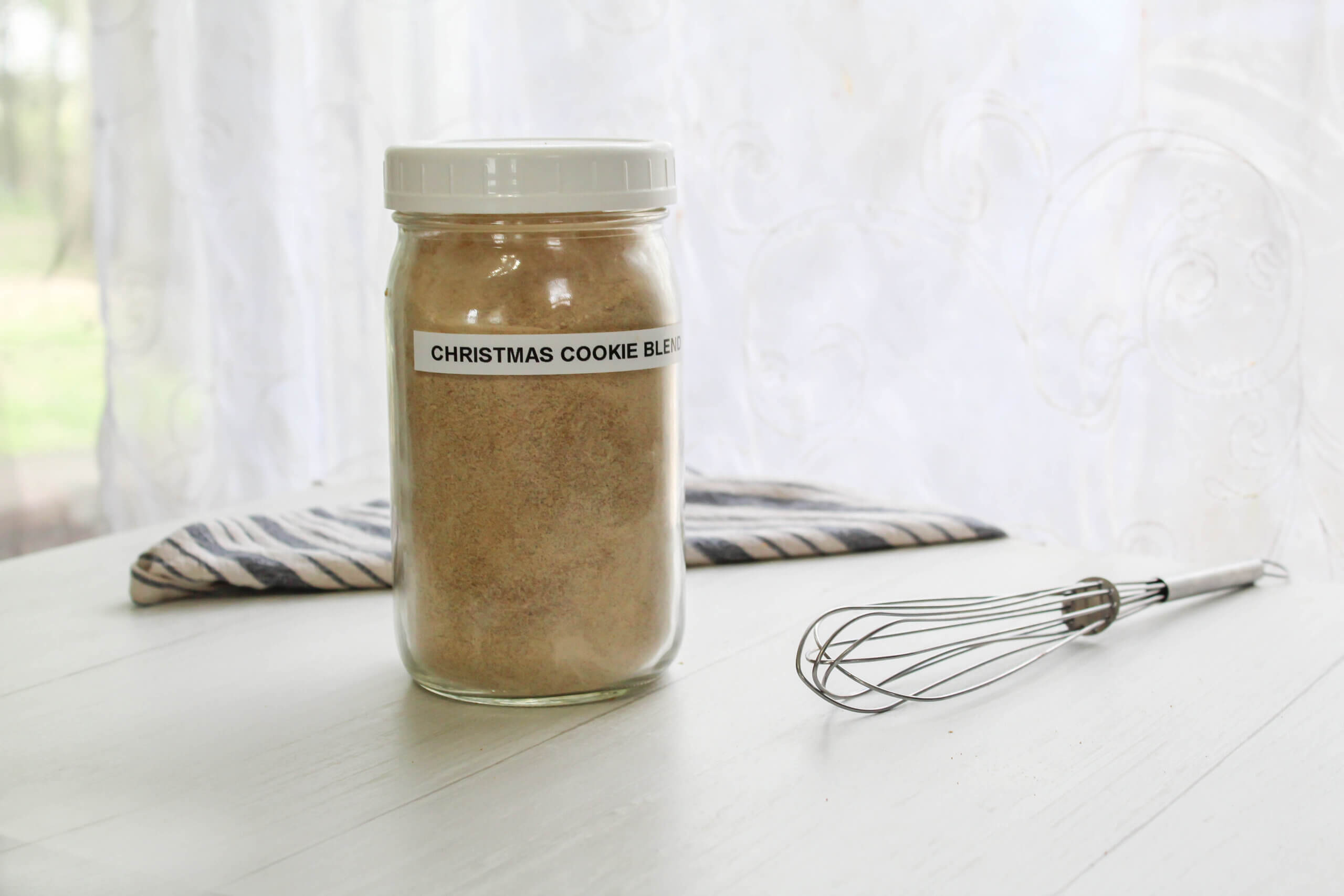
Christmas Cookie Blend (Vegan)
Servings
Ingredients
- 6 ounces organic coconut sugar
- 11-16 ounces organic date sugar (based on your available container sizes)
- 6 ounces organic maple sugar
Instructions
- Place the coconut sugar, date sugar, and maple sugar in a gallon-size Ziploc bag. Shake to mix thoroughly.
- Place mixture in a blender and blend until powdery. I prefer milling this recipe in a Vitamix dry goods container. I start blending on one, then slowly increase until the mixture is fully blended. Then, I open the blender, stir, and repeat the process. The final color of your product will differ based on the brand of sweetener you use. Use in place of regular sugar in all your favorite baked goods. Store in a glass jar.
Step One: Blend Ingredients

Place the tomato paste, apple cider vinegar, honey, sea salt, garlic granules, onion powder, stevia, allspice, purified water, and cayenne pepper (if using) in a blender. Blend until the mixture reaches the desired consistency.
Taste and adjust as needed. If your family likes a sweeter ketchup, add a little more honey, maple syrup, or coconut sugar. If you like it tangier, add a splash more apple cider vinegar. If you want a smoky barbecue-style flavor, add a pinch of smoked paprika.
This recipe creates a pantry staple that can be used in my Homemade French Dressing, as a dip for sweet potato fries, or in my Sweet and Sour Chicken.

Homemade Ketchup FAQs
Is homemade ketchup healthier than store-bought ketchup?
Homemade ketchup can be much healthier than store-bought ketchup because you control the ingredients. This recipe uses tomato paste, apple cider vinegar, clean sweeteners, mineral-rich salt, and spices instead of high-fructose corn syrup, refined sugar overload, artificial flavors, or unnecessary preservatives.
What is homemade ketchup made of?
Homemade ketchup is made from tomato paste, apple cider vinegar, natural sweetener, sea salt, garlic powder, onion powder, stevia, allspice, purified water, and optional cayenne pepper. These simple pantry ingredients create a thick, tangy ketchup with classic flavor.
How long does homemade ketchup last?
This homemade ketchup lasts up to two weeks in the refrigerator when stored in a clean, airtight glass jar or container.
Can I freeze homemade ketchup?
Yes, homemade ketchup can be frozen in small portions. Use a freezer-safe container, leave room for expansion, and thaw in the refrigerator before using. Stir well after thawing to restore the texture.
Can I make homemade ketchup without honey?
Yes. You can use maple syrup or coconut sugar instead of honey. For a lower-sugar version, rely mostly on stevia and use just a small amount of your preferred natural sweetener for depth of flavor.
Can I use fresh tomatoes instead of tomato paste?
This recipe is designed for tomato paste because it gives the ketchup a thick, smooth texture without long cooking. Fresh tomatoes contain more water, so they would need to be cooked down first before using.
Is this homemade ketchup good for kids?
Yes, this homemade ketchup is a great kid-friendly condiment. It gives children the familiar ketchup flavor they love while helping your family avoid excess sugar and unnecessary additives.
What can I eat with homemade ketchup?
Use homemade ketchup as a dip for sweet potato fries, roasted potatoes, veggie burgers, meatloaf, chicken tenders, or oven-baked fries. You can also stir it into salad dressings, barbecue sauce, marinades, and sweet-and-sour recipes.
Can I make this ketchup spicy?
Yes. Add cayenne pepper, smoked paprika, chili powder, or a dash of hot sauce to create a spicy homemade ketchup. Start small, blend, taste, and adjust.
Why make ketchup at home?
Making ketchup at home is an easy way to reduce your family’s toxic burden and take control of everyday ingredients. It’s simple, affordable, customizable, and a wonderful reminder that healthy living doesn’t have to be complicated.

- https://pmc.ncbi.nlm.nih.gov/articles/PMC8880080/
- https://pubmed.ncbi.nlm.nih.gov/16569044/
- https://www.cdc.gov/heart-disease/data-research/facts-stats/index.html
- https://pubmed.ncbi.nlm.nih.gov/12921892/
- https://pubmed.ncbi.nlm.nih.gov/20854436/
- https://pubmed.ncbi.nlm.nih.gov/36606553/
- https://pmc.ncbi.nlm.nih.gov/articles/PMC4463606/
- https://pubmed.ncbi.nlm.nih.gov/37608660/
- https://www.cdc.gov/drinking-water/about/index.html