QUICK SUMMARY
Learning how to heal cavities naturally starts with understanding what kind of tooth decay can actually be repaired. Early enamel demineralization, often seen as white spots or weakened enamel before a true hole forms, can often be remineralized when you change the oral environment. Once decay has created a deep cavitated hole, you need a biological or holistic dentist to evaluate it.
The five best natural strategies for cavity support are oil pulling, using mineralizing toothpaste, nourishing the body with tooth-supportive minerals and fat-soluble vitamins, reducing phytic acid through traditional food preparation, and removing sugar.
Cavities are not just a tooth problem. Oral health is connected to whole-body health, including diabetes, cardiovascular risk, inflammation, and the health of your microbiome. The goal is not just to avoid dentist bills; it is to steward your body well, protect your family’s smiles, and pursue biblical health from the inside out.
Learning how to heal cavities naturally can make the difference between saving thousands of dollars in dentist bills and saving you pain and suffering. These five strategies can help!
The direct answer: cavities can sometimes be reversed naturally when decay is still in the early demineralization stage, but deep cavities, infection, abscess, severe pain, or visible holes need professional dental evaluation.
Table of Contents

Oral Disease in the U.S.
Oral health is not separate from the rest of your body. Your mouth is one of the main entry points into your body, and the bacteria, inflammation, blood sugar patterns, mineral status, and daily habits that affect your teeth also affect your whole health.
A review published by the CDC’s Preventing Chronic Disease found that the strongest dental-chronic disease correlations were between periodontitis and type 2 diabetes, and between periodontitis and cardiovascular disease. (1) The CDC also describes periodontal disease as inflammation and infection of the tissues that surround and support the teeth. (2)
This is why oral health matters so much. If your gums are inflamed, your blood sugar is unstable, your diet is high in sugar, and your mouth is full of harmful bacteria, the problem is not just “bad teeth.” It is a whole-body signal.
The National Institute of Dental and Craniofacial Research shows that nearly 90 percent of adults ages 20 to 64 have had decay in their permanent teeth, and tooth decay prevalence has not changed significantly between the 1999–2004 and 2011–2016 NHANES cycles. (3) The CDC’s 2024 Oral Health Surveillance Report found that nearly 21 percent of adults ages 20 to 64 had one or more permanent teeth with untreated decay. (4)
Recent survey data continue to show that tooth decay affects Americans across ethnic, educational, and economic groups, with higher burdens among people facing lower income, reduced access to dental care, and other health disparities. (3, 4)
Although there have been many solutions to help prevent tooth decay since the 1970s, everyone is still at risk for cavities. This includes children, adults, seniors, people who eat a standard American diet, and even people who are trying to eat “healthy” but are still consuming too much sugar, juice, processed grains, and mineral-poor foods.
Additionally, there has been a rise in systemic illnesses such as heart disease and diabetes in America. It is no coincidence that these diseases are connected to oral health.
Reality check: your mouth is a mirror. When we care for the mouth, we are caring for the whole body.
Understanding & Preventing Cavities
Healthy teeth are sustained by a balance between demineralization and remineralization. When this balance shifts in the wrong direction, acids, harmful bacteria, poor diet, mineral deficiency, and inflammation can erode enamel and start the cavity process.
The direct answer: cavities begin when oral bacteria feed on sugars and fermentable carbohydrates, producing acids that pull minerals out of tooth enamel. Remineralization happens when minerals such as calcium and phosphate are redeposited into weakened enamel.
In plain English, your teeth are not dead rocks sitting in your mouth. They are living, mineralized structures in a dynamic environment. Your saliva, diet, oral microbiome, pH, minerals, fat-soluble vitamins, brushing habits, and toxic burden all matter.
When one has poor oral hygiene, bacteria and acids can feed on sugar. This erodes the enamel that protects teeth and creates an inflammatory response in the dentin. Ultimately, your body’s metalloproteinases can become activated and contribute to the cavity process.
This is why prevention is so powerful. Once decay has created a deep hole, you cannot simply wish it away. But when enamel is beginning to weaken, you can often support remineralization and stop the process from progressing.
The cavity process usually involves:
- Frequent sugar or refined carbohydrate exposure
- Acid-producing bacteria in the mouth
- Low saliva flow or poor saliva quality
- Mineral loss from enamel
- Low intake of tooth-supportive nutrients
- Poor brushing and flossing habits
- Inflamed gums and disrupted oral microbiome balance
Early warning signs of demineralization may include:
- White spots on teeth
- New sensitivity to cold, heat, or sweets
- Rough or chalky enamel patches
- Food sticking in grooves
- Bad breath or bleeding gums
See a dentist promptly if you have:
- Throbbing tooth pain
- Swelling in the gums, jaw, or face
- Pus, fever, or signs of infection
- A cracked tooth
- A visible hole that catches food
- Pain that wakes you up at night
Application: If you want to learn how to heal cavities naturally, start early. The earlier you catch enamel weakness, the more opportunity you have to support remineralization naturally.
Truth Behind Fluoride
We’re told that fluoridated water is “natural” and known to prevent cavities and tooth decay. Dentists and public health officials have pushed this information on us for decades.
The direct answer: fluoride can help harden enamel topically, but drinking fluoridated water is not the same thing as using a topical dental product, and the safety conversation has become more serious as research on total fluoride exposure continues to grow.
The U.S. Public Health Service recommends 0.7 mg/L as the optimal fluoride concentration in community water systems that add fluoride, stating that this level is intended to maximize oral health benefits while minimizing harms such as dental fluorosis. (5) The CDC continues to promote community water fluoridation and says fluoridated water reduces cavities by about 25 percent in children and adults. (6)
However, this is not the whole story.
A 2024 Cochrane review found that studies conducted after 1975 showed water fluoridation may lead to slightly less tooth decay in children’s baby teeth, but the evidence was uncertain for reducing decay in permanent teeth. (7) That matters because we now live in a world where many people are exposed to fluoride from multiple sources, including toothpaste, mouthwash, processed drinks, foods made with fluoridated water, dental treatments, and tap water.
Even more concerning, the National Toxicology Program’s 2024 monograph concluded with moderate confidence that higher fluoride exposure, such as drinking water containing more than 1.5 mg/L fluoride, is associated with lower IQ in children. (8) This does not prove that every community water fluoridation program at 0.7 mg/L has the same risk, but it absolutely supports the need to evaluate total exposure, especially for pregnant women, babies, and young children.
This is why many natural health families choose filtered water and focus on oral-health foundations instead of relying on fluoridated tap water.
The Fluoride Action Network has long raised concerns about fluoridation chemicals, especially silicofluorides such as hydrofluorosilicic acid and sodium fluorosilicate. The CDC’s own engineering fact sheet has identified fluorosilicic acid, sodium fluorosilicate, and sodium fluoride as the three additives used in U.S. community water fluoridation programs. (9)
It is inconclusive whether or not the risks outweigh the benefits of drinking fluoridated water on tap, especially when a family is already using topical oral-care strategies, reducing sugar, improving nutrition, and supporting remineralization naturally.
An epidemiological study done in Vojvodina, Serbia, which included 145 children under the age of 6, determined that fluoride was associated with lower tooth decay in deciduous teeth, but the researchers also stated that “the presence of fluoride in the drinking water doesn’t affect the health of deciduous teeth.” (10)
Whether we give our children unpurified tap water to drink or pay the dentist to give fluoride treatments during check-ups, it makes me wonder if we are poisoning our children.
Application: We recommend using a quality water filter, being aware of total fluoride exposure, and working with a biological or holistic dentist who respects your family’s values.
5 Ways to How to Heal Cavities Naturally
Brushing and flossing daily are important, and there are many ways you can support remineralization and oral health without relying on fluoridated water. Here are five tips to help heal cavities naturally at home.
1. Oil Pulling
The direct answer: oil pulling may help reduce plaque, gingival scores, oral bacterial counts, and bad breath, making it a useful oral-health support. It should be used alongside brushing, flossing, nutrition, and regular dental care.
Oil pulling has been used for centuries in Ayurvedic medicine. It is a great way to detoxify your mouth and support healthy gums.
A 2022 review concluded that oil pulling can reduce total oral bacterial counts and reduce plaque and gingival scores, though better clinical trials are still needed. (11) A review on coconut oil pulling found limited evidence suggesting that coconut oil may help improve oral hygiene, but the evidence base is still small. (12)
That means oil pulling is not magic, but it can be a helpful part of a natural oral-care routine.
We recommend using coconut oil and, for adults, a very small amount of clove or tea tree essential oils because of their antimicrobial and antifungal properties. Use essential oils sparingly, dilute them well in the oil, and do not swallow the mixture.
How to oil pull:
- Oil pull first thing in the morning before eating or drinking.
- Use about 1 tablespoon of coconut oil for adults. Start with less if needed.
- Optional for adults: add 1 drop of clove, tea tree, peppermint, or orange essential oil to a larger amount of coconut oil and mix well before use.
- Swish gently for 5 to 20 minutes. Don’t let 20 minutes scare you. You can oil pull while you get ready for the day.
- Spit the oil into the trash, not the sink, so you don’t clog your plumbing.
- After pulling, rinse your mouth with warm water. Use salt water for antimicrobial support.
- Do not be shocked if the oil mixture is white or yellow.
- Brush your teeth like normal.
- This should be a relaxing process, so you do not need to vigorously swish your mouth the entire time.
Safety note: Do not oil pull with young children or anyone who may swallow or aspirate the oil. Do not swallow oil-pulling mixtures. Avoid essential oils in the mouth for children unless guided by a qualified practitioner.
2. Use Mineralizing Tooth Paste
The direct answer: mineralizing toothpaste supports enamel by providing minerals, encouraging a healthier oral environment, and helping reduce exposure to questionable ingredients found in some conventional dental products.
There are many brands of fluoride-free toothpaste. Or, you can make your own easy, cost-effective toothpaste with bentonite clay and essential oil toothpaste.
Hydroxyapatite is another fluoride-free ingredient worth knowing about. Hydroxyapatite is the main mineral found in bones and teeth, and research suggests hydroxyapatite toothpastes can support enamel remineralization and caries prevention. (13) An 18-month randomized clinical trial found that a fluoride-free hydroxyapatite toothpaste was non-inferior to fluoride toothpaste for preventing enamel caries in adults. (14)
That is great news for families looking for fluoride-free oral-care options.
Try this recipe you’re going to love it. And one quick note… the color of your finished product may vary depending on the color of your clay and the essential oils used.
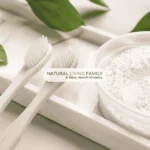
Homemade Toothpaste Powder
Quantity
Ingredients
- ⅓ cup Bentonite Clay
- 1½ teaspoons Stevia powder
- ¼ teaspoon pink Himalayan salt
- 3 tablespoons Mama Z’s Oil Base or favorite carrier oil*
- 10 drops of essential oils**
Supplies
Instructions
- Mix the dry ingredients in a food processor.
- In a separate container, add your chosen essential oils to the carrier oil and mix well.
- Add this mixture to the dry ingredients in the food processor gradually until well blended. Mixture should be granular and slightly damp.
- Store in a glass jar with a lid.
Application: Brush at least twice daily, floss daily, and consider rotating a homemade mineralizing tooth powder with a clean hydroxyapatite toothpaste if you need extra remineralization support.
3. Consume Raw Dairy
The direct answer: tooth-supportive nutrition matters. Calcium, phosphorus, magnesium, vitamin D, and fat-soluble vitamins help support healthy teeth, bones, and mineral metabolism.
Of course, if you’re sensitive to dairy, avoid it at all costs. It’s also important to recognize that not all dairy is created equal.
Conventional sweetened yogurts, flavored milks, and ultra-processed dairy desserts are not the same thing as nutrient-dense, traditionally prepared dairy. Many natural health families choose raw dairy from trusted local farms because of the enzymes, fat-soluble vitamins, and traditional-food value they believe it provides.
Raw dairy is full of minerals and fat-soluble nutrients that support healthy dental fluid flow and strong teeth. Consuming quality dairy can help boost calcium, vitamin K2, magnesium, phosphorus, and fat-soluble vitamin levels.
Research continues to support the importance of minerals and dairy nutrients for oral health. A 2024 scoping review described milk and dairy products as non-cariogenic and discussed their potential protective role in oral health, including calcium and phosphorus content. (15) Vitamin D status has also been studied in relation to dental caries, and a 2024 systematic review evaluated the relationship between vitamin D levels and caries incidence in permanent teeth. (16)
That said, sourcing matters. The CDC warns that raw milk can contain harmful germs and that pasteurization is crucial for milk safety. (17) We respect that concern and believe families need to make informed decisions based on their health status, local laws, pregnancy status, immune function, and the cleanliness of their food source.
Tooth-supportive dairy options may include:
- Raw milk from a trusted, grass-fed local farm where legal and appropriate
- Plain kefir or yogurt without added sugar
- Grass-fed butter or ghee if tolerated
- Raw cheese or high-quality aged cheese if tolerated
- Fermented dairy foods that support gut health
If you avoid dairy, focus on:
- Wild-caught fish with bones, such as sardines
- Leafy greens
- Sesame seeds and tahini
- Chia seeds
- Almonds
- Mineral-rich broths
- Vitamin D from safe sun exposure and appropriate supplementation
Application: If dairy works for your body, choose unsweetened, minimally processed, nutrient-dense options. If dairy does not work for you, don’t force it. Build your mineral foundation another way.
4. Remove Phytic Acid
The direct answer: phytic acid can bind minerals such as calcium, magnesium, iron, and zinc, making them less available for absorption. Traditional preparation methods like soaking, sprouting, and fermenting help reduce phytates.
Phytic acid is in the bran portion of grains, legumes, nuts, and seeds. It can block phosphorus availability in humans and bind minerals for oral health such as calcium, magnesium, iron, and zinc. These minerals can become less available for proper utilization.
A review on phytic acid and mineral bioavailability explains that phytic acid forms complexes with minerals such as iron, zinc, and calcium, reducing their bioavailability. (18) Research also shows that fermentation of food grains can improve mineral bioavailability by reducing phytic acid. (19)
This does not mean every bean, grain, nut, or seed is evil. It means preparation matters.
Traditional cultures understood this long before modern nutrition science caught up. They soaked oats. They sprouted grains. They fermented sourdough. They nixtamalized corn. They prepared legumes slowly. These practices are not trendy; they are wisdom.
Ways to reduce phytic acid naturally:
- Soak beans and legumes before cooking.
- Choose traditionally fermented sourdough over quick-rise bread.
- Sprout grains, nuts, and seeds when possible.
- Rinse soaked foods well before cooking.
- Limit ultra-processed grain products.
- Stay away from heavily processed soy products.
- Choose foods that are organic and GMO-free when possible.
Application: You do not need to fear whole grains and legumes, but you do need to prepare them wisely and avoid building your diet around processed grain snacks, soy products, and mineral-poor convenience foods.
5. Remove Sugar
The direct answer: removing sugar is the most important natural cavity-healing strategy because sugar feeds acid-producing oral bacteria and drives enamel demineralization.
Sugar is the worst thing you can consume for cavities. It feeds oral bacteria and prevents a healthy flow of dental fluids. It is very acidic and can demineralize teeth, which makes them decay.
The World Health Organization states that consumption of free sugars in foods and beverages is the most common risk factor for dental caries and recommends limiting free sugars to less than 10 percent of total energy intake, and ideally less than 5 percent, to minimize caries risk throughout life. (20) A systematic review also found moderate-quality evidence that dental caries is lower when free sugar intake is less than 10 percent of energy intake. (21)
This means no candy, soda, or baked goods. It also means limiting honey, maple syrup, dried fruit, juice, sweetened coffee drinks, and “healthy” desserts.
Even natural sugar is still sugar to your oral bacteria.
Top sugar sources to remove or limit:
- Soda
- Fruit juice
- Candy
- Sweetened coffee drinks
- Sports drinks
- Sweet tea
- Cookies, cakes, and pastries
- Granola bars and sweetened protein bars
- Dried fruit eaten frequently or stuck to teeth
- Honey and maple syrup used too often
Better swaps:
- Whole fruit instead of juice
- Herbal tea instead of sweet tea
- Sparkling mineral water with lemon or lime instead of soda
- Plain yogurt with berries instead of sweetened yogurt
- Homemade treats sweetened lightly and eaten with meals, not grazed all day
Application: Frequency matters. Sipping sweet drinks or snacking on sweet foods all day keeps the mouth acidic. Eat real meals, drink water between meals, and give your saliva time to restore balance.
What to Eat for Strong Teeth
If you want to heal cavities naturally, don’t only ask, “What should I brush with?” Ask, “What am I building my teeth with?”
The direct answer: the best foods for strong teeth are mineral-rich, low-sugar, whole foods that support saliva, oral microbiome balance, blood sugar stability, and enamel remineralization.
Your teeth need minerals. Your gums need healthy circulation. Your immune system needs rest. Your oral microbiome needs balance. Your body needs the raw materials to rebuild.
Eat more of these tooth-supportive foods:
- Leafy greens
- Cruciferous vegetables
- Wild-caught fish
- Sardines with bones
- Pasture-raised eggs
- Grass-fed butter or ghee if tolerated
- Fermented foods such as sauerkraut, kefir, yogurt, and kimchi
- Mineral-rich broths
- Avocados
- Nuts and seeds that have been soaked or sprouted when possible
- Whole fruit in moderation
- Herbs and spices
Build your oral-health lifestyle around:
- Brushing after meals when possible
- Flossing daily
- Oil pulling several times per week
- Using a mineralizing toothpaste
- Drinking filtered water
- Removing sugar
- Sleeping well
- Managing stress and inflammation
- Praying for wisdom and practicing good stewardship of your body
This is biblical health in everyday life. We use the gifts God has given us, including food, herbs, essential oils, minerals, sunlight, sleep, movement, and wise care, to support the abundant life.
How to Heal Cavities Naturally FAQs
Can cavities heal naturally?
Early tooth decay can often be remineralized naturally when the enamel has weakened but a deep hole has not formed. Once a cavity becomes a true cavitated lesion, especially if it reaches deeper tooth structures, you need a dentist to evaluate it. Natural strategies can still support the surrounding teeth and prevent future decay.
What is the fastest way to heal a cavity naturally?
The fastest natural strategy is to remove sugar, stop frequent snacking, improve oral hygiene, use a mineralizing toothpaste, and eat mineral-rich foods. The goal is to shift your mouth from a demineralizing environment to a remineralizing environment.
Can oil pulling reverse cavities?
Oil pulling may support oral health by reducing plaque, gingival scores, and oral bacterial counts, but it should not be treated as a stand-alone cavity cure. Use it as part of a full oral-health plan that includes brushing, flossing, nutrition, mineral support, and dental evaluation when needed.
What toothpaste is best for remineralizing teeth?
A clean mineralizing toothpaste should support enamel without unnecessary toxic ingredients. Many families use homemade bentonite clay tooth powder, and research also supports hydroxyapatite toothpaste as a promising fluoride-free option for enamel remineralization and caries prevention.
Is fluoride necessary to prevent cavities?
Fluoride can help harden enamel topically, but it is not the only way to support healthy teeth. Many families choose to avoid fluoridated water and focus on sugar reduction, mineral-rich nutrition, hydroxyapatite toothpaste, oil pulling, flossing, and holistic dental care.
What foods cause cavities?
The biggest cavity-causing foods are sugar, soda, candy, juice, sticky dried fruit, sweetened drinks, refined grains, and frequent snacks. These foods feed acid-producing bacteria and keep the mouth in a demineralizing state.
What foods help remineralize teeth?
Mineral-rich foods help support remineralization. Focus on leafy greens, wild-caught fish, sardines with bones, pasture-raised eggs, fermented foods, grass-fed butter or ghee if tolerated, mineral-rich broths, nuts and seeds prepared properly, and whole foods rich in calcium, phosphorus, magnesium, and fat-soluble vitamins.
Does raw dairy heal cavities?
Raw dairy does not magically heal every cavity, but nutrient-dense dairy can provide minerals and fat-soluble vitamins that support tooth health. Sourcing matters, and raw dairy can carry food-safety risks, so families should make informed decisions based on their health status, local laws, and trusted farm practices.
Should children use essential oils for cavities?
Children should not use essential oils in the mouth unless you are working with a qualified practitioner who understands pediatric essential oil safety. For children, focus first on removing sugar, brushing, flossing, mineral-rich foods, and regular dental care.
When should I see a dentist for a cavity?
See a dentist if there is pain, swelling, fever, pus, a visible hole, a cracked tooth, or sensitivity that does not improve. Natural care is powerful, but infection and deep decay should not be ignored.
These natural approaches can support remineralization in a cost-effective and efficient way when used early and consistently. Take good care of your oral health and show off your new smile with pride.


- CDC Preventing Chronic Disease: Current Knowledge on Correlations Between Highly Prevalent Dental Conditions and Chronic Diseases
- CDC: About Periodontal Disease
- National Institute of Dental and Craniofacial Research: Dental Caries in Adults Ages 20 to 64 Years
- CDC: 2024 Oral Health Surveillance Report Selected Findings
- CDC: Community Water Fluoridation Recommendations
- CDC: About Community Water Fluoridation
- Cochrane Oral Health: Updated Review of Water Fluoridation for the Prevention of Dental Caries
- National Toxicology Program: Fluoride Exposure, Neurodevelopment and Cognition
- CDC Engineering Fact Sheet: Water Fluoridation Additives
- Blagojević D, et al. Effects of Fluoride in Drinking Water on Health of Deciduous Teeth
- Healthcare: Effectiveness of Oil Pulling for Improving Oral Health
- Heliyon: The Effect of Oil Pulling with Coconut Oil to Improve Dental Hygiene and Oral Health
- BDJ Open: The Use of Hydroxyapatite Toothpaste to Prevent Dental Caries
- Frontiers in Public Health: Caries-Preventing Effect of a Hydroxyapatite Toothpaste in Adults
- Nutrients: Non-Cariogenic Effect of Milk and Dairy Products on Oral Health
- Nutrients: Systematic Review of Vitamin D Levels and Dental Caries Incidence
- CDC: Raw Milk Food Safety
- Nutrients: Dietary Phytic Acid, Dephytinization, and Phytase
- Journal of Food Science and Technology: Reduction of Phytic Acid and Enhancement of Bioavailable Micronutrients
- World Health Organization: Sugars and Dental Caries
- Journal of Dental Research: Effect on Caries of Restricting Sugars Intake