

QUICK SUMMARY
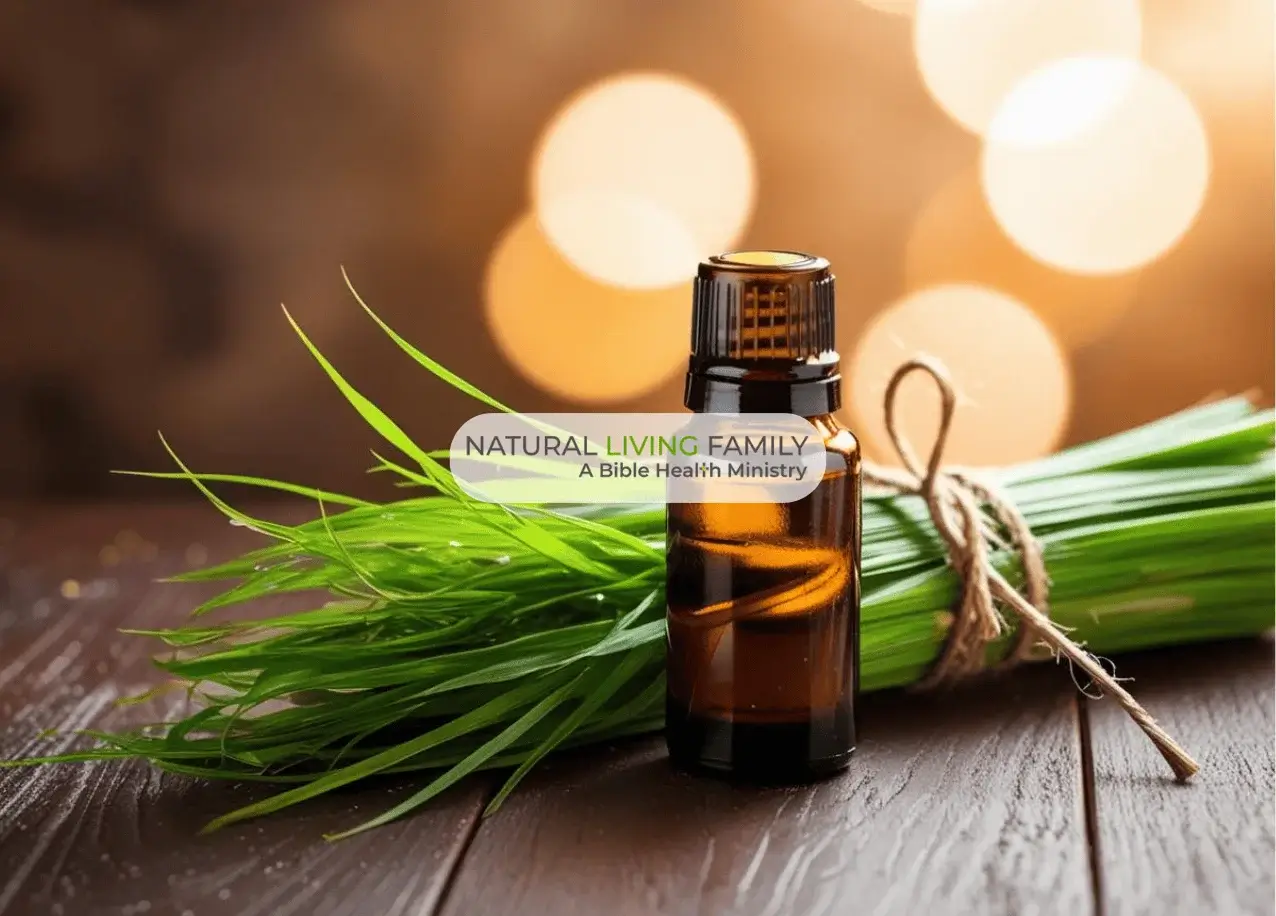
Citronella essential oil is best known as a natural bug repellent, but its benefits go far beyond keeping mosquitoes away. Steam-distilled from Cymbopogon nardus or Cymbopogon winterianus, citronella has a fresh, lemony, grassy aroma and is rich in compounds like citronellal, citronellol, and geraniol.
Research suggests citronella essential oil may help repel insects, support natural pain relief, discourage head lice, influence appetite pathways when inhaled, and serve as a useful ingredient in pet and outdoor care products.
The best ways to use citronella essential oil are in diluted topical blends, DIY bug sprays, outdoor diffuser blends, shampoos during lice season, and carefully prepared pet-care applications.
Citronella essential oil may be famous for bug spray, but it deserves a bigger place in your essential oil toolbox.
Its fresh, citrus-grass aroma and active compounds make it useful for outdoor living, natural pest control, massage blends, scalp care, household cleaning, and even certain pet-care products.
As with all essential oils, the key is quality, dilution, and wisdom. Used properly, citronella is a practical, affordable, and surprisingly versatile oil for natural living.
Table of Contents

What Is Citronella Essential Oil?
Citronella essential oil is a fresh, lemony, grassy oil steam-distilled from citronella grass. Most people know citronella as the classic outdoor bug-repelling scent, but this essential oil is much more than a summertime patio product.
Few essential oils are one-hit wonders, and citronella is no exception.
Citronella essential oil belongs to the same botanical family as lemongrass essential oil, which explains its bright citrus-grass aroma and some of its overlapping uses. Its naturally occurring constituents, especially citronellal, citronellol, and geraniol, help explain why citronella is so valuable for bug sprays, outdoor blends, massage oils, scalp care, and household products.
Here’s the thing: citronella oil may be famous for repelling mosquitoes, but if it sits on your shelf all winter, you’re missing out on a useful essential oil for natural living all year long.
Citronella Essential Oil Profile & Properties
There are two main types of citronella essential oil used in aromatherapy and natural home products.
- Ceylon citronella comes from Cymbopogon nardus and is commonly used in essential oil products.
- Java citronella comes from Cymbopogon winterianus Jowitt and is often considered the more refined, citrus-forward option.
Both types of citronella essential oil come from the same family as lemongrass, and their scents and actions show the family resemblance. Java citronella tends to have brighter citrus tones, while Ceylon citronella can smell a little more rustic and grassy.
| Botanical names | Cymbopogon nardus and Cymbopogon winterianus |
| Common names | Ceylon citronella and Java citronella |
| Aroma | Fresh, lemony, grassy, slightly floral |
| Primary constituents | Citronellal, citronellol, geraniol |
| Best known for | Natural bug repellent blends |
| Common uses | Bug spray, outdoor diffuser blends, massage oils, shampoo, pet-care products, natural cleaning |
| Blends well with | Lemongrass, geranium, cedarwood, lavender, eucalyptus, peppermint, tea tree, lemon |
These same major compounds are found in other essential oils, such as geranium essential oil and lemongrass essential oil. That is one reason several oils can work well together when formulating a homemade bug spray.
How Does Citronella Essential Oil Work?
Citronella essential oil works because of its natural chemistry. Its fresh aroma is only part of the story. The real power comes from active aromatic compounds that insects dislike and that researchers have studied for other potential effects.
Citronellal
Citronellal is one of citronella’s key constituents and is especially prominent in Java citronella. It contributes to citronella’s lemony scent and bug-repelling reputation, and a 2025 review lists insect-repelling, pain-relieving, and anti-inflammatory activity among its studied properties, most of it from lab and animal research. (1)
Geraniol
Geraniol is a floral, rose-like compound also found in oils like geranium and rose. It is one of the compounds researchers look at when evaluating plant-based insect repellents. (2)
Citronellol
Citronellol contributes to the soft, citrus-floral character of citronella oil and helps round out its aromatic profile. Together with citronellal and geraniol, it helps explain why citronella is so useful in outdoor blends, personal care products, and natural household applications.
Put simply, citronella’s benefits are not random. They are tied to its God-given plant chemistry.
6 Citronella Essential Oil Benefits
Citronella essential oil benefits are usually associated with bug control, and for good reason. But research and traditional use point to several other practical applications for the home, body, and even pets.
1. Natural Bug Repellent Superstar
Citronella essential oil is best known as a natural insect repellent.
Citronella has been widely marketed in candles, sprays, wristbands, and outdoor products, though many commercial products do not contain pure, high-quality citronella essential oil. Because citronella is in such high demand, quality matters.
True citronella essential oil sets the bar for homemade bug repellent ingredients. In a 2023 study, a lotion with 10% citronella oil repelled Aedes aegypti mosquitoes. Because citronella evaporates quickly, a slow-release version of the same lotion kept working longer. (2)
This is why citronella is a foundational oil in outdoor blends. And when you combine citronella with oils like lemongrass, cedarwood, geranium, peppermint, or eucalyptus, you can create a broader, more aromatic bug spray that works beautifully for summer living.
Application: Add citronella to DIY bug sprays, outdoor diffuser blends, patio sprays, and camping blends. Always dilute properly before applying to skin.
2. Outdoor Living and Patio Support
Citronella is one of the best essential oils to keep on hand during warm-weather months because it helps make outdoor spaces more pleasant.
Use it in outdoor diffusers, patio sprays, porch cleaning blends, trash can deodorizing sprays, and natural backyard products. Its fresh aroma helps reduce stale odors while supporting your efforts to discourage unwanted pests.
Application: Add citronella, lemongrass, cedarwood, and lavender to an outdoor diffuser during backyard gatherings. Keep the diffuser away from pets and small children, and use in well-ventilated spaces.
3. Pain Management Support
Citronella is not usually the first oil people reach for when they think of sore muscles or discomfort, but research suggests it deserves more attention.
Citronellal, found more prominently in Java citronella, has been studied for its effects on pain responses in animal research. In a 2013 study, Brazilian researchers found that citronellal changed pain responses in mice, slowing pain responses and increasing pain tolerance. They were also able to identify pathways involved in those effects. (3)
A 2023 study in mice confirmed it: both natural forms of citronellal reduced pain responses in standard heat and formalin tests. (4)
This was a murine study, so it is not the same thing as a human clinical trial. But it does tell us something interesting about citronella’s potential.
Because citronella can be used safely in proper topical dilutions, it may be worth adding to massage oils for tired muscles, stiff joints, or overworked areas.
Application: Dilute citronella in coconut oil or another carrier oil and massage into areas of tension. For adults, start with 1-2 drops of citronella per tablespoon of carrier oil.
4. Appetite Control Support
Citronella essential oil may also have a role in appetite support, especially through inhalation.
In a 2015 animal study, rats fed a high-fat diet and exposed to citronella inhalation had lowered appetites and lower body weight compared with controls. (5)
Weight management is never about one magic oil, one diet trick, or one quick fix. Biblical health requires a whole-life approach: nourishing food, movement, sleep, stress relief, prayer, emotional healing, and daily habits that support the abundant life.
But essential oils like citronella may be supportive tools in that bigger lifestyle picture.
Application: Diffuse citronella during “snacky” times when appetite is difficult to manage. Try blending it with grapefruit, peppermint, or lemon for a bright, fresh aroma.
5. Head Lice Prevention
Technically, head lice prevention still falls under the “bug” category, but anyone who has dealt with lice knows this deserves its own section.
Head lice are invasive, frustrating, and difficult to control once they spread through a home, school, or family. That is why prevention matters.
In a 2004 double-blind trial, a slow-release citronella formula was applied to children’s heads when they were at risk for head lice. Over four months, 15% of the children using citronella got lice, compared with 55% of those given a placebo. (6)
Citronella essential oil from your home collection is not the same as the slow-release formula used in the study, but this research supports citronella’s role as a useful ingredient during lice-prone seasons.
Application: When lice are a concern, add one drop of citronella essential oil to a handful of natural shampoo, wash the hair, and rinse thoroughly. Avoid the eyes and do not use this approach on very young children.
6. Pet Care and Barking Support
One of the strangest and most interesting citronella essential oil studies involved dogs and barking.
In a 2003 veterinary hospital study, dogs were given a control collar, a scentless spray bark collar, or a citronella spray bark collar. The scentless collar helped 59% of the dogs bark less, while the citronella collar helped nearly 77% of them. (7)
This does not mean citronella should be sprayed freely on pets. Dogs have sensitive noses, and essential oils should always be used with care around animals. But it does suggest citronella’s aroma may have practical applications in dog behavior products.
Application: For dogs, consider using a properly designed citronella collar product or consult a holistic veterinarian before adding essential oils to pet-care routines. Avoid using citronella around cats unless supervised by a veterinarian trained in essential oil safety.
How to Use Citronella Essential Oil Safely
Citronella essential oil is useful, but like all essential oils, it should be used with wisdom.
A little goes a long way, especially because citronella has a strong aroma and can irritate sensitive skin when overused.
- Dilute before topical use. For adults, start with 1-2 drops per tablespoon of carrier oil.
- Avoid the eyes, ears, and mucous membranes. This is especially important when using citronella in shampoo or bug spray.
- Use caution with children. Keep dilutions very low and avoid applying to hands, since children may rub their eyes or put fingers in their mouths.
- Use caution around pets. Dogs and cats process essential oils differently than humans. Avoid using citronella around cats unless guided by a professional.
- Diffuse responsibly. Use in well-ventilated spaces and give children and pets a way to leave the room.
- Do a patch test. Apply a small amount of diluted oil to the skin before wider use.
Essential oils are powerful gifts from God’s plant world, and they work best when used with respect, moderation, and common sense.
Quick Citronella Bug Control Spray
Citronella is a natural choice for homemade bug sprays because it blends well with other outdoor-friendly essential oils.
Use this kind of spray on clothing, shoes, outdoor furniture, camping gear, backpacks, and patio areas. If applying to skin, use proper dilution and avoid the face.
Quick Citronella Bug Control Spray
Quantity
Ingredients
- 4 ounces 190 proof alcohol or vodka
- 5-10 drops Citronella
- 5-10 drops Geranium
- 5-10 drops Sweet Orange
- 5-10 drops Ylang Ylang
Instructions
- Drop essential oils into spritz bottle.
- Pour alcohol into spritz bottle to fill.
- Shake to mix.
- Spray as needed.
More Ways to Use Citronella Around the Home
- Add to a patio spray for outdoor furniture.
- Diffuse outdoors during summer evenings.
- Add to natural cleaning sprays for a fresh lemony scent.
- Use in trash can deodorizing sprays.
- Add to camping blends with cedarwood and lemongrass.
- Blend into massage oil for tired muscles.
- Add one drop to shampoo during lice-prone seasons.
Citronella Essential Oil FAQs
What is citronella essential oil good for?
Citronella essential oil is best known for natural bug repellent blends, but it may also support pain relief massage, appetite-control routines, head lice prevention, outdoor cleaning, patio sprays, and certain pet-care products.
Does citronella essential oil repel mosquitoes?
Yes, citronella essential oil is widely used as a natural mosquito repellent. A 2023 study found that a 10% citronella lotion repelled mosquitoes, and a slow-release version lasted longer. (2)
What is the difference between Ceylon and Java citronella?
Ceylon citronella comes from Cymbopogon nardus, while Java citronella comes from Cymbopogon winterianus. Java citronella is usually more citrus-forward, while Ceylon citronella tends to smell more rustic and grassy.
What does citronella essential oil smell like?
Citronella essential oil smells fresh, lemony, grassy, and slightly floral. Many people associate the aroma with summer, outdoor living, and natural bug sprays.
Can citronella essential oil help with pain?
Animal research suggests citronellal, a key compound in citronella oil, may influence pain responses and increase pain tolerance. Human research is still limited, but citronella can be used in properly diluted massage blends. (4)
Can citronella help with appetite control?
Animal research suggests citronella inhalation may influence appetite and body weight in rats fed a high-fat diet. This does not make citronella a weight-loss cure, but it may be a supportive tool alongside healthy lifestyle habits.
Can citronella essential oil prevent lice?
A study using a slow-release citronella formula found that children who used the citronella preparation were less likely to contract head lice over four months. Home use of essential oil is not identical to the study formula, but citronella may be useful during lice-prone seasons.
Can I put citronella essential oil in shampoo?
Yes, for short-term use during lice season, adults may add one drop of citronella oil to a handful of shampoo, wash, and rinse thoroughly. Avoid the eyes and use caution with children.
Is citronella essential oil safe for dogs?
Citronella is used in some dog bark-control products, and one study found citronella collars reduced barking significantly. However, essential oils should be used cautiously around pets, and it is best to consult a holistic veterinarian.
Is citronella safe for cats?
Use caution. Cats are more sensitive to essential oils than dogs, and citronella should not be used around cats unless guided by a veterinarian trained in essential oil safety.
Can citronella essential oil be applied to skin?
Yes, but it should always be diluted first. For adults, start with 1-2 drops per tablespoon of carrier oil and patch test before wider use.
Can citronella essential oil be diffused?
Yes, citronella can be diffused, especially in outdoor or well-ventilated spaces. It blends well with lemongrass, lavender, cedarwood, eucalyptus, geranium, peppermint, and lemon.
What blends well with citronella essential oil?
Citronella blends well with lemongrass, geranium, cedarwood, lavender, peppermint, eucalyptus, tea tree, lemon, grapefruit, and rosemary.
Can citronella be used in natural cleaning?
Yes, citronella’s fresh aroma makes it a great addition to natural cleaning sprays, trash can sprays, patio cleaners, bathroom sprays, and outdoor furniture refreshers.
Does citronella repel fleas or ticks?
Citronella is commonly used in natural pest-repelling blends, but results can vary. For fleas and ticks, combine citronella with other appropriate oils and use a comprehensive prevention strategy, especially for pets.
Can citronella essential oil be used year-round?
Absolutely. Citronella is famous for summer bug sprays, but it can also be used year-round in cleaning blends, massage oils, diffuser blends, shampoo during lice season, and fresh household sprays.
What is the best carrier oil for citronella?
Fractionated coconut oil, regular coconut oil, jojoba oil, almond oil, and olive oil can all be used to dilute citronella essential oil for topical use.
Can citronella essential oil be used on children?
Use caution and very low dilutions. Avoid applying citronella to children’s hands, faces, or irritated skin. For young children, consult a qualified aromatherapist or natural health professional.
Can citronella essential oil irritate skin?
Yes, citronella can irritate sensitive skin if used undiluted or in high amounts. Always dilute properly and patch test before applying to larger areas.
What is the best way to use citronella essential oil?
The best uses for citronella include homemade bug spray, outdoor diffuser blends, diluted massage oils, natural cleaning sprays, patio sprays, and carefully formulated shampoo blends during lice season.
Keep reading: Homemade Bug Repellent Spray with Essential Oils · Lemongrass Essential Oil Benefits: 8 Healing Uses & Safety Tips · Essential Oils for Lice & Natural Hair Treatment Protocol
References
- Venancio AN, Silva MJ, Parreira LA, et al. Citronellal: a natural aldehyde with important properties. Nat Prod Res. 2025. Source.
- Higuchi CT, Sales CC, Andréo-Filho N, et al. Development of a Nanotechnology Matrix-Based Citronella Oil Insect Repellent to Obtain a Prolonged Effect and Evaluation of the Safety and Efficacy. Life (Basel). 2023. Source.
- de Santana MT, de Oliveira MG, Santana MF, et al. Citronellal, a monoterpene present in Java citronella oil, attenuates mechanical nociception response in mice. Pharm Biol. 2013. Source.
- Costa AOC, Rego RIA, Andrade HHN, et al. Evaluation of the antinociceptive effect generated by citronellal monoterpene isomers. Braz J Biol. 2023. Source.
- Batubara I, Suparto IH, Sa’diah S, et al. Effects of inhaled citronella oil and related compounds on rat body weight and brown adipose tissue sympathetic nerve. Nutrients. 2015. Source.
- Mumcuoglu KY, Magdassi S, Miller J, et al. Repellency of citronella for head lice: double-blind randomized trial of efficacy and safety. Isr Med Assoc J. 2004. Source.
- Moffat KS, Landsberg GM, Beaudet R. Effectiveness and comparison of citronella and scentless spray bark collars for the control of barking in a veterinary hospital setting. J Am Anim Hosp Assoc. 2003. Source.