QUICK SUMMARY
What are turmeric essential oil benefits? Turmeric essential oil is rich in turmerones and has promising anti-inflammatory, antimicrobial, antioxidant, neuroprotective, metabolic, and anticancer activity in laboratory and animal research. Practical uses include properly diluted topical blends, culinary flavoring with a food-labeled product, oral-care blends, gardening, and bug-repellent recipes.
Turmeric oil is not the same thing as turmeric spice or curcumin powder. Steam-distilled turmeric essential oil is rich in volatile compounds such as ar-turmerone, alpha-turmerone, beta-turmerone, zingiberene, ar-curcumene, and beta-sesquiphellandrene. Turmeric CO2 extract is different and may contain curcumin along with turmerones.
The research is fascinating, but human clinical evidence for turmeric essential oil itself remains limited. The strongest claims in this article are therefore tied to the exact evidence type, and the practical applications stay within properly diluted inhalation, topical application, and recipe-specific culinary internal use.
Turmeric essential oil is one of those lesser-known oils that deserves a place in the natural health toolbox.
It is warm, spicy, earthy, and packed with distinctive volatile compounds. From topical comfort blends and antimicrobial research to culinary use, digestive research, brain-health studies, gardening, and bug-repellent recipes, turmeric oil is incredibly versatile.
Just remember: turmeric oil is not the same thing as turmeric spice, curcumin, or turmeric CO2 extract. Know what you are using, respect the potency, dilute properly, and match the route of use to the product.
Used with wisdom, turmeric essential oil is another beautiful example of God-given plant medicine that can support a healthier home, a healthier body, and the abundant life.
Table of Contents

What Is Turmeric Essential Oil?
Turmeric essential oil has a fascinating research profile. Turmeric has been used for thousands of years in traditional wellness systems, and modern researchers are still working to understand what the volatile oil itself can and cannot do.
Turmeric comes from Curcuma longa, a rhizomatous plant in the ginger family, Zingiberaceae. The part most people know is the bright orange-yellow rhizome that gives curry its beautiful color and earthy, warming flavor.
Turmeric spice has long been used in Eastern cooking and has historically played a prominent role in Ayurveda, Chinese medicine, and traditional home remedies. Today, people use turmeric for everything from inflammation and digestion to brain health, immune support, and healthy aging.
But here’s the thing: turmeric spice, curcumin supplements, steam-distilled turmeric essential oil, and turmeric CO2 extract are not all the same product.
That distinction matters.
Most of the famous turmeric research is on turmeric powder, turmeric extract, or curcumin, the orange-yellow pigment in turmeric. Turmeric essential oil is different. It is the volatile aromatic oil fraction of the plant, and it is rich in turmerones and other aromatic compounds rather than curcumin.
So, when we talk about turmeric essential oil benefits, we need to be clear about which form of turmeric we mean and what the research actually studied.
Turmeric Essential Oil vs. Turmeric CO2 Extract
There are several processes used to extract aromatic compounds from plants, and turmeric is one of those plants that can produce very different products depending on the extraction method.
Turmeric Essential Oil
Steam-distilled turmeric essential oil is usually derived from the rhizome of the Curcuma longa plant. The rhizome is the underground stem that sends out roots and shoots. (1)
Steam distillation captures the volatile aromatic compounds of the plant. These include turmerones, zingiberene, ar-curcumene, beta-sesquiphellandrene, and related constituents.
It is important to note that curcumin has not been reported as a major constituent of steam-distilled turmeric essential oil the way it is found in turmeric oleoresin or CO2 extracts. Reviews of turmeric oil chemistry emphasize that the essential oil fraction is dominated by volatile sesquiterpenes like ar-turmerone, alpha-turmerone, beta-turmerone, atlantone, and zingiberene. (2, 3)
Put simply, turmeric essential oil is not “liquid curcumin.” It is its own beautiful plant medicine.
Turmeric CO2 Extract
Another extraction method uses carbon dioxide as a solvent. CO2 extraction can capture compounds that steam distillation may not, and the carbon dioxide returns to a gaseous state afterward, leaving no solvent residue in the finished extract.
The end result? A very different product.
Turmeric CO2 extract may contain both curcumin and turmerones, depending on the product and extraction parameters. Because curcumin is pigmented, CO2 extracts are often more colorful than steam-distilled essential oils.
This is why you need to check labels carefully. Some companies use the general phrase “turmeric oil” for products that are actually CO2 extracts or oleoresins. If you are in doubt, ask the company for a GC/MS report or product specification sheet.
A 2026 GC-MS analysis compared authenticated turmeric oils with 25 commercial market samples and found markers of inauthenticity in 4 of the 25 commercial samples. The study was funded by dōTERRA and all authors were company employees, so I view it as useful analytical evidence with an important industry-funding limitation. It still reinforces a practical point we have taught for years: know what is in the bottle. (29)
Application: For inhalation and diffuser blending, use steam-distilled turmeric essential oil. For very low-dose culinary or topical use, make sure you understand whether you are using steam-distilled oil, CO2 extract, or oleoresin because concentration and safety can differ.
Turmeric Essential Oil Compounds
Turmeric essential oil is predominantly derived from turmeric rhizomes, although some studies also examine oils from leaves, flowers, or other plant parts.
The major constituents of turmeric essential oil may include:
- ar-Turmerone
- alpha-Turmerone
- beta-Turmerone
- Zingiberene
- Alpha-phellandrene
- Beta-sesquiphellandrene
- ar-Curcumene
- Atlantone
Turmeric oil chemistry can vary depending on growing conditions, plant part, harvest timing, storage, and extraction method. Reviews have identified turmerones as key turmeric oil compounds and note that these non-curcuminoid constituents may help explain many of turmeric oil’s biological activities. (3, 4)
Some turmeric oil profiles may also contain compounds found in other favorite essential oils, such as cineole, a constituent found in oils like ginger, helichrysum, rosemary, tea tree, and peppermint.
God designed plants with complex chemistry, and turmeric oil is a beautiful example. Researchers often study single constituents such as ar-turmerone, but findings from an isolated constituent do not automatically prove the same effect from the complete essential oil.
10 Turmeric Essential Oil Benefits & Uses
Turmeric oil can be used by inhalation, topical application, and in culinary internal use when the product is appropriate for that route and it is properly diluted or dispersed. Try some of the recommendations below, and get individualized guidance if you are being treated for a medical condition, taking medications, pregnant, nursing, or considering medicinal internal use.
1. Preclinical Cancer Research
One of the most interesting areas of turmeric essential oil research involves cancer biology. Much of the better-known turmeric literature focuses on curcumin, but turmerones and other volatile compounds are also being studied.
This is important: most turmeric essential oil cancer research is laboratory or animal research. It does not show that turmeric oil prevents or treats cancer in people. What it does show is that specific turmeric-oil fractions and constituents can affect cancer-related cells and pathways under experimental conditions.
Current lab research demonstrates the following:
- Turmeric oil fractions showed biological activity against PANC-1 pancreatic cancer cells in a laboratory study. (5)
- ar-Turmerone induced apoptosis, or programmed cell death, in human leukemia cell lines. (6)
- Turmerones and other non-curcuminoid turmeric compounds have been reviewed for anticancer effects, including cell-cycle arrest, apoptosis, and antitumor mechanisms in preclinical models. (4)
- Curcumin, found in turmeric spice and some extracts, has been shown in cancer research summaries to affect cancer-related pathways, though more human research is needed. (7, 8)
These findings are exciting and help explain why turmeric remains such a significant plant in natural health. But they are preclinical findings, not clinical proof. For serious illness, turmeric oil belongs in a wise, integrative conversation with your oncology team, not as a stand-alone protocol.
Application: Add 1 drop of turmeric essential oil to a full recipe of curry, soup, stew, or stir-fry to use a conservative culinary-style amount. If you are in cancer care, discuss turmeric oil, curcumin, and supplements with your oncologist because interactions and timing matter.
2. Brain Health Research
Turmeric oil is especially interesting for brain health because of ar-turmerone, one of its best-studied aromatic compounds.
In a preclinical study, aromatic-turmerone induced neural stem cell proliferation in vitro and in vivo. The researchers suggested ar-turmerone may be a candidate for supporting regeneration in neurological disease research. (9)
That does not mean smelling turmeric oil will regenerate your brain. It does mean turmeric oil chemistry is deeply interesting, and researchers are paying attention.
Other research has explored ar-turmerone for neuroinflammatory pathways, memory impairment models, and neuroprotective effects. A 2024 review of turmeric essential oil constituents highlights ar-turmerone and related compounds as promising in neurological disease models, including Alzheimer’s, Parkinson’s, and epilepsy research. (10)
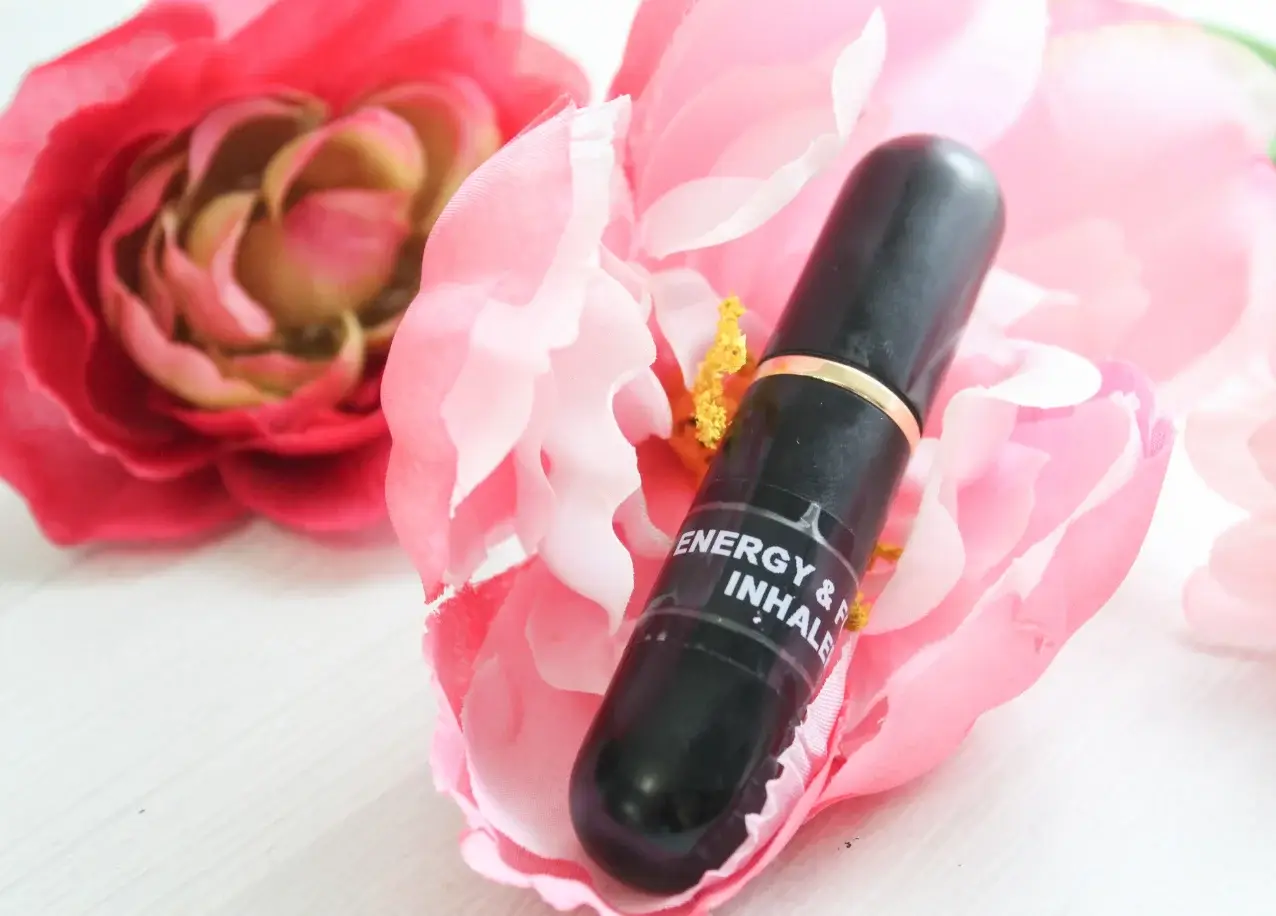
Application: Use a personal aromatherapy inhaler with 10 drops turmeric essential oil, 5 drops frankincense essential oil, and 5 drops lime essential oil. Inhale as part of your daily focus, prayer, or study rhythm.
3. Preclinical Inflammation and Comfort Support
A little inflammation is not always a bad thing. Inflammation is part of the body’s normal response to injury and harmful agents. But prolonged inflammation can contribute to chronic pain, tissue damage, and disease.
Turmeric essential oil has meaningful preclinical anti-inflammatory research, but the route matters.
A 2007 laboratory study found that turmerones and curcuminoids affected inflammatory and proliferative pathways differently. (11) A separate 2010 rat arthritis study tested turmeric essential-oil preparations themselves. Intraperitoneal administration strongly reduced joint swelling but was accompanied by significant morbidity and mortality, while a much larger oral dose was nontoxic but only mildly joint-protective. That study does not establish topical pain relief in people, and it is a good reminder not to convert an animal route or dose into a human protocol. (12)
In practical use, I still like properly diluted turmeric oil in topical comfort blends for sore muscles and achy joints. I treat that as supportive household use, not proof that turmeric oil treats arthritis or chronic pain.
For pain and inflammation, turmeric oil blends beautifully with copaiba, frankincense, lavender, ginger, and peppermint.
Application: Make a homemade pain relief cream by adding 12 drops of turmeric essential oil to 1 ounce of Mama Z’s DIY Salve Base & Lotion Bar Recipe. Massage into sore muscles or achy joints as needed.
4. Antioxidant Activity in Preclinical Research
Over time, our bodies are exposed to natural and unnatural compounds, chemicals, and toxins. Free radicals can increase oxidative stress, damaging cells and contributing to aging and disease.
Antioxidants help protect the body from excessive free radical damage. Turmeric and turmeric oil have both been studied for antioxidant activity.
Research comparing turmeric extracts obtained by different techniques found that extraction method affected both composition and antioxidant activity. (13) The 2026 turmeric essential-oil review also summarizes antioxidant findings from preclinical studies of the oil and its turmerone-rich fractions. (29)
Curcuminoids themselves also show antioxidant activity in laboratory assays, but curcuminoid research should not be presented as if it tested steam-distilled essential oil. (14) That distinction helps us appreciate turmeric as a whole plant without blurring its different preparations.
Application: Add turmeric oil to antioxidant-rich meals like soups, curries, lentils, stir-fries, and roasted vegetables. Use only 1 drop per recipe unless you have specific professional guidance.
5. Laboratory Antimicrobial Activity
Turmeric essential oil is also useful for antimicrobial support.
Laboratory research has found turmeric oil activity against fungal and bacterial organisms. One study reported antifungal activity against Candida albicans. (15) Other work found antibacterial activity in vitro. (16)
A 2016 disc-diffusion laboratory study also tested turmeric, eucalyptus, chamomile, and tea tree essential oils against Porphyromonas gingivalis. Turmeric oil inhibited growth at the higher concentrations tested, although it was the least active of the four oils in that experiment. This was an in vitro study, not a clinical periodontitis trial. (17)
Put simply, turmeric oil is an interesting candidate for natural cleaning and oral-care blends when used properly, but laboratory inhibition is not the same thing as treating an infection in a person.
Application: Try adding 1 drop of turmeric essential oil to your oil pulling routine if you are focusing on oral health. Use a full tablespoon of coconut or sesame oil as the carrier and do not swallow the oil after swishing.
6. Blood Sugar Enzyme Research
Diabetes requires wise eating habits, movement, stress management, and a full lifestyle plan. Essential oils are not a substitute for those foundations, but they can be part of a supportive routine.
In lab research, turmeric volatile oil inhibited key enzymes linked to carbohydrate digestion and type 2 diabetes, including alpha-glucosidase and alpha-amylase. In that study, turmeric volatile oils inhibited glucosidase enzymes more effectively than the reference drug acarbose in vitro. (18)
Animal research has also examined turmeric oil and curcumin-containing preparations in blood sugar and fat accumulation models. (19)
This does not mean turmeric oil treats diabetes in people. It does mean turmeric oil compounds may support healthy metabolic pathways and deserve more research.
Application: Add 1 drop of turmeric essential oil to your favorite savory dishes to enjoy a culinary-style dose. If you take diabetes medication, monitor carefully and speak with your healthcare provider before using turmeric oil internally.
7. Potential Anti-Seizure Research
Epilepsy and seizure disorders are serious and require medical care. This is not a DIY condition.
That said, turmeric oil compounds have been studied in seizure models. In preclinical research, ar-turmerone and related turmeric oil constituents showed anticonvulsant activity in zebrafish and mouse models. (10, 20)
This is early research, but it is fascinating. It suggests turmeric oil constituents may be useful leads for future neurological drug research.
Application: For general relaxation, enjoy a diffuser blend with 2 drops turmeric essential oil, 2 drops lavender essential oil, and 2 drops Roman chamomile essential oil. If you have epilepsy or seizures, consult your physician before using essential oils and discontinue immediately if any adverse reaction occurs.
8. Digestive Research and Traditional Use
Turmeric has a long history of digestive use, and turmeric oil may also have protective benefits for the gut.
A 2015 animal study compared turmeric and ginger essential oils in ethanol-induced ulcer models and found gastroprotective effects in rats. The oils were given orally at experimental doses, so this does not establish the same effect or dose in people. (21)
Turmeric extract has also been studied in people with irritable bowel syndrome. In a pilot study, turmeric extract was associated with improved IBS symptoms in many participants, though this study used turmeric extract rather than essential oil. (22)
The lesson? Turmeric as a plant has digestive-supportive potential, but the exact form matters.
Application: Add 1 drop turmeric essential oil to a large pot of soup, curry, or stew. For ongoing digestive concerns, work with a qualified practitioner and focus on gut health foundations: real food, stress reduction, hydration, bitters, movement, and microbiome support.
9. Backyard Gardening Uses
Is turmeric essential oil a useful tool for backyard gardening? Research suggests it may be.
Food scientists have studied turmeric essential oil against Aspergillus flavus, a fungus known for affecting maize, grains, and legumes. Turmeric oil showed antifungal activity and has been explored as an eco-friendly option for food and crop protection. (23)
Turmeric essential oil, along with ginger oil, has also been studied for herbicidal activity in crop settings. (24)
This does not mean you should pour turmeric oil all over your garden. Essential oils are concentrated, and too much can harm plants, soil microbes, and beneficial insects. But it does show that turmeric oil has interesting natural gardening applications.
Application: Add 20 to 30 drops turmeric oil to 16 ounces of a natural weed-control or garden spray recipe, test on a small area first, and avoid spraying beneficial plants or pollinator habitats. Learn more about organic backyard gardening from Mama Z.
10. Bug Repellent Support
Many essential oils have been studied for their effectiveness as bug repellents. Plant-based insect repellents can be a helpful alternative to conventional products, although performance varies by oil, concentration, formulation, pest species, and how often you reapply.
A review of plant-based repellents reported that turmeric oil with 5% vanillin repelled several mosquito species under cage conditions for hours, with protection varying by species and formulation. (25) Other studies have explored turmeric oil's larvicidal effects against mosquito vectors. (26)
Those protection times came from concentrated experimental formulations and do not transfer directly to the much lower dilution in a household DIY blend. Turmeric oil can still be a useful addition to DIY bug repellent blends, but performance depends on concentration, formulation, mosquito species, and reapplication.
Application: Add 10 drops of turmeric oil per 1 ounce of your favorite DIY bug repellent recipe. Patch test first, and avoid applying near the eyes or mouth.
How to Use Turmeric Oil Safely
Turmeric essential oil has useful applications, but there are some common-sense precautions you should take.
Inhalation
Turmeric essential oil can be diffused or used in an inhaler. It blends beautifully with citrus oils, ginger, frankincense, copaiba, black pepper, cardamom, and lavender.
Diffuser blend: Try 2 drops turmeric, 3 drops orange, and 2 drops ginger for a warm, spicy, uplifting aroma.
Topical Use
For topical use, dilute turmeric essential oil properly. A 1% dilution is a good starting point for general adult topical use, which equals about 6 drops per ounce of carrier oil or salve.
A 2026 safety review summarized older human dermal testing in which a 4% turmeric essential-oil preparation produced no irritation or sensitization in a 25-person maximization study and was reported as non-phototoxic. The review was industry funded, and small safety studies do not guarantee that every person or every commercial product will respond the same way. (29)
Turmeric oil may stain skin, clothing, towels, and surfaces, especially if you are using a colorful CO2 extract or oleoresin. Patch test first.
Culinary Internal Use
Some turmeric essential oils may be labeled for culinary use. If your oil is not labeled for food use, do not use it internally.
Do not consume turmeric essential oil straight from the bottle or in plain water. Oil and water do not mix, and undispersed essential oil can irritate the mouth, throat, and digestive tract.
For culinary use, keep it very small: 1 drop in an entire recipe is often plenty. Mix it into fatty or dispersing ingredients such as olive oil, coconut milk, tahini, or soup that contains fat.
Medicinal Internal Use
Medicinal internal use is different from putting one drop into an entire pot of food. This article does not provide a daily medicinal turmeric-oil protocol because human dosing evidence for the essential oil itself is still limited.
The National Center for Complementary and Integrative Health notes digestive side effects and other cautions for oral turmeric and curcumin products, but those products are chemically different from steam-distilled turmeric essential oil. We should not automatically transfer every curcumin interaction or adverse effect to the oil. (27)
The most directly relevant human study enrolled only nine healthy volunteers. Participants received 0.6 mL of turmeric oil daily for one month and then 1 mL daily for two months. Seven completed the study; one participant stopped after developing an allergic skin rash, and another withdrew because of an intercurrent fever requiring antibiotics. No clinical, hematologic, kidney, or liver toxicity was reported among those who completed the study. This is useful early safety information, not a dosing recommendation for home use. (28)
- Start small. For culinary use, use no more than 1 drop per full recipe unless professionally guided.
- Do not drink turmeric oil in water.
- Do not consume turmeric oil straight from the bottle.
- Rotate oils rather than taking the same essential oil internally for long periods.
- Stop using turmeric oil if you experience side effects.
- Clinical interaction data for turmeric essential oil are limited. If you take prescription medicines, especially anticoagulant or antiplatelet drugs, diabetes medications, anti-inflammatory drugs, or cancer therapies, discuss repeated medicinal internal use with your pharmacist or healthcare provider.
- Get individualized guidance before medicinal internal use during pregnancy or nursing, for children, before surgery, or if you have liver, gallbladder, kidney, or other chronic disease.
Learn more about important side effects of turmeric spice.
Turmeric Essential Oil FAQs
What is turmeric essential oil good for?
Turmeric essential oil is used in diluted topical comfort blends, warm spicy inhalation blends, culinary recipes, oral-care blends, gardening, and bug-repellent recipes. Research on anti-inflammatory, antimicrobial, antioxidant, neurological, metabolic, and anticancer activity is still dominated by laboratory and animal studies, with limited human clinical evidence for the essential oil itself.
Does turmeric essential oil contain curcumin?
Steam-distilled turmeric essential oil generally does not contain curcumin as a major component. It is rich in volatile compounds like turmerones and zingiberene. Turmeric CO2 extract or oleoresin may contain curcumin, depending on the extraction method and product.
What is the difference between turmeric essential oil and turmeric CO2 extract?
Turmeric essential oil is usually steam distilled and contains volatile aromatic compounds. Turmeric CO2 extract is made using carbon dioxide extraction and may contain heavier compounds, including curcumin and turmerones. They can look, smell, and behave differently.
Can I ingest essential oils?
Do not casually ingest essential oils in water or neat (undiluted). Internal use of essential oils requires proper dilution, product quality, dosing knowledge, and safety guidance. Learn more about how to ingest essential oils here.
For turmeric specifically, use culinary internal use only when the exact product is labeled for food use and the amount is tied to the complete recipe. One drop in an entire recipe is often plenty. Medicinal internal use requires a separate, individualized protocol.
Is turmeric essential oil good for pain?
Turmeric essential oil has preclinical anti-inflammatory activity, but there are no strong human clinical trials showing that a topical turmeric-oil blend treats pain. We use it properly diluted in salves or massage oils for supportive comfort around sore muscles and achy joints.
Can turmeric oil help with cancer?
Turmeric oil fractions and constituents have shown anticancer activity in laboratory and animal research, including effects involving pancreatic cancer cells and leukemia cell lines. These findings are preclinical and do not prove turmeric oil prevents or treats cancer in humans. Anyone in cancer care should discuss turmeric oil, curcumin, and supplements with their oncologist.
Is turmeric essential oil safe for children?
Turmeric oil should be used cautiously with children. Brief inhalation and very low topical dilution may be appropriate for some children, but age, health history, route, concentration, and product identity all matter. Medicinal internal use for children requires age-specific, product-specific professional guidance rather than adapting an adult protocol. For topical use with children, stay at 1% dilution or less and patch test first.
Can turmeric oil stain skin or clothes?
Yes. Turmeric CO2 extract and turmeric oleoresin especially can stain skin, clothing, towels, countertops, and diffuser surfaces. Steam-distilled turmeric essential oil may stain less, but still use caution.
What essential oils blend well with turmeric?
Turmeric blends well with ginger, frankincense, black pepper, copaiba, lavender, orange, lemon, lime, grapefruit, cardamom, cinnamon, clove, and cedarwood.


Resources & References
- Encyclopaedia Britannica. Rhizome. https://www.britannica.com/science/rhizome
- Li S, Yuan W, Deng G, Wang P, Yang P, Aggarwal BB. Chemical composition and product quality control of turmeric (Curcuma longa L.). Pharmaceutical Crops. 2011;2:28-54. https://doi.org/10.2174/2210290601102010028
- Dosoky NS, Setzer WN. Chemical composition and biological activities of essential oils of Curcuma species. Nutrients. 2018;10(9):1196. https://pmc.ncbi.nlm.nih.gov/articles/PMC6164907/
- Nair A, Amalraj A, Jacob J, Kunnumakkara AB, Gopi S. Non-curcuminoids from turmeric and their potential in cancer therapy and anticancer drug delivery formulations. Biomolecules. 2019;9(1):13. https://www.mdpi.com/2218-273X/9/1/13
- Biological Studies of Turmeric Oil, Part 2: Isolation and characterization of constituents with biological activity against pancreatic cancer cells. Natural Product Communications. 2013. https://journals.sagepub.com/doi/10.1177/1934578X1300800633
- Aratanechemuge Y, Komiya T, Moteki H, et al. Selective induction of apoptosis by ar-turmerone isolated from turmeric (Curcuma longa L.) in two human leukemia cell lines. International Journal of Molecular Medicine. 2002;9(5):481-484. https://pubmed.ncbi.nlm.nih.gov/11956652/
- National Cancer Institute. Curcumin and Cancer (PDQ®) – Health Professional Version. https://www.cancer.gov/about-cancer/treatment/cam/hp/curcumin-pdq
- Cancer Research UK. Turmeric. https://www.cancerresearchuk.org/about-cancer/treatment/complementary-alternative-therapies/individual-therapies/turmeric
- Hucklenbroich J, Klein R, Neumaier B, et al. Aromatic-turmerone induces neural stem cell proliferation in vitro and in vivo. Stem Cell Research & Therapy. 2014;5(4):100. https://pmc.ncbi.nlm.nih.gov/articles/PMC4180255/
- Orellana-Paucar AM, et al. Turmeric essential oil constituents as potential drug candidates: A review. Molecules. 2024;29(17):4210. https://pmc.ncbi.nlm.nih.gov/articles/PMC11397039/
- Sandur SK, Pandey MK, Sung B, et al. Curcumin, demethoxycurcumin, bisdemethoxycurcumin, tetrahydrocurcumin and turmerones differentially regulate anti-inflammatory and anti-proliferative responses. Carcinogenesis. 2007;28(8):1765-1773. https://pubmed.ncbi.nlm.nih.gov/17522064/
- Funk JL, Frye JB, Oyarzo JN, Zhang H, Timmermann BN. Anti-arthritic effects and toxicity of the essential oils of turmeric (Curcuma longa L.). Journal of Agricultural and Food Chemistry. 2010;58(2):842-849. https://pubmed.ncbi.nlm.nih.gov/20025215/
- Braga ME, Leal PF, Carvalho JE, Meireles MAA. Comparison of yield, composition, and antioxidant activity of turmeric (Curcuma longa L.) extracts obtained using various techniques. Journal of Agricultural and Food Chemistry. 2003;51(22):6604-6611. https://pubs.acs.org/doi/10.1021/jf0345550
- Jayaprakasha GK, Rao LJM, Sakariah KK. Antioxidant activities of curcumin, demethoxycurcumin and bisdemethoxycurcumin. Food Chemistry. 2006;98(4):720-724. https://www.sciencedirect.com/science/article/pii/S0308814605006438
- Apisariyakul A, Vanittanakom N, Buddhasukh D. Antifungal activity of turmeric oil extracted from Curcuma longa (Zingiberaceae). Journal of Ethnopharmacology. 1995;49(3):163-169. https://pubmed.ncbi.nlm.nih.gov/8824742/
- Negi PS, Jayaprakasha GK, Jagan Mohan Rao L, Sakariah KK. Antibacterial activity of turmeric oil: A byproduct from curcumin manufacture. Journal of Agricultural and Food Chemistry. 1999;47(10):4297-4300. https://pubs.acs.org/doi/10.1021/jf990308d
- Hans VM, Grover HS, Deswal H, Agarwal P. Antimicrobial efficacy of various essential oils at varying concentrations against periopathogen Porphyromonas gingivalis. Journal of Clinical and Diagnostic Research. 2016;10(9):ZC16-ZC19. https://pubmed.ncbi.nlm.nih.gov/27790572/
- Lekshmi PC, Arimboor R, Indulekha PS, Nirmala Menon A. Turmeric (Curcuma longa L.) volatile oil inhibits key enzymes linked to type 2 diabetes. International Journal of Food Sciences and Nutrition. 2012;63(7):832-834. https://www.tandfonline.com/doi/abs/10.3109/09637486.2011.607156
- Nishiyama T, Mae T, Kishida H, et al. Curcuminoids and sesquiterpenoids in turmeric (Curcuma longa L.) suppress an increase in blood glucose level in type 2 diabetic KK-Ay mice. Journal of Agricultural and Food Chemistry. 2005;53(4):959-963. https://pubmed.ncbi.nlm.nih.gov/15713005/
- Orellana-Paucar AM, Afrikanova T, Thomas J, et al. Anticonvulsant activity of bisabolene sesquiterpenoids of Curcuma longa in zebrafish and mouse seizure models. Epilepsy & Behavior. 2012;24(1):14-22. https://pubmed.ncbi.nlm.nih.gov/22494905/
- Liju VB, Jeena K, Kuttan R. Gastroprotective activity of essential oils from turmeric and ginger. Journal of Basic and Clinical Physiology and Pharmacology. 2015;26(1):95-103. https://pubmed.ncbi.nlm.nih.gov/24756059/
- Bundy R, Walker AF, Middleton RW, Booth J. Turmeric extract may improve irritable bowel syndrome symptomology in otherwise healthy adults: A pilot study. Journal of Alternative and Complementary Medicine. 2004;10(6):1015-1018. https://www.liebertpub.com/doi/abs/10.1089/acm.2004.10.1015
- Hu Y, Zhang J, Kong W, Zhao G, Yang M. Mechanisms of antifungal and anti-aflatoxigenic properties of essential oil derived from turmeric (Curcuma longa L.) on Aspergillus flavus. Food Chemistry. 2017;220:1-8. https://www.sciencedirect.com/science/article/pii/S0308814616315783
- Ibáñez MD, Blázquez MA. Ginger and turmeric essential oils for weed control and food crop protection. Plants. 2019;8(3):59. https://pmc.ncbi.nlm.nih.gov/articles/PMC6473496/
- Maia MF, Moore SJ. Plant-based insect repellents: A review of their efficacy, development and testing. Malaria Journal. 2011;10(Suppl 1):S11. https://pmc.ncbi.nlm.nih.gov/articles/PMC3059459/
- Govindarajan M, Rajeswary M, Hoti SL, Benelli G. Larvicidal potential of Curcuma longa and other plant essential oils against mosquito vectors. Parasitology Research. 2016. https://pubmed.ncbi.nlm.nih.gov/26336212/
- National Center for Complementary and Integrative Health. Turmeric: Usefulness and Safety. Updated April 2025. https://www.nccih.nih.gov/health/turmeric
- Joshi J, Ghaisas S, Vaidya A, et al. Early human safety study of turmeric oil (Curcuma longa oil) administered orally in healthy volunteers. Journal of the Association of Physicians of India. 2003;51:1055-1060. https://pubmed.ncbi.nlm.nih.gov/15260388/
- Saavedra DI, Carter DT, Dawson JT, et al. Turmeric (Curcuma longa) rhizome essential oil: analytical profile of authenticated and commercial samples, safety and pharmacology review. Pharmaceutical Biology. 2026;64(1):379-397. https://pubmed.ncbi.nlm.nih.gov/41766366/