QUICK SUMMARY
Geranium essential oil is a sweet, floral, rosy oil steam-distilled from the leaves and flowering tops of the Pelargonium graveolens plant. It is popular in natural perfumes and skin care, but geranium essential oil benefits go far beyond smelling beautiful.
Research on geranium essential oil includes human trials of inhalation for anxiety, stress, pain-related distress, and fatigue, along with laboratory and animal studies exploring antimicrobial activity, inflammation, skin and wound support, blood sugar pathways, and liver and kidney protection. Human evidence is strongest for inhalation, while many of the other promising benefits remain preclinical.
The best ways to use geranium essential oil are diffusion, personal inhalers, diluted topical blends, facial oils, massage oils, and natural home recipes. Use it as part of a bigger biblical health lifestyle that includes nourishing food, movement, sleep, prayer, stress relief, and reducing toxic burden in your home.
Not just a pretty floral scent, geranium essential oil benefits the mind and body in a myriad of ways from wound healing to skin soothing. Floral essential oils are most familiar to us when we think of essential oils and aromatherapy.
It's not surprising, since the aromatherapy and perfumery industries – arts, really – are so closely intertwined. But the medicinal uses of geranium shouldn't be overlooked.
Table of Contents

Pelargonium Graveolens Plant
While the scent of geranium essential oil is floral, the oil itself is distilled from the leaves of the Pelargonium graveolens plant. It is native to South Africa and has since been cultivated further north into Middle Eastern and Asian countries.
While the Latin name usually gives us clarity as to what kind of oil we have, geranium is a bit trickier. The strains of Pelargonium graveolens aren't necessarily indicated by those two names; the strain and location of growth can make a huge impact on the chemical composition of the oil in spite of sharing the name P. graveolens. (1)
For the most part, with trusted suppliers, we can tell based on the common name – this is not the norm for other oils. Geranium Bourbon is grown in a specific region and is mostly used for fragrances rather than therapeutic purposes. Rose Geranium is ever-so-slightly ‘rosy' smelling.
If your supplier provides the GC/MS evaluation for their oils, look for naturally occurring compounds such as geraniol, citronellol, linalool, citronellyl formate, isomenthone, geranyl formate, and related terpenes. Again, remember that a trusted supplier is important. Any of these compounds can be synthesized for affordability in spite of lessened quality!
This is important because not every bottle that smells “rosy” is a true therapeutic essential oil. Fragrance oils may smell nice, but they do not carry the same complex profile as a pure, properly distilled essential oil. For health and home use, look for a company that prioritizes purity, testing, sourcing, and transparency.
Put simply, geranium essential oil is a gentle-but-powerful oil for families who want a natural way to support mood, skin, stress, inflammation, women’s wellness, and everyday natural living.
10 Healing Benefits of Geranium Essential Oil
Geranium essential oil is a powerful therapeutic oil that is also relatively gentle when used properly, used primarily in inhaled and topical application methods. Add it to your diffuser or topical blend to enjoy the following healing benefits.
Here’s the thing: essential oils work best when they are not treated like magic bullets. God gave us powerful plant-based remedies, but He also designed our bodies to thrive with real food, movement, rest, emotional healing, prayer, and wise stewardship. Geranium can be a beautiful tool in that bigger transformation.
1. Geranium Oil for Hormone Balance
Geranium has long been included in women’s wellness blends, especially when emotions feel unsettled during hormonal transitions. Its sweet floral aroma also makes it a natural fit for calming blends during PMS, perimenopause, and other seasons when stress and hormonal changes can overlap.
Research has shown that exposure to geranium and rose otto aromas increased salivary estrogen concentration in perimenopausal women compared with a control odor. (2) This small human study is intriguing, but a short-term change in salivary estrogen does not establish that geranium “balances hormones,” treats low estrogen, or relieves menopausal symptoms. It does give researchers a reason to keep studying a traditional women’s-wellness use that aromatherapists have valued for years.
Geranium is especially lovely in blends with clary sage, lavender, rose, and ylang ylang. These floral oils can help create an atmosphere of calm when emotions feel big and your body feels like it is shifting faster than you can keep up.
How to use it:
- Diffuse in the bedroom at night if you’re struggling with hot flashes, emotional swings, or restless sleep.
- Mix 1 drop with a teaspoon of carrier oil and massage over your lower abdomen during PMS discomfort.
- Combine with clary sage and lavender in a roller bottle for an on-the-go “hormone helper.”
Application: Add 2 drops geranium, 2 drops lavender, and 1 drop clary sage to your diffuser during evening wind-down. Use this during prayer, journaling, or a quiet bath when you need to reset.
For us, this makes geranium a useful aromatic tool for women’s wellness, especially when the goal is calm and emotional support rather than trying to use an essential oil as hormone replacement.
2. Geranium Oil for Anxiety & Stress
Sometimes life feels heavy, and your mind just won’t stop racing. That’s where geranium oil shines. Its light, rosy aroma brings a sense of calm without knocking you out or making you feel drowsy.
In one randomized clinical trial, women in labor who inhaled geranium essential oil had significantly lower anxiety scores, and their diastolic blood pressure decreased as well. (3) Another triple-blind randomized clinical trial found that geranium aroma significantly reduced anxiety in patients with acute myocardial infarction. (4)
This is important. Labor, heart-related stress, and chronic pain are intense situations. If geranium inhalation can help calm anxiety in settings like these, it makes sense to reach for it during stressful days, tense evenings, and those moments when the whole family needs to slow down.
A 2023 study also found that inhaling Pelargonium graveolens essential oil helped lower perceived pain, anxiety, and stress in patients with lumbar spinal stenosis and moderate to severe pain. (5) That gives us a beautiful picture of how aroma can influence both the emotional and physical experience of stress.
How to Use It:
- Diffuse in the living room after a stressful day to set the whole family at ease.
- Add a drop to a cotton ball or diffuser necklace and breathe deeply when anxiety hits.
- Blend with lavender and sweet orange for a calming synergy that feels like a hug.
Application: Use geranium during prayer, journaling, or quiet time. Let the aroma remind your body to slow down and your heart to rest in the Lord.
3. Geranium Oil for Fatigue & Emotional Burnout
When your body is exhausted and your mind is overloaded, it is easy to push through, pour another cup of coffee, and ignore what your body is trying to tell you. Reality check: fatigue is not just a schedule problem. It can be a nervous system problem, a sleep problem, a stress problem, and a stewardship problem.
Geranium essential oil may help here, too. In a randomized clinical study of ICU nurses, inhalation aromatherapy with Pelargonium graveolens essential oil reduced fatigue. (6) These were nurses working in one of the most stressful care environments, which makes the finding especially practical for real life.
This doesn’t mean geranium replaces rest. It means geranium can help support your body while you rebuild a rhythm of rest, sleep, and recovery.
How to Use It:
- Diffuse geranium with orange in the afternoon when you feel drained but do not want to feel overstimulated.
- Use in a personal inhaler during demanding workdays, homeschool days, travel, or caregiving seasons.
- Blend with lavender at night when fatigue and stress are making it hard to wind down.
Application: Try 2 drops geranium, 2 drops lavender, and 2 drops sweet orange in your diffuser when you need a calm reset without the jitters.
4. Geranium Oil for Glowing Skin
If there’s one oil every woman needs in her beauty cabinet, it’s geranium. It helps balance the feel of oily and dry skin, supports a clear-looking complexion, and brings a beautiful floral note to natural serums and anti-aging recipes.
Researchers have found that rose geranium essential oil demonstrated strong anti-inflammatory activity in experimental models, and geranium oil has also shown antimicrobial activity against skin-relevant organisms in lab studies. (7, 8) In a diabetic wound animal model, a cream containing P. graveolens essential oil as part of an herbal formula showed wound-healing activity. (9)
That’s why you’ll often see geranium oil in natural serums, blemish blends, body oils, and anti-aging recipes. It’s not a harsh, strip-your-skin oil. It’s soothing, balancing, and lovely when paired with lavender, frankincense, and tea tree.
How to Use It:
- Add 1 drop to your daily moisturizer or serum for balanced, healthy-looking skin.
- Blend with frankincense and lavender for a rejuvenating facial oil.
- Apply diluted at 1% on blemish-prone areas or minor skin irritations.
Application: Add 1 drop geranium and 1 drop frankincense to 1 tablespoon jojoba oil. Massage a few drops into clean skin at night.
For blemish-prone skin, keep the blend simple. Geranium, tea tree, lavender, and jojoba make a gentle but effective natural skin support combination.
5. Geranium Oil for Natural Defense
God created plants with built-in protection, and geranium oil is one of nature’s defenders. Studies show it can inhibit the growth of harmful microbes, including clinical strains of Staphylococcus aureus and drug-resistant strains in laboratory testing. (8)
That laboratory evidence helps explain why geranium is so interesting in skin-support and natural-home formulations. It does not prove that diffusing geranium disinfects a room or that a homemade blend treats an infection, but it gives us a research-based reason to include it in thoughtfully formulated DIYs.
Put simply, geranium essential oil is a smart ingredient for DIY cleaning sprays, deodorizing blends, natural first-aid rollers, and skin-support formulas.
How to Use It:
- Diffuse for a fresh floral aroma when sickness is going around.
- Add a few drops to a DIY cleaning spray with vinegar and water.
- For intact skin around minor everyday problem areas, use a properly diluted blend with tea tree oil.
Application: Geranium pairs beautifully with lemon, tea tree, thyme, and clove for natural defense, but keep hot oils like thyme and clove well diluted.
6. Geranium Oil for Healthy Blood Sugar
Keeping your blood sugar steady can be tough, especially with today’s diet, stress levels, and processed-food culture. Early animal research suggests that geranium essential oil may help support healthy glucose pathways and antioxidant defenses.
In an alloxan-induced diabetic rat study, Pelargonium graveolens leaf essential oil showed hypoglycemic and antioxidant effects, and the researchers suggested it may help protect against oxidative stress linked with diabetic complications. (10)
So what does this mean for you? This is animal research, not evidence that inhaling or applying geranium lowers blood sugar in people. We can appreciate the mechanism without turning it into a diabetes protocol. For human blood sugar support, the foundations remain real food, movement, sleep, stress management, and appropriate medical care.
How to Use It:
- Diffuse when stress or emotional cravings hit as part of a calming routine.
- Use in a diluted massage blend when stress is part of the bigger blood-sugar picture.
- Pair with cinnamon and clove oils in a diffuser for a “sweet” balancing blend.
Application: Pair essential oils with an anti-inflammatory diet, daily movement, and real sleep. There’s no oil for a lifestyle we’re unwilling to transform.
7. Geranium Oil for Pain & Inflammation
Chronic pain wears people down. It affects sleep, mood, relationships, and the ability to enjoy the abundant life. Geranium oil can help bring natural relief as part of a broader pain-support plan.
In patients with lumbar spinal stenosis and moderate to severe pain, inhalation of Pelargonium graveolens essential oil reduced pain and improved related anxiety and stress. (5) A 2025 mouse study also found that a P. graveolens essential oil nanoemulsion produced anti-nociceptive and anti-inflammatory effects in experimental models. (11)
The human inhalation study makes geranium especially interesting for pain-related distress. The 2025 nanoemulsion study adds mechanistic support, but because it was performed in mice with a specially formulated nanoemulsion, it should not be treated as proof that an ordinary topical geranium blend will reproduce those effects. We still like diluted massage blends for everyday comfort alongside nutrition, movement, sleep, and stress relief.
How to Use It:
- Massage into sore joints with a carrier oil at a 1-2% dilution for everyday adult use.
- Add to an Epsom salt bath after mixing the essential oil into a carrier oil or unscented castile soap first.
- Blend with frankincense and lavender for an “ache-away” roller blend.
Application: Add 2 drops geranium, 2 drops frankincense, and 2 drops lavender to 1 tablespoon carrier oil. Massage into the neck, shoulders, knees, or lower back.
8. Geranium Oil for Heart Health
Stress and worry can affect the cardiovascular system as well as the mind. Geranium’s strongest evidence here is as an aromatic tool for anxiety and stress-related responses, not as a treatment for cardiovascular disease.
In the labor study, geranium inhalation reduced anxiety and diastolic blood pressure. (3) In the trial involving patients with acute myocardial infarction, geranium aroma significantly reduced anxiety scores compared with placebo. (4)
This is a reminder that heart health is not just about numbers. The nervous system, emotional stress, sleep, prayer, breath, relationships, and peace all matter. For us, aroma can also become part of an intentional rhythm of prayer, breath, rest, and peace while we care for the body God gave us.
How to Use It:
- Diffuse during prayer or quiet time to calm the heart and mind.
- Blend with ylang ylang and lavender for cardiovascular stress support.
- Add a drop to a cotton pad and breathe deeply before stressful situations.
Application: Try 2 drops geranium, 2 drops lavender, and 1 drop ylang ylang in the diffuser during evening wind-down.
9. Geranium Oil for Liver Support
Your liver is your body’s detox powerhouse, constantly filtering out toxins. Your kidneys help filter waste and maintain healthy fluid balance. These organs carry a heavy load in a toxic world, which is why reducing toxic burden is such a big part of natural living.
A 2024 rat study found that geranium oil significantly reduced cefotaxime-induced liver and kidney damage markers, including liver enzymes, renal markers, inflammatory markers, and oxidative stress indicators. The researchers also observed protective changes in liver and kidney tissues. (12)
That is animal research, not a human detox protocol, and it does not show that applying geranium over the liver protects human liver or kidney function. What it does show is a promising experimental effect on oxidative stress and inflammatory injury that deserves further study.
How to Use It:
- Use geranium in a diluted abdominal massage blend if you enjoy it as part of your natural-living routine.
- Blend with lemon and rosemary for a gentle detox-friendly massage oil.
- Diffuse with grapefruit for a fresh, cleansing aroma.
Application: Add 1 drop geranium and 1 drop lemon to 1 tablespoon carrier oil. Massage over the abdomen after a shower as an aromatic self-care practice, not as a liver-treatment protocol.
For deeper support, focus on the foundations: filtered water, cruciferous vegetables, sweating, movement, good sleep, and removing toxic products from your home.
10. Geranium Oil for Strong Immunity & Respiratory Relief
When stress is high, our immune defenses can drop. Geranium oil steps in to help by bringing together calming, antimicrobial, and inflammatory-balancing properties.
Research on the broader Pelargonium family shows antimicrobial, antiviral, and immunomodulatory activity, and geranium essential oil itself has demonstrated antimicrobial effects in laboratory studies. (8, 13) That makes geranium interesting for seasonal natural-living blends, especially when paired with sleep, hydration, nutrient-dense food, and prayerful rest. Laboratory antimicrobial activity, however, is not the same as proof that diffusion prevents respiratory infection.
Breathing easy is a gift we often take for granted. Geranium oil has been used traditionally to support easier breathing, freshen the air, and calm the nervous system when seasonal sniffles make everyone tense.
Here’s the research context: the strongest human respiratory evidence is for Pelargonium sidoides root extract, not geranium essential oil from Pelargonium graveolens. A 2022 meta-analysis of randomized, placebo-controlled trials found that the Pelargonium sidoides extract EPs 7630 reduced cough burden and led to earlier cough remission in acute bronchitis and common cold studies. (14)
That does not prove geranium essential oil treats bronchitis. Pelargonium sidoides root extract and Pelargonium graveolens essential oil are different preparations from different species, so the respiratory trial evidence for EPs 7630 should not be transferred to geranium essential oil. We still use geranium aromatically in seasonal blends for its pleasant aroma and calming qualities.
How to Use It:
- Diffuse during cold and flu season for a fresh, calming home aroma.
- Add to a chest rub with eucalyptus and tea tree for extra support.
- Carry an inhaler stick with geranium oil to give your routine a quick lift on the go.
- Diffuse during seasonal sniffles for a calming aromatic routine.
- For aromatic steam, keep essential oil use conservative and avoid getting the vapor or oil near the eyes.
- Blend with eucalyptus and peppermint for a powerful “breathe easy” chest rub.
Application: For an immune-support diffuser blend, combine 2 drops geranium, 2 drops lemon, 1 drop tea tree, and 1 drop lavender.
Application: For a chest rub, add 1 drop geranium, 1 drop eucalyptus, and 1 drop lavender to 1 tablespoon carrier oil. Rub over the chest and upper back.
Blending with Geranium
One of the geranium essential oil uses includes that it blends well with oils that share its properties, so keep that in mind when playing with combinations and scents.
- Antianxiety: lavender, bergamot, rose, chamomile
- Antimicrobial: citrus, thyme, clove, tea tree
- Healing: lavender, frankincense, lemongrass, tea tree
- Women’s wellness: clary sage, lavender, ylang ylang, rose, fennel
- Grounding: patchouli, sandalwood, vetiver, cedarwood
Geranium has a heavy scent, so lightening it up with citrus essential oils or those with floral, herbaceous scents can make an enjoyable and effective combination.
Calm Home Diffuser Blend
- 2 drops geranium essential oil
- 2 drops lavender essential oil
- 2 drops sweet orange essential oil
Clear Skin Roller Blend
- 2 drops geranium essential oil
- 2 drops frankincense essential oil
- 1 drop tea tree essential oil
- 10 ml jojoba oil
Hormone Helper Diffuser Blend
- 2 drops geranium essential oil
- 2 drops clary sage essential oil
- 1 drop ylang ylang essential oil
- 1 drop lavender essential oil
Floral Stress Reset Roller
- 4 drops geranium essential oil
- 3 drops lavender essential oil
- 2 drops sweet orange essential oil
- 1 drop ylang ylang essential oil
- 10 ml carrier oil
Add essential oils to a 10 ml roller bottle, fill the rest with carrier oil, cap, and shake. Apply to wrists, back of neck, or chest when stress rises.
How to Use Geranium Essential Oil Safely
Geranium is generally gentle when used properly, but it is still concentrated plant medicine. Respect it.
Best ways to use geranium essential oil:
- Diffusion: Add 3-6 total drops of essential oil to your diffuser, depending on room size and diffuser instructions.
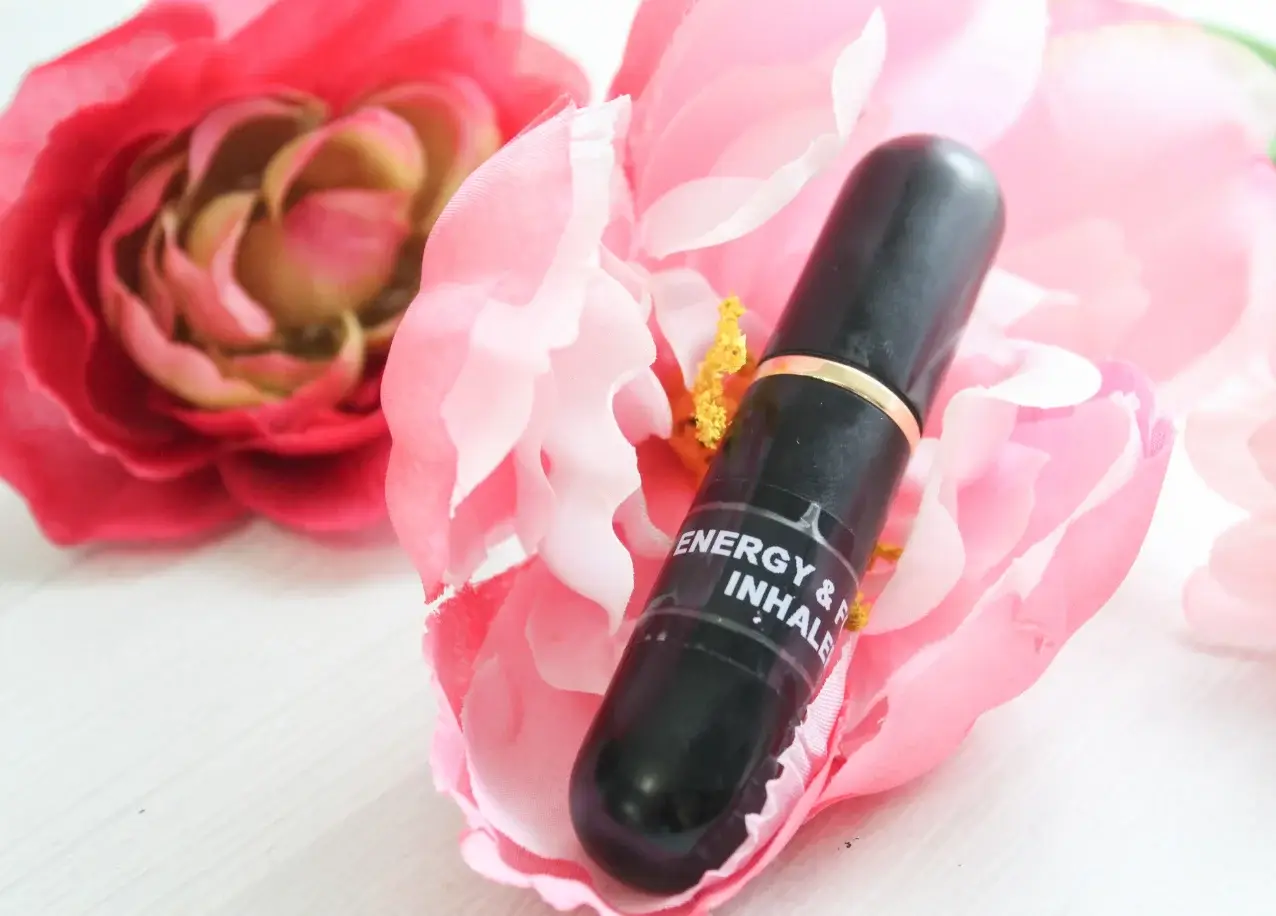
- Personal inhaler: Add geranium to an inhaler wick for stress, travel, cravings, or emotional support.
- Topical blends: Dilute in a carrier oil before applying to skin. For everyday adult body use, 1-2% is a good range.
- Facial care: Use 1 drop in a tablespoon of facial oil, moisturizer, or serum.
- Bath: Always mix essential oils with a carrier oil or unscented castile soap before adding them to bathwater.
- Natural home: Add geranium to DIY cleaners, room sprays, linen sprays, and deodorizing blends.
- Internal use: Our essential-oil framework includes inhalation, topical application, and internal use. Geranium does have food-flavoring applications, but this article does not provide a medicinal internal-use protocol. Do not add essential oil to plain drinking water or casually ingest drops neat.
Practical safety notes:
- Do not apply geranium oil undiluted to the skin.
- Keep essential oils away from eyes, inner ears, and mucous membranes.
- Do not add essential oils directly to drinking water.
- Use extra caution during pregnancy, nursing, with young children, or if you take medications.
- For serious conditions, use oils as supportive care and work with a qualified health professional.
Reality check: More oil does not mean better results. With geranium, a little goes a long way.
Geranium Essential Oil FAQs
What is geranium essential oil good for?
Geranium essential oil is best supported for aromatic stress and anxiety support, with human studies also exploring pain-related distress and fatigue. It is also widely used in women’s wellness blends, skin care, diluted massage oils, and natural-home recipes, while antimicrobial, anti-inflammatory, blood-sugar, wound, and organ-protective findings are largely laboratory or animal research.
What does geranium essential oil smell like?
Geranium essential oil smells floral, rosy, green, slightly minty, and herbaceous. It is sweet enough for perfumes and beauty recipes, but it also has a grounding, leafy note that keeps it from smelling like straight rose.
Is geranium oil the same as rose geranium oil?
No, not exactly. Both are usually from Pelargonium plants, but rose geranium has a rosier aroma and may come from a specific cultivar or chemotype. Rose geranium is not the same as true rose essential oil, which comes from Rosa damascena or related rose species.
Can geranium essential oil help anxiety?
Yes, research supports inhaled geranium essential oil for anxiety. Clinical studies have found reductions in anxiety during labor, in patients with acute myocardial infarction, and in people dealing with lumbar spinal stenosis-related pain and stress. (3, 4, 5)
Does geranium oil help balance hormones?
Geranium oil is traditionally used in women’s wellness blends, and research has found that geranium aroma exposure increased salivary estrogen concentration in perimenopausal women compared with a control odor. (2) Use it as a supportive tool, not as hormone replacement therapy.
Is geranium essential oil good for skin?
Geranium is a favorite for skin care because it smells beautiful, blends well, and has promising anti-inflammatory and antimicrobial activity in experimental research. Human clinical evidence for specific skin conditions is much more limited, so use it diluted in facial oils, serums, blemish blends, and body oils as supportive skin care.
Can I put geranium essential oil directly on my face?
No. Dilute geranium essential oil before applying it to the face. A simple facial dilution is 1 drop geranium in 1 tablespoon jojoba, argan, rosehip seed, or another carrier oil.
Can geranium essential oil help with pain?
Geranium essential oil may help with pain support, especially through inhalation and diluted topical massage. A human study found that inhaled Pelargonium graveolens essential oil helped reduce pain, anxiety, and stress in patients with lumbar spinal stenosis and moderate to severe pain. (5)
Can I ingest geranium essential oil?
Geranium has culinary flavoring uses, but internal use requires more precision than simply swallowing a drop. For most families and for the benefits discussed in this article, inhalation and diluted topical use are the most practical routes. Do not add geranium essential oil to plain drinking water or take it neat, and do not treat internal use as a substitute for medical care.
Is geranium essential oil safe for kids?
Geranium can be used around children when properly diluted and used in age-appropriate amounts. For young children, keep dilutions low, avoid the face and hands, and diffuse gently in well-ventilated spaces.
Can I use geranium oil during pregnancy?
Use extra caution with essential oils during pregnancy, especially in the first trimester. Many women enjoy geranium aromatically in small amounts later in pregnancy, but use it conservatively and discuss personal use with a qualified professional.
What oils blend well with geranium?
Geranium blends well with lavender, clary sage, ylang ylang, frankincense, rose, bergamot, orange, lemon, tea tree, patchouli, sandalwood, vetiver, cedarwood, and chamomile.
What is the best way to use geranium essential oil daily?
The easiest daily use is diffusion or a personal inhaler for mood and stress. For skin, add 1 drop to a tablespoon of carrier oil. For body support, use geranium diluted in a massage blend with lavender, frankincense, or tea tree depending on your goal.
Does geranium essential oil repel bugs?
Geranium and rose geranium are commonly used in outdoor blends because their floral-green aroma pairs well with citronella, lemongrass, cedarwood, and lavender. Use diluted on skin or diffuse outdoors, but avoid applying strong blends to young children’s hands or faces.
How often can I diffuse geranium essential oil?
Diffuse geranium in short sessions, such as 30-60 minutes at a time, in a well-ventilated room. You do not need to run a diffuser all day. Short, intentional use is usually more effective and more pleasant.


- Al-Mijalli SH, et al. “Chemical Profiling and Biological Activities of Pelargonium graveolens Essential Oils.” Plants. 2022. View source
- Shinohara K, et al. “Effects of essential oil exposure on salivary estrogen concentration in perimenopausal women.” Neuro Endocrinology Letters. 2017. View source
- Fakari FR, et al. “Effect of Inhalation of Aroma of Geranium Essence on Anxiety and Physiological Parameters during First Stage of Labor in Nulliparous Women: a Randomized Clinical Trial.” Journal of Caring Sciences. 2015. View source
- Shirzadegan R, et al. “Effects of geranium aroma on anxiety among patients with acute myocardial infarction: A triple-blind randomized clinical trial.” Complementary Therapies in Clinical Practice. 2017. View source
- Seo E, et al. “Inhalation of Pelargonium graveolens Essential Oil Alleviates Pain and Related Anxiety and Stress in Patients with Lumbar Spinal Stenosis and Moderate to Severe Pain.” Pharmaceuticals. 2023. View source
- Karimi N, et al. “The Effect of Aromatherapy with Pelargonium graveolens Essential Oil on Fatigue and Sleep Quality of Nurses Working in Intensive Care Units.” 2023. View source
- Boukhatem MN, et al. “Rose geranium essential oil as a source of new and safe anti-inflammatory drugs.” Libyan Journal of Medicine. 2013. View source
- Bigos M, et al. “Antimicrobial Activity of Geranium Oil against Clinical Strains of Staphylococcus aureus.” Molecules. 2012. View source
- Mahboubi M, et al. “The Effect of Oliveria Decumbens and Pelargonium Graveolens Essential Oils on Healing of Infected Skin Wounds in Mice.” 2016. View source
- Boukhris M, et al. “Hypoglycemic and antioxidant effects of leaf essential oil of Pelargonium graveolens L’Hér. in alloxan induced diabetic rats.” Lipids in Health and Disease. 2012. View source
- Gavzan H, et al. “The anti-nociceptive and anti-inflammatory effects of Pelargonium graveolens essential oil nanoemulsion in mice.” Scientific Reports. 2025. View source
- Azzam SM, et al. “Protective effects of Pelargonium graveolens oil against cefotaxime-induced hepato-renal toxicity in rats.” Frontiers in Toxicology. 2024. View source
- Kolodziej H. “Antimicrobial, Antiviral and Immunomodulatory Activity Studies of Pelargonium sidoides Extracts.” Pharmaceuticals. 2011. View source
- Kardos P, et al. “Effects of Pelargonium sidoides extract EPs 7630 on acute cough and quality of life – a meta-analysis of randomized, placebo-controlled trials.” Multidisciplinary Respiratory Medicine. 2022. View source