QUICK SUMMARY
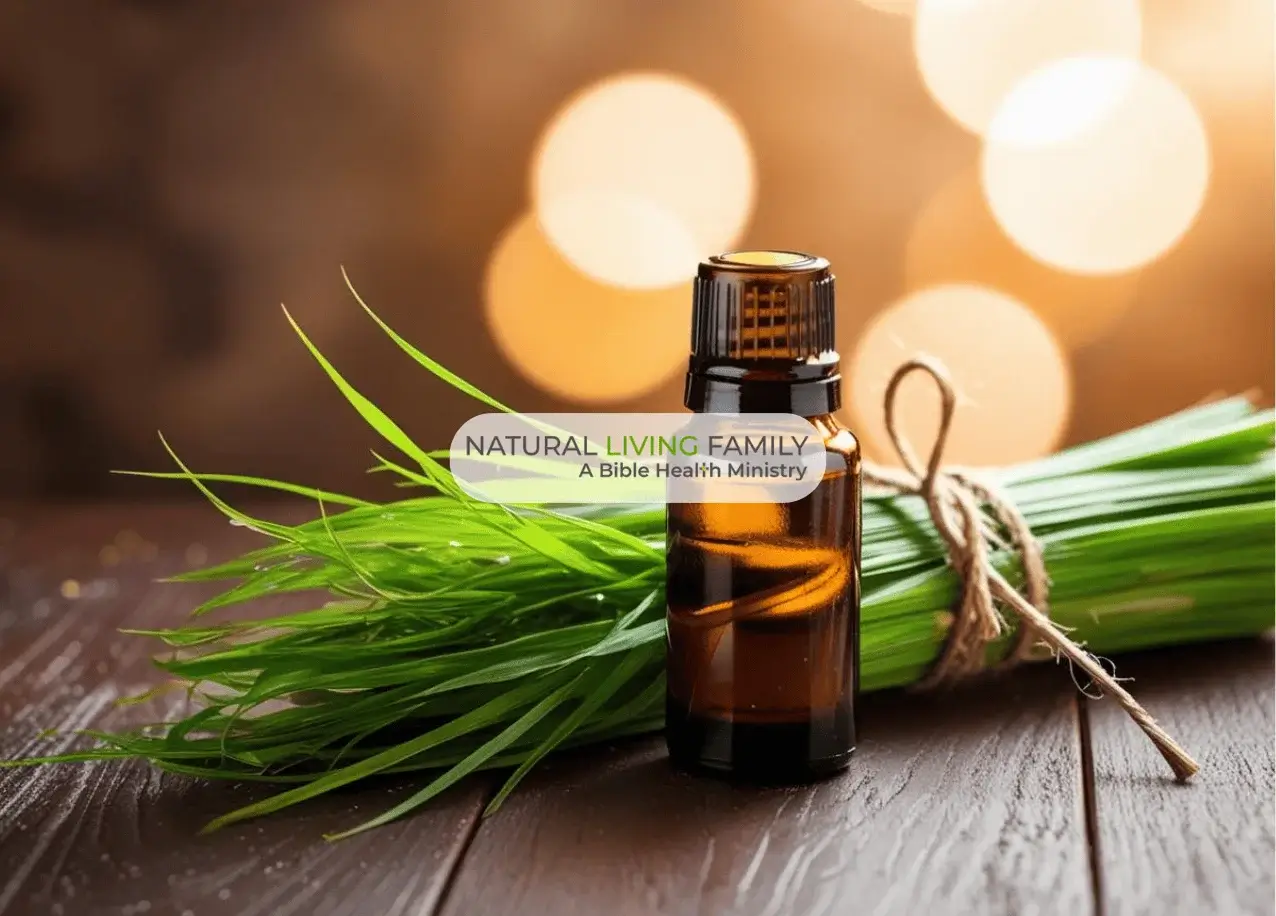
Clary sage essential oil comes from the flowering tops and leaves of Salvia sclarea, a Mediterranean member of the mint family with a long history of use for women’s health, relaxation, skin care, and emotional support.
Modern human research is most encouraging for menstrual discomfort, stress, and mood. A small 2026 randomized crossover trial found less menstrual pain, irritability, anxiety, and sleep disturbance with clary sage inhalation, although only 12 women completed the study. (1)
A 2025 randomized trial found that inhaling clary sage lowered stress in patients with diabetic foot ulcers and mild depression, and a 2021 meta-analysis of 13 trials found that aromatherapy eases menstrual pain. (2, 3)
Clary sage also contains linalyl acetate, linalool, and smaller or variable amounts of sclareol. Sclareol has shown intriguing anticancer activity in cell and animal models, but that does not mean clary sage essential oil has been proven to treat cancer in people. (4, 5)
And despite a persistent internet myth, current human evidence does not show that clary sage essential oil acts like estrogen. The 2026 trial found no significant change in estradiol or progesterone after clary sage inhalation. We still use clary sage as one of our favorite women’s-health oils because “hormone support” can include menstrual comfort, stress regulation, mood, sleep, and nervous-system support without requiring the oil to mimic estrogen. (1)
Clary sage is one of those essential oils that has become almost synonymous with women’s health, but I do not want the ladies to claim it all for themselves. Men can benefit from its calming, skin-supportive, antimicrobial, and stress-relieving properties too.
What makes clary sage especially interesting is that some of its oldest traditional uses are now being investigated in modern human research. We have clinical studies on menstrual discomfort, cortisol, serotonin, blood pressure, postoperative pain, and labor aromatherapy, plus laboratory and animal research on inflammation, microbes, and the diterpene sclareol.
At the same time, clary sage is a perfect example of why we need to read the actual studies instead of repeating health-blog claims. Some popular statements about “balancing estrogen,” treating Alzheimer’s disease, shrinking tumors, opening the lungs, or reversing skin aging go well beyond what has been demonstrated in people.
So let’s keep the recommendations we have used for years while getting the evidence right.
Table of Contents

What is Clary Sage?
To understand the benefits of clary sage essential oil, it helps to know the plant first.
Officially named Salvia sclarea, clary sage is native to the Mediterranean region and belongs to the Lamiaceae family, where we also find lavender, peppermint, basil, rosemary, and many other aromatic plants rich in essential oils.
The medicinal use of clary sage stretches back centuries. Its seeds were historically used for eye complaints, which is often connected with the old “clear-eye” or “clary” name.
In The Complete Herbal, seventeenth-century English herbalist Nicholas Culpeper described traditional uses of the seeds, leaves, and juice:
“The seed put into the eyes clears them from motes, and such like things gotten within the lids to offend them, as also clears them from white and red spots on them. The mucilage of the seed made with water, and applied to tumors, or swellings, disperses and takes them away; as also draws forth splinters, thorns, or other things have gotten into the flesh. The leaves used with vinegar, either by itself, or with a little honey, doth help boils, felons, and the hot inflammation that are gathered by their pains, if applied before it be grown too great… The juice of the herb put into ale or beer, and drank, brings down women’s courses, and expels the after-birth.” (6)
That quotation is historical herbal practice, not a modern instruction to put clary sage seed or essential oil in the eyes or to ingest the oil during pregnancy.
Centuries later, we still embrace clary sage in many of the same broad areas: women’s health, menstrual comfort, stress support, relaxation, skin care, and natural antimicrobial applications.
Clary sage can be used as an herb, seed, extract, and essential oil, but those forms are not interchangeable. Where the plant is grown, when it is harvested, which plant parts are distilled, and how the oil is produced can all affect its chemistry.
Covered in spikes of pink, lilac, or pale flowers and powerfully fragrant, it is little wonder this member of the sage family has remained a favorite for generations.
Composition of Clary Sage Essential Oil
Clary sage essential oil is commonly steam-distilled from the flowering tops and leaves.
Its chemistry varies, but many commercial oils are dominated by linalyl acetate and linalool. In a 2020 human pilot study, the clary sage oil used for testing contained 61.3% linalyl acetate, 22.1% linalool, and 0.3% sclareol. A 2023 chemical analysis found a similar pattern, with 49.1% linalyl acetate and 20.6% linalool as the major compounds. (7, 4)
These numbers matter because essential oils are not standardized drugs. Another clary sage sample grown in a different location or produced by a different method can have a noticeably different chemical fingerprint.
That is especially important when we talk about sclareol.
Sclareol is a labdane diterpene associated with clary sage, but its percentage in the finished volatile oil can vary substantially depending on plant material and extraction method. This is one reason I do not like sweeping statements that every bottle of clary sage contains the same amount.
Clary sage essential oil has also demonstrated antibacterial and antimicrobial activity in laboratory studies. A 2015 study found activity against several gram-positive and gram-negative bacteria and observed disruption of bacterial cell membranes. (8)
That is legitimate in vitro evidence. It does not mean diffusing clary sage treats a systemic bacterial infection.
Sclareol & Cancer Research
Sclareol has shown some fascinating anticancer activity in laboratory research.
A 2022 review of sclareol describes anti-tumor activity in laboratory research, including cell-cycle arrest and apoptosis in several cancer cell lines. Animal studies using isolated or specially formulated sclareol have also reported tumor-growth effects. (5)
One 2007 study is a good example of why preparation matters. Free sclareol given intraperitoneally did not suppress established HCT116 colon-cancer xenografts in mice, while liposome-encapsulated sclareol given on a specific schedule did suppress tumor growth. (9)
That is not remotely the same intervention as inhaling or topically applying clary sage essential oil.
More About Essential Oils and Cancer: Read more about essential oils and cancer to see what the research is showing.
I remain excited about sclareol research. I just want us to call it what it is: promising preclinical science, not proof that clary sage essential oil treats human cancer.
10 Clary Sage Essential Oil Benefits & Research Insights
Clary sage has been revered for centuries, but the evidence is not equally strong for every claimed benefit.
Some uses have direct human clinical research. Others are supported mainly by animal studies, laboratory work, related constituents, or traditional practice. Here is the clearest way to look at ten of the most important research areas.
1. Anti-Inflammatory & Antioxidant Support
Clary sage essential oil contains linalool, linalyl acetate, alpha-terpineol, and other compounds that have demonstrated anti-inflammatory activity.
A 1997 animal study injected clary sage oil under the skin of rats at 250 mg/kg and found significant anti-inflammatory activity in experimentally induced edema, along with moderate analgesic activity in mice. (10)
That is useful mechanistic evidence, but it is not a human arthritis, autoimmune disease, or metabolic-syndrome trial.
More encouragingly, the 2026 randomized crossover study in female collegiate athletes found significantly higher salivary antioxidant capacity after a menstrual cycle of bedtime clary sage inhalation compared with water inhalation. Only 12 participants completed the trial, so I consider this promising preliminary human evidence rather than a final answer. (1)
Application: I like clary sage in diluted massage oils and inhalation blends when the goal is whole-body relaxation and inflammatory support, especially when stress and muscle tension are part of the picture.
2. Cancer Research & Supportive Care Interest
The compound that gets the most attention here is sclareol.
A 2022 review of sclareol describes anti-tumor, anti-inflammatory, and antimicrobial activity across a growing body of laboratory and animal research. (5) A 2017 cervical-cancer study, for example, found that sclareol inhibited HeLa-cell proliferation and sensitized cancer cells to bortezomib in laboratory experiments. (11)
Animal studies from 2010 and 2013 have also shown tumor-growth effects with isolated sclareol in breast-cancer models using intratumoral or intraperitoneal administration. (12, 13)
This is exciting research, but it does not establish clary sage essential oil as a cancer treatment, and it does not tell us to combine clary sage with chemotherapy on our own.
Application: Clary sage can still be part of a supportive wellness routine for relaxation, sleep, skin care, and emotional support during a difficult season.
3. Mood Support & Emotional Well-Being
This is one of the areas where clary sage has direct human evidence.
A 2014 study enrolled 22 menopausal women in their fifties. After clary sage oil inhalation, plasma cortisol decreased and serotonin, or 5-HT, increased. The cortisol reduction was greater in women who screened with a tendency toward depression on some of the study inventories. (14)
The researchers called this an “antidepressant-like” effect. That is different from proving that clary sage treats major depressive disorder.
A 2025 randomized trial adds newer human evidence. In patients with diabetic foot ulcers and mild depression, inhaling clary sage significantly reduced stress compared with almond oil. (2)
A 2010 rat study found that clary sage produced antidepressant-like effects in a forced-swim model and that dopamine pathways appeared to be involved. (15)
Application: For emotional support, use clary sage through inhalation on its own or blend it with lavender essential oil, bergamot, frankincense, or another oil whose aroma helps you settle down.
4. Blood Pressure & Stress-Related Cardiovascular Support
Clary sage has a small but useful randomized human trial behind its blood-pressure reputation.
In a 2013 trial, 34 women with urinary incontinence undergoing urodynamic testing were randomly assigned to inhale 5% clary sage, 5% lavender, or almond oil for 60 minutes.
The clary sage group had a significant reduction in systolic blood pressure compared with both the control and lavender groups. Diastolic blood pressure also decreased compared with lavender, and respiratory rate decreased compared with control. (16)
It shows that inhalation can influence autonomic physiology under specific conditions.
Application: Clary sage can be a beautiful oil for a quiet evening diffuser blend when stress is high.
5. Natural Pain Support
Clary sage has human pain research in several settings.
A 2020 randomized clinical trial of 79 patients after percutaneous nephrolithotomy assigned participants to lavender inhalation, clary sage inhalation, or control. Pain decreased significantly in the clary sage aromatherapy group. (17)
For menstrual pain, the evidence includes essential-oil blends rather than clary sage alone.
A 2021 meta-analysis of 13 trials found that aromatherapy significantly reduced menstrual pain, and it worked especially well when the oils were blended or combined with massage. (3)
That supports clary sage as part of a pain-support strategy, but it does not prove that clary sage alone treats fibromyalgia, arthritis, or migraine.
Application: I love clary sage in properly diluted massage blends with lavender and frankincense when muscle tension, menstrual discomfort, or stress-related pain are part of the picture.
6. Neuroprotective Research & Cognitive Support
Clary sage is sometimes promoted online as though it has been clinically shown to protect people from Alzheimer’s or Parkinson’s disease.
We are not there yet.
A 2014 cell study using Salvia plant extracts showed protection of neuronal PC12 cells from oxidative stress and reductions in reactive oxygen species, and a 2018 laboratory study evaluated clary sage extracts for cholinesterase inhibition. (18, 19) A 2026 laboratory study found that clary sage essential oil itself also inhibits acetylcholinesterase. (20)
Those studies used plant extracts or cells in a laboratory, not regular inhalation of clary sage essential oil in people with dementia.
I still value clary sage for the brain indirectly because stress, sleep, blood pressure, emotional health, and nervous-system regulation all matter for healthy aging.
Application: Use clary sage for relaxation and emotional support, but do not present it as a proven Alzheimer’s or Parkinson’s treatment.
7. Respiratory & Antimicrobial Support
Clary sage has long been used in aromatic and traditional respiratory preparations, and its essential oil has demonstrated antimicrobial activity in laboratory research. (20)
What we do not have is good human clinical evidence showing that clary sage essential oil opens the airways, clears mucus, or treats asthma, COPD, or chronic bronchitis.
So we call that use traditional and supportive, and we still enjoy clary sage in our respiratory blends.
Application: Blend clary sage with eucalyptus, peppermint, or frankincense for inhalation when you enjoy the aroma and want a fresh, calming respiratory blend. If strong scents trigger your asthma or breathing symptoms, skip the blend and use what your lungs tolerate.
8. Stress Reduction & Cortisol Support
For more ways to use essential oils in this area, see our guide to essential oils for stress relief.
Clary sage’s stress reputation is stronger than many essential-oil claims because we have more than one human study.
Newer trials agree. The 2025 diabetic foot ulcer trial found significantly lower stress with clary sage inhalation. (2)
Hormone measurements are less consistent.
In the 2026 crossover trial, clary sage significantly reduced anxiety, irritability, menstrual pain, and sleep disturbance compared with water inhalation, yet salivary cortisol did not differ significantly between conditions. (1)
That tells us the stress response is more complex than one hormone.
Application: Use clary sage as part of your evening wind-down routine, especially alongside prayer, deep breathing, Scripture meditation, healthy sleep rhythms, and other habits that help your body move out of constant fight-or-flight. See more of our favorite essential oils for sleep.
9. Skin Health & Natural Beauty
Clary sage’s antimicrobial and aromatic chemistry makes it a lovely addition to natural skin-care formulations.
A 2026 laboratory study found potent antimicrobial and antibiofilm activity, along with strong antioxidant capacity, in clary sage essential oil. (20)
What has not been established in human trials is the stronger claim that clary sage essential oil stimulates collagen, erases wrinkles, or treats eczema, rosacea, or psoriasis.
We still use it in natural beauty for what we can defend: a fragrant, properly diluted essential oil with interesting antimicrobial and antioxidant chemistry that can complement a healthy skin-care routine.
Application: Add clary sage to a properly diluted face or body oil if your skin tolerates it. Avoid applying essential oils to broken or actively inflamed skin without individualized guidance.
10. Women’s Health & “Hormone Balance”
This is clary sage’s signature category, but “hormone balance” needs a better definition.
Clary sage does not need to mimic estrogen in order to help women.
The 2026 randomized crossover study is fascinating because participants reported significantly less menstrual pain, irritability, anxiety, and sleep disturbance with clary sage inhalation, while estradiol and progesterone did not significantly change. (1)
That suggests clary sage can influence how a woman experiences her cycle through nervous-system, sensory, smooth-muscle, antioxidant, or other pathways without directly acting like synthetic estrogen.
This is why I still use the phrase “hormone support.” Your endocrine system does not operate in isolation. Stress, sleep, mood, pain, inflammation, nervous-system tone, nutrition, and reproductive hormones constantly communicate.
Application: Clary sage remains one of our favorite oils for menstrual comfort, menopausal support, stress, and women’s wellness. See our Hormone Balancing Essential Oil Serum for one of our favorite ways to use it.
Special Note About Women’s Health
Clary sage is most commonly known as an herb and essential oil for women’s health issues, and that reputation is not based on tradition alone.
Menstrual Pain & Dysmenorrhea
Women dealing with menstrual pain have several human studies worth knowing about.
A 2006 placebo-controlled trial used two drops of lavender, one drop of clary sage, and one drop of rose in 5 mL of almond oil for abdominal massage. Menstrual cramps and dysmenorrhea severity were significantly lower in the aromatherapy group than in the placebo and untreated groups. (21)
A 2011 randomized double-blind trial used lavender, clary sage, and marjoram in a 2:1:1 ratio diluted to 3% in unscented cream. Both the essential-oil and synthetic-fragrance massage groups improved on pain ratings, but the duration of pain fell from 2.4 to 1.8 days after the essential-oil intervention. (22)
And now we have newer research.
The 2026 randomized crossover trial had female collegiate athletes inhale clary sage for 60 minutes at bedtime during one menstrual cycle and water during another. Of the 20 women enrolled, 12 completed the study. Clary sage significantly reduced menstrual pain, sleep disturbance, irritability, anxiety, impact on performance, and total symptom scores. (1)
That is a small exploratory trial, but it is direct clary sage human evidence and one of the best updates to this article.
Labor & Childbirth
Clary sage also has a long history in childbirth support.
A 2000 report on an eight-year observational study in a midwifery practice involved 8,058 mothers and ten essential oils used through inhalation or topical application. The authors reported that clary sage and Roman chamomile appeared helpful for pain, while aromatherapy overall was associated with reduced anxiety and fear. Systemic opioid use at the center fell from 6% in 1990 to 0.4% in 1997. (23)
Because this was an observational program involving multiple oils and changes over time, we cannot say clary sage itself caused the opioid reduction.
A separate 2011 labor study used a massage blend containing lavender, clary sage, frankincense, and neroli in a carrier oil and found significantly lower labor pain and anxiety in the aromatherapy-massage group during the deceleration phase. (24)
A tiny 2017 feasibility study also examined clary sage inhalation in 11 women at 38 to 40 weeks of pregnancy. No uterine contractions occurred during the intervention, no negative fetal-heart-rate or neonatal effects were observed, and the small study could not establish a significant oxytocin effect. (25)
A 2026 review of 12 studies on aromatherapy rich in linalool and linalyl acetate, the main compounds in lavender and clary sage, found modest but consistent reductions in labor pain and maternal anxiety, with an excellent safety record. (26)
So I am comfortable preserving clary sage as a labor-support oil while keeping the evidence in perspective.
Pregnancy note: Labor research involves term pregnancies and supervised settings. That is not the same thing as proving frequent medicinal use throughout every stage of pregnancy. If you want to use clary sage specifically to support labor, coordinate with your midwife or maternity-care professional and follow a pregnancy-appropriate dilution and route.
Menopause, Stress & Mood
As women reach menopausal years, stress, mood changes, sleep problems, hot flashes, and changing hormones can all pile on at once.
Recent trials show that clary sage inhalation can lower stress and anxiety and improve sleep, which is exactly where many women need help in this season. (2, 1)
That supports what women have said about this oil for generations: it can be deeply calming during a season when the body and emotions are changing.
See more essential oils for menopause here.
For maximum effects, try blending clary sage with oils that have similar properties, like lavender essential oil or Roman chamomile essential oil.
Try One or More of These Recipes Using Clary Sage Essential Oil
- Hormone Balancing Essential Oil Serum
- Homemade Body Powder with Essential Oils DIY
- Homemade Cream for Breastfeeding
- Homemade Essential Oil Perfume Roll-On
- Essential Oil Sleep Spray
These are just a handful of the marvelous ways you can use clary sage essential oil in your life!
Is Clary Sage Oil Estrogenic?
The simple answer remains: there is no good evidence that clary sage essential oil acts like estrogen in the human body.
There has been a myth floating around the cyber world that because clary sage contains sclareol, sclareol must mimic steroid estrogen.
Essential oil chemists have argued against that interpretation for years. Their central points are worth preserving:
- Sclareol is not a steroidal estrogen. Chemically, it is a diterpene diol.
- Its structure does not have the classic steroid backbone of human estrogens.
- There is no established mechanism showing that clary sage essential oil “stimulates estrogen production” simply because it contains sclareol.
One point deserves an update, though.
The amount of sclareol in clary sage oil is not identical in every published sample. The oil used in the human pilot described above contained 0.3% sclareol, which supports the observation that some steam-distilled commercial oils contain only a small amount. Other hydrodistilled or differently sourced samples have reported higher concentrations.
So I would not use one universal percentage for every clary sage oil.
More importantly, the newest human evidence helps answer the estrogen question directly.
In the 2026 crossover study, clary sage inhalation improved several menstrual symptoms but did not significantly change salivary estradiol or progesterone. (1)
That is exactly the distinction I want readers to understand: women’s-health benefits do not prove estrogen mimicry.
What About Sclareol & Estrogen-Sensitive Cancer?
This part of the discussion is especially important because fear about “estrogenic oils” often leads women with breast-cancer histories to avoid clary sage automatically.
Sclareol has actually demonstrated anticancer activity against breast-cancer cell lines in laboratory research. One 2006 study found that isolated sclareol induced cell-cycle arrest and apoptosis in breast-cancer cells and enhanced several anticancer drugs in vitro. (27)
You may also see a 2007 study on 13-epi-sclareol described as evidence about clary sage. That compound inhibited breast- and uterine-cancer cells in vitro and showed activity comparable with tamoxifen in the test system. But the compound in that paper was isolated from Coleus forskohlii, not tested as clary sage essential oil in women. (28)
So that experiment cannot prove either that clary sage acts like estrogen or that clary sage treats estrogen-sensitive cancer.
The best conclusion is the simpler one: we do not have evidence that clary sage essential oil is estrogenic in humans, and current human data do not show it raising estradiol.
I would not automatically ban clary sage because of an unsupported “estrogenic” label. If you are in active cancer treatment, see the safety notes below.
How to Use Clary Sage Essential Oil Safely
Clary sage is one of our favorite oils because it is versatile and generally well tolerated when properly used.
The two routes emphasized in this article are inhalation and topical application.
Inhalation
For general relaxation, mood, menstrual comfort, or evening use, add a few drops to your diffuser according to the manufacturer’s directions.
Clary sage has a strong herbaceous, slightly sweet aroma, so I often blend it with lavender, Roman chamomile, frankincense, bergamot, or another softer oil.
If it makes you feel unusually sleepy or lightheaded, stop diffusing and get some fresh air.
Topical Application
Dilute clary sage before applying it to the skin.
Carrier oils dilute and disperse essential oils, reduce evaporation, improve topical safety, help penetration, and can amplify therapeutic effects.
For condition-specific formulas, I prefer using one of our established recipes rather than randomly adding extra drops. The Hormone Balancing Essential Oil Serum, menstrual-support recipes, body-care recipes, and sleep formulas linked above give you practical ways to use clary sage without guessing.
Blood Pressure
Because clary sage inhalation can lower blood pressure in the short term, use it conservatively if you already have low blood pressure, take blood-pressure medication, or are prone to dizziness.
Pregnancy & Labor
Clary sage has been used in labor research and midwifery practice, including term pregnancies. (26)
I do not impose a blanket pregnancy ban on essential oils.
I do distinguish routine wellness use from trying to influence labor. If the purpose is labor support, use clary sage at term with an appropriate maternity-care plan rather than improvising a high-dose protocol earlier in pregnancy.
Skin Sensitivity
As with any essential oil, discontinue topical use if you develop burning, rash, swelling, hives, or persistent irritation. Avoid the eyes and mucous membranes.
Active Medical Treatment
If you are using clary sage alongside chemotherapy, hormone therapy, complex cardiovascular medication, or treatment for another serious condition, the fact that an isolated plant compound looks promising in a cell study does not establish a safe medicinal dose for you.
Use the oil as a supportive tool and get individualized help when the stakes are high.
Clary Sage Essential Oil FAQs
What is clary sage essential oil good for?
Clary sage is best known for women’s health, menstrual comfort, stress relief, mood support, relaxation, and natural body-care use. Human studies also show effects on stress, anxiety, sleep, and menstrual symptoms, while antimicrobial, anti-inflammatory, neuroprotective, and anticancer research is largely preclinical. (1, 2)
Does clary sage balance hormones?
We use clary sage for hormone support, but not because it has been proven to mimic estrogen.
The 2026 trial found reduced menstrual pain, irritability, anxiety, and sleep disturbance without significant changes in estradiol or progesterone. That suggests clary sage can support a woman’s cycle through pathways such as relaxation, nervous-system regulation, smooth-muscle effects, and antioxidant activity rather than directly raising reproductive hormones. (1)
Is clary sage estrogenic?
Current human evidence does not show that clary sage essential oil acts as estrogen or raises estradiol. Sclareol is a diterpene, not a steroid estrogen, and a 2026 human study found no significant estradiol change with clary sage inhalation. (1)
Can clary sage help menstrual cramps?
Yes, this is one of the more promising uses. A 2021 meta-analysis of 13 trials found that aromatherapy eases menstrual pain, especially with massage or oil blends, and a small 2026 crossover trial found that clary sage inhalation itself reduced menstrual pain compared with water inhalation. (3, 1)
Can clary sage help during menopause?
Clary sage may support stress and mood during menopause. Recent trials found that clary sage inhalation lowers stress and anxiety and improves sleep. That does not mean it replaces estrogen or hormone therapy. (2, 1)
Does clary sage lower blood pressure?
It may lower blood pressure in the short term, as the small trial described above showed, but clary sage has not been tested as a hypertension treatment.
Can clary sage essential oil treat cancer?
Clary sage essential oil has not been proven to treat cancer in people. Isolated sclareol has shown anticancer activity in cancer-cell studies and mouse tumor models, but those experiments used concentrations, formulations, and routes that are very different from ordinary essential-oil use. (5)
Can men use clary sage essential oil?
Absolutely. Clary sage is famous for women’s health, but its relaxing aroma, stress support, antimicrobial chemistry, and usefulness in body-care blends are not female-only benefits.
Can clary sage be used during pregnancy?
Clary sage has been used in labor aromatherapy studies, and a 2026 review of 12 studies found that aromatherapy rich in linalool and linalyl acetate modestly reduced labor pain and anxiety with an excellent safety record. That does not establish unrestricted medicinal use throughout pregnancy. For labor-focused use, coordinate with your maternity-care provider. (26)
Keep reading: Essential Oils for Menstrual Cramps & PMS Relief · Geranium Essential Oil Benefits, Uses & Safety · Marjoram Essential Oil Benefits, Uses & Safety
References
- Kobayashi T, Nakama W, Yamashita M, et al. “Effects of Inhaling Clary Sage (Salvia sclarea L.) Essential Oil on Dysmenorrhea-Related Symptoms, Salivary Antioxidant Capacity, and Hormone Levels in Female Collegiate Athletes: A Randomized Crossover Trial.” Applied Sciences. 2026;16(7):3234. doi:10.3390/app16073234.
- Son JW, Kang P, Min SS, et al. Differential effects of clary sage (Salvia sclarea L.) oil and linalyl acetate on depression levels in diabetic foot ulcer patients with T2DM: a randomized blinded controlled trial. Frontiers in Medicine. 2025. Source.
- Najaf Najafi M, Najaf Najafi N, Rashidi Fakari F, et al. The Effect of Aromatherapy Alone or in Combination with Massage on Dysmenorrhea: A Systematic Review and Meta-analysis. Revista Brasileira De Ginecologia E Obstetricia. 2021. Source.
- Kačániová M, et al. “Salvia sclarea Essential Oil Chemical Composition and Biological Activities.” 2023. PMCID: PMC10049179.
- Zhou J, Xie X, Tang H, et al. The bioactivities of sclareol: A mini review. Frontiers in Pharmacology. 2022. Source.
- Culpeper N. The Complete Herbal. Historical source for traditional clary sage use. Google Books.
- Höferl M, et al. “Clary Sage Essential Oil and Its Effect on Human Mood and Pulse Rate: An in vivo Pilot Study.” Planta Medica. 2020. PMID: 32688401.
- Peana AT, et al. “Antimicrobial Activity and Mechanisms of Salvia sclarea Essential Oil.” Botanical Studies. 2015. PMID: 28510825.
- Dimas K, Hatziantoniou S, Tseleni S, et al. “Sclareol Induces Apoptosis in Human HCT116 Colon Cancer Cells in Vitro and Suppression of HCT116 Tumor Growth in Immunodeficient Mice.” Apoptosis. 2007;12(4):685-694. doi:10.1007/s10495-006-0026-8.
- Peana AT, Moretti MDL. “A Study on Anti-Inflammatory and Peripheral Analgesic Action of Salvia sclarea Oil and Its Main Components.” Journal of Essential Oil Research. 1997;9(2):199-204. Source.
- Zhang T, Wang T, Cai P. “Sclareol Inhibits Cell Proliferation and Sensitizes Cells to the Antiproliferative Effect of Bortezomib via Upregulating the Tumor Suppressor Caveolin-1 in Cervical Cancer Cells.” Molecular Medicine Reports. 2017;15(6):3566-3574. doi:10.3892/mmr.2017.6480.
- Noori S, Hassan ZM, Salehian O. “Sclareol Reduces CD4+ CD25+ FoxP3+ Treg Cells in a Breast Cancer Model in Vivo.” Iranian Journal of Immunology. 2013;10(1):10-21. doi:10.22034/iji.2013.16799.
- Noori S, Hassan ZM. “Sclareol Modulates the Treg Intra-Tumoral Infiltrated Cell and Inhibits Tumor Growth in Vivo.” 2010. PMID: 20409537.
- Lee KB, Kang YS, Cho E. “Changes in 5-Hydroxytryptamine and Cortisol Plasma Levels in Menopausal Women After Inhalation of Clary Sage Oil.” Phytotherapy Research. 2014;28(11):1599-1605. doi:10.1002/ptr.5163.
- Seol GH, Shim HS, Kim PJ, et al. “Antidepressant-Like Effect of Salvia sclarea Is Explained by Modulation of Dopamine Activities in Rats.” Journal of Ethnopharmacology. 2010;130(1):187-190. doi:10.1016/j.jep.2010.04.035.
- Seol GH, Lee YH, Kang P, et al. “Randomized Controlled Trial for Salvia sclarea or Lavandula angustifolia: Differential Effects on Blood Pressure in Female Patients With Urinary Incontinence Undergoing Urodynamic Examination.” Journal of Alternative and Complementary Medicine. 2013;19(7):664-670. doi:10.1089/acm.2012.0148.
- Amirhosseini M, Dehghan M, Mangolian Shahrbabaki P, Pakmanesh H. “Effectiveness of Aromatherapy for Relief of Pain, Nausea, and Vomiting After Percutaneous Nephrolithotomy: A Randomized Controlled Trial.” Complementary Medicine Research. 2020;27(6):440-448. doi:10.1159/000508333.
- Tavakkoli M, Miri R, Jassbi AR, et al. “Carthamus, Salvia and Stachys Species Protect Neuronal Cells Against Oxidative Stress-Induced Apoptosis.” Pharmaceutical Biology. 2014;52:1550-1557. doi:10.3109/13880209.2014.908394.
- Mahomoodally MF, et al. “New Insights Into the In Vitro Biological Effects, In Silico Docking and Chemical Profile of Clary Sage – Salvia sclarea L.” 2018. PMID: 29772456.
- Djendi ML, Benzaid C, Dekir A, et al. Chemical Composition and Multi-Target Bioactivity of Salvia sclarea L. Essential Oil From the Algerian Edough Massif: Antimicrobial, Enzyme-Inhibitory, and Molecular Docking Studies. Chemistry & Biodiversity. 2026. Source.
- Han SH, Hur MH, Buckle J, Choi J, Lee MS. “Effect of Aromatherapy on Symptoms of Dysmenorrhea in College Students: A Randomized Placebo-Controlled Clinical Trial.” Journal of Alternative and Complementary Medicine. 2006;12(6):535-541. PMID: 16884344.
- Ou MC, Hsu TF, Lai AC, Lin YT, Lin CC. “Pain Relief Assessment by Aromatic Essential Oil Massage on Outpatients With Primary Dysmenorrhea: A Randomized, Double-Blind Clinical Trial.” Journal of Obstetrics and Gynaecology Research. 2012;38(5):817-822. doi:10.1111/j.1447-0756.2011.01802.x.
- Burns E, Blamey C, Ersser SJ, Barnetson L, Lloyd AJ. “The Use of Aromatherapy in Intrapartum Midwifery Practice: An Observational Study.” Complementary Therapies in Nursing & Midwifery. 2000;6(1):33-34. PMID: 11033651.
- Lee MK, Hur MH. “Effects of the Spouse’s Aromatherapy Massage on Labor Pain, Anxiety and Childbirth Satisfaction for Laboring Women.” Korean Journal of Women Health Nursing. 2011;17(3):195-204. doi:10.4069/kjwhn.2011.17.3.195.
- Tadokoro Y, Horiuchi S, Takahata K, et al. “Changes in Salivary Oxytocin After Inhalation of Clary Sage Essential Oil Scent in Term-Pregnant Women: A Feasibility Pilot Study.” BMC Research Notes. 2017;10:717. doi:10.1186/s13104-017-3053-3.
- Kasmara DP, Aswan Y. Linalool and linalyl acetate aromatherapy for labor pain management: A narrative review of evidence for integration into midwifery practice. African Journal of Reproductive Health. 2026. Source.
- Dimas K, Papadaki M, Tsimplouli C, et al. “Labd-14-ene-8,13-diol (Sclareol) Induces Cell Cycle Arrest and Apoptosis in Human Breast Cancer Cells and Enhances the Activity of Anticancer Drugs.” Biomedicine & Pharmacotherapy. 2006;60(3):127-133. doi:10.1016/j.biopha.2006.01.003.
- Sashidhara KV, Rosaiah JN, Kumar A, Bid HK, Konwar R, Chattopadhyay N. “Cell Growth Inhibitory Action of an Unusual Labdane Diterpene, 13-epi-Sclareol in Breast and Uterine Cancers in Vitro.” Phytotherapy Research. 2007;21(11):1105-1108. doi:10.1002/ptr.2205.