ARTICLE CATEGORIES

3 Best Essential Oils for Bruises + Arnica Roll-On Recipe

Reading Time: 11 minutes
Essential Oils for Bruises & Healing Roll-On Blend
QUICK SUMMARY

Our favorite essential oils for bruises are helichrysum, cypress, and lavender, diluted in arnica oil and applied to unbroken skin. We have used this combination for everyday bumps and bruises because it gives us a simple, natural way to support tender skin while the body does what God designed it to do: repair damaged tissue.

The research needs some perspective. There is not strong clinical evidence proving that any essential oil makes an ordinary bruise disappear faster. Helichrysum has traditional use for bruising and some limited human observations involving postoperative bruises and hematomas, while much of its modern research is laboratory or animal research. Cypress is primarily supported by traditional use rather than human bruise trials. Lavender has more human wound-healing research, but wound healing and bruise healing are not the same outcome.

Arnica has more direct clinical research for bruising and injury-related swelling, although results are mixed depending on the preparation and setting. That is why we use arnica as the carrier for this roll-on and add helichrysum, cypress, and lavender as our preferred essential-oil blend. (1, 2)

Bumps and bruises happen, especially in an active family. Sometimes they are minor enough for Mama’s kisses and a little ice. Other times, you know from the moment someone hits a shin, takes a fall, or collides during sports that the area is going to be tender for a while.

That is why we like having this roll-on ready in our natural first aid kit.

A bruise forms when small blood vessels beneath the skin break after an impact or injury. Blood leaks into the surrounding tissue, creating the familiar red, purple, blue, green, yellow, and brown color changes as the body gradually clears it away.

Most bruises heal on their own. The goal of this recipe is not to interfere with that God-designed process, but to support comfort and recovery while practicing good first aid.

Essential Oils for Bruises

When our kids fall, or Sabrina or I bump our shins on the furniture, we reach for arnica oil. In our experience, it often helps calm the tenderness and swelling that come with an everyday bump.

If the skin is intact and the area looks like it could use some extra support, we add our favorite essential oils for bruising: helichrysum, cypress, and lavender.

Helichrysum has a longstanding reputation in aromatherapy for bruises and skin recovery. Cypress is one of the healing oils of the Bible that we love using in recovery blends. Lavender brings its familiar calming and skin-supportive qualities.

There is an important distinction, though.

These are our favorite essential oils for bruises, not three oils proven in head-to-head clinical trials to heal bruises.

The research behind each oil is different. Some comes from traditional use. Some comes from wound-healing models. Some comes from animal or laboratory studies. Human evidence is limited.

That does not mean the oils have no value. It means we should use the evidence for what it actually shows.

Essential oils also do not replace wise first aid. God designed the body with a remarkable ability to heal itself. Our job is to steward that gift well with rest, nourishment, hydration, sleep, appropriate first aid, and natural tools when they make sense.

What Causes Bruising?

A bruise, also called a contusion, develops when an impact damages small blood vessels beneath the skin without necessarily breaking the skin itself.

The trapped blood creates the discoloration we recognize as a bruise.

As the body breaks down and reabsorbs that blood, the color can change from red or purple to blue, green, yellow, or brown before gradually disappearing. Many uncomplicated bruises fade within about two weeks, although deeper bruises can last longer. (6)

Inflammation is part of this normal repair process.

That is worth remembering because inflammation is not automatically the enemy. After an injury, the body's inflammatory response helps coordinate cleanup and repair. We are not trying to shut that entire process down.

We are supporting the body while it heals.

Application: Treat a fresh bruise gently. Do not aggressively rub or massage the area. Use cold care first, protect it from another impact, and use the roll-on only when the skin is unbroken.

Best Essential Oils for Bruises

For our family, the three best essential oils for bruises are helichrysum, cypress, and lavender.

But each one earns its place in the blend for a different reason.

1. Helichrysum Essential Oil

Helichrysum is our first choice for bumps, bruises, and tender areas.

It has earned the nickname “fountain of youth” because of its long reputation for skin renewal and tissue-recovery formulas, and traditional herbal use of Helichrysum italicum includes inflammatory and skin-related conditions.

There is also some research worth knowing about.

Animal research using Helichrysum italicum essential-oil formulations has reported improvements in wound-contraction and wound-healing markers. Reviews of the plant describe antioxidant, anti-inflammatory, antimicrobial, and skin-supportive activity while repeatedly noting the shortage of strong human clinical trials. (7, 8)

There is even limited human observational evidence relevant to bruising. A review of Helichrysum italicum research describes a 2007 postoperative protocol in which patients undergoing thoracic plastic surgery used helichrysum internally for ten days and then topically for several months. The authors reported reductions in inflammation, edema, bruises, and hematomas. (9)

That is interesting, but it has limitations.

It was not a modern randomized trial of topical helichrysum for ordinary bruises, and because the protocol used both internal and topical applications, we cannot say the topical oil alone produced the results.

For us, helichrysum remains the star of this blend because its traditional use, preliminary research, and practical application all point in the same direction without requiring us to make claims the research has not proved.

Application: Keep helichrysum in your natural first aid kit for closed-skin bumps, bruises, and tender areas where you want extra topical recovery support.

2. Cypress Essential Oil

Cypress has a fresh, woody aroma and is one of the Biblical oils we love to teach about.

Traditionally, cypress has been used in formulas associated with circulation, toning, swelling, and recovery after strain or impact. That traditional profile is why we pair it with helichrysum in this recipe.

Modern research on Cupressus sempervirens has identified a variety of biological activities, including antioxidant, antimicrobial, and anti-inflammatory effects in laboratory and preclinical studies. (10)

But this is where evidence alignment matters.

We do not have good human clinical evidence showing that cypress essential oil treats bruises.

In fact, one preclinical wound-healing model reviewed in the scientific literature found that essential oils from two Cupressus sempervirens varieties did not produce significant wound-healing effects. (11)

That does not change our recipe. It changes how we explain it.

We use cypress because it is an established part of our natural-health and aromatherapy approach to recovery blends, not because a clinical trial has proven that cypress erases bruises.

Application: Cypress blends beautifully with helichrysum and lavender and gives this roll-on the clean, grounding aroma we associate with many of our recovery blends.

3. Lavender Essential Oil

Lavender is the familiar workhorse in this trio.

It is calming, versatile, gentle when properly diluted, and has considerably more wound-healing research behind it than many essential oils.

Animal research has found that lavender essential oil can influence granulation tissue formation, collagen replacement, and wound contraction. Reviews of the broader wound-healing literature have also found promising results. (3, 4)

There is human research too.

A systematic review examining lavender for episiotomy recovery included six trials involving 415 participants and found improvements in episiotomy wound-healing scores, although the authors emphasized limitations in the evidence and advised interpreting the findings cautiously. (12)

That gives us human evidence for a particular type of wound recovery.

It does not prove that lavender speeds the disappearance of an ordinary bruise.

For this recipe, we use lavender for its broader skin-supportive qualities and because it pairs so well with the stronger personality of helichrysum and cypress.

Application: Lavender is especially nice when the person who got hurt is upset and needs a little comfort along with topical support.

Our Bruise Roll-On at a Glance

  • Our first-choice oil: Helichrysum
  • Traditional supporting oil: Cypress
  • Skin-calming oil: Lavender
  • Carrier: Arnica oil
  • Use: Diluted topical application to unbroken skin

Why We Use Arnica Oil as the Carrier

If the essential oils are the supporting cast, arnica is doing some of the most important work in this recipe.

Arnica has centuries of traditional topical use for:

  • bruises;
  • sprains;
  • swelling;
  • sore muscles;
  • and other minor traumatic injuries.

Unlike the essential oils in this blend, arnica also has a body of human clinical research directly involving bruising and injury-related outcomes.

A 2024 systematic review examined 42 papers involving phytotherapeutic and homeopathic arnica preparations for traumatic injuries, sports injuries, surgery, arthritis, and other inflammatory conditions. The studies included both positive and negative findings, which is why the researchers described the evidence as promising but not uniform. (1)

A separate clinical review similarly found encouraging results for topical arnica in several pain and inflammation settings, while acknowledging mixed findings between studies and preparations. (2)

Memorial Sloan Kettering also notes that clinical studies of topical arnica have produced mixed results, with some trials reporting reductions in postoperative bruising and swelling and others finding little benefit. (13)

That makes arnica a good example of how we approach natural health.

We do not need to call it a guaranteed bruise eraser to recognize that it has a meaningful traditional history, plausible biological activity, clinical research, and years of practical use behind it.

That is why it remains our preferred carrier for this recipe.

Safety note: Use arnica only on unbroken skin. Do not put it into cuts, scrapes, punctures, open wounds, or mucous membranes. Topical arnica can also trigger contact dermatitis, particularly in people sensitive to plants in the Asteraceae family such as ragweed, sunflower, marigold, chrysanthemum, and chamomile. (13, 14)

How to Use Essential Oils for Bruises Safely

For this recipe, essential oils should be diluted in the arnica carrier and applied only to intact skin.

More is not better.

Concentrated essential oils can irritate or sensitize skin, which is one reason properly diluted topical application is the right approach for a bruise roll-on. (15)

Carrier oils also do more than simply “water down” essential oils. They disperse concentrated essential oils over a larger surface area, reduce evaporation, improve topical safety, help penetration, and can amplify therapeutic effects depending on the carrier chosen.

In this recipe, arnica is both the carrier and an active part of the traditional bruise-support formula.

Use a gentle hand when applying it.

A bruise does not need vigorous massage. Roll a small amount over the intact skin and let the formula do its work without repeatedly pressing on injured tissue.

Stop using the blend if it causes burning, itching, rash, or increasing irritation.

Can you put essential oils directly on a bruise?

For this remedy, use essential oils diluted in a carrier rather than applying them neat. A fresh bruise is already tender tissue, so there is no benefit to adding unnecessary skin irritation.

Can you use this roll-on on an open wound?

No. This recipe contains arnica and is intended for unbroken skin only. Do not apply it to cuts, scrapes, punctures, surgical incisions, infected skin, or other open wounds.

Can children use this bruise roll-on?

For children, the oil choice, dilution, age, size of the application area, and individual sensitivity all matter. Use a small amount on intact skin and avoid the eyes, face, hands, and areas a young child could lick.

A significant injury in a child deserves first-aid assessment regardless of what topical remedy you have available.

Fresh Bruise First Aid Before the Roll-On

For a fresh bump, basic first aid comes first.

Mayo Clinic recommends elevating the bruised area above the heart when possible and applying an ice pack wrapped in a thin towel for about 20 minutes at a time, repeated several times during the first day or two. Gentle compression can also be used if swelling is present. (5)

A simple approach is:

  • Rest: Protect the injured area and avoid another impact.
  • Ice: Apply a wrapped cold pack for short sessions during the first day or two.
  • Compress: If needed for swelling, use gentle compression without wrapping tightly.
  • Elevate: Raise the area above heart level when practical.

Then bring in topical support.

Once you know you are dealing with an uncomplicated bruise and the skin is intact, gently apply the roll-on.

This is not a deep massage oil. Do not grind into the tissue or aggressively rub a new bruise.

Application: For kids, keep things simple. Cold care first. Snuggles always. Then use your roll-on gently when appropriate.

Mama’s kisses still count.

Bruise Healing Roll-On

Essential Oils for Bruises & Healing Roll-On Blend

Bruise Healing Roll-On

Author Mama Z

Quantity

Ingredients

  • 2 drops helichrysum essential oil
  • 2 drops cypress essential oil
  • 2 drops lavender essential oil
  • Arnica OR Calendula-infused carrier oil

Instructions
 

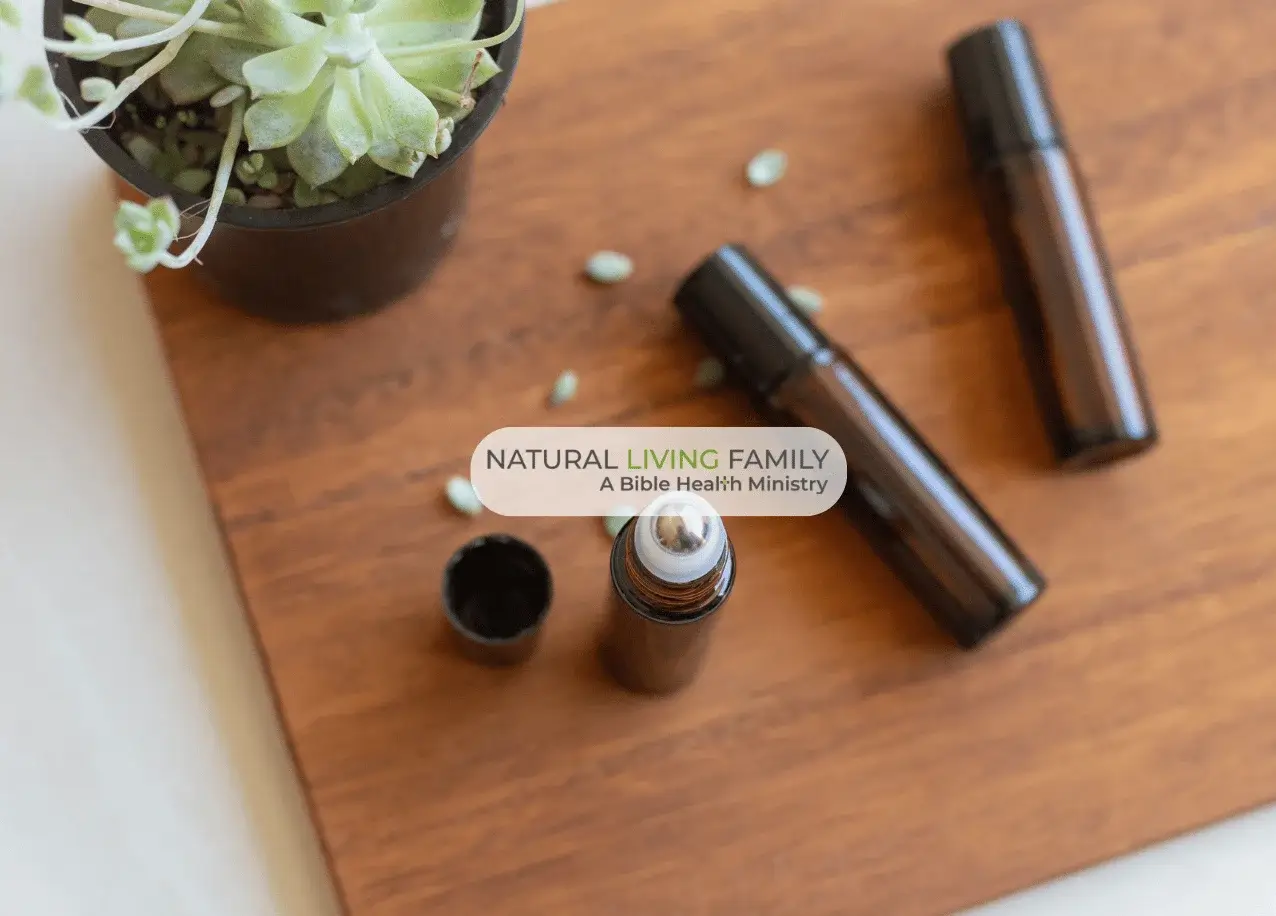
  • Add essential oils to roller bottle, then top off with the arnica infused carrier oil. Insert roller ball, close cap, and turn back and forth gently to combine.
  • Roll gently on the bruise for relief.

Essential Oils for Bruises FAQs

What are the best essential oils for bruises?

Our favorite essential oils for bruises are helichrysum, cypress, and lavender. Helichrysum is our first choice because of its traditional skin-recovery use and limited preliminary evidence related to bruising. Cypress is included primarily because of its traditional use in recovery blends, while lavender has broader wound-healing and skin-support research. No high-quality clinical trial has established these three oils as the definitive best treatment for ordinary bruises.

Does helichrysum actually help bruises?

Helichrysum has longstanding traditional use for bruises and skin trauma, and there is limited human observational evidence involving postoperative bruises and hematomas. However, much of the modern evidence is preclinical, and the available human protocol used multiple routes of administration. It is promising enough to explain why helichrysum remains our favorite bruise oil, but not strong enough to call it a clinically proven bruise treatment. (7, 9)

Does arnica help bruises?

Topical arnica has been studied more directly for bruising, swelling, pain, and traumatic injuries. Systematic reviews show a mixture of positive and negative findings depending on the preparation, dose, and clinical setting. For us, that combination of traditional use and clinical evidence makes arnica a natural choice as the carrier for this roll-on. (1, 2)

How often can I use the bruise roll-on?

Follow the directions in the recipe card and apply gently to unbroken skin. There is no advantage to saturating the area repeatedly. Stop if you notice burning, itching, redness, or another skin reaction.

Can I use essential oils on a black eye?

Do not put essential oils in or close to the eye. For bruising around the eye, use appropriate cold care instead. Get medical attention for vision changes, severe pain, blood in the eye, loss of consciousness, vomiting after a head injury, or other concerning symptoms. (16)

How long does a bruise usually last?

Many uncomplicated bruises fade within about two weeks, although deeper or more severe bruises may take longer. Color changes from purple or blue to green, yellow, and brown can be a normal part of the healing process. (6)

When should I worry about a bruise?

Seek medical evaluation for very painful swelling, bruising after a significant injury, frequent or unusually large bruises, bruises that appear without a clear cause, unusual bleeding, or a lump developing over the bruised area. Mayo Clinic also recommends evaluation when pain persists several days after what seemed to be a minor injury. (5)

Can I use this bruise roll-on during pregnancy or while breastfeeding?

Because this recipe uses arnica, pregnancy and breastfeeding deserve additional caution. Safety data for medicinal topical arnica during these seasons are limited, and oral arnica should not be used. If you are pregnant or breastfeeding, get individualized guidance before using this arnica-based roll-on. (13, 14)

Can I use arnica if I take blood thinners?

Talk with your healthcare provider or pharmacist before using medicinal arnica products if you take warfarin or another anticoagulant or antiplatelet medication. Laboratory evidence suggests arnica constituents can affect platelet activity, although the clinical significance of topical exposure is not well established. (13)

Resources

  1. Toma CC, et al. Effects of Arnica Phytotherapeutic and Homeopathic Formulations on Traumatic Injuries and Inflammatory Conditions: A Systematic Review. 2024.
  2. Arnica montana: Clinical Trials, Potential Mechanisms, and Adverse Effects.
  3. Wound Healing Potential of Lavender Oil by Acceleration of Granulation and Wound Contraction.
  4. The Effects of Lavender Essential Oil on Wound Healing: A Review of the Current Evidence.
  5. Mayo Clinic: Bruise First Aid.
  6. MedlinePlus: Bruises.
  7. Formulation and Evaluation of Helichrysum italicum Essential Oil-Based Topical Formulations for Wound Healing in Diabetic Rats.
  8. Helichrysum italicum: From Extraction, Distillation, and Encapsulation Techniques to Beneficial Health Effects.
  9. A Review and Evaluation of the Data Supporting Internal Use of Helichrysum italicum.
  10. Biological Activity of Cupressus sempervirens Essential Oil.
  11. Bioactive Compounds, Pharmacological Actions and Pharmacokinetics of Cupressus sempervirens.
  12. The Effect of Lavender on Pain and Healing of Episiotomy: A Systematic Review.
  13. Memorial Sloan Kettering Cancer Center: Arnica.
  14. Poison Control: Caution When Using Arnica Products.
  15. Tisserand Institute: Essential Oil Safety Guidelines.
  16. Mayo Clinic: Black Eye First Aid.

Read this next

Essential Oils

Select 8 Amazing Benefits of Helichrysum Essential Oil to Know 8 Amazing Benefits of Helichrysum Essential Oil to Know

8 Amazing Benefits of Helichrysum Essential Oil to Know

QUICK SUMMARY Helichrysum essential oil benefits are best known for skin care, but research also points to antioxidant, anti-inflammatory, antimicrobial,...

Essential Oils

Essential Oils for Lice & Natural Hair Treatment Protocol and Prevention

Essential Oils for Lice & Natural Hair Treatment Protocol

QUICK SUMMARY The very thought of head lice can make anyone's skin crawl. But take a deep breath, Mama. Head...

Essential Oils

Clary Sage Essential Oil Health Benefits: 3 Top Insights

10 Clary Sage Essential Oil Health Benefits

QUICK SUMMARY Clary sage essential oil comes from the flowering tops and leaves of Salvia sclarea, a Mediterranean member of...

Essential Oils

Essential Oils Roll-On for Pain Relief Recipe

Essential Oils Roll-On for Pain Relief Recipe

QUICK SUMMARY This essential oils roll-on for pain relief combines copaiba, sweet marjoram, basil, and frankincense in a portable carrier-oil...

Essential Oils

Essential Oils for Menstrual Cramps (PMS and Menstrual Relief)

Essential Oils for Menstrual Cramps & PMS Relief

QUICK SUMMARY Essential oils for menstrual cramps can be a helpful natural tool for PMS and period discomfort when used...

Essential Oils

Essential Oils for Pain and Inflammation Relief

Best Essential Oils for Pain and Inflammation Relief

QUICK SUMMARY Some of our favorite essential oils for pain and inflammation include frankincense, lavender, Roman chamomile, sweet orange, ginger,...
Join Our Natural Living Family!

Be the light your family, friends, and community need with FREE eBooks, meal plans & daily guidance
on healthy DIYs, healing with essential oils, natural living, and Biblical inspiration 
from the most trusted faith-based natural health newsletter online.