




QUICK SUMMARY
Aloe vera benefits come mostly from the clear inner gel of the leaf, which is rich in antioxidants, vitamins, and polysaccharides such as acemannan. Research supports aloe for faster burn healing, faster healing of mouth sores, and better blood sugar and cholesterol numbers, and it is a family staple for sunburns, skin care, and DIY recipes. Use the gel freely on the skin, and for drinking choose only decolorized gel or juice with the bitter latex removed.
Have you tried using one of God’s most versatile plants so you can enjoy aloe vera benefits from your own home? The green, gel-filled leaves of aloe plants (Aloe barbadensis) have supported health as part of traditional and alternative medicine for thousands of years. Today, clinical research shows this plant has a lot to offer us.
From soothing sunburns to supporting digestion and immune strength, this spiky succulent offers gentle, powerful support for your whole family. Grow it on your windowsill or keep a bottle of the gel on hand; it belongs in every natural living home.
Table of Contents

What Is Aloe Vera?
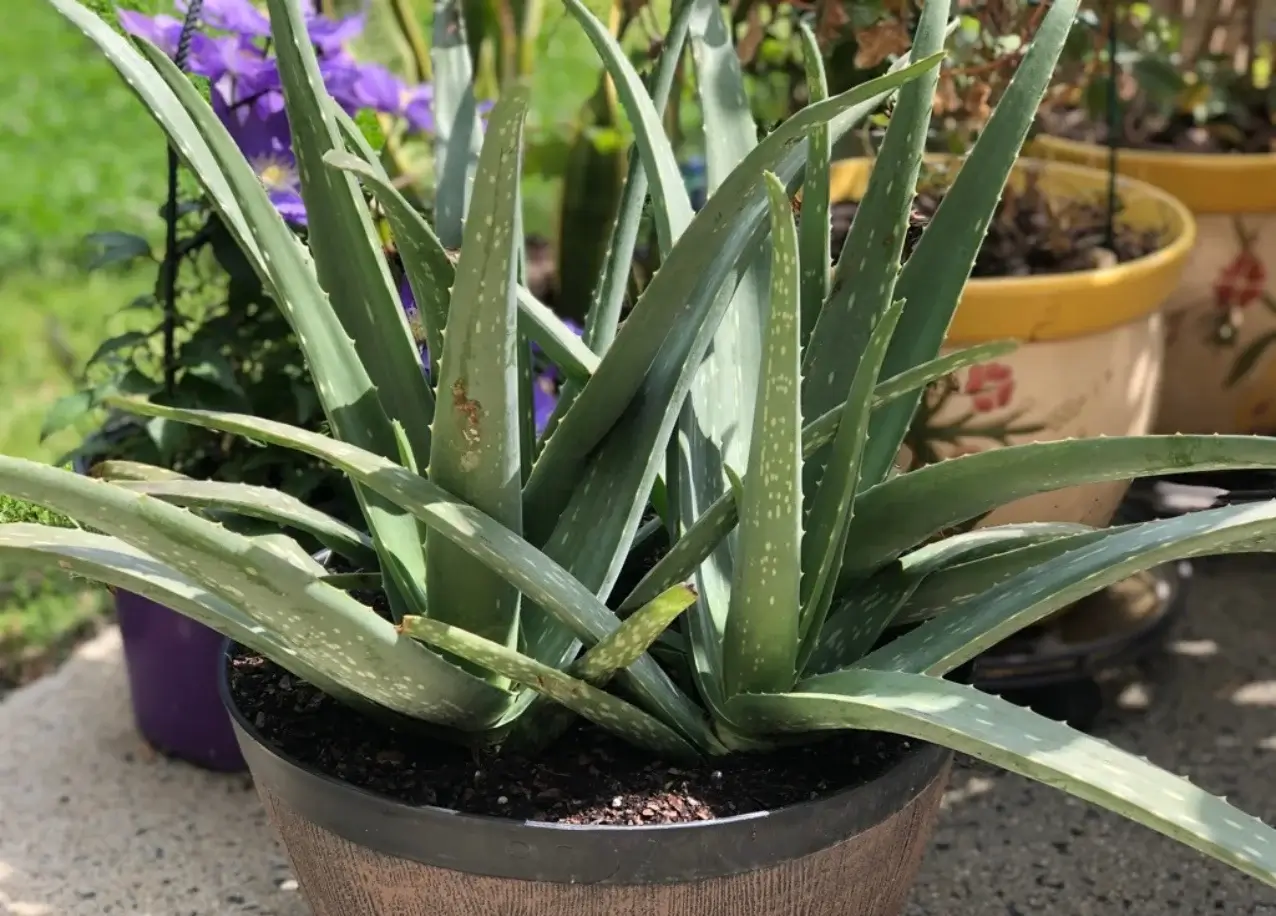
Aloe plant (Aloe barbadensis Miller) is a succulent native to North Africa that has been used for centuries in traditional medicine across various cultures, including Chinese, Indian, and Middle Eastern healing systems. Its leaves contain three primary layers: a protective outer rind, a bitter yellow latex layer containing compounds like aloin with strong laxative effects, and the inner clear gel that provides most of its well-known benefits.
Aloe gel is rich in vitamins A, C, E, and B12, essential minerals like calcium, zinc, selenium, and magnesium, amino acids, and unique polysaccharides such as acemannan. These active compounds give aloe vera its moisturizing, anti-inflammatory, antibacterial, and antioxidant properties. Aloe is widely available in forms such as aloe vera gel, aloe vera juice, topical creams, supplements, and even as part of natural oral care and hair care products.
Health Benefits of Aloe Vera
Modern research continues to validate what traditional cultures have known for centuries: Aloe vera is a medicinal plant with clinical evidence supporting a wide range of studied uses. Rich in antioxidants, polysaccharides like acemannan, and essential nutrients including vitamins A, C, and E, aloe supports multiple systems in the body.
Whether applied topically or used internally in properly prepared juices and gels, aloe vera has been linked to improved skin health, better blood sugar control, reduced inflammation, digestive health, and more. Below, you’ll find evidence-backed ways this powerful plant can support your health naturally.
1. Skin Healing and First Aid
Aloe vera is perhaps best known for its soothing effect on sunburns, minor burns and other skin conditions. Its cooling, anti-inflammatory properties help reduce redness and pain while deeply hydrating damaged skin. The gel also supports wound healing by promoting circulation and stimulating collagen production, which may speed up recovery.
Clinical trials back this up. A 2024 review of nine randomized trials found that aloe vera shortened burn healing time by nearly four days compared with other topical treatments. (1)
Because of its natural antibacterial and anti-inflammatory properties, aloe is also used to calm acne, skin rashes, and mild cases of eczema or psoriasis. It’s gentle enough for the whole family in helping ease bug bites, diaper rash, and everyday cuts and scrapes.
2. Digestive Support and Gut Health
Aloe vera supports digestive health in a variety of ways. The latex portion of the leaf contains aloin, a natural anthraquinone-based laxative traditionally used to relieve occasional constipation. While effective, aloe vera latex should be used sparingly and with guidance due to its potential to cause cramps or electrolyte imbalances.
In 2002, the FDA required manufacturers to remove aloe latex from over-the-counter laxatives because of a lack of safety data. (2)
The gel, on the other hand, may help soothe inflammation in the gastrointestinal tract and balance gut flora. For irritable bowel syndrome (IBS), the evidence is still thin: a 2026 analysis of three trials did not find a clear benefit from aloe, while peppermint oil did help. (3)
Early research also suggests that oral use of aloe vera gel may improve symptoms of acid reflux and gastroesophageal reflux disease (GERD), though more clinical studies are needed. Aloe vera juice is commonly consumed to soothe the digestive tract, alleviate occasional constipation, and reduce bloating.
3. Immune Boost and Antioxidant Power
Aloe vera is rich in antioxidants, which help protect the body from oxidative stress, which is a key contributor to chronic disease and aging. It contains polyphenols, flavonoids, as well as vitamins C and E. These nutrients support cellular health and reduce inflammation.
Additionally, aloe’s antibacterial and antiviral compounds may help defend against common infections and support the body’s natural immune response. (4) Some studies have shown aloe vera to be helpful in managing inflammatory responses by modulating the cyclooxygenase pathway and reducing levels of prostaglandin E2.
4. Blood Sugar and Cholesterol Balance
Growing evidence supports aloe vera’s ability to improve metabolic health. Clinical studies have found that oral supplementation with aloe vera juice or extract may reduce fasting blood glucose levels in people with type 2 diabetes and prediabetes. A 2021 overview of meta-analyses ranked aloe vera leaf gel among the most effective medicinal plants for blood sugar in type 2 diabetes, lowering HbA1c, a three-month marker of blood sugar, by about 1 percentage point. (5)
In a 2015 double-blind, randomized controlled trial in adults with prediabetes, aloe supplementation lowered LDL cholesterol and triglycerides and raised HDL cholesterol. (6) A 2021 umbrella review of clinical trial meta-analyses confirmed that aloe vera benefits both cholesterol and blood sugar. (7)
This may be due to aloe’s active components enhancing insulin sensitivity and reducing systemic inflammation. Both those factors are key in managing metabolic syndrome.
5. Oral Health and Dental Hygiene
Used as a natural mouth rinse, aloe vera gel can reduce plaque buildup and soothe inflamed gums. Its antibacterial properties make it an effective and gentle alternative to chemical-laden mouthwashes. Studies have shown that aloe may help inhibit the growth of Streptococcus mutans and Candida albicans, both of which are common contributors to oral infections.
Aloe vera also helps mouth sores heal. A 2022 review of nine trials found that aloe gel healed mouth ulcers faster than other treatments, and a 2025 review of seven trials found that it reduced severe mouth sores in cancer patients undergoing radiotherapy or chemotherapy. (8, 9)
6. Hydration and Nutrient Boost
Aloe vera juice is a low-calorie, low-sugar beverage that helps support hydration and delivers vital micronutrients like folic acid, vitamin C, and B vitamins. These nutrients play important roles in skin repair, immune support, and energy production. Aloe vera juice also provides enzymes and trace minerals that may aid digestion and support overall wellness. Just be sure to choose products labeled as “decolorized” or “purified” to ensure the aloe latex has been removed for safety.
Family and Home Uses for Aloe Vera
Aloe vera isn’t just for major health concerns. It shows up in many of our DIY recipes, which makes it a go-to for daily life. Here are some natural ways we use aloe in our home:
After-Sun Spray for Cooling Relief – Blend aloe vera gel with unscented witch hazel and essential oils like lavender and peppermint to create a soothing spray. It hydrates, cools, and helps restore sun-kissed skin naturally.
Anti-Aging Healing Skin Serum – Mama Z’s homemade blend combines aloe vera gel with coconut oil and lavender to nourish and heal. Use it as a topical gel or serum for dry patches, irritation, or simply as a natural skin-loving moisturizer.
Foaming Hand Soap – A family-safe cleanser made with castile soap, aloe, and essential oils to clean hands without drying them out. Perfect for frequent use, especially in seasons of sickness.
DIY Hair Detangler Spray – All-natural, non-toxic ingredients combine for a detangler that softens strands and reduces breakage, great for kids and grown-ups.
Aloe Popsicles and Smoothie Boosts – Add aloe gel to fruit juice for refreshing, hydrating popsicles, or blend into smoothies for an extra nutrient kick. Always remove the yellowy aloe latex and use gel only.

Sustainable Living: Grow Your Own Aloe
Aloe vera thrives indoors and requires little maintenance. Keep a plant in your kitchen window or garden so you always have a fresh, renewable supply of natural healing. They are easy to grow as long as you keep them in well-draining containers and can grow large enough to divide and share with other gardeners. We love them in our home container garden collection.
How to Use Aloe Vera Safely
Aloe vera is generally safe for everyday use, but as with any medicinal herb, there are a few important guidelines to follow to make sure you and your family benefit from it without any unwanted side effects.
- Topical use is safe for most people, but always patch test on sensitive skin (especially children).
- Internal use should be limited to decolorized aloe gel or juice. Avoid oral use of whole leaf or latex products unless supervised by a healthcare provider. Non-decolorized whole leaf extract, which still carries the latex compounds, is classified as a possible human carcinogen. (2)
- Watch interactions of aloe products with diabetes medications and consult your health care provider if pregnant or nursing.
Aloe vera is more than just a houseplant. It’s a living reminder of God’s provision and design. From healing wounds to hydrating your body, this simple plant supports your health naturally, sustainably, and gently. As Scripture reminds us:
“You cause the grass to grow for the livestock and plants for man to cultivate, that he may bring forth food from the earth.” (Psalm 104:14)
Keep aloe vera in your home, and let this humble green gift become a daily part of your family’s natural living.
Keep reading: 10 Best Tea Tree Oil Benefits: The Ultimate Natural First Aid Guide · What Are Hydrosols? Benefits, Uses, Safety & Storage · Health Benefits of Gardening: 6 Science-Backed Ways to Thrive
References
- Huang YN, Chen KC, Wang JH, et al. Effects of Aloe vera on Burn Injuries: A Systematic Review and Meta-Analysis of Randomized Controlled Trials. Journal of Burn Care & Research. 2024. Source.
- National Center for Complementary and Integrative Health. Aloe Vera. 2025. Source.
- Meyer A, Auer J, Cascant-Ortolano L, et al. Systematic Review and Meta-Analysis: Plant-Based Therapy for Irritable Bowel Syndrome. Phytotherapy Research. 2026. Source.
- Catalano A, Ceramella J, Iacopetta D, et al. Aloe vera: An Extensive Review Focused on Recent Studies. Foods. 2024. Source.
- Willcox ML, Elugbaju C, Al-Anbaki M, et al. Effectiveness of Medicinal Plants for Glycaemic Control in Type 2 Diabetes: An Overview of Meta-Analyses of Clinical Trials. Frontiers in Pharmacology. 2021. Source.
- Alinejad-Mofrad S, Foadoddini M, Saadatjoo SA, et al. Improvement of glucose and lipid profile status with Aloe vera in pre-diabetic subjects: a randomized controlled-trial. Journal of Diabetes and Metabolic Disorders. 2015. Source.
- Hoang T, Kim J. Phytonutrient supplements and metabolic biomarkers of cardiovascular disease: An umbrella review of meta-analyses of clinical trials. Phytotherapy Research. 2021. Source.
- Zou H, Liu Z, Wang Z, et al. Effects of Aloe Vera in the Treatment of Oral Ulcers: A Systematic Review and Meta-Analysis of Randomised Controlled Trials. Oral Health & Preventive Dentistry. 2022. Source.
- Cássia-Santos D, Santos CKC, Fernandes LT, et al. Effectiveness of Aloe vera in the treatment of oral mucositis: a systematic review and meta-analysis of randomized controlled trials. International Journal of Oral and Maxillofacial Surgery. 2025. Source.


