QUICK SUMMARY
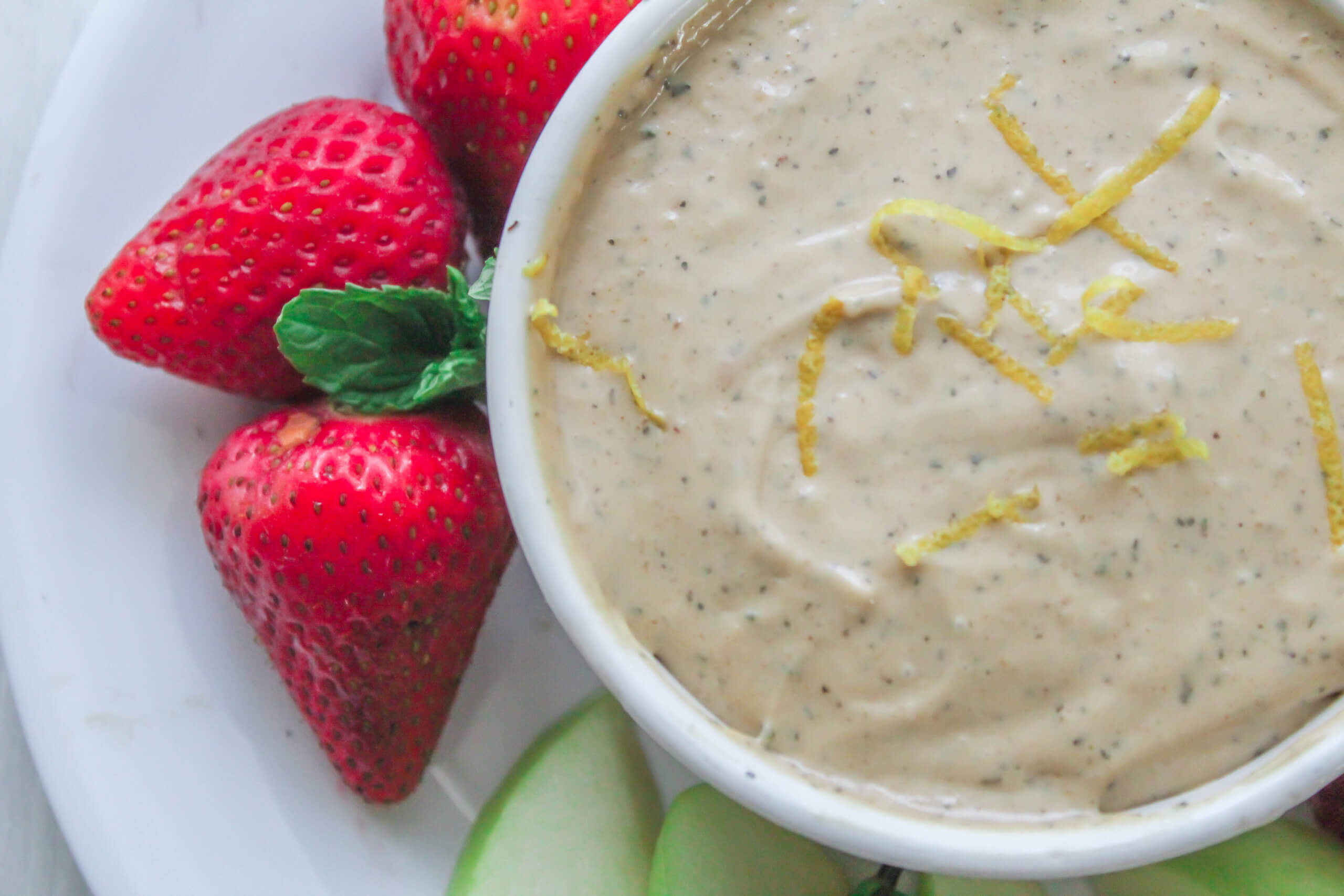
This dairy-free Lemon Fruit Dip is a sweet, tangy, make-ahead snack made with coconut milk yogurt, dairy-free cream cheese, fresh lemon, dried lemon balm, natural sweeteners, and a recipe-specific amount of culinary lemon essential oil.
The dip takes about 10 minutes to blend and needs at least 8 hours in the refrigerator to thicken and let the lemon flavors come together. Serve it with berries, apple slices, pears, melon, grapes, or healthy cookies.
Use the exact amount of lemon essential oil listed for the complete recipe batch. Essential oils must be dispersed through the food mixture and should never be added neat to the mouth or casually floated in water.
My dairy-free Lemon Fruit Dip is a fantastic snack to serve your family and friends. It has a sweet, tangy flavor that will brighten anyone's day!
This recipe is unique because it features an herb and fragrant essential oils. Plus, it is dairy-free and naturally sweetened without conventional powdered white sugar. Citrus lovers will keep coming back for more!
You can make the dip the night before a gathering, let it chill while you sleep, and pull it from the refrigerator when your guests arrive. That is my kind of party recipe: simple, fresh, and ready before the house gets busy.
Table of Contents:

The Secret Ingredient: Lemon Balm
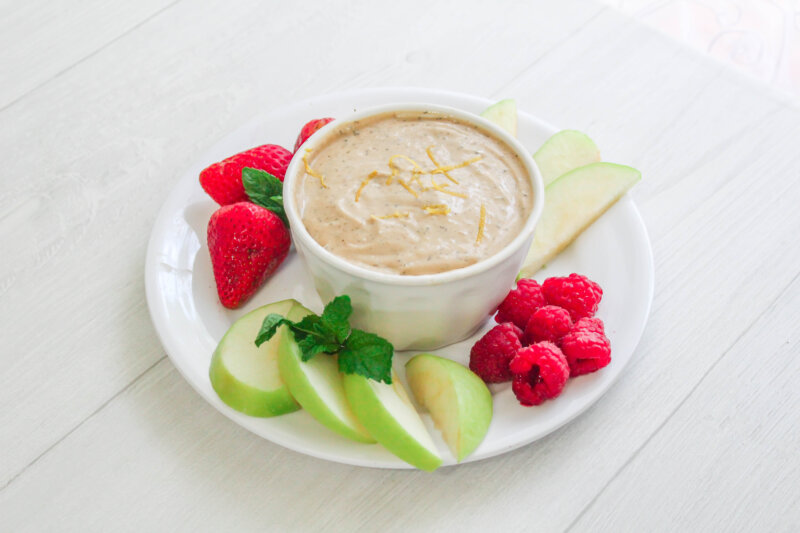
This lemon dip features an ingredient that most don't. Organic dried lemon balm, or Melissa, is the secret ingredient to this recipe. Melissa elevates this dip to a whole new level. Here are a few things you should know.
- It is easy to find. Look in the herb or tea section of a health food store, Whole Foods, local apothecary, or trusted online herb shop.
- Lemon balm has a long history of calming use. Herbalists have used Melissa officinalis for generations to promote relaxation, emotional balance, and restful sleep.
- Current research supports its traditional reputation. A 2024 review of human studies concluded that lemon balm shows promise for calming support, mood, cognition, and sleep, while also noting that the preparations and doses differed across trials. (1)
- Food-based research is especially relevant here. In two small double-blind, placebo-controlled crossover studies, healthy adults consumed standardized lemon balm in a beverage or yogurt. Some doses improved aspects of mood or cognitive performance, although the results depended on the dose and food matrix. (2)
- Small clinical trials have also examined women's wellness. A randomized trial in adolescent girls found that a standardized lemon balm capsule reduced the intensity of premenstrual syndrome symptoms over three cycles. That evidence involves a measured supplement dose, not the small culinary amount in this dip. (3)
- This herb is versatile. You can take it in a capsule, include it in herbal tea blends, or blend it into a smoothie or dip. Product strength and intended use matter, so follow the directions for the preparation you choose.
The dried lemon balm in this recipe is used for flavor and as a beautiful connection to an herb our family already loves. It is not intended to deliver the same amount used in a clinical supplement trial.
Why Go Dairy-Free?
If you can access raw milk from a grass-fed cow and it works well for your family, consider yourself blessed! We have always preferred carefully sourced, raw, grass-fed dairy over conventional dairy when we choose to use dairy.
Farming practices, feed, animal care, and processing vary widely. That is one reason we encourage families to know where their food comes from instead of assuming that every carton or container is the same.
At the same time, pasteurization does not remove almost all of milk's nutritional value. Research and current food-composition guidance indicate that it has little effect on most milk vitamins, and pasteurized milk still contains protein, fat, calcium, and other nutrients. (4, 5)
Raw dairy is also not risk-free. It can carry foodborne pathogens even when a farm follows careful practices. Children under five, pregnant women, older adults, and people with weakened immune systems have a greater risk of serious illness from those germs. Families who choose raw dairy should understand the source, local laws, handling practices, and personal risk factors. (6)
Research connecting dairy with cancer is more complicated than a simple statement that dairy causes cancer. An older observational analysis reported product-specific associations for certain cheeses, but a pooled analysis of 21 prospective cohorts found no clear association between individual dairy foods and overall breast cancer risk. (7, 8) A 2023 meta-analysis found that higher total dairy intake may be associated with a modest increase in prostate cancer risk, while also warning that screening bias and differences among dairy products limit the conclusion. (9)
None of that changes the purpose of this recipe. We often stay dairy-free because it works well for our family, makes recipes more accessible to people who do not tolerate dairy, and gives us simple options for gatherings.
Many dairy-free products on the market taste great and are undetectable in recipes. Dairy-free cream cheese is a great example! It can be just as smooth as the conventional variety when you choose a brand with a flavor and ingredient list your family enjoys.
A word of caution: We avoid soy products in this recipe and recommend almond or cashew milk products when they fit your family's needs. Always read the current ingredient and allergen statement. “Dairy-free” does not automatically mean soy-free, nut-free, gluten-free, or free from cross-contact.
Healthy Lemon Dip Ingredients
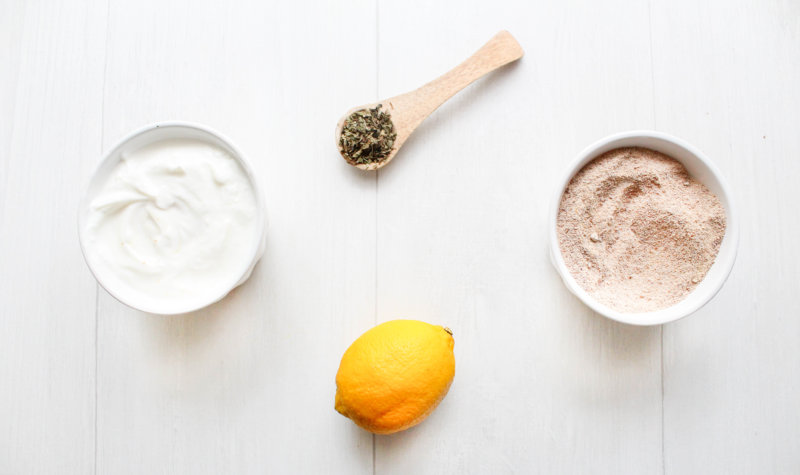
This recipe uses multiple lemon-infused ingredients to create a well-rounded flavor. Here's what you need.
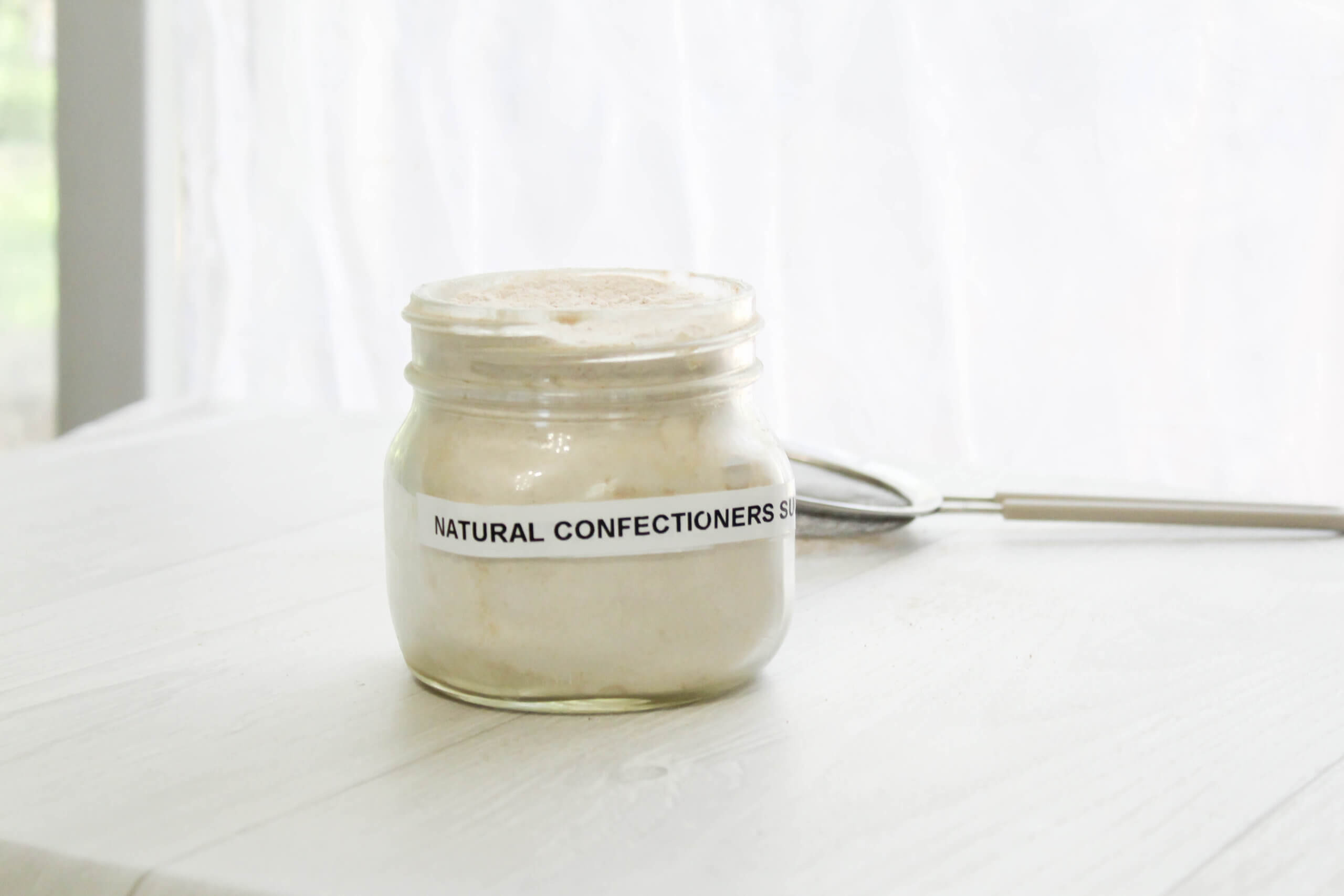
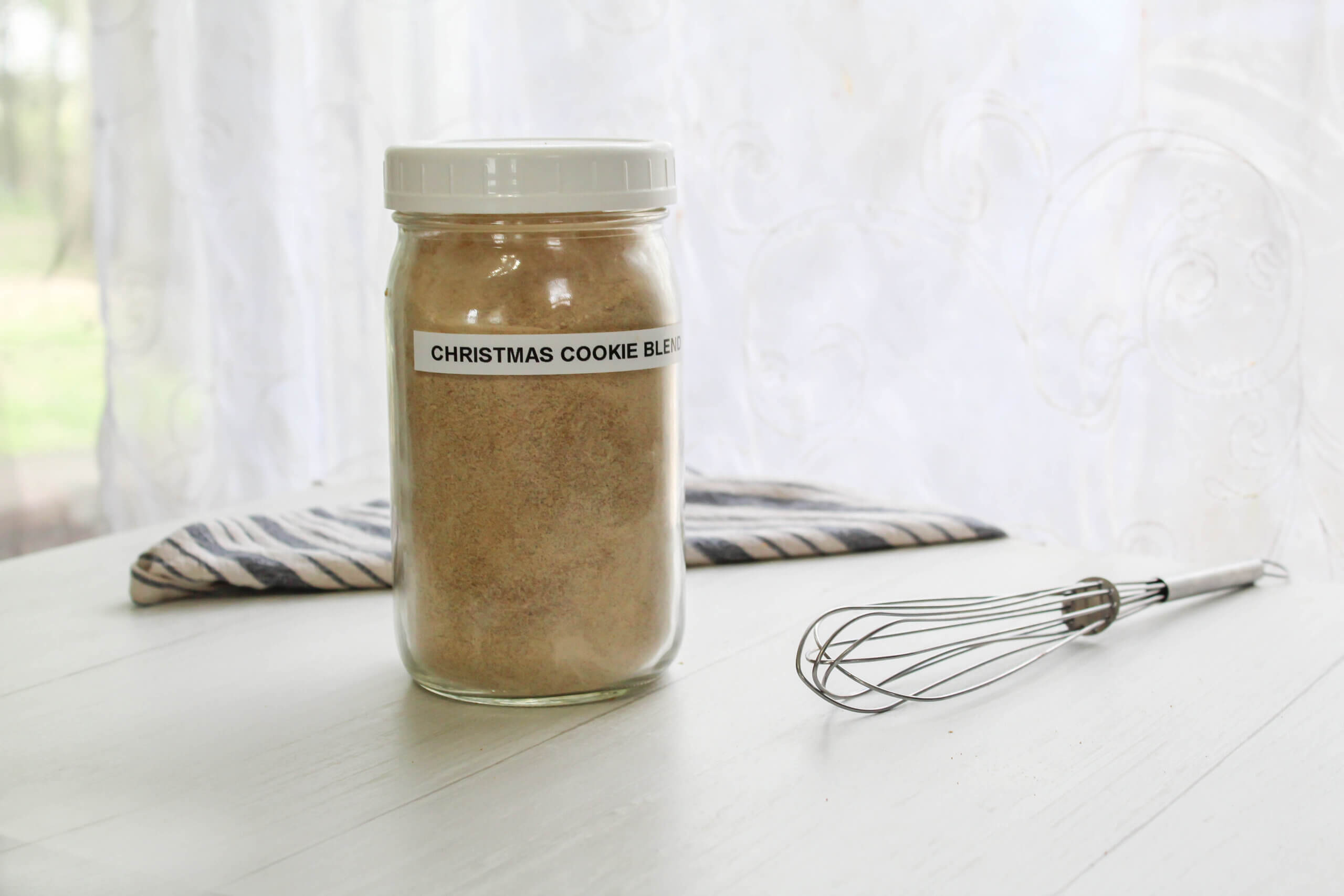
Natural Confectioners' Sugar: This is my alternative to conventional powdered white sugar. The recipe uses my Christmas Cookie Blend, a delightful mixture of coconut sugar, date sugar, and maple sugar, combined with arrowroot powder or organic non-GMO cornstarch to create a fine texture. It thickens dips and icings perfectly, and I always keep a batch on hand because I use it in so many recipes.
These are less-refined sweeteners, but they are still added sugars. That means this dip is naturally sweetened rather than sugar-free, and the finished glycemic response will depend on the full recipe, serving size, and foods served with it.
Unsweetened Organic Plain Coconut Milk Yogurt Alternative: We use an unsweetened plain coconut milk yogurt alternative to keep this recipe dairy-free. You won't notice the difference! Choose plain and unsweetened so the dip does not become overly sweet or compete with the fresh lemon flavor.
Dairy-Free Almond-Milk Cream Cheese or Plain Cream Cheese-Style Spread: Daiya, Kite Hill, and Miyokos all offer dairy-free cream cheese options that help thicken this dip. Formulas can change, so check the current label for soy, nuts, gums, oils, added sugar, and any ingredient your family avoids.
Organic Lemon Peel: This recipe uses every viable part of the lemon, including the peel! Lemon peel adds a lovely texture and amplifies the lemon flavor. You can find dried lemon peel in the spice section of many grocery stores.
Organic Lemon Zest: I love garnishing my dip with extra zest to make it look pretty and prefer the lemon zester that makes curls rather than a microplane. Use the zest as a garnish and top the dip with a fresh leaf of lemon balm in the center if you have some.
Freshly-Squeezed Organic Lemon Juice: Fresh lemon juice gives this recipe the tang it deserves. Lemons provide vitamin C and citrus flavonoids, while the amount in this dip contributes flavor, freshness, and some nutrients to the complete recipe. Vitamin C supports normal immune function, collagen formation, and antioxidant protection. (10)
Pro Tip: To make recipe prep a breeze, keep freshly squeezed lemon juice in your refrigerator in a covered glass container and use it while it is fresh.
Essential Oils: Lemon essential oil is naturally rich in d-limonene and gives this dip a concentrated burst of citrus flavor. Laboratory research has examined limonene for inflammatory signaling, and a small human brain-imaging study found that inhaled lemon essential oil affected activity in regions involved in emotion and memory processing. These findings help explain scientific interest in citrus oils, but they do not mean the culinary amount in this dip acts as a medical treatment. (11, 12)
It is perfectly appropriate to use certain essential oils in culinary recipes when you use wisdom. Choose an authentic lemon essential oil that is specifically labeled for food or culinary use, and use the exact amount called for in the complete recipe batch.
This recipe contains fatty and creamy ingredients that help disperse the essential oil throughout the entire dip. Without proper dispersion, concentrated oil can contact the mouth or throat at full strength and cause irritation. Remember, you never want to ingest an essential oil neat, and more drops do not make a recipe better.
Lemon-Flavored Liquid Stevia: Liquid stevia blends beautifully into the dip. One of my favorite things to do with recipes is to match the liquid stevia flavor with the recipe. Lemon stevia works best with lemon recipes like this one! Brands differ in sweetness and aftertaste, so begin with the recipe amount and adjust only after blending.
Make Dairy-Free Lemon Fruit Dip
This recipe comes together in 10 minutes, but it needs at least 8 hours of chill time to set. I love prepping this dip the night before a gathering. Making this recipe ahead of time leaves more time to mingle with friends!
Lemon Fruit Dip (Vegan)
Servings
Ingredients
- 1 cup Natural Confectioners’ Sugar
- 4 droppersful lemon-flavored liquid stevia
- 1 cup vegan sour cream OR 1 cup unsweetened organic coconut milk yogurt alternative OR unsweetened vanilla-flavored organic coconut milk yogurt alternative
- 1 (8-ounce) container dairy-free almond-milk cream cheese OR plain cream cheese-style spread (vegan)
- 1 teaspoon organic dried lemon peel
- 2 tablespoons freshly squeezed organic lemon juice
- 3 drops lemon essential oil OR 1 tablespoon organic pure lemon extract (if using the essential oil, you can add up to 6-9 drops to enhance the lemon flavor to taste.)
- 1 tablespoon organic dried lemon balm*
- Organic fresh lemon zest to garnish
Supplies
- Blender OR food processor
Instructions
- Place the Natural Confectioners’ Sugar, liquid stevia, vegan sour cream, dairy-free cream cheese, lemon peel, lemon juice, lemon essential oil, and lemon balm in a food processor or large blender and blend for 1-2 minutes, until thoroughly combined.
- Transfer to a serving dish and refrigerate overnight to set. Garnish with lemon zest, if desired. Serve with fruit and/or gluten-free crackers or gluten-free pretzels.
Natural Confectioners' Sugar (Vegan)
Servings
Ingredients
- 2 rounded cups Christmas Cookie Blend
- 2 cups organic arrowroot powder OR organic non-GMO cornstarch
Supplies
- Blender OR food processor
Instructions
- Place the Christmas Cookie Blend and cornstarch in a gallon-size Ziploc bag. Shake to mix.
- Blend in a high-powered blender or food processor until well-mixed. I prefer milling this recipe in the dry goods container of a Vitamix. You may have to divide your mixture in half depending on the size of your blender. Then, I open the blender, stir and repeat the process. The final color of your product will differ based on the brand of sweetener you use. Store in quart and pint-sized glass jars at room temperature. Use as directed in desserts and dips.
Christmas Cookie Blend (Vegan)
Servings
Ingredients
- 6 ounces organic coconut sugar
- 11-16 ounces organic date sugar (based on your available container sizes)
- 6 ounces organic maple sugar
Instructions
- Place the coconut sugar, date sugar, and maple sugar in a gallon-size Ziploc bag. Shake to mix thoroughly.
- Place mixture in a blender and blend until powdery. I prefer milling this recipe in a Vitamix dry goods container. I start blending on one, then slowly increase until the mixture is fully blended. Then, I open the blender, stir, and repeat the process. The final color of your product will differ based on the brand of sweetener you use. Use in place of regular sugar in all your favorite baked goods. Store in a glass jar.
Step One: Blend Ingredients
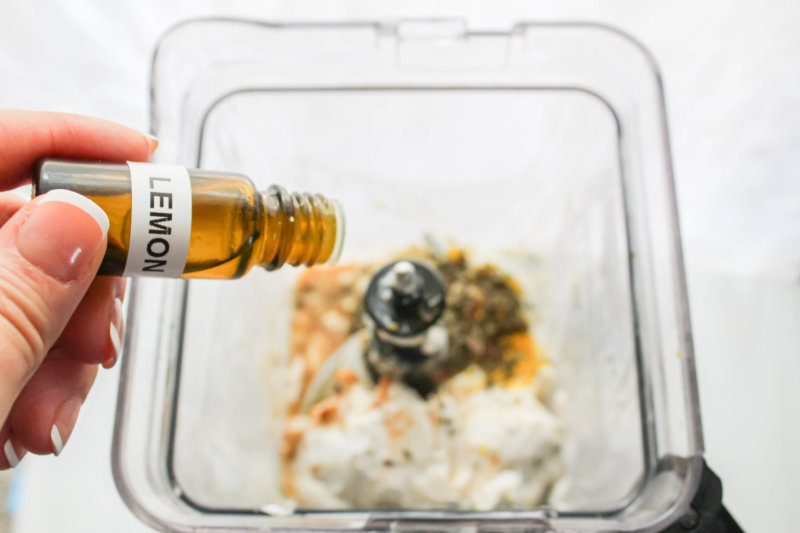
Place the powdered coconut sugar, yogurt alternative, dairy-free cream cheese, lemon zest, lemon juice, lemon balm, lemon essential oil, and stevia in a blender or food processor.
Blend for 1-2 minutes or until the ingredients are perfectly combined. Stop and scrape the sides if needed so no pockets of cream cheese or dried herbs remain.
Transfer to a large serving bowl, cover, and refrigerate overnight to set. The chilling time gives the dried lemon balm a chance to soften and allows the lemon peel, juice, zest, and essential oil to create one well-rounded citrus flavor.
Serve the next day with your choice of dippers. We love serving our dip with fruit or healthy cookies. Enjoy!
Serving, Make-Ahead, and Storage Tips
This dip is at its best when you make it ahead. Eight hours is the minimum chilling time, but overnight is even better.
Best fruits for lemon fruit dip:
- Strawberries, blueberries, blackberries, and raspberries
- Apple or pear slices
- Grapes
- Fresh pineapple
- Melon slices or melon balls
- Peaches or nectarines when they are in season
You can also serve it with gluten-free cookies, graham-style crackers, or a fruit tray at brunch, baby showers, Bible studies, birthday parties, and summer gatherings.
Storage: Keep the dip covered in the refrigerator at 40°F or colder. For the best flavor and food safety, use it within 3-4 days. Do not leave the bowl at room temperature for more than 2 hours, or more than 1 hour when the temperature is above 90°F. (13)
I do not recommend freezing this dip because dairy-free yogurt and cream cheese alternatives can separate and become grainy after thawing. Give refrigerated leftovers a quick stir before serving.
Lemon Fruit Dip FAQs
What is lemon fruit dip made from?
This dairy-free lemon fruit dip is made with natural confectioners' sugar, unsweetened coconut milk yogurt, dairy-free cream cheese, dried lemon balm, lemon peel, lemon zest, fresh lemon juice, lemon-flavored liquid stevia, and a recipe-specific amount of culinary lemon essential oil.
Can I make lemon fruit dip ahead of time?
Yes. This recipe should be made at least 8 hours ahead so it can thicken and the lemon balm can soften. Preparing it the night before gives the best texture and makes party day much easier.
Is this lemon fruit dip gluten-free?
The basic ingredients are naturally gluten-free, but packaged yogurt alternatives, cream cheese-style spreads, sweeteners, starches, cookies, and serving foods can be exposed to gluten during manufacturing. Read labels carefully when serving someone with celiac disease or a serious gluten sensitivity.
Is this recipe vegan?
It can be vegan when you choose plant-based yogurt, plant-based cream cheese, and vegan serving options. Check every packaged ingredient because dairy-free and vegan are not always interchangeable.
Can I leave out the lemon essential oil?
Yes. The dip will still work without lemon essential oil, although the citrus flavor will be softer. Add a little extra fresh zest to taste rather than substituting an unmeasured amount of another essential oil.
Can I use fresh lemon balm instead of dried?
The recipe was developed with dried lemon balm, which gives a consistent flavor and texture after the overnight chill. Use fresh lemon balm as a garnish unless you have tested a fresh-herb variation and know how the extra moisture affects the dip.
Can I ingest essential oils?
Do not casually ingest essential oils in water or neat (undiluted). Internal use of essential oils requires proper dilution, product quality, dosing knowledge, and safety guidance. Learn more about how to ingest essential oils here.
Is this a low-glycemic fruit dip?
The recipe avoids conventional powdered white sugar and includes liquid stevia, but the Christmas Cookie Blend still contains coconut, date, and maple sugars. It is more accurate to call this naturally sweetened than sugar-free or guaranteed low-glycemic. Serving size and the foods you dip into it also matter.
How long does dairy-free lemon fruit dip last?
Store it in a covered container in the refrigerator and use it within 3-4 days. Discard it sooner if the smell, color, or texture changes unexpectedly.
What can I serve with lemon fruit dip besides fruit?
Try healthy cookies, gluten-free graham-style crackers, mini muffins, or spoonfuls over pancakes and waffles. Keep allergy and cross-contact needs in mind when building a serving tray.
Looking for a Fall-inspired dip? Check out my Vegan Pumpkin Dip! It features a blend of essential oils that perfectly mimics pumpkin spice. I know you'll “fall” in love with it!


- Mathews IM, Eastwood J, Lamport DJ, Le Cozannet R, Fanca-Berthon P, Williams CM. “Clinical Efficacy and Tolerability of Lemon Balm (Melissa officinalis L.) in Psychological Well-Being: A Review.” Nutrients. 2024;16(20):3545. https://doi.org/10.3390/nu16203545
- Scholey A, Gibbs A, Neale C, et al. “Anti-Stress Effects of Lemon Balm-Containing Foods.” Nutrients. 2014;6(11):4805-4821. https://doi.org/10.3390/nu6114805
- Akbarzadeh M, Dehghani M, Moshfeghy Z, Emamghoreishi M, Tavakoli P, Zare N. “Effect of Melissa officinalis Capsule on the Intensity of Premenstrual Syndrome Symptoms in High School Girl Students.” Nursing and Midwifery Studies. 2015;4(2):e27001. https://doi.org/10.17795/nmsjournal27001
- Macdonald LE, Brett J, Kelton D, Majowicz SE, Snedeker K, Sargeant JM. “A Systematic Review and Meta-Analysis of the Effects of Pasteurization on Milk Vitamins, and Evidence for Raw Milk Consumption and Other Health-Related Outcomes.” Journal of Food Protection. 2011;74(11):1814-1832. https://pubmed.ncbi.nlm.nih.gov/22054181/
- U.S. Food and Drug Administration. “Raw Milk Misconceptions and the Danger of Raw Milk Consumption.” Updated March 5, 2024. https://www.fda.gov/food/buy-store-serve-safe-food/raw-milk-misconceptions-and-danger-raw-milk-consumption
- Centers for Disease Control and Prevention. “Raw Milk.” Updated January 31, 2025. https://www.cdc.gov/food-safety/foods/raw-milk.html
- McCann SE, Hays J, Baumgart CW, et al. “Usual Consumption of Specific Dairy Foods Is Associated with Breast Cancer in the Roswell Park Cancer Institute Data Bank and BioRepository.” Current Developments in Nutrition. 2017;1(3):e000422. https://pmc.ncbi.nlm.nih.gov/articles/PMC5998914/
- Wu Y, Huang R, Wang M, et al. “Dairy Foods, Calcium, and Risk of Breast Cancer Overall and for Subtypes Defined by Estrogen Receptor Status: A Pooled Analysis of 21 Cohort Studies.” The American Journal of Clinical Nutrition. 2021;114(2):450-461. https://doi.org/10.1093/ajcn/nqab097
- Zhao Z, Wu D, Gao S, et al. “The Association Between Dairy Products Consumption and Prostate Cancer Risk: A Systematic Review and Meta-Analysis.” British Journal of Nutrition. 2023;129(10):1714-1731. https://doi.org/10.1017/S0007114522002380
- Carr AC, Maggini S. “Vitamin C and Immune Function.” Nutrients. 2017;9(11):1211. https://doi.org/10.3390/nu9111211
- Yoon WJ, Lee NH, Hyun CG. “Limonene Suppresses Lipopolysaccharide-Induced Production of Nitric Oxide, Prostaglandin E2, and Pro-Inflammatory Cytokines in RAW 264.7 Macrophages.” Journal of Oleo Science. 2010;59(8):415-421. https://pubmed.ncbi.nlm.nih.gov/20625233/
- Ueda K, et al. “Effects of Inhaling Essential Oils of Citrus limonum L., Santalum album, and Cinnamomum camphora on Human Brain Activity.” Brain and Behavior. 2023;13(2):e2889. https://doi.org/10.1002/brb3.2889
- U.S. Department of Agriculture Food Safety and Inspection Service. “Leftovers and Food Safety.” Updated July 31, 2020. https://www.fsis.usda.gov/food-safety/safe-food-handling-and-preparation/food-safety-basics/leftovers-and-food-safety