QUICK SUMMARY
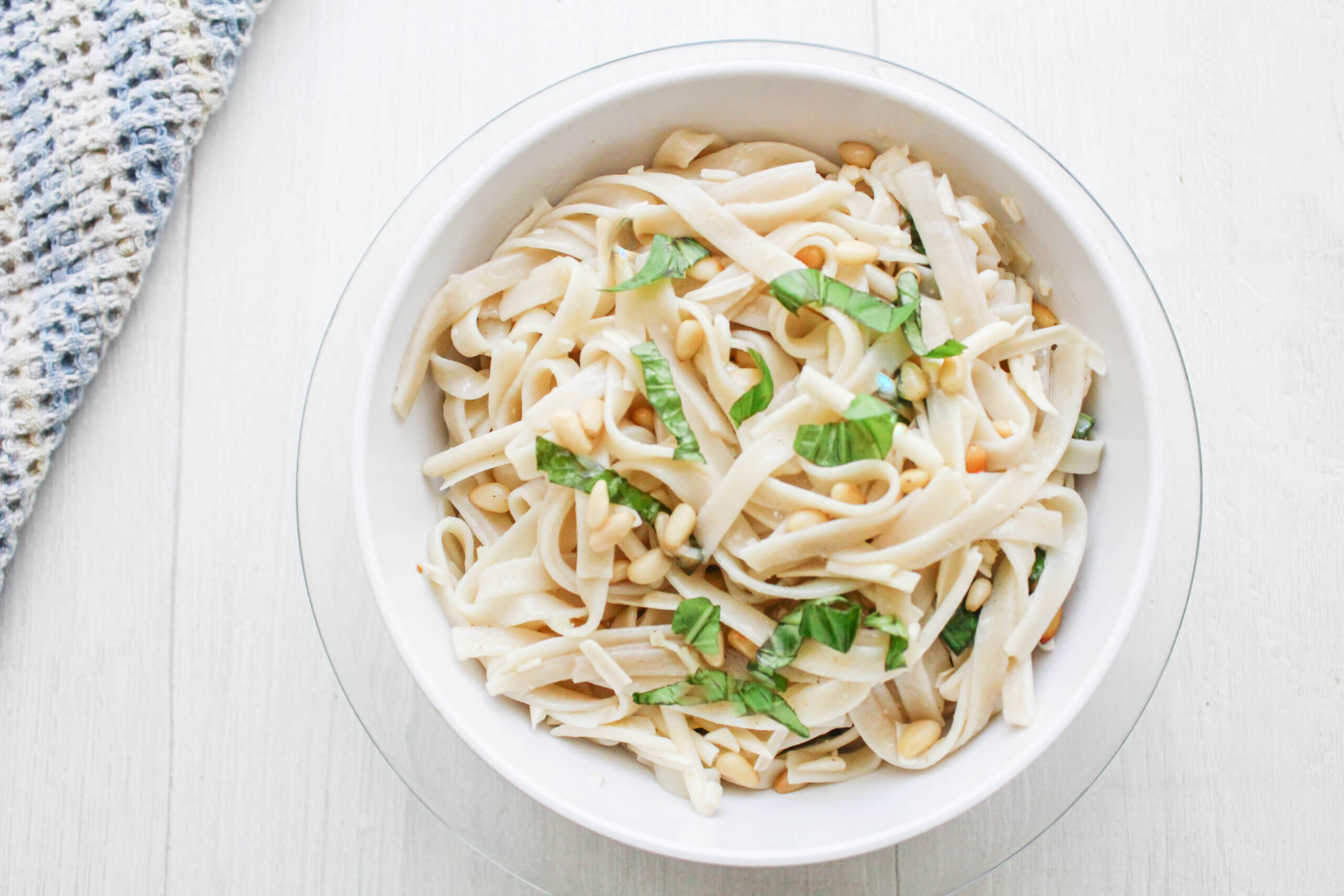
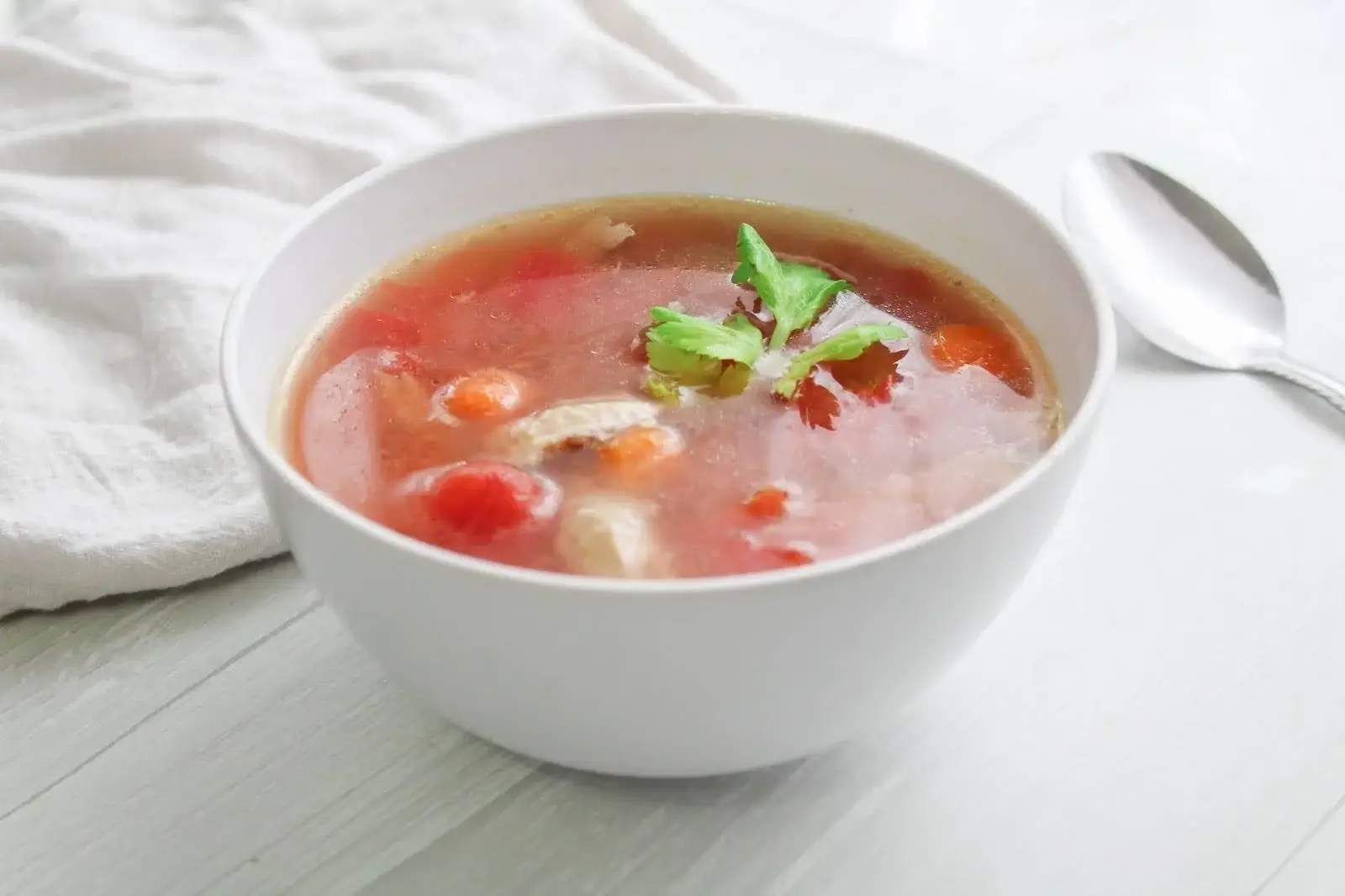
This healthy vegetable ramen noodle soup is Mama Z's quick, nourishing alternative to packaged instant ramen. It combines vegetable broth, organic brown rice and millet ramen, mixed vegetables, leafy greens, toasted sesame oil, and simple seasonings for an easy lunch or dinner in about 20 minutes.
Unlike many instant ramen products, this recipe lets you control the broth, vegetables, sodium, and seasonings while using gluten-free noodles. Keep vegetable broth for a vegan bowl, or use bone broth if your family prefers the extra protein.
Everyone needs a good recipe for those days you're feeling under the weather. My Easy Vegetable Ramen Broth and Noodle Soup is warm, nourishing, and comforting, and it comes together in minutes.
We love this soup when someone isn't feeling their best, but it is just as useful on busy days when everyone is healthy. It is a quick lunch or dinner that keeps us out of the drive-thru and gives me an easy way to use vegetables we already have on hand.
Ready to cook? Jump to the Vegetable Ramen Broth & Noodle Soup Recipe.
Table of Contents

Reasons to Avoid Store-Bought Ramen

Ramen noodles are a popular pantry staple because they are inexpensive and easy to make. The problem is that many instant ramen products give you very little control over the noodles, sodium, oils, and seasonings.
Making ramen at home lets you keep the convenience while building the bowl around better ingredients and plenty of vegetables.
Excess Sodium
The sodium numbers have changed since this article was first published, but the basic point still stands. Maruchan Chicken Flavor Ramen currently lists 760 mg of sodium per half-block serving, or 33% of the FDA Daily Value. The package contains two servings, so eating the entire package provides 1,520 mg of sodium, about 66% of the current 2,300 mg Daily Value. (1, 2)
Your body needs sodium, but packaged ramen can deliver a lot of it in one sitting. When you make your own ramen noodle soup, you control the broth, seasoning, and salt to fit your family's needs.
Wheat-Based Noodles
Many conventional instant ramen noodles are made with wheat, which makes them unsuitable for someone who needs to avoid gluten. Some products also contain soy, milk, or other allergens, so labels matter. (1)
Our ramen noodle soup recipe uses organic brown rice and millet ramen. These grains are naturally gluten-free and have a wonderful texture that holds up well in soup. If you need strict gluten-free preparation, check the package for gluten-free labeling and cross-contact information.
Fewer Whole-Food Ingredients
Packaged ramen is built for convenience, and the ingredient list may include refined noodles, flavoring packets, and only small amounts of dehydrated vegetables.
Our version starts with a flavorful vegetable broth and adds generous amounts of fresh or frozen vegetables and greens. If you make the homemade broth included below, you can also build in ingredients we love such as ginger, turmeric, garlic, mushrooms, parsley, and apple cider vinegar.
That is what I want from a quick bowl of soup: convenience without giving up the whole-food ingredients our family enjoys.
Healthy Ramen Soup Ingredients

This simple recipe uses a combination of savory ingredients to make an easy, vegetable-packed meal. The best part? All of these ingredients are easy to find! Here's what you need to add to your shopping cart.
Organic Vegetable Broth: Vegetable broth gives this soup its savory base. I like to use my homemade veggie broth because I can control every ingredient, but you can use any large box of organic broth you enjoy. You can even use bone broth for extra protein if you're not vegan.
I usually use Pacific Foods vegetable broth because it is one of the store-bought options our family likes when I do not have homemade broth ready.
Organic Brown Rice and Millet Ramen: Thankfully, there is a healthy alternative for just about everything. I love using ramen noodles that are a mix of organic brown rice and millet.
Health food stores often have a wonderful selection of ramen noodles at a great price. I like Lotus Food brand ramen because it's high-quality and tasty! Plus, you can purchase smaller packs to make individual servings.
Organic Liquid Aminos or Gluten-Free Tamari Sauce: Instead of relying on the seasoning packet that comes with conventional instant ramen, we use liquid aminos or gluten-free tamari sauce for that deep, salty, Asian-inspired flavor.
We use these ingredients interchangeably and have found great success with both. Check the exact label if you are avoiding soy or gluten because formulations and ingredients vary by product.
Organic Toasted Sesame Oil: Sesame oil is the secret sauce to amazing ramen soup. It adds a light, nutty flavor that you can't beat!
Sesame oil is rich in monounsaturated and polyunsaturated fats and also contains lignans and antioxidant compounds. Laboratory and animal research has explored anti-inflammatory and antioxidant activity from sesame-oil components, but I use the small amount in this recipe first and foremost because it makes the broth taste fantastic. (3)
Organic Mixed Vegetables: This is the fun part and where you can let your creativity (and resourcefulness) shine! We usually customize our soup to fit whatever our body craves that day.
We find this recipe is a great way to use up leftovers or garden produce! Broccoli, carrots, cauliflower, garlic, green beans, peppers, snow peas, and even squash are great ramen ingredients. Frozen vegetables are a good substitute if you don't have fresh ones.
Pink Himalayan Salt or Sea Salt: We prefer sea salt or pink Himalayan salt for their flavor and the way they fit our cooking style. All culinary salts are primarily sodium chloride, so I do not rely on trace minerals in specialty salts as a major source of nutrition.
Colima sea salt is hand-harvested and tastes great in this soup. You can also use pink Himalayan salt.
Vegetable Ramen Broth & Noodle Soup Recipe
Life gets busy, and there are times when you completely forget to make dinner preparations. Ramen noodle soup to the rescue! You'll have dinner on the table in 30 minutes or less.
The first recipe card is Mama Z's easy ramen soup. The second is the homemade vegetable broth we use when we have time to make it from scratch.

Easy Ramen Soup (Vegan)
Servings
Ingredients
- 4 cups organic vegetable broth OR Homemade Vegetable Broth
- 2 cakes organic millet and brown rice ramen noodles*
- 8 teaspoons organic liquid aminos OR 4 teaspoons gluten-free tamari sauce
- 2 teaspoons organic toasted sesame oil
- 2 cups organic mixed vegetables fresh OR frozen
- 2 large handfuls of organic spinach OR kale fresh OR frozen (optional)
- ½ teaspoon pink Himalayan salt OR sea salt, ground
- ¼ teaspoon organic white pepper ground
- ⅛ teaspoon organic ground cayenne pepper**
Supplies
Instructions
- Add the vegetable broth and ramen noodles to a large pan set over medium-high heat. Bring to a quick boil.
- Immediately lower the heat and add the liquid aminos, sesame oil, mixed vegetables, spinach, sea salt, white pepper, and cayenne pepper. If using frozen vegetables, add those last so they don’t become overcooked.
- Cover and cook for 5-10 minutes or until the ramen cakes are thoroughly cooked.
Homemade Vegetable Broth (Vegan)
Servings
Ingredients
- 3 tablespoons organic tomato paste
- 2 organic medium onions, halved (can leave the skin on)
- 3 organic carrots chopped
- 4 organic celery stalks chopped
- 1 whole organic garlic bulb, halved (can leave the skin on)
- 1 cup organic mushrooms, sliced
- 2 organic bay leaves
- ⅛ cup fresh organic parsley, chopped OR 1 tablespoon dried
- 1 (2-inch) organic ginger root, chopped (can leave peel on)
- ½ tablespoon organic turmeric
- 2 teaspoons organic white pepper, ground
- 10 cups purified OR distilled water
- 2 tablespoons pink Himalayan salt OR sea salt, ground
- 1 tablespoon organic unfiltered apple cider vinegar
- 1 dropperful plain liquid stevia
- 2 drops thyme essential oil
- 2 drops oregano essential oil
Instructions
- Place the tomato paste, chopped onions, carrots, celery, garlic, mushrooms, bay leaves, parsley, ginger, turmeric, and white pepper in a large pot over low heat. Stir to combine.
- Pour water over the vegetable mixture.
- In a small bowl, combine the sea salt, essential oils, apple cider vinegar, and stevia. Mix well and add to the soup pot. For best results, simmer for at least 1 hour and up to 2 hours.
- Scoop the vegetables and herbs out of the broth. If you want a smoother broth, filter it through a fine-mesh strainer.
- Freeze the broth in food-grade containers or store it in freezer bags. You can refrigerate the broth for up to 5 days.
Step One: Bring Broth to a Boil

Add the vegetable broth and ramen cakes to a large pan set over medium-high heat. Bring to a quick boil.
Step Two: Let the Soup Simmer

Turn the heat to low. Add the liquid aminos, sesame oil, mixed vegetables, spinach, sea salt, white pepper, and cayenne. Cover and let cook for 5-10 minutes, or until the ramen cakes are cooked clear through. Enjoy!
This is just one example of how you can use anti-inflammatory ingredients to replace unhealthy ingredients to create healthier recipes. Grab our exclusive guide to learn how to do this for yourself.


- Maruchan. “Chicken Flavor Ramen.” https://www.maruchan.com/products/ramen/chicken-flavor/
- U.S. Food and Drug Administration. “Daily Value on the Nutrition and Supplement Facts Labels.” https://www.fda.gov/food/nutrition-facts-label/daily-value-nutrition-and-supplement-facts-labels
- Selvarajan K, Narasimhulu CA, Bapputty R, Parthasarathy S. “Anti-Inflammatory and Antioxidant Activities of the Nonlipid (Aqueous) Components of Sesame Oil: Potential Use in Atherosclerosis.” Journal of Medicinal Food. 2015;18(4):393-402. https://www.ncbi.nlm.nih.gov/pmc/articles/PMC4390211/