

QUICK SUMMARY
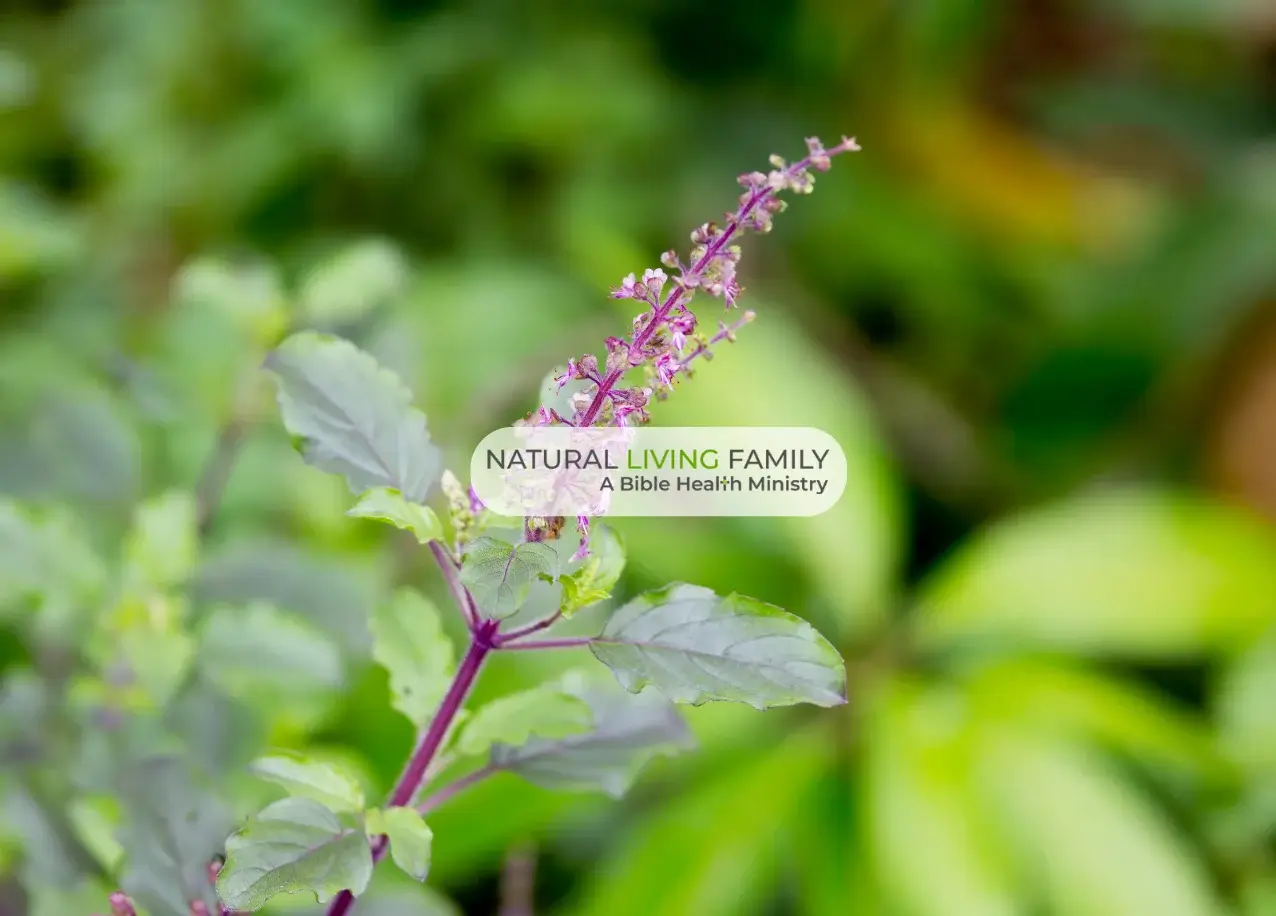
Holy basil benefits reach far beyond its long history in traditional medicine. Also called tulsi or tulasi, holy basil is the aromatic herb Ocimum tenuiflorum, with Ocimum sanctum now treated as a botanical synonym. The strongest modern human evidence is for stress resilience and related sleep outcomes. Additional human research suggests benefits for blood sugar and lipid metabolism, cognition, and selected immune markers, while skin and cancer findings remain more dependent on laboratory and animal research. (1, 2)
A 2022 randomized, double-blind, placebo-controlled trial in 100 stressed adults found that a standardized holy basil extract improved perceived stress and subjective sleep scores and reduced several physiological stress responses, including salivary cortisol after a laboratory stress challenge. A 2018 meta-analysis also found that tulsi lowered fasting glucose and improved selected lipid measures in adults with metabolic disease. (3, 4)
The eight uses covered here are:
- Stress resilience and cortisol regulation
- Sleep and recovery
- Blood sugar balance
- Cholesterol and metabolic health
- Cognition and mental performance
- Immune-system activity
- Skin and acne-related antimicrobial activity
- Preclinical cancer research
Holy basil is not a miracle cure, but it is one of the remarkable medicinal plants God created, and the research gives us good reason to keep paying attention to it.
Holy basil is an aromatic plant, also called tulasi or tulsi, and it has been treasured as a traditional medicinal herb for centuries.
What makes it especially interesting today is that modern researchers are testing many of the uses that were once based almost entirely on traditional experience.
The results are not equally strong for every use. Some benefits now have controlled human trials behind them. Others still come mostly from animal or laboratory studies. That distinction matters because we want to be as bold as the research allows without turning a promising plant into a cure-all.
Holy basil contains a complex mixture of bioactive compounds, including eugenol, rosmarinic acid, ursolic acid, carvacrol, beta-caryophyllene, flavonoids, and other phenolic compounds. The exact chemistry varies with cultivar, growing conditions, plant part, harvest timing, processing, and preparation.
Table of Contents

The History of Holy Basil Benefits
Known today by the accepted botanical name Ocimum tenuiflorum, holy basil is also widely identified in older research as Ocimum sanctum. Royal Botanic Gardens, Kew lists O. sanctum as a synonym of O. tenuiflorum. (1)
That name update matters because older scientific papers, supplement labels, and books often use Ocimum sanctum, while newer botanical references may use Ocimum tenuiflorum. They are referring to the same species.
Holy basil is native to tropical and subtropical Asia and parts of the western Pacific and has long been cultivated for food, medicine, and cultural use. It is closely related to culinary sweet basil but is not the same plant.
The original article noted holy basil's deep place in Hindu religious history, including references in ancient Indian texts and traditions surrounding tulsi as a sacred plant.
We can acknowledge that history without adopting its spiritual framework.
As Christians, our gratitude is directed to the Creator, not to the plant or the spiritual traditions surrounding it. What interests us is the remarkable way God designed this herb and the growing body of research examining how its compounds interact with human physiology.
Traditional medicine has used tulsi for stress, respiratory complaints, digestion, fever, skin concerns, metabolic problems, and general resilience. Modern studies have investigated many of those same areas, with some benefits now supported by human clinical trials. (2)
What Is an Adaptogen?
Holy basil is often called an adaptogen.
That word is used for plants thought to help the body respond more appropriately to physical, emotional, metabolic, or environmental stress.
“Adaptogen” does not mean a plant magically normalizes every hormone or fixes every stress-related disease.
For holy basil, the term is particularly interesting because controlled human research has measured both subjective stress and objective stress markers, including cortisol, salivary alpha-amylase, blood pressure, and sleep-related outcomes. (3)
8 Ways Holy Basil Benefits Your Body
Even though tulsi has been used in traditional medicine for thousands of years, not every claimed benefit has the same quality of evidence.
Here are eight of the most important uses, starting with the strongest modern human research.
1. Stress Resilience and Cortisol Regulation
If holy basil has one modern claim that deserves special attention, it is stress resilience.
A 2022 randomized, double-blind, placebo-controlled trial enrolled 100 adults ages 18 to 65 who had been experiencing stress and sleep problems. Participants received either 125 mg of a standardized Ocimum tenuiflorum extract twice daily, for a total of 250 mg per day, or placebo for eight weeks. (3)
Compared with placebo, the holy basil group had:
- Greater improvement in Perceived Stress Scale scores
- Better subjective insomnia scores
- Lower hair cortisol concentrations at week eight
- Lower salivary cortisol after an acute laboratory stress challenge
- Lower salivary alpha-amylase
- Lower systolic and diastolic blood-pressure responses during the stress test
- Lower subjective stress ratings
The Perceived Stress Scale dropped by about 37% in the holy basil group compared with about 19% in the placebo group. (3)
This is a much stronger way to discuss cortisol than the old idea that cortisol itself is “Public Enemy #1.”
Cortisol is not the enemy. It is a necessary hormone that helps regulate energy, blood pressure, immune activity, wakefulness, and your response to danger.
The problem is not that cortisol exists. Problems can arise when stress signaling becomes chronic, excessive, or poorly timed.
Holy basil appears to help buffer that response in some people. Stress can also amplify the way we experience discomfort, which is one reason our broader natural pain-relief resources include nervous-system care.
Earlier controlled research also found that a standardized holy basil extract reduced several general stress symptoms, including forgetfulness, exhaustion, sleep problems, and sexual difficulties. (5)
Practical use: Holy basil tea can become part of an evening or afternoon stress ritual. Standardized extracts have stronger dosing research than tea, but tea offers the added benefit of slowing down, breathing, and replacing another stimulating beverage.
For broader stress relief strategies, see our natural stress and essential-oil resources.
2. Sleep and Recovery
Stress and sleep often feed each other.
You sleep poorly, so your stress tolerance drops.
Then you feel more stressed, so it becomes harder to sleep.
The 2022 randomized holy basil trial found greater improvement in subjective insomnia scores after eight weeks compared with placebo. The study also used a Fitbit sleep tracker. Some tracker-measured sleep variables changed during the study, but between-group differences in total sleep time and sleep efficiency were not statistically significant. (3)
That means the sleep findings are promising, but not perfect.
The researchers concluded that future studies using more rigorous objective sleep measurements, such as polysomnography or validated actigraphy, are needed.
Still, when stress and poor sleep occur together, holy basil makes practical sense because it may influence the stress response that keeps the body stuck in high alert.
Practical use: Try caffeine-free holy basil tea one to two hours before bed as part of a larger sleep routine that includes dimmer light, fewer screens, prayer, and a consistent bedtime.
Do not expect a cup of tea to undo chronic sleep deprivation. The herb works best when it complements the habits your body already needs.
3. Blood Sugar Balance
Holy basil's ability to influence blood sugar has been studied in humans since the 1990s.
A randomized, placebo-controlled crossover trial in people with non-insulin-dependent diabetes found that holy basil leaves significantly lowered both fasting and post-meal blood glucose. During the holy basil treatment period, fasting glucose fell by about 21 mg/dL and postprandial glucose by about 15.8 mg/dL. (6)
That older trial remains relevant because it involved people with diabetes rather than only animal models.
The original article also discussed several rat studies that found lower glucose after holy basil administration. Those experiments remain useful for studying possible mechanisms, but we no longer need to lean as heavily on them because human evidence exists.
A 2018 meta-analysis of randomized clinical trials found that tulsi significantly reduced fasting glucose in adults with metabolic disease, although the studies varied substantially. (4)
That does not make holy basil a substitute for a complete diabetes plan.
It does make it one of the more interesting herbs for metabolic health.
See our related teaching on natural blood-sugar support.
Practical use: If you use a concentrated holy basil supplement while taking insulin or glucose-lowering medication, coordinate with your healthcare provider and monitor carefully. The same glucose-lowering effect that makes the herb interesting may add to the effect of medication.
4. Cholesterol and Metabolic Health
Blood sugar is only one part of the metabolic picture.
The 2018 meta-analysis also found reductions in total, LDL, and VLDL cholesterol in certain subgroups of older adults with metabolic disease. The overall lipid findings were not equally strong for every measurement or population. (4)
A 2017 systematic review of human tulsi research identified 24 independent clinical studies involving metabolic disorders, cardiovascular risk factors, immunity, and neurocognitive outcomes. Most studies were small or short, and only a minority were rated as high quality, but the review found no major safety signals in the published trials. (2)
This is where the “adaptogen” idea becomes more interesting.
Holy basil may not work through one isolated pathway. Research suggests possible effects involving stress signaling, glucose regulation, lipid metabolism, oxidative balance, and inflammatory pathways.
That does not mean one herb fixes metabolic syndrome.
It means holy basil may fit well into a lifestyle that also includes movement, sleep, stress reduction, real food, reduced refined sugar, and appropriate medical monitoring.
5. Cognition, Focus, and Mental Performance
Holy basil has also been studied for cognition.
A small double-blind, randomized, placebo-controlled study involving 40 healthy adults evaluated 300 mg per day of an ethanolic holy basil leaf extract for 30 days. Researchers reported improvements compared with placebo in several measurements of reaction time, attention, and error rates on cognitive testing. (7)
The study was small and short, so this is not evidence that holy basil prevents dementia or reverses cognitive decline.
It is evidence that tulsi's effects may extend beyond simply “feeling less stressed.”
That matters because chronic stress itself can interfere with concentration, working memory, decision-making, and mental stamina.
A 2025 review of Ocimum species and neuroprotection highlights possible effects involving oxidative stress, neuroinflammation, neurotransmitter pathways, and cognition, while emphasizing that much of the mechanistic evidence remains preclinical. (8)
Practical use: Consider holy basil earlier in the day when stress makes you mentally scattered but you do not want another caffeinated beverage.
6. Immune-System Activity
Holy basil has long been used as a seasonal herb, and a small human trial gives that tradition some clinical support.
A double-blind randomized crossover trial enrolled 24 healthy volunteers, with 22 completing the study. Participants took 300 mg per day of holy basil leaf extract for four weeks. Researchers observed increases in several measured immune markers, including T-helper cells, natural killer cells, interferon-gamma, and interleukin-4 compared with placebo. (9)
That is meaningful human evidence, but it came from a small, short study.
It does not mean holy basil prevents every infection, “boosts” the immune system without limit, or should replace treatment when someone is seriously ill.
Immune health is more about appropriate regulation than simply pushing the immune system harder.
This fits with our broader teaching on how to support immune function naturally through sleep, food, stress care, movement, and reduced toxic exposure.
Practical use: Use holy basil as a food or tea during seasons when your body needs extra resilience, rather than treating it as a replacement for sleep, hydration, nutrition, or appropriate care.
7. Skin and Acne-Related Antimicrobial Activity
The original article highlighted holy basil for acne, and the research is real, but the evidence type needs to be stated clearly.
A 2006 laboratory study compared essential oils from sweet basil, holy basil, and hoary basil against Propionibacterium acnes, now called Cutibacterium acnes. Holy basil essential oil inhibited the bacteria in vitro. (10)
This does not prove that putting undiluted holy basil essential oil on acne will clear the skin.
In fact, concentrated essential oils can irritate already inflamed skin.
The study is better understood as evidence that holy basil contains compounds worth investigating for properly formulated antimicrobial skin products.
The article originally suggested using unrefined virgin coconut oil as a carrier oil. Coconut oil can work well for many body-care applications, but it can feel heavy on acne-prone facial skin for some people.
Carrier oils do more than simply dilute essential oils. They disperse the essential oil over the skin, reduce evaporation, improve topical safety, support penetration, and can amplify the therapeutic value of a blend through their own beneficial fatty acids and plant compounds.
If you use holy basil essential oil topically, dilute conservatively and patch test first.
Practical use: For a small body-area spot application, begin with a very low total essential-oil concentration in a well-tolerated carrier. Avoid the eyes, mucous membranes, broken skin, and widespread facial application until you know how your skin responds.
For more ideas, see our guide to essential oils for acne.
8. Preclinical Cancer Research
The cancer section of the original article made some of its strongest claims, so this is where evidence matching matters most.
A 2013 review in Nutrition and Cancer examined holy basil and its phytochemicals across numerous preclinical cancer models. Researchers discussed antioxidant activity, inflammatory signaling, effects on carcinogen metabolism, apoptosis, angiogenesis, metastasis, radiation-related effects, and gene expression. (11)
That research is genuinely interesting.
But most of it is laboratory or animal research.
For example, the original article cited animal work in which holy basil leaf extract affected carcinogen-induced genotoxicity, oxidative stress, and xenobiotic-metabolizing enzymes. Other experiments have studied radiation-related DNA damage and the effects of holy basil compounds on cancer-cell lines. (12)
These findings can help identify:
- Potential chemopreventive compounds
- Possible anticancer mechanisms
- Future drug-development targets
- Ways plant compounds might protect normal tissues in experimental models
They do not establish that eating holy basil prevents cancer or that tulsi cures cancer in humans.
A 2024 review of holy basil research continues to describe substantial antibacterial, antidiabetic, anti-inflammatory, and anticancer activity across experimental research, while the clinical evidence for cancer treatment remains lacking. (13)
That means the right conclusion is not, “Holy basil kills cancer, so everyone should take it.”
The right conclusion is: holy basil contains biologically active compounds with meaningful anticancer and chemoprotective effects in preclinical research, and this deserves further human study.
For anyone undergoing cancer treatment, concentrated herbal extracts should be discussed with the oncology team because supplements can affect blood sugar, clotting, drug metabolism, or treatment tolerance.
How to Use Holy Basil
One reason holy basil is so practical is that it can be used as food, tea, a concentrated botanical extract, or an essential oil.
Those preparations are not interchangeable.
Fresh Leaves
Fresh holy basil leaves can be used in food, herbal infusions, and savory dishes.
This is one of the gentlest ways to use the plant because you are consuming it as a whole herb rather than taking a standardized extract.
Fresh-leaf use should not be assumed to produce the same dose or outcome as a clinical trial using a concentrated extract.
Holy Basil Tea
Tea is one of my favorite ways to use tulsi because the ritual itself supports what many people are trying to accomplish with the herb.
Steep the dried leaf according to the supplier's directions, usually for several minutes in hot water.
Drink it plain or pair it with ginger, cinnamon, lemon, or another tolerated herb.
Most pure holy basil tea is naturally caffeine-free unless it is blended with a caffeinated tea.
Powder and Capsules
Human trials have used different preparations and amounts, including:
- Leaf powder
- Ethanolic leaf extract
- Hydroalcoholic standardized extract
- Capsules containing a few hundred milligrams to more than a gram daily, depending on the preparation and study
That variation is exactly why there is no universal “holy basil dose” that can be applied to every product.
The 2022 stress trial used 250 mg per day of one specific standardized extract for eight weeks. Other studies have used 300 mg, 1,000 mg, 1,200 mg, or still other preparations. Those numbers are not interchangeable because extracts differ in concentration and chemistry. (2, 3)
If you choose a holy basil supplement, look for a company that identifies the species, plant part, extract type, and testing standards, and follow the product-specific directions.
Holy Basil Essential Oil
Holy basil essential oil is much more concentrated than tea, fresh leaves, powders, or herbal extracts.
Its chemistry can also vary considerably according to plant variety and growing conditions.
Use it as an essential oil, not as though it were a liquid version of holy basil tea.
For inhalation, start with 1 drop as part of a diffuser blend and use intermittently in a well-ventilated room.
For topical application, dilute conservatively in a carrier oil and patch test.
Do not take a milligram dose from an oral leaf-extract study and try to translate it into drops of essential oil. They are completely different preparations.
This article does not provide a medicinal internal-use protocol for holy basil essential oil. Internal use requires an oil-specific formula with the exact product, amount, carrier, timing, frequency, duration, and stopping rule.
Can I ingest essential oils?
Do not casually ingest essential oils in water or neat (undiluted). Internal use of essential oils requires proper dilution, product quality, dosing knowledge, and safety guidance. Learn more about how to ingest essential oils here.
Holy Basil Safety and Interactions
The 2017 systematic review found no significant adverse events across the human tulsi trials it reviewed, and the 2022 stress trial also found the standardized extract generally well tolerated. (2, 3)
That is reassuring, but it does not mean holy basil is automatically appropriate for everyone.
Blood Sugar Medications
Holy basil may lower blood glucose.
If you take insulin or glucose-lowering medication, adding a concentrated holy basil supplement may increase the glucose-lowering effect.
Monitor according to your existing care plan and do not adjust prescribed medication on your own.
Pregnancy and Breastfeeding
Human safety data during pregnancy and breastfeeding remain inadequate.
Older reviews describe animal reproductive findings at relatively high exposures, including effects on implantation, litter size, or fertility in some experimental models. These animal findings do not prove the same effect occurs in people, but they are enough reason to be cautious with concentrated medicinal supplementation during pregnancy or when trying to conceive. (14)
Food-level culinary use is a different exposure from concentrated extracts.
Fertility
Animal research has reported changes in sperm count and reproductive hormones after substantial holy basil exposure. (15)
That finding has not been established as a human fertility effect, but men actively trying to conceive may want to avoid high-dose concentrated supplementation until better human data are available.
Bleeding and Surgery
Eugenol is one of the compounds that can occur in holy basil.
Experimental research using isolated eugenol and human platelets has found inhibition of several platelet-activation pathways. Animal thrombosis models have also demonstrated antiplatelet effects. (16)
This was not a clinical trial showing that ordinary holy basil tea causes bleeding, and evidence for isolated eugenol should not be treated as proof of the same effect from every tulsi product.
Still, if you take anticoagulant or antiplatelet medication, have a bleeding disorder, or are preparing for surgery, discuss concentrated medicinal holy basil products with your healthcare team.
Skin Sensitivity
Holy basil essential oil can irritate sensitive skin.
Always dilute it before topical application and stop if you develop burning, itching, redness, swelling, or worsening dermatitis.
Holy Basil Benefits FAQs
What are the main benefits of holy basil?
The strongest modern human evidence supports holy basil for stress resilience and related subjective sleep outcomes. Human research also suggests possible benefits for blood sugar, selected lipid measures, cognitive performance, and immune markers. Skin antimicrobial and cancer-related effects rely more heavily on laboratory and animal research.
Is holy basil the same as tulsi?
Yes. Holy basil, tulsi, and tulasi are common names for Ocimum tenuiflorum. Older research often calls the same plant Ocimum sanctum. Kew lists O. sanctum as a synonym. (1)
Is holy basil the same as regular basil?
No. Holy basil is Ocimum tenuiflorum. Common culinary sweet basil is usually Ocimum basilicum. They are related but have different chemistry, flavor, traditional uses, and research.
Does holy basil lower cortisol?
A 2022 randomized controlled trial found lower hair cortisol at week eight and a lower salivary cortisol response during an acute laboratory stress challenge in adults taking a standardized holy basil extract. That is meaningful human evidence, but it does not mean every tea or supplement produces the same result. (3)
Does holy basil help with stress?
This is one of its better-supported uses. Controlled human trials have found improvements in perceived stress and several stress-related symptoms with standardized holy basil extracts. (3, 5)
Can holy basil help you sleep?
It may help when poor sleep is connected with stress. In the 2022 trial, subjective insomnia scores improved more with holy basil than placebo, although the objective wrist-tracker results were less convincing. More rigorous sleep studies are needed. (3)
Can holy basil lower blood sugar?
Human trials and a meta-analysis suggest holy basil can reduce fasting glucose in people with metabolic disease. If you take insulin or blood-sugar-lowering medication, account for the possibility of an additive glucose-lowering effect. (4, 6)
Can holy basil lower cholesterol?
A meta-analysis found reductions in selected cholesterol measures, particularly among some older adults with metabolic disease. Results vary by preparation, dose, study duration, and population. (4)
Does holy basil boost immunity?
A small randomized crossover trial found increases in several measured immune markers after four weeks of holy basil extract. It is more accurate to say holy basil may influence immune regulation than to claim it simply “boosts” immunity. (9)
Is holy basil good for acne?
Holy basil essential oil inhibited Cutibacterium acnes in a laboratory study. That is promising antimicrobial evidence, but it is not a human acne-treatment trial. Use diluted topical preparations carefully because concentrated essential oil can irritate inflamed skin. (10)
Does holy basil cure cancer?
No human clinical trial has established holy basil as a cancer cure. Laboratory and animal studies show promising effects involving apoptosis, oxidative stress, angiogenesis, metastasis, DNA protection, and other cancer-related pathways. Those findings justify further research but should not replace oncology care. (11, 13)
Can I drink holy basil tea every day?
Many adults use tulsi tea regularly as a food-level herbal beverage. Concentrated extracts are a different exposure. If you take blood-sugar medication or anticoagulant medication, are pregnant, are trying to conceive, or have a complex medical condition, frequent medicinal use deserves individualized guidance.
What is the best time to take holy basil?
It depends on your goal. Tea may fit well in the afternoon or evening when stress and sleep are the priority. Some people prefer capsules with meals. Follow the specific product instructions because concentrated extracts vary considerably.
At the end of the day, holy basil is a beautiful reminder that traditional wisdom and modern research do not have to be enemies.
Some of tulsi's longest-standing uses now have controlled human evidence behind them. Others remain promising but preliminary.
That is exactly how natural health should work. Appreciate what God has created. Learn from the generations who used these plants before us. Then test the claims carefully, respect the preparation and dose, and use the strongest language the evidence actually supports.
Holy basil can be one more God-given tool in your pursuit of the abundant life, especially when it is surrounded by the foundations that matter most: nourishing food, movement, restorative sleep, healthy relationships, prayer, stress stewardship, and wise health care.


References
- Royal Botanic Gardens, Kew. “Ocimum tenuiflorum L.” Plants of the World Online. Accessed 2026. Source.
- Jamshidi N, Cohen MM. “The Clinical Efficacy and Safety of Tulsi in Humans: A Systematic Review of the Literature.” Evidence-Based Complementary and Alternative Medicine. 2017;2017:9217567. doi:10.1155/2017/9217567.
- Lopresti AL, Smith SJ, Metse AP, Drummond PD. “A Randomized, Double-Blind, Placebo-Controlled Trial Investigating the Effects of an Ocimum tenuiflorum Extract on Stress, Mood, and Sleep in Adults Experiencing Stress.” Frontiers in Nutrition. 2022;9:965130. doi:10.3389/fnut.2022.965130.
- Jamshidi N, Da Costa C, Cohen M. “Holybasil (Tulsi) Lowers Fasting Glucose and Improves Lipid Profile in Adults With Metabolic Disease: A Meta-Analysis of Randomized Clinical Trials.” Journal of Functional Foods. 2018;45:47-57. doi:10.1016/j.jff.2018.03.030.
- Saxena RC, Singh R, Kumar P, et al. “Efficacy of an Extract of Ocimum tenuiflorum in the Management of General Stress: A Double-Blind, Placebo-Controlled Study.” Evidence-Based Complementary and Alternative Medicine. 2012;2012:894509. Source.
- Agrawal P, Rai V, Singh RB. “Randomized Placebo-Controlled, Single-Blind Trial of Holy Basil Leaves in Patients With Noninsulin-Dependent Diabetes Mellitus.” International Journal of Clinical Pharmacology and Therapeutics. 1996;34(9):406-409. PubMed.
- Sampath S, Mahapatra SC, Padhi MM, Sharma R, Talwar A. “Holy Basil (Ocimum sanctum Linn.) Leaf Extract Enhances Specific Cognitive Parameters in Healthy Adult Volunteers: A Placebo Controlled Study.” Indian Journal of Physiology and Pharmacology. 2015;59(1):69-77. PubMed.
- Vasincu A, et al. “The Neuroprotective Potential of Ocimum Plant Species: Current Evidence and Future Directions.” Nutrients. 2025;17(17):2877. Source.
- Mondal S, Varma S, Bamola VD, et al. “Double-Blinded Randomized Controlled Trial for Immunomodulatory Effects of Tulsi (Ocimum sanctum Linn.) Leaf Extract on Healthy Volunteers.” Journal of Ethnopharmacology. 2011;136(3):452-456. doi:10.1016/j.jep.2011.05.012.
- Viyoch J, Pisutthanan N, Faikreua A, Nupangta K, Wangtorpol K, Ngokkuen J. “Evaluation of In Vitro Antimicrobial Activity of Thai Basil Oils and Their Micro-Emulsion Formulas Against Propionibacterium acnes.” International Journal of Cosmetic Science. 2006;28(2):125-133. doi:10.1111/j.1467-2494.2006.00308.x.
- Baliga MS, Jimmy R, Thilakchand KR, et al. “Ocimum sanctum L. (Holy Basil or Tulsi) and Its Phytochemicals in the Prevention and Treatment of Cancer.” Nutrition and Cancer. 2013;65(Suppl 1):26-35. PubMed.
- Manikandan P, Vidjaya Letchoumy P, Prathiba D, Nagini S. “Ocimum sanctum Ethanolic Leaf Extract Protects Against DMBA-Induced Genotoxicity, Oxidative Stress, and Imbalance in Xenobiotic-Metabolizing Enzymes.” Journal of Medicinal Food. 2007;10(3):495-502.
- Arya R, Faruquee HM, Shakya H, et al. “Harnessing the Antibacterial, Anti-Diabetic and Anti-Carcinogenic Properties of Ocimum sanctum Linn (Tulsi).” Plants. 2024;13(24):3516. doi:10.3390/plants13243516.
- Pattanayak P, Behera P, Das D, Panda SK. “Ocimum sanctum Linn. A Reservoir Plant for Therapeutic Applications: An Overview.” Pharmacognosy Reviews. 2010;4(7):95-105. Source.
- Sethi J, Yadav M, Sood S, Dahiya K, Singh V. “Effect of Tulsi (Ocimum sanctum Linn.) on Sperm Count and Reproductive Hormones in Male Albino Rabbits.” International Journal of Ayurveda Research. 2010;1(4):208-210. Source.
- Chang Y, Hsia CW, Chiou KR, et al. “Eugenol: A Potential Modulator of Human Platelet Activation and Mouse Mesenteric Vascular Thrombosis via an Innovative cPLA2-NF-kB Signaling Axis.” Biomedicines. 2024;12(8):1689. doi:10.3390/biomedicines12081689.