QUICK SUMMARY
Gluten-free black bean brownies are a rich, fudgy alternative to conventional brownies. Black beans add fiber, plant protein, folate, magnesium, potassium, and cancer-fighting phytochemicals without giving the finished dessert a strong bean flavor.
Research connects higher legume intake with better blood-sugar control, greater fullness, improved gut health, and a potentially lower risk of colorectal cancer and advanced colorectal adenomas. These benefits do not make brownies an unlimited food, but they do make black beans a smart whole-food addition to a healthier dessert.
For the best texture, drain and rinse the beans thoroughly, use full-fat coconut milk, avoid overbaking, and let the brownies cool before cutting. Blend the batter when you want a completely smooth texture, or gently fold in the beans when you prefer visible chocolate-like chunks.
You can customize these brownies with walnuts, pecans, unsweetened coconut, dark chocolate, peppermint essential oil, or orange essential oil. Only use essential oils labeled for culinary use, keep the amount very small, and disperse them throughout the fat-containing batter.
My Gluten-Free Chocolate Black Bean Brownies are a decadent treat with a surprising whole-food ingredient.
When the beans are folded into the batter, they develop a soft, chocolate-chunk appearance as the brownies bake. Blend the batter instead, and no one will ever know black beans are hiding beneath all that rich cacao flavor.
These brownies are gluten-free and dairy-free, and they contain more fiber and plant-based nutrition than a traditional brownie made with refined white flour and sugar alone.
Are they still dessert? Absolutely.
But here’s the thing: healthy living does not mean your family can never enjoy a brownie. It means learning how to transform familiar favorites with more nourishing ingredients while keeping the flavor and texture everyone loves.
Table of Contents

Why Put Black Beans in Brownies?

Black beans may sound like an unusual brownie ingredient, but they work surprisingly well.
Their mild flavor disappears behind cacao, vanilla, coconut sugar, and your favorite additions. At the same time, the beans add:
- Moisture
- Structure
- Fiber
- Plant protein
- A naturally fudgy texture
You can prepare the brownies in two different ways.
Folded Black Bean Brownies
When you gently fold whole beans into the batter, some remain visible after baking. They can look like soft chocolate chunks, especially when coated in dark cacao batter.
This method gives the brownies more texture and preserves larger pieces of bean.
Blended Black Bean Brownies
For a smooth, traditional brownie texture, blend the wet ingredients and beans before adding the dry ingredients.
This method is best for:
- Children who are suspicious of visible beans
- Guests who expect a conventional brownie texture
- Anyone who prefers a dense, uniform crumb
A high-powered blender or food processor can make the beans virtually undetectable.
Do Black Bean Brownies Taste Like Beans?
Properly prepared black bean brownies should not taste strongly of beans.
The keys are to:
- Drain the beans completely.
- Rinse them under cool water until the water runs clear.
- Use enough cacao powder.
- Add vanilla and a balanced amount of sweetener.
- Blend thoroughly when you want a completely smooth batter.
Warm brownies may have a slightly more noticeable bean aroma. After cooling and chilling, the chocolate flavor becomes richer and the texture becomes fudgier.
Health Benefits of Black Beans
Black beans are members of the common bean family, Phaseolus vulgaris. They are legumes, also known as pulses when harvested and dried for food.
A simple serving of black beans provides:
- Fiber
- Plant protein
- Folate
- Magnesium
- Potassium
- Iron
- Zinc
- Polyphenols
- Resistant starch
These nutrients help explain why diets rich in beans are associated with better metabolic, digestive, and cardiovascular health.
1. Cancer-Fighting Potential
Beans contain multiple compounds studied for cancer-preventive and cancer-fighting activity, including:
- Dietary fiber
- Resistant starch
- Phenolic compounds
- Flavonoids
- Phytic acid
- Phytosterols
- Saponins
- Bioactive peptides
In cell and animal research, compounds and nondigestible fractions from common beans have:
- Reduced colon-tumor development
- Slowed cancer-cell growth
- Influenced detoxification pathways
- Triggered cell-cycle arrest
- Promoted apoptosis, or programmed cancer cell death
Human evidence focuses more on dietary patterns and cancer risk than on black beans as an isolated treatment.
A meta-analysis found that higher legume consumption was associated with a modestly lower risk of colorectal cancer. Another analysis found an inverse association between legume intake and colorectal adenomas, which are growths that can sometimes develop into cancer. (1, 2)
In the Polyp Prevention Trial, people who consumed more dry beans had a lower recurrence of advanced colorectal adenomas. This does not prove beans alone prevented cancer, but it adds meaningful human evidence to the laboratory and animal findings. (3)
A more recent meta-analysis also reported that increasing legume intake was associated with a lower colorectal-cancer risk. (4)
Put simply, black beans deserve their cancer-fighting reputation as part of a fiber-rich, plant-forward diet. A brownie is not a cancer-treatment protocol, but replacing refined ingredients with beans can help move a dessert in a more protective direction.
2. Supports a Healthy Gut
Much of the carbohydrate in beans is not rapidly absorbed in the small intestine.
Fiber and resistant starch travel to the colon, where gut bacteria ferment them and produce short-chain fatty acids such as butyrate.
Butyrate helps:
- Nourish cells lining the colon
- Support the intestinal barrier
- Regulate inflammation
- Influence immune function
- Maintain a healthy environment in the colon
Laboratory research suggests that common beans can encourage beneficial bacteria and increase short-chain fatty-acid production. Human trials involving dry beans have also demonstrated changes in gut microbial activity and metabolites connected with colon health. (5, 6)
This is important because health begins in the gut. The foods we eat do more than feed us; they feed the trillions of organisms living within the digestive tract.
3. Helps Balance the Blood-Sugar Response
Black beans contain carbohydrates, but they also provide fiber, protein, resistant starch, and a sturdy cellular structure that slows digestion.
Human trials have found that adding black beans to a meal can reduce the rise in blood glucose compared with eating a higher-glycemic carbohydrate alone. (7, 8)
Black beans do not make a coconut-sugar-sweetened brownie blood-sugar free. The finished dessert still contains carbohydrates and should be portioned according to individual needs.
They do, however, add fiber and protein that a conventional refined-flour brownie may lack.
4. Promotes Fullness
Beans can help people feel satisfied after eating because they combine:
- Fiber
- Plant protein
- Slowly digested carbohydrate
- Resistant starch
In human feeding studies, meals containing whole black beans produced favorable effects on fullness, digestive hormones, insulin, and blood-sugar response. (9)
A randomized crossover trial also found that a low-glycemic bean snack increased feelings of fullness, although it did not significantly reduce total calorie intake during the study period. (10)
That distinction matters. Feeling fuller may support wise eating, but no single food guarantees weight loss.
5. Supports Healthy Weight Management
Pulses such as beans, lentils, chickpeas, and dry peas can support weight-management efforts because they are filling and nutrient-dense.
A systematic review and meta-analysis of randomized trials found that diets containing pulses produced modest weight loss even when participants were not intentionally restricting calories. (11)
Black bean brownies should not be marketed as a weight-loss food. They are still a treat.
The practical benefit is that a fiber-containing dessert may be more satisfying than one made almost entirely from refined flour, sugar, and oil.
6. Provides Bone-Supporting Nutrients
Black beans contain several nutrients involved in maintaining healthy bones:
- Magnesium
- Phosphorus
- Zinc
- Protein
- Potassium
Magnesium contributes to normal bone structure and helps regulate vitamin D and calcium metabolism. Protein provides amino acids needed for the collagen framework of bone.
Research suggests that adequate dietary protein supports bone health, particularly when calcium intake and overall nutrition are sufficient. (12)
Black beans are not a complete osteoporosis-prevention strategy, but they can contribute valuable nutrients to a balanced diet. Learn more about the signs and consequences of magnesium deficiency.
7. Supports Heart Health
Beans contain soluble fiber, potassium, magnesium, and plant protein.
Clinical research suggests that pulse consumption can help improve:
- LDL cholesterol
- Blood-pressure patterns
- Blood-sugar control
- Overall dietary quality
Replacing some refined carbohydrates or processed meats with beans can be especially helpful within a broader heart-healthy eating pattern.
Healthy Brownie Ingredients

These black bean brownies use simple ingredients that are easy to find. You may already have most of them in your pantry.
Cooking Spray
Cooking spray prevents the brownies from sticking to the pan.
Choose a simple non-propellant spray made from:
- Avocado oil
- Extra-virgin olive oil
- Coconut oil
We use unrefined coconut oil, avocado oil, or olive oil cooking spray.
Reality check: canola oil should not be condemned simply because much of the crop is genetically engineered. Genetic modification does not automatically remove omega-3 fatty acids from the finished oil.
Our family still prefers minimally processed oils such as extra-virgin olive oil, avocado oil, and unrefined coconut oil because they fit our culinary priorities and natural-living approach.
Pasture-Raised Organic Eggs
Eggs bind the batter and create structure without making the brownies dry.
They also provide:
- Complete protein
- Choline
- Vitamin B12
- Selenium
- Fat-soluble nutrients
When available, we choose pasture-raised organic eggs because they reflect our priorities for animal stewardship and food quality.
Organic Unsweetened Full-Fat Coconut Milk
These brownies are dairy-free, but they still need enough moisture and fat to create a rich texture.
Full-fat coconut milk helps make them:
- Moist
- Dense
- Creamy
- Fudgy
Shake or stir the coconut milk before measuring because the cream and liquid may separate in the can.
Extra-Virgin Unrefined Coconut Oil
Unrefined coconut oil contributes moisture, richness, and structure.
Coconut oil contains a mixture of fatty acids, including lauric acid and some medium-chain fatty acids. It should not be described as a metabolic miracle, but it can be a useful dairy-free baking fat.
Coconut oil is high in saturated fat, so we enjoy it as one part of a varied diet rather than assuming unlimited amounts are beneficial.
Liquid Stevia
Liquid stevia adds sweetness without adding sugar or calories.
It works especially well when combined with a modest amount of coconut sugar because:
- Stevia increases sweetness.
- Coconut sugar contributes bulk.
- The combination can reduce the amount of added sugar.
We enjoy vanilla-flavored liquid stevia because it complements the cacao and vanilla.
Stevia can become bitter when overused, so start with the recipe amount and adjust carefully.
Organic Black Beans
Black beans are the secret ingredient that gives these brownies extra fiber and a dense texture.
For canned beans:
- Drain them thoroughly.
- Rinse under cool running water.
- Continue rinsing until the water runs clear.
- Shake off as much excess water as possible.
Choose a can with a BPA-free lining when possible, or cook dry black beans in advance.
Gluten-Free Flour
A reliable gluten-free flour blend gives the brownies enough structure to hold together.
For the most traditional texture, use a one-to-one gluten-free baking blend.
Different blends absorb liquid differently, so you may need to adjust the coconut milk.
Can I Use Almond Flour?
Almond flour can work as a grain-free option, but it behaves differently from a gluten-free cup-for-cup blend.
Almond flour:
- Contains more fat
- Absorbs less liquid
- Creates a softer crumb
- May require additional baking time
Use the almond-flour recipe card provided below rather than assuming a direct one-to-one substitution will always work.
Organic Raw Cacao Powder
Cacao powder gives these brownies their deep chocolate flavor.
Cacao contains:
- Magnesium
- Iron
- Flavanols
- Theobromine
- Small amounts of caffeine
Human research suggests that cocoa flavanols may support vascular health and may influence mood and cognition. In one randomized trial, higher-dose cocoa polyphenols improved self-reported calmness and contentment in healthy adults. (13)
Another randomized trial found that eating high-cacao dark chocolate improved mood alongside changes in the gut microbiome. (14)
This does not mean cacao treats clinical depression, but it gives us another reason to appreciate the remarkable chemistry behind real chocolate.
Cacao Powder vs. Cocoa Powder
The terms are not always used consistently.
Products sold as raw cacao are generally processed at lower temperatures, while conventional cocoa powder is usually roasted and may be alkalized.
Both can contain beneficial compounds. Natural cocoa powder can usually replace cacao powder in this recipe, but Dutch-processed cocoa:
- Has a darker color
- Has a smoother flavor
- May contain fewer flavanols
- Can behave differently in recipes that depend on acidity
Because these brownies do not rely heavily on baking soda, either cacao or unsweetened cocoa can work.
Organic Coconut Sugar
Coconut sugar has a caramel-like flavor that resembles brown sugar.
It may contain trace minerals and can produce a somewhat lower glycemic response than ordinary table sugar in some circumstances. It is still an added sugar and should be treated as such.
Using coconut sugar does not make brownies sugar-free.
For a lower-sugar version, reduce the coconut sugar gradually and increase liquid stevia to taste. Removing all granulated sweetener may change:
- Texture
- Moisture
- Browning
- Structure
Pink Himalayan Salt or Sea Salt
A small amount of sea salt balances sweetness and intensifies the chocolate flavor.
Himalayan salt and sea salt may contain trace minerals, but the amounts consumed in a brownie are nutritionally small. Their greatest role here is flavor.
Use salt wisely rather than assuming a specialty salt can be consumed without limits.
How to Make Black Bean Brownies
This recipe is simple enough for the whole family to make.
Children can help:
- Rinse the beans.
- Measure dry ingredients.
- Stir the batter.
- Prepare the pan.
- Choose healthy additions.
Cooking together teaches practical skills and creates opportunities to talk about food, stewardship, and gratitude.

Dr. Z's Gluten-Free Vegetarian Chocolate Black Bean Brownies (With Vegan Option)
Servings
Ingredients
- Unrefined no propellant coconut oil, avocado oil, OR olive oil cooking spray, for greasing the pan
- 3 large pasture-raised organic eggs OR 1½ tablespoons egg replacer PLUS 6 tablespoons purified OR distilled water
- ½ cup organic full-fat unsweetened coconut milk, PLUS more as needed
- ¼ cup coconut oil extra-virgin and unrefined, melted
- 1 teaspoon pure vanilla extract OR Homemade Vanilla Extract
- 3 droppersful vanilla-flavored liquid stevia
- 1 (13-ounce can) organic black beans, rinsed AND drained
- ½ cup gluten-free all-purpose flour*
- ½ cup raw organic cacao powder
- ½ cup Christmas Cookie Blend OR organic coconut sugar**
- 1 pinch pink Himalayan salt OR sea salt, ground
Instructions
- Preheat the oven to 350°F. Mist an 8 x 8 x 2-inch baking pan with cooking spray.
- In a large bowl, beat the eggs. Add the coconut milk, coconut oil, vanilla, and stevia, and blend well. Gently fold in the black beans.
- In a medium bowl, mix the flour, cacao powder, Christmas Cookie Blend, and sea salt. Fold the dry ingredients into the wet ingredients; you may need to add up to ¼ cup more coconut milk to get the perfect brownie consistency. (Gluten-free flours tend to be heavier and require more liquids than wheat flour.)
- Pour the batter into the prepared pan and bake for 30 minutes before testing for doneness by inserting a toothpick in the center; continue to bake and test again at 5-minute intervals until the toothpick comes out clean, which could be up to 45 minutes, depending on the flour used. Don’t overbake the brownies.
- Let the brownies cool in the pan for 15 minutes, then cut them into 16 pieces and place them in an airtight container. Store in the refrigerator.
Homemade Vanilla Extract (Vegan)
Servings
Ingredients
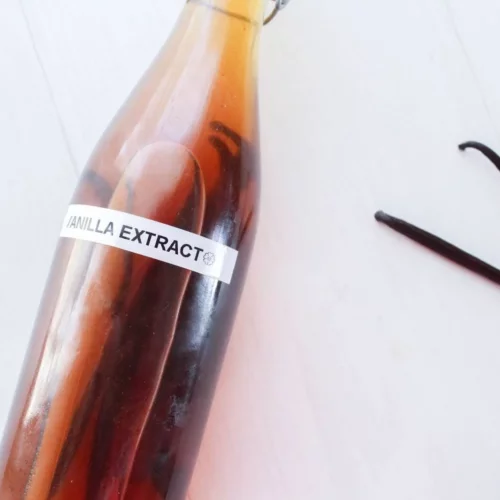
- 5-6 organic vanilla beans
- 80% proof organic vodka
Supplies
Instructions
- Place the vanilla beans in a glass bottle and carefully pour in the vodka. Store in a dark, cool place and shake occasionally. Let it work its magic for at least 6 months before using it. Use in all your favorite baked goods, drinks, and more.
Christmas Cookie Blend (Vegan)
Servings
Ingredients
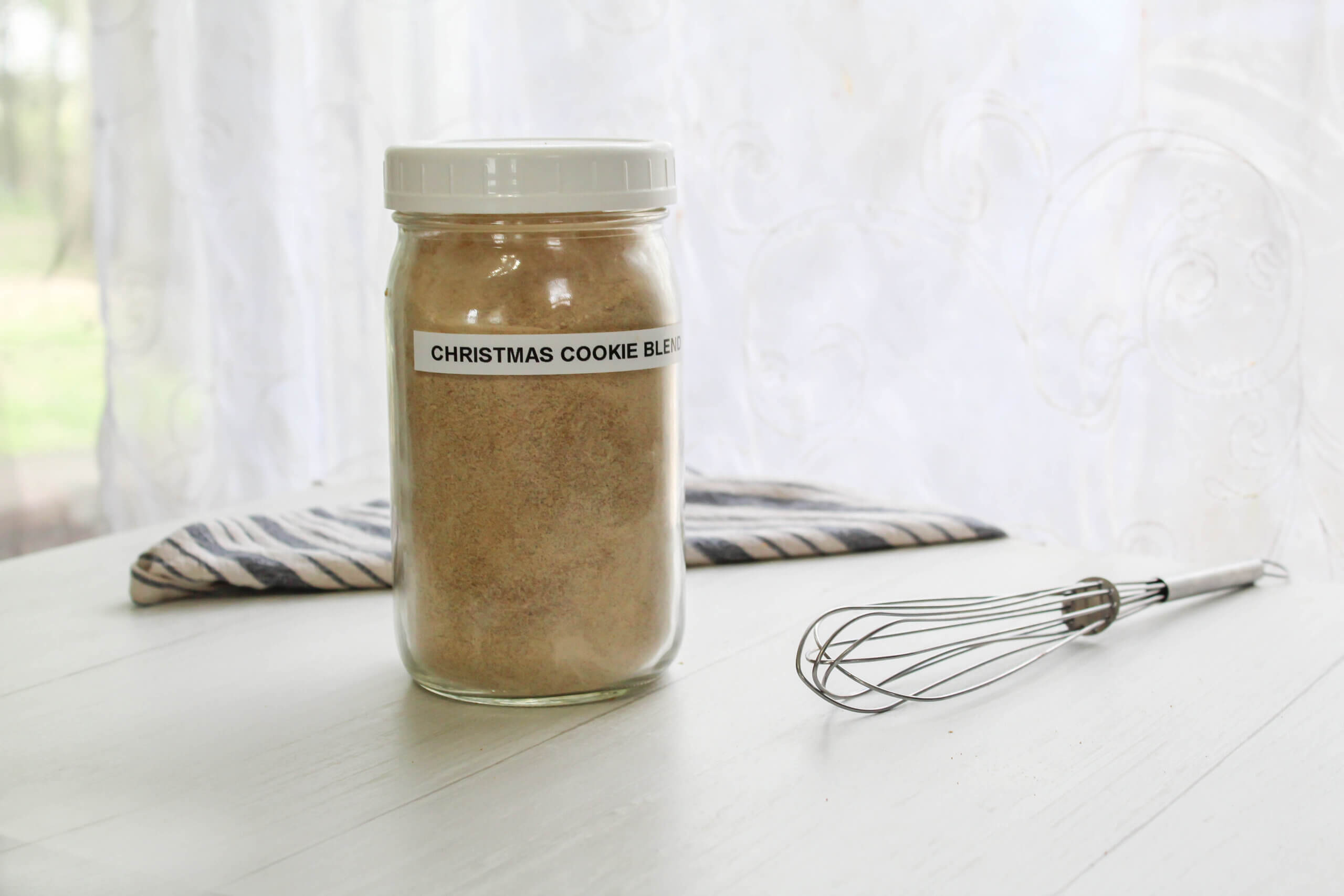
- 6 ounces organic coconut sugar
- 11-16 ounces organic date sugar (based on your available container sizes)
- 6 ounces organic maple sugar
Instructions
- Place the coconut sugar, date sugar, and maple sugar in a gallon-size Ziploc bag. Shake to mix thoroughly.
- Place mixture in a blender and blend until powdery. I prefer milling this recipe in a Vitamix dry goods container. I start blending on one, then slowly increase until the mixture is fully blended. Then, I open the blender, stir, and repeat the process. The final color of your product will differ based on the brand of sweetener you use. Use in place of regular sugar in all your favorite baked goods. Store in a glass jar.
Step One: Prepare the Pan

Preheat the oven to 350°F.
Lightly mist an 8 x 8 x 2-inch baking pan with coconut, avocado, or olive oil cooking spray.
For easy removal, line the pan with unbleached parchment paper, leaving enough overhang to lift out the cooled brownies.
Step Two: Prepare the Wet Ingredients

In a large bowl, beat the eggs until they are evenly blended and slightly frothy.
Add:
- Coconut milk
- Melted coconut oil
- Vanilla
- Liquid stevia
Whisk until fully combined.
For brownies with visible bean pieces, gently fold in the drained and rinsed black beans.
For smooth brownies, place the beans and wet ingredients in a food processor or high-powered blender. Blend until no skins or bean pieces remain visible.
Step Three: Combine the Dry Ingredients

In a separate medium bowl, whisk together:
- Gluten-free flour
- Cacao powder
- Coconut sugar
- Sea salt
Break up every lump of cacao before combining the dry and wet mixtures.
Fold the dry ingredients into the wet ingredients just until incorporated.
The batter should be thick and spreadable, not dry or crumbly.
Because gluten-free flour blends absorb moisture differently, add up to 1/4 cup additional coconut milk, one tablespoon at a time, until the batter reaches the proper consistency.
Step Four: Bake the Brownies

Spread the batter evenly in the prepared pan.
Bake for approximately 30 minutes, then check the center.
A toothpick inserted in the middle should come out with:
- A few moist crumbs for fudgy brownies
- Almost no batter
- No streaks of wet, raw mixture
Do not wait for the toothpick to become completely dry. A perfectly clean toothpick can mean the brownies are already overbaked.
Depending on the flour, pan, oven, and amount of added liquid, the brownies may require 30–45 minutes.
Step Five: Cool Before Cutting
Allow the brownies to cool in the pan for at least 15 minutes.
For the cleanest slices and fudgiest texture:
- Cool completely at room temperature.
- Refrigerate for one to two hours.
- Lift the brownies out with the parchment.
- Cut with a sharp knife.
- Wipe the knife between cuts.
Cut the pan into 16 small squares for a rich, satisfying serving.
How to Make Fudgy Black Bean Brownies
A few small choices can determine whether gluten-free brownies turn out fudgy, cakey, dry, or crumbly.
Drain the Beans Well
Excess water can make the batter loose and increase baking time.
After rinsing, let the beans sit in a strainer for several minutes or gently pat them dry.
Use Full-Fat Coconut Milk
Light coconut milk contains more water and less fat. Full-fat coconut milk creates a richer, denser brownie.
Do Not Overmix the Flour
Stir just until the dry ingredients disappear.
Overmixing can make some gluten-free flour blends gummy or dense.
Do Not Overbake
The brownies will continue to set as they cool.
Remove them when the edges look firm and the center gives slightly when gently pressed.
Let Them Chill
Black bean brownies often taste even better the next day.
Chilling:
- Deepens the chocolate flavor
- Firms the coconut oil
- Improves sliceability
- Creates a dense, truffle-like texture
Measure the Flour Carefully
Spoon flour into the measuring cup and level it with a knife.
Scooping directly from the bag can pack in too much flour and produce dry brownies.
Use a Metal Pan When Possible
Metal pans conduct heat more predictably than glass or ceramic.
A glass pan may require a longer baking time and can cause the edges to bake before the center sets.
Best Black Bean Brownie Variations
Once you master the basic recipe, you can adjust the flavor and texture for your family.
Essential Oil Additions

A tiny amount of culinary essential oil can transform the flavor of chocolate brownies.
Try:
- 1 drop peppermint essential oil for chocolate-mint brownies
- 1–2 drops orange essential oil for chocolate-orange brownies
- 1 drop cinnamon bark or cassia essential oil for a warm spice flavor
Essential oils vary greatly in strength. More is not better.
Essential Oil Baking Safety
Only use an essential oil that:
- Is specifically labeled for culinary or food use
- Comes from a trusted source
- Has not oxidized
- Is appropriate for everyone eating the brownies
Disperse the essential oil into the melted coconut oil before mixing it into the full batter. Fat helps distribute the oil, but careful measurement is still necessary.
Never add essential oil directly to a finished brownie or place an undiluted drop in the mouth. Learn more about whether and how to ingest essential oils safely.
When baking for pregnant guests, children, people taking medications, or anyone with a serious health condition, the simplest option is to flavor the brownies with ordinary culinary extracts or zest.
Crunchy Additions

Fold in up to 1/2 cup of:
- Chopped walnuts
- Pecans
- Macadamia nuts
- Hazelnuts
- Pumpkin seeds
- Unsweetened coconut flakes
Walnuts are especially delicious with chocolate and add alpha-linolenic acid, a plant-based omega-3 fat.
Chocolate-Chunk Brownies
Fold dark chocolate chips or chopped dark chocolate into the batter.
Choose a product that fits your needs:
- Dairy-free
- Lower sugar
- Stevia-sweetened
- Allergen-friendly
Remember that added chocolate increases the total sugar and calorie content.
Mocha Black Bean Brownies
Add one to two teaspoons of instant espresso powder to the dry ingredients.
Coffee deepens chocolate flavor without making the brownies taste strongly of coffee.
Chocolate-Orange Brownies
Add:
- 1–2 drops culinary orange essential oil
- Or 1 tablespoon finely grated organic orange zest
Orange zest gives a gentler flavor and is often the easiest choice when baking for children.
Chocolate-Peppermint Brownies
Add one drop of culinary peppermint essential oil or a small amount of alcohol-free peppermint extract.
Peppermint essential oil is extremely concentrated, so begin with one drop for the entire pan.
Raspberry Brownies
Swirl several spoonfuls of naturally sweetened raspberry preserves over the batter before baking.
Use a knife to create a marbled pattern.
Nut-Butter Swirl
Drop spoonfuls of:
- Almond butter
- Cashew butter
- Peanut butter
- Sunflower-seed butter
over the top of the batter and swirl gently.
Use sunflower-seed butter for a nut-free version, but be aware that it can sometimes react with baking soda and create a harmless green color.
Lower-Sugar Brownies
Reduce coconut sugar gradually rather than eliminating it all at once.
To keep the flavor balanced:
- Increase vanilla slightly.
- Add a little more liquid stevia.
- Use naturally sweet coconut milk.
- Add cinnamon to enhance perceived sweetness.
A major reduction in granulated sugar may create a softer, less chewy brownie.
Grain-Free Brownies
Use the almond-flour recipe card rather than directly replacing the gluten-free blend without adjusting other ingredients.
Coconut flour is not a one-to-one substitute. It absorbs far more liquid and can quickly make brownies dry.
Completely Smooth Brownies
Blend the black beans with all wet ingredients until the mixture looks like a thick chocolate smoothie.
Scrape down the blender several times so no bean skins remain.
Storage and Freezing
Black bean brownies contain moist ingredients, so they should not sit at room temperature for long periods.
Refrigerator Storage
Place cooled brownies in an airtight container and refrigerate for up to five days.
Separate layers with unbleached parchment paper to prevent sticking.
Freezer Storage
Black bean brownies freeze well.
To freeze:
- Cool the brownies completely.
- Cut them into individual squares.
- Place the squares on a parchment-lined tray.
- Freeze until firm.
- Transfer them to an airtight freezer-safe container.
For best quality, use within two to three months.
How to Thaw Black Bean Brownies
Thaw a brownie:
- In the refrigerator overnight
- At room temperature for approximately 30 minutes
- Briefly in a low-temperature oven
Avoid overheating, which can dry out the edges.
Can I Eat Them Cold?
Yes. Many people prefer black bean brownies chilled because they become dense and fudgy.
For a softer texture, let a refrigerated brownie sit at room temperature for 10–15 minutes before serving.
Black Bean Brownie FAQs
Are black bean brownies healthy?
Black bean brownies contain more fiber, plant protein, resistant starch, and micronutrients than many conventional brownies. They are still dessert, especially when made with added sugar and oil, so serving size and overall diet matter.
Do black bean brownies taste like beans?
Not when the beans are drained, rinsed, and combined with enough cacao, vanilla, and sweetener. Blending the batter completely makes the bean flavor and texture especially difficult to detect.
Why use black beans in brownies?
Black beans add moisture, fiber, plant protein, resistant starch, and a dense texture. They can replace part of the refined flour normally used in brownies.
Are black bean brownies gluten-free?
They are gluten-free when every ingredient, including the flour blend, cacao, extracts, and additions, is certified or verified gluten-free.
Are these black bean brownies dairy-free?
Yes. The recipe uses coconut milk and coconut oil rather than dairy milk and butter. Check any chocolate chips or other additions for hidden dairy.
Are black bean brownies grain-free?
The almond-flour version can be grain-free. A standard gluten-free baking blend may contain rice, sorghum, or other grains.
Can I use canned black beans?
Yes. Drain and rinse them thoroughly until the water runs clear. Choose a low-sodium or no-salt-added product when available.
Can I cook dry black beans for this recipe?
Yes. Cook them until completely tender, drain them well, and cool them before measuring. Firm or undercooked beans will not blend smoothly.
Can I use the liquid from the can?
Not in this recipe. Drain and rinse the beans. Excess bean liquid can make the batter too wet and may leave a stronger bean flavor.
Do I need to remove the bean skins?
No. A strong blender or food processor can break them down. Removing every skin would be time-consuming and unnecessary.
Should I blend the black beans?
Blend them for a smooth, traditional brownie texture. Fold them in whole or partially mashed when you enjoy more texture and a chocolate-chunk appearance.
Can I make black bean brownies without a blender?
Yes. Mash the beans very thoroughly with a potato masher or fork, then press them through a fine sieve when you want a smoother result.
Can I use kidney beans instead?
Black beans have a mild flavor and dark color that work especially well with chocolate. Kidney beans may work, but they can produce a more noticeable flavor and texture.
Can I use chickpeas?
Chickpeas work better in recipes specifically designed for blondies. Their lighter color and different flavor may be more noticeable in chocolate brownies.
Can I use black soybeans?
Possibly, but black soybeans differ in fat, carbohydrate, moisture, and texture. The recipe may require adjustments.
Can I use coconut flour?
Not as a one-to-one replacement. Coconut flour absorbs a large amount of liquid and usually requires additional eggs and moisture.
Can I use oat flour?
Oat flour may work, but the brownies can become softer or more cake-like. Use certified gluten-free oat flour when gluten exposure is a concern.
Can I use regular all-purpose flour?
Yes, when gluten is not a concern. Begin with the recipe amount and adjust the coconut milk only when needed.
Why are my black bean brownies dry?
Common causes include:
- Too much flour
- Too little coconut milk
- Overbaking
- Using light coconut milk
- Measuring cacao too heavily
Why are my brownies too wet?
The beans may not have been drained well, the flour blend may absorb less liquid, or the brownies may need more baking and cooling time.
Why did my brownies fall apart?
They may have been cut while warm, underbaked, or made with a flour that did not provide enough structure. Chill them before slicing.
How do I know when black bean brownies are done?
The edges should be set, and a toothpick inserted in the center should come out with moist crumbs rather than wet batter. A completely dry toothpick may indicate overbaking.
Why do the brownies taste better the next day?
Cooling allows the structure to set, the coconut oil to firm, and the chocolate flavor to develop. Refrigeration also creates a denser texture.
Can I make them sugar-free?
You can replace some or all of the coconut sugar with an appropriate alternative, but the texture will change because granulated sugar contributes moisture, bulk, browning, and chewiness.
Is coconut sugar healthier than white sugar?
Coconut sugar may contain trace nutrients and can have a somewhat different glycemic response, but it is still added sugar. It should not be consumed without limits.
Can people with diabetes eat black bean brownies?
Individual responses vary. Black beans provide fiber and protein, but the brownies still contain carbohydrates and added sweetener. Portion size, total carbohydrate content, medication, and glucose response should guide the decision.
Are black bean brownies good for weight loss?
They may be more filling than conventional brownies because of their fiber and protein, but they are not a weight-loss treatment. Weight management depends on the overall eating pattern, activity, sleep, stress, and portion size.
Are black beans cancer-fighting?
Beans contain fiber, resistant starch, and phytochemicals that have demonstrated cancer-preventive and cancer-fighting effects in cell and animal research. Human studies associate higher legume or dry-bean intake with a potentially lower risk of colorectal cancer and advanced adenomas.
Can black bean brownies prevent cancer?
No single recipe can prevent cancer. These brownies can contribute fiber and plant compounds within an overall diet rich in vegetables, fruits, legumes, herbs, nuts, seeds, and other whole foods.
Can I add essential oils to brownies?
A tiny amount of an essential oil specifically labeled for food use can be incorporated into the fat-containing batter. Peppermint and orange are popular choices. Never use an undiluted essential oil as a direct topping or add drops casually.
How much peppermint essential oil should I use?
One drop is usually enough for an entire 8-inch pan because peppermint essential oil is extremely concentrated.
How much orange essential oil should I use?
Begin with one drop of culinary orange essential oil. Use no more than two drops unless the product’s culinary directions specifically support a larger amount.
Can children eat brownies made with essential oils?
The simplest option for children is to use orange zest or ordinary peppermint extract. When using essential oil, confirm that the specific oil is labeled for food use and appropriate for every person eating the brownies.
Can I add chocolate chips?
Yes. Fold in up to 1/2 cup of dark, dairy-free, or naturally sweetened chocolate chips.
Can I add nuts?
Yes. Walnuts, pecans, macadamia nuts, and hazelnuts all pair well with chocolate. Avoid nuts when serving anyone with an allergy.
How long do black bean brownies last?
Store them in an airtight container in the refrigerator for up to five days.
Can black bean brownies be frozen?
Yes. Freeze individual squares in an airtight container for two to three months.
Can I double the recipe?
Yes. Use a 9 x 13-inch pan and begin checking for doneness around the original baking time. A larger batch may require additional time.
Can I make these brownies ahead?
Yes. They are an excellent make-ahead dessert because their flavor and texture improve after chilling.
Final Thoughts on Gluten-Free Black Bean Brownies
These Gluten-Free Chocolate Black Bean Brownies prove that a healthier dessert does not have to taste like a compromise.
Black beans add fiber, plant protein, resistant starch, minerals, and cancer-fighting phytochemicals. Cacao supplies deep chocolate flavor and beneficial plant compounds. Coconut milk and coconut oil create the rich texture that makes a brownie feel like a brownie.
At the same time, we do not need to pretend dessert has become a vegetable.
These brownies still contain concentrated ingredients and added sweetener. The goal is not to label them an unlimited health food. The goal is to take something your family already enjoys and prepare it with more nourishing ingredients.
That is practical stewardship.
We can teach our children that healthy food is flavorful. We can invite them into the kitchen. We can replace highly refined ingredients without replacing joy, celebration, or family traditions.
For the smoothest brownies, blend the beans. For more texture, fold them in. Add walnuts for crunch, orange for brightness, peppermint for a classic chocolate-mint flavor, or dark chocolate for extra decadence.
Then let the brownies cool, cut a reasonable serving, and enjoy every bite.
For more simple ways to transform familiar recipes, explore Mama Z’s Recipe Makeover Guide.
You will be giving your family’s favorite recipes a healthy makeover in no time.


- Zhu B, et al. Dietary Legume Consumption Reduces Risk of Colorectal Cancer: Evidence From a Meta-Analysis of Cohort Studies. Scientific Reports. 2015. https://pubmed.ncbi.nlm.nih.gov/25739376/
- Wang Y, et al. Legume Consumption and Colorectal Adenoma Risk: A Meta-Analysis of Observational Studies. PLoS One. 2013. https://pmc.ncbi.nlm.nih.gov/articles/PMC3691186/
- Lanza E, et al. High Dry Bean Intake and Reduced Risk of Advanced Colorectal Adenoma Recurrence Among Participants in the Polyp Prevention Trial. Journal of Nutrition. 2006. https://pmc.ncbi.nlm.nih.gov/articles/PMC1713264/
- Jin S, et al. Nuts and Legumes Consumption and Risk of Colorectal Cancer: A Systematic Review and Meta-Analysis. Clinical Nutrition. 2022. https://pubmed.ncbi.nlm.nih.gov/35622305/
- Campos-Vega R, et al. Common Beans and Their Non-Digestible Fraction: Cancer Inhibitory Activity—An Overview. Foods. 2013. https://pmc.ncbi.nlm.nih.gov/articles/PMC5302293/
- Zhang X, et al. A Randomized Crossover Dietary Intervention of Dry Beans and White Rice in Colorectal Cancer Survivors: The Legume Inflammation Feeding Experiment. Nutrition Journal. 2019. https://pmc.ncbi.nlm.nih.gov/articles/PMC6921460/
- Thompson SV, et al. Bean and Rice Meals Reduce Postprandial Glycemic Response in Adults With Type 2 Diabetes: A Cross-Over Study. Nutrition Journal. 2012. https://pubmed.ncbi.nlm.nih.gov/22494488/
- Winham DM, et al. Glycemic Response to Black Beans and Chickpeas as Part of a Rice Meal: A Randomized Cross-Over Trial. Nutrients. 2017. https://pubmed.ncbi.nlm.nih.gov/28976933/
- Reverri EJ, et al. Assessing Beans as a Source of Intrinsic Fiber on Satiety in Men and Women With Metabolic Syndrome. Appetite. 2017. https://pubmed.ncbi.nlm.nih.gov/28735851/
- Escobedo A, et al. Low Glycemic Index Common Bean Snack Increased Satiety Without Modifying Energy Intake in Adults With Normal Weight: Randomized Crossover Trials. International Journal of Food Sciences and Nutrition. 2023. https://pubmed.ncbi.nlm.nih.gov/36683011/
- Kim SJ, et al. Effects of Dietary Pulse Consumption on Body Weight: A Systematic Review and Meta-Analysis of Randomized Controlled Trials. American Journal of Clinical Nutrition. 2016. https://pubmed.ncbi.nlm.nih.gov/27030531/
- Mangano KM, et al. Dietary Protein Is Beneficial to Bone Health Under Conditions of Adequate Calcium Intake: An Update on Clinical Research. Current Opinion in Clinical Nutrition and Metabolic Care. 2014. https://pubmed.ncbi.nlm.nih.gov/24457338/
- Pase MP, et al. Cocoa Polyphenols Enhance Positive Mood States but Not Cognitive Performance: A Randomized, Placebo-Controlled Trial. Journal of Psychopharmacology. 2013. https://pubmed.ncbi.nlm.nih.gov/23364814/
- Shin JH, et al. Consumption of 85% Cocoa Dark Chocolate Improves Mood in Association With Gut Microbial Changes in Healthy Adults: A Randomized Controlled Trial. Journal of Nutritional Biochemistry. 2022. https://pubmed.ncbi.nlm.nih.gov/34530112/
- Ramdath DD, et al. The Role of Pulses in the Dietary Management of Diabetes. Canadian Journal of Diabetes. 2016. https://pubmed.ncbi.nlm.nih.gov/27497151/
- Hutchins AM, et al. Common Bean Consumption: A Review of Its Impact on Glycaemic Response and Chronic Disease Risk. British Journal of Nutrition. 2012. https://pubmed.ncbi.nlm.nih.gov/22916816/