QUICK SUMMARY
Mama Z’s homemade guacamole recipe is a fresh, dairy-free, vegan dip made with ripe Hass avocados, citrus juice, tomatoes, onion, garlic, cilantro, jalapeño, and clean spices.
This easy guacamole comes together in minutes and works beautifully as a healthy snack, party appetizer, taco topping, vegetable dip, or side dish for Mexican-inspired meals.
To make homemade guacamole, mash ripe avocados with lime or lemon juice, salt, cumin, smoked paprika, and cayenne. Then fold in chopped onion, jalapeño, tomatoes, cilantro, and garlic.
For Mama Z’s signature flavor, you may add a tiny culinary amount of food-labeled lime, lemon, cilantro, or coriander essential oil. Because essential oils are intensely concentrated, use only the amount specified in the recipe and disperse it thoroughly throughout the avocado mixture.
Need a quick snack that tastes indulgent but is made entirely from fresh, nourishing ingredients?
Try Mama Z’s homemade guacamole recipe!
This creamy dip combines buttery avocados with crisp vegetables, fresh citrus, garlic, cilantro, jalapeño, and a flavorful blend of spices. It contains no dairy, gluten, artificial flavors, or unnecessary fillers.
The result is a restaurant-worthy guacamole that works just as well for a family snack as it does for tacos, cookouts, game-day gatherings, and holiday parties.
Dairy-free connoisseurs, rejoice! Avocados create all the richness this recipe needs without sour cream or cheese.
Here’s the thing: the best guacamole does not require complicated ingredients. When you begin with ripe avocados and layer in acidity, herbs, vegetables, salt, and spice, every bite tastes bright, fresh, and satisfying.
Table of Contents

Healthy Guacamole Recipe Ingredients
Some commercially prepared guacamole products contain added dairy, starches, gums, preservatives, or flavoring ingredients. Others are made with a simple avocado-based formula.
Making guacamole at home gives you complete control over the texture, salt, spice, and quality of every ingredient.
This recipe uses whole foods such as avocado, lime, tomato, onion, garlic, cilantro, and jalapeño. You can find everything in most grocery stores, and the dip comes together in only a few minutes.
And Mama Z’s optional secret ingredient?
Culinary essential oils!
A tiny amount of lime, lemon, cilantro, or coriander essential oil can create a bright, full-bodied flavor. Because these oils are much more concentrated than the original herbs or fruit, one drop may flavor an entire batch.
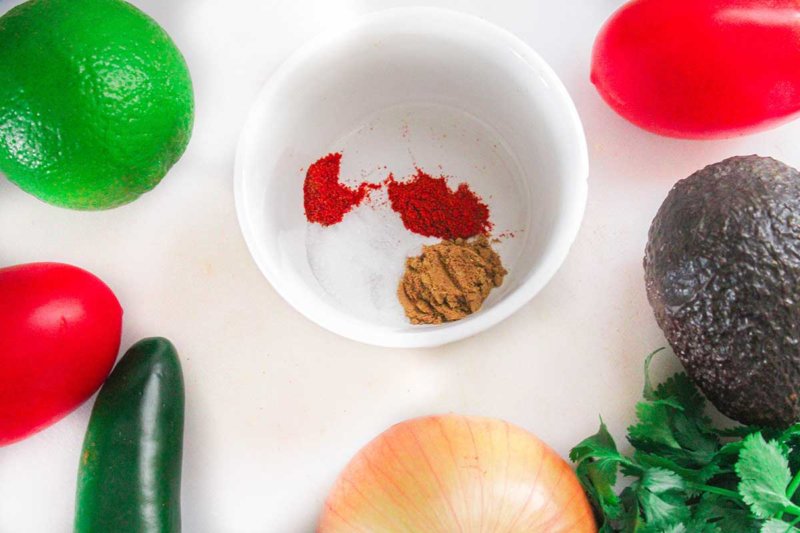
Organic Hass Avocados
Did you know avocados are botanically classified as berries?
Avocados belong to the laurel family, Lauraceae, which also includes cinnamon and bay laurel.
They provide:
- Monounsaturated fat
- Dietary fiber
- Potassium
- Folate
- Vitamin K
- Vitamin E
- Carotenoids and other plant compounds
The healthy fat and fiber in avocado make guacamole more satisfying than many highly processed snack dips.
Clinical reviews suggest that adding avocado to a healthy eating pattern may support LDL cholesterol, diet quality, and other cardiometabolic markers, although results vary among studies. (1, 2)
We use avocados in many healthy recipes because they add creaminess without dairy. Learn more about the health benefits of avocados.
Fresh Lime or Lemon Juice
Fresh citrus juice provides the acidity that makes every other flavor come alive.
It:
- Balances the richness of the avocado
- Brightens the herbs and vegetables
- Adds vitamin C and plant compounds
- Helps slow enzymatic browning
Citrus juice delays browning but does not stop it completely. Limiting the guacamole’s exposure to oxygen is the most important storage step.
Freshly squeezed juice gives this recipe the cleanest flavor.
Pink Himalayan Salt or Sea Salt
Salt sharpens the citrus, garlic, onion, and spice.
You can use pink Himalayan salt or Colima sea salt.
Pink and sea salts may contain trace minerals, but the amounts are nutritionally small. Their greatest advantage in this recipe is flavor and texture.
Use enough to make the ingredients pop without overpowering the fresh produce.
Organic Onion
Onion adds crunch, savory flavor, and the classic bite people expect from fresh guacamole.
Onions contain sulfur compounds and flavonoids such as quercetin. These plant chemicals have demonstrated antioxidant, antimicrobial, and anti-inflammatory activity in laboratory research.
Finely dice the onion so its flavor is evenly distributed throughout the dip.
For a gentler flavor, rinse chopped onion briefly under cold water and drain it well before adding it to the guacamole.
Organic Jalapeño Pepper
Jalapeños add fresh heat and contain vitamin C, carotenoids, and capsaicinoids.
Capsaicin is the compound responsible for much of a pepper’s heat. Research has explored it for metabolic, pain-related, and cardiovascular effects, but the amount in one serving of guacamole should be viewed primarily as food rather than treatment.
Remove the seeds and pale inner membranes for a milder dip. Leave some of them in when you want more heat.
Wear gloves while handling hot peppers, and avoid touching your eyes or face.
Organic Roma Tomatoes
Tomatoes add freshness, color, potassium, vitamin C, and lycopene.
Roma tomatoes work especially well because they contain more flesh and less juice than many slicing tomatoes. This helps keep the guacamole chunky rather than watery.
Remove excess seeds and liquid when your tomatoes are particularly juicy.
Organic Garlic
Raw garlic adds bold flavor and sulfur-containing compounds.
Garlic has been widely studied for antimicrobial, cardiovascular, metabolic, and immune-related activity. It is not a cure-all, but it is a wonderful whole-food ingredient to include regularly.
Start with the recipe amount, then add another small clove when your family loves a stronger garlic flavor.
Fresh Cilantro
Cilantro adds a bright herbal note that pairs naturally with avocado, lime, tomato, and jalapeño.
Use both tender leaves and upper stems. The stems contain plenty of flavor and do not need to be discarded.
People vary genetically in how they perceive cilantro. Some experience a fresh citrus-like flavor, while others detect a soapy taste. Leave it out or serve it on the side when necessary.
Cumin, Smoked Paprika, and Cayenne
These spices give Mama Z’s guacamole warmth and depth.
- Cumin adds an earthy, savory flavor.
- Smoked paprika creates subtle smokiness without overwhelming the avocado.
- Cayenne adds clean heat that can be adjusted to taste.
Begin conservatively. You can always add more spice, but you cannot easily remove it.
Optional Culinary Essential Oils
Food manufacturers have long used essential oils and aromatic extracts as highly concentrated flavoring ingredients.
For this recipe, only use an essential oil that:
- Is clearly labeled for culinary or food use
- Identifies the botanical source
- Provides appropriate food-use directions
- Comes from a trusted supplier
- Has not been blended with fragrance oils or unsuitable additives
Suitable flavor options may include:
- Lime essential oil
- Lemon essential oil
- Cilantro essential oil
- Coriander essential oil
Cooking with essential oils is different from taking therapeutic quantities internally.
The avocado’s fat helps distribute the essential oil throughout the recipe, but fat does not make an excessive amount safe. Follow the recipe card exactly and mix thoroughly.
Never add several extra drops because the first drop seems small. Essential oils are concentrated, and too much can overpower the recipe or irritate the mouth and digestive tract.
How to Choose Ripe Avocados
The quality of your avocados determines the texture and flavor of your guacamole.
A ripe Hass avocado usually has darkened skin and yields slightly to gentle pressure. It should feel soft enough to mash but not mushy or hollow.
Avoid avocados with:
- Large sunken spots
- Cracks or leaking juice
- A strong fermented smell
- Extensive gray or black flesh
- Stringy, watery, or slimy interiors
Check Under the Stem Cap
When the small stem cap comes away easily, inspect the color underneath:
- Green: Usually ready to use
- Brown: May be overripe
- Stem will not release: Usually not ripe yet
Do not repeatedly remove stem caps from avocados you are not purchasing because this exposes the fruit to air and microbes.
How to Ripen Avocados Faster
Place firm avocados in a paper bag with a banana or apple and leave them at room temperature.
These fruits release ethylene gas, which speeds ripening.
Check the avocados daily. Once they are ripe, refrigerate them to slow further softening.
How to Make Mama Z’s Homemade Guacamole
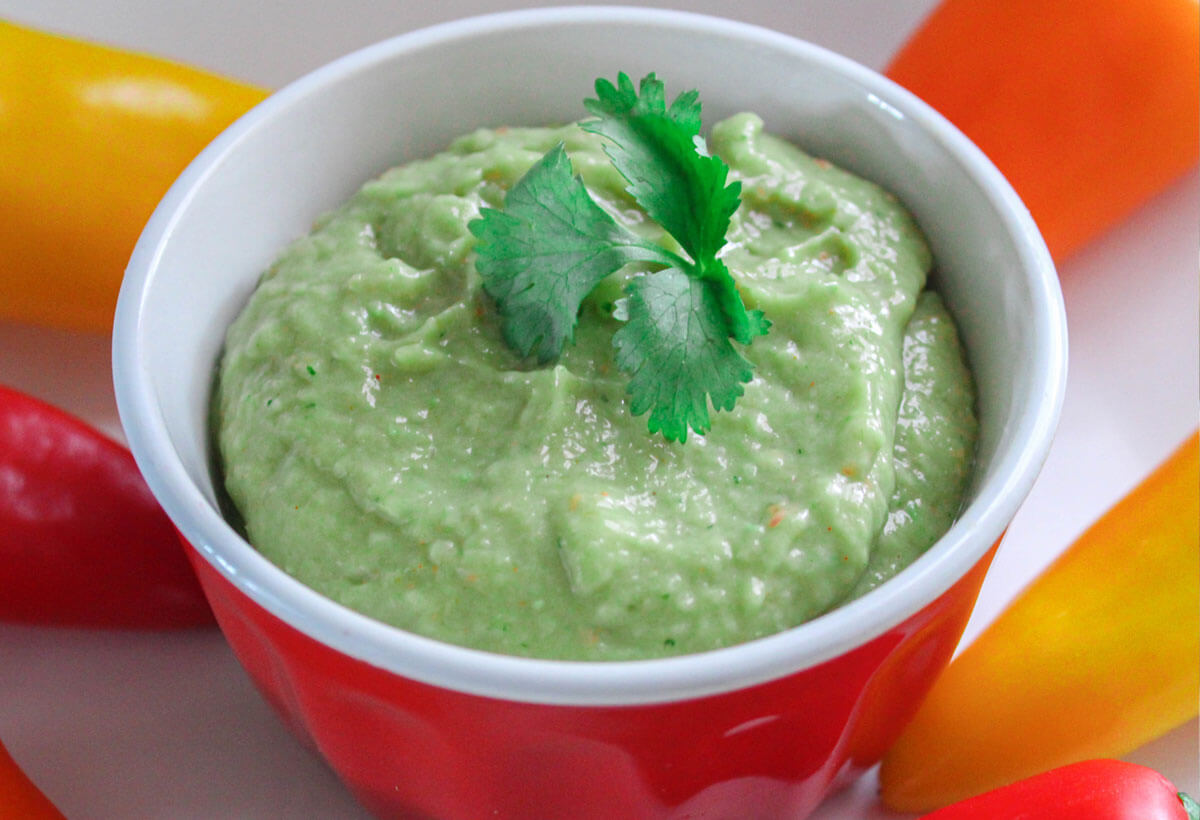
Mama Z’s Guacamole (Vegan)
Servings
Ingredients
- 3 organic Hass avocados, halved, seeded, AND peeled
- 1 organic lemon OR 1 organic lime, juiced
- ¼ teaspoon organic ground cayenne pepper
- ½ teaspoon organic ground cumin
- ½ teaspoon organic smoked paprika
- ½ teaspoon pink Himalayan salt OR sea salt, ground
- 1-2 drops lime essential oil OR 1-2 drops lemon essential oil (optional)*
- ½ medium organic onion, diced
- ½ organic jalapeno pepper, seeded AND minced
- 2 organic Roma tomatoes, seeded AND minced
- 1 tablespoon fresh organic cilantro, chopped
- 1 clove organic garlic, minced
- 1-2 drops cilantro essential oil OR coriander essential oil (optional)
Supplies
- Blender OR food processor OR potato masher
Instructions
- In a large bowl or food processor, combine the avocado, lemon juice, cayenne, cumin, smoked paprika, salt, and lime essential oil (if using). Mash with a potato masher or pulse with your blender until smooth. Then, remove the mixture from the blender jar and place it in a large bowl.
- Add the onions, jalapeno, tomatoes, cilantro, garlic, and cilantro essential oil (if using.) Stir until well combined. Add additional lime essential oil if desired to taste. Let sit at room temperature for 1 hour and then serve.
This homemade guacamole recipe is super easy. In just minutes, you’ll have a beautiful snack or appetizer.
Prepare the avocados, chop the vegetables, squeeze the citrus, mix the avocado base with the spices, and fold everything together.
Here’s how to make it.
Step One: Prepare the Avocados
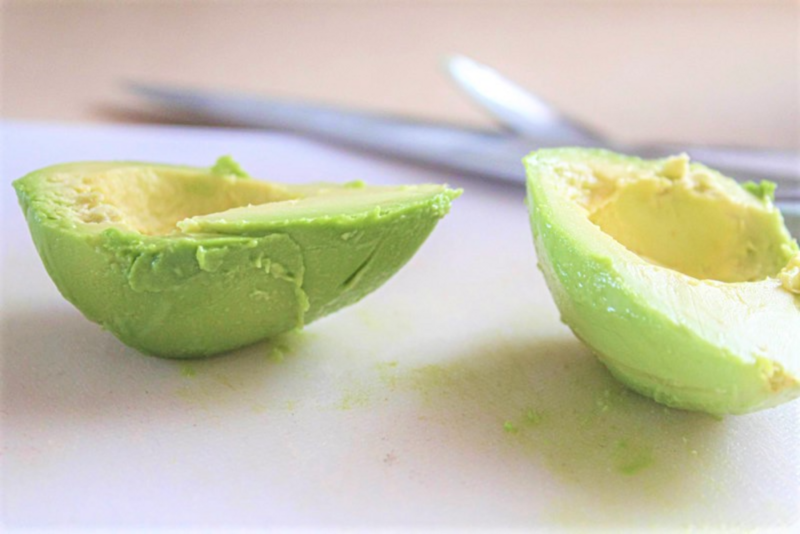
For best results, use three ripe avocados.
Wash the outside of each avocado before cutting. The knife can carry microbes from the peel into the flesh as it passes through the fruit.
Cut each avocado lengthwise around the pit and twist the halves apart.
Remove the pit carefully with a spoon. Avoid striking the pit with a knife while holding the avocado because slipping can cause a serious hand injury.
Scoop the flesh into a clean bowl or blender jar.
Step Two: Prepare the Vegetables
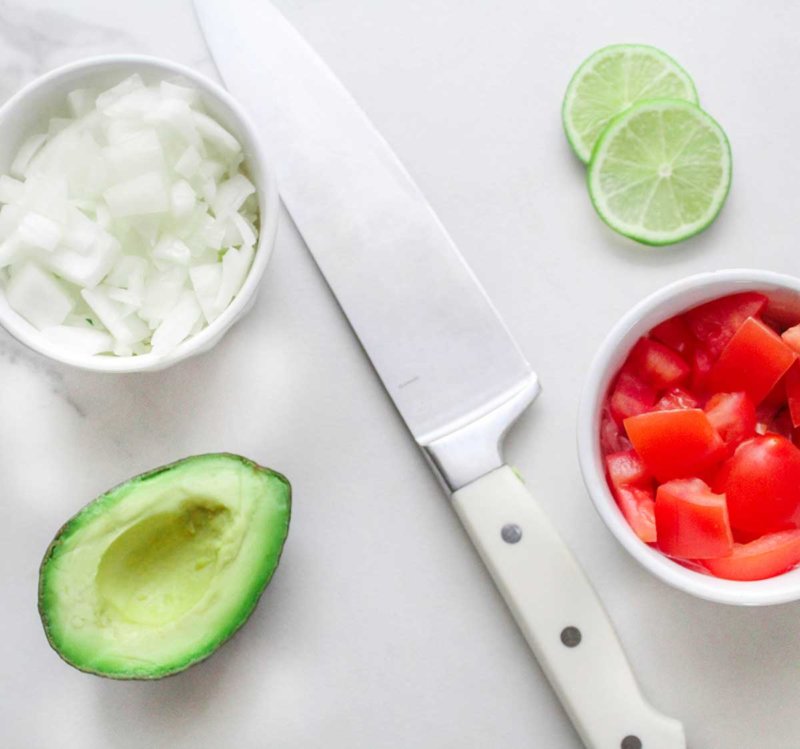
Finely chop the onion, garlic, jalapeño, and cilantro.
Cut the tomato into slightly larger pieces so it keeps some texture.
Because these ingredients will not be fully blended, make each piece small enough to distribute evenly throughout the guacamole.
For easy cilantro preparation:
- Rinse the herbs under cool running water.
- Dry them in a salad spinner or with clean towels.
- Remove tough lower stems.
- Chop by hand or pulse briefly in a food processor.
Do not overprocess the cilantro into a wet paste.
You can purchase measuring cups ranging from teaspoons to cups for easy ingredient preparation.
Step Three: Juice the Lime or Lemon
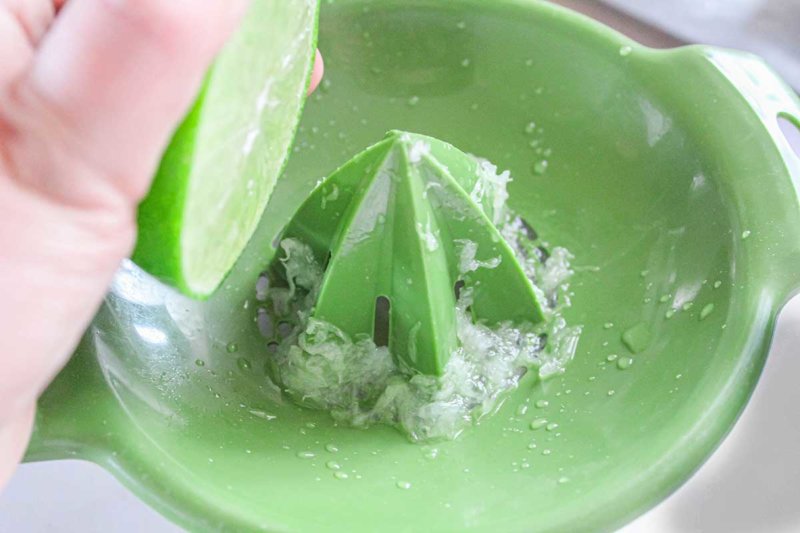
Cut and juice the lime or lemon.
A simple handheld citrus juicer makes it easy to extract the juice while catching most of the seeds.
Fresh citrus gives homemade guacamole its bright flavor and helps slow browning.
Step Four: Mix the Avocado Base
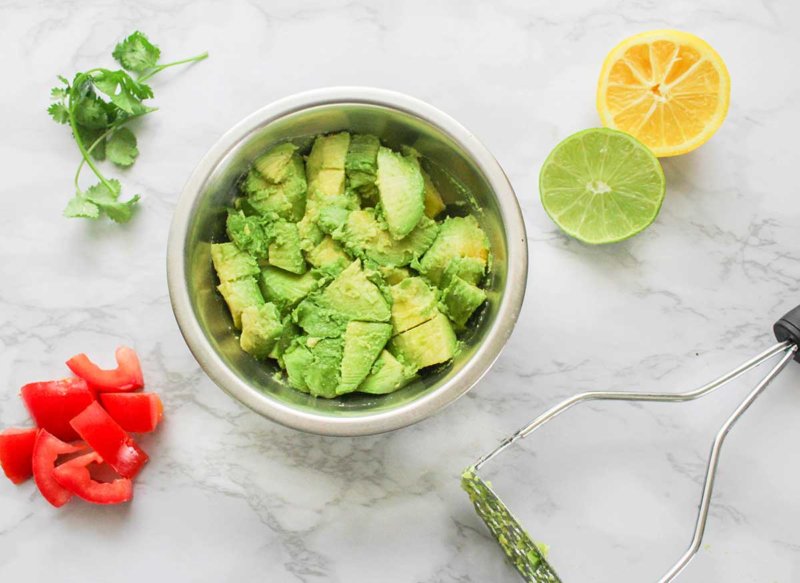
For a smooth guacamole, place the avocado, citrus juice, salt, cumin, smoked paprika, and cayenne in a blender or food processor. Pulse only until the desired texture is reached.
For chunky guacamole, place the avocados in a large bowl and mash them with a potato masher or fork.
Add the citrus juice and spices, then stir until combined.
When using optional culinary essential oils, add only the recipe amount to the avocado base and mix thoroughly before folding in the vegetables. This helps distribute the concentrated flavor evenly.
Step Five: Fold in the Fresh Ingredients
Add the tomatoes, onion, garlic, cilantro, and jalapeño.
Fold gently until the vegetables are evenly distributed.
Taste and adjust:
- Add citrus for brightness.
- Add salt to sharpen muted flavors.
- Add jalapeño or cayenne for heat.
- Add avocado when the seasoning is too strong.
Avoid aggressive stirring, which can crush the tomatoes and make the dip watery.
Step Six: Serve and Enjoy
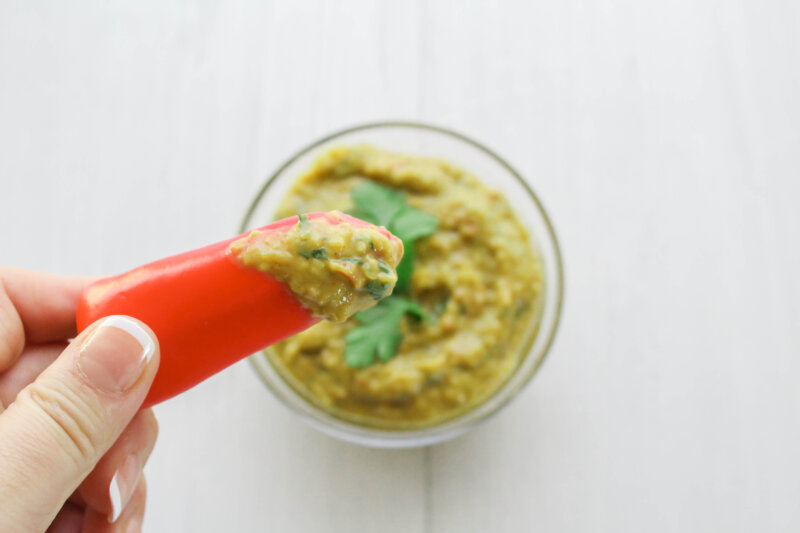
Serve the guacamole immediately for the freshest color and flavor.
You can let it rest for 10–20 minutes in the refrigerator so the garlic, citrus, spices, and herbs come together.
There is no need to leave it at room temperature for an hour. Keep guacamole chilled until serving, especially when preparing it ahead for a gathering.
Serving Homemade Guacamole
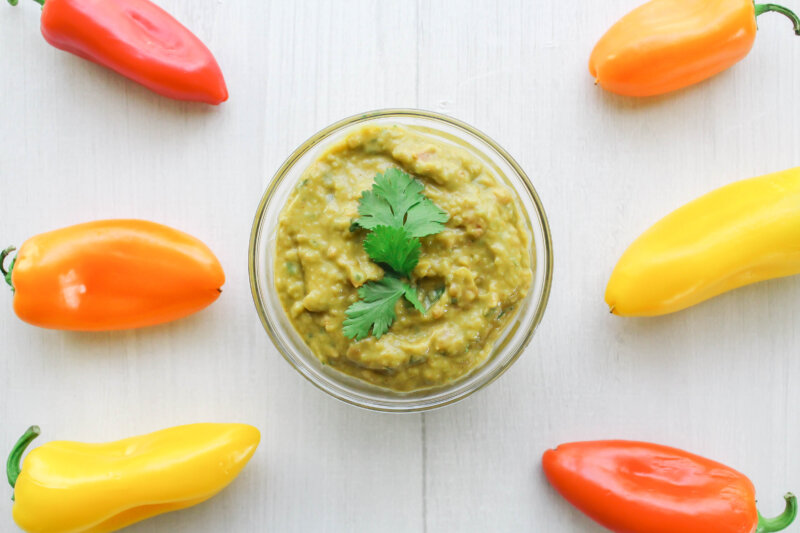
Every great dip needs a dipper!
Kids may be more enthusiastic about fresh vegetables when they can dunk them into a creamy, flavorful dip.
Our favorite guacamole dippers include:
- Mini bell peppers
- Carrot sticks
- Celery
- Cucumber slices
- Broccoli florets
- Cauliflower florets
- Sugar snap peas
- Radish slices
- Jicama sticks
- Gluten-free tortilla chips
You can also serve homemade guacamole with:
- Tacos
- Burrito bowls
- Fajita vegetables
- Lettuce wraps
- Salads
- Baked potatoes or sweet potatoes
- Grilled chicken or fish
- Eggs and breakfast bowls
- Black beans and rice
- A healthy party platter
Application: Add a spoonful of guacamole to meals that need more flavor and satisfying fat. It can help transform a simple plate of vegetables, beans, or lean protein into something the whole family wants to eat.
How to Store Guacamole Without Browning
Guacamole turns brown when enzymes in the avocado react with oxygen.
The color change is usually a quality issue rather than an immediate indication that the guacamole is unsafe. However, discoloration can make the dip look less appealing, and spoiled guacamole should always be discarded.
Best Storage Method
To store leftover guacamole:
- Transfer it to the smallest clean airtight container that will hold it.
- Smooth the top with a spoon.
- Add a light squeeze of lime or lemon juice.
- Press food-safe wrap directly against the surface to limit oxygen exposure.
- Seal the container and refrigerate promptly.
For best quality, eat homemade guacamole within 2–3 days.
Although some recipes suggest pouring a layer of water over guacamole, direct surface covering is simpler and avoids diluting the dip or introducing additional handling.
Party Food Safety
Keep guacamole at 40°F or colder until it is time to eat.
Do not leave it at room temperature for more than 2 hours, or more than 1 hour when the temperature is above 90°F. (3)
For a party, place the serving bowl inside a larger bowl of ice and replenish it as needed.
Discard guacamole that:
- Has sat out too long
- Smells fermented or rancid
- Develops mold
- Becomes slimy
- Shows unusual bubbling
- Has an unpleasant flavor
When in doubt, throw it out.
Can You Freeze Guacamole?
Yes, but the texture of tomatoes, onions, and cilantro may soften after thawing.
For the best frozen guacamole:
- Freeze primarily mashed avocado, citrus juice, and seasoning.
- Add fresh vegetables and herbs after thawing.
- Use a freezer-safe airtight container.
- Leave a small amount of expansion space.
- Thaw overnight in the refrigerator.
Stir well before serving.
Homemade Guacamole FAQs
What is guacamole made of?
Traditional guacamole begins with ripe avocado and salt. Many versions also include lime, onion, tomato, cilantro, garlic, and chile peppers.
Is homemade guacamole healthy?
Yes. Homemade guacamole provides unsaturated fat, fiber, potassium, folate, and plant compounds from avocados and vegetables. Its overall nutritional value also depends on portion size and what you serve with it.
Is guacamole dairy-free?
This recipe is naturally dairy-free and vegan. Some commercial or restaurant versions may add sour cream, cheese, or other ingredients, so check the label when allergies or dietary restrictions matter.
Does guacamole contain gluten?
The ingredients in this homemade recipe are naturally gluten-free. Prevent cross-contact by using clean utensils and serving it with certified gluten-free chips or vegetables when necessary.
How do I know when an avocado is ripe?
A ripe avocado yields slightly to gentle pressure but does not feel mushy. The stem cap often releases easily, revealing green flesh underneath.
How can I ripen avocados quickly?
Place them in a paper bag with a banana or apple at room temperature. Check them daily and refrigerate once ripe.
How do I keep guacamole green?
Use fresh citrus juice, limit air exposure, press food-safe wrap directly against the surface, seal the container, and refrigerate promptly.
How long does homemade guacamole last?
For best quality, use it within 2–3 days when refrigerated in a clean, airtight container. Discard it sooner if it smells fermented, develops mold, or becomes slimy.
Can I make guacamole ahead of time?
Yes. Prepare it several hours ahead, cover the surface directly, and refrigerate. Add delicate garnishes immediately before serving.
Why is my guacamole watery?
Watery guacamole usually comes from very juicy tomatoes, too much citrus juice, or overmixing. Drain tomatoes before adding them and fold the ingredients together gently.
Why does my guacamole taste bland?
It usually needs more salt or citrus. Add a small amount at a time, mix, and taste again.
How do I make guacamole less spicy?
Remove the jalapeño seeds and membranes, reduce the cayenne, and add another avocado. Dairy-free coconut yogurt can also mellow the heat, although it changes the traditional flavor.
How do I make guacamole spicier?
Keep some jalapeño membranes, add serrano pepper, increase the cayenne, or garnish with finely chopped fresh chile.
Can I leave out cilantro?
Yes. Leave it out or replace it with a small amount of fresh parsley, green onion, or additional lime zest.
Can I use lemon instead of lime?
Yes. Lemon creates a slightly different flavor but still provides the acidity needed to balance the avocado and slow browning.
Can I make guacamole without tomatoes?
Absolutely. Tomatoes are optional. Leaving them out creates a smoother, more avocado-forward dip that may also store better.
Can I use essential oils in guacamole?
A tiny amount of an appropriately labeled culinary essential oil can be used as a concentrated flavoring. Follow the recipe quantity exactly, mix it thoroughly into the avocado, and never substitute a fragrance product or an oil not intended for food use.
Do essential oils dissolve in avocado?
Essential oils are oil-soluble and disperse more readily through avocado fat than through water, but they still must be mixed thoroughly. The avocado does not make excessive quantities safe.
What can I serve with guacamole besides chips?
Try bell peppers, cucumber, carrots, celery, broccoli, cauliflower, snap peas, jicama, lettuce wraps, tacos, burrito bowls, eggs, salads, or baked sweet potatoes.
Final Thoughts on Homemade Guacamole
Mama Z’s homemade guacamole proves that healthy food does not have to be boring, expensive, or complicated.
Ripe avocados create the creamy foundation. Fresh lime adds brightness. Tomatoes, onion, garlic, cilantro, and jalapeño bring color, crunch, and bold flavor. Cumin, paprika, and cayenne tie everything together.
Optional culinary essential oils can add a signature burst of citrus or herbs, but one tiny amount is all you need.
This is important: the goal is not to turn every meal into a nutritional science project.
It is to use the wholesome foods God created in ways that bring joy to the table.
Serve this guacamole with colorful vegetables, spoon it over tacos or salads, or bring it to your next family gathering. It is one of those simple recipes that helps people eat more fresh produce without feeling deprived.
Store it carefully, keep it chilled, and make only as much as your family can enjoy within a few days.
Natural living often begins with small kitchen choices: one homemade dip, one fresh ingredient, and one processed product you no longer need to buy.


- James-Martin G, et al. Avocado Consumption and Cardiometabolic Health: A Systematic Review and Meta-Analysis. Journal of the Academy of Nutrition and Dietetics. 2024. https://pubmed.ncbi.nlm.nih.gov/36565850/
- Damani JJ, et al. Effect of Daily Avocado Intake on Cardiovascular Health in Adults With Abdominal Obesity: A Randomized Clinical Trial. 2025. https://pubmed.ncbi.nlm.nih.gov/39968784/
- FoodSafety.gov. Game Day Food Safety Tips. https://www.foodsafety.gov/blog/game-day-food-safety-tips
- Pacheco LS, et al. Avocado Consumption and Risk of Cardiovascular Disease in US Adults. Journal of the American Heart Association. 2022. https://pubmed.ncbi.nlm.nih.gov/35352568/
- Wang L, et al. A Moderate-Fat Diet With One Avocado per Day Increases Plasma Antioxidants and Decreases the Oxidation of Small, Dense LDL in Adults With Overweight and Obesity. Journal of Nutrition. 2020. https://pubmed.ncbi.nlm.nih.gov/31616932/
- U.S. Food and Drug Administration. Generally Recognized as Safe Ingredients and Food Flavoring Substances. https://www.fda.gov/food/food-ingredients-packaging/generally-recognized-safe-gras