

QUICK SUMMARY
Learning how to grow herbs is one of the easiest ways to start gardening, whether you have a backyard, patio, balcony, or sunny kitchen window. My favorite beginner herbs are basil, thyme, parsley, chives, and mint because they are useful, forgiving, and easy to harvest regularly.
Most herbs grow best with good drainage and plenty of light. Basil, rosemary, thyme, sage, and lavender generally prefer sunnier conditions, while mint and parsley can tolerate some shade. Indoors, use containers with drainage holes, give herbs as much direct light as you can, and supplement with a grow light if they become pale or leggy.
The biggest beginner mistake is treating every herb the same. Match plants by their sun, water, and soil needs, keep spreading herbs like mint contained, and harvest often to encourage fresh growth.
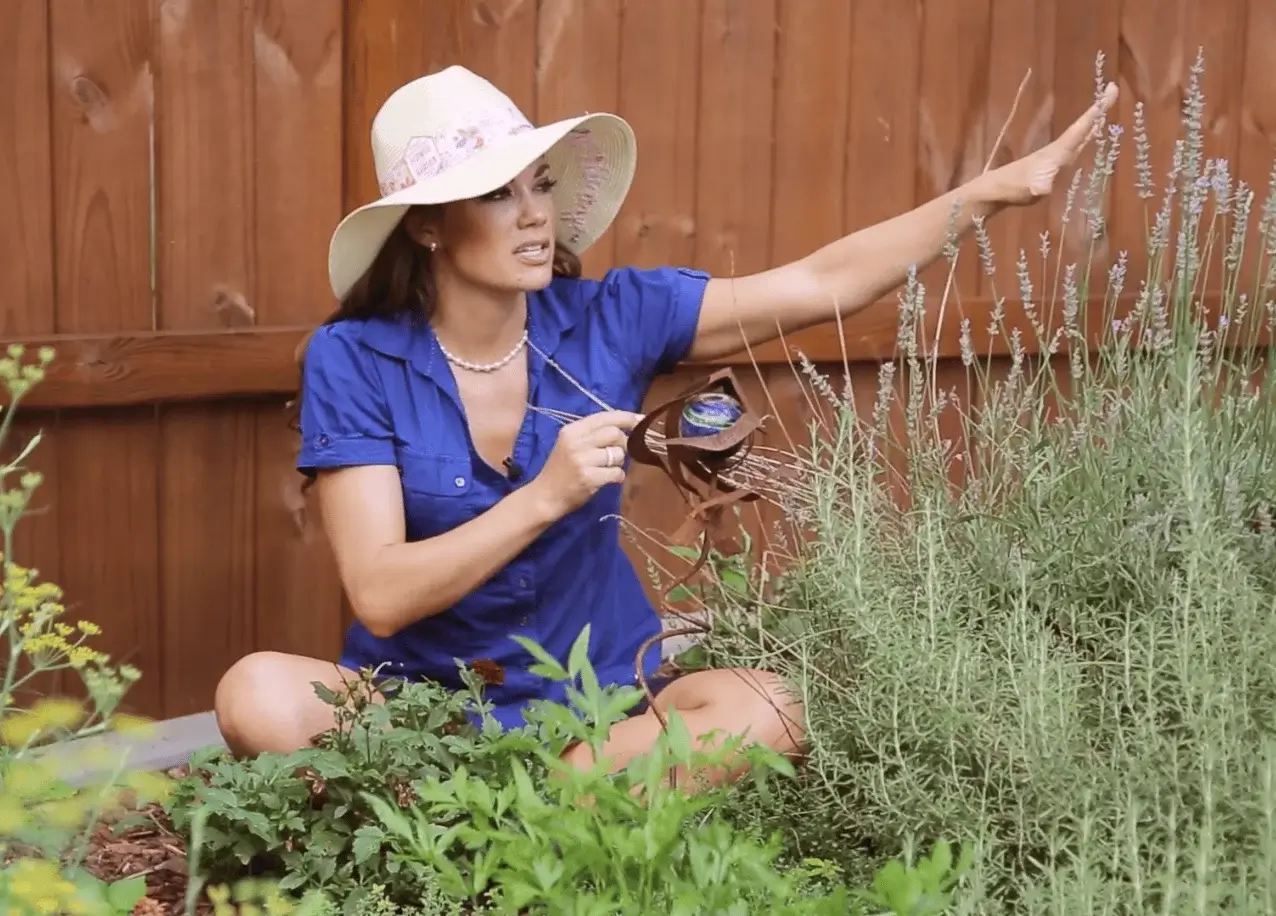
Growing up, learning how to grow herbs was part of my everyday life. With a mother known as “The Herb Lady,” you couldn’t expect anything less! Today, I love using the knowledge she imparted to me about growing herbs.
Growing and using fresh herbs to provide for my own family, then sharing that knowledge with all of you, is such a highlight for me. These wonderful gifts from God are useful in so many ways, from fresh tea and seasoning food to the traditional herbal preparations families have used for generations.
For those who are new to gardening, herbs are one of the easiest places to start. You can grow herbs indoors or outdoors, in the ground or in containers, so there are options no matter your resources or experience level.
Table of Contents
Best Herbs for Beginners
Though most herbs are relatively easy to learn how to grow, here are my top five favorites that are great for getting started!
1. Basil
Basil is one of my favorite herbs in the kitchen! So it's no surprise that it's one of my favorite herb plants.
Give basil plenty of sun and space for good air circulation. Plants are commonly spaced about 12-18 inches apart and can grow 1-2 feet tall or more, depending on the variety. Basil is a warm-season annual, so wait until the danger of frost has passed before planting it outside.
Keeping the growing tips pinched back, and removing flower buds when you want to keep harvesting leaves, will encourage a fuller plant and extend your harvest.
2. Thyme
Thyme is a wonderful perennial herb that works beautifully along garden beds, paths, rock gardens, and containers. Many varieties stay low, often around 6-12 inches tall, and spread roughly a foot or more.
Thyme loves full sun and excellent drainage. Unlike basil, it would rather be a little dry than constantly wet. Trim it regularly for fresh growth, and divide or replace older plants if they become overly woody or crowded.
3. Parsley
Parsley is usually grown with annual herbs, although it is technically a biennial. It can thrive both indoors and outside in the herb garden and usually reaches about 12 inches tall and wide.
When harvesting, start with the outer stems and work toward the center so the plant can keep producing. Parsley appreciates regular moisture and can tolerate some partial shade, especially where hot afternoon sun shortens the cool-weather growing season.
4. Chives
Chive plants have a grass-like appearance and are wonderful in almost any type of garden. They can reach about a foot tall and are easy to divide when the clump becomes crowded.
When trimming, cut leaves back to a couple of inches from the ground to encourage fresh growth throughout the gardening season.
As an added bonus, chive blooms will attract pollinators to your garden.
5. Mint
Mint is one of the most wonderfully fragrant herbs, but anything in the mint family can become a bit of a pest because it spreads so aggressively.
Keep your mint in pots to prevent it from taking over your entire garden. It tolerates more shade than many other herbs and prefers more consistent moisture than Mediterranean herbs such as rosemary, thyme, sage, and lavender.
Try some of the different flavors in the mint family such as chocolate mint, sweet mint, and more.
Pro-Tip! Mint is delicious in homegrown tea blends. Just snip some leaf tips and brew!
Growing Favorite Herbs Indoors
Any bright window with direct sunlight can be a wonderful place to start an indoor garden with herbs in containers, and it’s easier than you think!
Perhaps space is at a premium and you want a regular indoor kitchen herb garden. Or maybe you just want to start some seeds earlier and transfer your potted herbs outdoors later. Either way, growing herbs in pots inside your home can give you these wonderful plants right at your fingertips.
When starting plants, whether indoors or out, we love to start with good, quality non-GMO heirloom seeds. Heirloom varieties give you wonderful options for flavor, color, family tradition, and seed saving.
Heirloom seeds are generally open-pollinated varieties that have been preserved and passed down over generations. When properly isolated from cross-pollination, many heirloom varieties can be saved and grown true to type year after year.
One important clarification: hybrid does not mean GMO. Most hybrid seeds sold to home gardeners are created through conventional plant breeding, not genetic engineering. Hybrids can be wonderful garden plants, but saved seed usually does not reproduce the exact same traits. We still love heirlooms because they connect us to generations of gardeners and make seed saving possible.
Windows that receive plenty of direct sunlight are the best choice for growing herbs indoors. A bright south-facing window can work for many herbs, but indoor light is often weaker than outdoor sun. If your herbs stretch, lean, turn pale, or stop producing well, supplement with grow lights.
Be sure to take care when watering your indoor herb garden. Use containers with drainage holes and check the soil before watering instead of watering on a fixed schedule.
Basil prefers more consistent moisture, while thyme, rosemary, sage, and oregano appreciate drying slightly between waterings. Overwatering is one of the fastest ways to cause root problems, mildew, or weak growth indoors.
Using your herbs regularly will actually help many of them grow fuller! When you pinch leafy herbs like basil and mint back correctly, they branch and give you even more wonderful herbs to use.
As you learn how to grow herbs, you’ll find plenty of ways to use them so they’ll never go to waste when you pinch them back.
Individual pots and containers will make sure that your herbs have enough room to grow when making your container choice.
When you’re working with smaller spaces indoors, combining too many herbs in a tiny pot will not give roots the space they need and can make watering much harder. If you use a larger container for an indoor herb garden, make sure there is ample room for multiple plants and that the herbs sharing the container have similar moisture and light needs.
A small amount of good organic fertilizer can also help herbs stay productive, especially plants you harvest heavily. A quality potting mix with good drainage and some organic matter gives the roots a healthy start.
More fertilizer is not necessarily better. Overfeeding some herbs can create soft growth and reduce the concentrated aroma and flavor we love.
How to Grow an Herb Garden
Herbs are a beautiful and often fragrant addition to your outdoor garden plot or container garden. Whether you want your favorite herbs for culinary purposes or beautiful flowering plants for pollinators, they are worth adding to your garden plan.
For beginning gardeners, starting herbs from seed indoors or using plants that have already been started can make growing herbs outdoors a little easier.
Once you have established plants, begin transitioning them outdoors when the weather is appropriate for that herb. An overlooked trick to success is taking your time hardening off plants before transplanting them into the garden. Gradually increasing their exposure to outdoor sun, wind, and temperature changes helps reduce transplant stress.
As you learn how to grow herbs outdoors, carefully plan where you’ll be planting them.
Most common culinary herbs perform best with at least 6 hours of sunlight, but plant needs vary. Mint and parsley can tolerate partial shade, while rosemary, thyme, sage, and lavender do best with plenty of sun and excellent drainage.
Certain types of herbs, like mint, spread very rapidly and can take over a garden patch. For these, you might be better off planting them in containers to help control the spread.
When planning where to plant, you can use herbs as border plants or distribute them throughout the garden between other plants. You can even choose beautiful herbs by color to complement the other plants in your flower bed or container garden.
Keep a close eye on the weather and water your herbs according to what each plant needs. Parsley and mint appreciate more regular moisture, while thyme, sage, rosemary, and lavender prefer soil that drains quickly and does not stay soggy.
Fertilizing and trimming or pinching back your herbs can be helpful when growing them outdoors. Kitchen scissors double as pruning shears because you can harvest herbs as needed for your cooking.
For perennial herbs, prune according to the plant and your climate rather than cutting everything back the same way. Regular harvesting and light trimming encourage fresh growth, but woody herbs such as rosemary, sage, lavender, and thyme should not be treated exactly like soft annual herbs such as basil.
What Herbs Grow Well Together
Whether you have a dedicated herb garden or combine herbs into your vegetable garden, you can enjoy herb garden success by choosing plants that grow well together. Companion planting means being intentional about how you combine plants in the garden.
For herbs, one of the most reliable ways to decide what belongs together is to match their growing needs.
Rosemary, thyme, sage, and lavender make good neighbors because they like lots of sun, excellent drainage, and somewhat drier soil.
Basil, parsley, and chives appreciate more regular moisture and can work well in another part of the bed or in a separate container grouping.
Mint is the exception I almost always keep by itself because it spreads so aggressively and can crowd out other herbs.
Herbs for Shade and Sun
Understanding a plant's light needs is vital to keeping it healthy. While many herbs grow best in full sun, there are useful options for partial shade too, especially in climates where the afternoon sun can be intense.
If you have a section of patio or yard that doesn’t get full sun, don’t despair. You can still grow shade-tolerant herbs with careful plant selection.
How to Grow Herbs in Shade
- Comfrey – This tall perennial plant has beautiful flowers and a deep taproot, making it drought-tolerant once it’s established. It can tolerate partial shade, especially in hot climates, although it still needs enough light to grow strongly.
- Lemon Balm – In the mint family, lemon balm is easy to grow and has a delightful fragrance. It’s a larger plant, reaching up to 3 feet tall, in rounded clumps almost 2 feet wide. Prune it often to prevent seedlings from spreading and keep it looking trim and bushy. I love the way it smells and always include it in my aroma garden.
- Mint – Easy to grow, mint tends to want to take over the world. I recommend keeping it planted in containers. It’s a perfect herb to bring color to a partly shaded corner of your yard and will be low-maintenance as well as delicious.
- Parsley – This shade-tolerant herb grows easily from seed and combines nicely with larger shrubs or other shade-tolerant herbs. I recommend growing both flat-leaf and curly-leaf varieties! Start harvesting parsley from the outside, toward the center of the plant, to extend the harvest.
Easy-to-Grow Herbs for Sunny Garden Spots
- Dill – I love dill in the garden. The fern-like foliage is attractive, the flowers are huge, and the plant is tall but easy to grow. Give it plenty of space because it can easily grow 3 feet tall or more. Bonus! It attracts pollinators to your garden!
- Lavender – This herb has attractive, silvery green foliage and beautiful flowers with an unmistakable fragrance. You might usually think of the flowers as purple, but there are white flowering varieties as well. Give lavender full sun and very well-drained soil.
- Rosemary – A beautiful, woody herb, rosemary is drought tolerant once established, fragrant, and useful for so many things. In suitable climates, it can grow 3 feet tall or more depending on the variety. Rosemary makes a lovely hair rinse, and as a culinary herb, it’s awesome in the kitchen.
- Sage – Sage has long been a favorite medicinal and culinary herb. But it’s also a favorite for herb gardens because of the pretty leaves and how easy it is to grow. Give it full sun and well-drained soil, and allow enough room for the variety you choose. In addition to culinary sage, try purple or variegated sage for fun color options.
Herb gardens can be so rewarding. The variety of foliage, fragrances, and flowers gives you lots of options to make your home and yard beautiful. Plus, having fresh herbs close at hand makes your garden useful at the same time!
If you are brand-new to gardening, do not feel like you have to plant twenty varieties at once. Start with three to five herbs your family actually uses, learn what they like, and build from there.
That is how I learned growing up with “The Herb Lady,” and it is still one of my favorite ways to garden today.