QUICK SUMMARY
Homemade herbal tea is one of the simplest ways to enjoy the herbs and edible flowers growing in your garden. Harvest correctly identified, food-safe plants after the morning dew has dried, use them fresh or dry them completely, and steep leaves and flowers in covered hot water to capture their flavor and aroma.
A good starting point is 1 to 2 teaspoons of dried herbs or 1 to 2 tablespoons of fresh herbs per 8-ounce cup. Steep most leafy herbs and flowers for 5 to 15 minutes, then strain and adjust the next cup to your taste. Stronger roots, seeds, and rose hips may benefit from gentle simmering.
Chamomile, lemon balm, hibiscus, peppermint, lavender, bee balm, rosemary, and roses are among our favorite garden plants for tea. Use only edible species and plant parts grown with organic methods, and check herb-specific cautions if you are pregnant, breastfeeding, giving tea to a child, managing a health condition, or taking medication.
Herbal teas have so many benefits that you can take full advantage of when you learn how to make homemade tea from your own garden. Whether I need a little something to help me unwind and destress, a quick pick-me-up, or just a little healthful indulgence, sitting down with a cup of tea is such a wonderful moment in my day.
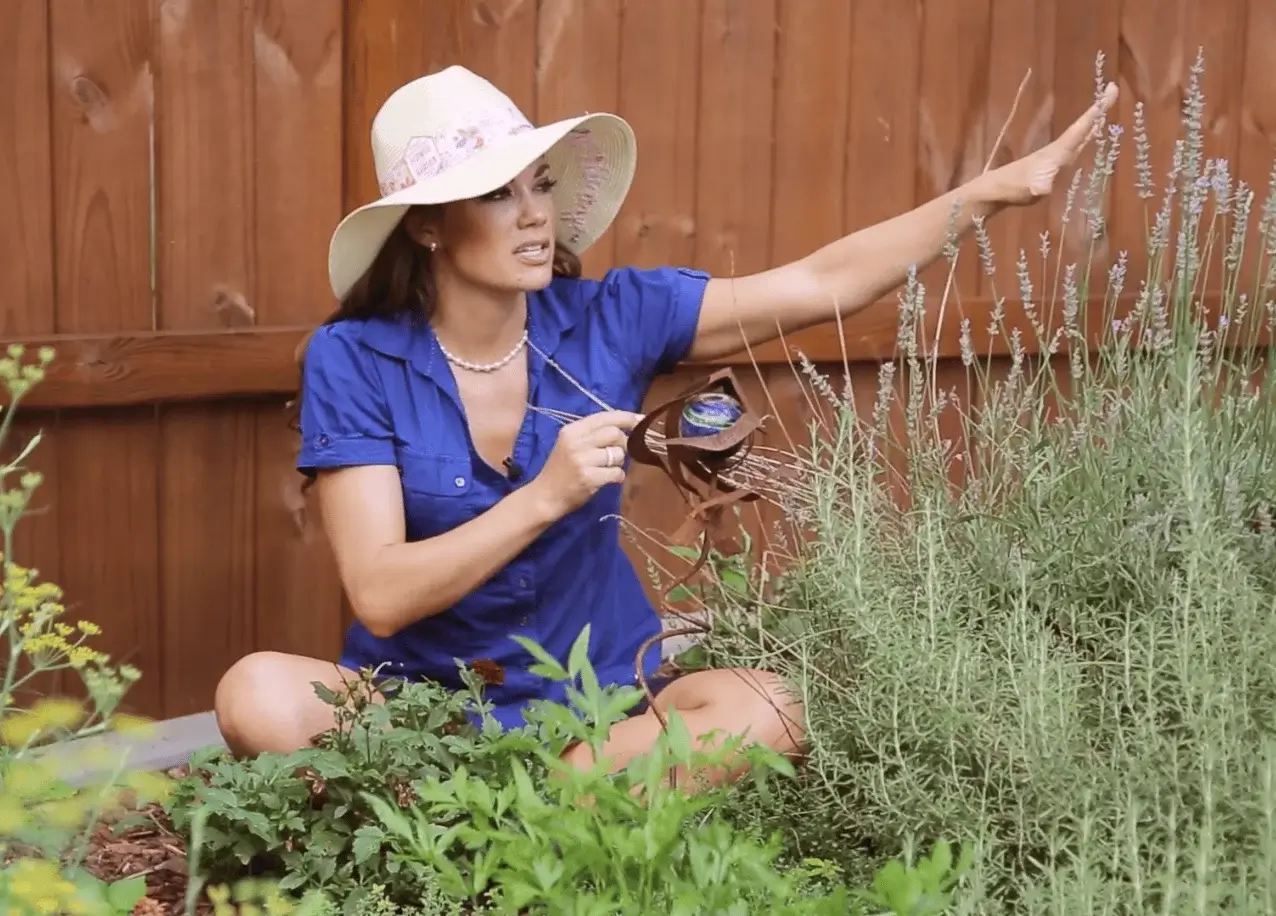
There is something especially satisfying about walking into the garden, gathering a handful of fragrant leaves or flowers, and turning them into a beautiful drink. You know how the plants were grown, you can create blends that fit the moment, and you are making good use of the harvest God has given you.
This guide will show you which herbs and flowers we love for tea, how to harvest and dry them, how much to use, and how to brew a flavorful cup without making the process complicated.
Table of Contents
The Benefits of Homegrown Tea
There are many wonderful benefits of using homegrown tea made from herbs and flowers straight from your own garden. Though each individual herb has its own unique properties and benefits, homegrown tea as a whole has some common advantages that you will enjoy.
- Control of the Growing Process: Though there are many wonderful organic teas on the market, there is nothing quite like knowing exactly how your herbs and flowers were grown and having full control over the process.
- Fresh Flavor and Aroma: Garden herbs can go from plant to cup in minutes. Fresh mint, lemon balm, lavender, and bee balm give off aromatic plant compounds that make tea a full sensory experience.
- Plant Compounds and Antioxidants: Many herbs and flowers contain polyphenols, pigments, and other bioactive compounds that enter the water during steeping. The amount depends on the species, plant part, growing conditions, drying method, quantity, water temperature, and steeping time. Herbal tea can complement a nourishing diet, but one cup should not be treated as a complete source of vitamins or minerals.
- A Calming Daily Rhythm: The simple act of gathering herbs, warming water, covering the cup, and sitting down to drink it can become a healthy pause in a busy day. Some herbs also have specific research behind their traditional calming uses.
- Physical Support: Depending on the herb, a tea may support digestion, hydration, sleep quality, respiratory comfort, or cardiovascular wellness. The benefit belongs to the exact plant and preparation, not to every herbal tea as a category.
- Less Waste From the Garden: Drying extra leaves and flowers lets you preserve the harvest for cooler months instead of watching useful plants go to waste.
What Does the Research Say About Herbal Tea?
Research is strongest for specific herbs and preparations, so it is important not to lump every tea together.
A 2024 systematic review and meta-analysis included 10 chamomile clinical trials with 772 adults. Chamomile improved some measures of sleep quality, especially staying asleep, although it did not consistently improve sleep duration, daytime functioning, or every sleep measure. The studies also varied considerably in their preparations and methods. (1)
A systematic review of lemon balm clinical trials found improvements in anxiety and depression scores compared with placebo, particularly in acute settings. The researchers also noted that the small number of trials and major differences among them limit how confidently the findings can be applied to an ordinary cup of garden-grown lemon balm tea. (2)
Hibiscus has some of the best human research among common garden tea ingredients. A systematic review of 17 randomized trials found that Hibiscus sabdariffa preparations lowered systolic blood pressure more than placebo, with larger changes among adults whose blood pressure was already elevated. That makes hibiscus more than a pretty red drink, but it also means people using blood-pressure medication should not treat concentrated hibiscus tea casually. (3)
These findings support what herbalists and families have observed for generations: plants can be powerful. They also remind us to use the right species, the right plant part, and the right amount with wisdom.
What Are the Best Herbs and Flowers to Make Tea?
There are so many edible herbs and flowers that can be grown in attractive garden landscapes and then enjoyed in homemade herbal tea blends. Hibiscus is one that comes to mind immediately and is an absolute favorite in our family.
Before you harvest anything, positively identify the plant and confirm that the exact species and plant part are edible. One edible part does not mean the entire plant is edible. Never experiment with an unknown flower, and do not use plants from florists, nurseries, roadsides, or sprayed ornamental beds unless they were specifically grown for food. University of Illinois Extension lists bee balm, culinary lavender, lemon balm, and other flowers as edible while emphasizing correct scientific identification. (4)
Here are more than a dozen of my favorite grow-them-yourself plants for tea.
- Anise: True anise, Pimpinella anisum, is a fast-growing herb with a wonderful licorice flavor. Use the seeds lightly crushed so the water can reach their aromatic compounds.
- Chamomile: One of the best-known flowers used in herbal teas, chamomile has a gentle apple-like aroma and a long tradition of calming use. German chamomile, Matricaria chamomilla, and Roman chamomile, Chamaemelum nobile, are different species. Take care if you are allergic to ragweed, chrysanthemums, marigolds, or daisies.
- Chocolate Mint: Once you try a little chocolate mint in your herbal blends, you will turn to it often for its delicious flavor. Like other mints, it spreads quickly, so a container can keep it from taking over the garden.
- Fennel: Fennel seed has a sweet, spicy flavor that I love. Lightly crush the seeds before steeping. Culinary use and an occasional cup of tea are different from taking a concentrated fennel extract or medicinal dose.
- Hibiscus: The ruby-red tea commonly called hibiscus is usually brewed from the fleshy calyces of Hibiscus sabdariffa, also called roselle, rather than from just any ornamental hibiscus flower. It makes a tart tea that is wonderful hot or iced.
- Lavender: Lavender flowers bring a rich floral note to homemade tea blends. Use culinary English lavender, Lavandula angustifolia, sparingly. A little goes a long way, and too much can make tea taste soapy or bitter.
- Lemon Balm: Though part of the mint family, lemon balm has a refreshing citrus scent and flavor. It is one of the easiest garden herbs to use fresh and one of my favorite additions to an evening blend.
- Lemongrass: The citrus flavor of lemongrass is another wonderful way to add a fresh, lemony hint to tea. Cut the clean stalk or leaves into small pieces before steeping.
- Lemon Verbena: This wonderful plant adds strong lemon flavor to teas and also brings in pollinators to help your garden flourish.
- Monarda or Bee Balm: Bee balm is a favorite of hummingbirds and also makes a wonderful tea. The leaves and flowers of edible Monarda species add citrus, mint, and mild spice notes.
- Peppermint: Peppermint is a go-to flavor for many herbal tea blends and is also a wonderful stand-alone tea. Its cooling flavor works well after meals, although peppermint can aggravate reflux in some people.
- Rose Hips and Rose Petals: Tea roses are not just for looks when you are enjoying a cup in the garden. Unsprayed, fragrant rose petals add delicate aroma, while mature rose hips create a pleasantly tart cup. Remove stems, leaves, and damaged portions before drying.
- Rosemary: Though rosemary is a strong, flavorful herb, adding just a bit to a tea blend can bring a wonderful savory flavor. Start with a small amount and pair it with lemon peel, mint, or hibiscus.
- Stevia: Growing your own stevia and using a leaf or two in herbal tea can bring natural sweetness to each cup. Add it carefully because homegrown stevia can become intensely sweet and slightly bitter when overused.
Fresh or Dried Herbs for Tea?
Both work beautifully. Fresh herbs give tea a bright, garden-fresh aroma. Properly dried herbs are more concentrated, convenient, and easy to blend year-round.
The National Center for Home Food Preservation notes that dried herbs are generally three to four times stronger than fresh herbs. For tea, a practical starting point is 1 to 2 tablespoons of loosely packed fresh leaves or flowers, or 1 to 2 teaspoons dried, per 8 ounces of water. Adjust the next cup according to the herb and your taste. (5)
How to Make Your Own Tea
When you are preparing your harvest to make your own tea, these simple techniques will help you get the most out of the flowers and herbs you are using while protecting flavor and quality.
1. Harvest at the Right Time
For most leafy herbs, harvest in the morning after the dew has evaporated but before the heat of the day. Many herbs have excellent flavor when gathered just before the flowers fully open. Flowers such as chamomile should be harvested when they are fresh and fully opened, while seeds and rose hips need to mature on the plant.
Choose clean, healthy plant material. Discard anything bruised, diseased, insect-damaged, slimy, or moldy. Harvest only what you can process promptly so the leaves do not wilt in a warm basket.
2. Wash and Dry the Surface
Rinse herbs and flowers gently under cool running water to remove soil, insects, and garden debris. Shake off the water and pat the harvest dry before using it fresh or placing it in a dehydrator.
Washing does not make a plant edible and does not remove every chemical residue. This is why I insist on using plants grown with organic methods and knowing exactly what has been applied to the garden.
3. Dry Herbs and Flowers Completely
Though you can dry sturdy herbs in small hanging bundles in a warm, shaded, well-ventilated room, tender herbs such as mint, basil, and lemon balm have a high moisture content and can mold if they dry too slowly.
A dehydrator gives you the most control. The National Center for Home Food Preservation recommends 95°F to 115°F for most herbs, with temperatures up to 125°F in humid conditions. Arrange herbs in a single layer and check them regularly. Depending on the plant and conditions, dehydrator drying may take about one to four hours. Herbs are ready when leaves crumble easily and small stems snap instead of bending. (5)
An oven can work when it holds a very low, steady temperature, but excess heat can fade color and drive off the aroma you are trying to preserve. Sun drying is not ideal because direct sunlight can reduce flavor and color.
Never package herbs that still feel soft, cool, leathery, or damp. Moisture trapped in a jar creates the conditions for spoilage and mold.
4. Store Dried Herbs and Flowers Properly
Moisture, light, heat, and air are the enemies of dried tea herbs. Store completely dry plant material in clean, airtight glass containers in a cool, dark cupboard away from the stove, dishwasher, and sink.
I prefer to keep leaves and flowers mostly whole and crumble them when I make tea. That helps protect the aromatic oils longer than grinding everything into powder.
Label every jar with:
- Common and botanical name when possible
- Plant part
- Harvest date
- Drying date
- Any blend ingredients and proportions
Check jars during the first week. If you see condensation, clumping, softness, an off smell, or visible mold, discard the batch. Properly dried herbs are best used within about a year for flavor, though delicate flowers may fade sooner.
5. Combine Blends for Easy Use
Keeping some of your dried tea components separate for experimenting with new combinations is a great idea. Once you discover a favorite, blending a small jar ahead of time can be a blessing, especially when you are tired, struggling to fall asleep, or fighting off a cold and want something comforting quickly.
Make modest batches so the herbs stay fresh. Write down the proportions before you forget them. Some of the best family recipes begin with, “I added a little of this and a pinch of that,” but you will be glad to have the formula when everyone asks you to make it again.
6. Choose the Right Tea Strainer
Look for a larger stainless steel mesh infuser or basket that gives the leaves room to expand. Small tea balls can pack tightly and keep water from moving freely through the herbs. A French press also works well for larger family batches.
7. Steep for the Right Amount of Time
For leaves and flowers, place the herbs in a cup or teapot, pour hot water over them, cover, and steep for 5 to 15 minutes. Covering the cup helps keep aromatic compounds from escaping with the steam.
Stronger herbs may need less time, while mild flowers may need longer. Taste at five minutes, then continue steeping until the flavor is where you want it.
- Fresh leaves and flowers: Start with 1 to 2 tablespoons per 8 ounces of hot water.
- Dried leaves and flowers: Start with 1 to 2 teaspoons per 8 ounces of hot water.
- Seeds: Lightly crush before steeping so the water can reach the interior.
- Roots, bark, firm seeds, and rose hips: A gentle covered simmer for 10 to 20 minutes may extract more flavor than a simple steep.
Strain the tea, taste it, and add a little homegrown stevia, lemon, or honey as desired. Do not give honey to a child younger than one year.
Simple Homemade Tea Recipes
With a garden filled with wonderful ingredients to include in your own herbal tea blends, one of the most fun things to do is experiment with different combinations.
Typically, herbal blends contain around 2 teaspoons to 1 tablespoon of dried herbs per cup of hot water, depending on the strength and density of the plants. Start on the lighter side with rosemary, lavender, and stevia. You can always make the next cup stronger.
These five simple recipes will help you get started with learning how to make homemade tea. Keep each preserved recipe quantity tied to the complete recipe yield, and do not add extra medicinal herbs merely because one cup tasted mild.
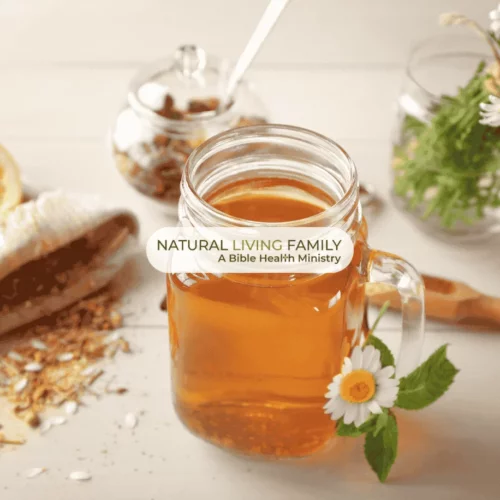
Lavender Chamomile Blend
Servings
Ingredients
- 1 teaspoon organic Lavender
- ½ teaspoon organic Chamomile
- ½ teaspoon organic Peppermint
Instructions
- Typically, herbal blends contain around 2 tsp to 1 Tablespoon of dried herbs to a cup of boiling water.
Simple Peppermint Tea
Servings
Ingredients
- 1 teaspoon organic Peppermint
- 1 teaspoon organic Stevia
Instructions
- Typically, herbal blends contain around 2 tsp to 1 Tablespoon of dried herbs to a cup of boiling water.
Hibiscus Mint Tea
Servings
Ingredients
- 1 teaspoon organic hibiscus
- 1 teaspoon dried organic rosehips
- 1 teaspoon organic hibiscus flower
Instructions
- Typically, herbal blends contain around 2 tsp to 1 Tablespoon of dried herbs to a cup of boiling water.
Restful Tea Blend
Servings
Ingredients
- 1 teaspoon organic lemon balm
- 1 teaspoon organic chamomile
- 1 teaspoon organic lavender
Instructions
- Typically, herbal blends contain around 2 tsp to 1 Tablespoon of dried herbs to a cup of boiling water.
Digestive Blend Tea
Servings
Ingredients
- 1 teaspoon organic dried peppermint
- 1 teaspoon organic fennel seeds, lightly crushed
- 1 teaspoon dried organic lemon balm
- 1/2 teaspoon dried organic chamomile flowers
Instructions
- Typically, herbal blends contain around 2 tsp to 1 Tablespoon of dried herbs to a cup of boiling water.
How to Customize a Homemade Tea Blend
Think of each blend in three simple layers:
- Choose a base: Peppermint, lemon balm, hibiscus, lemongrass, or chamomile can provide most of the cup’s flavor.
- Add an accent: A small amount of lavender, rosemary, bee balm, fennel, rose, or lemon verbena adds personality.
- Balance the flavor: Stevia adds sweetness, hibiscus and rose hips add tartness, and mint adds cooling freshness.
Write down successful combinations in a garden journal. Include whether the herbs were fresh or dried, the amount used, and how long you steeped them. Those details make a much bigger difference than most people realize.
Homemade Herbal Tea Safety
Plants are powerful gifts, and a tea can be both gentle and active. “Natural” does not mean that every herb is appropriate for every person. MedlinePlus notes that herbs can cause harm or interact with prescription and over-the-counter medication. (6)
Keep these practical safeguards in mind:
- Identify the exact plant. Confirm the species and edible plant part before it enters your cup. Common names can refer to several different plants.
- Use food-safe garden plants. Do not brew florist flowers, roadside plants, or ornamentals treated with products not labeled for edible crops.
- Start with one new herb at a time. A simple cup makes it easier to notice an allergy, digestive reaction, headache, dizziness, or other unwanted response.
- Respect allergies. Chamomile may trigger reactions in people allergic to ragweed, chrysanthemums, marigolds, daisies, or related plants. Rare severe reactions have been reported. (7)
- Consider medication effects. Hibiscus may lower blood pressure, while other herbs can affect sedation, blood sugar, clotting, or medication metabolism. Check the exact herb rather than relying on a generic “herbal tea is safe” statement.
- Use extra care during pregnancy and breastfeeding. Culinary quantities and occasional mild tea are not the same as concentrated medicinal use. Ask a qualified professional about the exact herb, amount, frequency, and stage of pregnancy.
- Adjust for children. Use mild, correctly identified herbs in small amounts, avoid using tea to replace food or necessary medical care, and never add honey for a baby under one year.
- Discard questionable herbs. Never try to rescue a moldy, musty, damp, fermented, or insect-contaminated batch.
A comforting tea can support a healthy routine, but it should not be used to delay care for persistent depression, severe anxiety, breathing difficulty, dehydration, high fever, serious digestive symptoms, or another urgent condition.
Homemade Herbal Tea FAQs
How do you make tea from fresh garden herbs?
Rinse correctly identified edible herbs, pat them dry, and place 1 to 2 tablespoons of loosely packed leaves or flowers in a cup. Pour 8 ounces of hot water over them, cover, steep for 5 to 15 minutes, strain, and taste. Use less of strong herbs such as rosemary, lavender, and stevia.
Can you make tea with herbs straight from the garden?
Yes. Fresh herbs can go directly from the garden to your cup after correct identification, careful washing, and removal of damaged material. Use only edible species and plant parts grown without unsafe pesticide exposure.
Is it better to use fresh or dried herbs for tea?
Neither is always better. Fresh herbs offer bright flavor and aroma, while dried herbs are concentrated and convenient. Dried herbs are generally three to four times stronger, so begin with a smaller amount.
How long should homemade herbal tea steep?
Most leaves and flowers steep well for 5 to 15 minutes in covered hot water. Taste at five minutes. Firm seeds, roots, bark, and rose hips may need a gentle covered simmer for 10 to 20 minutes.
Should herbal tea be made with boiling water?
Water brought to a boil and then poured over leaves and flowers works well for most garden teas. Very delicate flowers may taste smoother when the water rests briefly after boiling. Roots, firm seeds, and rose hips may be simmered.
Are all herbal teas caffeine-free?
Most garden herbal infusions are naturally caffeine-free because they do not contain true tea leaves from Camellia sinensis. A blend will contain caffeine if you add black, green, white, or oolong tea, yerba mate, guarana, or another caffeine-containing ingredient.
How long do dried tea herbs last?
For the best flavor, use most home-dried herbs within about one year. Store them completely dry in airtight containers away from heat, moisture, air, and light. Delicate flowers may lose color and aroma sooner.
Can I drink homemade herbal tea every day?
That depends on the herb, strength, amount, and your health. Mild culinary herbs may fit a daily routine, but medicinal plants and concentrated blends require more caution. Rotate your teas, keep servings reasonable, and check specific interactions if you take medication or have a health condition.
Can herbal tea replace water?
Unsweetened, caffeine-free herbal tea contributes fluid, but it does not need to replace plain water. Keep drinking clean water throughout the day and treat tea as one enjoyable part of hydration.
What is the best herb to grow for homemade tea?
Lemon balm and peppermint are two of the easiest and most useful choices for beginners. Both grow vigorously, taste good alone, and blend well with flowers, citrus herbs, rose hips, and hibiscus.
Final Thoughts on Homegrown Herbal Tea
When it is all said and done, homegrown tea from your own garden is one of the freshest and most enjoyable ways to use beautiful flowers and herbs. Many of these plants are not only incredibly useful but gorgeous in the garden and loved by pollinators.
Start with one or two plants you already enjoy. Learn their correct names, harvest them carefully, and make a simple cup before creating complicated blends. Soon you will know which tea helps you settle into the evening, which one feels refreshing on a hot afternoon, and which blend your family asks for again and again.
There is no need to make this complicated. God placed remarkable variety in the plant world, and a humble cup of tea is a beautiful way to slow down, give thanks, and enjoy the harvest.


References
- Kazemi A, Shojaei-Zarghani S, Eskandarzadeh P, Hashempur MH. “Effects of chamomile (Matricaria chamomilla L.) on sleep: A systematic review and meta-analysis of clinical trials.” Complementary Therapies in Medicine. 2024;84:103071. PubMed.
- Ghazizadeh J, Sadigh-Eteghad S, Marx W, et al. “The effects of lemon balm (Melissa officinalis L.) on depression and anxiety in clinical trials: A systematic review and meta-analysis.” Phytotherapy Research. 2021;35(12):6690-6705. PubMed.
- Ellis LR, Zulfiqar S, Holmes M, et al. “A systematic review and meta-analysis of the effects of Hibiscus sabdariffa on blood pressure and cardiometabolic markers.” Nutrition Reviews. 2022;80(6):1723-1737. PubMed.
- Barnes AR. “Spice Up the Garden With Edible Flowers.” University of Illinois Extension. May 29, 2025. Source.
- National Center for Home Food Preservation. “Herbs.” University of Georgia Cooperative Extension. Accessed August 1, 2026. Source.
- MedlinePlus. “Herbal Medicine.” U.S. National Library of Medicine. Updated August 24, 2025. Source.
- National Center for Complementary and Integrative Health. “Chamomile: Usefulness and Safety.” Updated November 2024. Source.