QUICK SUMMARY
Homemade hash browns are one of the easiest ways to turn simple root vegetables into a colorful, crispy breakfast side. Carrots, parsnips, radishes, red potatoes, sweet potatoes, and turnips all work beautifully, and making them from scratch lets you control the vegetables, salt, cooking fat, and seasonings instead of relying on a processed frozen product.
Root vegetables provide fiber, potassium, vitamin C, and other nutrients depending on the variety. Orange vegetables such as carrots and sweet potatoes are especially rich in beta-carotene, which the body can convert to vitamin A for normal vision, immune function, growth, and organ health. Higher whole-food carotenoid intake is associated with a lower risk of several cancers, but these foods should not be presented as cancer treatments. (1, 2)
We still prefer organic root vegetables whenever possible. Current research shows that organic diets can reduce pesticide exposure, although organic does not mean completely pesticide-free. And if you are using older potatoes, never eat the sprouts themselves or heavily green, damaged, bitter, or extensively sprouted potatoes because glycoalkaloids such as solanine and chaconine can rise as potatoes green, sprout, or become damaged. (3, 4)
My Homemade Hash Browns are a great way to start cooking from scratch. They’re easy, colorful, healthy, and delicious! The best part? You can use whatever root vegetables are lurking in your fridge. Organic carrots, parsnips, red potatoes, and sweet potatoes all crisp well, creating a tasty addition to any brunch.
I love adding colorful, homemade hash browns to our brunch rotations. They’re a lovely side dish that doesn’t require much effort and are always ready to reheat! Once you make hash browns from scratch, you’ll never go back to store-bought again.
And there is another reason I prefer homemade. Some packaged hash browns are nothing more than potatoes, but others contain refined oils, added dextrose, preservatives, anti-browning agents, or flavoring ingredients. Deep-frying and repeated high-heat use can also degrade cooking oils through oxidation and other reactions. Making hash browns yourself lets you choose whole vegetables and the cooking fat you want. Always read the ingredient list because brands vary widely. (5)
Table of Contents:

Why Organic Root Vegetables?
Root vegetables are a great addition to any diet. Whether you pick them up at the store or grow them yourself, you’re sure to reap the benefits! Here are just a few reasons to add these delicious tubers and roots to your plate.
Full of Nutrients
Orange-colored root vegetables contain carotenoids such as beta-carotene. This gives many of these veggies their brilliant color, but it’s also valuable for the body. When digested, your body can convert beta-carotene into vitamin A. Sweet potatoes and carrots are particularly rich sources. (1)
Vitamin A supports normal vision, immune function, reproduction, growth and development, and the normal function of the heart, lungs, and other organs. It is more accurate to say vitamin A supports these systems than to imply that eating one specific vegetable prevents disease on its own. (1)
Root vegetables also contribute different combinations of fiber, potassium, vitamin C, folate, and plant compounds, depending on which ones you choose. One of the reasons I love mixing several varieties is that you get different colors, textures, flavors, and nutrients in one pan.
Carotenoids and Cancer Risk
The same carotenoids that give many vegetables their vivid colors have been studied for their relationship with cancer risk. A 2024 umbrella meta-analysis of 51 articles found that higher dietary carotenoid intake and blood carotenoid concentrations were generally associated with lower risk of total cancer and several specific cancers. A separate meta-analysis of prospective studies found that higher carrot intake was associated with lower overall cancer incidence. (2, 6)
That does not mean carrots, sweet potatoes, or other root vegetables “kill cancer” in people, and it does not make isolated beta-carotene supplements equivalent to eating whole food. In fact, high-dose beta-carotene supplements have increased lung-cancer risk in certain high-risk groups such as smokers and people exposed to asbestos. The whole-food pattern is the important distinction. (1, 2)
These vegetables also contain antioxidant compounds that help the body manage oxidative stress. Rather than claiming they directly fight inflammation or cancer, I think of them as one more delicious part of a nourishing, plant-rich diet.
Budget-Friendly
Root vegetables aren’t just healthy; they’re also easy on your wallet. You can purchase them in bulk at a great price. When stored properly, they last a long time, so you can take advantage of any sale prices!
When purchasing these veggies, I still recommend buying organic varieties whenever possible. The reason is not that organic produce is untouched by every pesticide or agricultural input. Organic farming can use approved pesticides. However, systematic reviews consistently find that people eating more organic foods tend to have lower pesticide exposure biomarkers than those eating conventional diets. The long-term health advantage for every specific disease is still being studied, but reducing unnecessary pesticide exposure is reason enough for our family to choose organic when practical. (3)
You can also grow root vegetables easily in your garden. It’s so much fun to dig for potatoes at the end of the season! This is one of my kids’ favorite jobs.
Healthy Hash Brown Ingredients 101
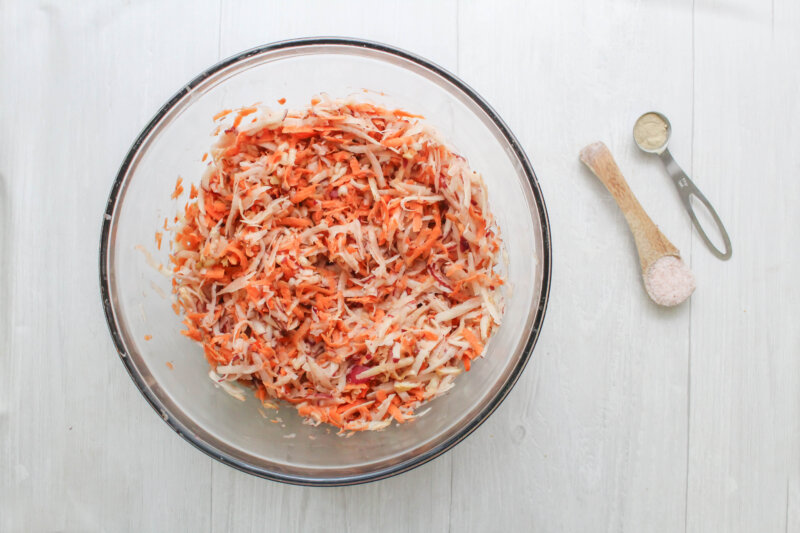
This recipe doesn’t require any fancy ingredients! All you need is a few spices and some delicious veggies.
Organic Root Vegetables: One of my favorite hacks is making new potato plants from potatoes that look a little rough. These potatoes have usually been hiding in your fridge and may have started to sprout eyes.
You can plant those potatoes in your garden. If you are considering eating an older potato, though, use a little wisdom. Potato sprouts and the areas around the eyes can contain higher concentrations of naturally occurring glycoalkaloids such as alpha-solanine and alpha-chaconine. Greening, physical damage, rotting, and extensive sprouting are additional warning signs. Cooking does not reliably destroy these compounds. (4, 7)
If a potato is still firm with only a very small sprout and no significant greening or bitter taste, remove the sprout and eye generously before use. If it is heavily sprouted, extensively green, damaged, rotten, bitter, or causes a burning sensation in your mouth, discard it or use an appropriate healthy specimen for planting instead. Never eat the sprouts themselves. (4)
Vegetables that taste great in this recipe include:
- Carrots
- Parsnips
- Radishes
- Red Potatoes
- Sweet Potatoes
- Turnips
Use any or a combination of these veggies for a bright, decadent dish! Some root vegetables, like radishes, have a bitter or peppery flavor when raw, but they make a great potato substitute when cooked.
Pink Himalayan Salt or Sea Salt: We prefer a good-quality sea salt or pink Himalayan salt for flavor and because they are less refined than many standard table salts.
One correction is important, though. The trace minerals in specialty salts are present in very small quantities and should not be counted on as a meaningful source of nutrition. An analysis of 31 pink salts found that more than 30 grams per day would be required to obtain a meaningful mineral contribution, which would provide far too much sodium. One sample also exceeded the applicable lead limit, reminding us that “natural” does not mean every product is automatically equal in purity. Choose a reputable source. (8)
Another practical consideration is iodine. Sea salt and Himalayan salt are usually not iodized. If you do not use iodized salt, make sure your diet provides iodine from other appropriate foods or sources. (9)
Organic White Pepper, Ground: White pepper is a must-have for any healthy chef! It has a lighter, milder taste than black pepper and can be used interchangeably in many recipes. I recommend freshly grinding your sea salt and pepper for the best flavor. Nothing beats fresh! You can also dress up your hash browns by topping them with various herbs, like parsley or chives.
Coconut Oil, Extra-Virgin and Unrefined: We recommend avoiding highly processed frying fats and choosing extra-virgin, unrefined coconut oil for this recipe. It fries beautifully and gives the vegetables a crisp finish without an odd flavor.
Coconut oil is naturally high in saturated fat, so it should not be sold as a miracle food. Human trials have produced mixed lipid findings, and several meta-analyses have found that coconut oil can raise LDL cholesterol compared with some unsaturated plant oils, although it often performs differently than butter and newer analyses continue to debate the clinical significance. We still use it as one traditional cooking fat in the context of a varied whole-food diet rather than treating it as something to consume without limit. (10)
Coconut oil isn’t just for the kitchen, though! You can also use it to moisturize, clean sticky surfaces, and, of course, substitute for butter. Recipes that contain coconut oil are great to serve at gatherings because they’re vegan, dairy-free, and gluten-free, assuming the rest of the ingredients and preparation are also free of those allergens.
Make My Easy Hash Browns Recipe
This recipe comes together in minutes and is so easy to make. If you have a food processor, all the hard work is done for you!
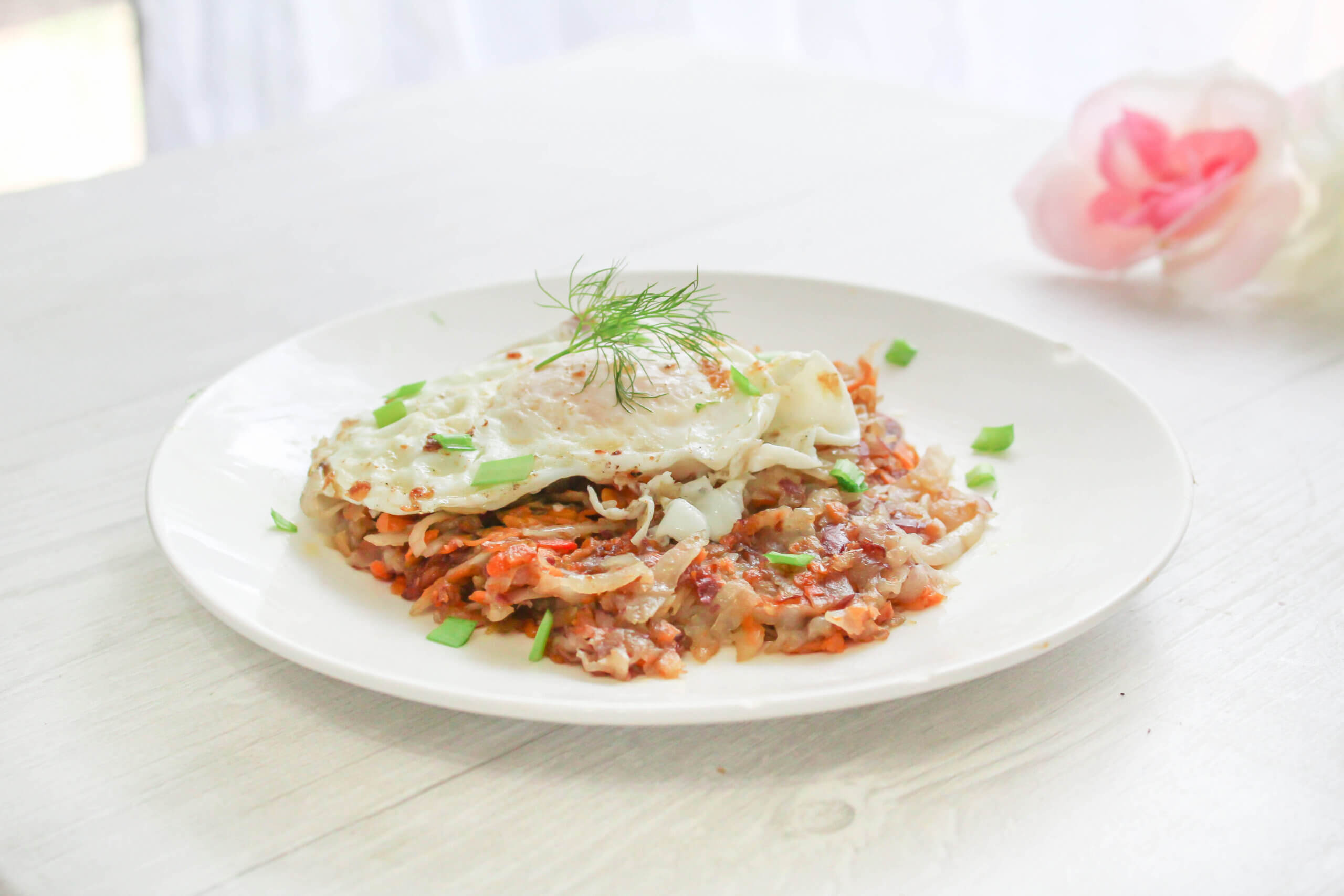
Hashbrown Recipe (Vegan)
Servings
Ingredients
- Coconut oil extra-virgin AND unrefined
- Organic root vegetables of choice, shredded
- Pink Himalayan salt OR sea salt, ground
- Organic white pepper, ground
Instructions
- Shred your organic root vegetables into large grated shreds using a food processor shredding plate or a hand-held grater.
- Melt the coconut oil over medium heat and place the shreds in the pan. Sprinkle with sea salt and white pepper to taste.
- When one side is lightly browned, flip the hashbrowns and let the other side brown.
Step One: Shred the Veggies
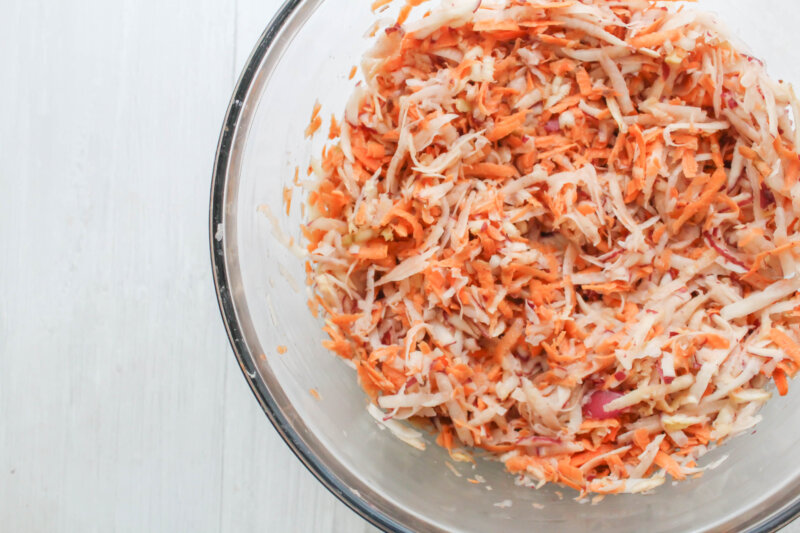
Shred your organic root vegetables into large grated shreds using a food processor shredding plate or a hand-held grater.
Step Two: Fry the Hash Browns
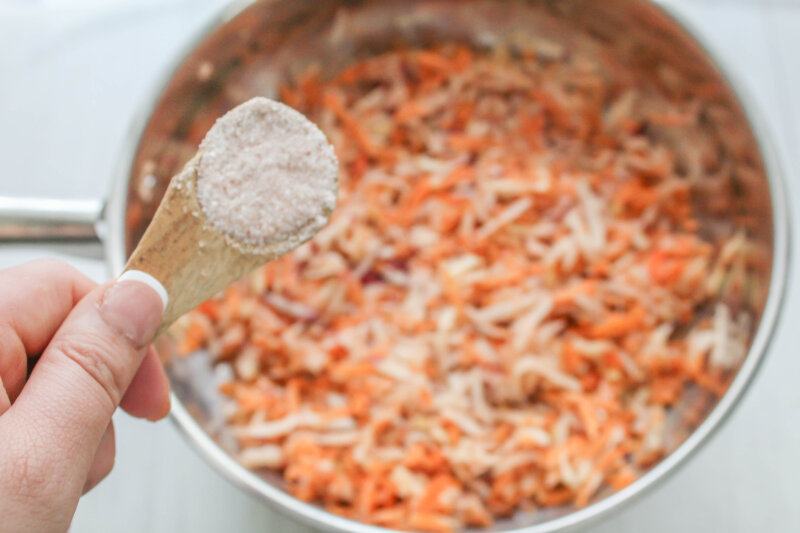
Melt the coconut oil over medium heat and place the shreds in the pan. Sprinkle with sea salt and white pepper to taste. When one side is lightly browned, flip the hash browns and let the other side brown.
Enjoy!
Serving Ideas
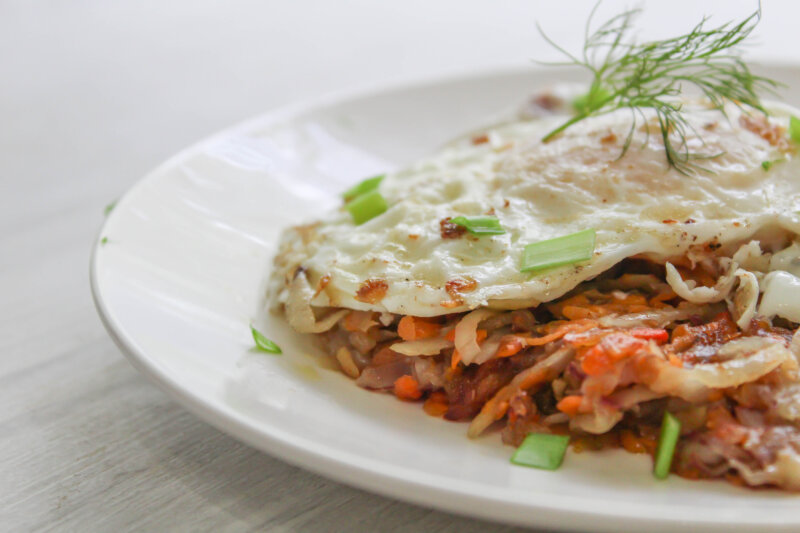
These hash browns pair well with my Homemade Ketchup, a sugar-free condiment that’s a refrigerator staple at our house! The kids love it! We enjoy breakfast for dinner every so often, just to shake things up, and these hash browns usually appear on the table.
We also enjoy frying or poaching an egg and placing it over the hash browns for a gourmet look. You can place these hash browns inside your omelet to beef it up or serve them as a substitute for french fries.
You can also use them as a substitute in any casserole that requires frozen hash browns. Just squeeze the moisture from your vegetable shreds before adding to other ingredients. The sky is the limit!
Tips for Crispy Homemade Hash Browns
The biggest difference between limp hash browns and crispy ones is moisture management. Root vegetables hold different amounts of water, so your exact results will vary depending on the combination you choose.
- Squeeze out extra moisture. This is especially helpful with freshly shredded potatoes and other juicy vegetables. A clean kitchen towel works well.
- Do not overcrowd the pan. A thinner layer gives steam somewhere to escape and lets more vegetable surface touch the hot pan.
- Give the first side time to brown. Constant stirring keeps the shreds from forming those crispy golden edges everyone loves.
- Use medium heat. You want enough heat to brown the vegetables without scorching the exterior before the center cooks.
- Mix vegetables strategically. Carrots and sweet potatoes add sweetness and color, while red potatoes help create the classic hash-brown texture. Radishes, parsnips, and turnips make the flavor more interesting.
If you’re meal prepping, cook a larger batch and let the leftovers cool before refrigerating. Reheating them in a skillet or oven usually restores the texture better than steaming them.
Homemade Hash Browns FAQs
What vegetables can I use for homemade hash browns?
Carrots, parsnips, radishes, red potatoes, sweet potatoes, and turnips all work. You can use one vegetable or combine several. Potatoes give you the most traditional texture, while carrots and sweet potatoes add sweetness and color.
How do I keep homemade hash browns from getting soggy?
Remove excess moisture from the shredded vegetables, avoid overcrowding the pan, and let the first side brown before flipping. Moisture creates steam, and too much steam prevents crisp edges.
Are homemade hash browns healthier than frozen hash browns?
They can be, especially because you control every ingredient. Some frozen hash browns contain only potatoes, while others include refined oils, added sugars, preservatives, anti-browning agents, or flavorings. Read the label. Homemade hash browns let you start with organic whole vegetables, your preferred salt, and a cooking fat you trust.
Are orange root vegetables high in vitamin A?
Carrots and sweet potatoes are rich in beta-carotene, a provitamin A carotenoid that the body can convert into vitamin A. Vitamin A supports normal vision, immune function, growth, reproduction, and organ health. (1)
Do root vegetables prevent cancer?
No single food can be promised to prevent cancer. However, higher dietary intake of carotenoid-rich whole foods has been associated with lower risk of several cancers in observational research and meta-analyses. This is very different from claiming that a particular vegetable treats cancer or that high-dose carotenoid supplements provide the same benefit. (2, 6)
Can I eat potatoes that have started to sprout?
Use caution. Remove small sprouts and the surrounding eye generously from a firm potato that is not significantly green, damaged, rotten, or bitter. Do not eat the sprouts themselves. Heavily sprouted, green, damaged, rotten, bitter, or burning-tasting potatoes should be discarded because glycoalkaloid levels may be elevated, and cooking does not reliably remove them. (4)
Do organic vegetables have pesticides?
Organic agriculture can use approved pesticides, so “organic” does not mean pesticide-free. However, human studies and systematic reviews show that organic diets generally reduce pesticide exposure biomarkers. That is one reason we prioritize organic produce when it is available and practical. (3)


- National Institutes of Health, Office of Dietary Supplements. “Vitamin A and Carotenoids: Fact Sheet for Health Professionals.” Source.
- Sui J, Guo J, Pan D, et al. “The Efficacy of Dietary Intake, Supplementation, and Blood Concentrations of Carotenoids in Cancer Prevention: Insights from an Umbrella Meta-Analysis.” Foods. 2024;13(9):1321. PubMed.
- Jiang B, Pang J, Li J, et al. “The effects of organic food on human health: a systematic review and meta-analysis of population-based studies.” Nutrition Reviews. 2024;82(9):1151-1175. PubMed.
- Health Canada. “Glycoalkaloids in Foods.” Source.
- Martínez-Yusta A, Goicoechea E, Guillén MD. “Vegetable Oils and Their Use for Frying: A Review of Their Compositional Differences and Degradation.” Foods. 2024;13(24):4186. PubMed.
- Madsen H, et al. “Carrot intake is consistently negatively associated with cancer incidence: A systematic review and meta-analysis of prospective observational studies.” Critical Reviews in Food Science and Nutrition. 2024. PubMed.
- Figueira JG, Barros SC, Valero-Cases E, Sanches Silva A. “Glycoalkaloids in potatoes: exploring health effects, analytical techniques, occurrence, mitigation measures.” Food and Chemical Toxicology. 2026;207:115807. PubMed.
- Fayet-Moore F, Wibisono C, Carr P, et al. “An Analysis of the Mineral Composition of Pink Salt Available in Australia.” Foods. 2020;9(10):1490. PubMed.
- National Institutes of Health, Office of Dietary Supplements. “Iodine: Fact Sheet for Health Professionals.” Source.
- Neelakantan N, Seah JYH, van Dam RM. “The Effect of Coconut Oil Consumption on Cardiovascular Risk Factors: A Systematic Review and Meta-Analysis of Clinical Trials.” Circulation. 2020;141(10):803-814. PubMed.