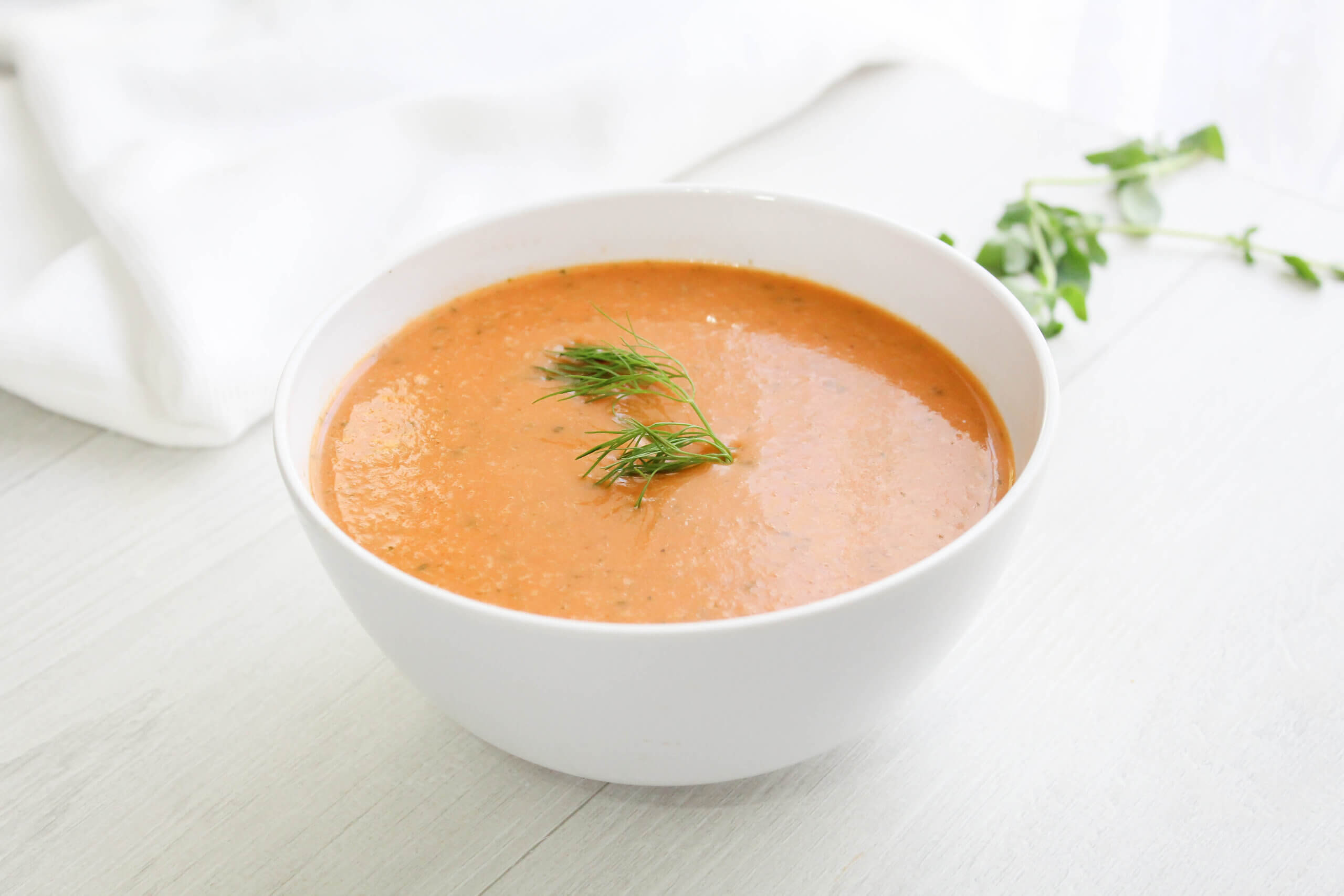
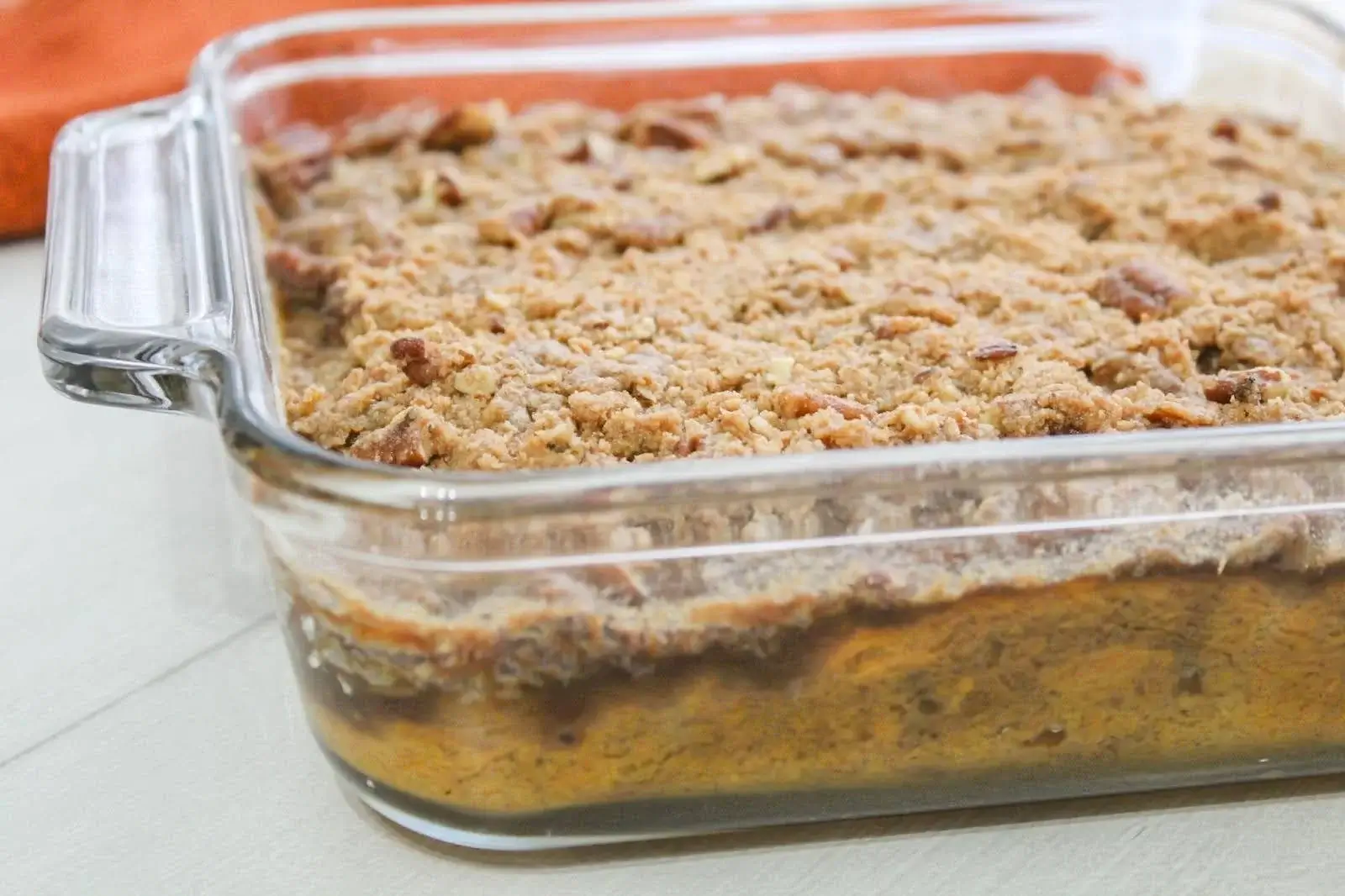
QUICK SUMMARY
This cozy Quinoa Porridge With Essential Oils turns leftover cooked quinoa, gluten-free oats, or brown rice into a warm, creamy breakfast bake with coconut milk, dried fruit, pumpkin pie spice, and culinary essential oils.
Quinoa is a naturally gluten-free pseudocereal with protein, fiber, minerals, and bioactive plant compounds. Human research suggests quinoa can fit well into a nourishing dietary pattern, but it is not a magic anti-inflammatory or weight-loss food. The real win in this recipe is simple: whole-food ingredients, less food waste, and a make-ahead breakfast your family can enjoy all year long. (1, 2)
The preserved recipe uses just 1 drop each of cinnamon, ginger, clove, and nutmeg essential oil across the entire casserole. Use only essential oils specifically labeled as appropriate for culinary use, follow the recipe exactly, and do not increase the number of drops.
Breaking news, leftovers are in! This Quinoa Porridge With Essential Oils turns yesterday’s cooked grains into a warm, nourishing breakfast your family will actually look forward to eating.
This is the kind of recipe busy moms love because it works with real life. You can make it fresh in the morning, but it is even better when you prepare it the night before and let all those creamy, autumn-spiced flavors come together while you sleep.
And here’s the thing: This breakfast may taste like fall, but we enjoy it all year long. It is hearty, cozy, lightly sweet, and satisfying enough to make a busy morning feel a little easier.
Table of Contents:

Why Quinoa Is a Nourishing Gluten-Free Breakfast
Quinoa, pronounced keen-wah, is one of those ancient foods that deserves a regular place in a healthy kitchen.
Technically, quinoa is a pseudocereal rather than a true cereal grain. Nutritionally, though, it works much like a whole grain and gives you a naturally gluten-free source of protein, fiber, minerals, and plant compounds.
A 2024 review in Critical Reviews in Food Science and Nutrition describes quinoa as rich in micronutrients and bioactive phytochemicals with a well-balanced amino-acid profile. (1)
That makes quinoa an excellent real-food option, but I do not want to turn it into another miracle food.
A 2024 systematic review and meta-analysis of seven clinical trials involving 258 adults found some evidence that quinoa intake may benefit fasting blood glucose, while it did not significantly reduce body weight or BMI compared with control diets. (2)
In other words, quinoa can be part of a healthy eating pattern without needing exaggerated promises.
That is how we approach an anti-inflammatory diet in our home. It is not about finding one “best” food. It is about building meals around colorful plants, nourishing proteins, healthy fats, fiber-rich foods, herbs, spices, and ingredients that work well for your family.
This recipe does exactly that by combining leftover quinoa, brown rice, or gluten-free oats with eggs, coconut milk, almond milk, dried fruit, and warm spices.
For families who must strictly avoid gluten, quinoa and rice are naturally gluten-free. Oats require more attention because cross-contact with wheat, barley, and rye is common. The National Institute of Diabetes and Digestive and Kidney Diseases recommends choosing oats labeled gluten-free for people with celiac disease. (4)
The Incas treasured quinoa, and it became a staple food in their culture for good reason. It is hearty, versatile, and nourishing.
And I love what this recipe teaches our kids about stewardship: leftovers do not have to be boring, and good food does not need to be wasted.
Ah, quinoa. What a delicious way to start the day.
Superfood Quinoa Porridge Ingredients
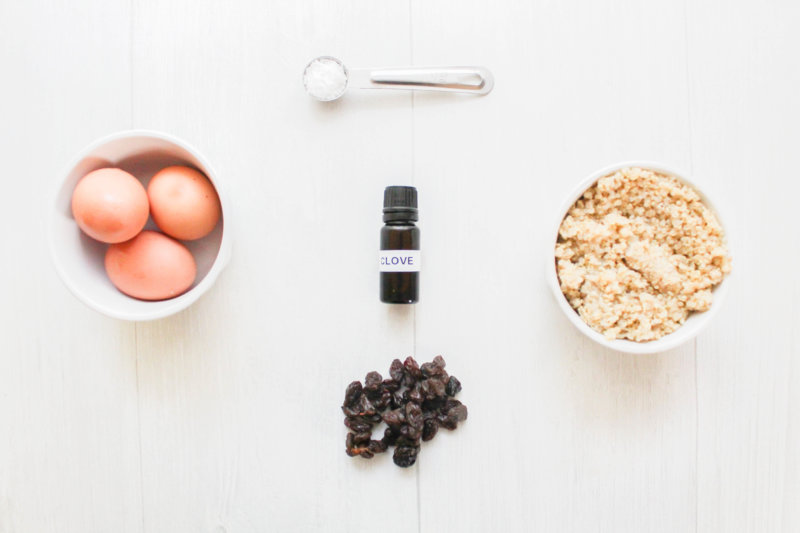
This warm breakfast bake is simple, satisfying, and full of good-for-you ingredients. Here is what makes it work.
Eggs: Eggs help give this quinoa porridge structure, protein, and staying power. They are filling, versatile, and naturally rich in nutrients.
Yes, eggs contain dietary cholesterol. The relationship between dietary cholesterol, eggs, and blood cholesterol is more nuanced than many of us were taught years ago. The American Heart Association emphasizes the overall dietary pattern and notes that healthy individuals can include up to one whole egg or equivalent per day, while people with dyslipidemia or certain cardiovascular risk factors may need more individualized guidance. (3)
This recipe spreads two eggs through the entire casserole, and we prefer pasture-raised organic eggs whenever possible.
Grains: This recipe is a wonderful way to use leftover cooked grains instead of letting them go to waste. That is one of Mama Z’s favorite kitchen strategies: cook once, use creatively, and bless your family with something new.
You can use leftover organic sprouted gluten-free cooked oats, brown rice, or quinoa. Tri-colored sprouted quinoa is my favorite option because it gives this dish great texture, beautiful color, and a lovely nutty flavor.
If you are cooking for someone with celiac disease, be sure the oats are specifically labeled gluten-free because ordinary oats can pick up gluten through growing, processing, storage, or preparation. (4)
Coconut Milk: Canned coconut milk makes this breakfast bake creamy without adding dairy. Look for unsweetened, full-fat coconut milk in the baking section or international foods aisle.
Skip the “lite” version for this recipe. It does not contain as much coconut cream, so your porridge will not thicken the same way.
Sweetener: I recommend using either coconut sugar or Christmas Cookie Blend for this recipe. You can also use liquid stevia.
Coconut sugar is dark, rich, and has a maple-like flavor that works beautifully with pumpkin pie spice. It is still an added sweetener, so use it wisely, but it can be a nice occasional option for families who are at goal weight or simply want a special breakfast treat.
Liquid stevia is a great option if you are watching your added sugar intake. It is one of my favorite sweeteners because you only need a small amount.
Unsweetened Dried Fruit: Dried fruit makes this quinoa porridge feel extra special. Raisins are our family favorite, but dried apricots, cherries, cranberries, currants, peaches, prunes, and strawberries are all delicious choices.
Just be sure to read your labels. Many dried fruits have added sugar, and this recipe is already sweet enough without coating the fruit in more.
Salt: Salt has an important role in flavor, but I do not want to create a false health distinction between ordinary table salt and sea salt.
Both are primarily sodium chloride. We prefer sea salt, such as Colima, because we appreciate the sourcing, flavor, and less-refined character of the product. Use the amount in the recipe and let it do what salt does best: bring the other flavors to life.
Essential Oils: This recipe uses pumpkin pie spice and essential oils to create a warm, rich, autumn flavor. Your house will smell better than any fall candle, and your breakfast will taste like something truly special.
The recipe card uses 1 drop each of cinnamon, ginger, clove, and nutmeg essential oil across the entire casserole. That matters because culinary essential-oil use is about the total amount in the full recipe, not taking concentrated drops by themselves.
Federal food regulations recognize many essential oils and natural extractives, including cinnamon, ginger, and nutmeg, as flavoring substances for their intended food uses, and FDA’s food-ingredient inventory also lists clove bud oil as a flavoring agent or adjuvant. (5, 6)
That does not mean every bottle sold as an essential oil belongs in food.
Choose the exact oil intended by the recipe and use a product specifically labeled by the manufacturer as appropriate for culinary or dietary use.
Cinnamon Essential Oil: Cinnamon is bold, warming, and one of the dominant flavors in this breakfast. Cinnamon bark oil is especially concentrated, which is exactly why the recipe uses only a tiny amount.
Ginger Essential Oil: Ginger adds a bright, spicy warmth that pairs beautifully with pumpkin pie spice, coconut milk, and dried fruit.
Clove Essential Oil: Clove is powerful and deeply aromatic. One drop distributed throughout the whole batch is plenty.
Nutmeg Essential Oil: Nutmeg rounds out the blend with the familiar flavor that makes this breakfast taste like fall.
You can also use equal parts of our Immune-Boosting blend as directed in the preserved recipe card.
Safety Note: Do not casually increase the essential oils because you want a stronger flavor. Essential oils are 50 to 100 times more concentrated than the plants they come from, and culinary use is not the same thing as medicinal internal use. (7)
In this recipe, the drops are thoroughly mixed through a full casserole containing eggs, coconut milk, almond milk, grains, sweetener, and other ingredients. Follow the exact batch formula rather than taking any of these oils neat or adding extra drops to an individual serving.
Can I ingest essential oils?
Do not casually ingest essential oils in water or neat (undiluted). Internal use of essential oils requires proper dilution, product quality, dosing knowledge, and safety guidance. Learn more about how to ingest essential oils here.
Make an Autumn-Spiced Breakfast Bake
This is the ideal breakfast for busy mornings. Some days, getting everyone fed and out the door takes all hands on deck, and a make-ahead breakfast can make the whole morning feel calmer.

Spicy Autumn Breakfast Bake
Servings
Ingredients
- 2 large pasture-raised organic eggs
- 1½ cups leftover organic gluten-free sprouted quick oats, tricolored quinoa, OR brown basmati rice
- 1 (13.5-ounce) can organic full-fat unsweetened coconut milk
- 1½ cups organic unsweetened almond OR coconut milk beverage
- 1 teaspoon organic pure vanilla extract OR Homemade Vanilla Extract
- ¼ cup organic coconut sugar OR Christmas Cookie Blend OR 3 droppersful plain liquid stevia
- ½ cup organic unsweetened raisins OR currants
- ¼ teaspoon pink Himalayan salt OR sea salt, ground
- ½ tablespoon organic pumpkin pie spice powder OR Homemade Pumpkin Pie Spice Powder*
- 1 drop cinnamon essential oil
- 1 drop ginger essential oil
- 1 drop clove essential oil
- 1 drop nutmeg essential oil**
Supplies
- 1½-quart casserole dish
Instructions
- Preheat the oven to 325°F. In an ungreased 1½ quart casserole dish, beat the eggs until fluffy. Stir in the leftover oats, coconut milk, almond milk, vanilla, coconut sugar, raisins, salt, pumpkin pie spice, and the essential oils, mixing well. Bake uncovered for 50-60 minutes, stirring every 15 minutes until most of the liquid is absorbed. Remove from the oven.
- Stir well and let the porridge stand for at least 15 minutes. The more time it has to settle and cool, the more the liquid will be absorbed. (For ultimate creamy goodness, place it in the refrigerator overnight.) Serve cold or reheat in a 325°F oven for 15-30 minutes.
Step One: Mix the Ingredients
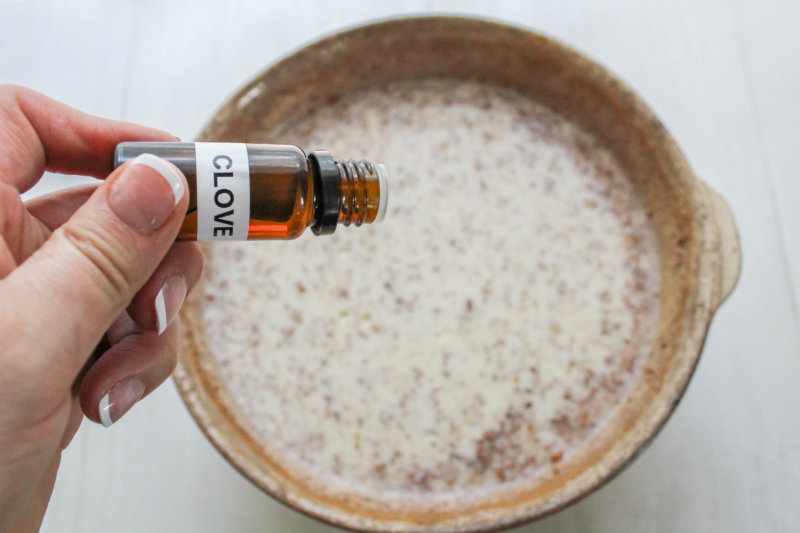
Preheat the oven to 325°F. In an ungreased 1 ½ quart casserole dish, beat the eggs until they are light and fluffy. Add the leftover grains, coconut milk, almond milk, vanilla, coconut sugar, raisins, salt, pumpkin pie spice, and essential oils. Mix well.
Bake uncovered for 50-60 minutes. Stir every 15 minutes while it bakes until most of the liquid is absorbed.
When the timer dings, your quinoa porridge may still look a little wet and not completely set. That is okay! Do not overbake it. The porridge will continue to thicken as it cools.
Step Two: Let Cool
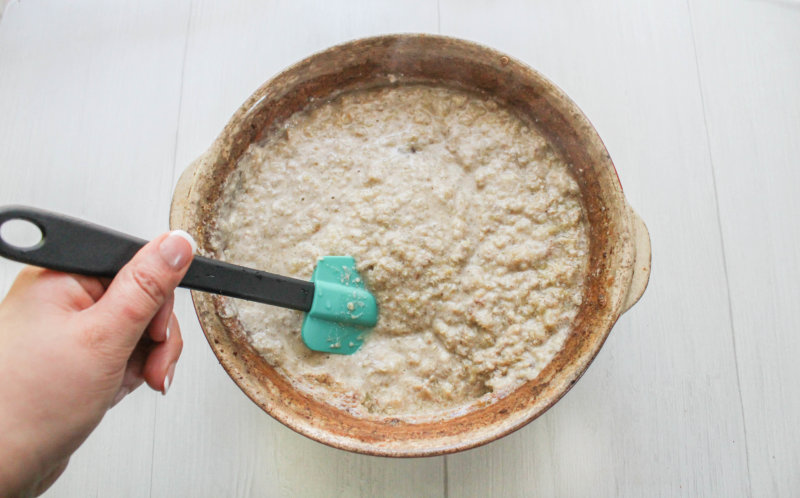
Stir the quinoa porridge bake well and let it stand for at least 15 minutes. The longer it rests, the more liquid it will absorb and the creamier it becomes.
For the ultimate busy-morning version, let it sit in the refrigerator overnight. You can enjoy it cold, or reheat it for 15-30 minutes in a 325°F oven.
If desired, top it with additional organic powdered cinnamon, clove, ginger, nutmeg, or pumpkin pie spice before serving.

- Liu C, Ma R, Tian Y. “An Overview of the Nutritional Profile, Processing Technologies, and Health Benefits of Quinoa With an Emphasis on Impacts of Processing.” Critical Reviews in Food Science and Nutrition. 2024;64(16):5533-5550. https://pubmed.ncbi.nlm.nih.gov/36510748/
- Atefi M, Heidari Z, Shojaei M, et al. “Does Quinoa (Chenopodium quinoa) Consumption Improve Blood Glucose, Body Weight and Body Mass Index? A Systematic Review and Dose-Response Meta-Analysis of Clinical Trials.” Current Medicinal Chemistry. 2024;31(4):502-513. https://pubmed.ncbi.nlm.nih.gov/36847233/
- Carson JAS, Lichtenstein AH, Anderson CAM, et al. “Dietary Cholesterol and Cardiovascular Risk: A Science Advisory From the American Heart Association.” Circulation. 2020;141(3):e39-e53. https://professional.heart.org/en/science-news/dietary-cholesterol-and-cardiovascular-risk
- National Institute of Diabetes and Digestive and Kidney Diseases. “Eating, Diet, & Nutrition for Celiac Disease.” https://www.niddk.nih.gov/health-information/digestive-diseases/celiac-disease/eating-diet-nutrition
- Electronic Code of Federal Regulations. “21 CFR § 182.20: Essential Oils, Oleoresins (Solvent-Free), and Natural Extractives (Including Distillates).” Current 2026. https://www.ecfr.gov/current/title-21/chapter-I/subchapter-B/part-182/subpart-A/section-182.20
- U.S. Food and Drug Administration. “Substances Added to Food: Clove Bud Oil.” FDA Food Ingredient Inventory.
- Tisserand Institute. “How to Use Essential Oils Safely.” https://tisserandinstitute.org/safety-guidelines/