QUICK SUMMARY
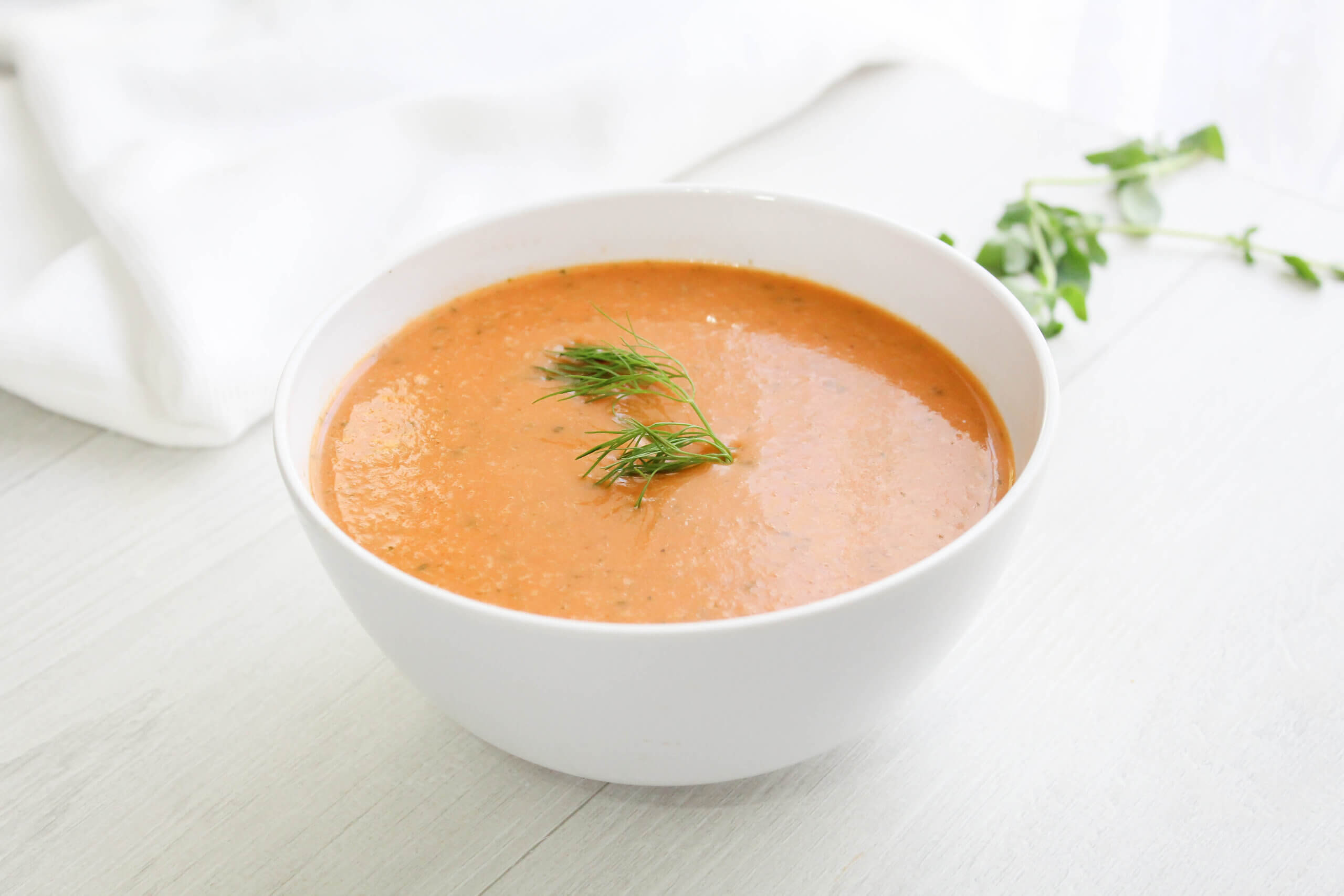
Mama Z’s Sugar-Free Spaghetti Sauce is a hearty homemade tomato sauce made with onions, garlic, extra virgin olive oil, herbs, red wine, and culinary essential oils.
Use liquid stevia for a truly sugar-free sauce. The maple-syrup option is free from refined sugar, but maple syrup still contains naturally occurring sugar.
For the best results:
- Let the tomatoes and wine cook slowly so the flavors deepen.
- Use the exact essential-oil amounts listed in the recipe for the entire batch.
- Serve the sauce with gluten-free pasta, zucchini noodles, spaghetti squash, greens, or the optional meat-sauce variation.
- Refrigerate leftovers promptly and use them within 3 to 4 days, or freeze them for another meal.
My Sugar-Free Spaghetti Sauce is a hearty recipe that can win even the pickiest eaters over. You’re going to love this zesty homemade sauce made with fresh ingredients, including tomatoes, red wine, herbs, and, of course, essential oils.
Feeling adventurous? Try my meat pasta sauce variation. You’ve never had pasta night like this before! Layer the sauce with decadent gluten-free pasta, or use zucchini noodles for an extra dose of veggies.
This is the kind of recipe that proves healthy family meals do not have to taste plain or feel restrictive. The sauce is rich, flexible, and easy to prepare ahead of time. It also gives you several ways to make the meal fit your family’s needs without changing the heart of the recipe.
Table of Contents:

Reasons to Eat Tomatoes
One of the main ingredients in this recipe is tomatoes. Tomatoes are a must-have in any kitchen. They’re versatile and can be used in Mexican, American, Mediterranean, and Italian dishes.
I grow tomatoes in my garden, and my return on investment is high every year!
Tomatoes aren’t just delicious, though. They provide vitamin C, potassium, folate, beta-carotene, and a family of protective plant compounds. Their best-known carotenoid is lycopene, the red pigment that becomes more available to the body when tomatoes are cooked and eaten with fat, such as the extra virgin olive oil in this sauce.
The research does not mean that one bowl of spaghetti sauce prevents disease. It does show why tomatoes belong in a colorful, bioactive diet.
Tomatoes Can Support Cardiovascular Health
This one should be easy to remember: red tomatoes can be part of a heart-healthy lifestyle!
Lycopene has antioxidant and cell-signaling effects that researchers have studied in relation to blood pressure, oxidative stress, blood lipids, and cardiovascular risk. Observational research generally associates higher tomato or lycopene intake with better cardiovascular outcomes, while intervention trials have produced more mixed results.
A recent umbrella review of systematic reviews found the clearest evidence for modest blood-pressure support from tomato-derived lycopene, with less consistent effects on cholesterol and other markers. (1)
That is a good reason to enjoy tomatoes regularly, not a reason to treat them like a medication. Build the bigger foundation with movement, restorative sleep, stress management, and the practical heart-healthy lifestyle changes we teach.
Tomatoes Provide Carotenoids for Eye Health
Our society is technologically advanced, and while this provides many benefits, it also puts our eyes through long hours of close work and screen use.
Tomatoes contain beta-carotene, which the body can convert to vitamin A, along with lycopene and smaller amounts of other carotenoids. Vitamin A is essential for normal vision, while carotenoids help protect cells from oxidative stress.
The nutrients with the strongest direct evidence for the macula are lutein and zeaxanthin, which are more concentrated in foods such as leafy greens and eggs. Tomatoes still contribute to a varied, colorful diet, but they should not be presented as a stand-alone way to prevent macular degeneration. (2)
This sauce makes it easy to combine tomatoes with spinach, zucchini, broccoli, or a fresh salad for an even broader range of eye-supportive nutrients.
Tomatoes Can Support Healthy Skin
One little-known fact about tomatoes is that regular tomato intake may help the skin respond to environmental stress.
In a controlled human study, participants who ate tomato paste with olive oil for 12 weeks developed less redness after standardized ultraviolet exposure and showed favorable changes in markers related to collagen breakdown. (3)
A newer systematic review and meta-analysis reached a similar conclusion: tomato and lycopene interventions may modestly reduce ultraviolet-induced redness and support skin appearance and pigmentation. (4)
This dietary support builds gradually and does not replace sensible shade, clothing, or other sun protection. It is simply another example of how God designed colorful foods to nourish the body in more than one way.
Spaghetti Sauce Ingredients 101

You may be surprised to learn that our homemade spaghetti sauce recipe doesn’t require a ton of secret ingredients. In fact, a couple of these simple ingredients come in a jar or can!
Here’s a quick rundown of what you’ll need to add to your grocery shopping list.
Organic Onion
I love the smell of sizzling onion! This ingredient adds bulk to your sauce and rich savory flavor to your plate.
Onions are part of the Allium family along with garlic, leeks, shallots, and chives. These vegetables provide organosulfur compounds and flavonoids that have been studied for antioxidant and cellular effects.
Some observational studies have linked higher allium intake with lower risk of certain digestive cancers, while broader meta-analyses have not found a consistent reduction in overall cancer risk. (5) That means we can celebrate onions as a flavorful bioactive food without turning them into a cancer-prevention promise.
Whether you prefer white onions or yellow onions, the fresh addition gives this no-sugar pasta sauce wonderful depth.
Organic Garlic Cloves
A little fresh garlic makes everything taste better. Back in the day, garlic was used for nearly everything, and I’m sure your grandparents touted its benefits!
Garlic contains sulfur-based compounds that change when the cloves are cut or crushed. Human trials using standardized aged garlic extracts have reported effects on immune-cell activity and the severity of cold and flu symptoms. (6)
A fresh culinary clove is not the same preparation or dose as a standardized extract, but garlic still contributes valuable plant compounds and incredible flavor to this sauce.
Extra Virgin Olive Oil
Did you know that not all olive oils are created equal? It’s true. Quality, freshness, storage, harvest conditions, and processing can all affect flavor and polyphenol content.
Always get the best olive oil you can, and stick with extra virgin. Extra virgin olive oil is rich in monounsaturated oleic acid and also contains polyphenols such as hydroxytyrosol and oleuropein-related compounds.
Olive oil is not primarily an omega-3 food. Its biggest nutritional strengths are its oleic acid, minimally processed food matrix, and protective minor compounds. Reviews of human studies associate extra virgin olive oil with favorable antioxidant, inflammatory, endothelial, and cardiovascular effects. (7)
In this sauce, the olive oil also carries flavor, helps sauté the onions and garlic, and disperses the essential oils throughout the complete recipe.
Organic Tomatoes
Using jarred or canned produce creates an extra juicy tomato sauce. Healthy shortcuts are a fantastic tool for any chef!
In this recipe, I use a combination of jarred Roma tomatoes and Italian tomatoes for a burst of flavor. If your garden is productive, you can use fresh tomatoes.
Cooked and crushed tomatoes are especially useful in sauce because processing breaks down the plant tissue. The olive oil in the recipe helps the body absorb fat-soluble carotenoids such as lycopene.
Biodynamic Red Wine
Adding red wine to your sauce creates complexity and brings out the flavor of the tomatoes, onions, herbs, and olive oil.
Long cooking substantially reduces the alcohol, but it does not guarantee that every trace disappears. Research measuring alcohol retention in cooked foods found that the remaining amount varies according to cooking time, temperature, pan size, stirring, and the recipe itself. (8)
The long simmer in this recipe lowers the amount considerably while deepening the flavor. For anyone who avoids alcohol completely, use an alcohol-free red wine suitable for cooking.
Organic Sweetener
Many store-bought sauces contain added sugar, and sweetener helps balance the natural acidity of tomatoes.
In this recipe, we use Grade A Dark Amber maple syrup for a hint of sweetness. Maple syrup is less refined than white sugar, but it still contains sugar.
For a truly sugar-free spaghetti sauce, use liquid stevia as provided in the recipe. This distinction keeps the title honest while preserving both original options.
Essential Oils
We use Italian-themed essential oils to amplify the flavor and add concentrated plant compounds to this recipe. This is one way Mama Z’s sauce differs from a traditional spaghetti sauce.
This is responsible culinary internal use. Use only essential oils that are labeled and intended for culinary use, and use the exact recipe amount for the entire batch.
The extra virgin olive oil acts as the dispersant. Carrier oils dilute and disperse essential oils, reduce evaporation, improve safety, help penetration, and can amplify therapeutic effects by distributing the oils more evenly. Without proper dispersion, a concentrated drop can contact the mouth or throat directly and cause irritation.
Never add extra drops because you want a stronger flavor. Essential oils are far more concentrated than dried herbs.
Can I ingest essential oils?
Do not casually ingest essential oils in water or neat (undiluted). Internal use of essential oils requires proper dilution, product quality, dosing knowledge, and safety guidance. Learn more about how to ingest essential oils here.
Organic Herbs
Fresh herbs take my healthy spaghetti sauce to a whole different dimension of flavor!
Basil, oregano, thyme, and parsley create one unique, aromatic dish. If you don’t have access to fresh herbs, you can always use dried ones. The recipe tells you when to add each form so the herbs keep their best flavor.
Pink Himalayan Salt or Sea Salt
We love using Colima sea salt because it is hand-harvested and minimally processed.
All culinary salts are primarily sodium chloride, and the trace minerals in unrefined salt are present in small amounts. We choose a good sea salt for its sourcing, texture, flavor, and less-refined character, not because it replaces mineral-rich food.
Gluten-Free Brown Rice Pasta
Breaking news, pasta can be healthy too!
We recommend using organic almond-flour pasta or brown rice spaghetti noodles to get your pasta fix. You can also use organic zoodles, or spiralized zucchini, as a purist option.
We’ve substituted organic baby spinach, spaghetti squash, zucchini noodles, and even broccoli for noodles with great success. Always try to stay away from gluten-free pasta made with soy or corn.
Make Mama Z’s Sugar-Free Spaghetti Sauce
I love how hands-off this recipe is! It requires just 20 minutes of prep. You need to set aside time for the sauce to simmer because that slow cooking creates the deep, rounded flavor that makes homemade sauce so special.

Mama Z’s Spaghetti Sauce (Vegan) with Meat Lovers Options
Servings
Ingredients
Sauce
- 1 medium organic onion chopped OR ½ tablespoon organic dried minced onion
- 2 medium organic garlic cloves, pressed
- 2 tablespoons extra-virgin olive oil PLUS more as needed
- 1 (28-ounce) can OR jar organic Roma tomatoes OR puree
- 1 (28-ounce) can OR jar organic Italian-seasoned OR fire-roasted tomatoes OR puree
- 1 (6-8-ounce) can organic tomato paste*
- 1 cup biodynamic red wine OR Mirin
- 2 tablespoons Grade A Dark Amber maple syrup, organic**
- 2 large organic carrots OR a handful of organic baby carrots, AND/OR ½ large organic beet
- 1 drop basil essential oil (optional)***
- 1 drop oregano essential oil (optional)
- 1 drop thyme essential oil (optional)
- 1 drop parsley essential oil (optional)
- 1 large organic bay leaf
- 1 teaspoon pink Himalayan salt OR sea salt, ground
- ½ teaspoon organic white pepper, ground
- 1½ tablespoons chopped fresh organic basil OR ½ tablespoon dried
- 1½ tablespoons chopped fresh organic oregano OR ½ tablespoon dried
- 1½ tablespoons chopped fresh organic parsley OR ½ tablespoon dried
- 1½ tablespoons chopped fresh organic thyme OR ½ tablespoon dried
Pasta
- 1 (16-ounce) package fresh, dried, OR frozen almond-flour spaghetti OR brown rice spaghetti OR zoodles (spiralized zucchini), seeded if large****
- 1 pound fresh organic baby spinach, rinsed and spun dry (optional)
Supplies
Instructions
For the sauce:
- In a large pot over low heat, sautè the onion and garlic in the olive oil. When the vegetables are lightly browned, add the Roma and seasoned tomatoes, tomato paste, and red wine and stir to combine. Using an immersion blender, blend the sauce to the desired consistency (omit this step if you prefer a chunky sauce).
- Bring the sauce to a low boil over medium heat and cook, stirring every 15 minutes, until the alcohol from the wine has evaporated, eliminating any acidity, about 60 minutes. Turn the heat down to low and add the maple syrup, carrots, essential oils, bay leaf, sea salt, white pepper, dried basil, oregano, parsley, and thyme. (If you are using fresh herbs, hold off and add them 10 minutes before the sauce is done.) Let the sauce simmer for at least 1 hour and up to 2 hours for the most robust flavor. Cover and set aside.
For the pasta:
- Bring a large pot of water to a boil, adding a little sea salt. Add the spaghetti and a little olive oil to prevent the pasta from sticking. Cook the minimum time indicated on the package. Remove from the heat, let the spaghetti sit for a few more minutes, and then drain it in a colander. Return the spaghetti to the empty pot with a little more olive oil to prevent it from sticking. (If you’re using zoodles, cook them for 2 minutes in boiling water and drain immediately.)
- To serve, remove the bay leaf from the sauce and discard. Place a portion of pasta on each plate, followed by a large handful of spinach, if using, and ladle the sauce over it. Alternatively, serve the sauce over a bed of organic fresh greens or spiralized raw zucchini or with a fresh side salad.
- To store leftovers, mix plenty of sauce with the pasta and top it with extra sauce. To serve, preheat the oven to 325℉ and cook, covered, for 15-30 minutes. Or refrigerate the sauce for up to a week or freeze it for up to a month to make Mama Z’s Lasagna another time.
Meat Lovers Variation
- Mix 1 pound 100% grass-fed organic ground beef (pastured) or free-range ground turkey with onions and garlic cook on the stovetop until browned. Add to the sauce. You can also brown the meat with all of the herbs for extra flavor. Sometimes, I’ll serve this recipe with my Cocktail Meatballs, served separately.
Step One: Sauté the Onions and Garlic

In a large pot over low heat, sauté the onion and garlic in the olive oil. When the vegetables are lightly browned, add the Roma and seasoned tomatoes, tomato paste, and red wine and stir to combine.
Using an immersion blender, blend the sauce to the desired consistency. Omit this step if you prefer a chunky sauce.
Step Two: Add Essential Oils

Bring the sauce to a low boil over medium heat and cook, stirring every 15 minutes, until the wine has reduced and the flavors have concentrated, about 60 minutes.
Turn the heat down to low and add the maple syrup or stevia, carrots, essential oils, bay leaf, sea salt, white pepper, dried basil, oregano, parsley, and thyme.
If you are using fresh herbs, hold off and add them 10 minutes before the sauce is done.
Let the sauce simmer for at least 1 hour and up to 2 hours for the most robust flavor. Cover and set aside.
Step Three: Prepare the Pasta

Bring a large pot of water to a boil, adding a little sea salt. Add the spaghetti and a little olive oil to prevent the pasta from sticking.
Cook for the minimum time indicated on the package. Remove from the heat, let the spaghetti sit for a few more minutes, and then drain it in a colander.
Return the spaghetti to the empty pot with a little more olive oil to prevent it from sticking.
If you’re using zoodles, cook them for 2 minutes in boiling water and drain immediately.
Step Four: Serve Mama Z’s Sugar-Free Spaghetti Sauce and Store Leftovers

To serve, remove the bay leaf from the sauce and discard it.
Place a portion of pasta on each plate, followed by a large handful of spinach, if using, and ladle the sauce over it. Alternatively, serve the sauce over a bed of organic fresh greens or spiralized raw zucchini, or add a fresh side salad.
To store leftovers, cool the sauce and pasta promptly and refrigerate them in covered containers. Use refrigerated leftovers within 3 to 4 days. (9)
Mix plenty of sauce with the pasta and top it with extra sauce before storing so the noodles stay moist. To serve, preheat the oven to 325°F and cook, covered, until heated through, generally 15 to 30 minutes depending on the quantity.
Freeze extra sauce for up to 3 to 4 months for best quality, and use it to make Mama Z’s Lasagna another time.
Meat Sauce Variation

Mix 1 pound of 100% grass-fed organic ground beef, pastured when possible, or organic free-range ground turkey with organic onions and garlic, then cook on the stovetop until browned and fully cooked.
Add the meat to the sauce. You can also brown the meat with all of the herbs for extra flavor.
Sometimes, I’ll serve this recipe with my Cocktail Meatballs, served separately.

Italian food is the best, but often it’s filled with gluten and sugar. I’ve spent years perfecting healthy Italian recipes that taste delicious and authentic.
Who said you have to give up your favorite foods to be healthy?
I’m giving you an inside look at how I make my top three most popular recipes in my exclusive Gluten-Free Italian Cooking Class, part of the Bible Health Academy. You’ll walk away with the confidence to create wonderful, nutritious meals that your family will love!
Sugar-Free Spaghetti Sauce FAQs
Is this spaghetti sauce really sugar-free?
It is sugar-free when you choose liquid stevia. The maple-syrup version contains added natural sugar, so it is better described as free from refined sugar rather than sugar-free.
Why add sweetener to tomato sauce?
A small amount of sweetness balances tomato acidity and rounds out the herbs, garlic, and wine. Use the recipe amount rather than trying to make the sauce noticeably sweet.
Can I make this spaghetti sauce without wine?
Yes. An alcohol-free red wine gives the closest flavor. You can also use broth, although the finished sauce will taste different. Do not assume that regular red wine becomes completely alcohol-free during cooking.
Can I use fresh tomatoes instead of jarred tomatoes?
Yes. Fresh garden tomatoes work beautifully, although they vary in water content and sweetness. The sauce may need extra simmering time to reach the desired thickness.
Which essential oils belong in spaghetti sauce?
Use the oils and exact amounts included in the protected recipe block. Italian herb and citrus oils can be extremely strong, so the stated amount applies to the complete batch, not each individual serving.
Can I leave out the essential oils?
Yes. The essential oils make Mama Z’s version distinctive, but you can rely on the fresh and dried herbs when culinary essential oils are not available.
What can I serve instead of traditional pasta?
Try zucchini noodles, spaghetti squash, steamed broccoli, baby spinach, fresh greens, almond-flour pasta, or brown rice pasta. These choices make it easy to adjust the meal for gluten avoidance or a higher vegetable intake.
How long does homemade spaghetti sauce last in the refrigerator?
Refrigerate it promptly in a covered container and use it within 3 to 4 days. Freeze portions you will not use in that window.
Can I freeze this spaghetti sauce?
Yes. Freeze it in meal-size portions, leaving room for expansion. For best quality, use it within 3 to 4 months and thaw it in the refrigerator before reheating.
Can I preserve this sauce by home canning?
Do not use this recipe for shelf-stable home canning unless it has been specifically tested for that purpose. Ingredient proportions, acidity, density, and processing time all affect canning safety. Freeze extra sauce instead, or use a current tested canning recipe.
Final Thoughts on Healthy Pasta Night
A family favorite does not have to disappear just because you are reducing sugar, avoiding gluten, or trying to eat more vegetables.
Mama Z’s Sugar-Free Spaghetti Sauce keeps everything people love about pasta night: simmered tomatoes, garlic, herbs, rich olive oil, a little sweetness, and the option to add grass-fed beef or turkey.
Make a generous batch, choose stevia when you want it truly sugar-free, and freeze the extra sauce for a future lasagna or busy-night dinner. That is healthy cooking the way we love it: practical, flavorful, flexible, and made to bless the whole family.

References
- Nam YE, et al. “Role of Lycopene From Tomato on Cardiovascular Risk: An Umbrella Review of Systematic Reviews and Meta-Analyses of Intervention Studies.” 2025. Source.
- Pameijer EM, et al. “What Did We Learn in 35 Years of Research on Nutrition and Supplements for Age-Related Macular Degeneration: A Systematic Review.” Acta Ophthalmologica. 2022;100(8):e1541-e1552. Source.
- Rizwan M, et al. “Tomato Paste Rich in Lycopene Protects Against Cutaneous Photodamage in Humans In Vivo: A Randomized Controlled Trial.” British Journal of Dermatology. 2011;164(1):154-162. Source.
- Zhang X, et al. “The Effect of Tomato and Lycopene on Clinical Characteristics and Molecular Markers of UV-Induced Skin Deterioration: A Systematic Review and Meta-Analysis of Intervention Trials.” Critical Reviews in Food Science and Nutrition. 2024;64(18):6198-6217. Source.
- Zhang Q, et al. “Allium Vegetables, Garlic Supplements, and Risk of Cancer: A Systematic Review and Meta-Analysis of Prospective Studies.” Frontiers in Nutrition. 2022;9:903611. Source.
- Nantz MP, et al. “Supplementation With Aged Garlic Extract Improves Both NK and Gamma-Delta T Cell Function and Reduces the Severity of Cold and Flu Symptoms.” Clinical Nutrition. 2012;31(3):337-344. Source.
- Isaakidis A, et al. “Is There More to Olive Oil Than Healthy Lipids?” Nutrients. 2023;15(16):3625. Source.
- Cunningham E. “Does the Alcohol Used in Cooking Burn Off Completely?” Journal of the American Dietetic Association. 2002;102(4):536. Source.
- USDA Food Safety and Inspection Service. “Leftovers and Food Safety.” Source.