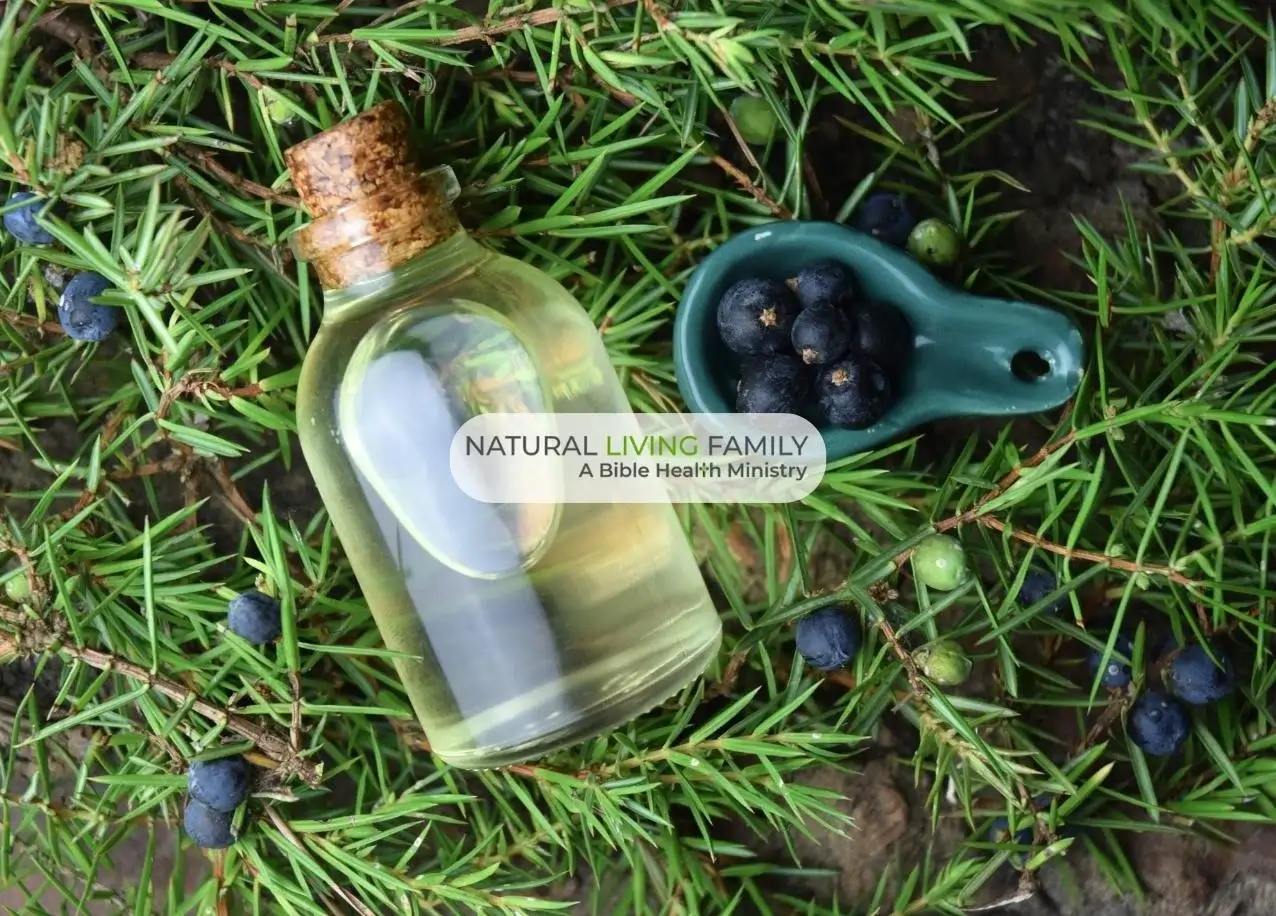
QUICK SUMMARY
Palo santo essential oil benefits are rooted in a long history of traditional South American use, especially for aromatic cleansing, respiratory comfort, relaxation, and pain support. Modern research is promising, but most of the evidence is still preclinical, including laboratory, animal, antimicrobial, and insect-repellent studies rather than large human clinical trials.
Bursera graveolens essential oil is especially rich in limonene, although its chemistry can vary considerably by origin, plant material, and distillation method. Research supports antimicrobial, anti-inflammatory, insect-repellent, and antiproliferative activity in experimental models, while traditional uses such as stress relief and respiratory support still need better human research.
For topical use, keep palo santo at or below a 3.4% dilution. For internal use, do not treat a published maximum as a routine dose. Medicinal internal use requires a complete protocol with proper dilution, product quality, timing, frequency, duration, stopping rules, interaction review, and audience-specific cautions.
Palo santo essential oil benefits have a long history in South American traditional medicine and ceremonial use. The Spanish name palo santo is commonly translated as “holy wood,” and the aromatic wood has been used in Peru and neighboring regions for generations. Traditional applications include relaxation, aromatic cleansing, respiratory comfort, pain relief, and insect control. (1)
The aroma of palo santo essential oil is earthy, warm, woody, and citrusy. It blends beautifully with resin oils such as frankincense and myrrh, as well as citrus oils.
What makes palo santo especially interesting is the way traditional knowledge and modern research overlap. We now have laboratory, animal, antimicrobial, and insect-repellent research that helps explain some of its historic uses. At the same time, the evidence is not equally strong for every claim, so I want to distinguish clearly between tradition, preclinical research, and what has actually been shown in people.
Table of Contents

Derived from the Bursera graveolens tree, palo santo essential oil comes from the same botanical family, Burseraceae, as frankincense and myrrh. The tree grows through parts of Mexico, Central America, and the dry forests of western South America.
Sourcing matters with palo santo. Current forest-management guidance in Peru emphasizes regulated use of naturally dead, dry, and fallen trees rather than indiscriminate cutting. A 2026 report from Peru's forest oversight agency, OSINFOR, reviewed management plans and authorized harvesting practices for Bursera graveolens in northern dry forests. (2) That is why I still recommend buying from companies that can tell you exactly where their wood comes from and how it was harvested.
Is Palo Santo Endangered?
There is understandable confusion around this because the common name “palo santo” has been used for more than one tree.
Bursera graveolens, the species discussed in this article, was assessed globally by the International Union for Conservation of Nature as “Least Concern” in 2019. That does not mean every local population is free from pressure or that sourcing does not matter. Countries can regulate harvest differently, and Peru has its own forestry protections and management requirements. (2, 3)
Another tree historically sold under the palo santo name, Bulnesia sarmientoi, has faced much greater conservation concern. This is one reason the botanical name matters when you buy palo santo essential oil.
So, do not just trust the front label. Look for Bursera graveolens and buy from a supplier that is transparent about origin, harvesting, distillation, and sustainability. Adriana Ayales, a rainforest herbalist quoted in the New York Times, emphasized the value of companies that personally know the growers and sourcing region. (3)
Learn how we evaluate sourcing and quality in our guide to choosing the best essential oil brand.
Palo Santo Essential Oil Components
Palo santo chemistry can vary considerably from one sample to another. That matters because the biological activity of an essential oil depends on the actual chemical profile in the bottle, not simply the botanical name.
Common constituents reported in Bursera graveolens essential oil include:
- Limonene
- Alpha-terpineol
- Menthofuran
- Carvone
- Germacrene D
- Alpha-phellandrene and related monoterpenes in some samples
In one 2012 study, limonene made up 26.5% of the oil. A 2021 Peruvian sample contained about 77.6% D-limonene, while a 2026 study reported 38.7%. (4, 5, 6)
That is a huge range, and it is exactly why I do not like reducing an essential oil to one “active ingredient.” Limonene is important, but palo santo is a complex mixture whose effects can vary by chemistry, dose, route, and formulation.
10 Benefits of Palo Santo Oil
Palo santo essential oil has an impressive research story, but the evidence is not all at the same level. Some benefits are supported by modern laboratory or animal research. Others remain rooted primarily in traditional use.
Here is what the current evidence actually shows.
1. Early Antiproliferative Cancer Research
Palo santo has generated legitimate interest in cancer research, but this is still preclinical evidence, not proof that the oil treats cancer in people.
A 2012 laboratory study found that Bursera graveolens essential oil inhibited growth of MCF-7 human breast cancer cells. The oil's IC50 was 48.9 micrograms per milliliter in that cell model. (4)
Earlier research on a methanol extract of Bursera graveolens stems isolated lignans including burseranin and picropolygamain and found cytotoxic activity against human HT1080 fibrosarcoma cells. (7) These were plant extracts and isolated compounds, not a human essential-oil treatment trial.
This distinction matters. Killing or slowing cancer cells in a dish is useful early-stage research, but many compounds do that without becoming safe or effective cancer therapies.
Application: If you are going through cancer treatment, talk with your oncology support team before adding palo santo or any concentrated essential oil to your supportive-care routine. Current evidence does not establish palo santo as a cancer treatment in humans.
2. Soothes Inflammation and Supports Pain Relief
Palo santo has a long traditional history for muscle, bone, joint, and headache discomfort, and newer research gives that traditional use more biological plausibility.
A 2023 study evaluated several Ecuadorian essential oils, including Bursera graveolens, in laboratory and mouse models of skin inflammation. Palo santo demonstrated anti-inflammatory activity and reduced inflammatory responses in the model, although other oils in the study were more potent. (8)
A 2026 animal study also found antinociceptive activity from Bursera graveolens essential oil in pain models. That study used a veterinary nanoemulsion research formulation, so it should not be treated as a clinical pain trial in humans. (6)
Limonene itself also has anti-inflammatory research in cell, animal, and human dietary-supplement contexts, but those findings do not automatically transfer to every topical use of palo santo essential oil. (9)
Application: For achy joints or muscles, make a topical blend that keeps palo santo at or below a 3.4% dilution in your favorite carrier oil.
3. Shows Antimicrobial Activity in Laboratory Studies
Palo santo has genuine antimicrobial research, but its effects are organism-specific and depend heavily on concentration and oil chemistry.
A 2021 Peruvian study found Bursera graveolens essential oil inhibited Aeromonas salmonicida and the yeast Pichia kudriavzevii, while Pseudomonas aeruginosa was resistant at the concentrations tested. (5) Earlier Peruvian research also reported laboratory activity against several bacteria and Candida albicans. (10)
The 2026 nanoemulsion study adds another layer: the free essential oil and nanoemulsion showed selective antimicrobial effects against veterinary mastitis-associated organisms, including several Staphylococcus strains, but some organisms were poorly responsive. (6)
This is much more accurate than saying palo santo simply “kills germs.” It has antimicrobial potential against certain microbes under experimental conditions.
Application: Add 10 drops of palo santo per one ounce of your homemade cleaning solution when you want its woody-citrus aroma and laboratory-supported antimicrobial potential. Do not assume a DIY essential-oil cleaner provides the same disinfection performance as a validated disinfectant when true disinfection is required.
4. Has Measurable Antioxidant Activity
Palo santo contains antioxidant compounds, but this is another area where more is not always better and laboratory activity should not be confused with a proven clinical outcome.
A 2017 study of Peruvian Bursera graveolens essential oil found antioxidant activity in the DPPH assay, but the authors characterized it as weak compared with more potent antioxidant materials. (10)
That still matters because oxidative chemistry is one part of how plant compounds are studied. It simply does not justify claims that diffusing palo santo will “fight free radicals throughout the body.”
Application: Diffuse 2 drops palo santo with 2 drops frankincense and 2 drops orange oil when you want a warm, resinous, citrus-forward aroma.
5. Traditional Respiratory and Common Cold Support
Palo santo has been used traditionally in Peru for coughs, colds, flu-like symptoms, and bronchial complaints. (1) That traditional use is worth preserving, but we do not yet have good human clinical trials showing that palo santo essential oil treats colds, flu, bronchitis, or respiratory infections.
Traditional accounts also describe internal use. I do not recommend copying the practice of placing essential oil directly into water because oil and water do not mix and this does not properly dilute the oil.
Application: Start with inhalation. Diffuse 2 to 3 drops of palo santo alone or blend it with frankincense or a citrus oil. If you are considering medicinal internal use, follow a complete internal-use protocol rather than treating a maximum dose as a routine recommendation. See our article on ingesting essential oils.
6. Relaxing Aroma for Prayer, Reflection, and Mental Clarity
Palo santo is widely used for relaxation, reflection, and meditation because of its warm, grounding aroma. Traditional Peruvian use also includes mental and spiritual applications. (1)
At this point, there are not strong human clinical trials showing that palo santo essential oil reduces anxiety, stress hormones, or depression. So I keep this benefit where the evidence belongs: traditional and experiential aromatic use.
For Christians, the oil is not spiritually powerful in itself. We do not believe smoke, wood, or essential oils remove “negative energy” or cleanse a person spiritually. Palo santo can simply be used as a pleasant botanical aroma while we pray, read Scripture, rest, or reset the atmosphere in the home.
Application: Add 3 drops each of palo santo and bergamot essential oils to your diffuser for a bright, grounding aroma during prayer, journaling, or an evening wind-down.
7. Insect Repellent
This is one of the more interesting areas of newer research.
A 2025 study tested Ecuadorian Bursera graveolens essential oil against Asian tiger mosquitoes, Aedes albopictus. In a human arm-in-cage test, a topical dose of 0.20 microliters per square centimeter provided 100% protection initially and about 64% protection after 45 minutes. At lower doses, protection dropped more quickly. (11)
That means palo santo showed real repellent activity, but the effect was time- and dose-dependent rather than all-day protection.
Palo santo also has research against stored-grain pests. A 2025 study reported fumigant toxicity and repellent activity against two cowpea weevil species. (12)
Application: Add 3 to 5 drops of palo santo to our Homemade Bug Repellent recipe.
8. Natural Deodorizer
Palo santo's warm citrus-wood aroma makes it useful for deodorizing spaces and gear, even though “deodorizing” itself has not been established as a distinct clinical effect.
The oil's volatile monoterpenes, especially limonene in many chemotypes, evaporate readily and give palo santo its characteristic aroma. That makes it a practical addition to room sprays, laundry freshening blends, and gear sprays.
Application: In a 2 oz. spray bottle, add 5 drops of 2 different citrus oils plus 5 drops of palo santo oil to 1/2 oz. 190-proof alcohol. Fill the rest with distilled water and use it to freshen smelly gym gear.
9. Useful for Gardening and Natural Pest Control
Research on palo santo as a pest-management tool continues to grow. Studies have reported insecticidal or repellent activity against mosquitoes and stored-grain pests, which supports the broader idea that the oil contains compounds insects respond to. (11, 12)
That does not mean every garden pest will respond the same way, and it does not make palo santo a proven weed killer.
A separate study looked at palo santo-related plant waste in composting, which is different from applying the essential oil directly to plants.
If you are interested in growing your own food naturally, sign up for Mama Z's Organic Gardening course.
Application: If you are experimenting with natural garden pest-control blends, start conservatively and test on a small area. For a separate weed-control formula, see our Homemade Weed Killer.
10. Scented Soaps and Natural Body Care
Because of its pleasant woody, citrusy, resinous aroma, palo santo is used in soaps, natural perfumery, and aromatic body-care products.
This is one of the easiest ways to enjoy palo santo without asking the oil to do something the research has not proven. A well-formulated soap or body-care blend can give you its distinctive aroma while pairing beautifully with citrus, frankincense, cedarwood, lavender, or other complementary oils.
Application: Add palo santo to a complementary blend of citrus oils in our Homemade Liquid Hand Soap Recipe.
Palo Santo Essential Oil & Safety
Palo santo is highly concentrated, so dose and route matter.
For topical use, keep Bursera graveolens at or below a 3.4% dermal concentration. That replaces the older 5% recommendation in this article and keeps the practical use inside the published dermal maximum we follow.
For internal use, a published maximum should never be treated as a routine medicinal dose. A responsible internal-use protocol needs the specific oil, amount, carrier, timing, frequency, duration, stopping rule, medication and condition review, and audience-specific cautions.
Remember these common-sense practices:
- Dilute before topical application and stop if irritation develops.
- Do not consume palo santo essential oil straight from the bottle or casually add it to water.
- Do not use an oral maximum as a daily wellness recommendation.
- Use extra discernment with children, pregnancy, nursing, chronic illness, or medications because these situations can change what dose and route are appropriate.
- Choose a properly identified Bursera graveolens oil from a transparent, sustainably sourced supplier.
Can I ingest essential oils?
Do not casually ingest essential oils in water or neat (undiluted). Internal use of essential oils requires proper dilution, product quality, dosing knowledge, and safety guidance. Learn more about how to ingest essential oils here.


- Tisserand Institute. Aromatherapy and Plant Medicine in Peru. https://tisserandinstitute.org/aromatherapy-and-plant-medicine-in-peru/
- Organismo de Supervisión de los Recursos Forestales y de Fauna Silvestre (OSINFOR). Manejo y potencialidades de Bursera graveolens en bosques secos del Perú. 2026. https://www.gob.pe/institucion/osinfor/informes-publicaciones/7625166-manejo-y-potencialidades-de-bursera-graveolens-en-bosques-secos-del-peru-a-partir-de-los-resultados-de-la-supervision
- The New York Times. What You Need to Know About Palo Santo and Sustainability. 2019. https://www.nytimes.com/2019/12/16/style/self-care/palo-santo-wood-endangered.html
- Monzote L, Hill GM, Cuellar A, Scull R, Setzer WN. Chemical composition and anti-proliferative properties of Bursera graveolens essential oil. Nat Prod Commun. 2012;7(11):1531-1534. https://pubmed.ncbi.nlm.nih.gov/23285824/
- Noel-Martinez KC, Cruz GJF, Solis-Castro RL. Bursera graveolens essential oil: physicochemical characterization and antimicrobial activity in pathogenic microorganisms found in Kajikia audax. Scientia Agropecuaria. 2021;12(3):303-310. https://doi.org/10.17268/sci.agropecu.2021.033
- Figueiredo AM, et al. Palo Santo (Bursera graveolens) essential oil nanoemulsion: toxicological, antinociceptive and antimicrobial potential against bovine mastitis-associated strains. Antonie Van Leeuwenhoek. 2026;119(6):109. https://pubmed.ncbi.nlm.nih.gov/42060026/
- Nakanishi T, et al. A new and known cytotoxic aryltetralin-type lignans from stems of Bursera graveolens. Chem Pharm Bull. 2005;53(2):229-231. https://pubmed.ncbi.nlm.nih.gov/15684524/
- Laurintino TNSS, et al. Therapeutic Applications of Essential Oils from Native and Cultivated Ecuadorian Plants: Cutaneous Candidiasis and Dermal Anti-Inflammatory Activity. Molecules. 2023;28(15):5903. https://pubmed.ncbi.nlm.nih.gov/37570874/
- d'Alessio PA, et al. Oral administration of d-limonene controls inflammation in rat colitis and displays anti-inflammatory properties as diet supplementation in humans. Life Sci. 2013;92(24-26):1151-1156. https://pubmed.ncbi.nlm.nih.gov/23665426/
- Sotelo-Méndez A, et al. Chemical Composition, Antimicrobial and Antioxidant Activities of the Essential Oil of Bursera graveolens (Burseraceae) From Peru. Indian J Pharm Educ Res. 2017;51(3s2):S429-S436. https://doi.org/10.5530/ijper.51.3s.62
- Chemical Profiling, Sensory Qualities, and Bioactivities of Essential Oils Obtained from Aloysia citrodora and Bursera graveolens Ecuadorian Plants Against the Mosquito Aedes albopictus. Insects. 2025;16(2):202. https://pubmed.ncbi.nlm.nih.gov/40003832/
- Viteri LO, et al. GABA and Octopamine Receptors as Potential Targets for Fumigant Actions of Bursera graveolens Essential Oil Against Callosobruchus maculatus and Callosobruchus chinensis. J Xenobiot. 2025;15(3):91. https://pubmed.ncbi.nlm.nih.gov/40558874/