QUICK SUMMARY
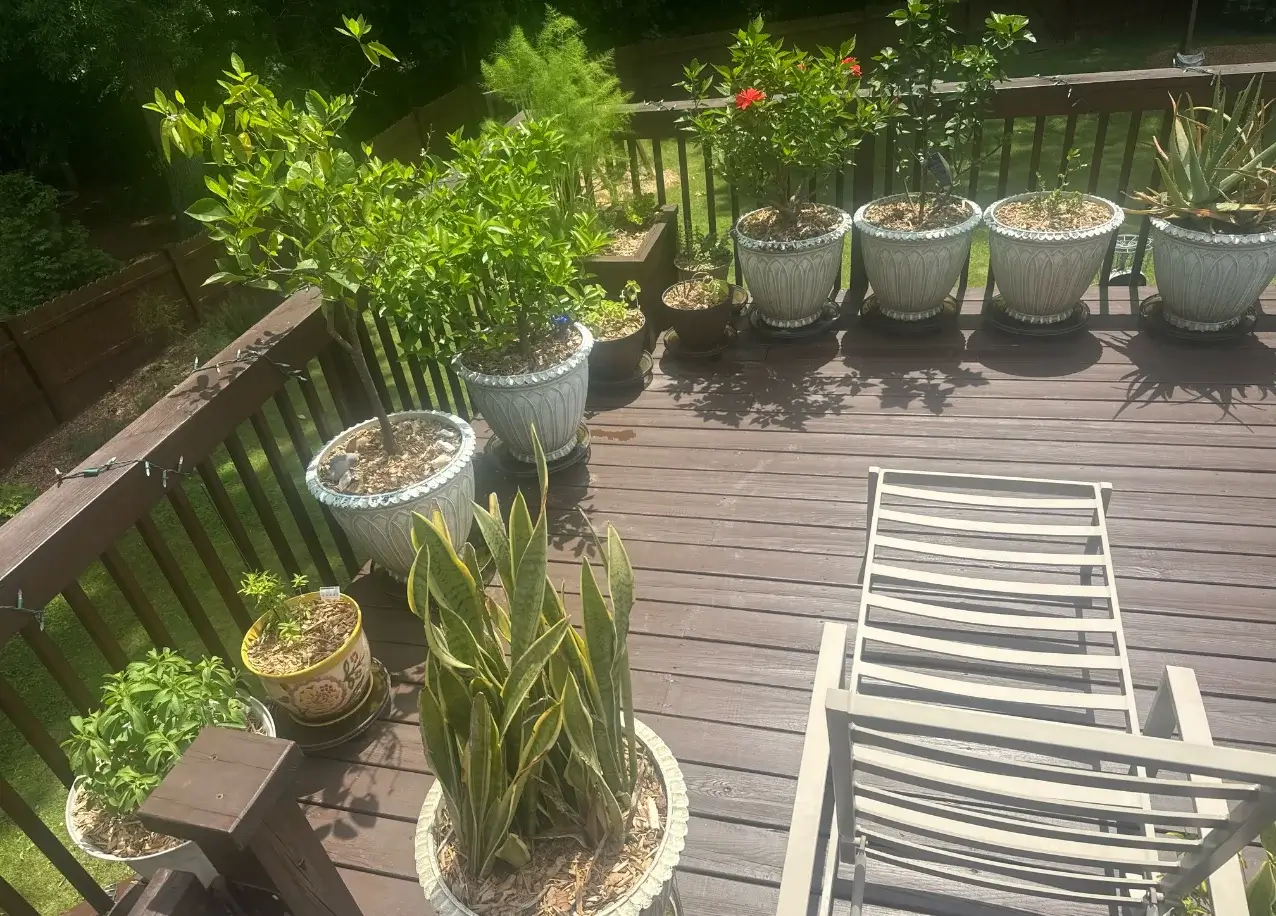
Container gardening lets you grow flowers, herbs, and even vegetables in small spaces such as patios, decks, balconies, and windowsills. For the healthiest plants, match each plant to the right amount of sun, choose a container with good drainage, use a quality potting mix made for containers, and check moisture often because pots can dry out faster than garden beds.
For beautiful mixed containers, I like combining upright plants with full fillers and trailing plants that spill over the edges. You can grow useful edibles this way, too, including basil, parsley, mint, peppers, and tomatoes.
These container gardening tips will help you create stunning hanging baskets, windowsill gardens and potted plant areas no matter your available space!
Whether you’re planting for looks, growing for food, or a little bit of both, there are lots of plants that do well in containers and hanging baskets. Here are a few of our favorites that thrive in hanging baskets, perform best in full sun, or can tolerate various levels of shade. Choose a few of these and follow our container gardening tips to create a visually stunning and useful container garden.
While the plants and tips below are for outdoor garden containers, you can also use some of the same techniques for your indoor garden plants or a patio deck garden as well!
Table of Contents
Hanging Basket Plants for Amazing Containers
There is very little that I enjoy more than spending time tending the plants in my garden. I’m blessed with plenty of space for growing in the ground but love to take advantage of containers to make use of other space around my patio, as well. Whether you have plenty of room to grow or if space is at a premium, hanging baskets and containers can be a wonderful way to grow beautiful and useful plants around your home.
Hanging baskets lift flowers off the ground and right to eye-level. This makes them valuable for curb appeal! So what do you look for in a great hanging basket plant?
- Look for trailing plants that cascade down the edges.
- Look for full plants that will fill the entire container.
- Look for combinations of plants with similar light and water needs that will contrast beautifully with each other in the hanging basket.
Here are some of my favorite hanging basket plants:
- Creeping Jenny – While Creeping Jenny has a tendency to spread aggressively when planted in the garden, keeping it managed in a hanging basket is a wonderful way to enjoy the gorgeous greenery and yellow flowers of this easy-to-grow plant.
- Sweet Potato Vine – There are several shades of ornamental sweet potato vine that you can add to hanging baskets as a complement to other plants and flowers. The vines cascade down the side for a stunning effect.
- Polka Dot Plants – Polka Dot Plants are another lovely plant to add to hanging baskets just for the visual effect of the foliage. Fill in gaps or have a brimming basket featuring just these pretty leaves. They generally appreciate some protection from intense afternoon sun.
- Fuchsia – The color of the fuchsia plant is something that pops out at you as soon as it comes into view. It is wonderful for attracting hummingbirds and generally performs best with bright, indirect light or morning sun rather than intense afternoon heat.
- Mums – The small flowers of mums are a fall staple and are gorgeous pops of color as everything else is about to fade for the season. They are some of my favorite plants for seasonal containers and hanging baskets.
When you combine plants in one basket, remember that beauty is only part of the equation. Choose plants that prefer similar sun exposure and moisture so one plant is not constantly thirsty while another is sitting too wet.
The Best Container Plants for Full Sun
If your patio, deck, or balcony gets six or more hours of direct sunlight, you have plenty of options. Fruiting vegetables such as tomatoes and peppers generally perform best with six to eight hours of direct sun, while many herbs can still produce with somewhat less.
- Basil – Basil loves warmth and performs best in full sun, generally six to eight hours per day. Container-grown basil also needs consistent moisture and well-draining potting mix. In very hot climates, some afternoon protection can help reduce heat stress.
- Cannas – The tropical look of Cannas makes them a gorgeous, colorful addition to your garden, plus they are great for attracting pollinators. They thrive in sunlight, and the rhizomes can be protected or stored where winters are too cold for them to remain outdoors.
- Corkscrew Rush – This unusual ornamental plant adds wonderful texture to a container garden. It can tolerate sun when it has plenty of moisture, making it especially useful in containers that stay consistently moist.
- Dusty Miller – These hardy foliage plants perform well in sun. Their silvery leaves make brightly colored flowers pop, so they are wonderful fillers when placed with other plants in a container.
- Gerbera Daisies – Gerbera Daisies are colorful flowers that work beautifully with foliage plants in a container garden. Give them plenty of light, good drainage, and some protection from extreme afternoon heat in very hot climates.
- Mandevilla – Use a deck railing or trellis in a sunny location to let Mandevilla climb and thrive. This bright flowering vine attracts hummingbirds and makes a beautiful vertical accent in a container garden.
- Peppers – When well watered and given plenty of sun, peppers make wonderful container plants. Even if you don’t have space to grow full garden rows, you can enjoy homegrown peppers almost anywhere you have a sunny spot and a large enough container.
- Tomatoes – Tomatoes are classic full-sun container plants. Aim for at least six to eight hours of direct sun for good flowering and fruit production. Container size matters, too. A determinate tomato generally needs at least about a five-gallon container, while larger indeterminate varieties may need considerably more room. Mulch and consistent watering can help keep the pot from drying out too quickly.
Which Container Plants Work for Shade?
Shade does not mean you cannot have a productive or beautiful container garden, but it helps to distinguish part shade from deep shade. Many herbs and flowering plants will grow with four to six hours of sun or bright filtered light, even though they may not perform as vigorously as they would with more light.
- Basil – Basil is a go-to in my kitchen for a plethora of reasons. It prefers full sun, but in hot climates it can tolerate some afternoon shade. Do not treat basil as a true deep-shade herb because too little light can lead to weaker growth.
- Begonias – These are wonderful edge plants with stunning flowers and foliage that pair beautifully with other plants in a container. Many begonias prefer part shade or filtered light, although the ideal exposure depends on the variety.
- Mint – Mint loves to spread, so placing it in a container is one of my favorite ways to enjoy this useful herb without letting it take over the garden. It can grow well in part shade.
- New Guinea Impatiens – These colorful flowers generally appreciate part shade, particularly protection from intense afternoon sun in hot climates. Their bright flowers and foliage make them a beautiful addition to a container garden.
- Parsley – If you’re looking to fill in your container garden with something useful and attractive, curly-leaved parsley is a great choice. Parsley is easy to grow in containers and can tolerate some shade, making it a practical filler for mixed herb and flower planters.
- Primrose – Primrose can be a lovely cool-season container plant. Most prefer cooler conditions and partial shade rather than intense heat and all-day sun.
- Thyme – Thyme grows beautifully in containers and is one of my kitchen favorites, but it prefers plenty of sun and excellent drainage. If your space is only lightly shaded, thyme may still work, but I would not choose it for a deeply shaded container.
- Vinca – Annual vinca is heat-tolerant and flowers best with plenty of sun, although it can tolerate some partial shade. In hotter areas, a little afternoon protection can be helpful.
Pay attention to how the sun actually moves across your space. A porch that looks shady at breakfast may get several hours of strong afternoon sun, while a balcony surrounded by buildings may receive bright light without much direct sun at all.
Organic Container Garden Tips
Growing plants in a container garden is an easy way to make the most of a small space. But containers behave differently from garden beds. Their limited soil volume means roots can heat up, dry out, become waterlogged, or run short on nutrients much faster.
1 – Choose the right container.
Container size should match the mature plant, not just the seedling you bring home from the nursery. Tomatoes and other large vegetables need considerably more root space than most herbs and annual flowers.
Drainage is one of the most important considerations. Make sure excess water can escape through drainage holes instead of saturating the potting mix and depriving roots of oxygen.
Dark containers can also absorb more heat in direct sun. If a pot gets extremely hot, watch moisture levels carefully or move it where the roots receive some protection from intense afternoon heat.
2 – Use a quality potting mix made for containers.
Do not simply fill pots with heavy garden soil. Container mixes are designed to hold moisture while still leaving enough pore space for drainage and oxygen around the roots. A quality organic potting mix is one of the simplest ways to give container plants a good start.
If you add compost, remember that more is not always better. Containers need a light, well-draining growing medium, so avoid turning the pot into a dense mixture that stays waterlogged.
3 – Take care when watering your container garden.
Container plants often need more frequent attention than plants growing in the ground, especially during hot weather. Instead of watering strictly by the calendar, check the potting mix. If the upper portion feels dry, it may be time to water.
When you do water, water thoroughly enough to moisten the root zone and allow excess water to drain. Mulch can help slow moisture loss, and self-watering containers or reservoirs can be useful for plants with higher water needs.
Just remember that overwatering can look surprisingly similar to underwatering. Wilting does not automatically mean a plant needs more water, so check the soil first.
4 – Match plants with similar needs.
This is one of the easiest ways to make a mixed container successful.
Do not put a moisture-loving plant in the same small pot with an herb that wants the soil to dry between waterings. The same goes for sunlight. Group plants according to their light, moisture, and space requirements so you are not trying to satisfy completely different needs in one container.
For ornamental combinations, I love the classic idea of choosing a taller focal plant, fuller plants to fill the middle, and trailing plants to spill over the edge. It creates a beautiful container while still letting you choose plants that work well together.
5 – Choose seeds and plants that fit your family’s gardening goals.
I use non-GMO heirloom seeds when I’m growing my plants from seed and try to select organic, non-GMO plants from the nursery when I buy them already started. I love heirloom varieties because we can preserve varieties we enjoy, save seed from open-pollinated plants when appropriate, and keep greater control over what we grow for our family.
For healthy container plants, though, seed type is only one part of the picture. Good potting mix, adequate container size, proper sunlight, drainage, water, and nutrition all matter.
Use organic growing practices and quality compost or organic fertilizer as appropriate for the plants you are growing, and enjoy how much food and beauty you can produce even when your gardening space is small.
Try a Garden Tower! If your gardening space is limited, you might love the vertical gardening planter, Garden Tower. Robust, roomy, and easy to set up and use, we love our Garden Tower!