QUICK SUMMARY
Infused water is one of the easiest ways to make plain water more appealing without relying on sugary drinks. Mama Z's recipe starts with purified or distilled water, ice, citrus, berries or pomegranate, and fresh herbs, then lets you customize the pitcher with seasonal organic produce and edible flowers such as hibiscus.
For the best infused water:
- Use thoroughly washed produce, fresh herbs, and food-grade edible flowers.
- Start with purified or distilled water.
- Keep the pitcher cold while serving.
- Refrigerate leftovers promptly and enjoy them within 24 hours for the freshest flavor.
- Adjust your overall fluid intake to your body, activity level, climate, pregnancy or breastfeeding needs, and health conditions rather than forcing a one-size-fits-all number.
This delicious Infused Water is one of our favorite drinks. We all know the importance of drinking enough water, and this beverage makes it easy!
There are so many ways to customize this beverage. Use your favorite organic fruits, veggies, herbs, and edible flowers to create unique flavors you can't get enough of. There's no need for unhealthy drinks when you have so many nutritious, refreshing choices.
One of the best things about infused water is that it does not need to be complicated. You are simply making water more inviting with color, aroma, and flavor from whole-food ingredients. That can be especially helpful when plain water starts to feel boring.
Table of Contents:

Why Drink Enough Water?
It's common knowledge that if something tastes great, you'll want more! This Infused Water does double duty. It hydrates your body and gives you a refreshing burst of flavor from fruit and herbs.
If you've been slacking in the hydration department, let me encourage you to make this recipe. Keeping a beautiful pitcher or water bottle nearby can make reaching for water feel much more natural throughout the day.
Here are a few reasons to prioritize H2O.
Hydration Can Support Healthy Weight Goals
Water is not a magic weight-loss remedy, but it can support a healthy weight in practical ways.
Replacing sweetened beverages with water reduces the amount of liquid sugar and calories you drink. Some randomized trials have also found that drinking water before meals can modestly support weight loss in certain adults, although results are not identical across every study or population. A 2024 systematic review of randomized clinical trials found that several studies using about 500 mL of water before meals reported greater weight loss than comparison groups. (1)
Thirst and hunger are different biological signals, but they can sometimes feel similar in everyday life. If you feel snacky soon after eating, try drinking a glass of water and give your body a few minutes before deciding whether you are actually hungry.
This simple natural lifestyle change can support healthy weight goals, especially when water replaces sugary soda, sweet tea, or energy drinks.
Mama Z Pro Tip: Add lemon when you want a bright, clean flavor. Lemon does not “detox” the body by itself, but lemon-infused water can make hydration more enjoyable, and adequate hydration supports the kidneys, digestive system, circulation, and other natural processes God designed to remove waste.
Hydration Supports Energy, Mood, and Brain Function
When adequately hydrated, many people notice that they feel sharper, more energetic, and less prone to dehydration-related headaches.
Research on mild dehydration and cognition is not perfectly consistent, but studies have repeatedly found effects on mood, fatigue, attention, and perceived effort. In controlled research, dehydration has been associated with more fatigue and worse mood, while rehydration has improved short-term memory, attention, reaction time, and subjective fatigue in some settings. (2)
A 2024 longitudinal study also found that dehydration was associated with poorer performance on a sustained-attention task in middle-aged and older adults. (3)
That does not mean every tired afternoon or headache is caused by dehydration. Sleep, stress, nutrition, illness, caffeine changes, hormones, and many other factors matter too. But drinking enough water is one of the simplest foundations to check first.
Studies have also linked dehydration with changes in mood and feelings of fatigue. If stress is already high, basic physical needs matter. Pair good hydration with the practical tools in our guide to natural stress relief.
The world needs you at your hydrated best. Physical health is a small but essential part of living an abundant life.
How to Find Your Ideal Water Intake
Contrary to popular belief, everyone has a unique ideal water intake. Drinking enough water is more personal than simply following an eight-glasses-a-day rule.
The National Academies established Adequate Intakes for total water of about 3.7 liters per day for adult men and 2.7 liters per day for adult women. Those numbers include water from plain water, other beverages, and foods, so they are not prescriptions to drink that amount of plain water. (4)
Your needs can rise with:
- Hot or humid weather
- Exercise and sweating
- Pregnancy or breastfeeding
- Fever, vomiting, or diarrhea
- Higher altitude
- Certain medications or medical conditions
You should ensure you drink plenty of water regularly, especially if you participate in physical activity.
There's also such a thing as too much water. Drinking very large amounts faster than your kidneys can eliminate them can dilute blood sodium. For most healthy people following normal thirst cues, this is not an everyday concern, but it is another reason not to force excessive fluid just to hit an arbitrary goal.
The simplest approach is to pay attention to thirst, urine color, activity, weather, and how you feel. Pale-yellow urine is often a practical sign that hydration is on track, though supplements, medications, and foods can change urine color.
Start by drinking a glass of water before a meal or in place of that afternoon sweetened drink. Keep a water bottle nearby and fill it with your favorite healthy infused water recipe.
Make Infused Water
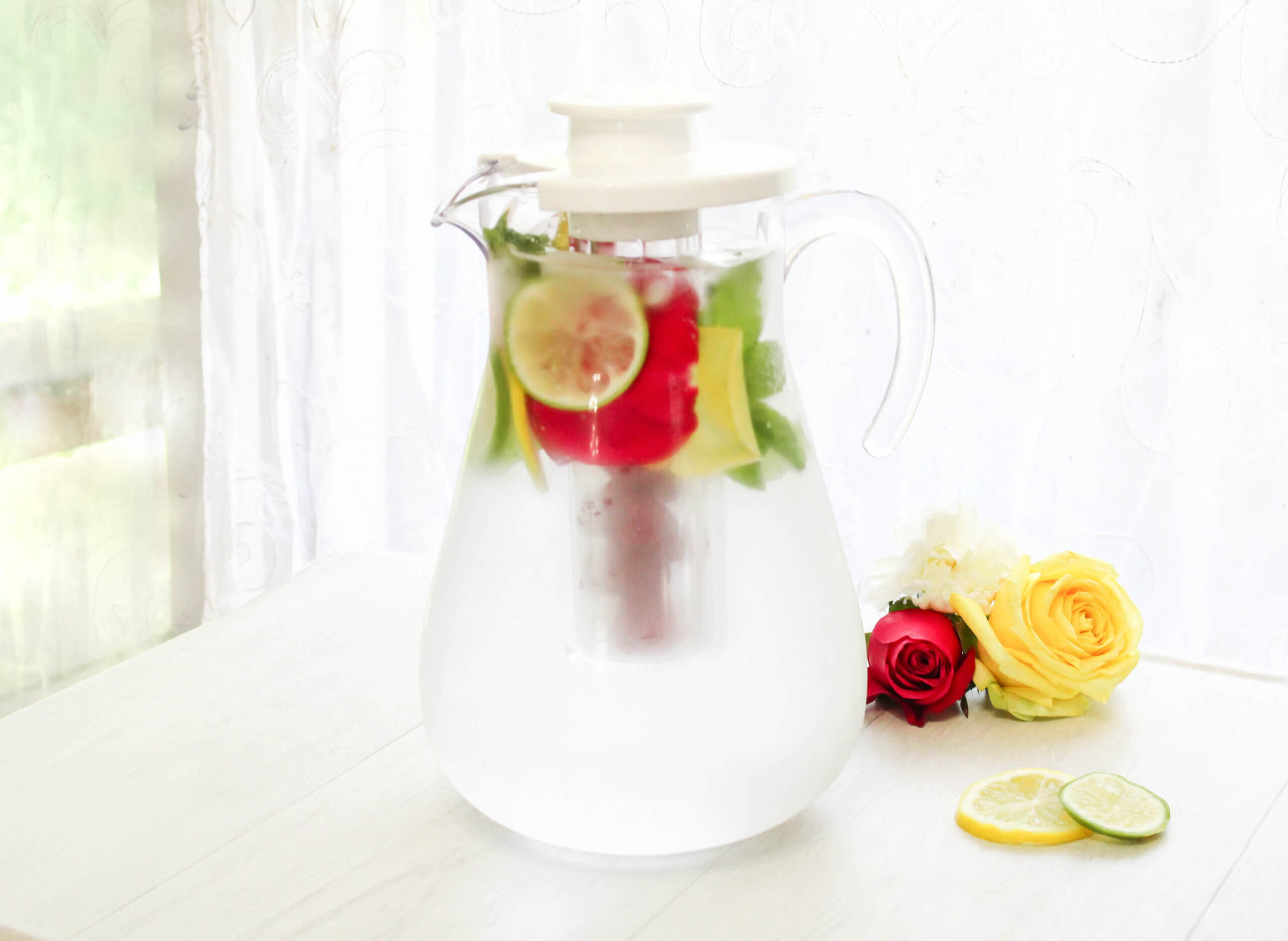
This recipe comes together in minutes and is so much fun to make. Who can resist a drink that is as gorgeous as it is nutritious?
Infused Water (Vegan)
Servings
Ingredients
- 1 fresh organic lemon, sliced
- 2 fresh organic limes, sliced
- Purified OR distilled water
- 1 large bowl of ice
- 1 small container of organic pomegranate kernels OR raspberries
- 1 sprig of organic lavender OR other fresh organic herbs
Instructions
- Thinly slice the lemon and limes. If customizing this recipe, prep the fruit, veggies, and herbs as needed.
- Fill a large glass serving container ⅔ full of purified or distilled water. Add ½ of a large mixing bowl of ice cubes to the water.
- Add the fruit to the bucket of your infuser container.
- Cover the top of the ice with snips of your favorite fresh herbs. Layer lemon and lime slices over the herbs. When ready to serve, add another mixing bowl of ice cubes over the lemons and limes.
Step One: Prepare the Fruit and Herbs
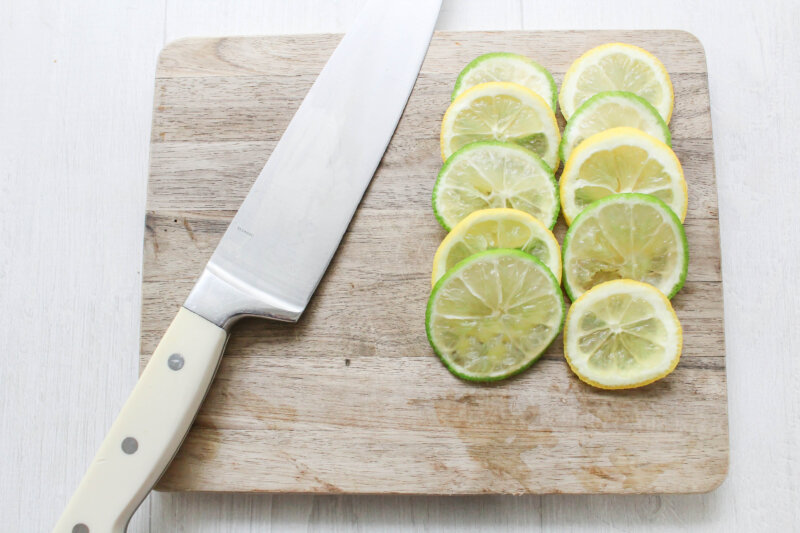
Thinly slice the lemons and limes. If customizing this recipe, prep the fruit, veggies, and herbs as needed.
Step Two: Fill the Serving Container
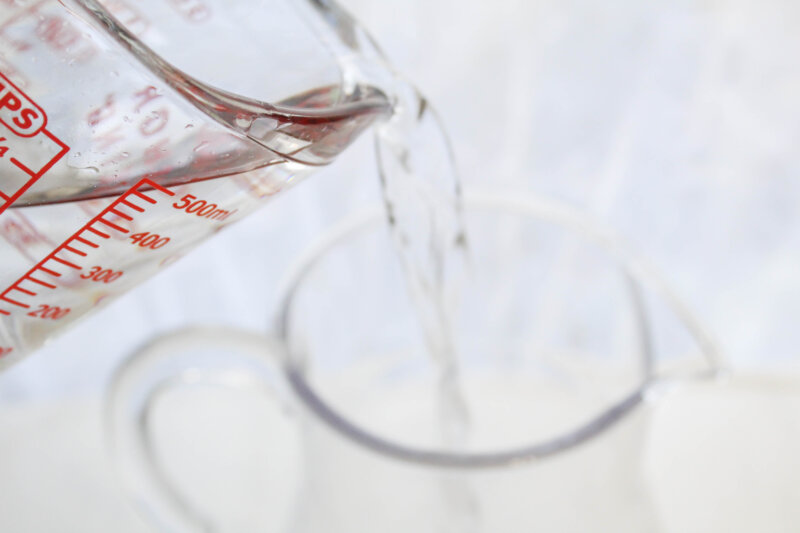
Fill your serving container 2/3 full of purified or distilled water, then add 1/2 of a large mixing bowl full of ice cubes. As shown in the photos, you can use a large water infuser or a smaller pitcher.
Choose the dispenser that works best for your family!
Step Three: Fill the Infuser
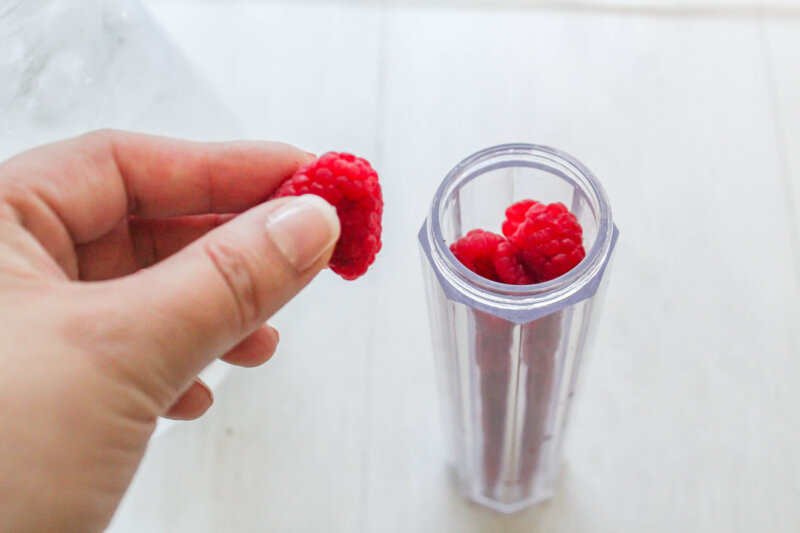
Add organic pomegranate kernels or fresh organic raspberries to your infuser bucket. If you're customizing your drink with small berries, place them in the infuser bucket, so they don't clog the dispenser's nozzle!
Step Four: Beautify the Beverage
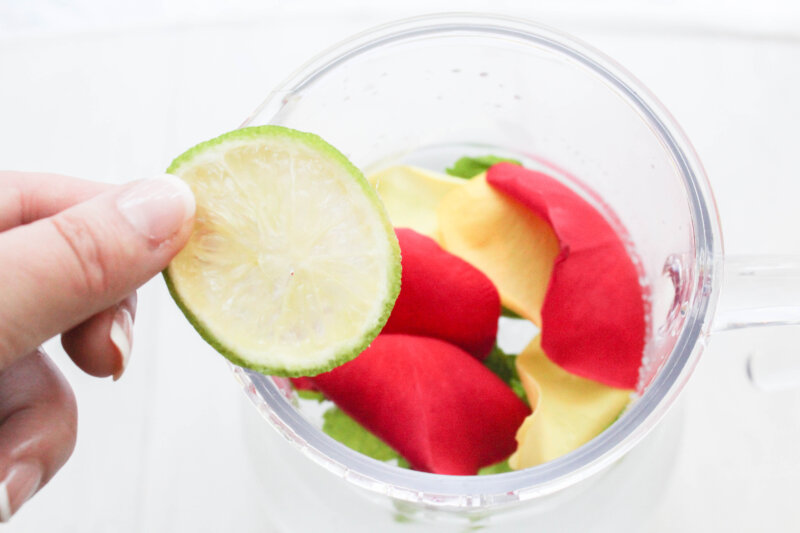
Cover the top of the ice with snippets of fresh organic herbs, then layer the lemon and lime slices over the top. When ready to serve, add more ice cubes on top to create a layer. This helps your drink stay cool and look beautiful!
Enjoy!
Customize Your Beverage
The sky's the limit when it comes to herbal-infused water! There are so many ways to customize this beverage.
I love to use in-season organic fruits, herbs, and edible flowers: berries, pomegranate, mint, hibiscus, and roses. This makes a stunning display.
For hibiscus, choose food-grade edible hibiscus intended for culinary use, such as roselle, Hibiscus sabdariffa. Hibiscus has a naturally tart, cranberry-like flavor and can give the water a gorgeous pink-red color. Do not assume that every ornamental flower from a garden center or florist is intended for food.
With this many options, you can never get bored! Mix and match to find your family's favorite combination, or get creative and add your own suggestions to this list.
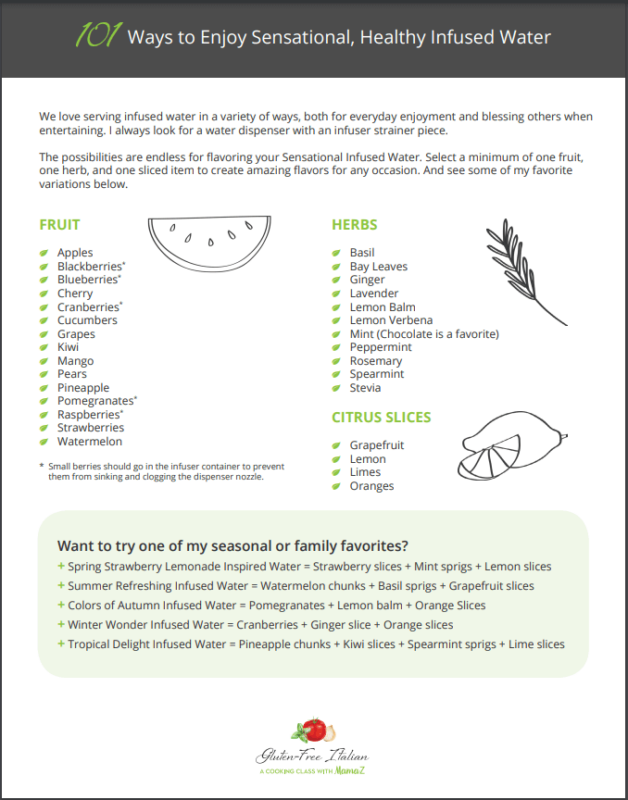
Some of our favorite flavor directions include:
- Berry Mint: Raspberries, strawberries, or blueberries with fresh mint
- Citrus Herb: Lemon and lime with mint, basil, rosemary, or thyme
- Pomegranate Citrus: Pomegranate arils with lemon or lime
- Hibiscus Citrus: Food-grade hibiscus with lemon, lime, or orange
- Garden Fresh: Cucumber with mint or basil
- Summer Fruit: Pineapple, berries, or melon with a complementary herb
Fruit, vegetables, and herbs contribute aroma and small amounts of water-soluble plant compounds, but the main nutritional benefit of this beverage is still hydration. You are not extracting the same amount of nutrients you would get from eating the fruit itself, so enjoy the infused water and eat the produce too.
Pro Tip: I often serve this Infused Water at parties or other events. When I do so, I show guests a sample platter of the ingredients included in the drink. Then, they can replicate my ingredients at home.
I usually tie our Infused Water in with other meal flavors. For example, on Easter, fresh organic pineapple is used in my dessert, turkey, Coconut Milk Whipped Cream, and infused water containers. This is a simple way to create a cohesive flavor profile without going over the top.
How to Store Infused Water
Once fruit, vegetables, or herbs are cut and placed in water, treat the drink as a fresh refrigerated beverage rather than shelf-stable water.
Wash produce under clean running water before cutting it. Use clean knives, cutting boards, infuser baskets, pitchers, and dispensers. FDA food-safety guidance recognizes cut fruits and vegetables as foods that require refrigeration because cutting can introduce organisms to the interior and releases moisture and nutrients that can support microbial growth. (5)
Keep infused water cold while serving. If you're setting it out for a party, the ice in Mama Z's recipe helps maintain a refreshing serving temperature. Replenish ice as needed rather than leaving a fruit-filled dispenser warm for hours.
For the freshest flavor, refrigerate leftovers promptly and enjoy them within 24 hours. Citrus rind can become bitter with a long soak, and delicate herbs and berries soften over time.
When you want to prep ahead, wash and cut sturdy ingredients such as citrus or cucumber and refrigerate them separately. Assemble the water closer to serving time.
Infused Water FAQs
Is infused water healthy?
Yes. Infused water is primarily a hydration tool. Fruit, herbs, vegetables, and edible flowers add flavor and some plant compounds without turning the drink into a sugary beverage.
Does infused water have calories or sugar?
Usually very little, because you are drinking the water rather than blending or juicing the fruit. Small amounts of natural sugars and compounds can move into the water, but the amount depends on the ingredients, how much fruit is cut or crushed, and how long it infuses.
Does fruit-infused water detox your body?
Your liver, kidneys, digestive system, lungs, skin, and lymphatic system handle the body's natural elimination processes. Infused water can support those processes by making adequate hydration easier, but lemon, berries, or herbs do not independently “flush toxins” from the body.
How long should fruit infuse in water?
You can start drinking it immediately. Many combinations develop more flavor after 30 minutes to a few hours in the refrigerator. Strong herbs, citrus rind, and hibiscus may infuse faster than mild fruits.
How long does infused water last?
For best flavor and practical food safety, refrigerate it promptly and enjoy it within 24 hours. Remove softened fruit or herbs sooner if they begin to break down.
Can I use frozen fruit?
Yes. Frozen berries, cherries, pineapple, or other fruit can help keep the water cold while gradually releasing flavor. They may soften more quickly than fresh fruit as they thaw.
Can I use hibiscus in infused water?
Yes. Use food-grade edible hibiscus intended for culinary use, especially Hibiscus sabdariffa, also known as roselle. Its calyces are widely used in teas and beverages and provide a tart flavor and beautiful red color. (6)
Can I use fresh flowers in infused water?
Yes, but use only flowers that are correctly identified as edible and grown or sold for culinary use. Avoid florist flowers or ornamental plants that may have been treated with pesticides or preservatives not intended for food.
Should I use purified water for infused water?
We prefer purified or distilled water as the recipe states. If you use filtered water, choose a filter appropriate for the contaminants of concern in your local water supply.
How much water should I drink each day?
There is no single plain-water amount that is right for everyone. Total fluid needs vary with body size, food intake, exercise, heat, pregnancy, breastfeeding, medications, and health conditions. The National Academies' adult Adequate Intake values include water from food and all beverages, not just plain water.
Can children drink infused water?
Absolutely. Infused water is an easy way to offer children a colorful alternative to sugary beverages. Use age-appropriate pieces or an infuser basket so small fruit pieces do not become a choking concern for very young children.
Can I keep adding water to the same fruit all day?
You can refill the pitcher while the ingredients are still fresh and cold, but flavor becomes weaker with each refill. Start with fresh ingredients each day rather than keeping the same cut produce indefinitely.
Final Thoughts on Infused Water
Infused water proves that one of the simplest health habits can also be one of the prettiest.
Start with clean water, add seasonal fruit, fresh herbs, vegetables, or edible hibiscus, and make a combination your family actually looks forward to drinking. Keep it cold, serve it beautifully, and let the flavors match the meal or celebration.
Healthy choices are easier to maintain when they are enjoyable. A pitcher filled with berries, citrus, mint, pomegranate, or hibiscus can make ordinary water feel like something special without adding the sugar found in so many bottled drinks.


References
- Hakam N, et al. “Outcomes in Randomized Clinical Trials Testing Changes in Daily Water Intake: A Systematic Review.” JAMA Network Open. 2024;7(11):e2447621. Source.
- Zhang N, Du SM, Zhang JF, Ma GS. “Effects of Dehydration and Rehydration on Cognitive Performance and Mood Among Male College Students in Cangzhou, China: A Self-Controlled Trial.” International Journal of Environmental Research and Public Health. 2019;16(11):1891. Source.
- Rosinger AY, et al. “Ad Libitum Dehydration Is Associated With Poorer Performance on Sustained Attention in Middle-to-Older Aged Adults.” American Journal of Human Biology. 2024. Source.
- National Academies of Sciences, Engineering, and Medicine. Dietary Reference Intakes for Water, Potassium, Sodium, Chloride, and Sulfate. National Academies Press. Source.
- U.S. Food and Drug Administration. “Hazard Analysis and Risk-Based Preventive Controls for Human Food: Draft Guidance for Industry.” Fresh-cut fruits and vegetables guidance. 2024. Source.
- Riaz G, Chopra R. “A Review on Phytochemistry and Therapeutic Uses of Hibiscus sabdariffa L.” Biomedicine & Pharmacotherapy. 2018;102:575-586. Source.