QUICK SUMMARY
Urban homesteading is a practical, family-friendly way to become more self-sufficient right where you live. You do not need acres of land, a barn, or a country address. A sunny windowsill, balcony, patio, deck, or small backyard can become the starting point for growing herbs, preserving food, reducing waste, making household products, and building a more prepared home.
The heart of urban homesteading is stewardship: using what God has given you wisely, caring for your family, reducing toxic burden, saving money, and learning simple skills that help you depend less on the grocery store for every little thing.
Randomized community-gardening research has found improvements in moderate-to-vigorous physical activity, fiber or vegetable intake, and perceived stress, while a 2024 umbrella review found an overall positive effect of gardening and horticultural activities on well-being. Composting also reduces waste and creates a valuable soil amendment, while safe food preservation helps families make the most of seasonal abundance. (1, 2, 3, 4)
Table of Contents

What is Urban Homesteading?
This article was co-written by our friend and longtime homesteader, Angela England.
In Angela’s book, Backyard Farming on an Acre (More or Less), she shares,
“I’ve found that I’m able to enjoy many of the benefits of small-scale farming right in my own backyard – even in a small town. Being a small-scale farmer has huge advantages for those who only work their farm on a part-time basis.
Starting small is also a benefit for those who are testing the waters to see what level of this lifestyle they want to adopt. Our family has been slowly adding new elements to our backyard farm each year to see what steps we are comfortable with.”
Urban homesteading is the lifestyle of bringing self-sufficiency skills into the space you already have. It is not about pretending your apartment balcony is a hundred-acre farm. It is about looking at your home, your kitchen, your yard, your deck, your pantry, and your daily habits with fresh eyes.
And the truth is, you do not have to have acres of land in order to begin growing your own food and doing your own household DIYs. Even city dwellers can do a lot for their families in small spaces, whether that means raising a few backyard chickens where local ordinances allow it, growing seasonal vegetables in containers, keeping culinary herbs on a sunny windowsill, composting kitchen scraps, or learning how to preserve seasonal produce.
That is the heart of urban homesteading: start small, learn as you go, and build skills one layer at a time.
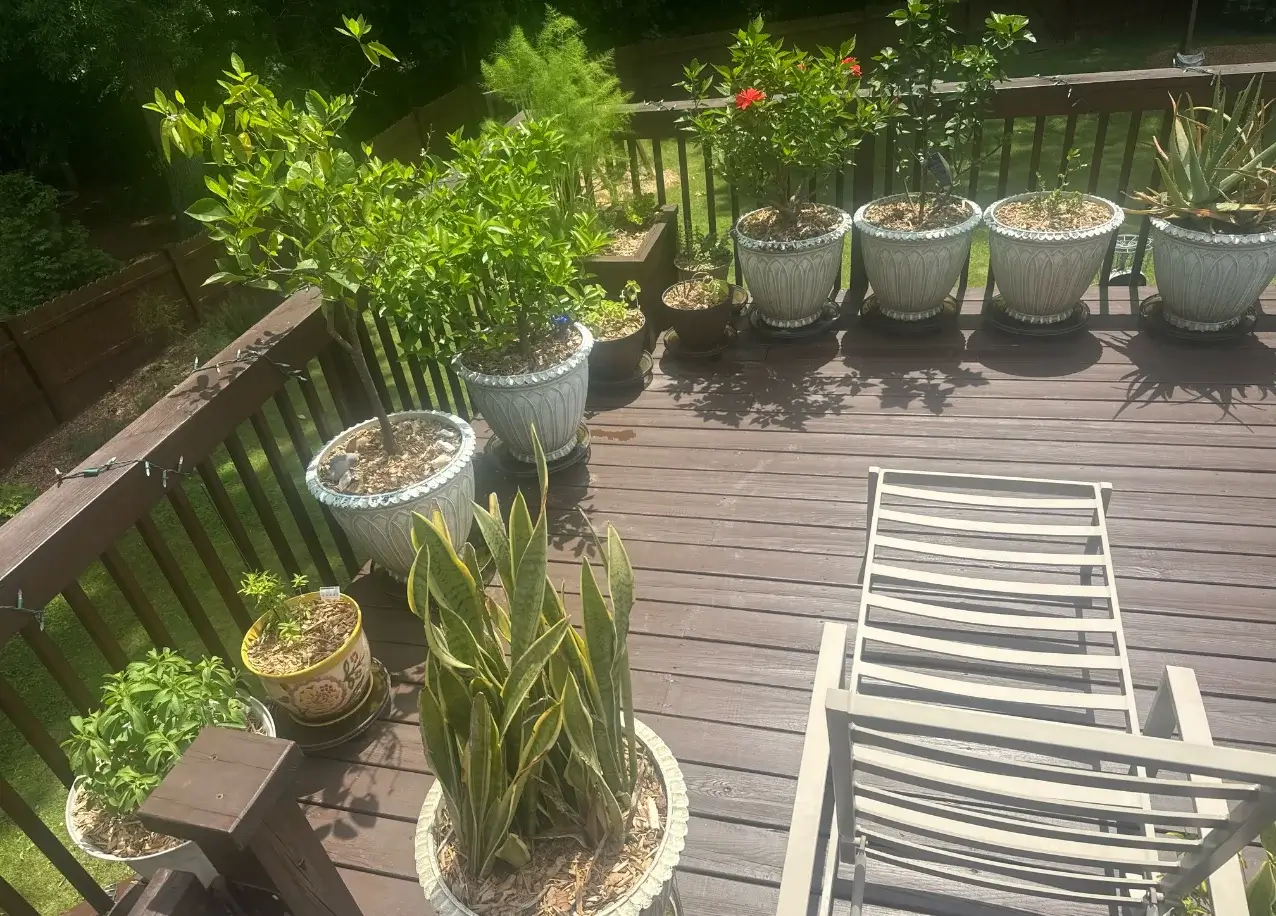
When you look at what we have done in our own organic backyard garden, you can see how much food, beauty, herbal abundance, and family connection can come from a small space. Food production does not have to be limited to large farms. You can embrace the homesteading lifestyle with a patio, a deck, a raised bed, a container garden, or a kitchen herb shelf.
This is important because growing even a portion of your own food reconnects you with God’s design for nourishment. Herbs, vegetables, flowers, compost, soil, sunshine, water, and stewardship all work together. Research is catching up, too. Community gardening trials have found improvements in vegetable intake and seasonal eating, and larger gardening research continues to show benefits for physical activity, fiber intake, stress, and well-being. (1, 2, 3)
Urban Homesteading Mindset Principles
The urban homesteading mindset is not limited to gardening. You are not even limited to exercising your green thumb. Homesteading practices include practical, old-fashioned skills that help your family live more wisely in a modern world.
Using Earth-Friendly Principles – Striving to be a good steward of the earth is a common homesteading principle and something God calls us to. This can be as simple as composting, reducing waste, reusing glass jars, choosing non-toxic cleaning ingredients, or growing a few pollinator-friendly herbs and flowers.
Learn Methods of Food Preservation – This includes canning, dehydrating, fermenting, freezing, and storing food while it is available so you can use it later. The key is to use safe, research-based methods, especially when canning low-acid foods or preserving foods for long-term storage. (5)
Self-Sufficiency – Making things for yourself helps you ensure quality, control costs, and prevent outages during emergencies. This aspect of homesteading life can be done by anyone, no matter where you live. You can learn to make your own herbal oils, cleaning sprays, seasoning blends, pantry staples, fermented foods, and simple body care products one skill at a time.
Frugal Living – DIYing, preserving, repairing, repurposing, and saving to purchase wisely all fall under Homesteading 101 financial skills. Urban homesteaders can save money whether they live in an apartment, a townhouse, a suburban neighborhood, or a small city lot.
High-Quality – The homestead mindset means recognizing good quality and striving to get the best whenever possible. I often say that using the right tool for the job will save you in the long run! This applies to gardening tools, canning supplies, carrier oils, glass storage, seeds, soil, and kitchen equipment.
Local or Small Business – There’s a reason we love going to farmers’ markets, harvesting at U-pick farms, buying homemade items from friends, and learning directly from people who practice the skill they teach. Urban Homesteading 101 means that when you can deal with a producer or teacher directly, you know you’re supporting an actual human and building up your community resources.
The awesome thing about incorporating homesteading principles into your daily life is that you can enjoy many of the benefits of homesteading even without a farm. And you can start right away with our Natural Living Family community!
Benefits of a Homesteading Lifestyle
If there’s one thing we’ve learned during recent uncertainties, it’s that being prepared as a family and having the skills needed to take care of yourself can be so important. There are a lot of reasons to consider being prepared as a family, as this article in The New York Times reminded us.
Budgeting. Food preservation skills like dehydrating, freezing, fermenting, and canning can help you save money by preserving food when you have a bountiful harvest or find a good sale on produce. Buying on sale to set aside for times when things are not available or not available inexpensively is a great way to maximize your grocery budget.
This is also true when it comes to herbal remedies. Herbal-infused oils, for example, can cost a lot if you buy them commercially. And you will not always know the quality of the base oil or herbal material that was used. As we’ve seen in the olive oil benefits report, it’s not uncommon for oils to be adulterated.
However, I can make an infused oil with my own homegrown rosemary, a plant I bought years ago, for pennies on the dollar. I’ll know it was an organically grown herb, and I can choose a high-quality carrier oil suited for my desired purposes. This helps me get the best results while stewarding our family budget wisely.
Health. One of the first things you learn as a member of the Natural Living Family is how much more control you have over ingredients when you make many of your own cleaning products, body care products, and especially meals. You can intentionally reduce unnecessary synthetic fragrance, dyes, harsh ingredients, ultra-processed foods, and mystery additives in your home.
Reality check: indoor air matters. The EPA notes that many household products, including cleaners, disinfectants, air fresheners, cosmetics, and hobby products, can release volatile organic compounds, or VOCs, and that VOC levels are often higher indoors than outdoors. (6) A 2023 chamber study of cleaning products detected hundreds of VOCs and found that green, fragrance-free products generally had lower VOC numbers and concentrations than conventional products. (7) That is one reason we love simple, effective, non-toxic DIYs.
Stability. It’s no surprise to anyone anymore that our supply chain is more global than it used to be. Preparedness on an urban homestead means having some items on hand in case of emergencies and disruptions. It also means knowing certain skills that allow you to do more for yourself.
For example, my husband still uses the homemade hand sanitizer I make him for his retail job. Not only am I able to customize it with essential oils, but I also don’t have to worry about running out because I keep the ingredients on hand. The important thing is that homemade hand sanitizer still needs to be formulated wisely. The CDC recommends washing hands with soap and water in most situations and using an alcohol-based hand sanitizer with at least 60% alcohol when soap and water are not available. (8)
Quality Control. I speak from experience when I say there’s nothing better than homemade food and herbal preparations. It puts me in control of everything: the freshness of the ingredients, the quality of the blends I choose, and the customization of formulas for me and my family from the very beginning.
Not only can I grow or buy the best ingredients available, but I can also use them in simple preparations that keep our kitchen centered on whole ingredients. Culinary herbs and spices contain a wide range of phytochemicals, and a 2023 clinical scoping review found human research on culinary doses of several common herbs and spices in relation to metabolic health. The evidence varies widely by herb, dose, population, and outcome, so this is not a reason to treat the spice rack like a medicine cabinet. (9) Put simply, growing and using herbs is one of the easiest ways to add flavor, beauty, and functional nutrition to your family’s table.
Peace of Mind. Do not underestimate how valuable this can be. With children in the house, I always keep extra on hand, which helps my mental health. When things got crazy, I not only had peace of mind for my family, but I was able to bless those around me with a dozen eggs from my backyard chickens here and some freshly harvested herbs there.
We didn’t depend on being able to find a specific item at the grocery store on a specific day because I knew I had some items prepared ahead of time. As I’ve always said, “Proper Planning Prevents Poor Performance.” And proper planning allows peace of mind too!
Urban Homesteading 101 Tips
Now I realize not everyone lives in the country or has lots of acreage. I grew up in a big city in California, so I know the limitations that can come from being in a city. But one thing I learned researching edible landscaping is that you can embrace many homesteading skills no matter what size home you live in.
Here’s the thing: you do not have to do all of this at once. Choose one skill, practice it until it feels normal, and then add the next one.
1. Grow a Container Garden
One of the simplest ways to grow a garden in a limited space is by starting a container garden. You can use any bit of land or hardscape, even concrete, like a sunny patio, apartment balcony, front porch, deck, or even a bright windowsill if needed.
Container gardening is perfect for lettuce, herbs, cherry tomatoes, peppers, strawberries, green onions, dwarf fruit trees, edible flowers, and small-space medicinal plants. Use food-safe containers with good drainage, choose quality soil, and match your plants to the amount of sun your space receives.
The biggest thing to remember with a potted plant is that the root system is smaller than plants in an outdoor garden bed, so be mindful to water regularly as needed. Containers dry out faster, especially in summer heat, on windy balconies, or in hanging baskets.
Try this: Start with one container of herbs near your kitchen door. Basil, parsley, oregano, thyme, chives, mint, rosemary, and cilantro are practical choices because you can use them in meals right away. Once you taste the difference between homegrown herbs and wilted grocery-store clamshells, you’ll understand why this is usually the first homesteading skill I recommend.
2. Make a Medicinal Herb Garden
Growing an herb garden is one of the best returns on your time and money on an urban homestead. For the price of one tiny stem of fresh basil from the grocery store, you can buy a full packet of seeds that can produce dozens of basil plants – enough for the whole year if you grow, dry, freeze, or preserve it well.
Whether you’re growing herbs to infuse carrier oils for your essential oil DIYs, to boost the taste and nutrition of your kitchen recipes, or to enjoy homegrown herbal tea, there’s a bounty of fragrance and flavor awaiting you.
Some of my favorite beginner-friendly herbs include basil, rosemary, thyme, oregano, mint, lemon balm, lavender, calendula, parsley, sage, and cilantro. Mint and lemon balm are best grown in containers because they love to spread. Rosemary prefers good drainage. Basil loves warmth. Parsley handles cooler weather better than many tender herbs.
Try this: Pick three herbs you already use in your kitchen. Grow those first. Then branch out into herbs for teas, infused oils, salves, vinegars, baths, and balms. You can even learn how to make homemade tea from your own garden as a simple next step.
3. Begin a Compost Bin
Using compost is a primary technique of regenerative gardening. It’s earth-friendly, it repurposes food waste you’d otherwise throw away, and it helps you turn scraps into soil-building abundance – all central principles for Homesteading 101.
The EPA explains that composting reduces waste, reduces methane emissions from landfills, recycles organic materials into a valuable soil amendment, and helps build healthy soil by adding organic matter and supporting soil microbes. (4)
You can keep your compost bin in a self-contained Garden Tower, a yard tumbler, a worm bin, a countertop collection system that feeds a community compost program, or a simple homemade wire bin-style compost setup. Regardless of what you use to hold your compost, turning kitchen and garden waste into a useful soil amendment is just plain smart.
Try this: Begin with fruit and vegetable scraps, coffee grounds, tea leaves, eggshells, dried leaves, shredded uncoated paper, and garden trimmings. Avoid meat, dairy, oily foods, and pet waste in a basic home compost system. Keep your compost moist like a wrung-out sponge and balance “greens” like food scraps with “browns” like dry leaves or shredded paper.
4. Learn Food Preservation Skills
Saving food during times of plenty so it’s available during lean times is not only part of a wise emergency plan; it is one of the many homesteading practices you’ll want to adopt. It will save you money too because you preserve food you won’t use right away instead of letting it spoil or be wasted.
Canning, freezing, fermenting, and dehydrating to preserve food for later is a win/win when it comes to Homesteading 101 skills and sustainability practices. But food preservation is one place where “old-fashioned” must also mean “safe.” The National Center for Home Food Preservation provides current, research-based recommendations for canning, freezing, drying, fermenting, pickling, jams, jellies, and storage. (5)
This matters because some methods that get passed around online are not safe. Low-acid vegetables, meats, soups, and beans require pressure canning, not water bath canning. Dehydrated foods need to be dried thoroughly and stored properly. Fermented foods should follow a trusted, tested method with appropriate salt, temperature, timing, and storage for the specific food. This is not hard, but it is worth learning correctly.
Try this: Start with freezing because it’s beginner-friendly. Learn how to blanch vegetables for freezing, then move to dehydrating herbs, fruit, and vegetables. After that, take a safe canning class or follow tested recipes from a trusted extension source.
5. Create Kitchen Staples Yourself
Learning how to make your own kitchen staple items may seem daunting, but start small with simple recipes and try trickier things as your skill and confidence levels increase.
Try simple herb blends such as taco seasoning, Italian seasoning, ranch seasoning, poultry seasoning, or a salt-free all-purpose herb blend. Then graduate to homemade condiments like ketchup, spaghetti sauce, salsa, salad dressing, hummus, yogurt, kombucha, broth, fermented vegetables, or homemade bread. Before you know it, you’ll be making your own kitchen staples like Little House on the Prairie – but with a blender, a dehydrator, and a dishwasher!
This step is about more than saving money. When you make staples at home, you decide how much sugar goes in. You decide which oils are used. You decide whether artificial colors, preservatives, and mystery flavors come into your kitchen. You decide whether the recipe supports your family’s goals or works against them.
Try this: Choose one product you buy every week and learn to make it. Salad dressing is one of the easiest places to begin. Then move on to seasoning blends, sauces, broths, and fermented foods.
6. DIY Wellness & Household Products
It’s no secret that many homesteaders become very proficient at DIYing items the average person would run to the grocery store or Amazon to pick up. In fact, the Natural Living Family newsletter often shares DIY remedies and how-tos! Making your own household cleaners and body care products is a great way to improve your homesteading skills.
This is where homesteading overlaps beautifully with non-toxic living. You can make a simple glass cleaner, all-purpose spray, foaming hand soap, body scrub, salve, balm, herbal oil, bath soak, linen spray, and DIY hand sanitizer with essential oils from basic ingredients you keep on hand.
When using essential oils in DIYs, remember that more is not better. Use glass containers when appropriate, dilute essential oils for topical products, label your recipes, and keep products away from children unless they are meant for supervised family use. For body care, my DIY base oil for essential oil remedies is a wonderful staple to keep ready.
Try this: Pick one household product you use often and learn to make a cleaner version. Glass cleaner, hand soap, and a basic herbal salve are great first projects. This is how you build a non-toxic home one practical swap at a time.
Please do not think for one moment that being in a suburban space, apartment, townhouse, or city neighborhood can stop anyone from becoming a successful homesteader. Urban Homesteading 101 means getting creative with your skills and leveling up as you learn and try new things!
What is the Homestead Corner?
In fact, this is something we believe in so strongly that we have an entire class module dedicated to the urban homesteading lifestyle in our Bible Health Academy called the Homestead Corner.
When you join the Bible Health Academy and unlock the Homestead Corner, you’ll see the videos and lessons and can let us walk you through each step as you recapture these lost arts.
Video class segments in the Homestead Corner include:
- Fermenting Veggies
- Make Homemade Kombucha
- Cheese Making Tutorials
- Homemade Butter & Ghee
- Making Your Own Yogurt
- Freezing Garden Produce
- Canning Tips & Tricks
- Water Bath Canning Recipes
- Preparing Food for Canning
- Herbal Tinctures & Glycerites
- Herbal Vinegar Infusions
- Wellness Preparations & Remedies
- Salve & Balm Making Walkthrough
- Food Drying & Dehydration Techniques
- Milk Bath & Sugar Scrub DIYs
- …and more!
This little corner of the Bible Health Academy helps bridge the gaps between Organic Gardening and Bible Health information so you are empowered to transform your wellness efforts, kitchen skills, and food management to take your health to the next level.
This way of looking at the world doesn’t depend on whether you have a lot of land or live in the country. It’s all about taking control of your health, your food, your home, and more – one faithful step at a time.
Urban Homesteading FAQs
What is urban homesteading?
Urban homesteading is the practice of building self-sufficiency skills in a city, suburb, apartment, townhouse, or small-lot home. It can include container gardening, growing herbs, composting, preserving food, cooking from scratch, making non-toxic household products, and reducing waste.
Can you homestead in an apartment?
Yes. Apartment homesteading can include windowsill herbs, balcony containers, microgreens, sprouting, fermenting vegetables, making homemade cleaners, storing pantry staples, dehydrating food, and supporting local farmers through markets or CSA boxes.
What should a beginner urban homesteader start with?
Start with one simple skill that fits your life right now. A container herb garden, homemade seasoning blend, freezer meal prep, basic compost collection, or a non-toxic cleaning swap are all realistic beginner steps.
Do I need a backyard to start homesteading?
No. A backyard helps, but it is not required. A sunny windowsill, patio, balcony, deck, kitchen counter, community garden plot, or shared family garden can all support urban homesteading skills.
Is home canning safe?
Home canning can be safe when you follow tested, research-based recipes and use the correct method. Water bath canning is used for high-acid or properly acidified foods, while low-acid foods require pressure canning. Use trusted preservation guidance rather than random social media recipes. (5)
What herbs are easiest to grow for beginners?
Basil, parsley, mint, chives, oregano, thyme, rosemary, cilantro, lemon balm, and sage are common beginner herbs. Choose herbs your family already uses so you can harvest often and build confidence.
How does homesteading support biblical health?
Homesteading supports biblical health by encouraging stewardship, wise planning, nourishing food, reduced toxic burden, generosity, family connection, and faithful use of the resources God has given you. It is not about fear. It is about wisdom, preparation, and living the abundant life with your family.


- Litt JS, Alaimo K, Harrall KK, et al. “Effects of a community gardening intervention on diet, physical activity, and anthropometry outcomes in the USA (CAPS): an observer-blind, randomised controlled trial.” The Lancet Planetary Health. 2023;7(1):e23-e32. PubMed.
- Alaimo K, Beavers AW, Coringrato E, et al. “Community Gardening Increases Vegetable Intake and Seasonal Eating From Baseline to Harvest: Results from a Mixed Methods Randomized Controlled Trial.” Current Developments in Nutrition. 2023;7(5):100077. PubMed.
- Panțiru I, Ronaldson A, Sima N, Dregan A, Sima R. “The impact of gardening on well-being, mental health, and quality of life: an umbrella review and meta-analysis.” Systematic Reviews. 2024;13(1):45. PubMed.
- U.S. Environmental Protection Agency. “Composting.” Source.
- National Center for Home Food Preservation. “National Center for Home Food Preservation.” University of Georgia. Source.
- U.S. Environmental Protection Agency. “Volatile Organic Compounds’ Impact on Indoor Air Quality.” Source.
- Temkin AM, Geller SL, Swanson SA, Leiba NS, Naidenko OV, Andrews DQ. “Volatile organic compounds emitted by conventional and ‘green’ cleaning products in the U.S. market.” Chemosphere. 2023;341:139570. Source.
- Centers for Disease Control and Prevention. “Hand Sanitizer Guidelines and Recommendations.” Updated March 12, 2024. Source.
- Mackonochie M, Rodriguez-Mateos A, Mills S, Rolfe V. “A Scoping Review of the Clinical Evidence for the Health Benefits of Culinary Doses of Herbs and Spices for the Prevention and Treatment of Metabolic Syndrome.” Nutrients. 2023;15(23):4867. Source.