QUICK SUMMARY
Raising health-conscious kids means creating a family culture where healthy choices become normal, practical, and joyful. It starts with parents modeling the habits they want their children to carry into adulthood, then giving kids age-appropriate responsibility with food, movement, rest, screen use, cooking, shopping, gardening, and everyday natural living.
Research supports many of the habits we have practiced for years. Parental modeling, positive family meals, turning off screens during meals, and involving children in meal preparation are all associated with better nutritional health. Cooking and gardening programs can also improve children’s food knowledge, willingness to try fruits and vegetables, and, in many studies, actual fruit and vegetable intake.
The goal is not perfection, fear, or making health an idol. It is stewardship. We want our children to understand that their bodies are gifts from God and to develop the discernment, confidence, and practical skills to make wise choices when we are not standing beside them.
Wondering how to raise health-conscious kids in a world filled with processed foods, endless screen time, and constant distractions? You’re not alone. Every parent wants to give their children the best possible start, but building lifelong healthy habits can feel overwhelming.
The good news is that raising healthy children doesn’t require perfection or complicated routines. It starts with small, consistent choices that become part of your family’s culture. Kids learn a tremendous amount by watching the adults around them, so the habits we practice at home matter.
We also do not want our children growing up afraid of food or obsessed with health. Biblical health is stewardship, not perfection. Our goal is to teach them why we make the choices we do, let them practice those choices with us, and help them develop discernment they can carry into adulthood.
When healthy habits become part of daily family life, we give our kids a foundation they can build on for years to come. So, let’s look at practical ways to create a health-focused home without making family life feel restrictive.
Table of Contents

How to Raise Health Conscious Children
As parents, there’s something that’s so important to us: raising health-conscious kids. From the moment we knew our kids were on the way, we realized how crucial it would be to teach them healthy eating and natural living habits they could carry into adulthood.
Raising health-conscious kids is about more than what you put on their plate. It’s about creating a home environment that supports physical, mental, emotional, and spiritual well-being while teaching the habits and values that will guide them throughout their lives. Sometimes that means reshaping unhealthy traditions from previous generations. You can do it.
Start small, involve your kids in the process, and make health a family priority. The goal is to raise children who can make wise choices even when Mom and Dad are not there to make the decision for them.
Leading by Example with a Health-Focused Home
Children learn by watching what we do. They are far more likely to see healthy living as normal when they see us practicing it ourselves. Your kids are watching what you eat, how you move, how you rest, how you handle stress, and what you prioritize.
We remember being in a young married Bible study when one of the women said, “I think that our kids are the best Holy Spirit because they emulate everything that you do.”
Mama Z learned that lesson firsthand while teaching a martial arts class. She noticed several of her students had a weird hunch to their shoulders while they were punching. It wasn’t until she saw her own poor posture in the mirror that she realized the problem was her, not them. Students who are learning follow their instructor!
Research supports several parts of this approach. A meta-analysis of 50 studies involving more than 49,000 participants found that parental modeling of healthy eating, a positive mealtime atmosphere, turning off the TV during meals, and children’s involvement in meal preparation were each associated with better nutritional health.
That’s why in our home, we prioritize regular movement, healthy meals, mental and emotional well-being, prayer, and rest. We keep good snacks available and avoid making highly processed food the easiest option. It isn’t about being perfect. It’s about making the healthier choice easier to practice consistently.
Limit Screen Time
Limiting screen time is another way to protect time for physical activity, outdoor play, creativity, sleep, family connection, and real-life responsibilities. We set boundaries around screens so they do not crowd out the things our kids need most.
Current American Academy of Pediatrics guidance has moved away from treating screen use as a one-size-fits-all number for every school-aged child. Instead, the AAP emphasizes a family media plan, healthy boundaries, screen-free family times, and protecting sleep, movement, reading, homework, and relationships from being displaced by digital media. You can review the AAP’s current digital media guidance here.
One of the things Dr. Z does every day is morning exercise with a program that gives him variety. Now that Isaiah is getting older, he’s beginning to build his own routine of morning push-ups and sit-ups and is creating his own discipline.
For us, limiting screens is not punishment. It is about making room for a fuller life. We want our kids to learn God-honoring self-care routines and to understand that technology is a tool, not something that should control the rhythm of the home.
How to Get Kids to Eat Healthy
One of the biggest ways to help your children become health-conscious is to teach them healthy eating habits they can actually use when they are away from home. Here are some of our tried and true tips.
Encourage Health Conscious Food Choices
Offering a variety of healthy foods and giving your kids reasonable choices among them is one of the simplest ways to foster healthy eating habits. We always make sure there are several good options available. The more familiar children become with nourishing foods, the easier it is for them to find foods they genuinely enjoy.
Making food fun can help too. We like to get creative with presentation, make fun shapes out of fruits and vegetables, let the kids help plate their meals, or let them choose an allergy-friendly dip for their veggies. It’s amazing how much more excited they can become about food when they are part of the process.
Positive reinforcement goes a long way, but we avoid using food itself as a reward or punishment. Instead of promising a sugar-laden treat for good behavior, we may let the kids choose a favorite snack from pre-selected options or reward responsibility in another way.
That approach lines up with the research. Longitudinal evidence has linked using food as a reward with emotional eating, and a newer systematic review found that highly controlling approaches to sugar-rich foods were associated with less favorable eating patterns over time, while structure and balanced guidance were associated with better outcomes. (research; research)
When we go to the health food store to shop, Mama Z rotates her “helper” so she can show them how to pick produce, find ingredients, compare options, and think through what we need for the week. They also take turns helping with weekly food tasks like making smoothie packets, yogurt cups, or other age-appropriate jobs.
We also do cooking projects, especially with the younger ones who aren’t going to school yet. They love having their own apron and being part of the fun!

Involve Kids in Menu Planning & Meal Preparation
Getting kids involved in the kitchen is one of the best ways we have found to encourage healthy eating. Our kids love helping out with meal prep. When they are involved in the process, they have ownership in the meal instead of simply being told what is being served.
Start with age-appropriate jobs such as washing vegetables, stirring ingredients, measuring, setting the table, or picking recipes for the week. Menu planning is a big deal in our house. We sit down as a family and plan our meals for the week, and the kids are much more willing to try something new when they helped choose it.
Family meals are valuable for more than convenience. A 2023 umbrella review of 41 systematic reviews found that more frequent family meals were associated with better diet quality and several psychosocial benefits in children and adolescents. Most of that evidence is observational, so family dinner is not a magic cure, but it reinforces something we have experienced for years: the table is a powerful place to teach.
We’ve even helped our kids learn how to convert recipes into allergy-friendly alternatives. If they want to try a new recipe that isn’t in our usual menu plan, especially for a birthday meal, we let them research a version they like. Then we sit together and help them convert the ingredients to healthier alternatives.
That is the kind of skill we want them to carry forward. One day they will be feeding themselves, and perhaps their own families, without us standing over their shoulders.
We’ve shared more about this in our posts on menu planning and efficient meal prep, so be sure to check those out for detailed tips and ideas on how to involve your kids.
Learning Healthy Habits – for Life!
Whether it’s regular exercise, healthy eating, wise screen boundaries, cooking, gardening, or learning to be a discerning consumer, there are lifelong habits you can intentionally build into family life.
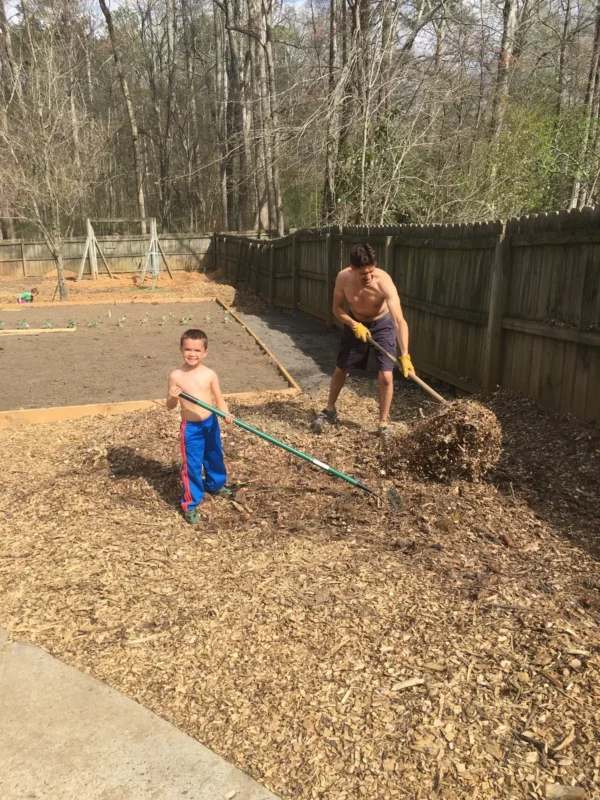
Gardening Together to Grow Fresh Foods
Gardening is one of our favorite ways to teach our kids where food comes from and give them an appreciation for growing fresh food. There’s something special about planting a seed, caring for it, harvesting it, and then eating what God provided through the work of your hands.
The research on hands-on food education is encouraging. A 2023 systematic review of 36 cooking and gardening programs found that these programs frequently improved children’s food knowledge and skills, willingness to try fruits and vegetables, and attitudes toward eating them. In 11 of the 16 studies that measured actual fruit and vegetable intake, intake increased.
Even if you don’t have a lot of space, container gardening or a small backyard garden can make a big difference. We’ve done everything from small herb gardens on the windowsill to larger vegetable gardens in the backyard. The key is to make it fun and educational. Let your kids choose what they want to grow and give them responsibility for their little patch of the garden.
Even Miss Bella has taken over one aspect of gardening. She brought home a mystery bean from school, so we planted it along with our other beans in the garden. She is convinced all the beans are from her bean, so she willingly waters and picks the beans on a regular basis.
Gardening is also a great way to teach patience and perseverance. It gives kids hands-on experience with nature, responsibility, and food production. And with the price of organic produce, anything we can grow ourselves can help the family budget too.
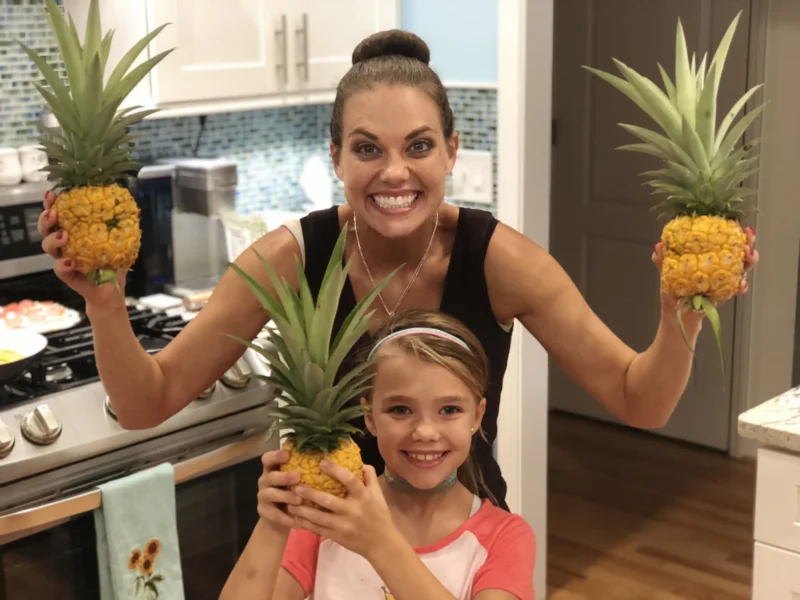
Regular Exercise as a Family Fun Time
We can’t stress enough how important it is to keep moving. Physical activity is a big part of our daily routine and one of the simplest ways to model healthy living for our kids.
The current CDC recommendation is for children ages 3 to 5 to be active throughout the day, while children and adolescents ages 6 to 17 should get at least 60 minutes of moderate-to-vigorous physical activity each day, including activities that strengthen muscles and bones during the week. (CDC guidance)
Whether it’s going for a walk after dinner, playing outside with the kids, or doing a family workout, we make sure to stay active together. Esther, for example, now regularly goes to the gym with us and is beginning to create her own routines.
Finding activities that everyone enjoys is key. The best exercise is the one you will actually do consistently. For our family, that means mixing it up. Some days we’ll go for a hike and “forest bathe,” and other days we might play soccer in the backyard. The important thing is to keep movement fun enough that the kids want it to remain part of their lives.
Educate and Empower Their Personal Health
Helping kids understand the “why” behind healthy choices can empower them to make good decisions on their own. We talk openly about why we make the choices we do, whether it’s the benefits of certain foods, the importance of exercise, why we limit particular ingredients, or why rest matters.
Encourage your kids to think critically about their choices. We ask questions like, “How do you feel after you eat that?” or “What do you think would be a healthier option?” It’s not about being strict. It’s about helping them learn to listen to their bodies, think clearly, and make informed decisions.
We knew we had arrived at a funny milestone when we were at a birthday party and one of the kids asked, “Is this water gluten-free?”
Supporting their interests in health-related topics is important too. If our kids show an interest in cooking, gardening, exercise, or nutrition, we nurture that curiosity. They each have different things they naturally gravitate toward, and we give them opportunities to develop those interests.

We’ve even had opportunities to go into the kids’ classrooms and do educational activities on different health topics. We’ve done gardening demonstrations, talks about nutrition and health, and “brain break” sessions with physical exercises and activities. When one of our kids is in the classroom, they get to help with the teaching session.
What better way to learn something than to know it well enough to teach it to someone else?
We want healthy living to be one of our defining family characteristics, and that means bringing the education to the level each child needs at each age. A health-conscious lifestyle doesn’t happen by accident. For us, it’s part of intentional parenting.
Key Takeaways
- Children learn healthy habits by watching what parents consistently practice, not just by listening to what we say.
- Family meals, positive food modeling, and involving kids in shopping, cooking, and meal preparation can help build healthier eating patterns.
- Cooking and gardening give children practical skills and can increase their willingness to try fruits and vegetables.
- Protect time for movement, outdoor play, sleep, family connection, and responsibilities by setting thoughtful screen boundaries.
- The goal is not perfection or fear. It is Biblical stewardship, discernment, and giving kids the confidence to make wise choices as they grow.
Raising Health-Conscious Kids FAQs
How do you raise health-conscious kids?
Raising health-conscious kids begins with building healthy choices into normal family life. Model the habits yourself, keep nourishing food available, eat together when you can, involve kids in cooking and shopping, encourage daily movement, protect sleep, set healthy screen boundaries, and explain why your family makes these choices.
What are the best healthy habits to teach children?
Some of the most important lifelong habits include eating mostly real foods, drinking water, staying physically active, getting adequate sleep, spending time outdoors, learning to cook, managing stress in healthy ways, practicing gratitude and prayer, and using digital media without letting it crowd out real life.
Sleep needs vary by age. Current guidance recommends 10 to 13 hours for children ages 3 to 5, 9 to 12 hours for ages 6 to 12, and 8 to 10 hours for teens ages 13 to 17. (CDC sleep guidance)
How can I encourage my child to eat healthy without forcing them?
Create opportunities instead of power struggles. Offer a variety of nutritious foods consistently, involve children in meal planning and preparation, eat those foods yourself, and keep the atmosphere positive. Avoid making dessert the prize for eating vegetables or turning every bite into a battle.
Why is leading by example so important for children’s health?
Children learn from the environment they live in. When parents choose wholesome foods, stay active, prioritize rest, use screens intentionally, and maintain a healthy attitude toward wellness, those behaviors become part of the family’s normal rhythm. Research also finds that parental modeling and positive family mealtime practices are associated with better nutritional outcomes in children.
What role does the home environment play in raising healthy kids?
The home environment shapes what is easiest to do every day. Stocking nourishing snacks, encouraging family meals, limiting highly processed foods, keeping water available, creating opportunities for movement, and establishing consistent routines all reduce friction around healthy choices.
When should you start teaching kids about healthy living?
Healthy habits can begin in the earliest years of childhood because even toddlers learn through observation and participation. Family meals, outdoor play, simple cooking tasks, garden chores, regular bedtime routines, prayer, and age-appropriate responsibilities all become building blocks for later independence.
The teaching should mature as the child does. The goal is not to control every choice forever. It is to gradually give children the knowledge, skills, and discernment to steward their own health as they grow.